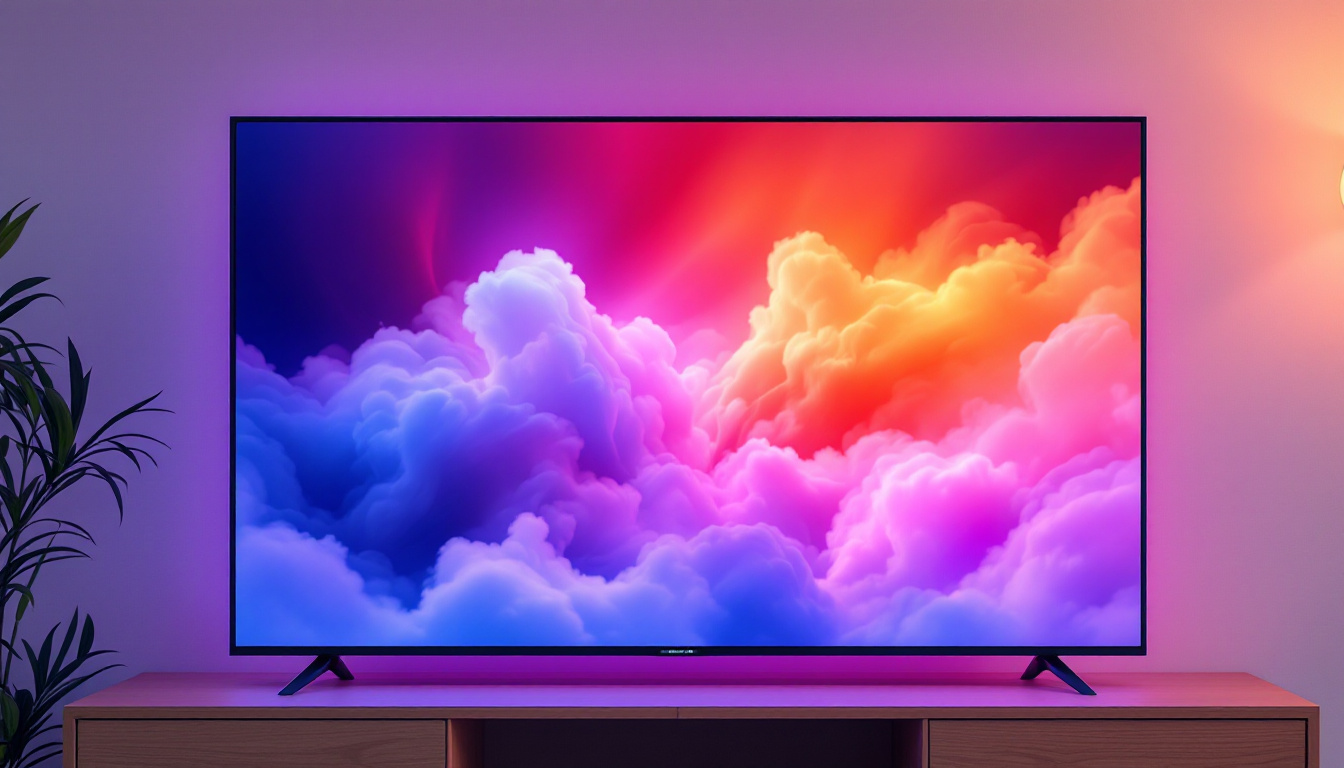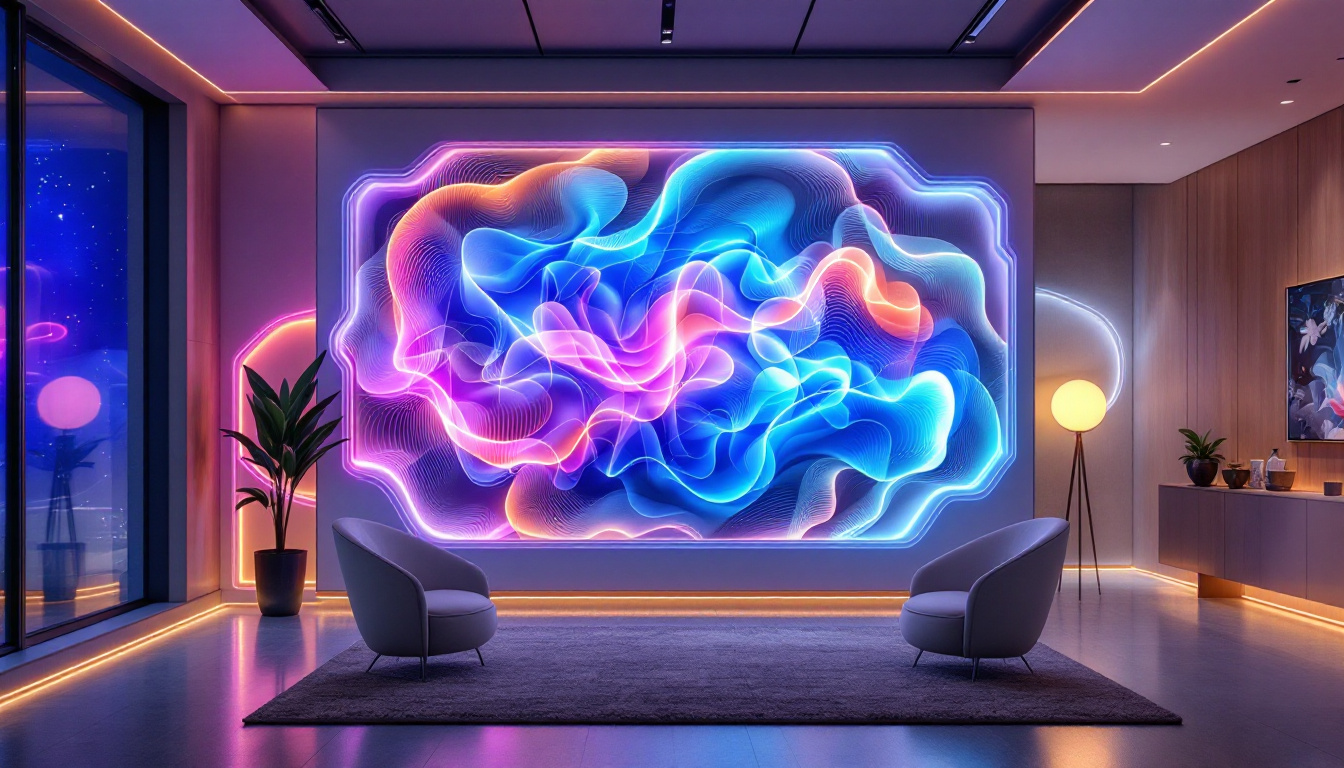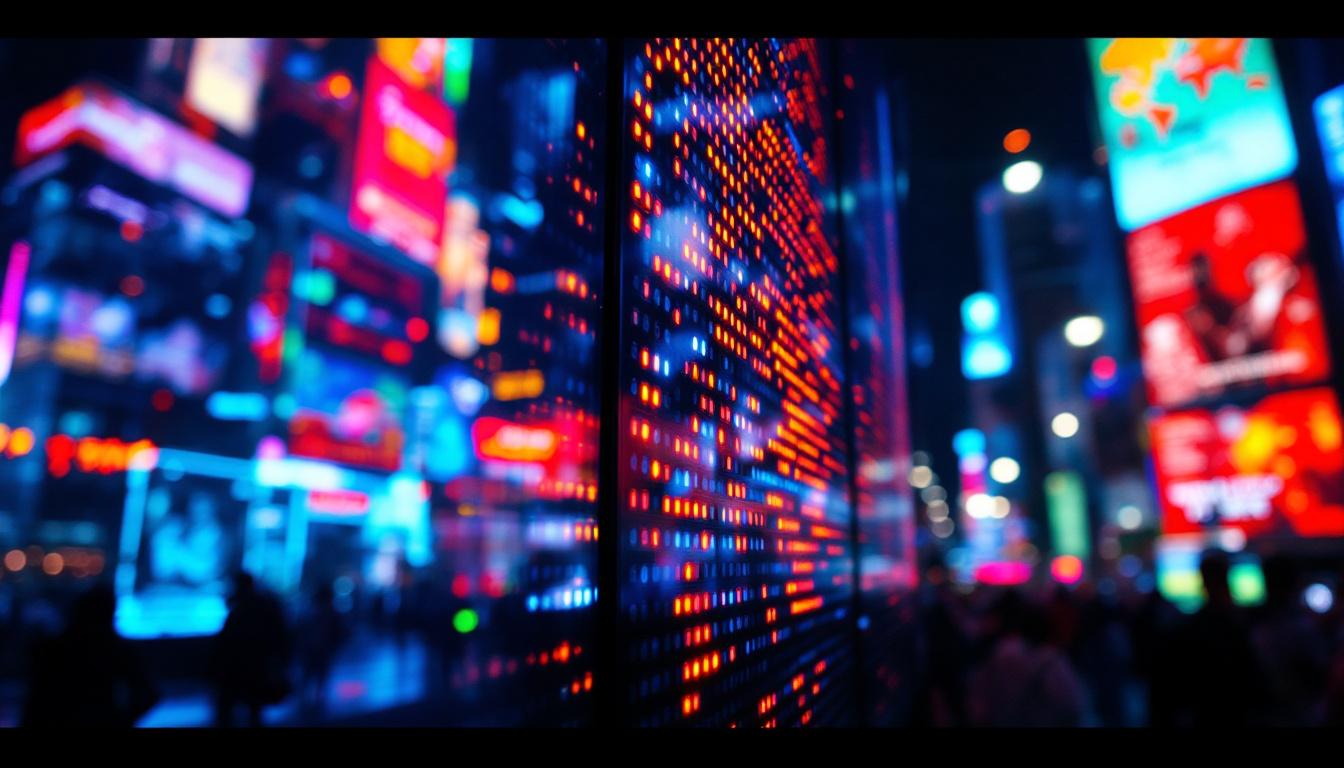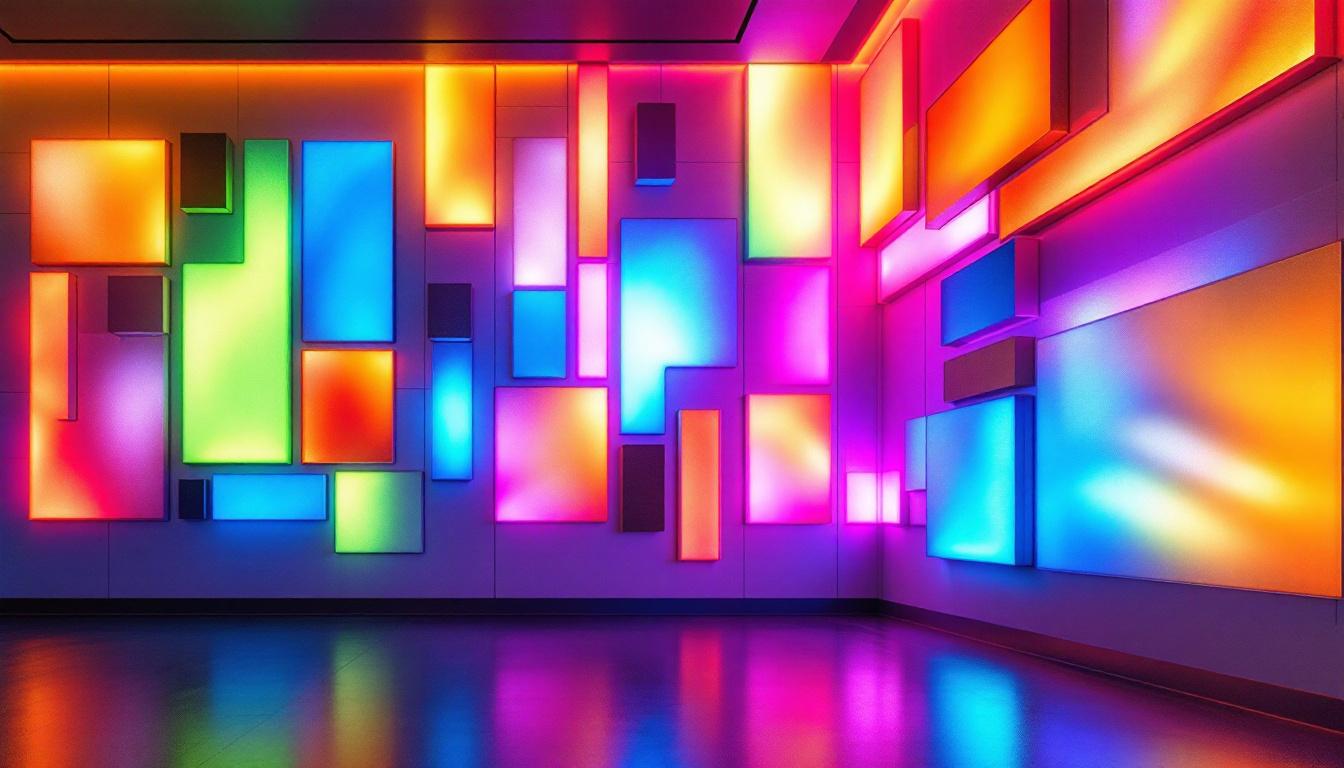
In recent years, wall panels with LED lights have emerged as a popular choice for both residential and commercial spaces. These innovative panels combine aesthetic appeal with functional lighting, transforming ordinary walls into dynamic displays or ambient light sources. Whether used in modern homes, retail environments, or corporate offices, LED wall panels offer a versatile solution that enhances interior design while providing energy-efficient illumination.
This article delves into the technology behind LED wall panels, explores their benefits, and discusses practical applications and installation considerations. By understanding how LED displays work and what makes them stand out, readers can make informed decisions about incorporating these panels into their spaces.
Understanding LED Wall Panels: Technology and Design
LED (Light Emitting Diode) technology has revolutionized lighting and display solutions over the past decade. Unlike traditional incandescent or fluorescent bulbs, LEDs produce light through electroluminescence, which is more energy-efficient and longer-lasting. Wall panels with LED lights leverage this technology to create illuminated surfaces that are thin, lightweight, and customizable.
What Are LED Wall Panels?
LED wall panels are flat or slightly textured panels embedded with LED lights arranged in specific patterns or grids. These panels can be designed to emit uniform light across their surface or display images, animations, and text by controlling individual LEDs. The panels are typically made from materials such as acrylic, polycarbonate, or specialized diffusers that enhance light distribution and durability.
Some LED wall panels are rigid and fixed, while others are modular, allowing multiple panels to be connected seamlessly to form larger displays. This modularity is particularly useful for commercial applications, such as advertising billboards or interactive walls in public spaces. Additionally, the aesthetic versatility of LED wall panels allows designers to incorporate them into various architectural styles, from sleek modern interiors to more traditional settings, creating a harmonious blend of technology and design.
How LED Displays Work
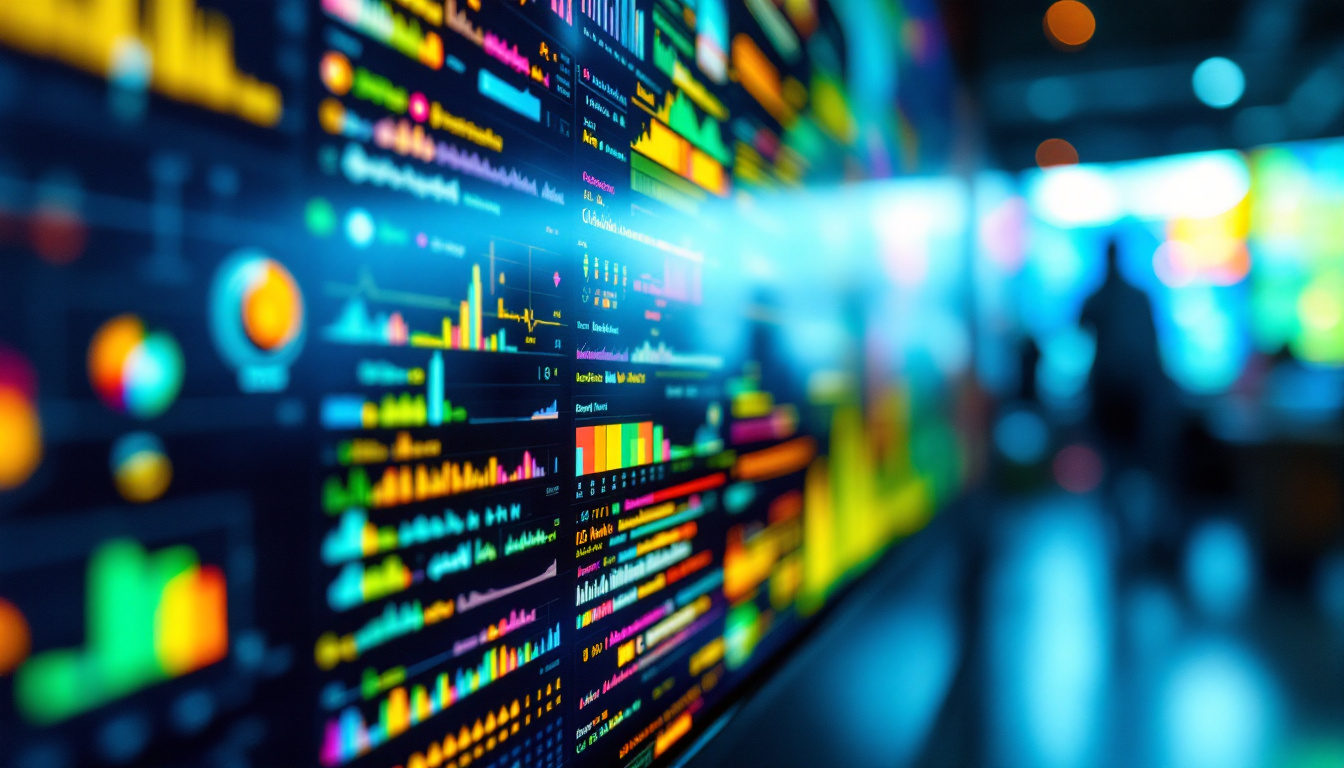
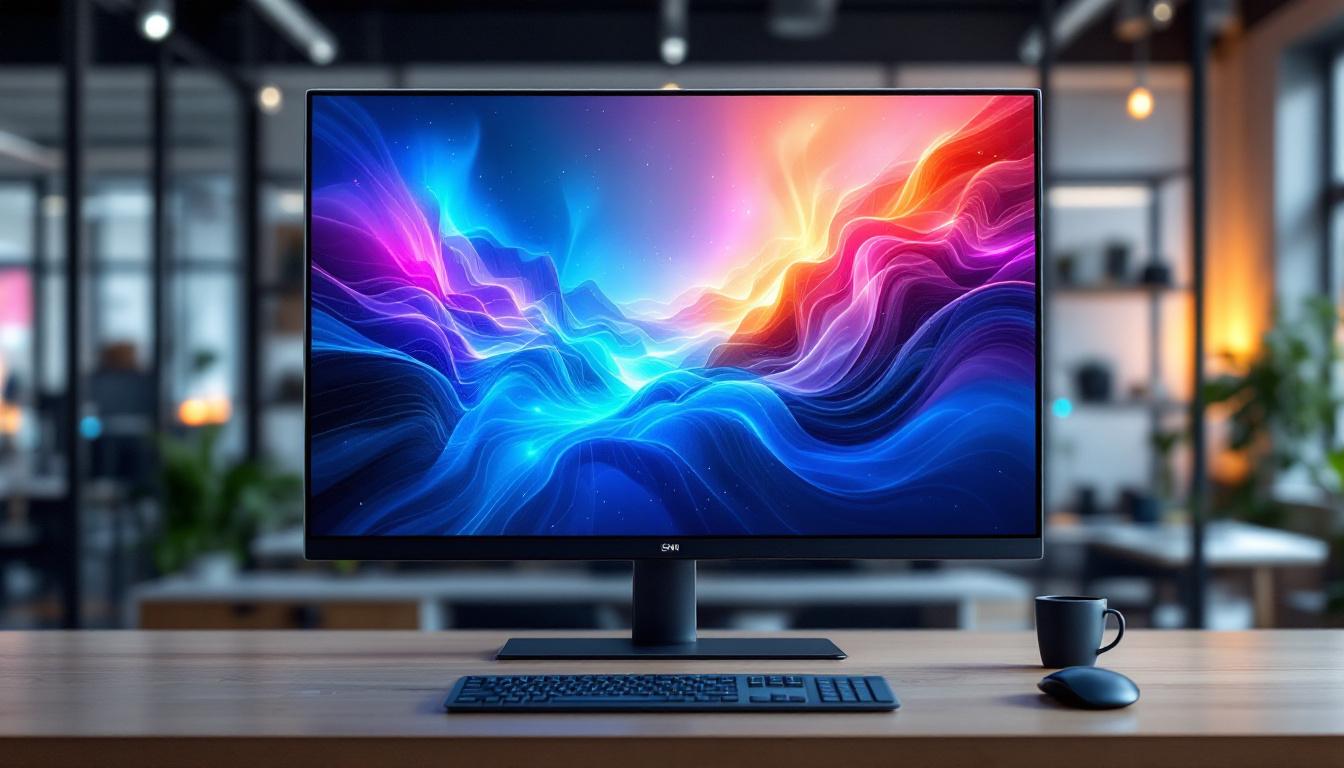
At the core of LED wall panels is the LED matrix—a grid of tiny LED bulbs that can be individually controlled. Each LED can emit different colors by combining red, green, and blue (RGB) diodes, enabling millions of color variations. By adjusting the brightness and color of each LED, the panel can create complex images or smooth, ambient lighting effects.
Control systems, often integrated with software, manage the LEDs’ behavior. These systems can be programmed to display static images, dynamic video content, or respond interactively to environmental inputs such as sound or motion. Advances in microcontroller technology and wireless connectivity have further expanded the possibilities for LED wall panels, making them more accessible and versatile. Moreover, the integration of smart technology allows for remote management and real-time updates, which is particularly beneficial for businesses that require frequent content changes or wish to engage their audience with interactive displays that respond to user interactions or environmental changes.
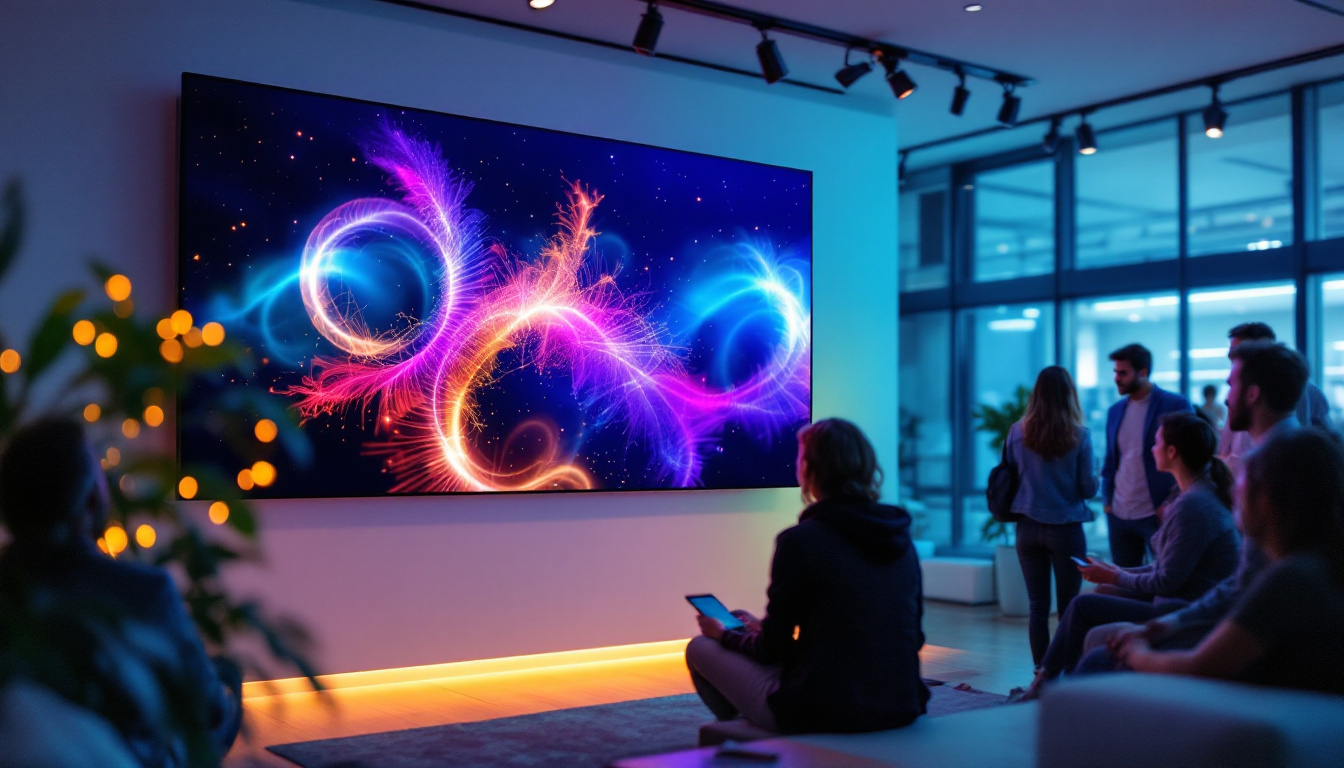
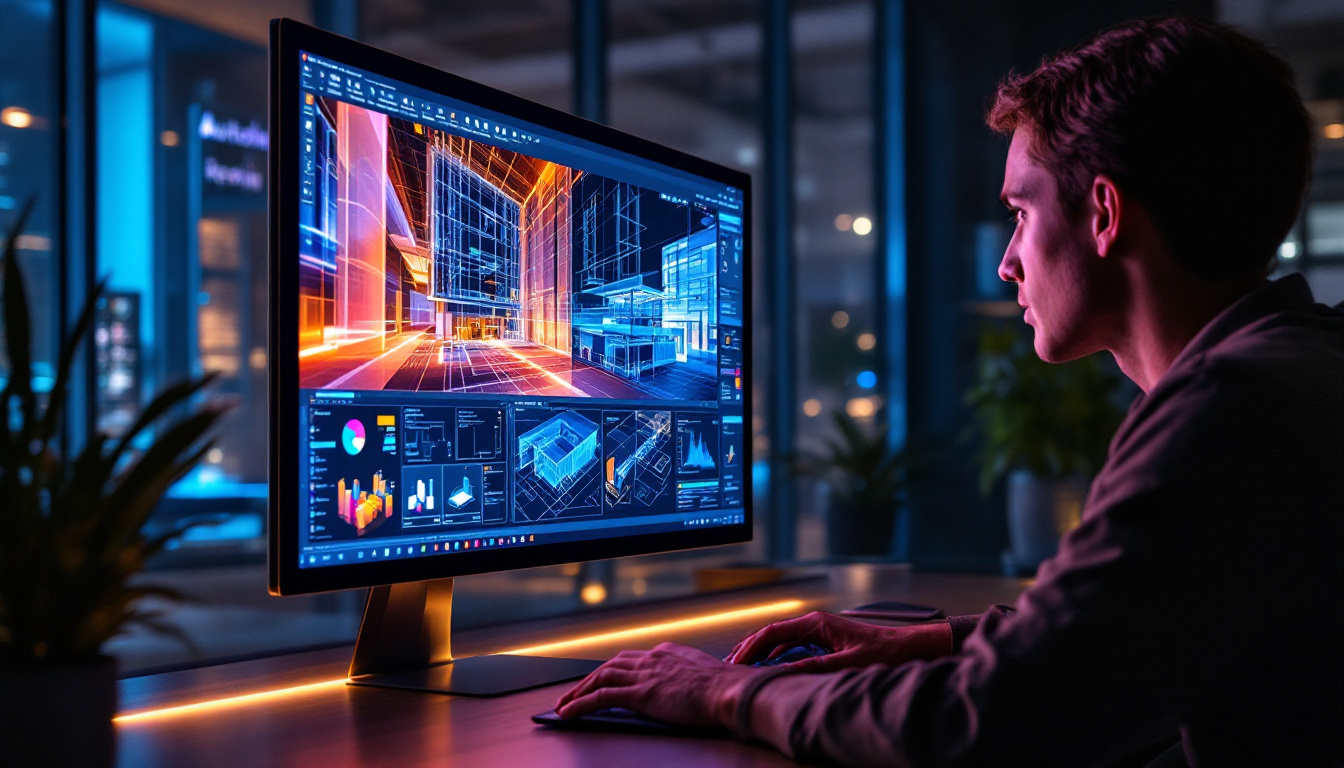
In addition to their functional capabilities, LED wall panels are also being utilized for their potential to enhance user experience in various settings. For example, in retail environments, they can create immersive shopping experiences by showcasing vibrant product displays or interactive promotions that capture customer attention. In corporate settings, these panels can be used for dynamic presentations, transforming dull meeting rooms into engaging spaces that foster creativity and collaboration. The adaptability of LED wall panels not only meets the practical needs of lighting and display but also elevates the overall ambiance and aesthetic appeal of any environment.
Benefits of Using LED Wall Panels
LED wall panels offer a range of advantages that make them attractive for various applications. From energy efficiency to design flexibility, these panels provide value beyond traditional lighting or display options.
Energy Efficiency and Longevity
One of the most significant benefits of LED technology is its low energy consumption. LEDs use up to 80% less energy than incandescent bulbs and last up to 25 times longer. This efficiency reduces electricity costs and maintenance frequency, which is especially important for commercial installations where panels may operate for extended hours.
Additionally, LEDs generate less heat, contributing to a safer and more comfortable environment. This characteristic also reduces the strain on HVAC systems, indirectly lowering energy expenses.
Design Versatility and Customization
LED wall panels can be tailored to fit a wide range of design aesthetics and functional needs. They come in various sizes, shapes, and color options, allowing architects and interior designers to integrate them seamlessly into their projects. Whether creating a subtle backlit wall or a vibrant digital mural, LED panels provide unmatched creative freedom.
Furthermore, the ability to program and change displayed content dynamically makes LED panels ideal for spaces that require frequent updates, such as retail stores, event venues, or corporate lobbies.
Improved Ambiance and User Experience
Lighting plays a crucial role in setting the mood and atmosphere of a space. LED wall panels can emit soft, diffused light that enhances ambiance without causing glare or harsh shadows. When used as accent lighting, they highlight architectural features or artwork, adding depth and interest to interiors.
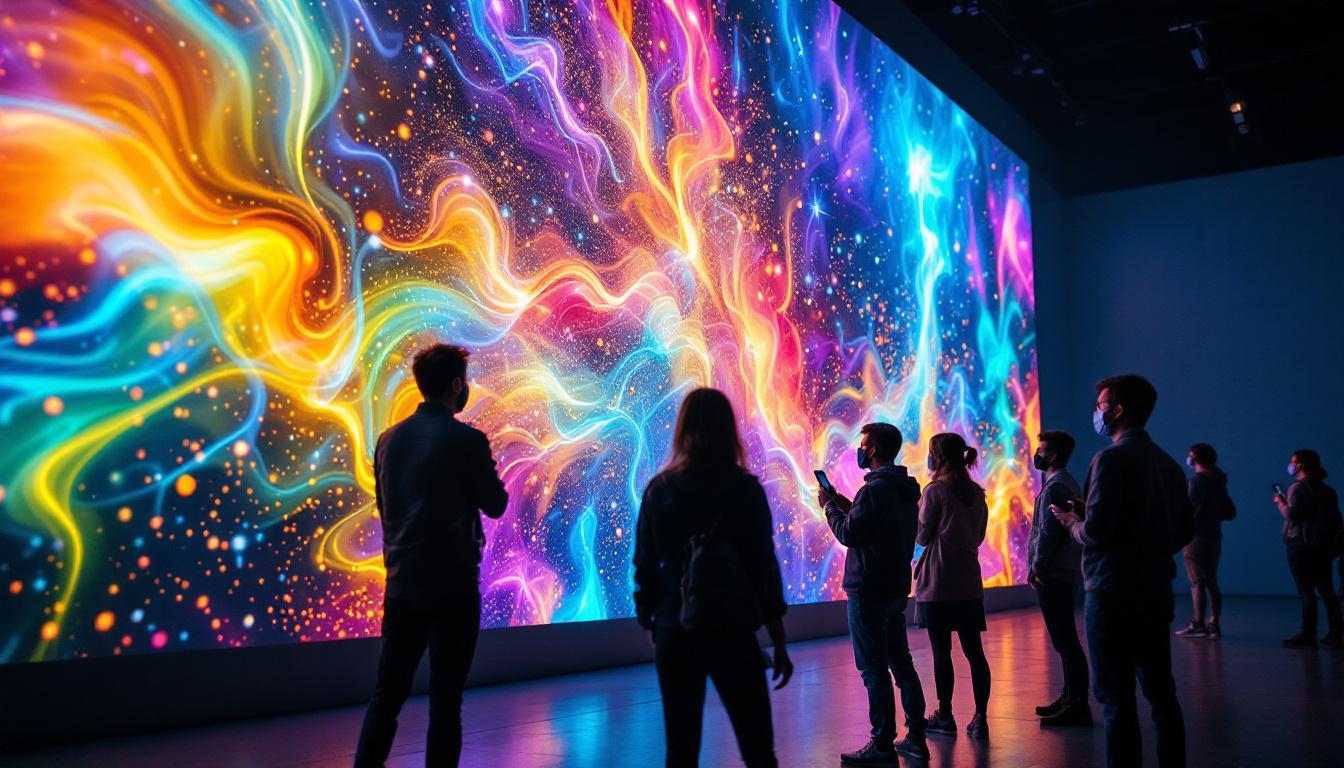
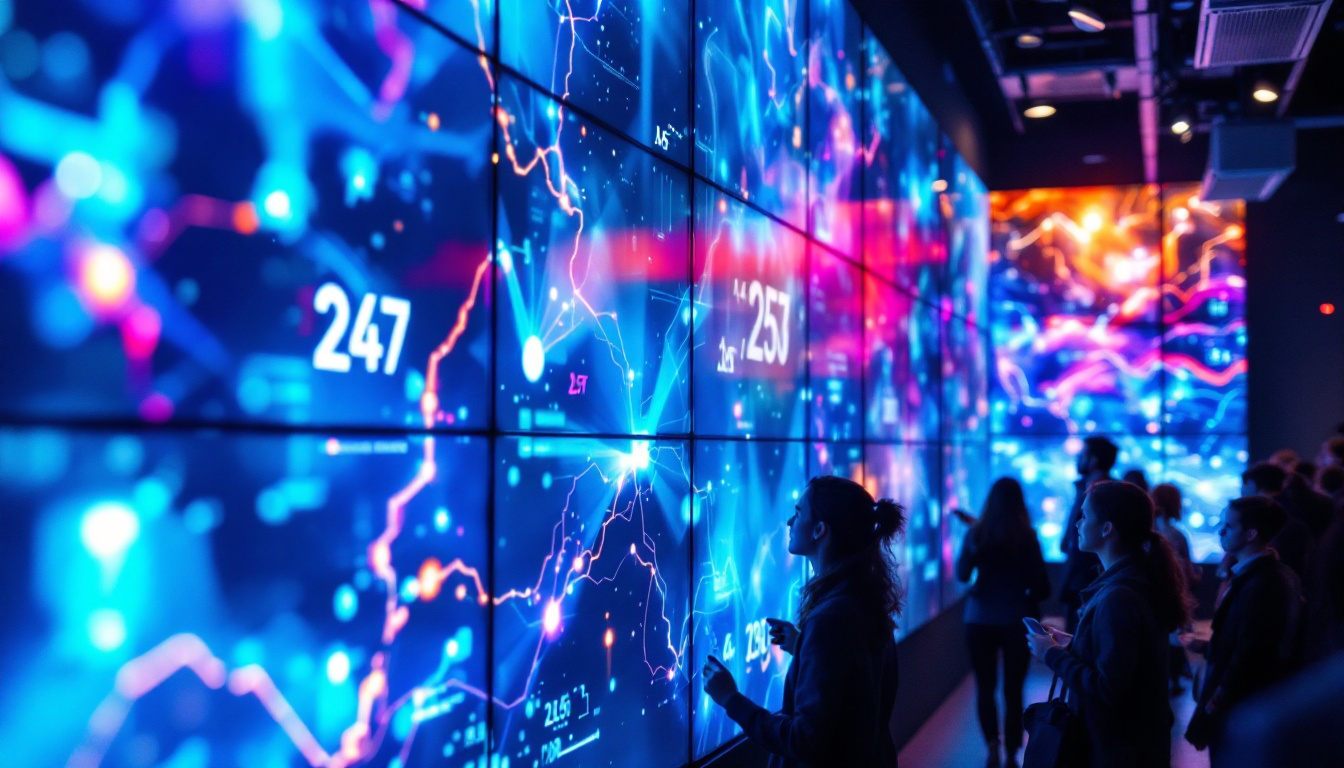
Interactive LED panels can also engage users by responding to movement or sound, creating immersive experiences in museums, exhibitions, or entertainment venues. This interactivity can increase visitor engagement and satisfaction.
Applications of LED Wall Panels
The versatility of LED wall panels has led to their adoption across diverse sectors. Understanding where and how these panels are used can inspire innovative applications and highlight their practical benefits.
Residential Use: Modern Lighting Solutions
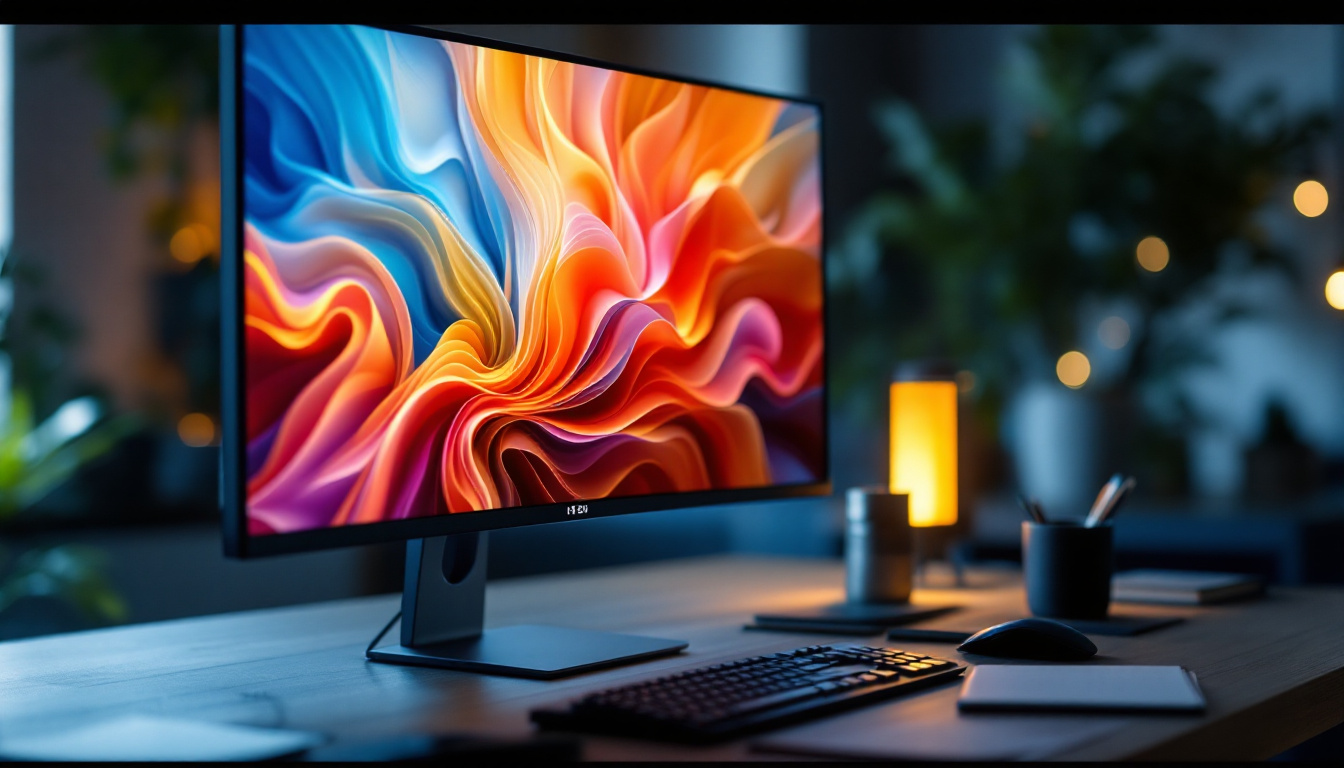
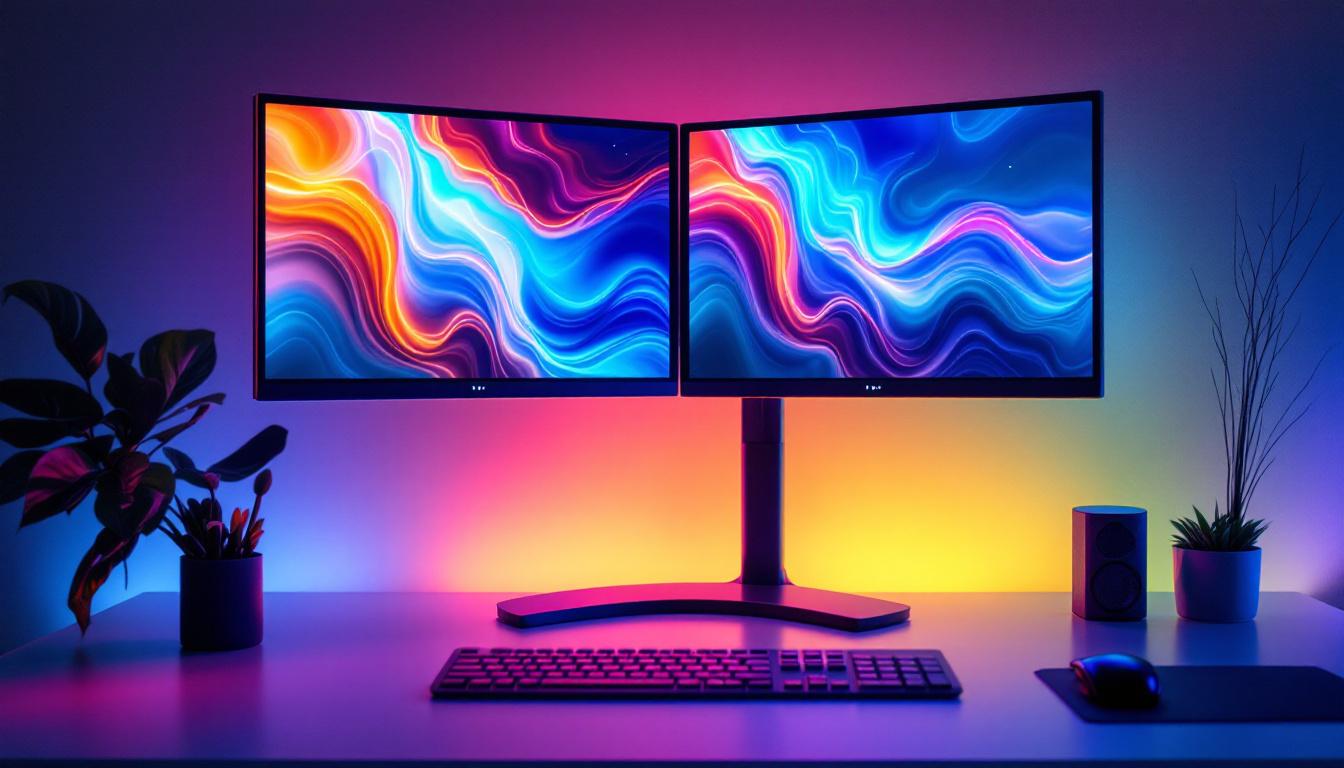
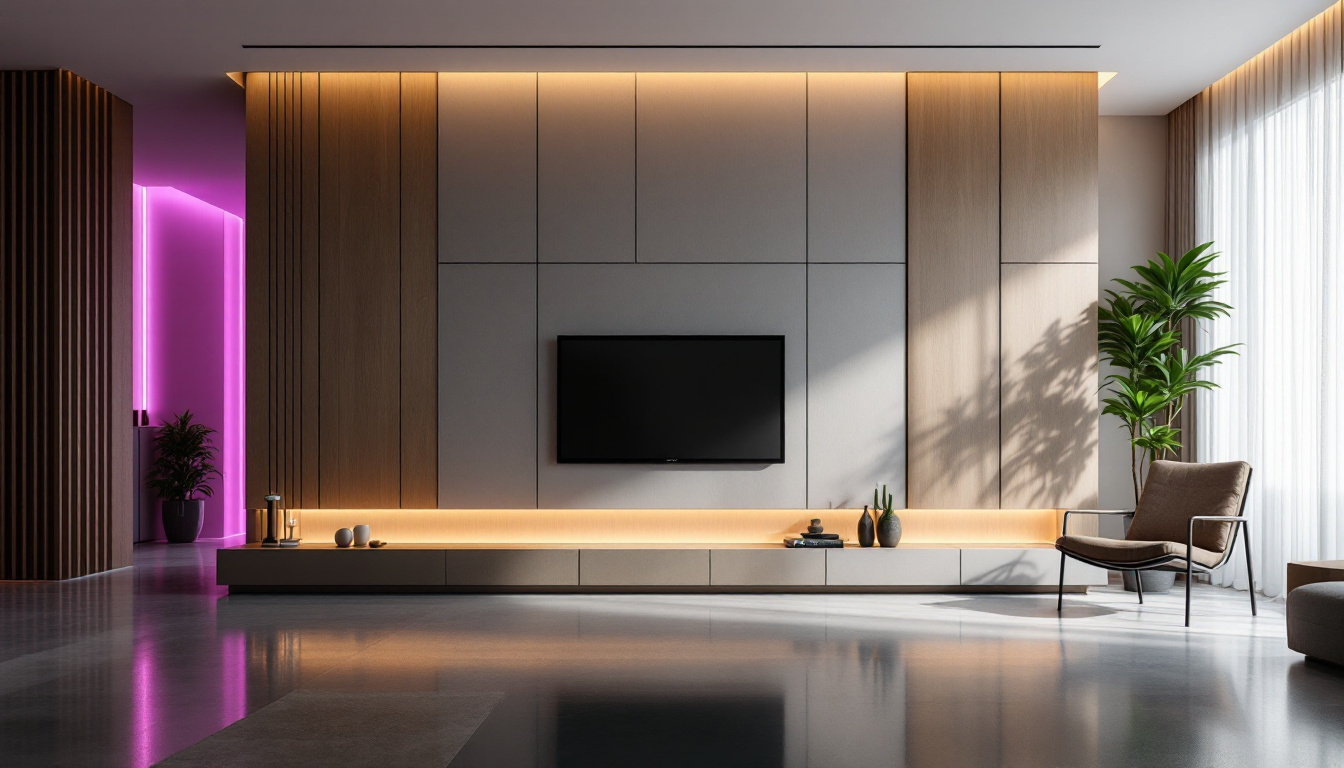
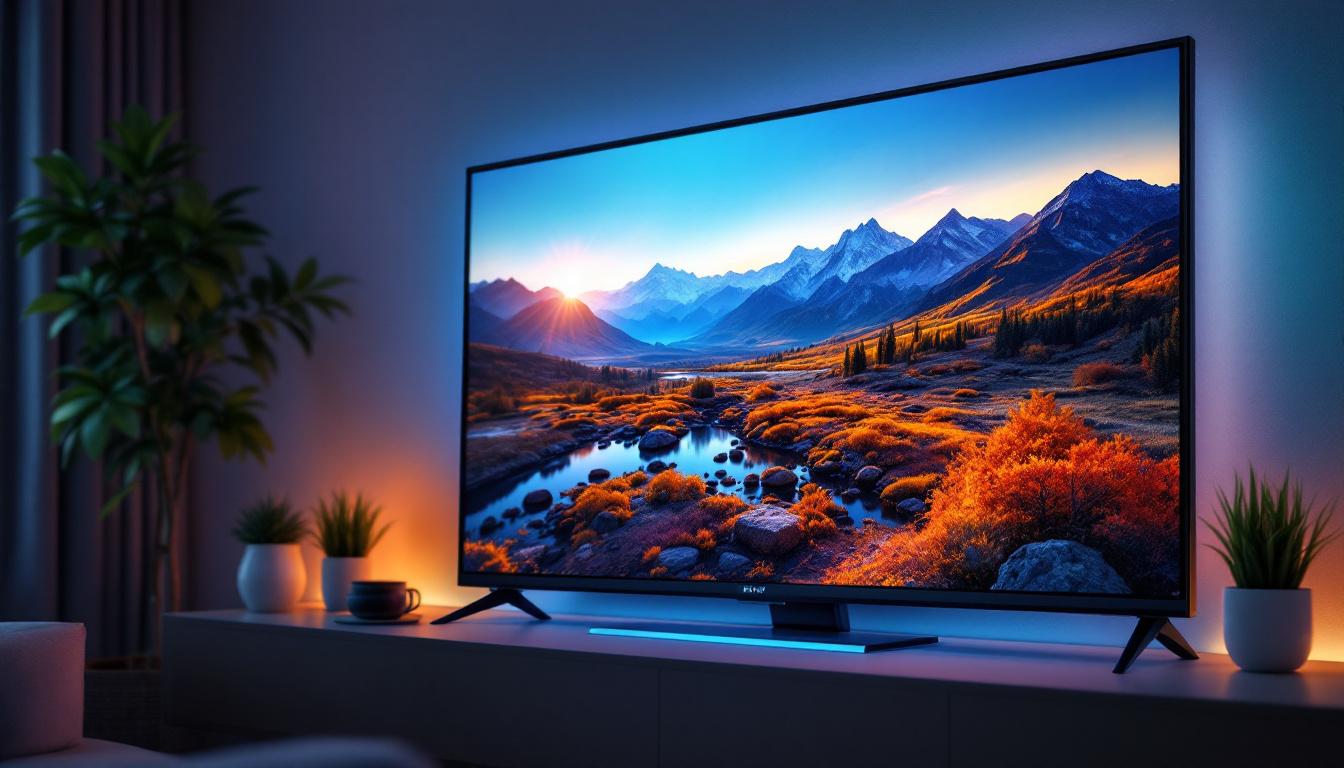
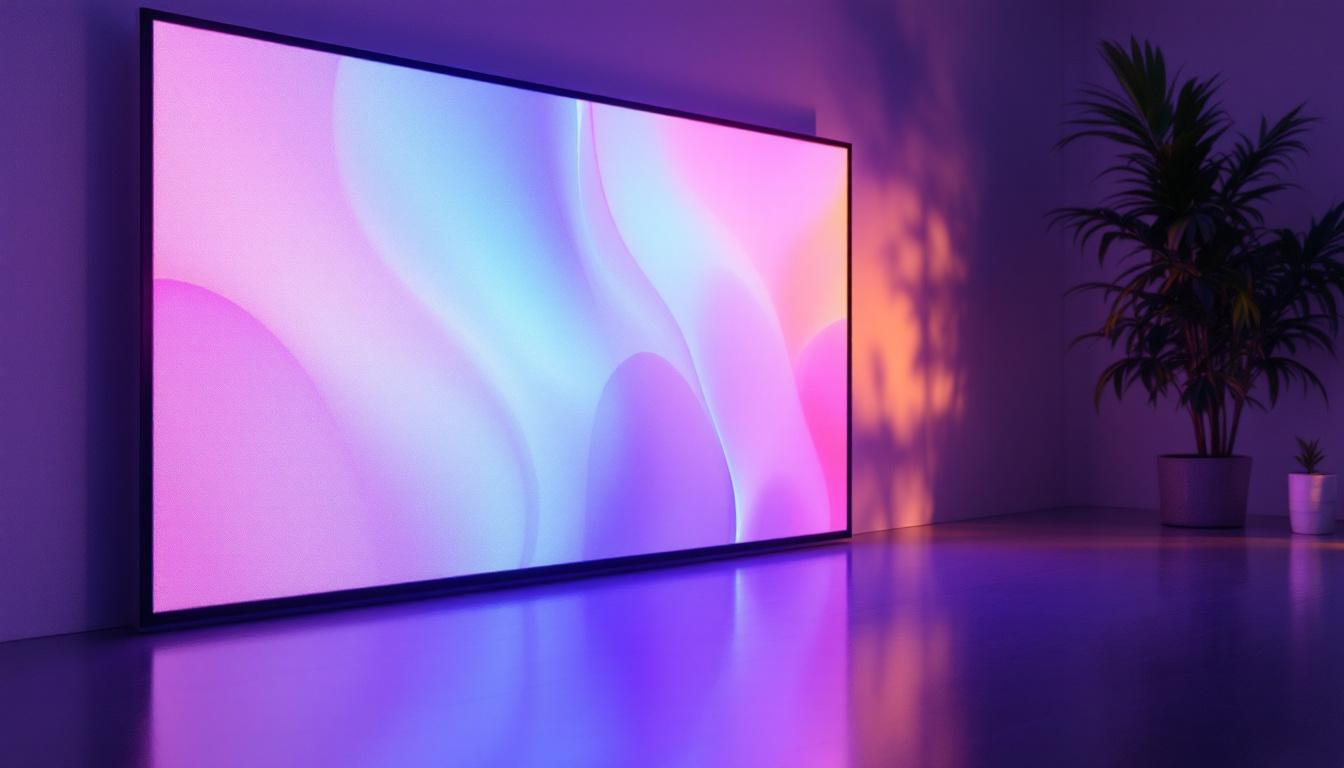
In homes, LED wall panels serve both decorative and functional purposes. Homeowners use them to create feature walls with customizable colors and patterns, enhancing living rooms, bedrooms, or home theaters. Panels with adjustable brightness and color temperature also contribute to wellness by supporting circadian rhythms and reducing eye strain.
Smart home integration allows users to control LED panels via mobile apps or voice commands, adding convenience and personalization. For example, a kitchen backsplash illuminated by LED panels can shift colors to match the time of day or mood, combining utility with style.
Commercial and Retail Environments
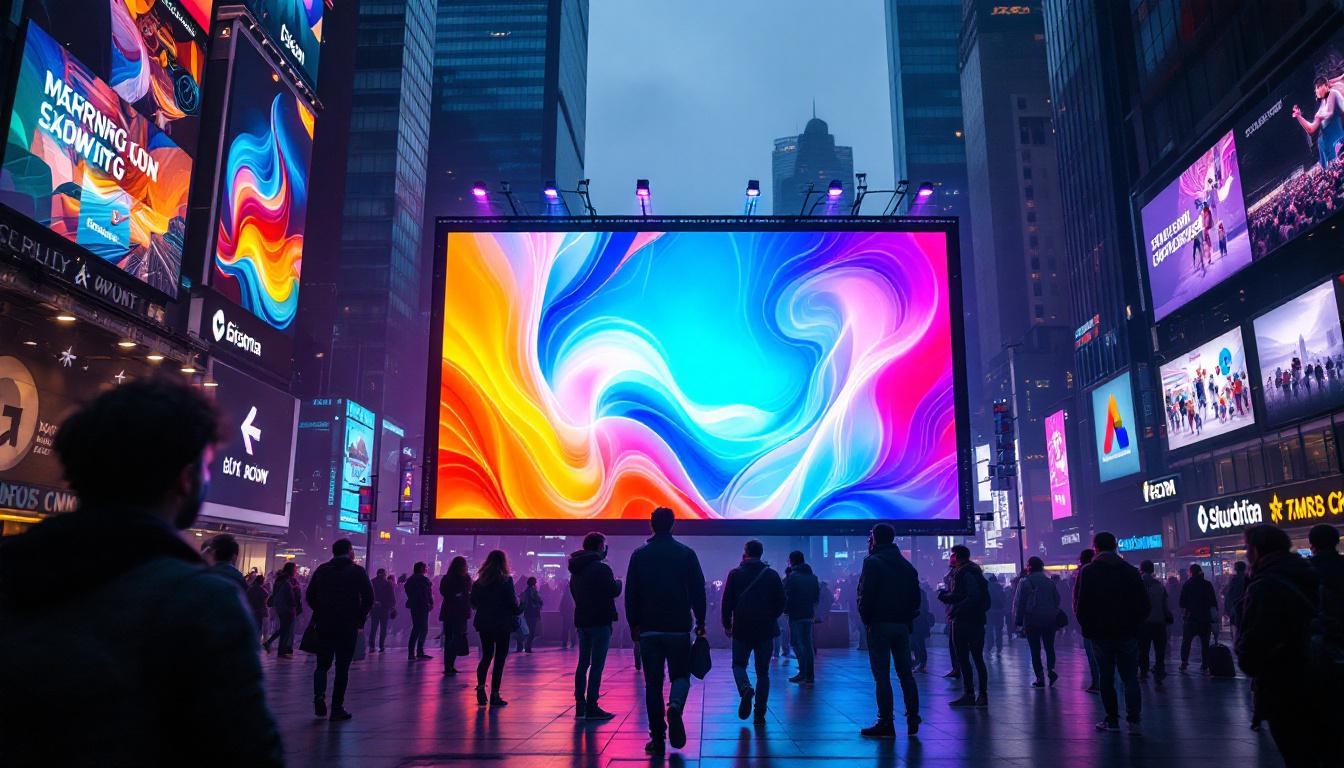
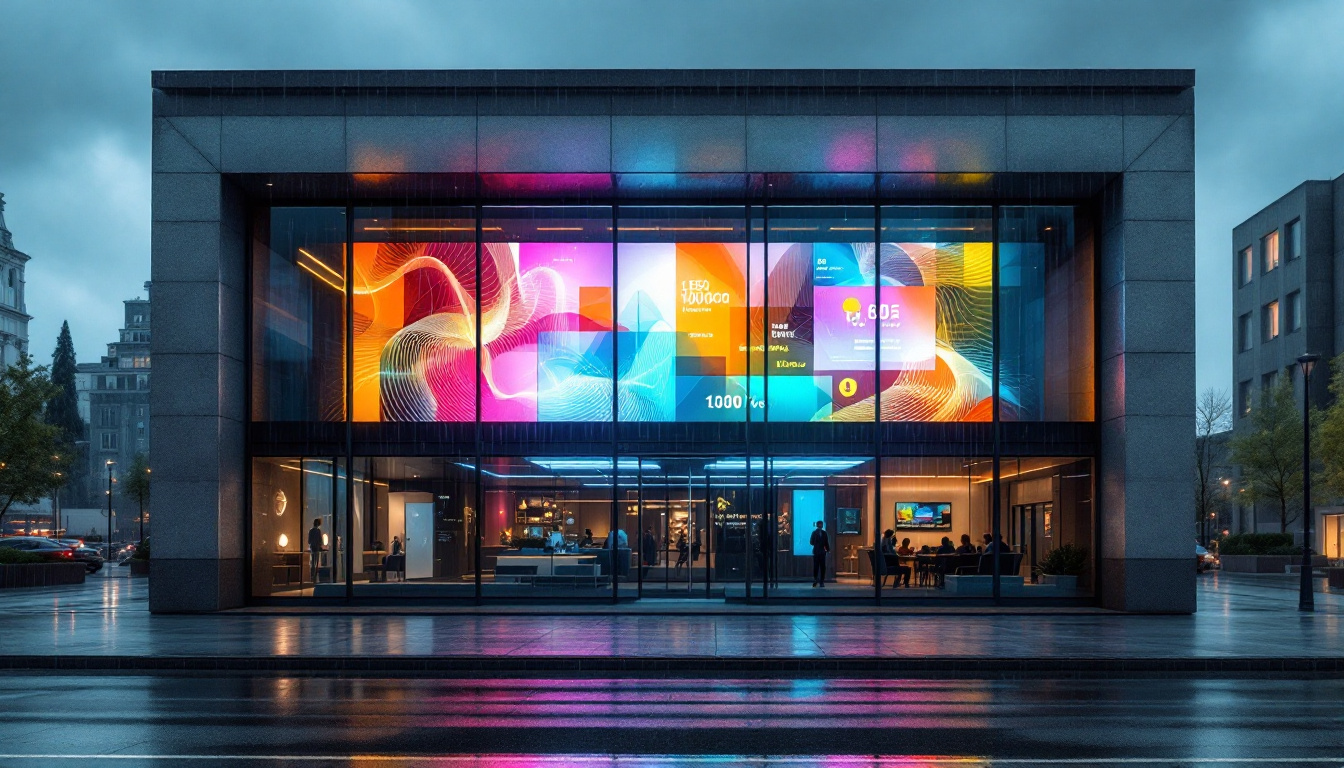
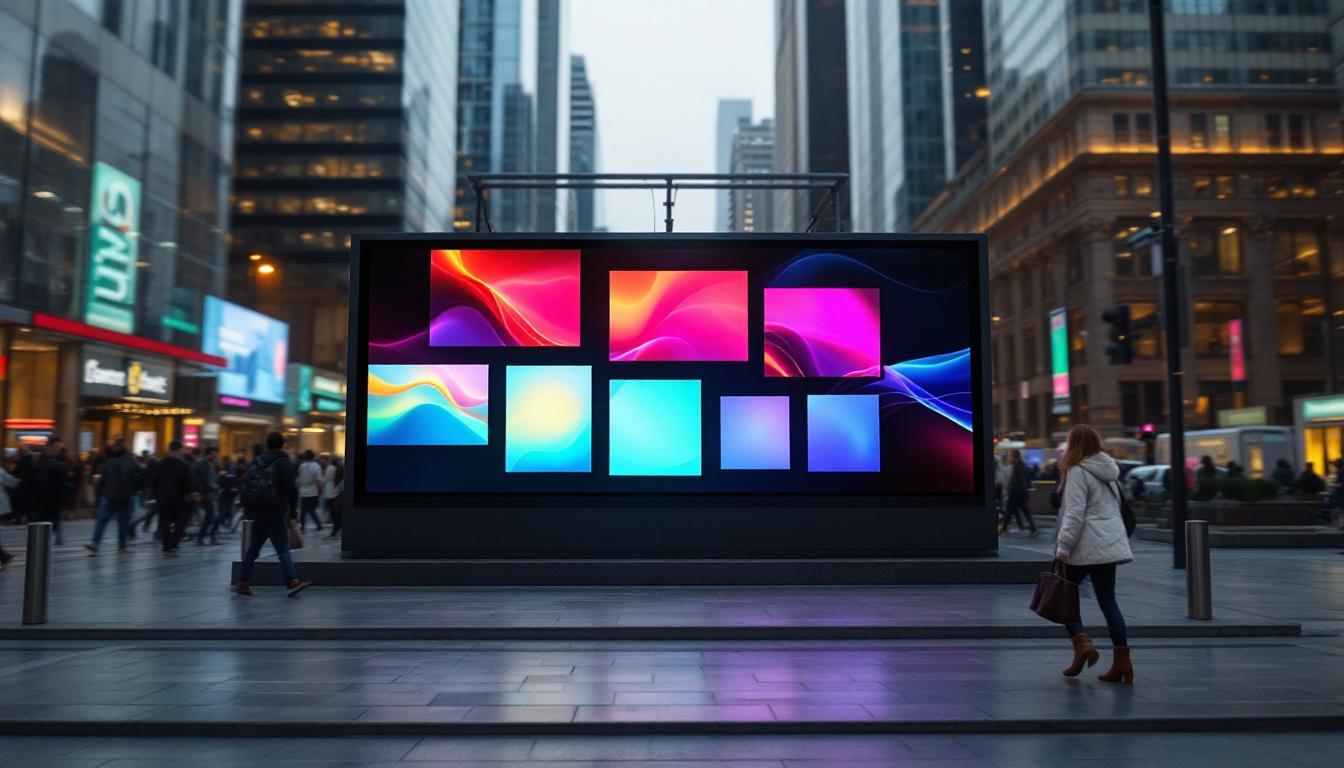
Retailers leverage LED wall panels to attract customers and promote products through vibrant, eye-catching displays. Digital signage powered by LED panels can showcase advertisements, sales, or brand messaging with high visibility and clarity. The ability to update content remotely and instantly is a major advantage in fast-paced retail settings.
Corporate offices use LED panels to enhance branding, display information, or create dynamic meeting room backdrops. In hospitality, hotels and restaurants employ LED wall panels to craft unique ambiances that elevate guest experiences.
Public Spaces and Events
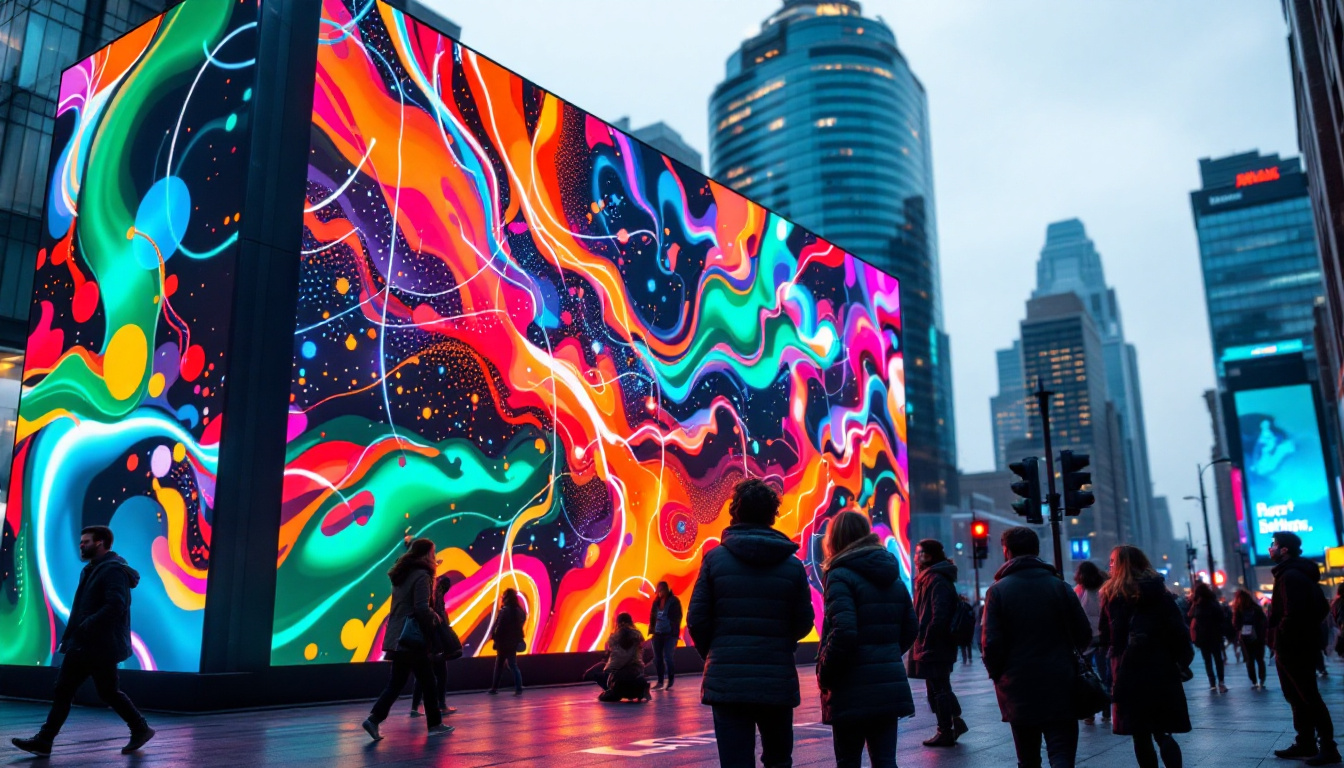
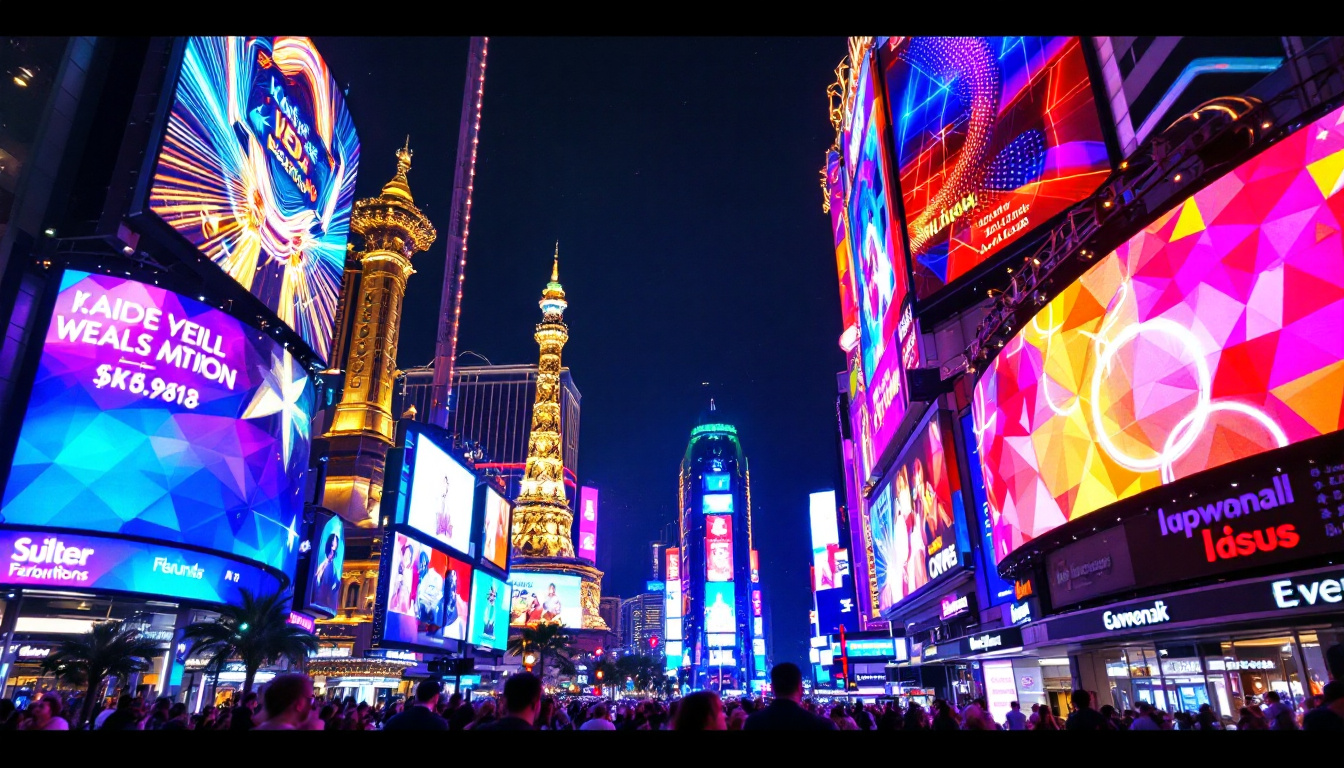
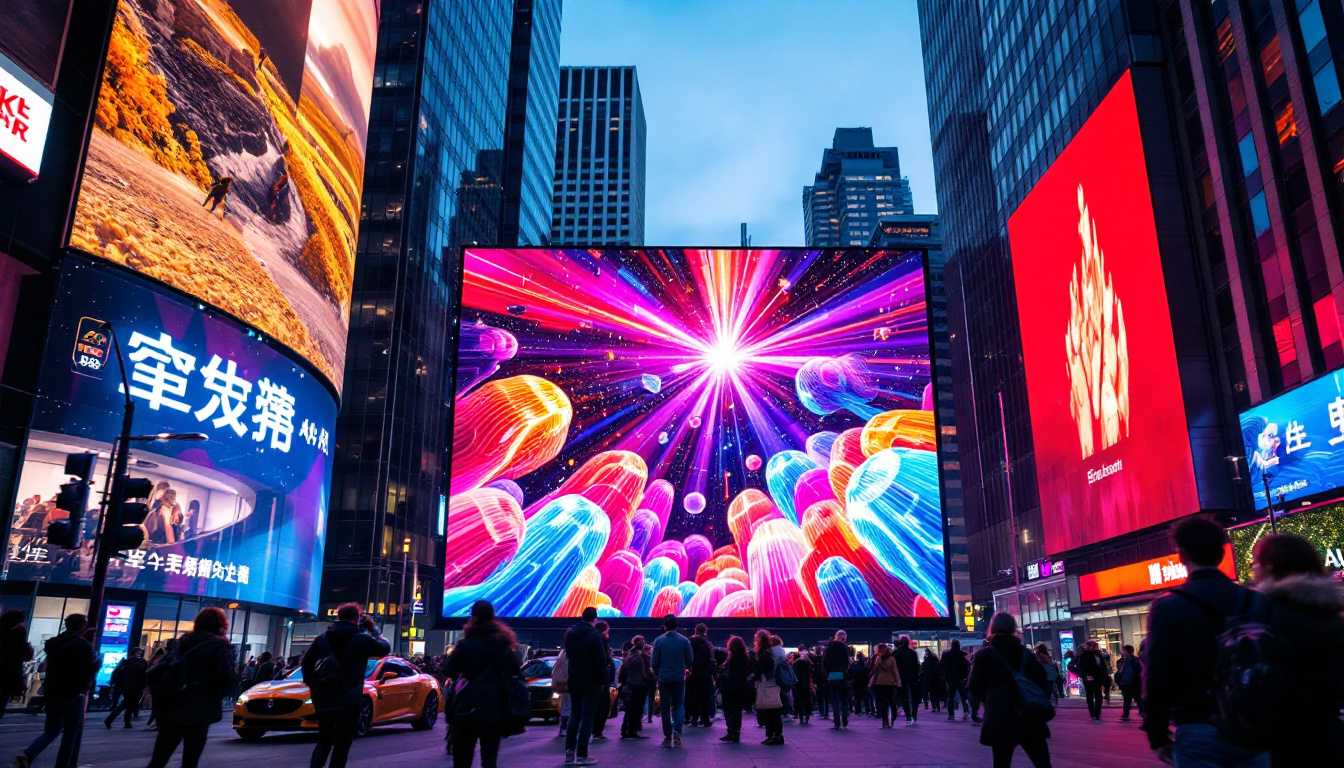
LED wall panels are increasingly common in public spaces such as airports, museums, and concert venues. Their durability, brightness, and scalability make them suitable for large installations that require visibility under various lighting conditions.
At events and exhibitions, LED panels provide flexible solutions for stage backdrops, interactive exhibits, and wayfinding signage. Their lightweight and modular design facilitate easy transport and setup, crucial for temporary installations.
Installation and Maintenance Considerations
While LED wall panels offer many advantages, successful installation and upkeep require careful planning and expertise. Understanding these factors helps ensure optimal performance and longevity.
Installation Requirements
Proper installation starts with assessing the wall surface, electrical supply, and environmental conditions. Panels must be securely mounted, often requiring specialized brackets or frames. For modular systems, alignment and seamless connection between panels are critical to avoid visual disruptions.
Electrical wiring should comply with local codes and accommodate the power needs of the LED system. Many panels operate on low voltage, necessitating transformers or drivers that convert standard power supply safely.
Maintenance and Troubleshooting
LED wall panels generally require minimal maintenance due to their long lifespan and robust design. However, regular cleaning of the panel surface is recommended to maintain brightness and appearance. Dust and fingerprints can reduce light diffusion and clarity.
In case of malfunction, such as dead LEDs or control system issues, troubleshooting typically involves checking connections, power supply, and software settings. Modular designs simplify repairs by allowing individual panels or components to be replaced without dismantling the entire installation.
Future Trends in LED Wall Panel Technology
The LED wall panel industry continues to evolve rapidly, driven by advances in materials science, electronics, and digital technologies. Emerging trends promise to expand the capabilities and applications of these panels even further.
MicroLED and MiniLED Innovations
MicroLED and MiniLED technologies represent the next generation of LED displays. These smaller, more densely packed LEDs offer higher resolution, improved brightness, and better color accuracy. As production costs decrease, these technologies are expected to become mainstream in wall panel applications, enabling ultra-high-definition displays with exceptional visual quality.
Integration with Smart Building Systems
Integration of LED wall panels with smart building management systems is gaining traction. Panels can be programmed to adjust lighting based on occupancy, natural light levels, or time of day, optimizing energy use and enhancing occupant comfort. Voice control, AI-driven content adaptation, and IoT connectivity are becoming standard features.
Sustainable and Eco-Friendly Materials
With growing emphasis on sustainability, manufacturers are exploring eco-friendly materials for LED panel construction. Biodegradable diffusers, recycled plastics, and low-impact production methods aim to reduce the environmental footprint of LED displays without compromising performance.
Conclusion
Wall panels with LED lights represent a fusion of cutting-edge technology and creative design, offering versatile solutions for lighting and display needs across various environments. Their energy efficiency, customization options, and dynamic capabilities make them an attractive choice for homeowners, businesses, and public spaces alike.
Understanding the technology behind LED wall panels, their benefits, and practical considerations enables informed decisions that maximize their potential. As innovations continue to emerge, LED wall panels are poised to play an increasingly prominent role in shaping the aesthetics and functionality of interior and exterior spaces worldwide.
Illuminate Your Space with LumenMatrix
Ready to transform your environment with the vibrant, energy-efficient lighting solutions described in this article? LumenMatrix is at the forefront of LED display technology, offering a wide array of innovative products that cater to your unique needs. From mesmerizing Indoor and Outdoor LED Wall Displays to versatile Vehicle and Sports LED Displays, our solutions are designed to captivate and engage. Discover the endless possibilities with our Custom LED Displays, All-in-One solutions, and groundbreaking LED Transparent Displays. Elevate your visual communication today by exploring the LumenMatrix LED Display Solutions and take the first step towards an unforgettable visual experience.