In the fast-paced world of retail and hospitality, grabbing customer attention quickly and effectively is crucial. Menu boards have evolved significantly over the years, transitioning from static printed signs to dynamic digital displays. Among these, LED menu boards stand out as a powerful tool for businesses aiming to enhance visual appeal, improve customer experience, and boost sales. This article delves into the world of LED menu boards, explaining what they are, how they work, and why they are becoming indispensable in modern commercial environments.
Understanding LED Menu Boards
What is an LED Menu Board?
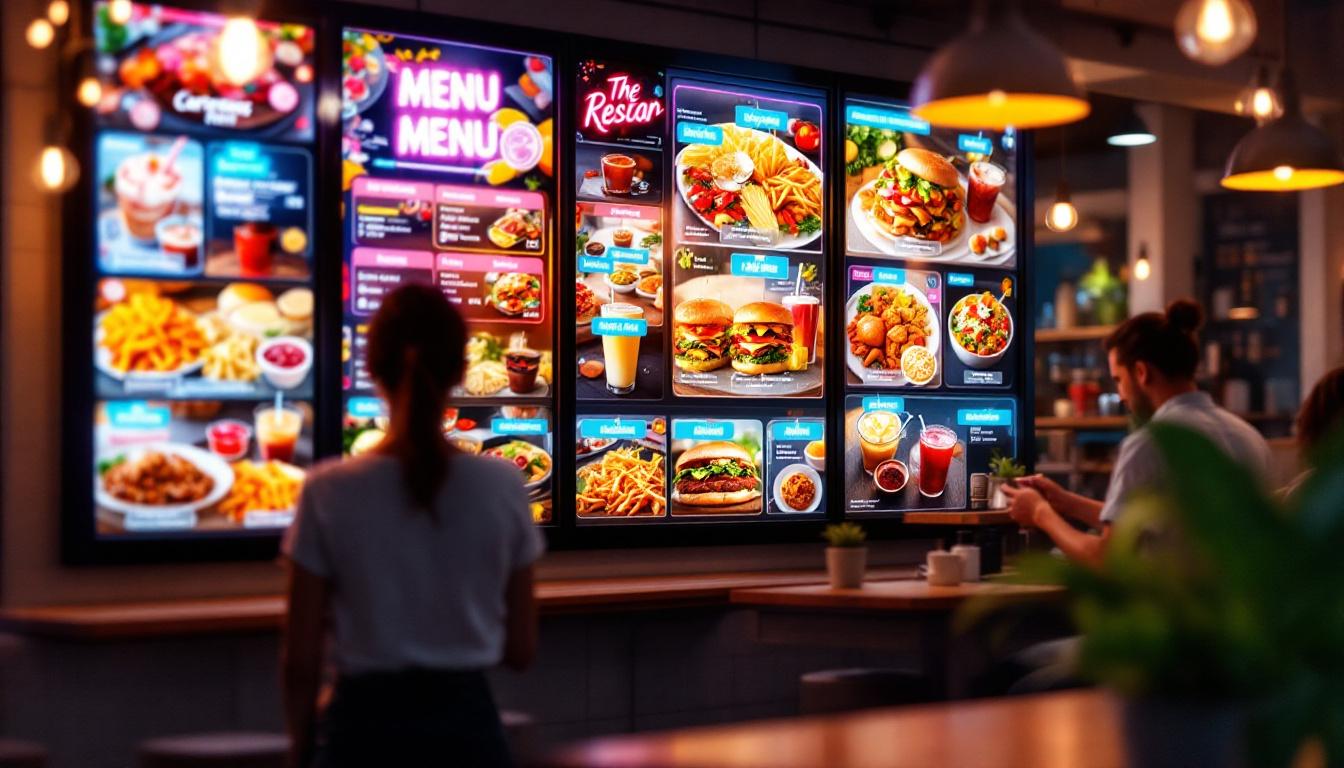
An LED menu board is a digital display that uses Light Emitting Diodes (LEDs) to present menu items, prices, promotions, and other information in a bright, clear, and visually engaging manner. Unlike traditional printed boards, LED menu boards can be updated instantly and remotely, allowing businesses to adapt their offerings in real-time based on inventory, time of day, or special promotions.
LED technology offers superior brightness and contrast compared to other digital display technologies such as LCD or plasma screens. This makes LED menu boards especially effective in environments with varying lighting conditions, including outdoor or semi-outdoor settings. The vibrant colors and sharp images can attract customers’ attention, enhancing their overall dining experience and encouraging impulse purchases. Furthermore, the ability to display animations or videos can create a more dynamic atmosphere, making the menu board not just a functional tool but also a part of the restaurant’s branding and ambiance.
How Do LED Displays Work?
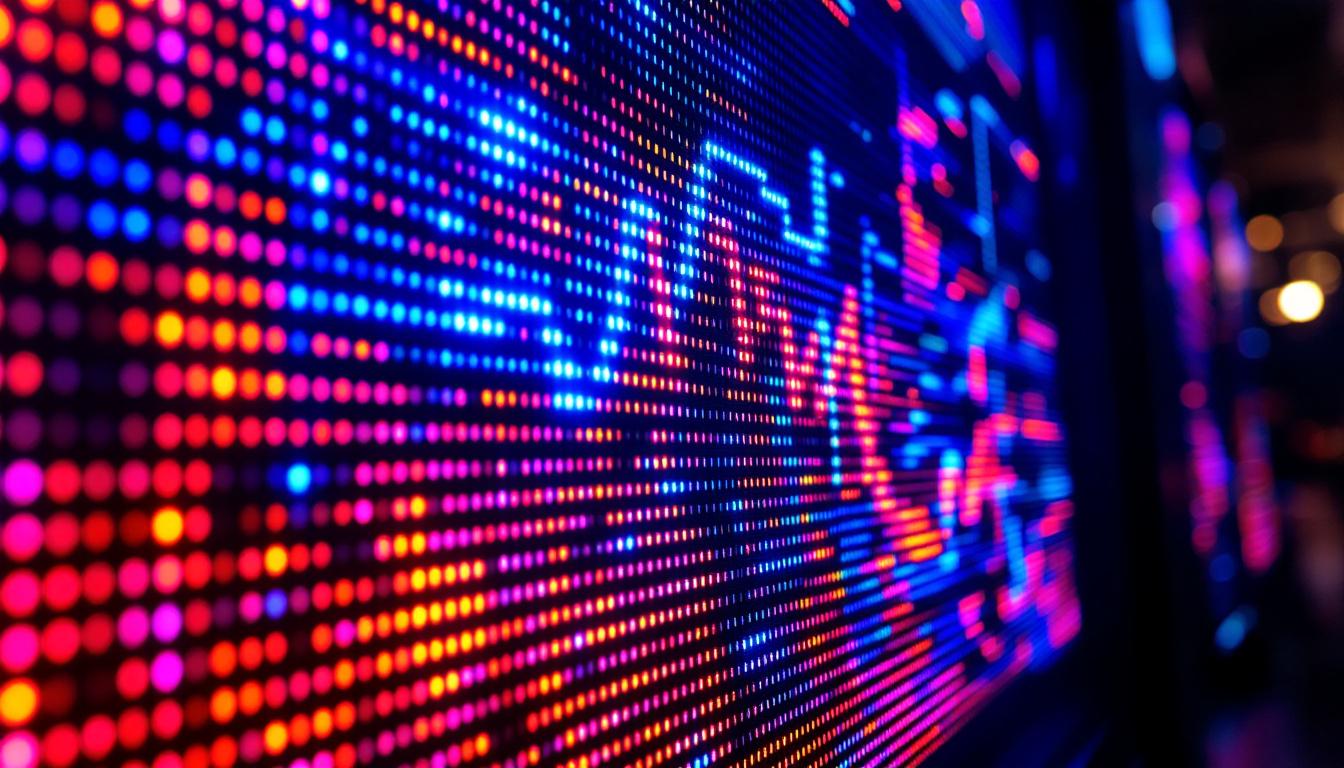
LED displays consist of thousands of tiny light-emitting diodes arranged in a grid. Each diode can emit light in different colors by combining red, green, and blue elements, allowing the display to produce a full spectrum of colors. The brightness and color of each pixel can be controlled individually, enabling the creation of sharp images, text, and animations.
In a menu board context, this means businesses can showcase high-resolution graphics, dynamic pricing, and even video content to engage customers more effectively. The modular nature of LED panels also allows for customizable sizes and shapes, making it easier to fit displays into various retail or restaurant layouts. Additionally, many LED menu boards come equipped with software that enables easy content management, allowing staff to schedule promotions or seasonal menu changes with just a few clicks. This flexibility not only saves time but also ensures that the information displayed is always current and relevant, helping to streamline operations and improve customer satisfaction.
Benefits of Using LED Menu Boards
Enhanced Visibility and Readability
One of the most significant advantages of LED menu boards is their exceptional visibility. LEDs produce bright, vibrant colors that remain clear even in direct sunlight or brightly lit indoor environments. This ensures that customers can easily read the menu from a distance, reducing wait times and improving the overall ordering experience.
Additionally, LED displays offer wide viewing angles, meaning the content remains legible from various positions within the establishment, accommodating more customers simultaneously.
Dynamic Content and Real-Time Updates
Unlike static printed menus, LED menu boards allow for instant content changes. This flexibility is invaluable for businesses that need to update prices, introduce new items, or highlight limited-time offers without the cost and delay of reprinting physical menus.
For example, a coffee shop can switch between breakfast and lunch menus automatically based on the time of day, or a fast-food restaurant can promote combo deals during peak hours. This adaptability not only enhances customer engagement but also helps optimize sales strategies.
Cost Efficiency Over Time
While the initial investment in LED menu boards may be higher than traditional signage, the long-term savings are substantial. Eliminating the need for frequent printing and installation of new menus reduces operational costs. Moreover, LED technology is energy-efficient, consuming less power than older display types, which translates to lower electricity bills.
Durability is another factor; LED displays are built to withstand harsh environments and continuous use, often lasting upwards of 50,000 hours, minimizing maintenance and replacement expenses.
Types of LED Menu Boards
Indoor vs. Outdoor LED Displays
LED menu boards are designed to suit different environments. Indoor LED displays are optimized for controlled lighting conditions and typically have lower brightness levels to reduce eye strain and glare. They are ideal for cafes, quick-service restaurants, and retail stores.
Outdoor LED menu boards, on the other hand, are built to withstand weather elements such as rain, dust, and extreme temperatures. They feature higher brightness levels—often exceeding 5,000 nits—to ensure visibility even under direct sunlight. Common applications include drive-thru menus, stadium concessions, and street-facing retail signage.
Fixed vs. Modular LED Displays
Fixed LED menu boards come as a single, integrated unit with a predetermined size and resolution. These are suitable for businesses with stable menu layouts and limited space constraints.
Modular LED displays consist of multiple panels that can be combined to create custom sizes and shapes. This flexibility allows businesses to design unique menu board configurations that fit their branding and spatial requirements. Modular systems also facilitate easier maintenance, as individual panels can be replaced without dismantling the entire display.
Key Features to Consider When Choosing an LED Menu Board
Resolution and Pixel Pitch
Resolution refers to the number of pixels on the display, which directly impacts image clarity. Pixel pitch—the distance between the centers of adjacent pixels—determines how sharp the display appears at various viewing distances. A smaller pixel pitch means higher resolution and better image quality, especially important for close-range viewing.
For menu boards, a pixel pitch between 1.5mm and 3mm is typically recommended for indoor use, while outdoor displays may have a larger pitch due to greater viewing distances.
Brightness and Contrast Ratio
Brightness is measured in nits and affects how well the display performs in different lighting conditions. Higher brightness levels are essential for outdoor or brightly lit indoor environments to maintain readability. Contrast ratio—the difference between the darkest black and brightest white—enhances text and image clarity, making menus easier to read.
Connectivity and Content Management
Modern LED menu boards often support multiple connectivity options such as Wi-Fi, Ethernet, and USB. This facilitates easy content updates and integration with point-of-sale (POS) systems or inventory management software.
Content management software (CMS) plays a crucial role in controlling what appears on the menu board. A user-friendly CMS allows operators to schedule content, create playlists, and customize layouts without requiring advanced technical skills.
Implementing LED Menu Boards: Best Practices
Designing for Readability and Engagement
Effective menu board design balances aesthetics with functionality. Use large, legible fonts and high-contrast colors to ensure readability. Avoid clutter by limiting the amount of text and focusing on key items or promotions. Incorporating appetizing images and animations can attract attention but should not distract from the core information.
Consider the customer journey and position menu boards at eye level and in well-lit areas to maximize visibility. For multi-screen setups, ensure content flows logically and is synchronized across displays.
Regular Content Updates and Maintenance
To keep customers engaged, regularly update menu items, prices, and promotions. Seasonal changes, new product launches, and special offers should be reflected promptly. Monitoring display performance and scheduling routine maintenance will help prevent technical issues that could disrupt service.
Measuring Impact and ROI
Tracking the effectiveness of LED menu boards can be achieved through sales data analysis, customer feedback, and foot traffic monitoring. Many digital signage solutions offer analytics tools that provide insights into content engagement and display uptime.
By understanding customer preferences and behavior, businesses can fine-tune their menu board content to maximize return on investment and enhance the overall customer experience.
Future Trends in LED Menu Boards
Integration with Artificial Intelligence and IoT
Emerging technologies like artificial intelligence (AI) and the Internet of Things (IoT) are poised to revolutionize LED menu boards. AI can analyze customer behavior and sales patterns to automatically adjust menu offerings and promotions in real-time. For example, AI-driven systems might suggest upsells based on popular items or optimize pricing dynamically.
IoT connectivity enables seamless communication between menu boards and other devices such as kitchen displays, inventory systems, and mobile apps, creating a fully integrated digital ecosystem that enhances operational efficiency.
Interactive and Touchscreen Capabilities
Interactive LED menu boards with touchscreen functionality are gaining popularity, allowing customers to browse menus, customize orders, and access nutritional information directly. This not only improves customer engagement but also reduces ordering errors and wait times.
As technology advances, these interactive displays are becoming more affordable and easier to implement, making them accessible to a wider range of businesses.
Energy Efficiency and Sustainability
With increasing emphasis on sustainability, LED menu boards continue to evolve to become more energy-efficient and environmentally friendly. Innovations in LED technology reduce power consumption and extend device lifespan, while recyclable materials and eco-friendly manufacturing processes contribute to greener business practices.
Conclusion
LED menu boards represent a significant advancement in how businesses communicate with their customers. Their brightness, flexibility, and dynamic capabilities offer unmatched advantages over traditional signage, making them an essential investment for restaurants, cafes, retail stores, and other commercial venues.
By understanding the technology behind LED displays, selecting the right features, and implementing best practices, businesses can create compelling menu boards that enhance customer experience, streamline operations, and drive sales. As technology continues to advance, LED menu boards will become even more interactive, intelligent, and sustainable, shaping the future of digital signage in the hospitality and retail industries.
Discover LumenMatrix’s Innovative LED Solutions
Ready to elevate your customer experience with vibrant, dynamic LED menu boards? LumenMatrix is at the forefront of LED display technology, offering a wide array of solutions tailored to your business needs. From Indoor and Outdoor LED Wall Displays to specialized options like Vehicle, Sports, and Floor LED Displays, our products are designed to captivate your audience and amplify your message. Embrace the future of visual communication with LumenMatrix and transform your space into a visually stunning environment. Check out LumenMatrix LED Display Solutions today and see the difference for yourself.