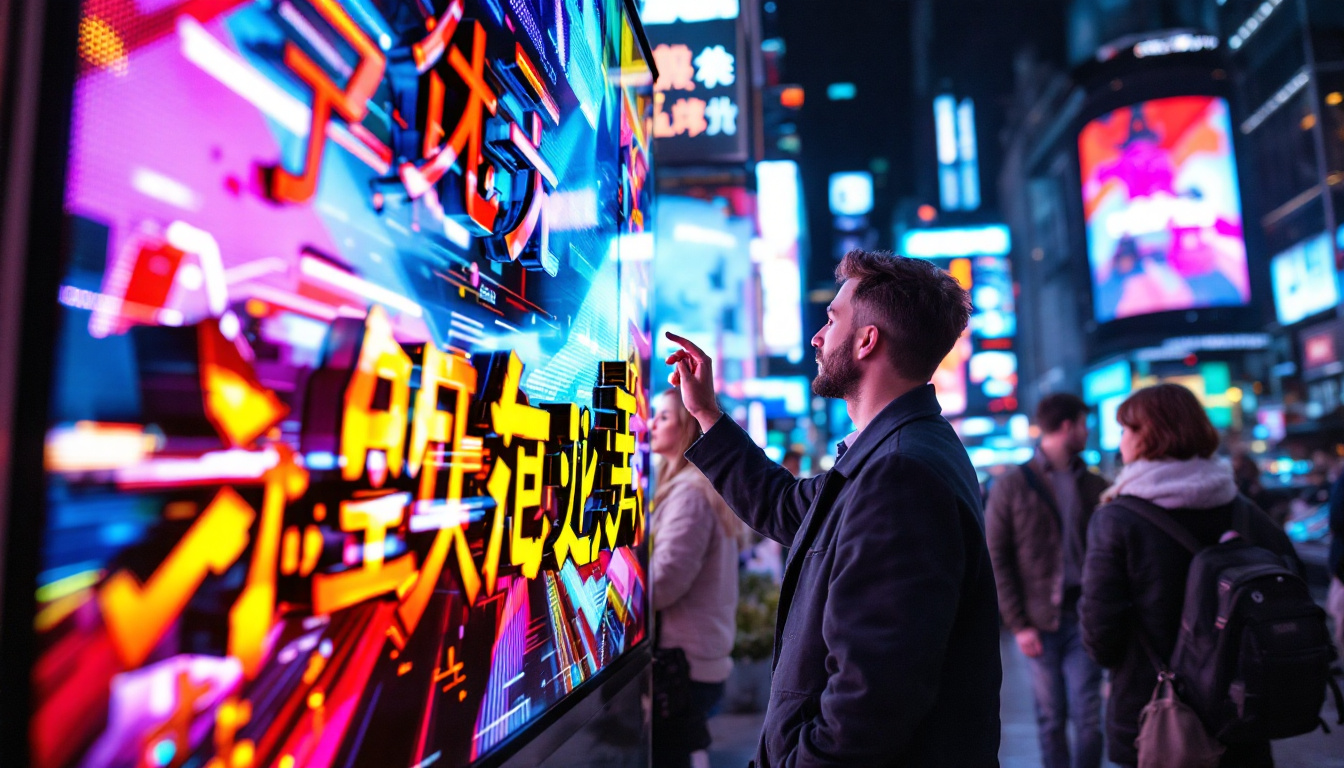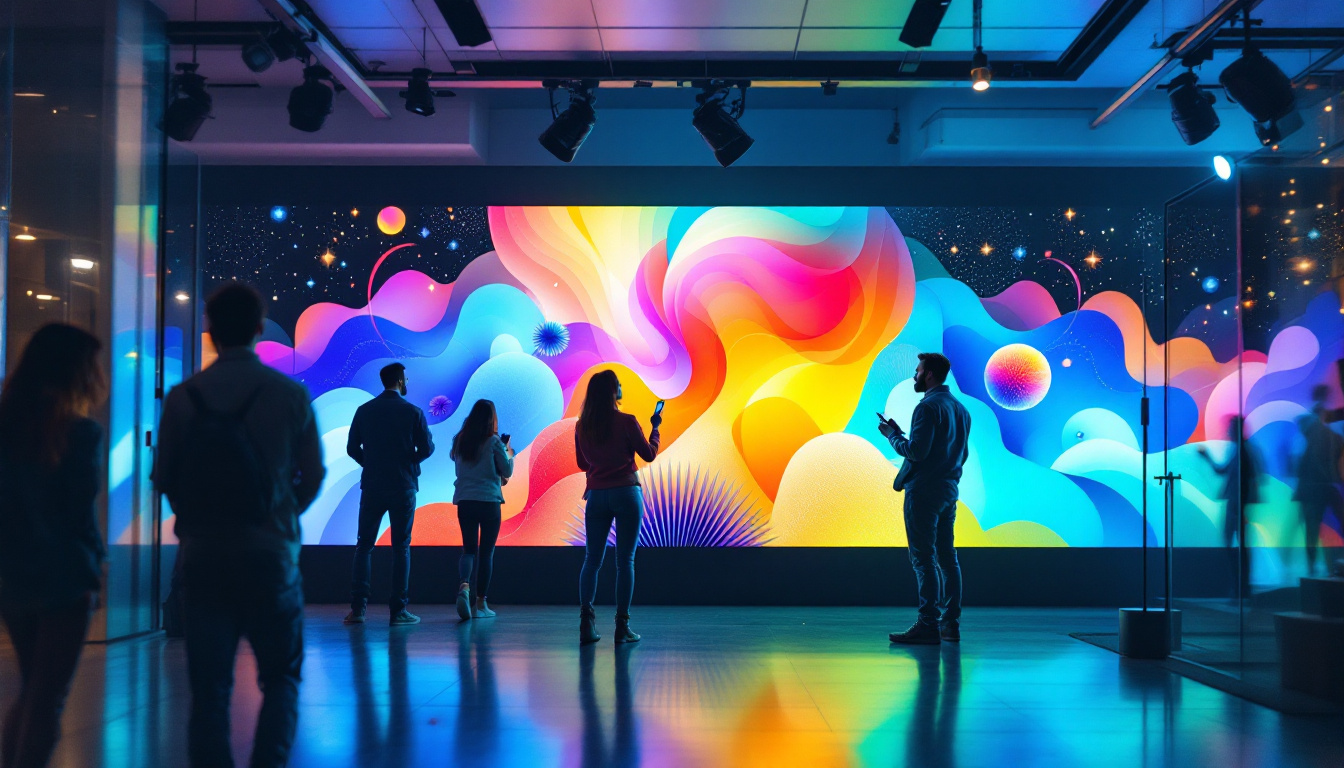
In the rapidly evolving world of digital signage and display technology, LED displays have become a cornerstone for vibrant, energy-efficient, and versatile visual communication. Among the many innovations in this field, the concept of “Led Cyan” has emerged as a noteworthy development, offering enhanced color accuracy and brightness in LED screens. This article explores the fundamentals of LED displays, the significance of the cyan LED component, and how this technology is shaping the future of digital displays across various industries.
Understanding LED Displays: The Basics
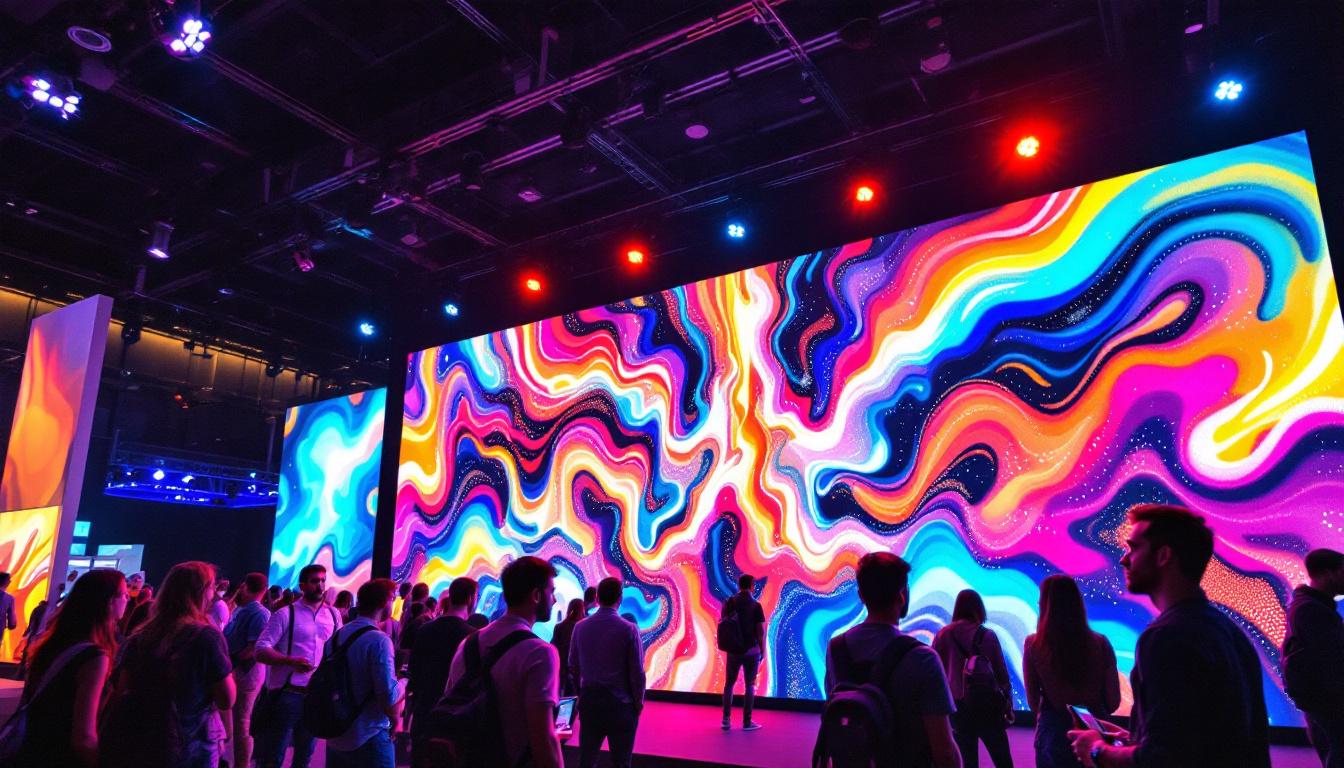
LED, or Light Emitting Diode, displays are a type of flat panel display that use an array of light-emitting diodes as pixels for a video display. Unlike traditional LCD screens that rely on backlighting, LED displays generate their own light, resulting in higher brightness, better contrast ratios, and more vivid colors. This technology is widely used in everything from outdoor billboards and stadium screens to indoor television sets and computer monitors.
The core advantage of LED displays lies in their efficiency and longevity. LEDs consume less power compared to conventional lighting methods and can last tens of thousands of hours without significant degradation. This makes them not only cost-effective over time but also environmentally friendly. Additionally, the compact size of LEDs allows for thinner and lighter display designs, making them ideal for a variety of applications, from sleek televisions to flexible screens that can be integrated into unconventional surfaces.
The Role of Color in LED Displays
Color reproduction is a critical aspect of LED display technology. Traditional LED displays use red, green, and blue (RGB) diodes to create the full spectrum of colors through additive color mixing. Each pixel typically contains these three subpixels, and by adjusting their intensity, the display can render millions of colors.
However, achieving accurate and vibrant colors, especially in the cyan and turquoise range, has been challenging due to limitations in the spectral output of standard green LEDs. This is where the introduction of cyan LEDs plays a pivotal role. By incorporating cyan diodes into the color mix, manufacturers can enhance color accuracy and expand the color gamut, allowing for more lifelike images that closely resemble what the human eye perceives. Furthermore, advancements in quantum dot technology are also being integrated into LED displays, which can further improve color performance and brightness, making the viewing experience even more immersive.
Moreover, the calibration of LED displays is essential for maintaining color fidelity over time. Professional calibration tools and techniques are employed to ensure that the colors displayed are true to their intended appearance. This is particularly important in professional settings such as graphic design, photography, and film production, where color accuracy is paramount. As the technology continues to evolve, we can expect even greater strides in color reproduction, with new materials and methods being developed to push the boundaries of what LED displays can achieve.
What is Led Cyan and Why Does It Matter?
Led Cyan refers to the integration of cyan-colored LEDs into the traditional RGB LED display systems. Cyan LEDs emit light in the wavelength range of approximately 490 to 520 nanometers, filling the gap between green and blue light. By incorporating cyan LEDs, manufacturers can enhance the color gamut and improve the overall color accuracy of displays.
Enhancing Color Gamut and Accuracy
The color gamut of a display defines the range of colors it can produce. A wider color gamut means the display can show more vivid and diverse colors, which is especially important for applications like digital advertising, broadcasting, and high-end video production. Cyan LEDs allow for a more precise rendering of colors that lie between green and blue, which are often difficult to reproduce accurately with just RGB diodes.
For example, in outdoor advertising, where displays need to capture attention with bright and true-to-life colors, the inclusion of cyan LEDs can make images and videos more appealing and realistic. This improvement directly impacts viewer engagement and advertising effectiveness. Furthermore, in industries such as photography and graphic design, professionals rely on accurate color reproduction to ensure their work is represented faithfully across various media. The addition of cyan LEDs can bridge the gap in color representation, leading to more accurate prints and digital displays that meet the high standards of creative professionals.
Improved Brightness and Energy Efficiency
Another benefit of cyan LEDs is their ability to contribute to higher brightness levels without significantly increasing power consumption. Since cyan light is more efficiently produced by dedicated cyan LEDs than by mixing green and blue light, displays can achieve brighter images with less energy. This efficiency is crucial for large-scale outdoor displays that operate continuously and must remain visible under direct sunlight.
Moreover, the energy efficiency of cyan LEDs not only reduces operational costs but also aligns with the growing trend towards sustainability in technology. As companies and consumers become more environmentally conscious, the demand for energy-efficient solutions is on the rise. By utilizing cyan LEDs, manufacturers can create displays that not only perform better but also consume less power, thus contributing to a reduction in carbon footprint. This shift towards sustainable practices is becoming increasingly important in the tech industry, where the balance between performance and environmental responsibility is paramount.
Technical Aspects of Led Cyan Integration
Integrating cyan LEDs into existing LED display architectures requires careful engineering. The addition of a fourth color channel (cyan) changes the way colors are processed and rendered, demanding advanced control systems and calibration techniques.
Quad-Color LED Displays
Traditional LED displays rely on three subpixels per pixel (red, green, and blue). With the introduction of cyan LEDs, some manufacturers have developed quad-color displays, which include red, green, cyan, and blue subpixels. This configuration allows for more nuanced color mixing and smoother gradients, reducing color banding and improving image quality.
However, managing four color channels increases the complexity of the display driver electronics and the software algorithms responsible for color calibration. Advanced processing units are required to balance the intensity of each subpixel accurately and maintain color consistency across the display.
Calibration and Color Management
Accurate color reproduction in quad-color LED displays depends heavily on precise calibration. This involves measuring the spectral output of each LED type and adjusting the driving currents to achieve the desired color balance. Sophisticated color management systems use lookup tables and real-time feedback to maintain color accuracy even as the LEDs age or environmental conditions change.
For professional applications, such as broadcast studios or medical imaging, where color fidelity is paramount, these calibration processes are essential to deliver reliable and consistent visual performance.
Applications and Industry Impact
The integration of Led Cyan technology has broad implications across various sectors. From advertising and entertainment to transportation and healthcare, enhanced LED displays are transforming how information and visuals are presented and perceived.
Digital Advertising and Outdoor Signage
Outdoor digital billboards and signage benefit significantly from cyan LED technology. The ability to display brighter, more vibrant colors ensures that advertisements stand out even in bright daylight. Studies have shown that digital ads with richer color palettes can increase viewer recall and engagement by up to 30%, making cyan-enhanced LED displays a valuable asset for marketers.
Moreover, the improved energy efficiency helps reduce operational costs for companies managing large fleets of digital signs, aligning with sustainability goals and reducing carbon footprints.
Broadcast and Studio Displays
In the broadcast industry, color accuracy is critical for delivering high-quality content. Cyan LEDs enable displays to reproduce subtle color nuances that are essential for realistic skin tones, natural landscapes, and vivid graphics. This technology supports the transition to Ultra High Definition (UHD) and High Dynamic Range (HDR) content, which demand wider color gamuts and higher brightness levels.
Medical Imaging and Scientific Visualization
Medical imaging devices and scientific visualization tools require precise color differentiation to aid diagnosis and research. Enhanced LED displays with cyan LEDs provide clearer and more accurate images, helping professionals detect subtle variations in tissue or material properties. This can improve diagnostic accuracy and research outcomes.
Future Trends and Developments in LED Display Technology
The LED display industry continues to innovate, with Led Cyan technology representing just one step toward more advanced visual solutions. Emerging trends suggest even greater enhancements in color performance, energy efficiency, and display form factors.
MicroLED and Beyond
MicroLED technology, which uses microscopic LEDs as individual pixels, promises unprecedented brightness, contrast, and color accuracy. Integrating cyan LEDs at the micro scale could further expand color gamuts and improve energy efficiency. Although still in early stages of commercialization, MicroLED displays are expected to revolutionize consumer electronics and large-format displays alike.
Smart Displays and Adaptive Color Systems
Future LED displays may incorporate adaptive color management systems that dynamically adjust color output based on ambient lighting conditions and content type. This would optimize viewer experience while conserving energy. Cyan LEDs will play a crucial role in these systems by providing additional color channels for fine-tuning color balance.
Conclusion
Led Cyan technology represents a significant advancement in LED display performance, offering enhanced color accuracy, wider color gamuts, and improved brightness with greater energy efficiency. By filling the spectral gap between green and blue light, cyan LEDs enable more vibrant and true-to-life visuals, benefiting a wide range of industries from advertising to healthcare.
As LED display technology continues to evolve, the integration of additional color channels like cyan will become increasingly important for meeting the demands of high-quality digital content and sustainable operation. Understanding the role and impact of Led Cyan is essential for professionals and businesses looking to leverage cutting-edge display solutions in today’s competitive visual landscape.
Discover the Future of Visual Display with LumenMatrix
Ready to experience the vibrant, true-to-life visuals that Led Cyan technology can offer? LumenMatrix is at the forefront of this innovation, providing a wide array of LED display solutions tailored to your needs. From captivating Indoor LED Walls to dynamic Outdoor LED Displays, and from versatile Vehicle LED Displays to stunning LED Sports Displays, our mission is to transform your visual communication. Elevate your brand visibility and engage your audience like never before. Check out LumenMatrix LED Display Solutions today and join the revolution in digital signage excellence.