In the rapidly evolving world of display technology, Micro LED panels have emerged as a groundbreaking innovation, poised to redefine how we experience visuals across various devices. From smartphones and televisions to large-scale digital signage, Micro LED promises unparalleled brightness, color accuracy, and energy efficiency. This article delves into the fundamentals of Micro LED technology, its advantages over existing display types, current applications, and the future potential it holds for industries and consumers alike.
Understanding Micro LED Technology
What Are Micro LED Panels?
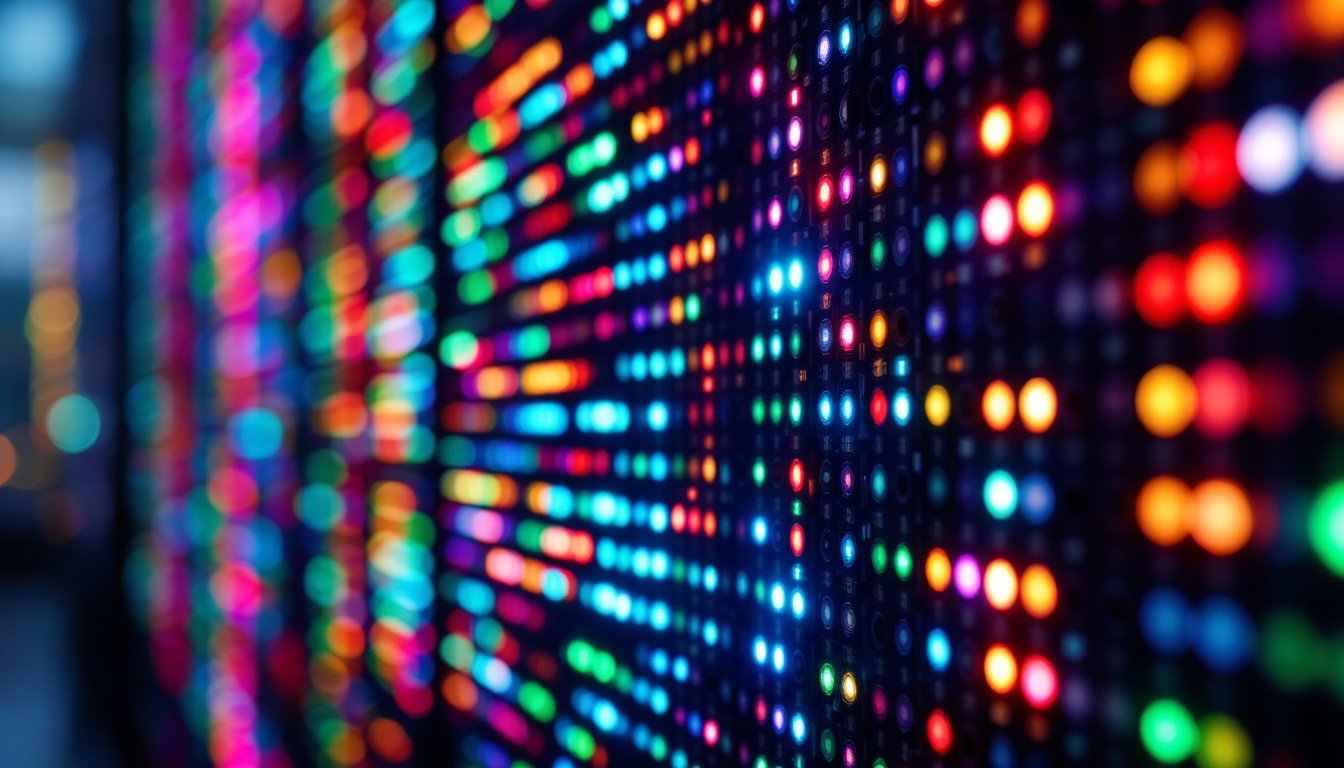
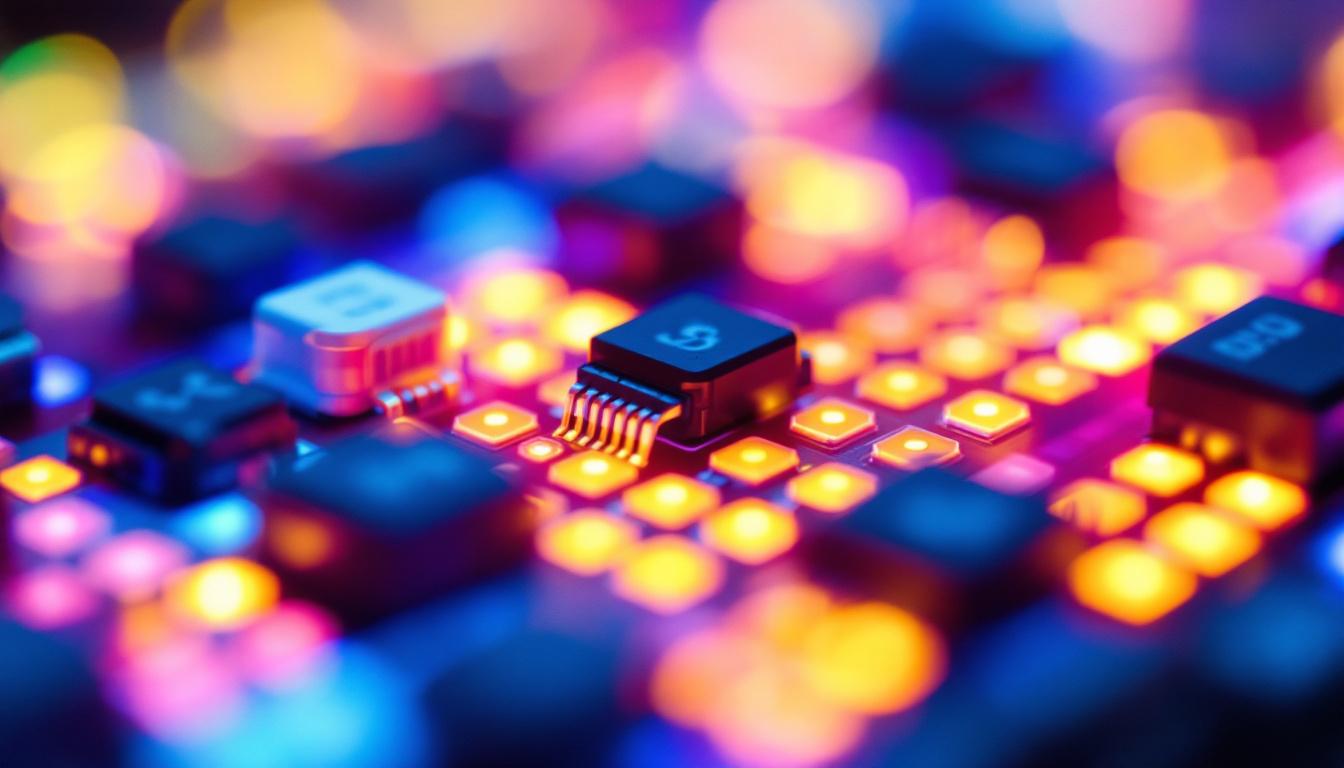
Micro LED panels are a type of flat-panel display technology that uses microscopic light-emitting diodes (LEDs) as individual pixels. Unlike traditional LED displays, which rely on backlighting or larger LEDs, Micro LEDs are tiny—typically less than 100 micrometers in size—and each one emits its own light. This self-emissive property allows for precise control over brightness and color at the pixel level, resulting in superior image quality.
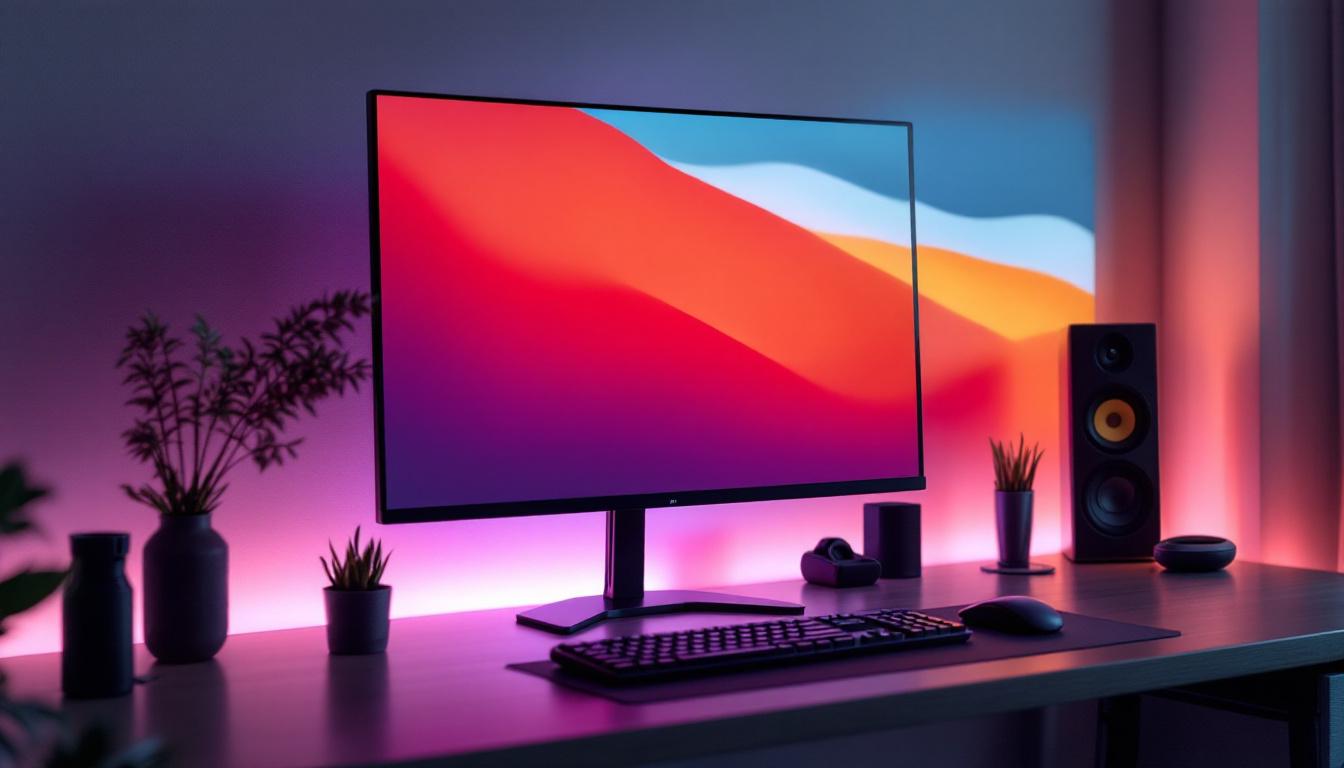
Each Micro LED functions as an independent light source, which means the display can achieve true blacks by turning off individual pixels completely. This feature is a significant step forward compared to LCDs that use backlighting, where light leakage can affect contrast and black levels. Furthermore, the ability to control each pixel independently contributes to a wider color gamut, providing a more vibrant and immersive viewing experience. This makes Micro LED technology particularly appealing for applications requiring high fidelity, such as professional video editing, gaming, and high-end home theater systems.
In addition to their impressive visual performance, Micro LED panels are also energy-efficient. Because they emit light directly, they consume less power than traditional displays, especially when displaying darker images. This efficiency not only reduces electricity costs but also minimizes heat generation, which can prolong the lifespan of the display. As a result, Micro LEDs are becoming increasingly popular in various applications, including smartphones, televisions, and even wearable devices, where battery life is a critical consideration.
How Micro LEDs Differ from Other Display Technologies
To appreciate the innovation behind Micro LED, it’s essential to compare it with other popular display technologies such as LCD, OLED, and traditional LED panels.
- LCD (Liquid Crystal Display): Uses a backlight behind a liquid crystal layer to produce images. While LCDs have improved over the years, they often suffer from limited contrast ratios and color accuracy due to the backlight’s influence. Additionally, the viewing angles can be restricted, leading to color distortion when viewed from the side.
- OLED (Organic Light Emitting Diode): Each pixel emits its own light, similar to Micro LED, allowing for excellent contrast and color. However, OLEDs use organic materials that can degrade over time, leading to burn-in issues and shorter lifespan. This susceptibility to burn-in can be particularly problematic for static images, such as logos or user interface elements, which can leave a permanent mark on the screen.
- Traditional LED Displays: Usually consist of larger LEDs for signage or backlighting for LCDs. They lack the pixel-level control and resolution that Micro LEDs provide. Furthermore, traditional LED displays often struggle with color accuracy and uniformity, especially in larger formats where individual LED elements may not be perfectly calibrated.
Micro LED combines the best aspects of these technologies: the self-emissive nature of OLED with the durability and brightness of inorganic LEDs, without the drawbacks of organic material degradation or backlight bleed. This unique combination not only enhances the visual experience but also opens up new possibilities for innovative display designs, such as ultra-thin and flexible screens that can be seamlessly integrated into various environments. As research and development in this field continue to advance, we can expect to see even more groundbreaking applications of Micro LED technology in the near future.
Key Advantages of Micro LED Panels
Superior Brightness and Contrast
One of the most significant benefits of Micro LED technology is its ability to deliver extremely high brightness levels while maintaining perfect black levels. Micro LEDs can reach brightness levels exceeding 1,000 nits, which is ideal for viewing in bright environments or outdoor settings. In comparison, OLED panels typically max out around 600 to 800 nits before risking damage to the organic materials.
Because each Micro LED can be individually turned off, the contrast ratio—the difference between the darkest and brightest parts of the image—is effectively infinite. This results in stunning picture quality with vibrant colors and deep blacks that enhance viewing experiences. Furthermore, the high dynamic range (HDR) capabilities of Micro LED panels allow for a more immersive experience, where subtle details in shadows and highlights can be appreciated, making movies and games come alive in ways that traditional displays struggle to achieve.
Energy Efficiency and Longevity
Micro LED displays are more energy-efficient than both OLED and LCD counterparts. Since the LEDs emit light directly without a backlight, less power is wasted illuminating dark areas of the screen. This efficiency translates to longer battery life in portable devices and reduced electricity consumption in larger displays. Such energy savings not only benefit consumers but also contribute to a more sustainable approach to technology, reducing the overall carbon footprint associated with display manufacturing and usage.
Additionally, Micro LEDs use inorganic materials, which are far more durable than the organic compounds in OLEDs. This durability means Micro LED panels have longer lifespans and are less prone to burn-in or image retention, making them ideal for applications requiring prolonged use or static images. The resilience of Micro LEDs also allows for greater versatility in various environments, from high-traffic public displays to home theaters, where longevity and reliability are paramount.
Scalability and Modularity
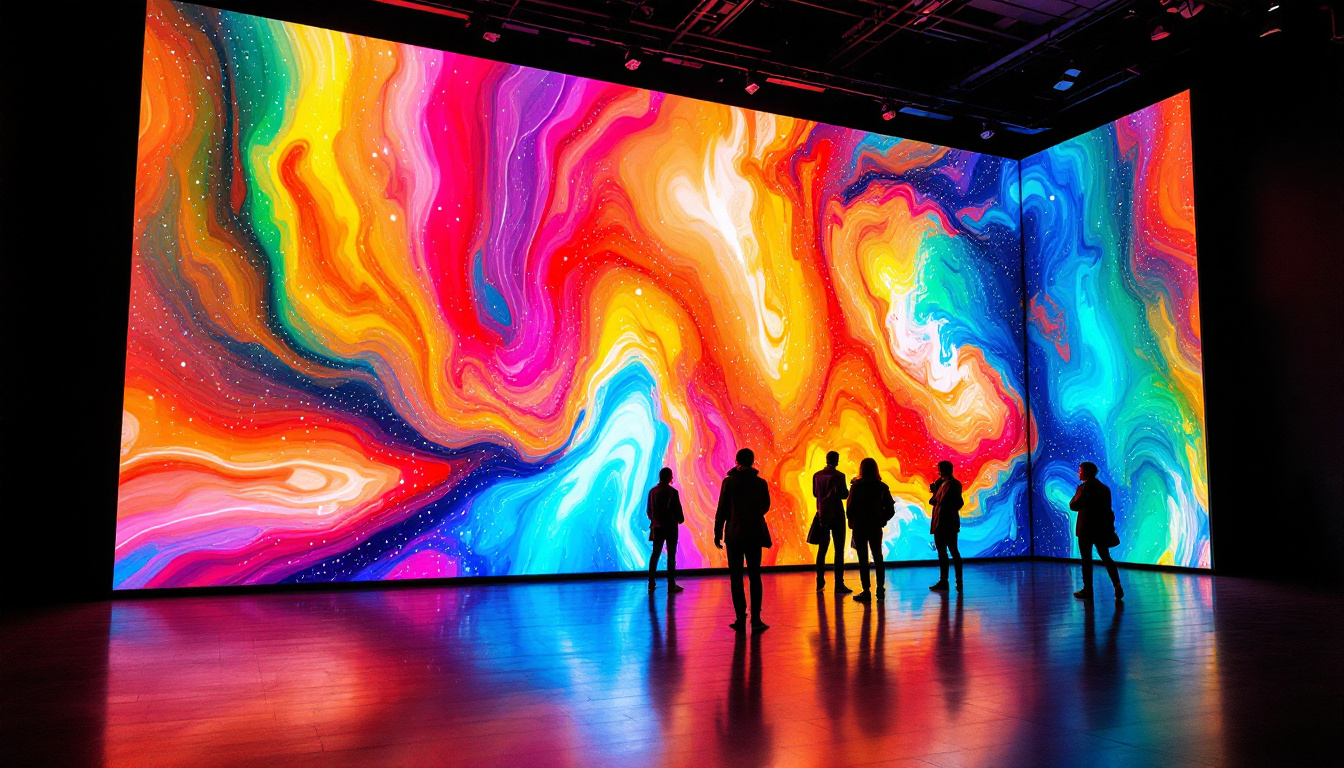
Micro LED technology offers exceptional scalability. Because the panels are made up of tiny LEDs that can be assembled modularly, manufacturers can create displays of virtually any size—from small smartwatch screens to massive video walls spanning hundreds of inches. This flexibility is a game-changer for industries like retail, entertainment, and public information systems, where custom-sized displays are often required. The modular nature of Micro LED panels also means that repairs can be made easily by replacing individual modules rather than the entire display, significantly reducing downtime and maintenance costs.
Moreover, the scalability of Micro LED technology enables innovative applications that were previously impractical. For example, curved or flexible displays can be created to fit unique architectural designs, enhancing both aesthetic appeal and functionality. This adaptability opens up new avenues for creative advertising, immersive gaming experiences, and interactive installations, allowing businesses to engage their audiences in captivating ways that leverage the full potential of this cutting-edge technology.
Current Applications of Micro LED Displays
Consumer Electronics
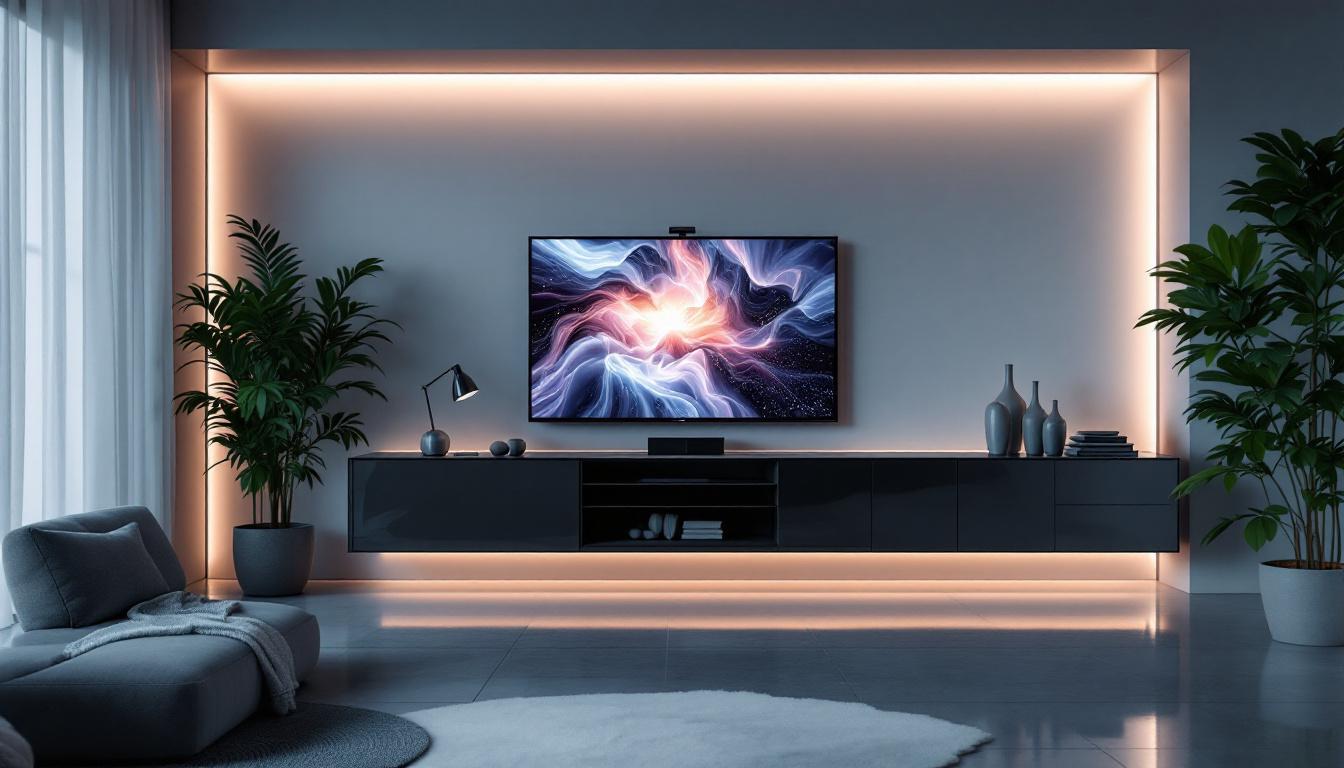
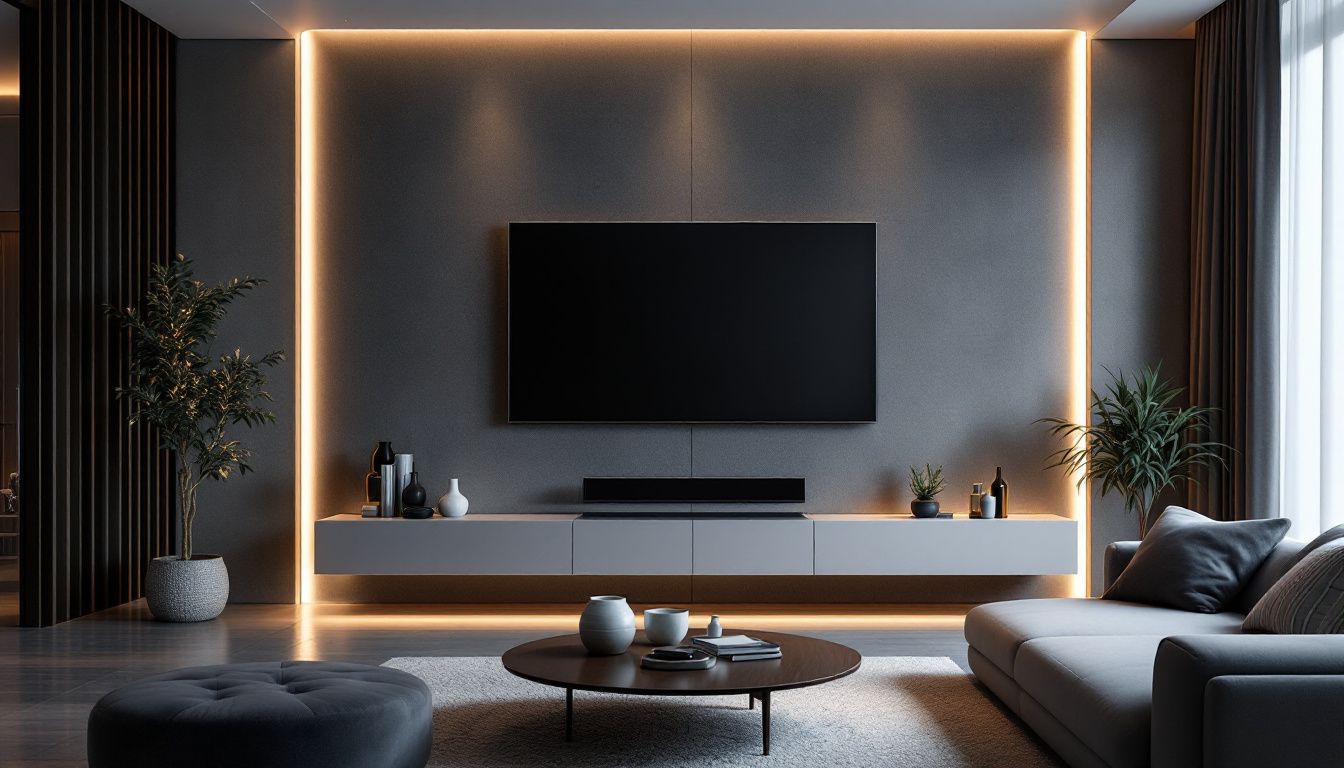
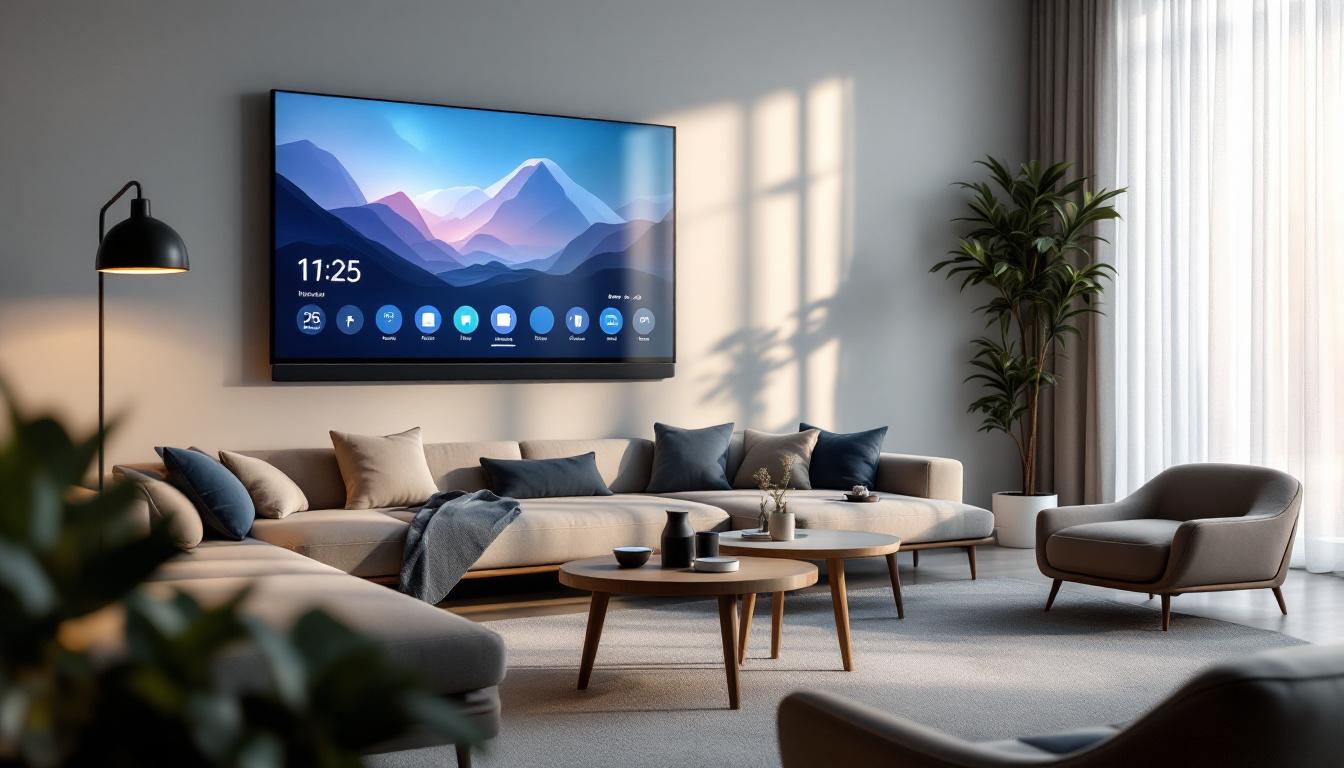
Micro LED technology is increasingly being integrated into consumer devices, particularly high-end televisions and smartwatches. Brands are leveraging Micro LED’s superior brightness and color accuracy to deliver premium viewing experiences that surpass OLED and LCD screens.
For example, some flagship TVs now feature Micro LED panels that provide cinema-quality visuals with enhanced HDR performance. Similarly, luxury smartwatches use Micro LED displays to offer vibrant colors and excellent outdoor readability while conserving battery life.
Commercial and Industrial Use
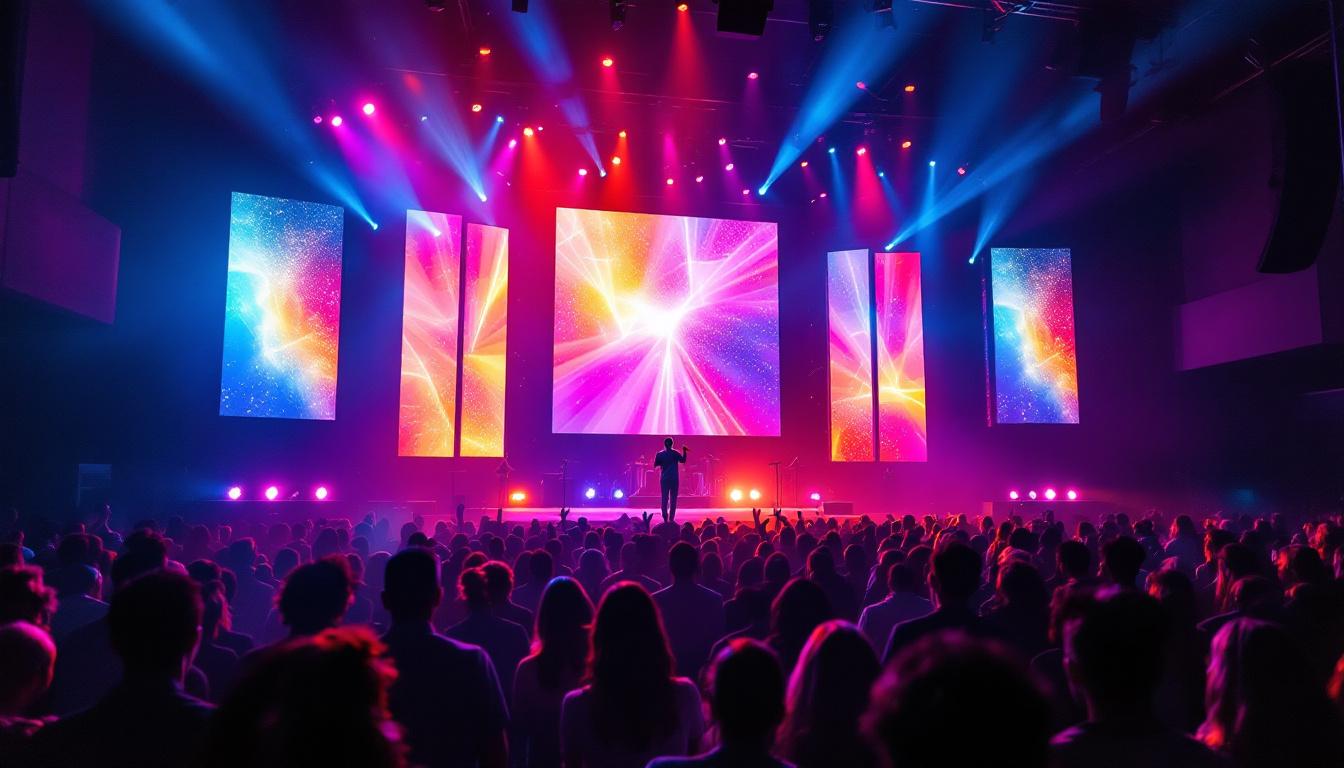
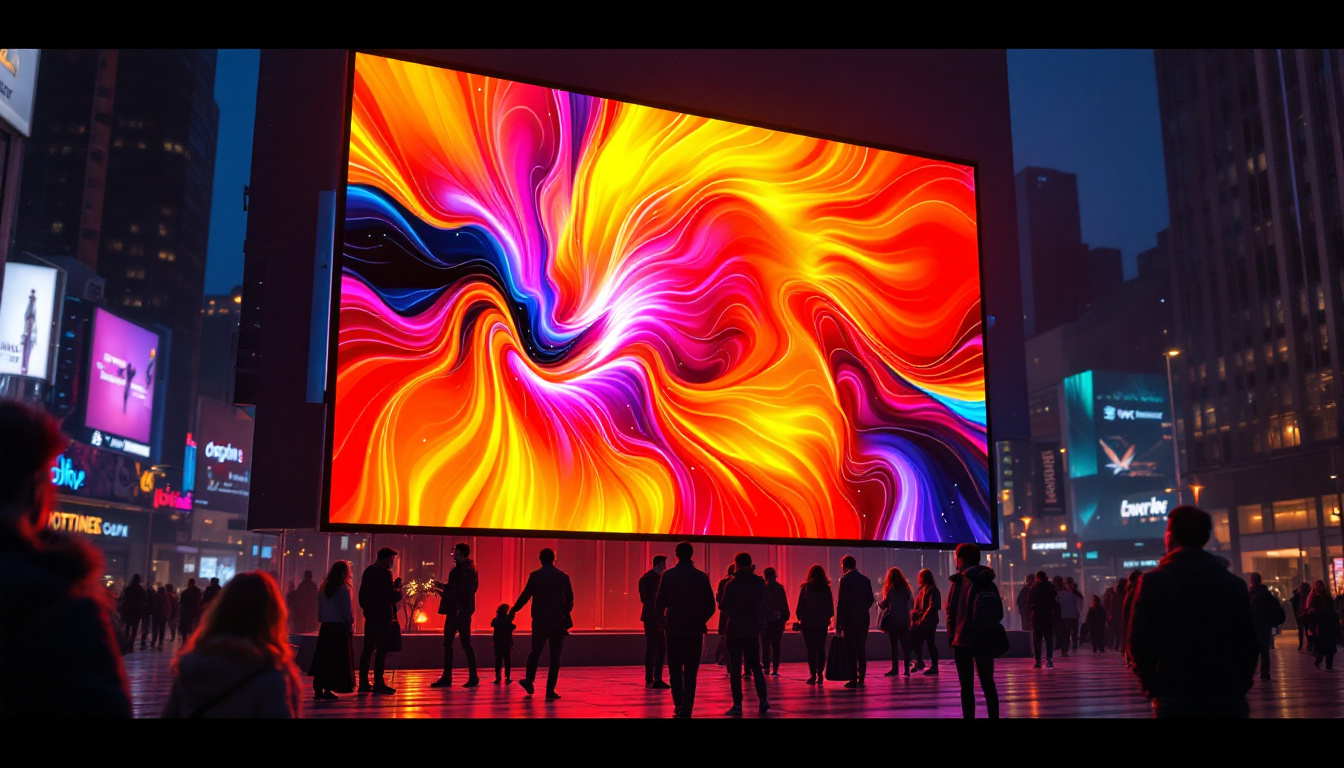
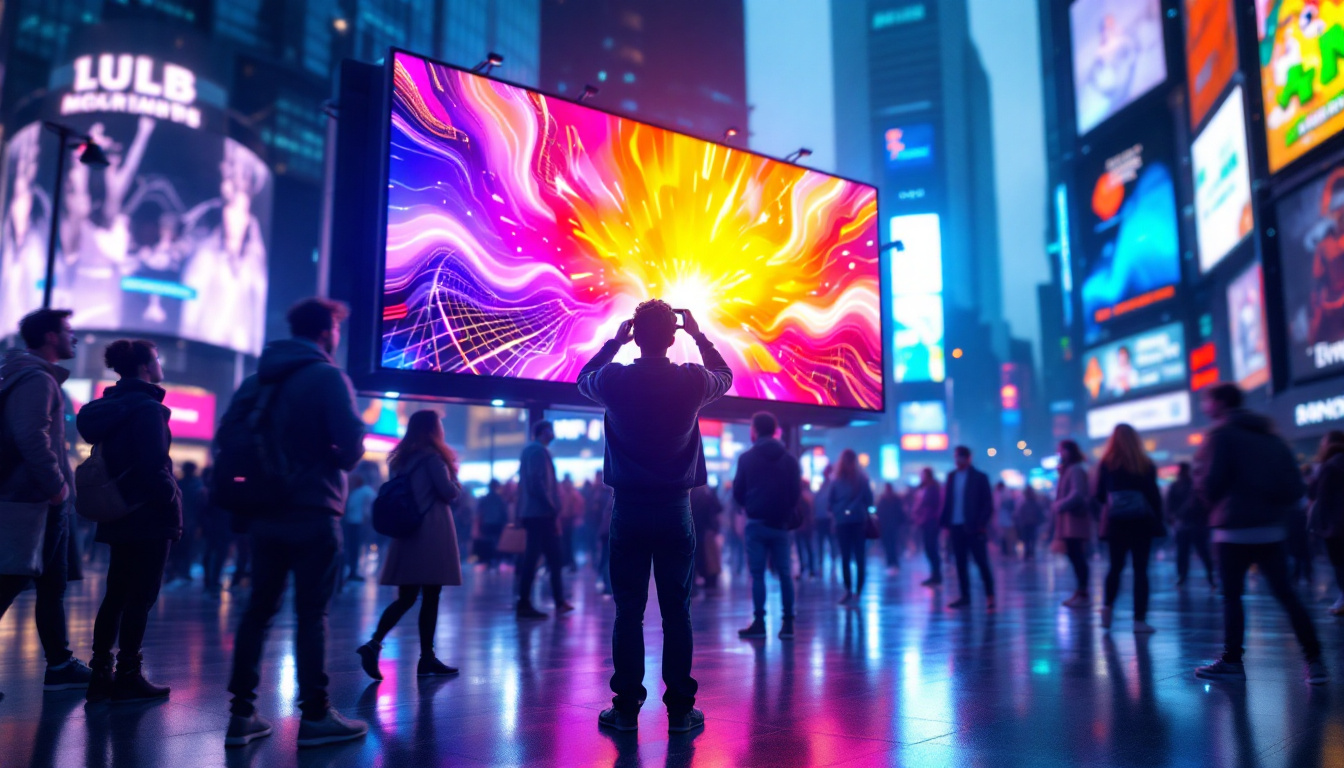
In commercial settings, Micro LED displays are revolutionizing digital signage, advertising, and control rooms. Their ability to produce large, seamless displays with high resolution and brightness makes them ideal for airports, stadiums, shopping malls, and corporate environments.
Industries that require reliable, long-lasting displays—such as transportation hubs and command centers—benefit from Micro LED’s durability and resistance to burn-in. The technology’s modular nature also allows for easy maintenance and upgrades, reducing downtime and operational costs.
Automotive and Wearable Devices
The automotive sector is exploring Micro LED for dashboard displays, heads-up displays (HUDs), and infotainment systems. The high brightness and contrast enhance visibility in varying lighting conditions, improving safety and user experience.
Wearable devices, including fitness trackers and augmented reality (AR) glasses, benefit from Micro LED’s compact size and energy efficiency. These characteristics enable thinner, lighter devices with longer battery life and superior display quality.
Challenges and Future Outlook
Manufacturing Complexity and Cost
Despite its advantages, Micro LED technology faces significant manufacturing challenges. The process of producing and assembling millions of tiny LEDs with precise alignment and uniformity is complex and costly. Yield rates—the percentage of functional panels produced—are currently lower than for OLED or LCD manufacturing, which drives up prices.
However, ongoing advancements in mass transfer techniques and automation are gradually improving production efficiency. As these processes mature, costs are expected to decrease, making Micro LED displays more accessible to a broader market.
Market Adoption and Competition
While Micro LED holds great promise, it competes with well-established display technologies like OLED and LCD, which continue to improve and dominate many market segments. Consumer familiarity, existing supply chains, and lower costs make widespread adoption of Micro LED a gradual process.
Nevertheless, the unique benefits of Micro LED—especially in premium and specialized applications—are driving increased investment and research. Industry analysts predict that Micro LED will capture a significant share of the display market within the next decade, particularly in sectors where performance and durability are paramount.
Innovations on the Horizon
Research into enhancing Micro LED technology continues at a rapid pace. Innovations such as integrating quantum dots for even richer color reproduction, improving transfer techniques for higher yields, and developing flexible Micro LED panels are underway.
Flexible and transparent Micro LED displays could open new frontiers in design, enabling curved, foldable, or see-through screens for futuristic devices and architectural applications. Such developments promise to expand the versatility and appeal of Micro LED technology beyond current limitations.
Conclusion
Micro LED panels represent a significant leap forward in display technology, combining exceptional brightness, contrast, energy efficiency, and durability. While challenges remain in manufacturing and cost, the technology’s potential to transform consumer electronics, commercial displays, automotive interfaces, and wearable devices is undeniable.
As production methods improve and prices become more competitive, Micro LED is poised to become a mainstream choice for high-performance displays, delivering richer, more immersive visual experiences for users worldwide. Keeping an eye on this evolving technology is essential for industry professionals, consumers, and anyone interested in the future of digital displays.
Discover the Future of Visuals with LumenMatrix
Ready to experience the next generation of display technology? LumenMatrix is at the forefront, offering a diverse range of LED display solutions that bring your visual communications to life. From vibrant Indoor LED Walls to dynamic Outdoor LED Displays, and from sleek LED Posters to immersive LED Sports Displays, our products are designed to captivate and engage. Embrace the revolution in high-performance displays with LumenMatrix and see how our innovative solutions can transform your space. Check out LumenMatrix LED Display Solutions today and step into a world where clarity and impact go hand in hand.