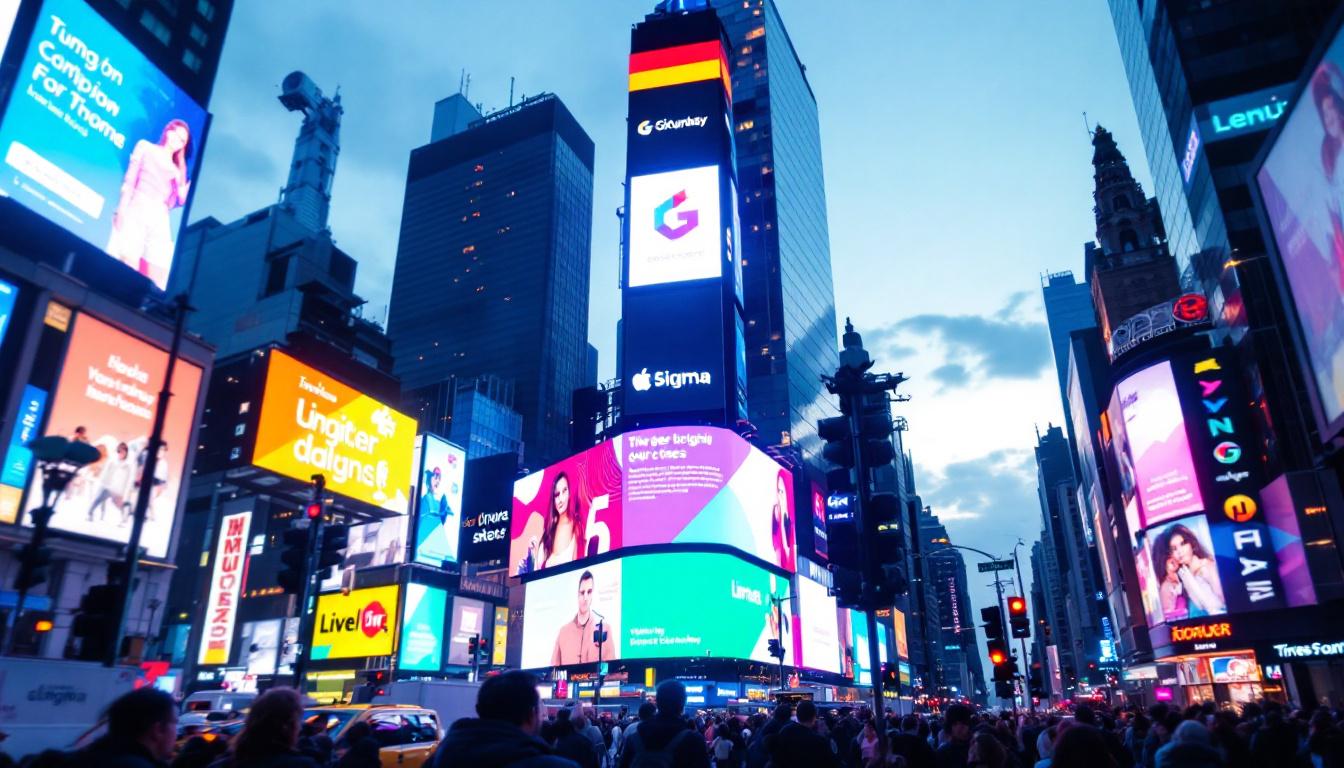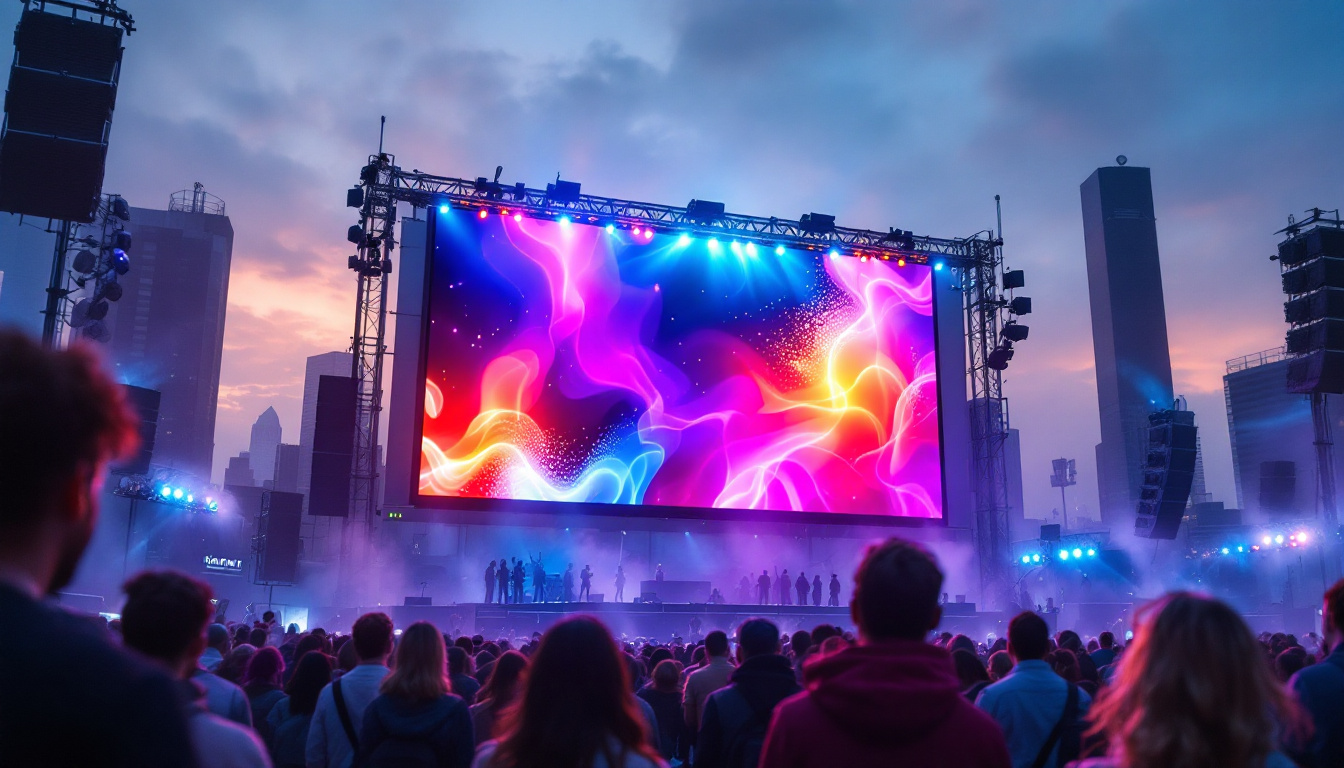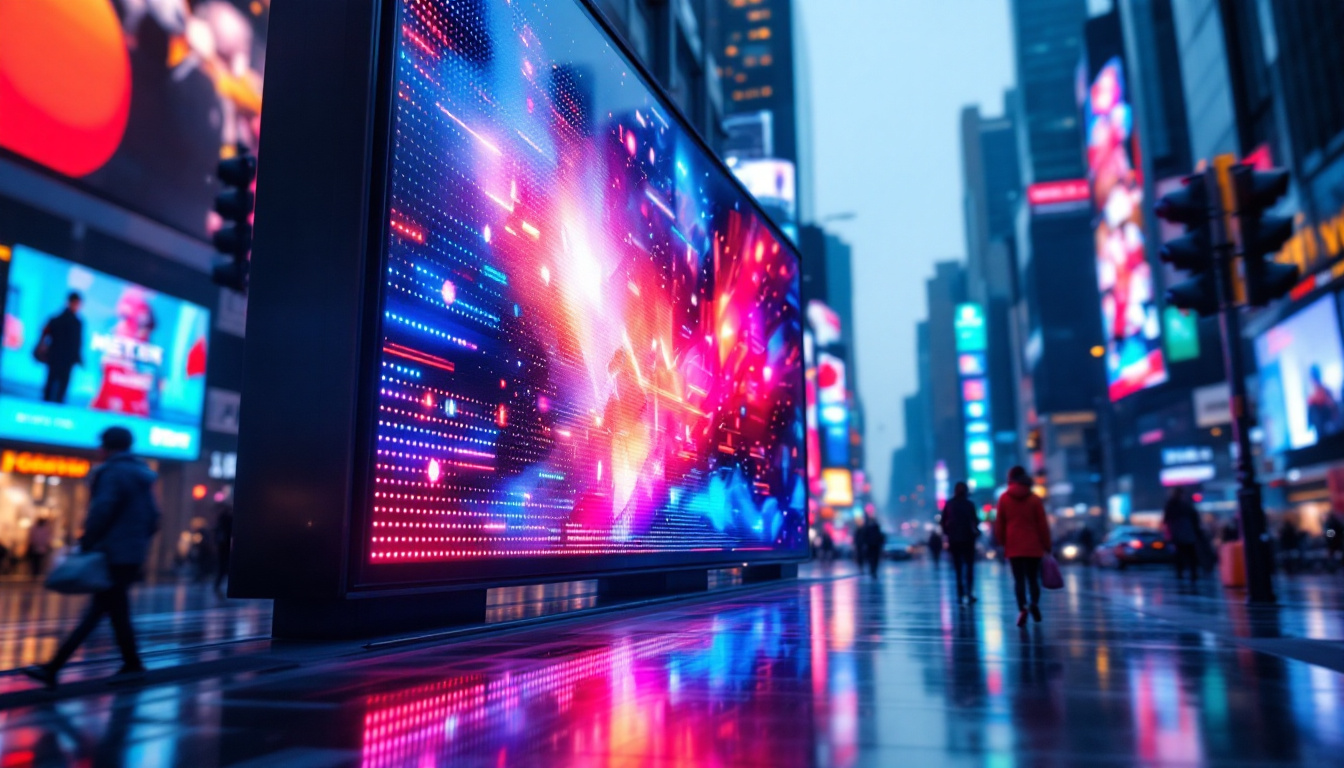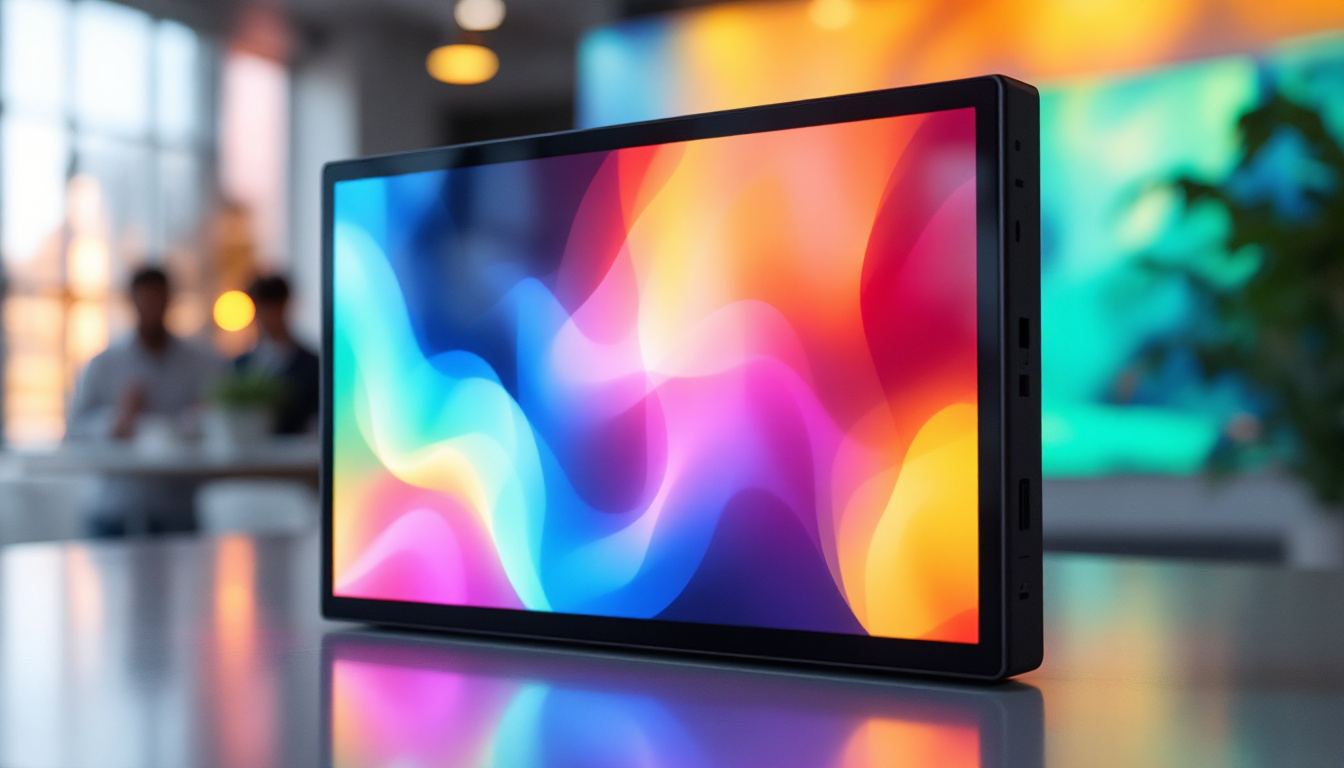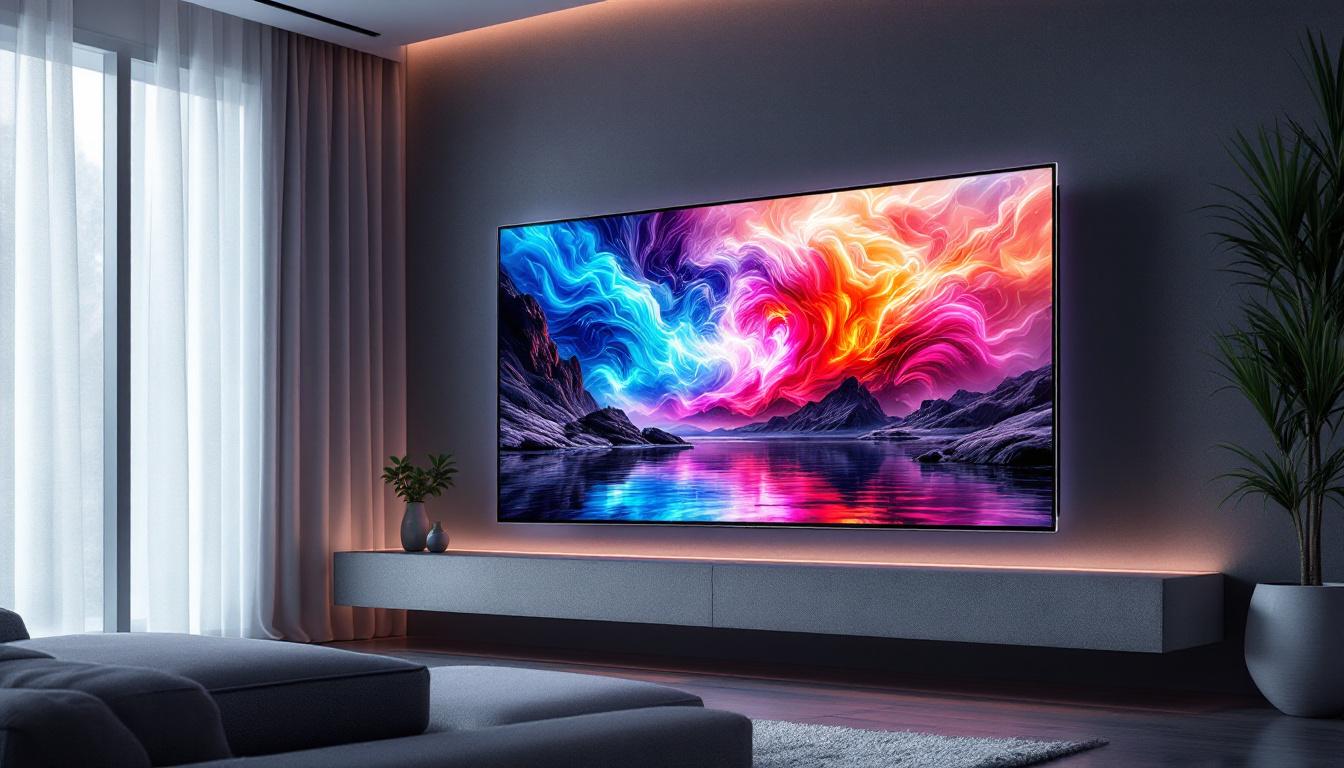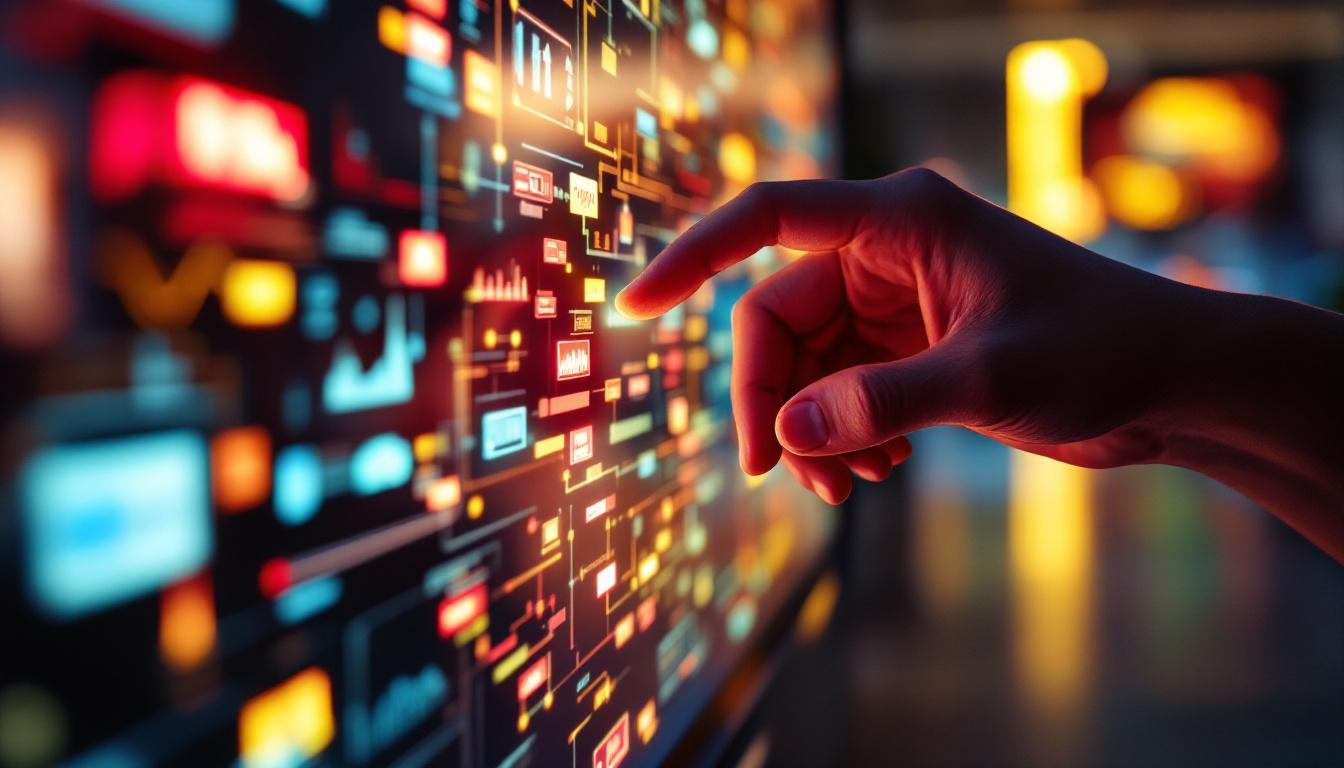
In today’s fast-evolving digital landscape, touch screen LED displays have become an integral part of how we interact with technology. From smartphones and tablets to large public information kiosks and advertising billboards, these displays combine vibrant visuals with intuitive touch capabilities, transforming user experiences across industries. This article delves into the technology behind touch screen LED displays, exploring their components, types, applications, and future trends.
Understanding LED Display Technology
LED, or Light Emitting Diode, technology forms the backbone of many modern display systems. Unlike traditional LCDs that rely on backlighting, LED displays use tiny diodes that emit light when an electric current passes through them. This fundamental difference allows LED displays to offer higher brightness, better contrast ratios, and more energy efficiency. The innovative nature of LED technology has revolutionized how we interact with visual media, making it a preferred choice for everything from televisions to large-scale advertising screens.
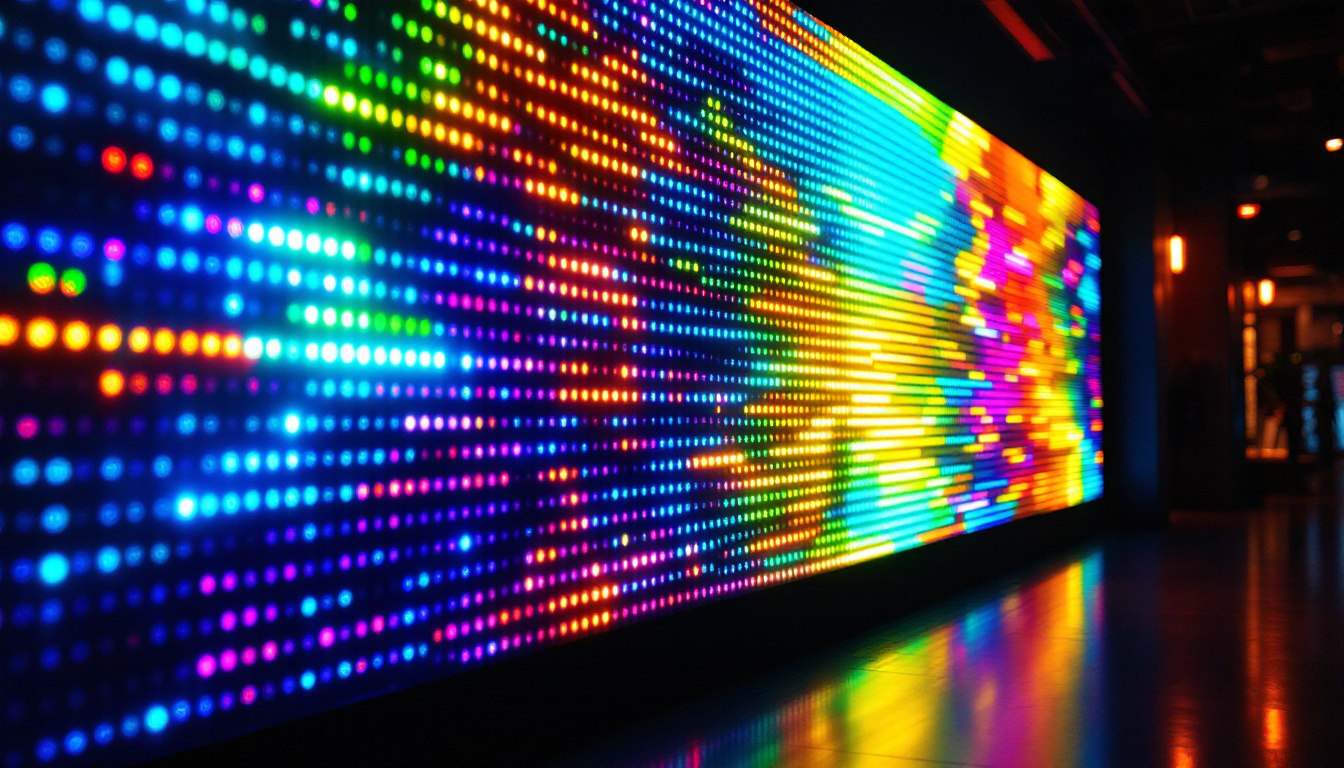
LED displays are composed of thousands to millions of individual diodes arranged in a matrix. Each diode can be controlled independently to produce a specific color and brightness level, enabling the creation of rich, dynamic images. The result is a display that is not only visually striking but also capable of performing well in various lighting conditions, including direct sunlight. This adaptability is particularly beneficial in outdoor settings, where traditional displays often struggle to maintain visibility. Furthermore, the durability of LED technology means that these displays can withstand harsh weather conditions, making them ideal for long-term outdoor use.
Types of LED Displays
There are several types of LED displays, each suited for different applications:
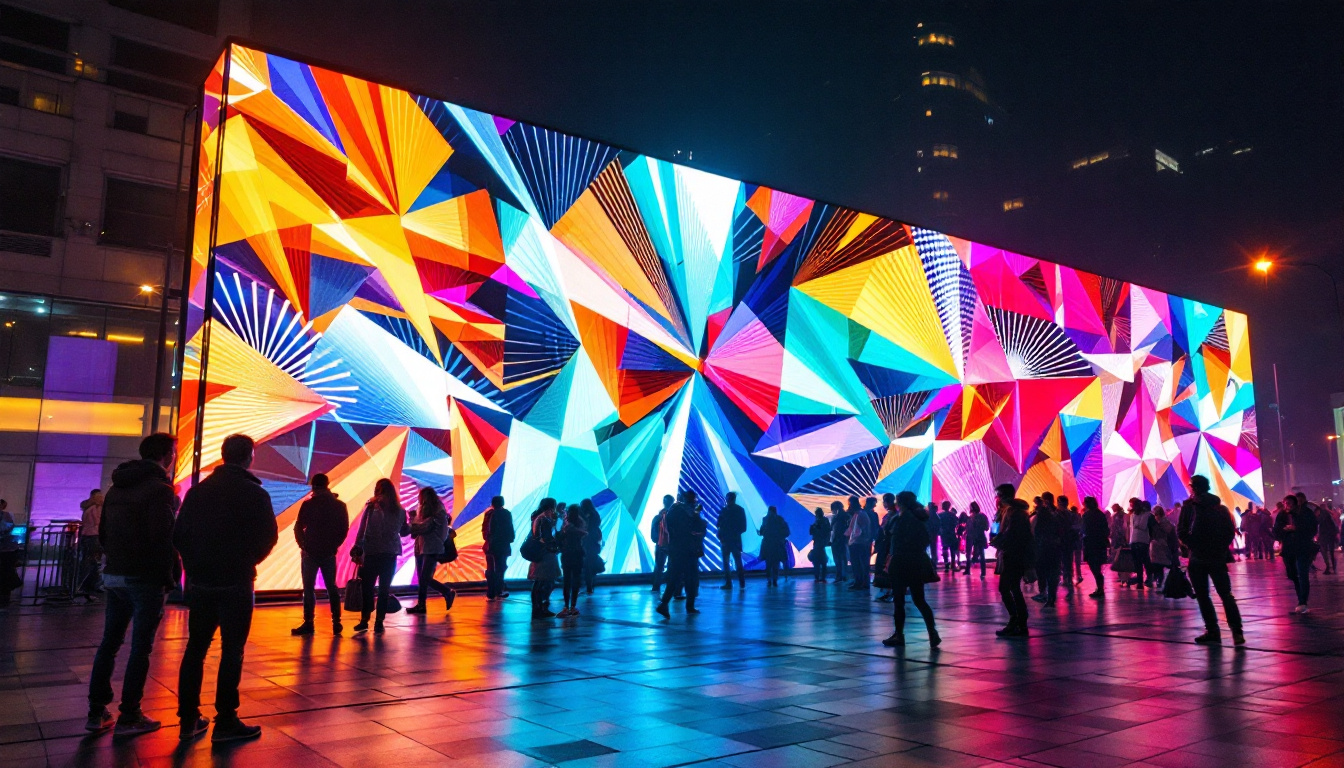
- Direct View LED (DV-LED): These are large-scale displays where the LEDs themselves form the pixels. Common in stadium screens and outdoor billboards, DV-LEDs provide exceptional brightness and viewing angles. Their modular design allows for versatile configurations, enabling businesses to create custom shapes and sizes that fit their branding needs.
- LED-backlit LCD: Most consumer devices like smartphones and laptops use LCD panels illuminated by LED backlights. This hybrid approach balances cost and performance, offering a good compromise between image quality and affordability. As technology advances, these displays have also become thinner and lighter, enhancing portability without sacrificing visual fidelity.
- MicroLED: An emerging technology that uses microscopic LEDs for each pixel, promising even higher brightness, contrast, and energy efficiency than OLEDs. MicroLED displays are still in the early stages of development, but they hold the potential to deliver unparalleled image quality, making them a hot topic in the tech industry.
Each type comes with its own set of advantages and trade-offs, influencing their suitability for different environments and use cases. For instance, while DV-LEDs excel in outdoor advertising due to their brightness and visibility, MicroLEDs may soon become the go-to choice for high-end televisions and immersive experiences in home theaters. As the demand for high-quality visual experiences continues to grow, the evolution of LED technology is likely to lead to even more innovative applications across various sectors, from entertainment to education and beyond.
How Touch Screen Technology Integrates with LED Displays
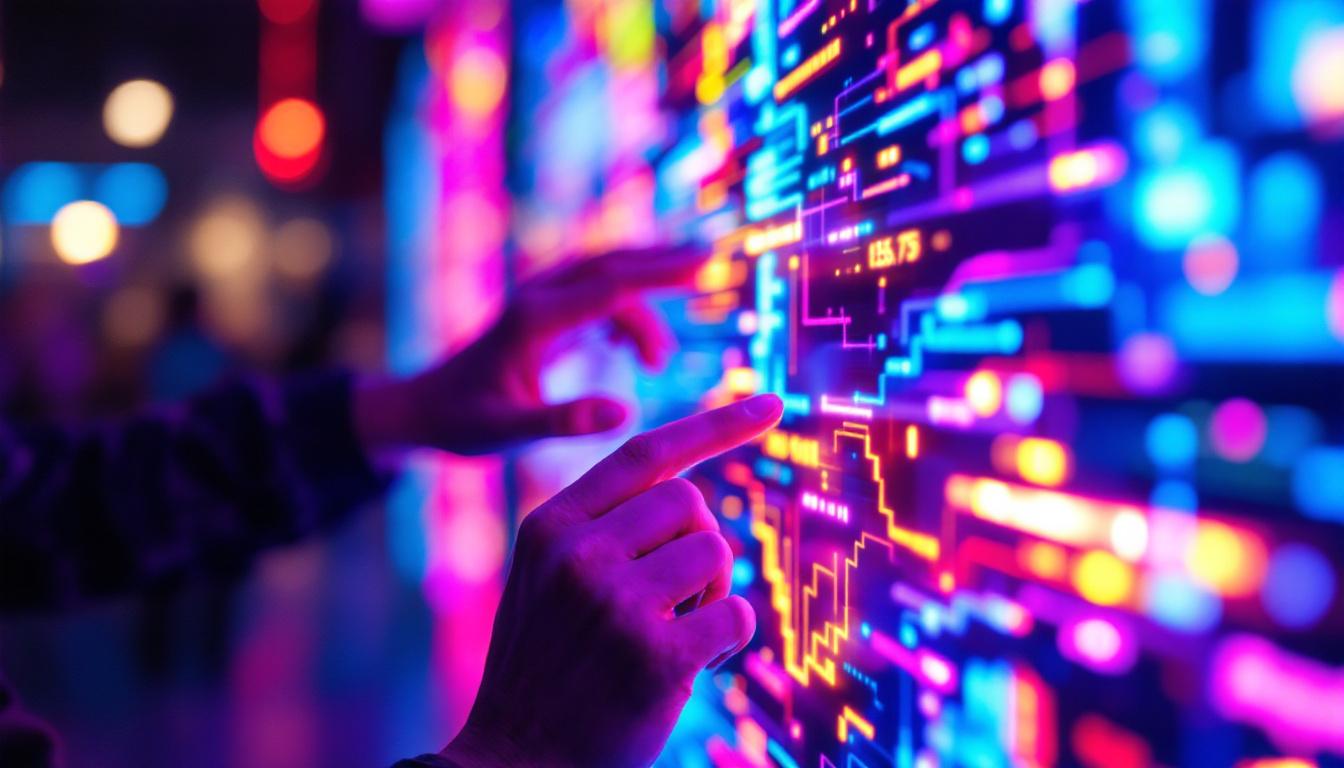
Touch screen technology adds an interactive layer to LED displays, enabling users to engage directly with the content. The integration of touch sensors with LED displays has revolutionized user interfaces, making them more intuitive and accessible. This synergy not only enhances user experience but also opens up new avenues for applications in various fields, from retail to education and beyond.
Common Touch Screen Technologies
There are several touch sensing technologies commonly paired with LED displays:
- Resistive Touch: This technology detects pressure applied to the screen. It consists of two flexible layers that register touch when pressed together. While cost-effective, resistive touch screens generally offer lower clarity and responsiveness compared to other methods. They are often found in environments where durability is essential, such as industrial settings.
- Capacitive Touch: Widely used in smartphones and tablets, capacitive touch screens detect changes in the electrical field caused by a conductive object like a finger. They provide high sensitivity and multi-touch support, making them ideal for applications requiring intricate gestures, such as gaming or graphic design.
- Infrared Touch: Infrared touch screens use an array of IR LEDs and photodetectors around the edges of the screen to detect touch by interruption of light beams. This technology works well with gloves or styluses and is common in large interactive kiosks. Its versatility makes it suitable for outdoor environments where weather conditions may affect other touch technologies.
- Surface Acoustic Wave (SAW): SAW touchscreens use ultrasonic waves that are absorbed when the screen is touched. They offer excellent image clarity but can be sensitive to contaminants like dust or water. This makes them a popular choice for high-traffic areas where cleanliness is a concern, such as airports or shopping malls.
Choosing the appropriate touch technology depends on factors such as the intended use environment, required durability, and user experience goals. For instance, a retail store may prioritize capacitive touch for its responsiveness, while an industrial application might lean towards resistive touch for its robustness.
Challenges in Combining Touch and LED Displays
Integrating touch sensors with LED displays is not without challenges. For instance, adding a touch layer can affect the display’s brightness and clarity. Manufacturers must carefully engineer the layers to maintain image quality while ensuring reliable touch responsiveness. This engineering process often involves extensive testing to strike a balance between touch sensitivity and visual performance.
Additionally, large-format touch screen LED displays require sophisticated calibration and processing to accurately interpret multiple simultaneous touch points, especially in public or commercial settings where multi-user interaction is common. The complexity increases when considering the need for real-time feedback, as delays can lead to user frustration. Moreover, the integration of advanced software solutions is essential to manage these interactions seamlessly, allowing for a fluid user experience that can adapt to diverse usage scenarios.
Furthermore, the durability of touch screens in high-use environments poses another challenge. With frequent interaction, screens can suffer from wear and tear, leading to reduced performance over time. Manufacturers are now exploring innovative materials and coatings that enhance scratch resistance and reduce glare, ensuring that the displays remain functional and visually appealing even after extensive use. This ongoing development is crucial as the demand for interactive displays continues to grow across various industries.
Applications of Touch Screen LED Displays
The versatility of touch screen LED displays has led to widespread adoption across numerous sectors. Their ability to combine vivid visuals with interactive functionality makes them ideal for both consumer and industrial applications.
Consumer Electronics
Smartphones, tablets, laptops, and smartwatches are the most familiar examples of touch screen LED displays in consumer electronics. The capacitive touch technology combined with high-resolution LED or OLED displays delivers seamless, responsive user experiences. According to a 2023 report by Statista, over 3.8 billion smartphone users worldwide rely on capacitive touch screen technology daily, highlighting its ubiquity.
Furthermore, smart home devices such as thermostats and control panels increasingly incorporate touch screen LED displays to provide intuitive control interfaces.
Retail and Advertising
Interactive digital signage is transforming retail environments by engaging customers with dynamic content and personalized experiences. Touch screen LED displays in storefronts and shopping malls allow users to browse product catalogs, access promotions, and even complete purchases without assistance.
Large-scale outdoor LED billboards equipped with touch capabilities are emerging in high-traffic urban areas, enabling interactive advertisements that respond to passerby gestures. This trend is supported by advancements in weatherproofing and sunlight-readable display technology.
Education and Training
Touch screen LED displays are increasingly prevalent in classrooms and training centers. Interactive whiteboards and digital kiosks facilitate collaborative learning by allowing students and instructors to manipulate content directly on the screen. This hands-on approach enhances engagement and retention.
Moreover, simulation-based training in fields such as healthcare and aviation leverages large-format touch screen LED displays to create immersive, realistic environments.
Healthcare
In healthcare settings, touch screen LED displays are used in diagnostic equipment, patient monitoring systems, and electronic health record terminals. The combination of high-resolution visuals and touch interactivity streamlines workflows and improves accuracy.
For example, radiologists can zoom and annotate medical images with precision, while patients can use touch-enabled kiosks for check-in and information access, reducing administrative burdens.
Future Trends and Innovations
The touch screen LED display market continues to evolve rapidly, driven by technological advancements and changing user expectations. Several emerging trends promise to redefine how these displays are designed and utilized.
MicroLED and Beyond
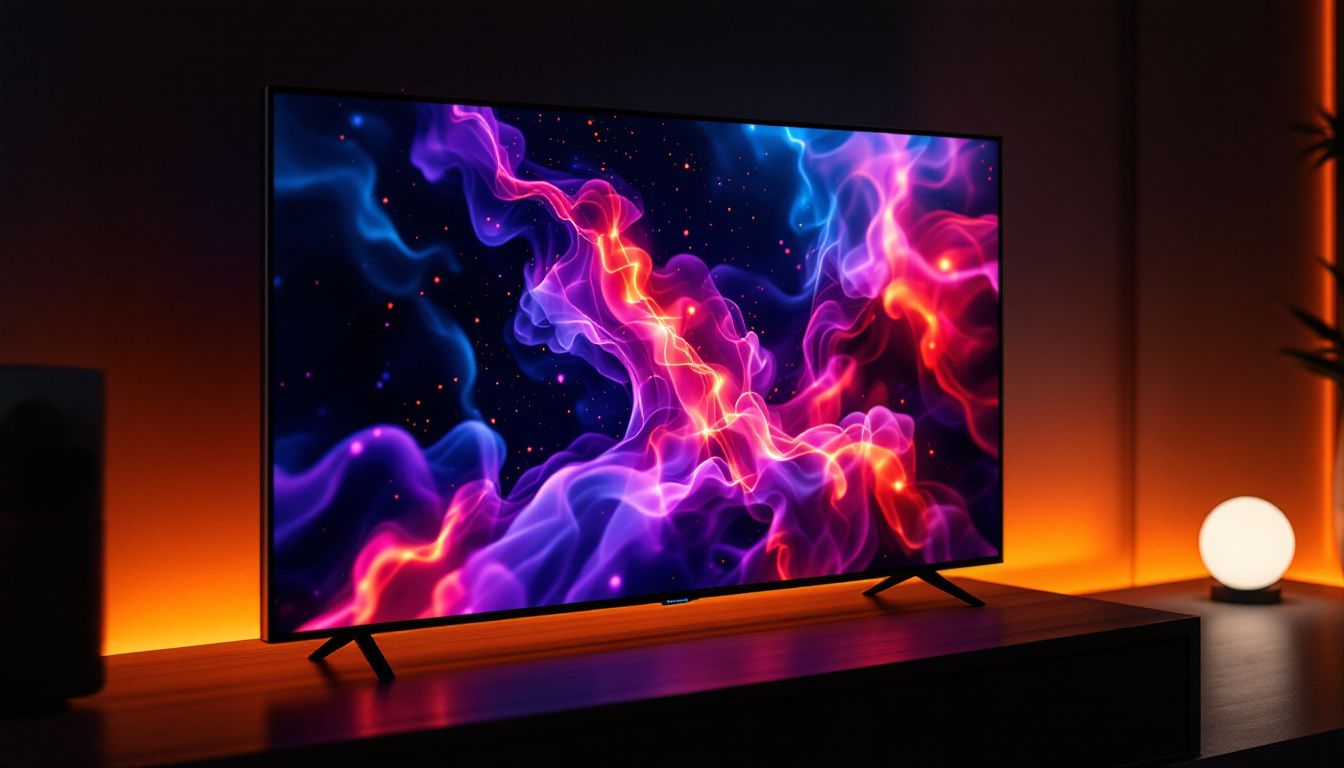
MicroLED technology is poised to revolutionize display quality by offering superior brightness, contrast, and longevity compared to current OLED and LCD solutions. Its self-emissive nature means each pixel emits its own light, enabling true blacks and vivid colors without backlighting.
While still in the early stages of commercialization due to manufacturing complexities, MicroLED displays are expected to become mainstream in the next five to ten years, particularly for high-end smartphones, TVs, and large-format digital signage.
Flexible and Transparent Displays
Flexible LED displays that can bend or fold are gaining traction, opening new possibilities for wearable devices, foldable smartphones, and innovative advertising formats. Transparent LED displays, which allow viewers to see through the screen while displaying content, are also emerging as a futuristic solution for retail windows and automotive applications.
Advanced Touch Interactions
Beyond simple touch, future LED displays are incorporating gesture recognition, haptic feedback, and even eye-tracking to create more immersive and natural user interfaces. These advancements aim to reduce physical contact, an important consideration in public and healthcare environments post-pandemic.
Energy Efficiency and Sustainability
As environmental concerns grow, manufacturers are focusing on reducing the energy consumption of LED displays. Innovations in low-power LEDs, adaptive brightness control, and recyclable materials contribute to more sustainable products without compromising performance.
Conclusion
Touch screen LED displays represent a convergence of cutting-edge visual and interactive technologies that have transformed multiple industries. Their ability to deliver bright, vivid images combined with intuitive touch interfaces makes them indispensable in consumer electronics, retail, education, healthcare, and beyond.
Understanding the underlying technologies, from LED types to touch sensing methods, helps stakeholders make informed decisions when selecting or designing these systems. Looking ahead, innovations like MicroLED, flexible displays, and advanced touch interactions promise to further enhance the capabilities and applications of touch screen LED displays, shaping the future of digital interaction.
Explore the Future of Visual Engagement with LumenMatrix
As you contemplate the vast potential and applications of touch screen LED displays, consider the innovative solutions that LumenMatrix offers. With a commitment to revolutionizing visual communication, LumenMatrix provides a wide array of LED display modules designed to captivate audiences and amplify your brand’s message. From Indoor and Outdoor LED Walls to Custom and Transparent Displays, our products are tailored to create immersive visual experiences that engage and inspire. Embark on your journey to enhanced brand visibility and discover how our cutting-edge technology can transform your space. Check out LumenMatrix LED Display Solutions today and step into the future of digital interaction.