In today’s fast-paced world, capturing attention quickly and effectively is crucial for businesses, public institutions, and event organizers alike. Outdoor sign boards equipped with LED displays have become a dominant force in visual communication, offering vibrant, dynamic, and highly visible messaging solutions. This article delves into the intricacies of outdoor LED sign boards, explaining their technology, benefits, applications, and key considerations for implementation.
Understanding Outdoor LED Display Technology
What is an LED Display?
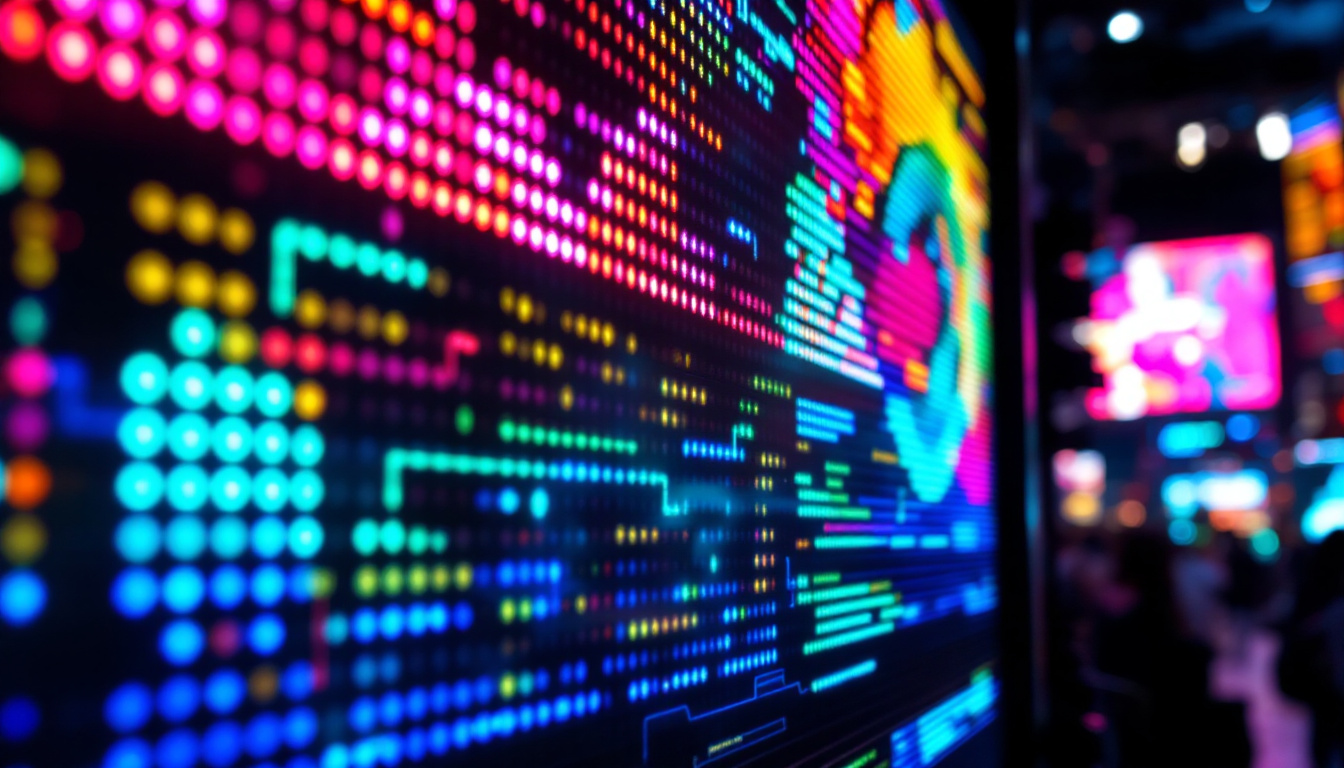
LED stands for Light Emitting Diode, a semiconductor device that emits light when an electric current passes through it. Outdoor LED displays consist of thousands of these tiny diodes arranged in a matrix to form images, text, or video content. Unlike traditional static sign boards, LED displays are dynamic and programmable, allowing for real-time updates and animations.
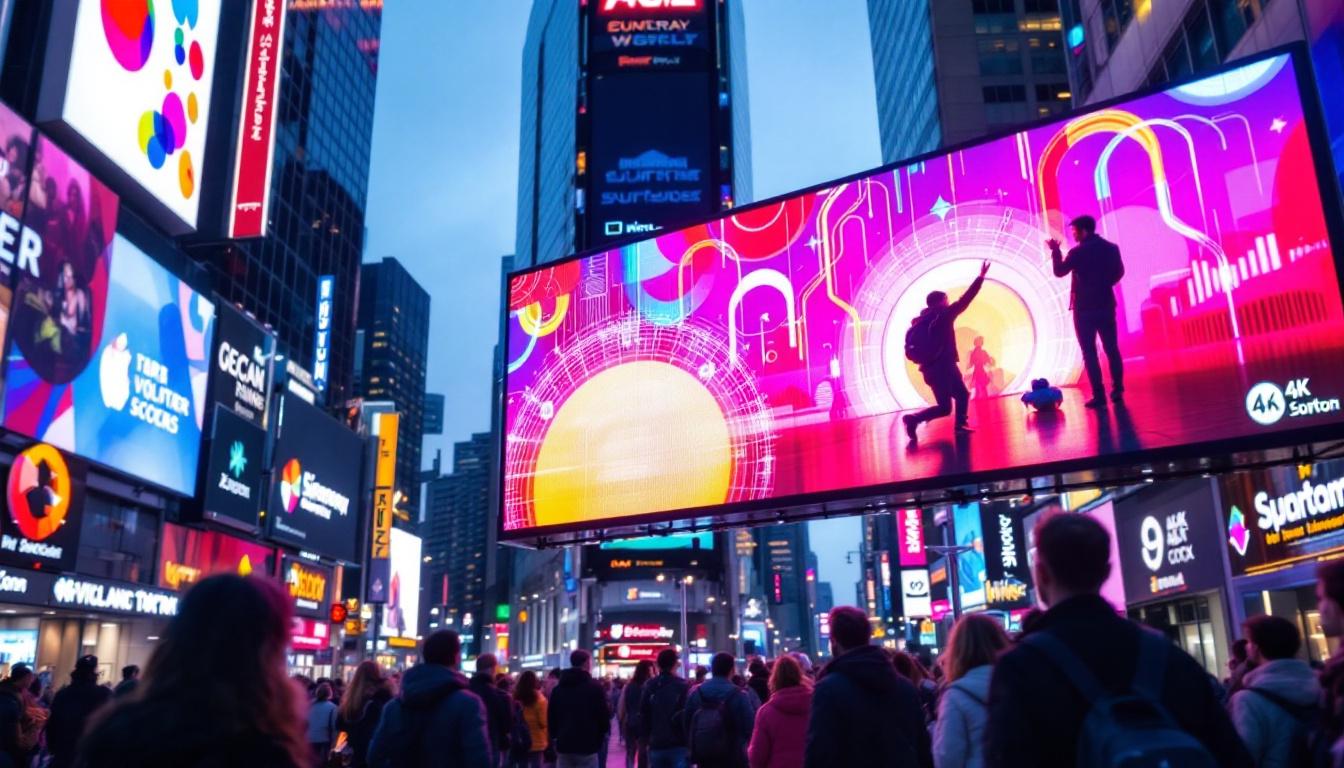
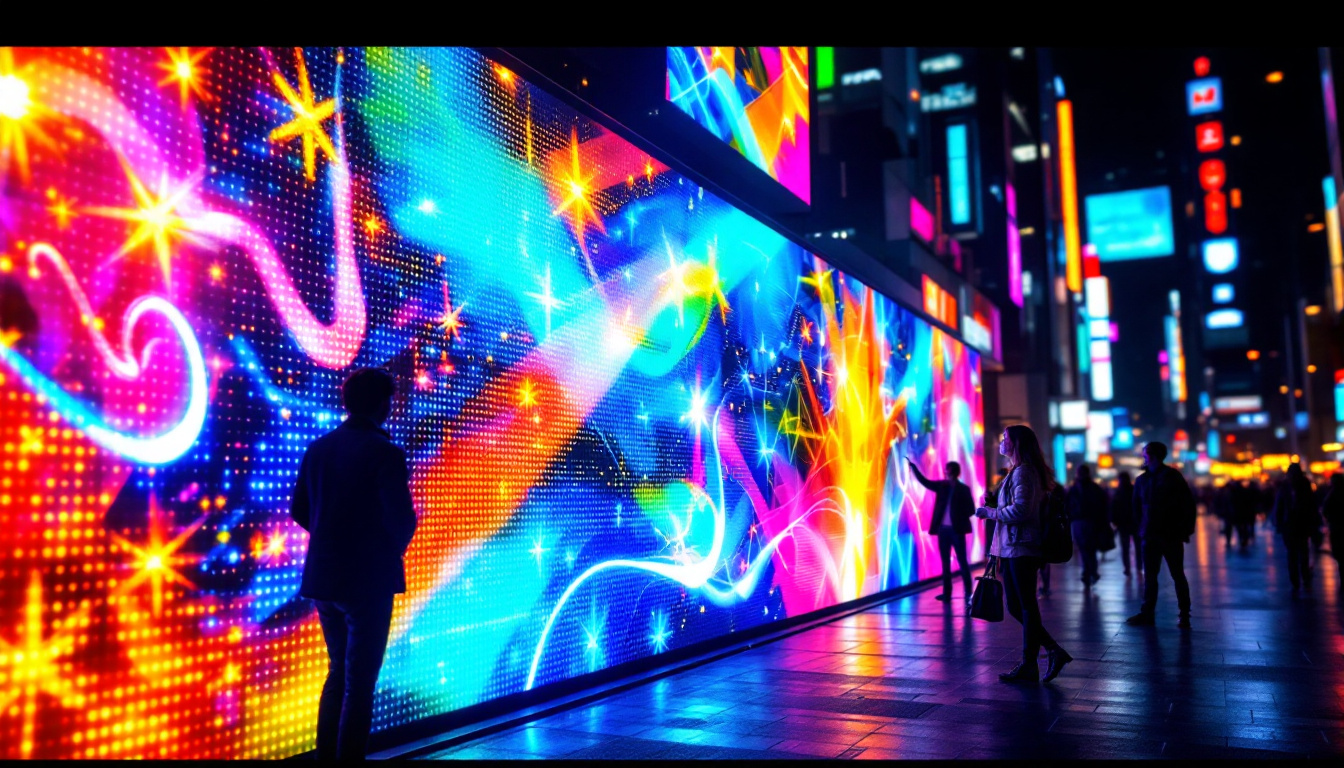
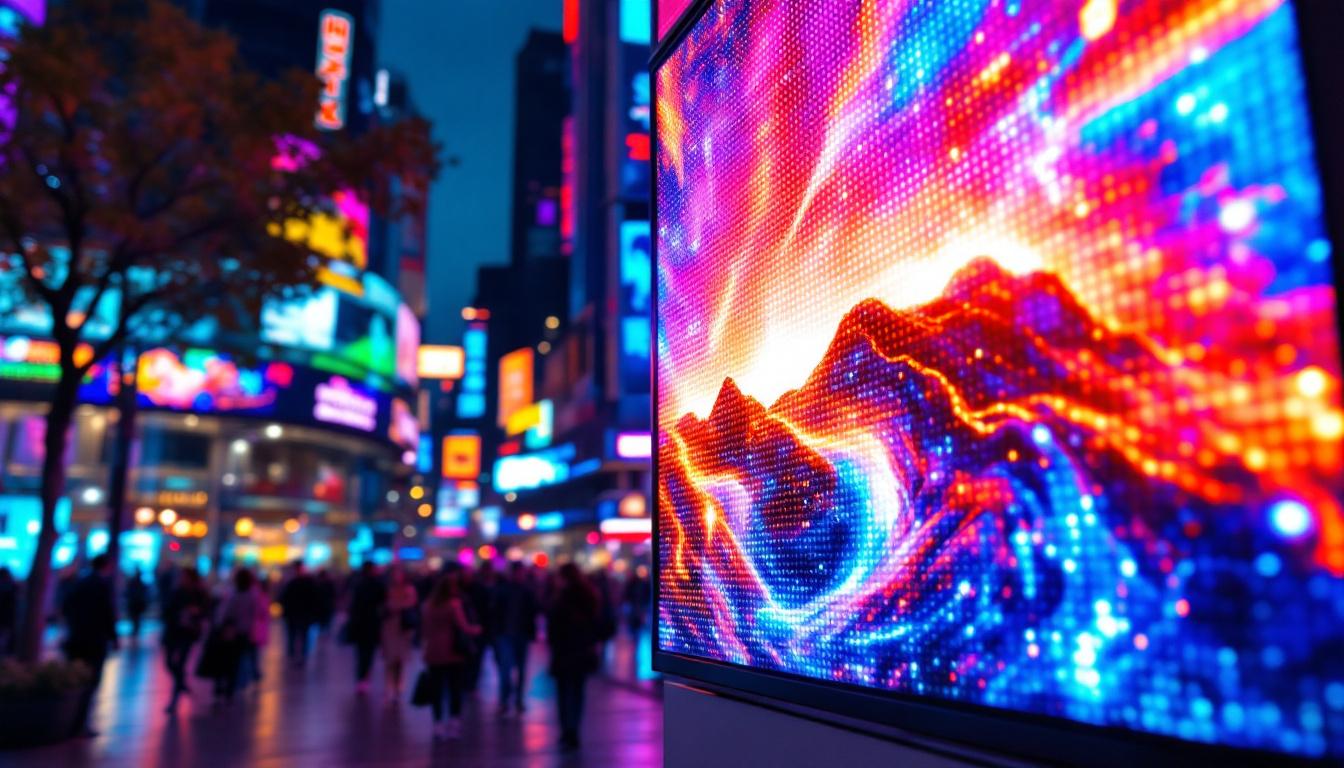
The diodes can emit red, green, and blue light, which combine to produce a full spectrum of colors. This RGB color model enables LED displays to showcase vibrant, eye-catching visuals that are visible even in direct sunlight, a critical feature for outdoor applications. The ability to display high-definition content makes these screens ideal for advertising, public announcements, and entertainment, capturing the attention of passersby and enhancing the overall aesthetic of outdoor spaces.
Moreover, the energy efficiency of LED technology contributes to its growing popularity. Compared to traditional display technologies, LED displays consume significantly less power while providing superior brightness and longevity. This not only reduces operational costs for businesses but also aligns with environmentally conscious practices, making LEDs a sustainable choice for outdoor advertising.
Types of Outdoor LED Displays
Outdoor LED sign boards come in various configurations, primarily distinguished by pixel pitch, brightness, and resolution:
- Pixel Pitch: This refers to the distance between the centers of two adjacent pixels, typically measured in millimeters. Smaller pixel pitch means higher resolution and sharper images but usually at a higher cost. For outdoor use, pixel pitches typically range from 4mm to 20mm, balancing visibility and cost-effectiveness. Displays with a smaller pixel pitch are often used in locations where viewers are closer, such as at concerts or sporting events, while larger pitches are suitable for highway billboards where viewers are farther away.
- Brightness: Outdoor LED displays must be bright enough to compete with sunlight. Typical brightness levels range from 5,000 to 10,000 nits, ensuring clear visibility during the day and adjustable dimming for nighttime viewing. This adaptability allows for a seamless transition between day and night, ensuring that the content remains engaging and legible at all times.
- Resolution and Size: The resolution depends on the pixel pitch and the overall size of the display. Larger displays with finer pixel pitches can show detailed videos and graphics, while smaller or lower-resolution boards are suitable for simple text or logos. The choice of resolution also influences the type of content that can be effectively displayed, with high-resolution screens being ideal for intricate animations and detailed imagery.
In addition to these technical specifications, outdoor LED displays can be categorized based on their installation type. Fixed installations are permanently mounted in one location, often seen in stadiums or shopping centers, while mobile LED displays are mounted on trailers or vehicles, allowing for flexible advertising opportunities at various events or locations. This versatility enhances the reach and impact of marketing campaigns, enabling businesses to connect with diverse audiences in real-time.
Furthermore, advancements in technology have led to the development of smart LED displays that integrate with digital marketing platforms, allowing for targeted advertising based on audience demographics and behaviors. These intelligent systems can analyze data and adjust content dynamically, ensuring that the right message reaches the right audience at the right time. As a result, outdoor LED displays are not just a medium for visual communication but also a powerful tool for data-driven marketing strategies.
Advantages of Using Outdoor LED Sign Boards
High Visibility and Impact
One of the most significant advantages of LED sign boards is their superior visibility. The high brightness and vibrant colors make them stand out even in challenging lighting conditions such as bright sunlight or nighttime. This ensures that messages reach a broad audience effectively.
Studies have shown that digital signage can increase customer engagement by up to 30%, making LED displays a powerful marketing tool for businesses that want to attract foot traffic or communicate important information quickly.
Dynamic Content and Real-Time Updates
Unlike static signs, LED displays allow for dynamic content changes. Businesses can update promotions, announcements, or emergency information instantly without the need for physical replacements. This flexibility is invaluable in fast-changing environments such as retail, transportation hubs, and event venues.
For example, a retail store can display different sales offers throughout the day, or a city can broadcast weather alerts and traffic updates in real time, improving public safety and convenience.
Energy Efficiency and Longevity
Modern LED technology is highly energy-efficient compared to traditional lighting and display methods. LEDs consume less power and generate less heat, reducing operational costs and environmental impact. Additionally, LED sign boards typically have a long lifespan, often exceeding 100,000 hours of operation, which translates to many years of reliable service.
Energy savings and durability make LED displays an economically sound investment for organizations looking to maximize return on investment over time.
Common Applications of Outdoor LED Sign Boards
Retail and Advertising
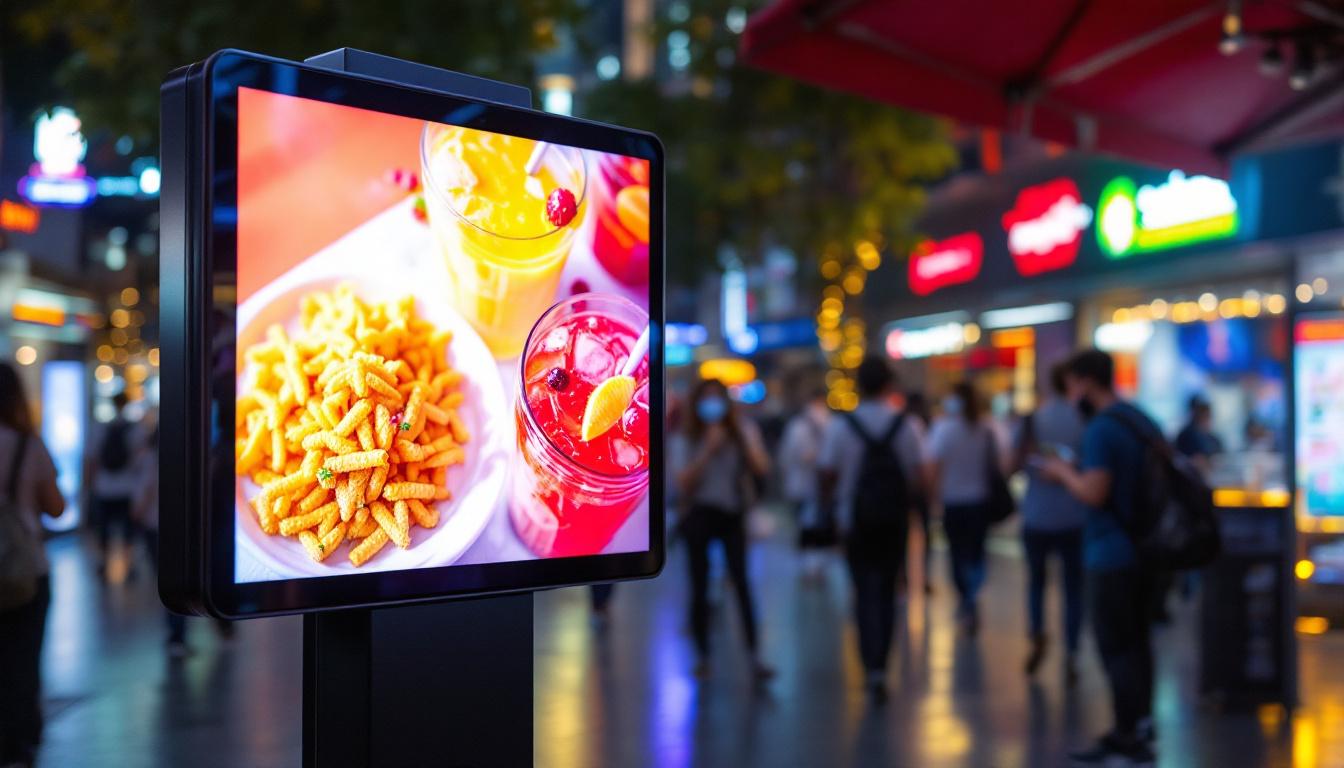
Retailers widely adopt outdoor LED sign boards to promote products, announce sales, and enhance brand visibility. The ability to display vivid advertisements and rotate messages keeps content fresh and engaging, attracting more customers.
According to recent market research, digital out-of-home advertising, including LED signage, is expected to grow at a compound annual growth rate (CAGR) of over 10% through 2027, reflecting its increasing importance in marketing strategies.
Transportation and Public Information
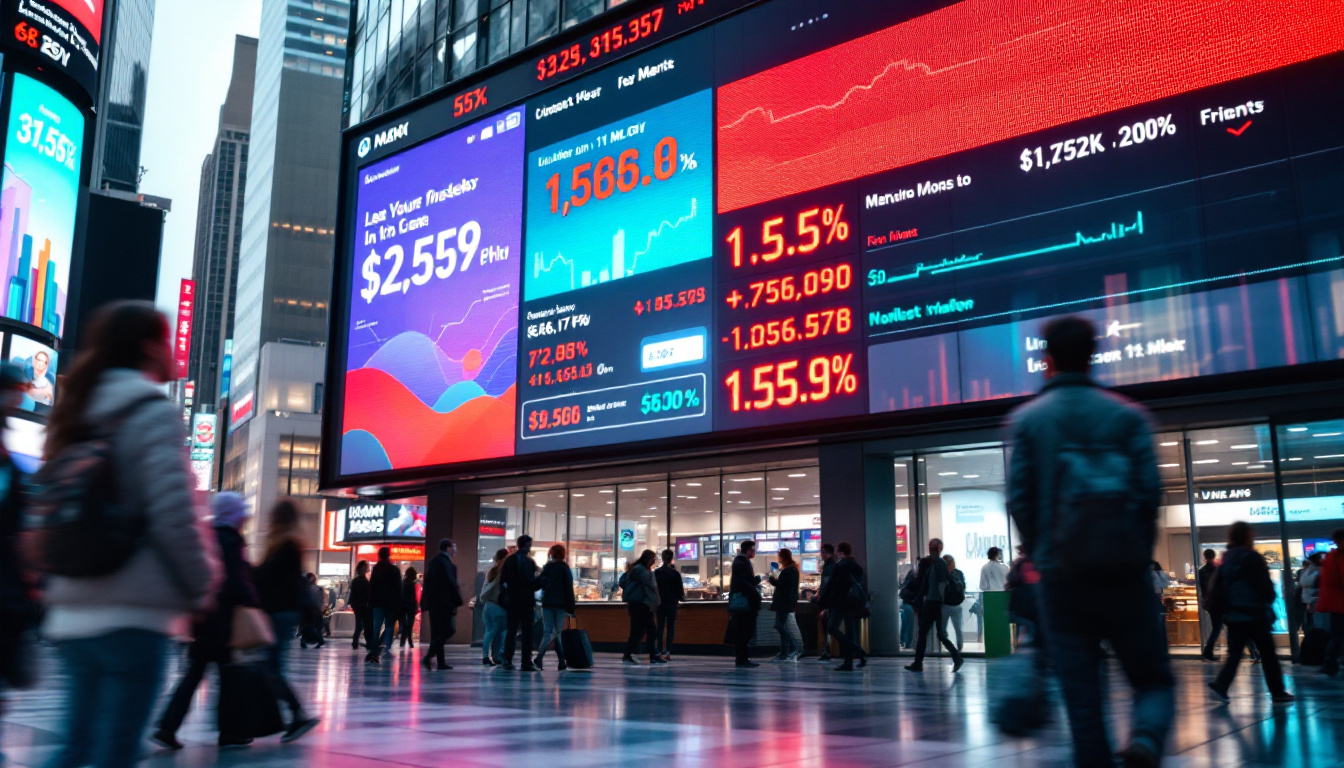
Airports, train stations, and bus terminals use outdoor LED displays to provide real-time schedules, delays, and safety instructions. These signs help improve passenger experience by delivering timely and clear information, reducing confusion and enhancing operational efficiency.
Municipalities also use LED boards for public announcements, emergency alerts, and community event promotions, contributing to better communication with residents.
Sports and Entertainment Venues
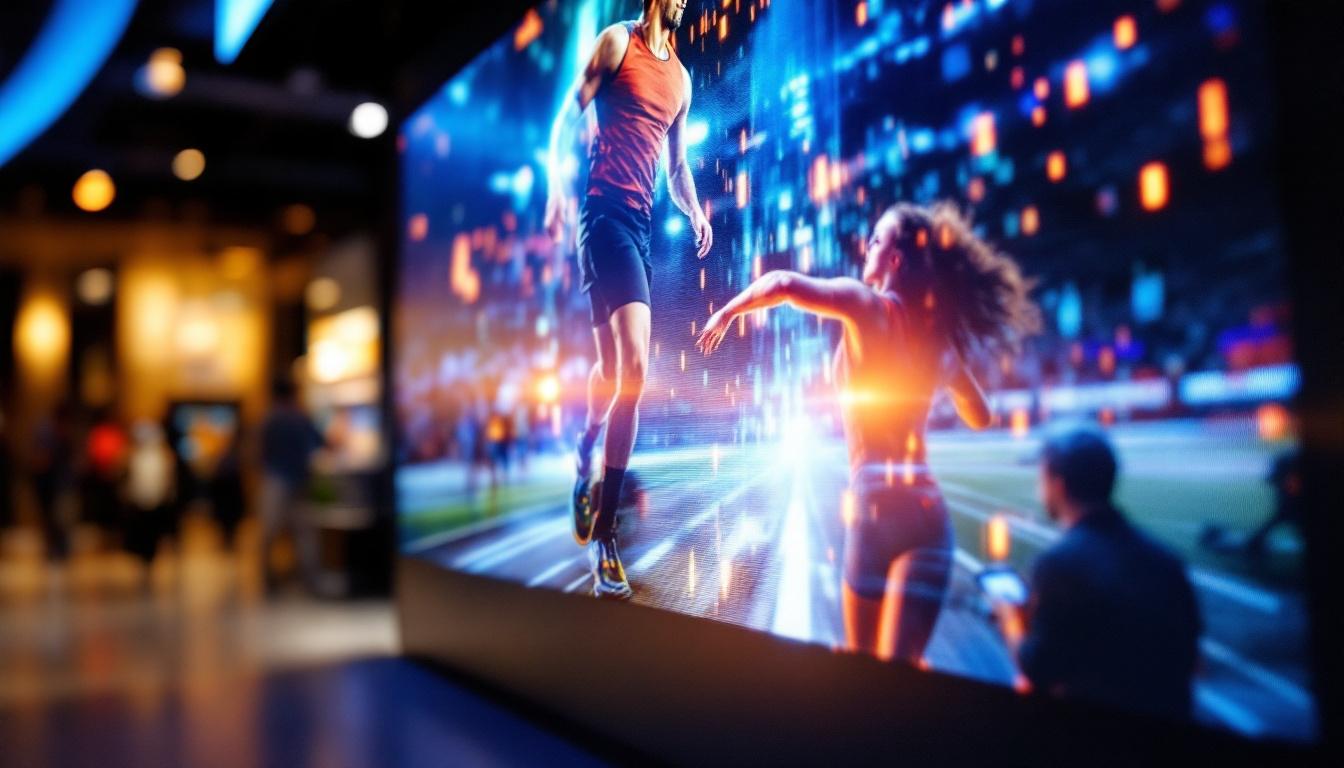
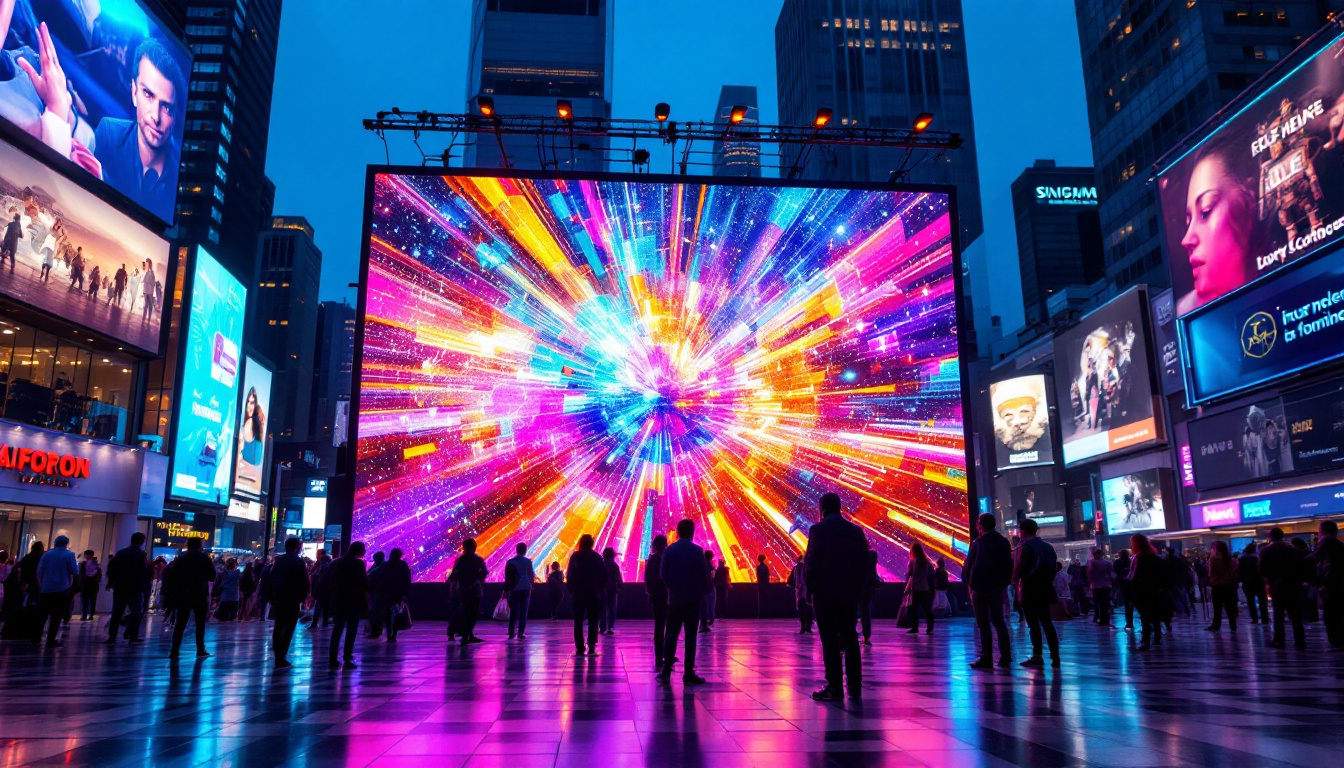
Stadiums and concert venues utilize large outdoor LED screens to display live action, scores, advertisements, and interactive content. These displays enhance the spectator experience and provide additional revenue streams through advertising partnerships.
Corporate and Institutional Use
Companies and educational institutions employ outdoor LED sign boards to communicate with employees, visitors, and students. These signs can display important notices, event schedules, and motivational messages, fostering a connected and informed community.
Key Considerations When Choosing an Outdoor LED Sign Board
Location and Viewing Distance
Determining the optimal location for an LED sign board is critical. The viewing distance influences the required resolution and size of the display. For instance, a sign meant to be read from 100 feet away does not require the same pixel density as one viewed from 20 feet.
Proper placement also considers environmental factors such as sunlight exposure, weather conditions, and potential obstructions to ensure maximum visibility and durability.
Weather Resistance and Durability
Outdoor LED displays must withstand harsh weather conditions, including rain, wind, dust, and extreme temperatures. High-quality sign boards come with IP65 or higher ratings, indicating strong protection against water and dust ingress.
Materials used in the cabinet and protective screens should be corrosion-resistant and robust to ensure longevity, especially in coastal or industrial environments.
Control Systems and Software
The ease of managing content is a vital factor. Modern LED sign boards are typically controlled via user-friendly software platforms accessible from computers or mobile devices. Features such as scheduling, remote updates, and content templates simplify operation and reduce the need for specialized technical staff.
Integration with other digital systems, such as social media feeds or emergency alert networks, can further enhance the functionality of the sign board.
Budget and Total Cost of Ownership
While LED sign boards can have a higher upfront cost compared to traditional signage, their benefits often justify the investment. It is important to consider not only the initial purchase price but also installation, maintenance, energy consumption, and potential revenue gains from improved communication and advertising.
Working with reputable manufacturers and installers ensures quality and support, reducing the risk of costly repairs or downtime.
Future Trends in Outdoor LED Signage
Advancements in LED Technology
Continuous improvements in LED technology are driving higher resolution, greater brightness, and more energy-efficient displays. MicroLED and miniLED innovations promise even finer pixel pitches and enhanced color accuracy, opening new possibilities for outdoor signage.
Interactive and Smart Displays
Emerging trends include interactive LED sign boards that respond to touch, gestures, or mobile devices, creating engaging user experiences. Integration with artificial intelligence (AI) and sensors allows for dynamic content tailored to audience demographics, weather conditions, or traffic patterns.
Sustainability and Eco-Friendly Solutions
With growing emphasis on sustainability, manufacturers are focusing on eco-friendly materials, recyclable components, and energy-saving features. Solar-powered LED displays and smart dimming technologies help reduce environmental impact while maintaining performance.
Conclusion
Outdoor LED sign boards represent a powerful and versatile communication tool that combines high visibility, dynamic content capabilities, and energy efficiency. Their widespread adoption across various industries underscores their effectiveness in attracting attention, conveying information, and enhancing brand presence.
When selecting an outdoor LED display, it is essential to consider factors such as location, weather resistance, control systems, and budget to ensure the solution meets specific needs and delivers long-term value. As technology continues to evolve, outdoor LED signage will become even more sophisticated, interactive, and sustainable, solidifying its role as a cornerstone of modern visual communication.
Illuminate Your Message with LumenMatrix
Ready to elevate your brand’s visibility and captivate your audience with dynamic, high-impact visual displays? Discover the innovative world of LumenMatrix, where cutting-edge LED display technology meets creative design. From bustling city centers to action-packed sports arenas, our comprehensive range of LED display solutions, including Indoor, Outdoor, Vehicle, Poster, Sports, Floor, Custom, All-in-One, and Transparent Displays, are tailored to bring your vision to life. Check out LumenMatrix LED Display Solutions today and transform the way you communicate with the world.