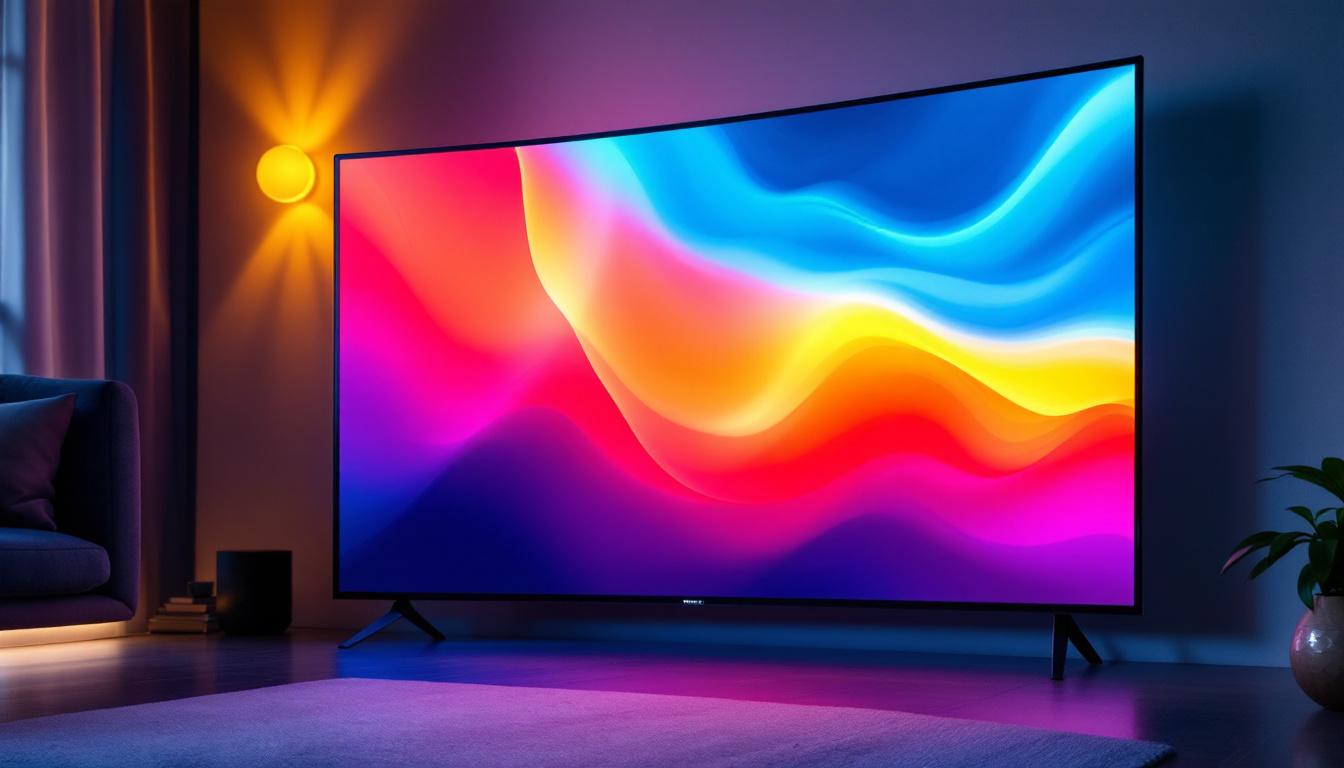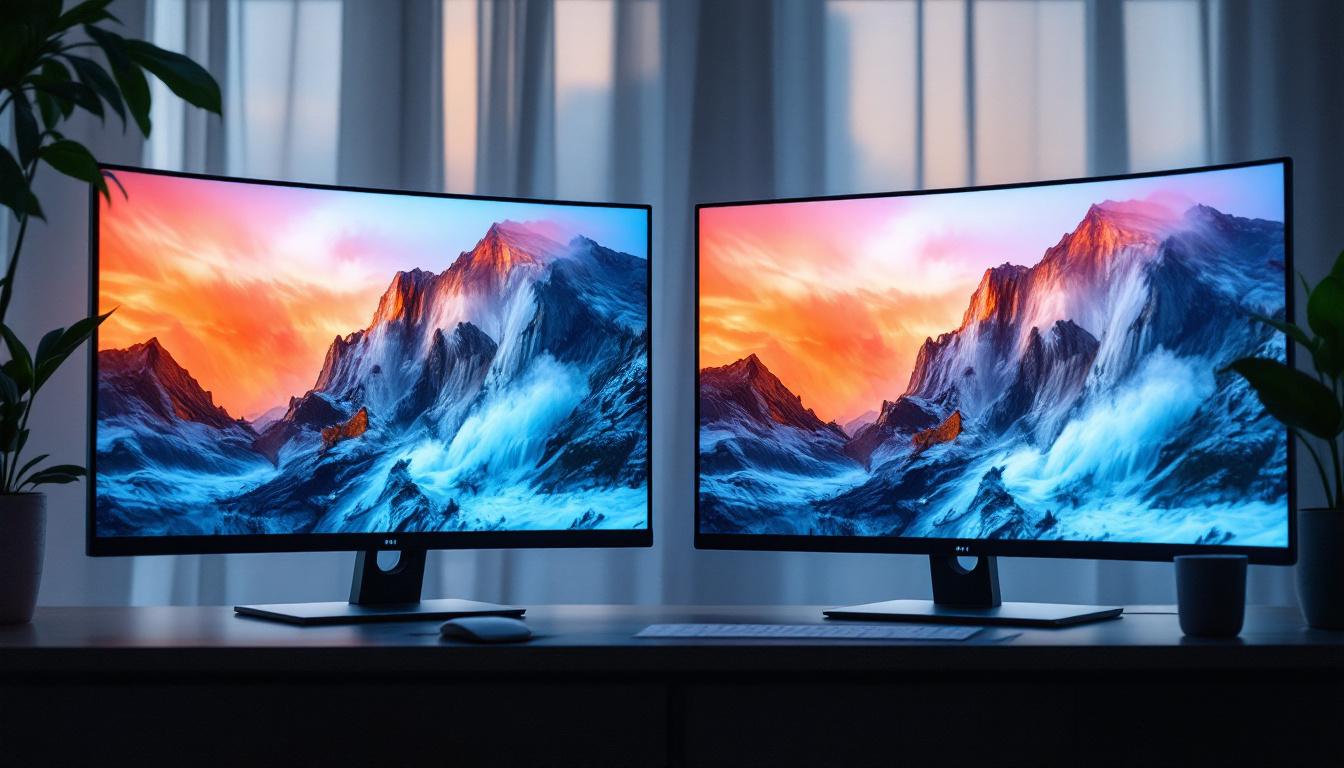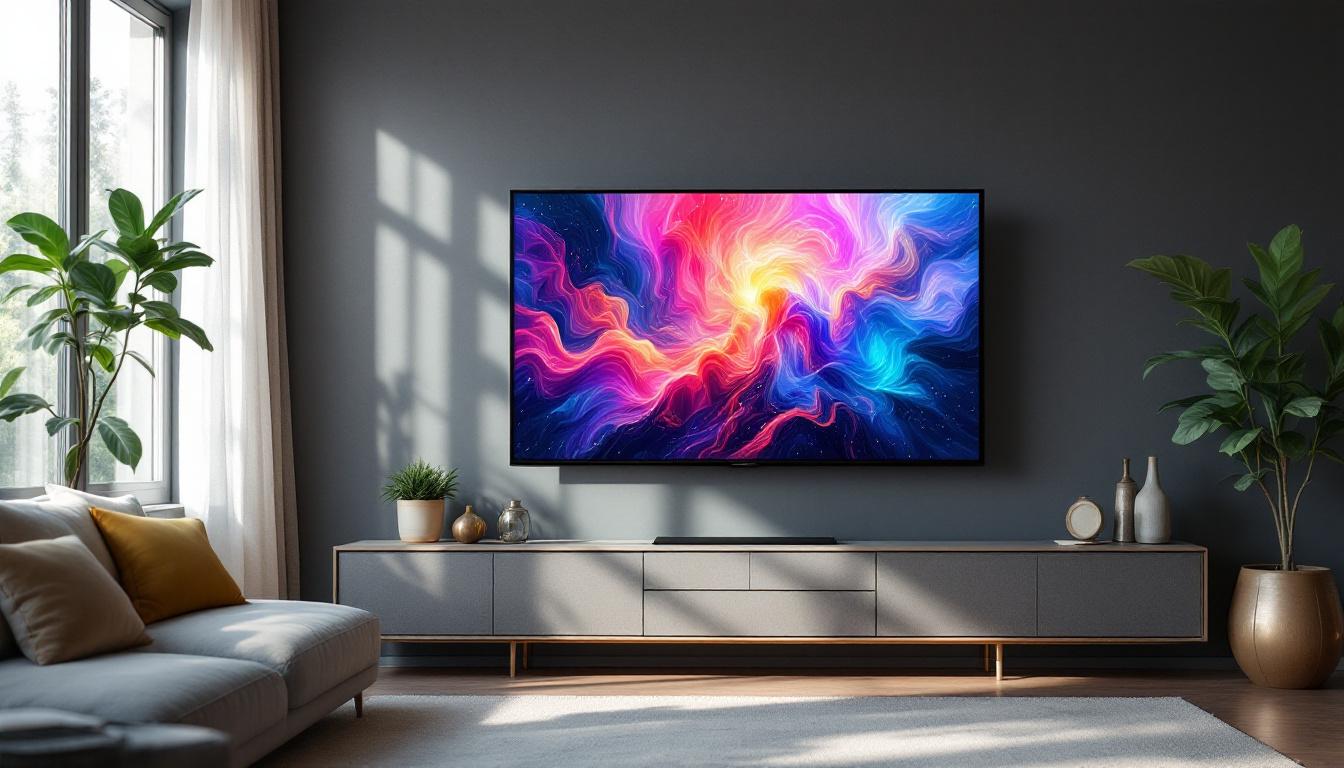
In today’s world of home entertainment, the television has evolved into a centerpiece of the living room. Among the many technological advancements, LED display panels have become the dominant choice for TV screens worldwide. Understanding what an LED display panel is, how it works, and why it matters can help consumers make informed decisions when purchasing a new television. This article delves into the intricacies of LED display technology, its advantages, and what to consider when choosing a TV panel.
What is an LED Display Panel?
LED stands for Light Emitting Diode, a semiconductor device that emits light when an electric current passes through it. In the context of televisions, an LED display panel refers to a screen that uses LED backlighting to illuminate the pixels on the display.
It’s important to clarify that most LED TVs are actually LCD (Liquid Crystal Display) TVs that use LEDs as their light source. The LCD panel itself doesn’t emit light; instead, it modulates light from the LEDs behind or around it to produce images. This combination results in what is commonly marketed as an “LED TV.”
LED technology has revolutionized the way we experience visual media. The brightness and clarity offered by LED displays make them ideal for a variety of environments, from brightly lit living rooms to darkened home theaters. Furthermore, the lifespan of LED panels is significantly longer than that of traditional display technologies, often exceeding 50,000 hours, which means users can enjoy their favorite shows and movies without worrying about frequent replacements.
How LED Panels Differ from Other TV Technologies
Before LEDs became prevalent, televisions primarily used CCFL (Cold Cathode Fluorescent Lamp) backlights. CCFLs are bulkier, consume more power, and provide less precise lighting control compared to LEDs. The transition to LED backlighting has allowed for thinner, more energy-efficient TVs with better picture quality.
Other competing technologies include OLED (Organic Light Emitting Diode) and QLED (Quantum Dot LED). OLED panels emit light from each pixel individually, offering superior contrast and viewing angles. QLED, a variation of LED technology enhanced with quantum dots, delivers brighter colors and improved color accuracy. However, LED LCD panels remain popular due to their affordability and versatility. They are widely used in a range of applications, from commercial displays in shopping malls to personal use in home entertainment systems. Additionally, advancements in LED technology, such as local dimming and HDR (High Dynamic Range), have further enhanced the viewing experience, making LED panels a compelling choice for consumers seeking quality without breaking the bank.
How Does an LED Display Panel Work?
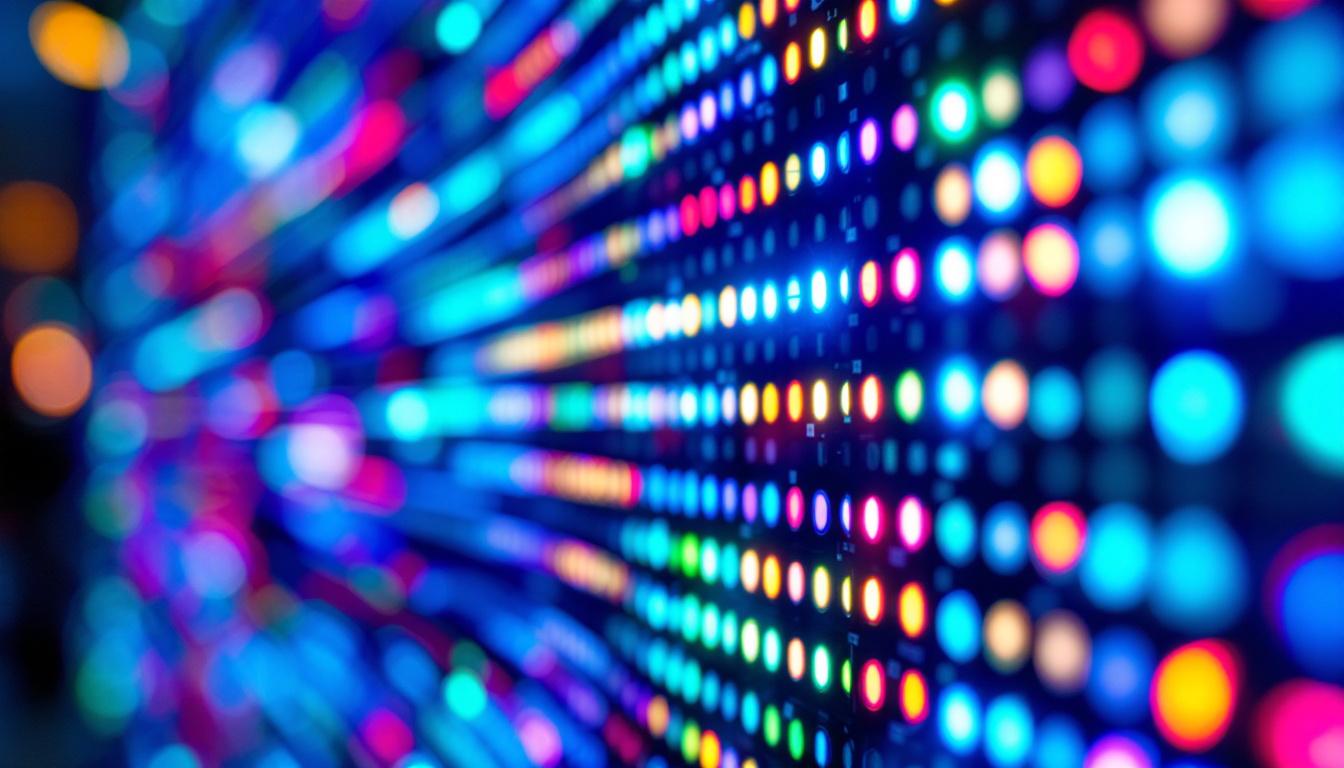
The core of an LED TV consists of three main components: the LCD panel, the LED backlight, and the driver electronics. The LCD panel contains millions of pixels made up of liquid crystals that can twist and align to block or allow light to pass through colored filters, producing the desired image.
The LED backlight provides the light source behind the LCD panel. Depending on the design, the LEDs can be arranged in different configurations:
Edge-Lit LED Panels
In edge-lit designs, LEDs are placed along the edges of the screen. Light is guided across the panel using light guides to evenly illuminate the display. This design allows for thinner TV profiles but can sometimes result in uneven brightness or less precise local dimming.
Direct-Lit and Full-Array LED Panels
Direct-lit LED TVs have LEDs positioned directly behind the screen but without the ability to dim individual zones. Full-array LED panels improve on this by placing LEDs uniformly behind the entire screen with local dimming zones that can be controlled independently. This enhances contrast by dimming dark areas while keeping bright areas illuminated.
Local Dimming and Picture Quality
Local dimming is a key feature in many LED TVs that significantly improves picture quality. By controlling the brightness of specific zones of LEDs, the TV can produce deeper blacks and higher contrast ratios. This is particularly beneficial when watching content with a wide range of brightness levels, such as HDR (High Dynamic Range) videos.
Moreover, the advancements in LED technology have led to the development of Quantum Dot displays, which utilize tiny semiconductor particles to enhance color accuracy and brightness. These displays can produce a wider color gamut, allowing viewers to experience more vibrant and lifelike images. As a result, the integration of Quantum Dots with LED backlighting systems has become increasingly popular among manufacturers, pushing the boundaries of visual performance.
Additionally, the efficiency of LED panels has improved significantly over the years. Modern LED TVs consume less power while delivering superior brightness and color fidelity compared to their predecessors. This not only benefits the environment but also reduces electricity bills for consumers. As technology continues to evolve, we can expect further innovations in LED display technology, making them even more energy-efficient and capable of producing stunning visuals that enhance the viewing experience.
Advantages of LED Display Panels
LED display panels offer numerous benefits that have made them the preferred choice for consumers and manufacturers alike. These advantages include:
Energy Efficiency
Compared to older CCFL-backlit LCD TVs, LED TVs consume significantly less power. According to the U.S. Department of Energy, LED-backlit TVs can use up to 30-50% less electricity than CCFL models, contributing to lower energy bills and a smaller environmental footprint.
Improved Brightness and Color Accuracy
LED backlighting can achieve higher brightness levels, which is essential for viewing in well-lit rooms. Additionally, modern LED TVs often incorporate technologies such as quantum dots to enhance color accuracy and widen the color gamut, resulting in more vibrant and lifelike images.
Thinner and Lighter Design
The compact size of LEDs compared to fluorescent tubes enables manufacturers to produce thinner and lighter TVs. This design flexibility has led to sleek, wall-mountable televisions that blend seamlessly into modern home decor.
Longevity and Durability
LEDs have a longer lifespan than CCFLs, often lasting over 50,000 hours of use. This durability means LED TVs generally have a longer operational life with less risk of backlight failure.
Considerations When Choosing an LED TV Panel
While LED TVs offer many benefits, not all LED panels are created equal. Several factors should be considered to ensure the best viewing experience:
Panel Type and Backlighting
Understanding whether a TV uses edge-lit, direct-lit, or full-array LED backlighting can influence picture quality. Full-array with local dimming generally provides superior contrast and black levels but may come at a higher price point.
Resolution and Screen Size
Higher resolution panels, such as 4K UHD (3840 x 2160 pixels), are now standard and provide sharper images, especially on larger screens. For smaller TVs, 1080p (Full HD) may suffice, but 4K is recommended for screens 50 inches and above.
Refresh Rate and Motion Handling
A higher refresh rate (measured in Hertz) allows smoother motion, which is particularly important for fast-paced content like sports or gaming. Most LED TVs offer 60Hz or 120Hz panels, with some advanced models supporting even higher rates.
HDR Support
High Dynamic Range enhances the contrast and color range of content. When shopping for an LED TV, look for HDR standards such as HDR10, Dolby Vision, or HLG to ensure compatibility with a wide range of HDR content.
Viewing Angles
LED LCD panels typically have narrower viewing angles compared to OLEDs. Some LED TVs use IPS (In-Plane Switching) panels to improve viewing angles, but this can sometimes come at the cost of contrast.
Common Misconceptions About LED TVs
There are several misconceptions about LED TVs that can confuse consumers. Clarifying these can help buyers make better-informed choices.
LED TVs Are Not the Same as OLED TVs
Despite the similar acronyms, LED and OLED TVs are fundamentally different. OLED panels emit light from each pixel individually, allowing for perfect blacks and infinite contrast ratios. LED TVs rely on backlighting and liquid crystals, which can limit black levels and contrast.
“LED” Does Not Mean the Screen Itself is LED
When a TV is labeled as “LED,” it usually refers to the backlighting technology, not the display panel itself. The actual image is produced by an LCD panel modulating the LED light.
Price Does Not Always Equal Quality
While premium LED TVs with full-array local dimming and quantum dot technology offer excellent picture quality, many mid-range models still provide very good performance for everyday viewing. It’s essential to balance features with budget and intended use.
The Future of LED Display Panels in Televisions
LED technology continues to evolve rapidly. Innovations such as Mini-LED and Micro-LED are pushing the boundaries of what LED panels can achieve.
Mini-LED Technology
Mini-LEDs are much smaller than traditional LEDs, allowing for thousands of dimming zones. This results in even better contrast and black levels, rivaling OLED performance while maintaining the benefits of LED technology. Many high-end TVs released in recent years feature Mini-LED backlighting.
Micro-LED Displays
Micro-LED is an emerging technology where each pixel is a microscopic LED that emits its own light, similar to OLED but with potentially higher brightness and longer lifespan. Although currently expensive and limited to premium products, Micro-LED could become mainstream in the next decade.
Integration with Smart TV Features
Modern LED TVs are often integrated with smart platforms, offering streaming apps, voice control, and AI-enhanced picture processing. These software enhancements complement the hardware improvements in LED panels to deliver a superior viewing experience.
Conclusion
LED display panels have revolutionized the television market by offering a balance of picture quality, energy efficiency, and affordability. Understanding the technology behind LED TVs, including the types of backlighting and panel characteristics, empowers consumers to select the right television for their needs.
As LED technology advances with innovations like Mini-LED and Micro-LED, the future promises even more impressive visual experiences. Whether upgrading an old TV or purchasing a new one, considering the nuances of LED panels will ensure a satisfying and immersive home entertainment setup.
Discover the Future of Home Entertainment with LumenMatrix
Ready to elevate your viewing experience with the latest in LED display technology? LumenMatrix, a pioneer in innovative LED solutions, invites you to explore a world where every pixel tells a story. From the comfort of your living room to the expanse of an outdoor event, our range of products, including Indoor and Outdoor LED Wall Displays, Vehicle LED Displays, and more, are designed to bring your visual content to life. Experience the future of television with our cutting-edge LED displays that promise to transform your home entertainment. Check out LumenMatrix LED Display Solutions and join the revolution in visual communication.