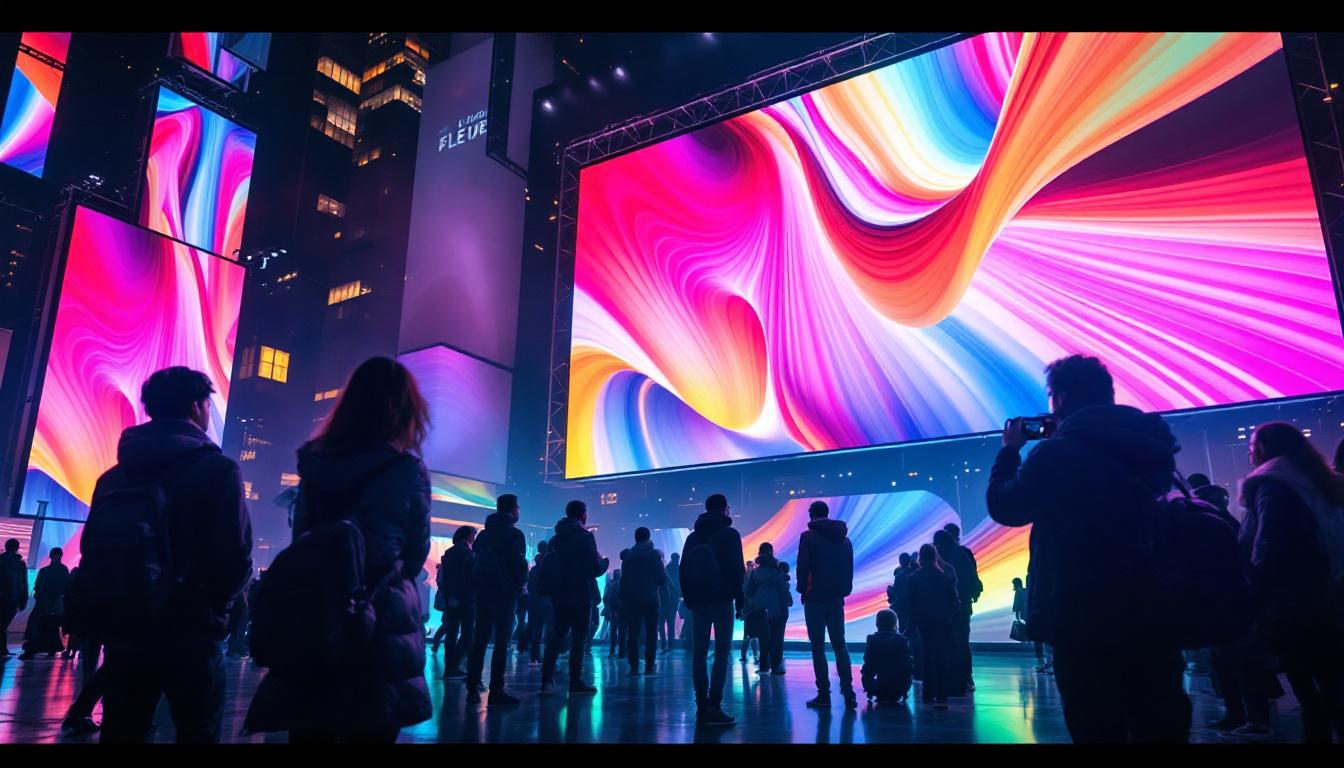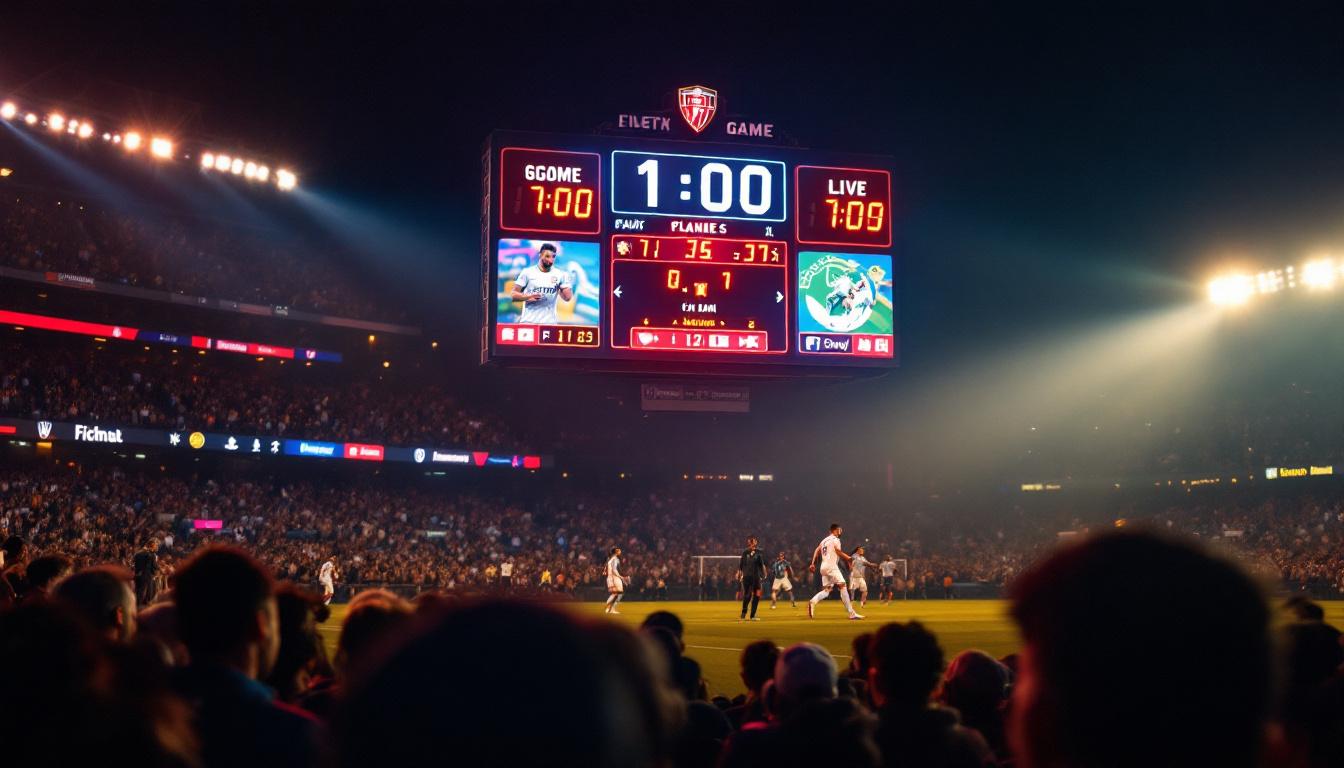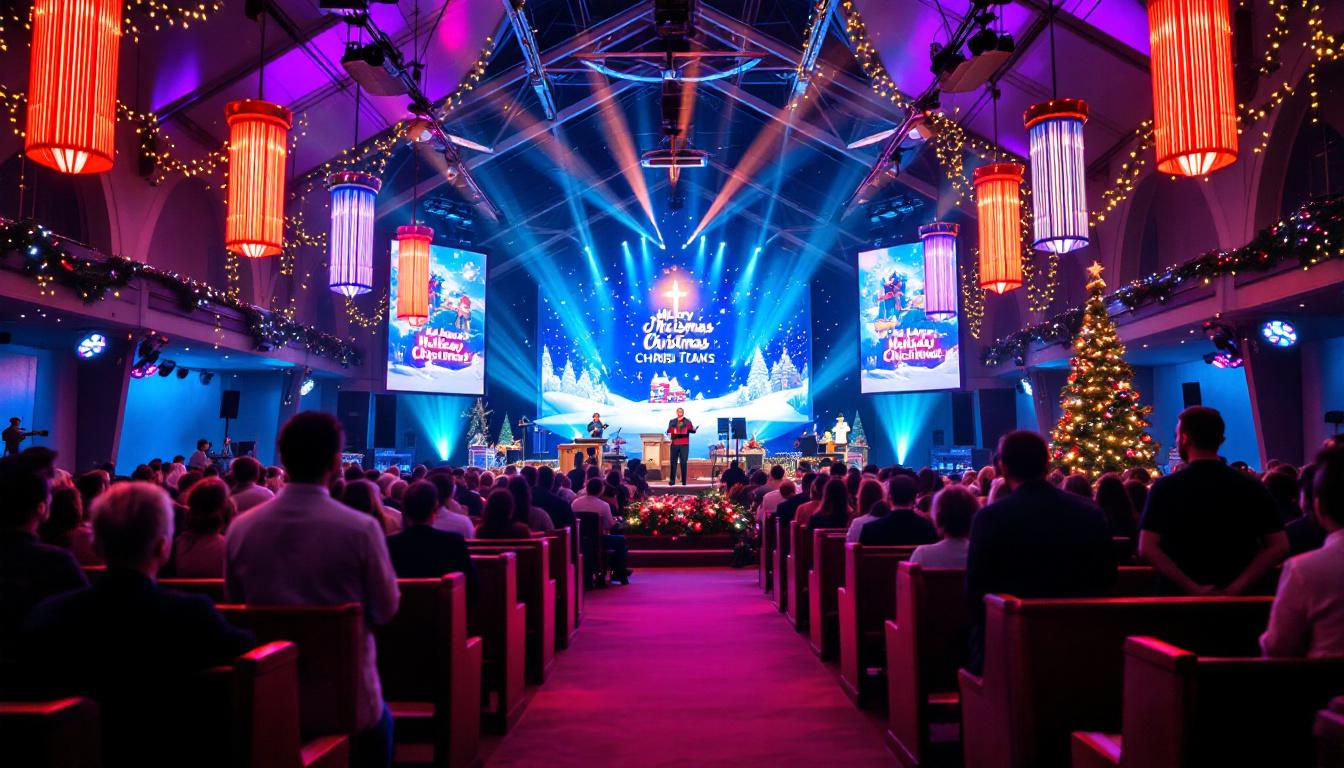
In the world of live events, concerts, trade shows, and large-scale presentations, LED displays have become a central element for delivering vibrant visuals and engaging audiences. Behind the scenes, the structural integrity and safety of these displays rely heavily on the hardware used to mount and secure them. One critical component in this setup is the truss clamp. This article delves into what truss clamps are, their importance in LED display installations, and best practices for their use.
Understanding Truss Clamps and Their Role in LED Displays
Truss clamps are specialized hardware devices designed to attach equipment securely to truss systems. Trusses are frameworks, typically made from aluminum or steel, used to support lighting, sound, and video equipment in event production. The clamps provide a reliable connection point, ensuring that LED panels and other equipment remain safely suspended throughout an event.
LED displays, especially large modular video walls, require precise and secure mounting solutions. The weight of these displays can range from a few kilograms for small panels to several hundred kilograms for extensive video walls. Truss clamps must be capable of bearing these loads while allowing for flexibility in positioning and alignment.
Why Truss Clamps Are Essential for LED Display Installations
Safety is paramount in any event setup. Improperly secured LED panels can pose significant risks to both the audience and crew. Truss clamps ensure that the LED modules are firmly attached to the truss, reducing the risk of equipment falling or shifting during the event. Additionally, they facilitate quick assembly and disassembly, which is crucial in fast-paced production environments.
Moreover, truss clamps help maintain the structural integrity of the truss system by distributing loads evenly. This prevents undue stress on any single point, which could lead to equipment failure or damage. For event professionals, understanding and selecting the right truss clamps is a key factor in achieving a successful and safe LED display setup.
In addition to safety and load distribution, truss clamps come in various designs and materials, each suited for different applications. For instance, some clamps feature safety pins or locking mechanisms that provide an extra layer of security, while others are designed for quick-release functionality, allowing for rapid adjustments or changes during an event. The choice of material, whether aluminum for lightweight applications or steel for heavy-duty needs, also plays a critical role in the overall performance and durability of the clamps in diverse environments.
Furthermore, the versatility of truss clamps extends beyond just LED displays; they are also used in various other applications, such as mounting lighting fixtures, sound equipment, and even decorative elements at events. This multi-functional capability makes them indispensable tools in the toolkit of any event technician or production manager. By understanding the nuances of truss clamps, professionals can optimize their setups, ensuring that every component is securely mounted and positioned for maximum impact and safety.
Types of Truss Clamps Used in LED Display Setups
There are various types of truss clamps available, each designed for specific applications and truss profiles. Selecting the appropriate clamp depends on factors such as the truss shape, weight of the LED panels, and the desired mounting orientation.
C-Clamps
C-clamps are among the most commonly used clamps in event production. They feature a simple design that allows them to grip the truss securely. These clamps are versatile and compatible with many truss profiles, making them a popular choice for mounting LED panels.
One advantage of C-clamps is their ease of use; they can be quickly tightened or loosened with a single bolt. However, they may not be suitable for very heavy loads or for trusses with unusual shapes.
Half Couplers
Half couplers are another widely used type of clamp, particularly in rigging applications. They are designed to connect two truss sections or to attach equipment to a truss. Half couplers provide a strong, rigid connection and are often used for heavier LED display setups.
These clamps typically require tools for installation, such as an Allen wrench or spanner, but their robust design ensures a secure hold. They are especially useful when the LED display needs to be mounted in a fixed position without movement.
Swivel Couplers
Swivel couplers offer additional flexibility by allowing the attached equipment to be rotated or angled relative to the truss. This feature is beneficial when LED panels need to be positioned at specific angles for optimal viewing or to fit unique stage designs.
While swivel couplers provide versatility, they must be carefully tightened to prevent unwanted movement during the event. Their use is common in complex LED display configurations where precise alignment is critical.
Specialized LED Mounting Clamps
In recent years, manufacturers have developed clamps specifically designed for LED display systems. These clamps often incorporate quick-release mechanisms, adjustable brackets, and integrated safety features. They simplify the mounting process and reduce setup time, which is valuable during tight event schedules.
Specialized clamps also help maintain the alignment of LED modules, ensuring a seamless video wall appearance. For large-scale LED displays, investing in these purpose-built clamps can improve both safety and efficiency.
Key Considerations When Selecting Truss Clamps for LED Displays
Choosing the right truss clamp involves evaluating several factors to ensure compatibility, safety, and ease of use. Here are some essential considerations:
Load Capacity and Safety Ratings
Each truss clamp comes with a specified load capacity, often indicated as Working Load Limit (WLL). It is crucial to select clamps that can comfortably support the combined weight of the LED panels and any additional accessories. Overloading clamps can lead to failure and pose serious safety hazards.
Industry standards and regulations, such as those from the Occupational Safety and Health Administration (OSHA) or European Norms (EN), provide guidelines on load ratings and safety factors. Always adhere to these standards to ensure compliance and protect personnel.
Compatibility with Truss Profiles
Trusses come in various shapes and sizes, including square, triangular, and circular profiles. Not all clamps fit every truss type. Before purchasing clamps, verify that they are compatible with the specific truss system used in the venue or production.
Using incompatible clamps can result in poor grip, damage to the truss, or unsafe mounting conditions. Many manufacturers provide detailed specifications and compatibility charts to assist in selection.
Ease of Installation and Adjustment
Event setups often operate under tight time constraints. Clamps that are easy to install and adjust can save valuable time and reduce labor costs. Features such as quick-release levers, ergonomic handles, and tool-less tightening mechanisms enhance efficiency.
Additionally, clamps that allow fine adjustments help achieve precise LED panel alignment, which is critical for creating visually stunning displays without gaps or misalignment.
Durability and Material Quality
Truss clamps are typically made from steel or aluminum alloys. Steel clamps offer higher strength but are heavier, while aluminum clamps are lighter but may have lower load capacities. The choice depends on the specific requirements of the LED display and the rigging environment.
Corrosion resistance is another important factor, especially for outdoor events where exposure to moisture and weather elements can degrade hardware. High-quality finishes such as powder coating or anodizing extend the lifespan of clamps.
Best Practices for Using Truss Clamps in LED Display Installations
Proper use of truss clamps is essential to ensure safety and performance. Following industry best practices can prevent accidents and equipment damage.
Regular Inspection and Maintenance
Before each use, inspect truss clamps for signs of wear, cracks, deformation, or corrosion. Damaged clamps should be removed from service immediately. Regular maintenance includes cleaning clamps and lubricating moving parts to ensure smooth operation.
Documenting inspections and maintenance activities helps maintain a safe working environment and complies with safety regulations.
Correct Torque Application
Applying the correct torque when tightening clamps is vital. Over-tightening can damage the truss or clamp, while under-tightening may lead to slippage. Use calibrated torque wrenches where possible and follow manufacturer guidelines.
Training rigging personnel on proper torque application enhances safety and prolongs the life of the equipment.
Use of Safety Backups
In critical installations, using secondary safety measures such as safety cables or backup clamps adds an extra layer of protection. These backups can prevent equipment from falling if the primary clamp fails.
Safety redundancies are especially important in venues with large audiences or where the LED display is suspended above people.
Proper Load Distribution
Distribute the weight of LED panels evenly across multiple clamps and truss points. Avoid concentrating heavy loads on a single clamp or section of the truss. This practice reduces stress on hardware and minimizes the risk of structural failure.
Consulting with structural engineers or rigging experts can help design safe and effective load distribution plans for complex LED display setups.
Emerging Trends and Innovations in Truss Clamp Technology
As LED display technology evolves, so do the mounting solutions. Innovations in truss clamp design focus on improving safety, efficiency, and adaptability.
Smart Clamps with Load Monitoring
Some manufacturers are developing clamps equipped with sensors that monitor load and stress in real time. These smart clamps can alert riggers to potential overload conditions, enabling proactive safety management.
Integrating such technology into LED display installations enhances safety and provides valuable data for maintenance and planning.
Lightweight, High-Strength Materials
Advances in materials science have led to the use of composites and high-strength alloys that reduce clamp weight without compromising load capacity. Lighter clamps simplify handling and reduce fatigue for rigging crews.
This trend aligns with the increasing demand for portable and rapidly deployable LED display systems.
Modular and Universal Clamp Designs
Modular clamps that can adapt to different truss profiles and equipment types offer greater flexibility. Universal designs reduce the need for multiple clamp variants, simplifying inventory and logistics for rental companies and production houses.
Such versatility is particularly beneficial in multi-venue tours and events with varying rigging requirements.
Conclusion
Truss clamps are an indispensable component in the setup of LED displays, playing a critical role in safety, stability, and visual performance. Understanding the different types of clamps, their load capacities, and compatibility with truss systems is essential for event professionals and rigging specialists.
By adhering to best practices in selection, installation, and maintenance, production teams can ensure secure and efficient LED display installations that captivate audiences without compromising safety. As technology advances, embracing innovations in clamp design will further enhance the capabilities and reliability of LED display rigging solutions.
Discover Cutting-Edge LED Display Solutions with LumenMatrix
Ready to elevate your event with the latest in LED display technology? Look no further than LumenMatrix, a pioneer in crafting immersive visual experiences. From Indoor and Outdoor LED Walls to innovative solutions like Vehicle Displays and Transparent LED Displays, LumenMatrix offers a wide array of options to bring your vision to life. Whether you’re looking to create a dynamic sports display, a dazzling floor display, or a custom solution tailored to your needs, LumenMatrix is your partner in revolutionizing visual communication. Check out LumenMatrix LED Display Solutions today and transform your event into an unforgettable spectacle.