In the rapidly evolving world of display technology, the term “LED” frequently appears, often associated with televisions, monitors, billboards, and countless other digital screens. But what exactly does LED stand for, and why has this technology become so prevalent in modern displays? This article delves into the meaning of LED, explores the technology behind LED displays, and highlights their advantages and applications in today’s digital landscape.
Understanding the Basics: What Does LED Stand For?
LED stands for Light Emitting Diode. At its core, an LED is a semiconductor device that emits light when an electric current passes through it. Unlike traditional incandescent bulbs that produce light by heating a filament, LEDs produce light through electroluminescence — a process where electrons recombine with electron holes within the device, releasing energy in the form of photons.
This fundamental difference in how light is produced makes LEDs highly efficient, durable, and versatile. Their compact size and low power consumption have led to widespread adoption across various industries, especially in display technologies.
The Science Behind LEDs
LEDs are made from semiconductor materials such as gallium arsenide, gallium phosphide, or gallium nitride. When a voltage is applied, electrons move across the semiconductor junction, releasing energy as visible light. The color of the emitted light depends on the materials used and the energy band gap of the semiconductor.
This ability to produce different colors by altering semiconductor materials is crucial for creating vibrant, full-color LED displays. Modern LED displays often combine red, green, and blue LEDs to generate millions of colors, enabling high-resolution, vivid images. Additionally, advancements in technology have led to the development of white LEDs, which are commonly used in residential and commercial lighting. These white LEDs can be created by either using a blue LED with a phosphor coating that converts some of the blue light into yellow light or by combining different colored LEDs to achieve a balanced white light spectrum.
The environmental impact of LEDs is another aspect worth noting. Unlike traditional bulbs, LEDs do not contain harmful substances like mercury, making them a safer choice for both consumers and the environment. Furthermore, their energy efficiency translates to lower electricity bills and reduced greenhouse gas emissions, contributing to a more sustainable future. As the demand for energy-efficient lighting solutions continues to rise, the LED market is expected to grow even further, with innovations such as smart LEDs that can be controlled via smartphone apps or integrated into smart home systems, enhancing convenience and energy management.
What Is an LED Display?
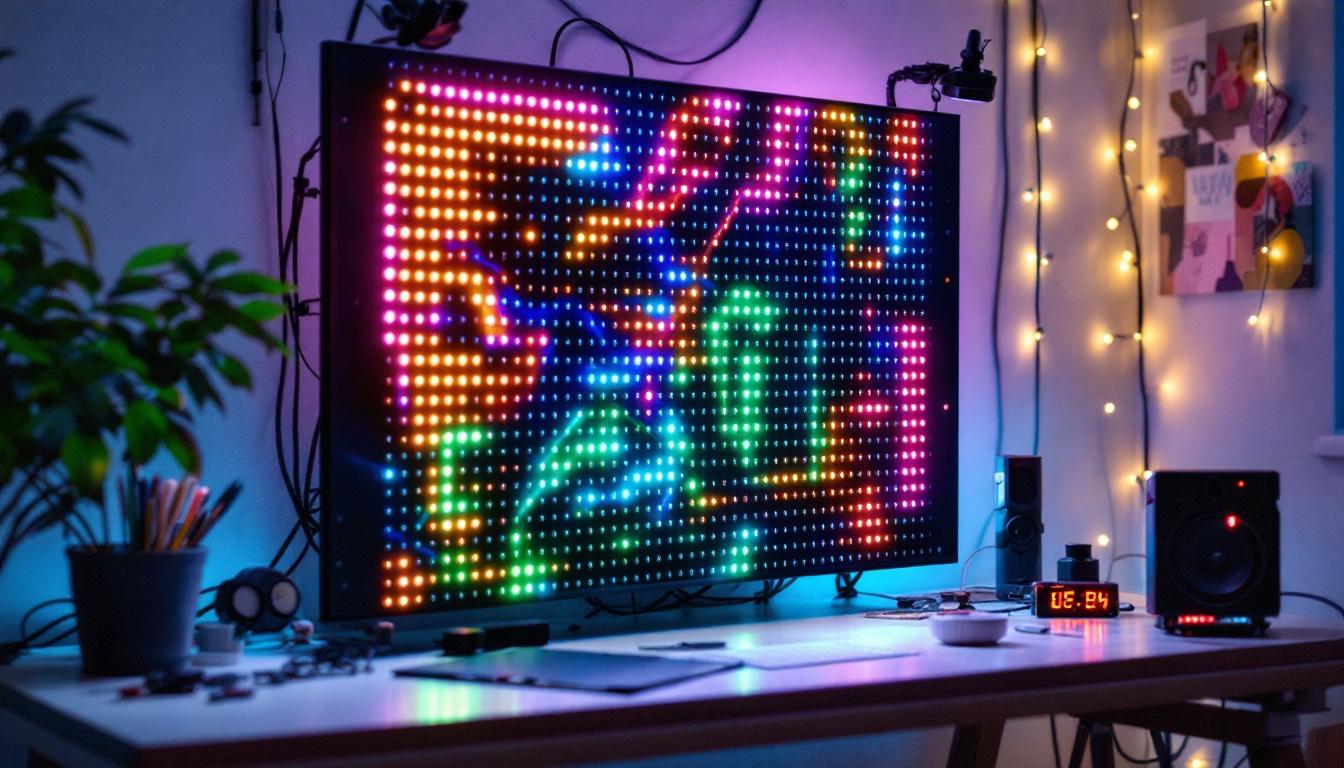
An LED display is a flat panel display that uses an array of light-emitting diodes as pixels to create images, videos, or text. These displays are widely used in televisions, computer monitors, digital billboards, traffic signs, and even wearable devices. The versatility and efficiency of LED technology have made it a preferred choice in various applications, ranging from personal gadgets to large-scale advertising solutions.
There are two main types of LED displays:
- Direct-View LED Displays: These displays use individual LEDs as pixels that emit light directly to the viewer. They are commonly used in large outdoor screens such as stadium displays and advertising billboards. Their ability to produce vibrant colors and high brightness levels makes them ideal for environments with significant ambient light, ensuring that content remains visible in direct sunlight.
- LED-Backlit LCD Displays: These are LCD panels illuminated by LEDs placed behind or along the edges of the screen. This method improves brightness, contrast, and energy efficiency compared to older CCFL (cold cathode fluorescent lamp) backlighting. LED-backlit LCDs can achieve thinner designs, making them more aesthetically pleasing and easier to integrate into modern home and office environments.
Direct-View LED vs. LED-Backlit LCD
Understanding the distinction between direct-view LED and LED-backlit LCD is important for consumers and professionals alike. Direct-view LED displays are self-emissive, meaning each LED produces its own light, which allows for excellent brightness and contrast, especially in outdoor environments. These displays can be scaled to very large sizes and are highly durable, making them suitable for high-traffic areas where they are exposed to the elements. Additionally, direct-view LED technology supports a wider color gamut, enhancing the visual experience for viewers.
On the other hand, LED-backlit LCDs rely on a liquid crystal panel to modulate light from the LED backlight. This technology is prevalent in most consumer TVs and monitors because it offers high resolution and color accuracy at a relatively low cost. However, it generally cannot match the contrast ratios or viewing angles of direct-view LED displays. Moreover, advancements in local dimming technology have improved the performance of LED-backlit LCDs, allowing for better contrast in darker scenes by selectively dimming or brightening specific areas of the screen. This has made them a popular choice for home theater setups, where picture quality is paramount.
Advantages of LED Displays
LED technology has revolutionized the display industry, offering numerous advantages over traditional display technologies such as CRTs (cathode ray tubes) and CCFL-backlit LCDs. Some of the key benefits include:
Energy Efficiency
One of the most significant advantages of LED displays is their energy efficiency. LEDs consume considerably less power than incandescent bulbs and CCFL backlights. For example, LED-backlit LCD TVs can use up to 40% less energy than their CCFL counterparts, which not only reduces electricity bills but also lowers environmental impact.
Brightness and Visibility
LED displays can achieve much higher brightness levels than traditional displays, making them ideal for outdoor use where sunlight can wash out images. Direct-view LED billboards can reach brightness levels exceeding 5,000 nits, ensuring clear visibility even in direct sunlight.
Longevity and Durability
LEDs have a longer lifespan compared to other light sources. Typical LED displays can last upwards of 50,000 to 100,000 hours, depending on usage and quality. Additionally, LEDs are solid-state devices, making them more resistant to shock, vibration, and temperature extremes, which is particularly beneficial for outdoor and industrial applications.
Color Accuracy and Contrast
LED displays provide superior color reproduction and contrast ratios. Direct-view LED displays can achieve true blacks by turning off individual LEDs, resulting in a contrast ratio that far exceeds that of LCDs. This capability enhances image quality, making LED displays suitable for high-end video production and digital signage.
Thin and Lightweight Design
LED technology enables the creation of thin and lightweight displays, which are easier to mount and transport. This flexibility has expanded the use of LED displays into new areas such as wearable technology, flexible screens, and ultra-thin televisions.
Applications of LED Displays
The versatility and performance of LED displays have led to their adoption across a broad range of industries and use cases. Here are some of the most common applications:
Consumer Electronics
LED-backlit LCD TVs and computer monitors dominate the consumer electronics market. Their combination of high resolution, brightness, and energy efficiency makes them the preferred choice for home entertainment, gaming, and professional workstations.
Outdoor Advertising and Digital Signage
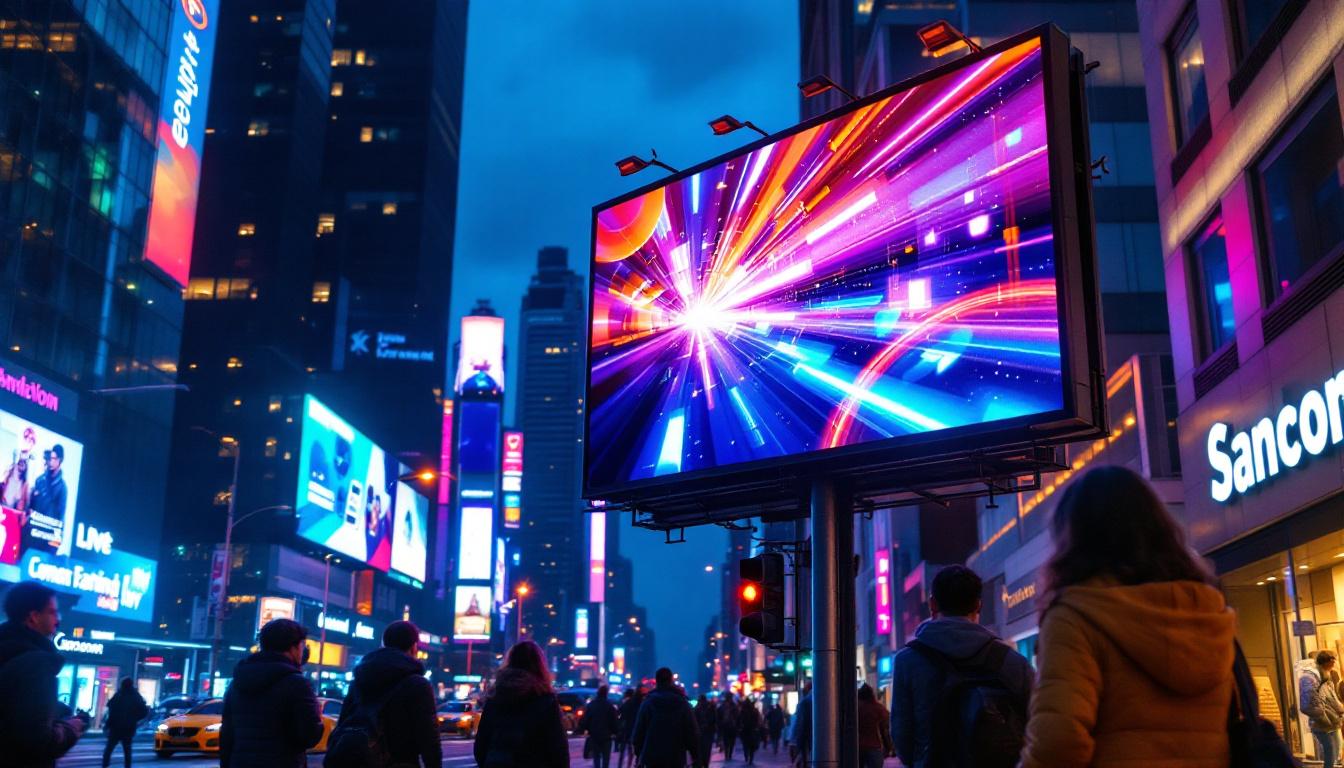
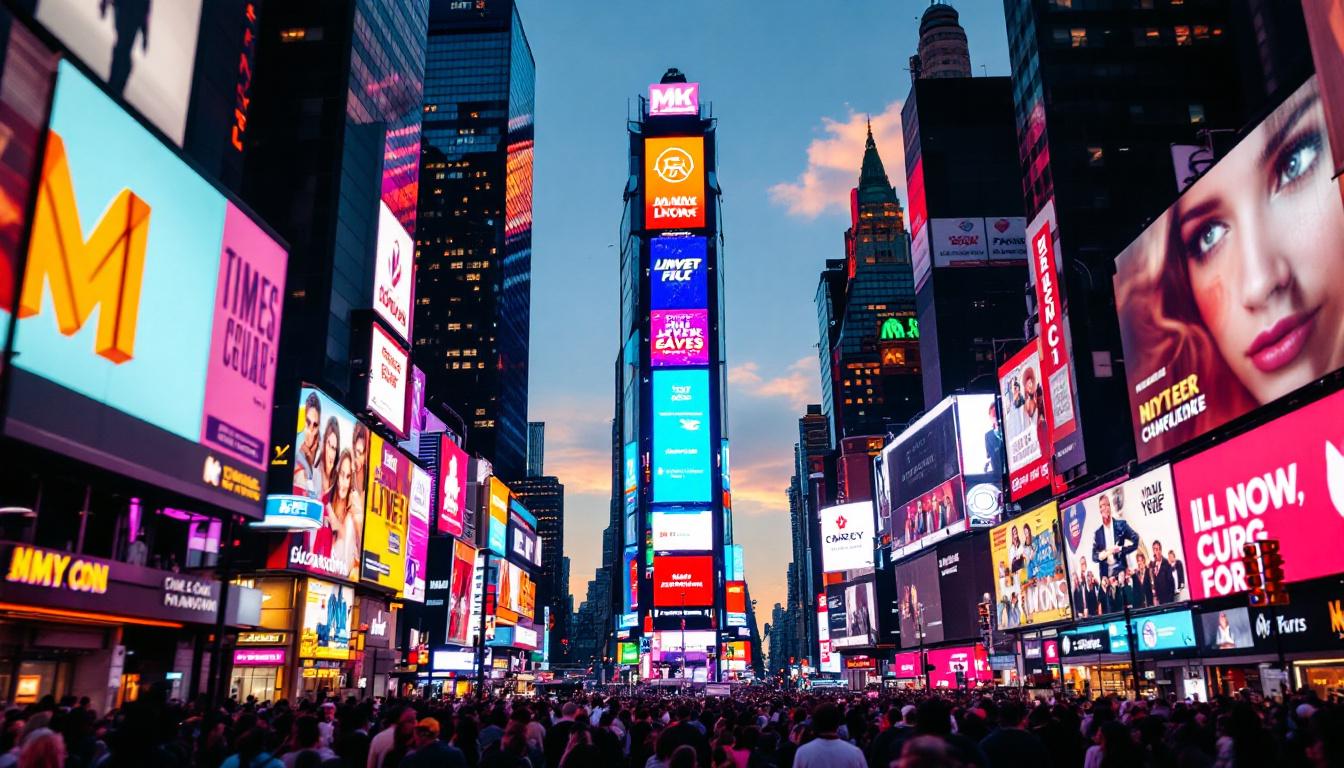
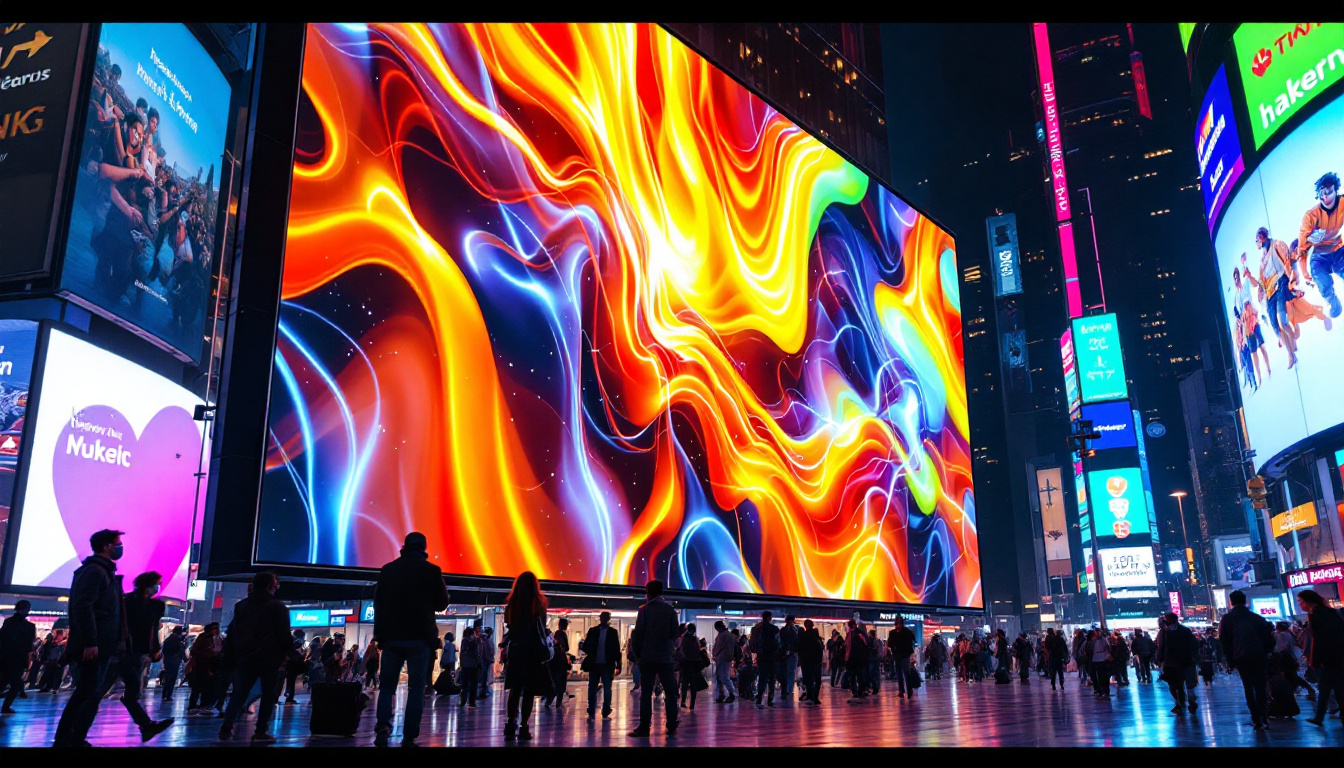
Direct-view LED displays are the backbone of modern digital billboards and outdoor advertising. Their brightness and durability enable advertisers to deliver dynamic content that captures attention in high-traffic areas. Cities worldwide use LED displays for public information, event promotions, and emergency alerts.
Sports and Entertainment Venues
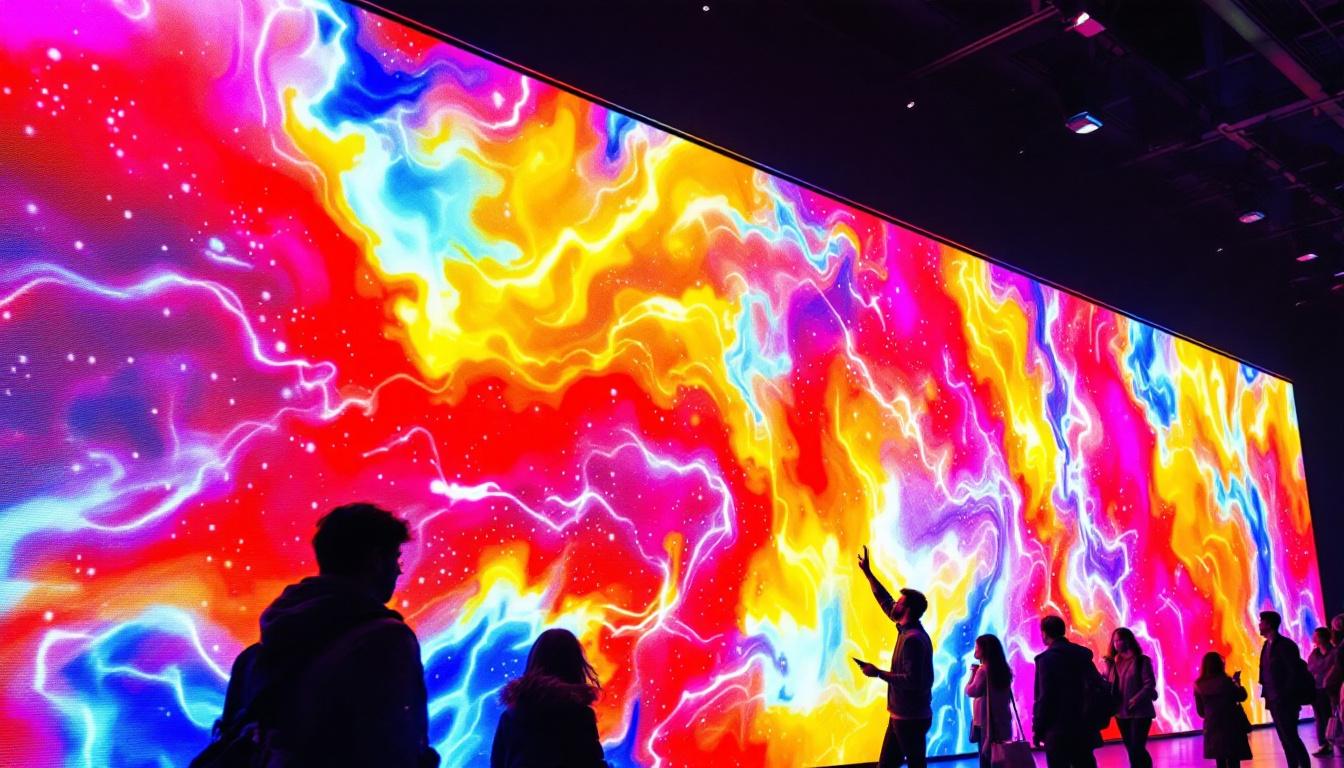
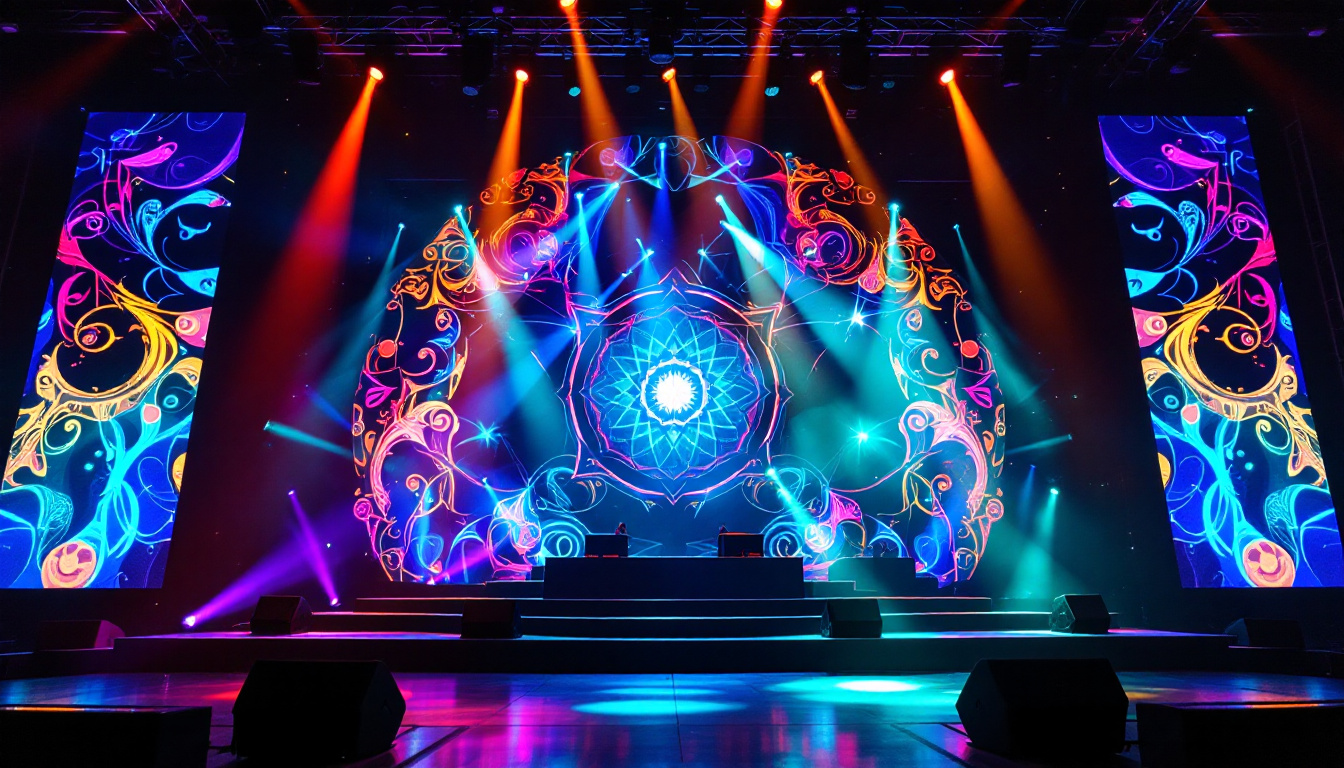
Stadiums and arenas utilize large-scale LED video walls to enhance the spectator experience. These displays provide real-time replays, scores, and interactive content. Their ability to produce vivid images visible from great distances makes them indispensable in large venues.
Transportation and Public Infrastructure
LED displays are widely used in traffic signals, highway message boards, train station indicators, and airport information systems. Their reliability and visibility under various weather conditions ensure safe and efficient transportation management.
Industrial and Medical Applications
In industrial settings, LED displays are used for monitoring systems, control panels, and safety warnings. In healthcare, high-quality LED displays assist in medical imaging and diagnostics, where accurate color representation is critical.
Future Trends in LED Display Technology
As LED technology continues to advance, several exciting trends are shaping the future of LED displays:
MicroLED and MiniLED Innovations
MicroLED and MiniLED technologies represent the next generation of LED displays. MicroLEDs are tiny LEDs that can be used as individual pixels, offering exceptional brightness, contrast, and energy efficiency without the need for backlighting. This technology promises to combine the best features of OLED and traditional LED displays, potentially revolutionizing consumer electronics with ultra-high resolution and durability.
Flexible and Transparent LED Displays
Flexible LED panels are becoming more common, enabling curved, foldable, and rollable displays. Transparent LED displays are also emerging, allowing screens to be integrated into glass surfaces such as windows and storefronts, creating new interactive advertising and architectural possibilities.
Increased Integration with IoT and Smart Technologies
LED displays are increasingly integrated with Internet of Things (IoT) devices and smart systems. This integration allows for dynamic content updates, real-time analytics, and personalized advertising, enhancing the effectiveness and interactivity of digital signage.
Conclusion
LED stands for Light Emitting Diode, a technology that has transformed the way images and information are displayed across a multitude of platforms. From energy-efficient consumer televisions to massive outdoor billboards, LED displays offer superior brightness, durability, and color quality. Understanding the different types of LED displays and their applications helps consumers and businesses make informed decisions when selecting display technology.
With ongoing innovations like MicroLED and flexible displays, the future of LED technology promises even greater advancements, making it an exciting area to watch in the coming years. Whether for entertainment, advertising, or industrial use, LED displays continue to illuminate the world with clarity and efficiency.
Illuminate Your Space with LumenMatrix
Ready to elevate your visual experience with the latest in LED display technology? LumenMatrix offers a comprehensive range of innovative LED solutions tailored to your needs. From vibrant Indoor LED Walls to dynamic Outdoor LED Displays, and from sleek LED Posters to immersive LED Sports and Floor Displays, our products are designed to captivate and engage. Discover how our Custom and All-in-One LED Displays, including cutting-edge Transparent LED options, can transform your brand’s visibility. Check out LumenMatrix LED Display Solutions and join the revolution in visual communication.