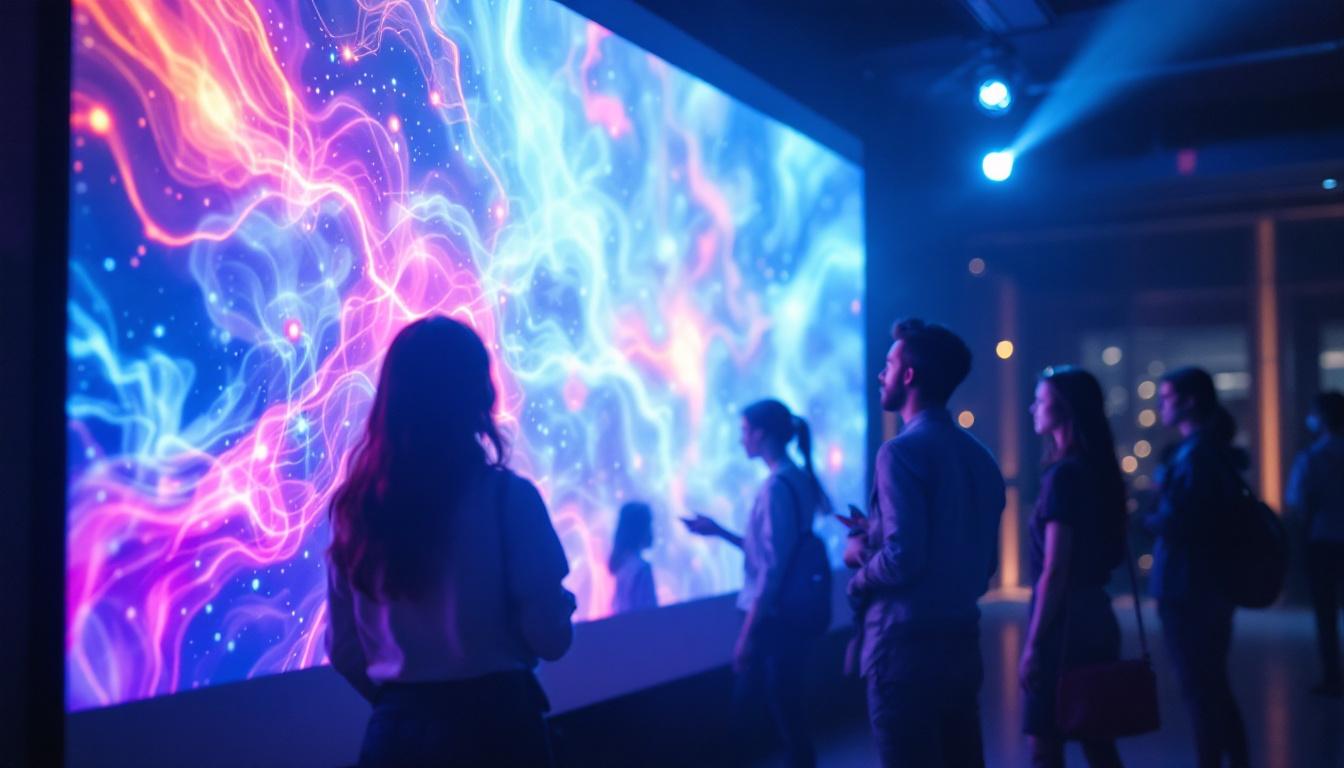
In today’s rapidly evolving visual technology landscape, LED displays have emerged as a dominant force across various industries. From vibrant outdoor advertising billboards to immersive home theater setups, LED technology continues to redefine how images and videos are presented. Among these innovations, the concept of a projector LED display represents a fascinating fusion of projection and LED technologies, offering unique advantages and applications.
This article delves into the world of LED displays, focusing on projector LED displays, their technology, benefits, and practical uses. Whether you are a technology enthusiast, a business owner considering digital signage, or simply curious about modern display technologies, this comprehensive guide will provide clarity and insight.
Understanding LED Display Technology
What is an LED Display?
LED stands for Light Emitting Diode, a semiconductor device that emits light when an electric current passes through it. An LED display is a flat panel display that uses an array of LEDs as pixels to create images and videos. Unlike traditional LCD or plasma screens, LED displays offer superior brightness, contrast, and energy efficiency. Their ability to deliver vibrant colors and deep blacks makes them a preferred choice for various applications, from advertising to entertainment.
LED displays come in various forms, including indoor and outdoor screens, flexible panels, and even transparent displays. Their modular nature allows for scalability, making them suitable for small digital signs or massive stadium screens. Outdoor LED displays are particularly designed to withstand harsh weather conditions, featuring protective coatings and enhanced brightness to ensure visibility even in direct sunlight. Additionally, the lightweight and thin profile of LED technology allows for innovative designs, enabling installations in unconventional spaces.
How Do LED Displays Work?
Each pixel in an LED display consists of one or more tiny LEDs that emit red, green, and blue light. By adjusting the intensity of these LEDs, the display can produce a wide spectrum of colors. The LEDs are controlled by a driver circuit that processes video signals and translates them into the appropriate light output. This process is facilitated by advanced algorithms that optimize color reproduction and brightness levels, ensuring a consistent viewing experience across different environments.
Modern LED displays use surface-mounted device (SMD) technology, where LEDs are mounted directly onto circuit boards, enabling high pixel density and sharp image quality. This technology also supports high refresh rates, which is crucial for smooth video playback and reducing motion blur. Furthermore, many LED displays now incorporate smart technology, allowing for features such as remote monitoring and content management. This means that users can easily update the display content in real time, making LED displays not just a visual tool but also a dynamic medium for communication and engagement.
What is a Projector LED Display?
Defining the Concept
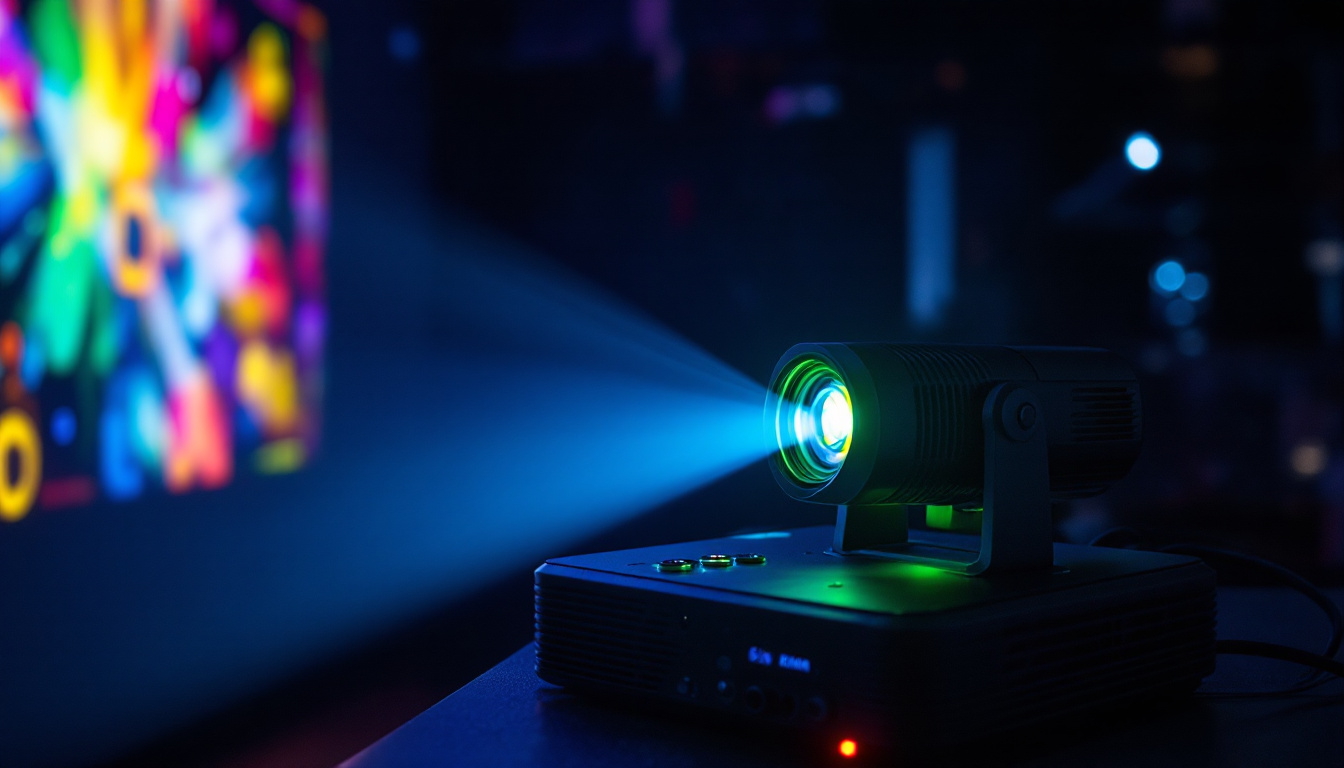
A projector LED display combines the principles of LED lighting with projection technology. Instead of using traditional lamps or lasers as light sources, these projectors utilize LEDs to generate the light needed to project images onto surfaces such as screens or walls.
This approach leverages the longevity, energy efficiency, and color accuracy of LEDs while maintaining the flexibility and size advantages of projection. The result is a display system that can produce bright, vivid images with lower power consumption and less heat generation compared to conventional projectors. This makes projector LED displays particularly appealing for both commercial and personal use, as they can be used for everything from business presentations to home theater setups, providing a versatile solution for various viewing needs.
How Projector LED Displays Differ from Traditional Projectors and LED Screens
Traditional projectors typically use high-intensity lamps or lasers to project images, which can be bulky, produce significant heat, and require frequent maintenance. LED screens, on the other hand, are self-illuminating panels that display images directly without the need for projection.
Projector LED displays sit at the intersection of these technologies. They use LED light sources within the projector to cast images, combining the portability and flexibility of projection with the efficiency and color quality of LEDs. This makes them ideal for environments where a large, flexible display area is needed without installing a permanent LED panel. Furthermore, the compact design of LED projectors allows for easy transport, making them a favorite among educators and business professionals who need to set up presentations in various locations.
In addition to their practical advantages, projector LED displays often come equipped with advanced features such as wireless connectivity, allowing users to stream content directly from their devices without the hassle of cables. Many models also support high-definition resolutions and have built-in speakers, enhancing the overall viewing experience. This versatility not only broadens their application in classrooms and conference rooms but also makes them an attractive option for outdoor movie nights or gaming events, where portability and ease of setup are crucial.
Advantages of Projector LED Displays
Enhanced Brightness and Color Accuracy
One of the standout benefits of using LEDs in projectors is the superior brightness and color reproduction. LEDs can produce highly saturated colors and maintain consistent brightness levels over time. This is particularly valuable in environments with ambient light, where traditional projectors may struggle to deliver clear images.
Energy Efficiency and Longevity
LEDs consume significantly less power compared to traditional projector lamps, which translates into lower operating costs and a smaller environmental footprint. Additionally, LED light sources have a much longer lifespan—often exceeding 20,000 hours—reducing the frequency and cost of replacements.
Compact and Portable Design
Because LEDs are smaller and generate less heat, projector LED displays can be designed to be more compact and lightweight. This enhances portability, making them suitable for mobile presentations, temporary installations, and home entertainment setups.
Reduced Maintenance
Traditional projector lamps require periodic replacement and can be sensitive to environmental conditions. LED light sources are more robust and less prone to damage, resulting in lower maintenance requirements and increased reliability.
Applications of Projector LED Displays
Business and Advertising
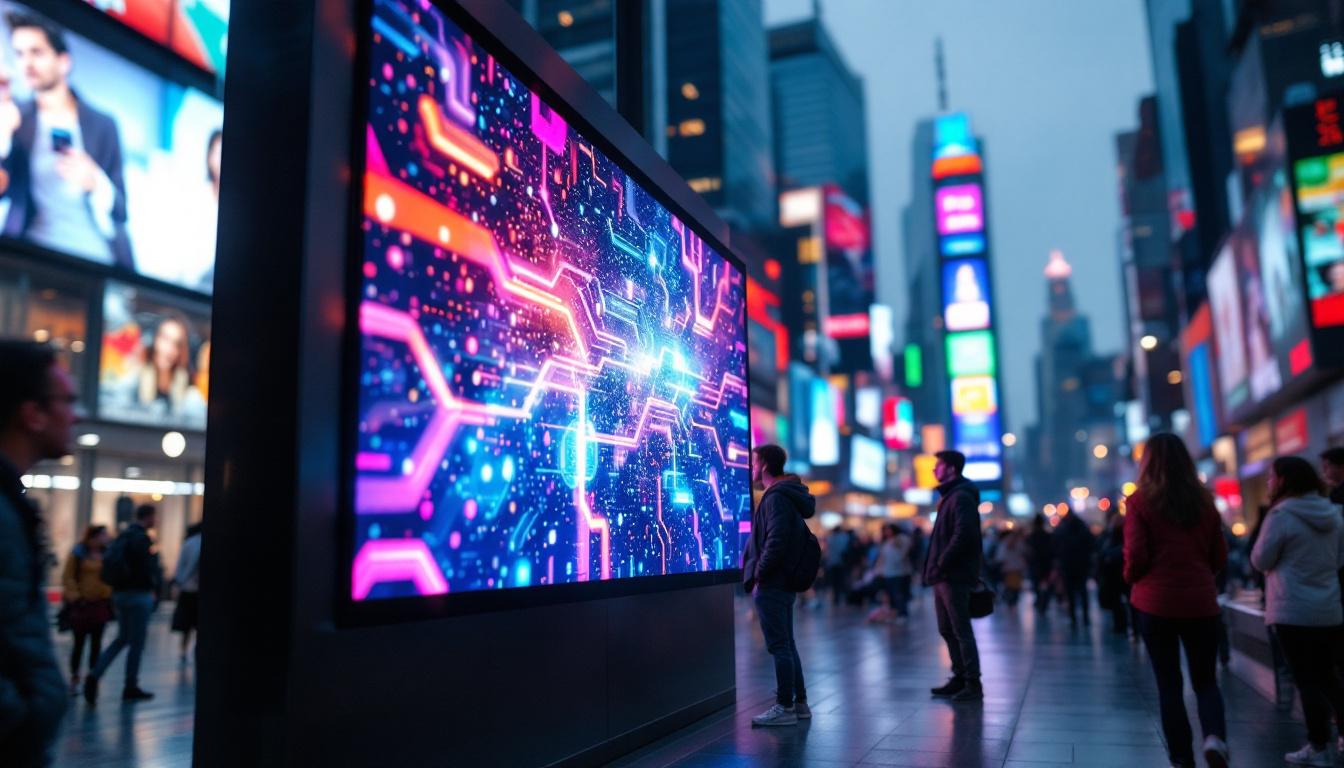
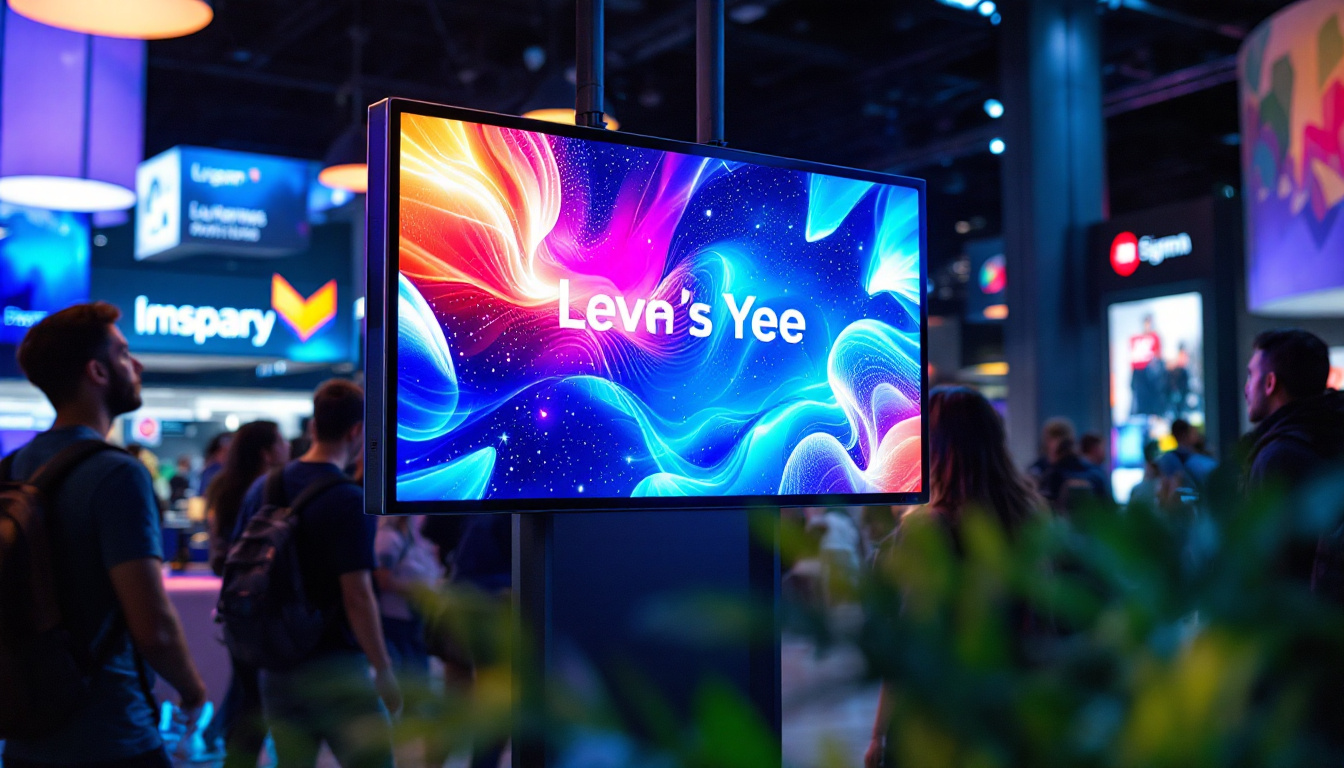
Projector LED displays are increasingly popular in retail stores, trade shows, and corporate events. Their ability to project bright, eye-catching visuals onto various surfaces allows businesses to create dynamic advertising campaigns without the need for permanent installations.
For example, fashion retailers often use projector LED displays to project changing visuals on store walls or windows, capturing customer attention with vibrant, high-resolution content.
Education and Training
In classrooms and training centers, projector LED displays offer a flexible solution for delivering presentations and interactive content. Their portability means they can be moved between rooms or locations easily, and the high brightness ensures visibility even in well-lit environments.
Home Entertainment
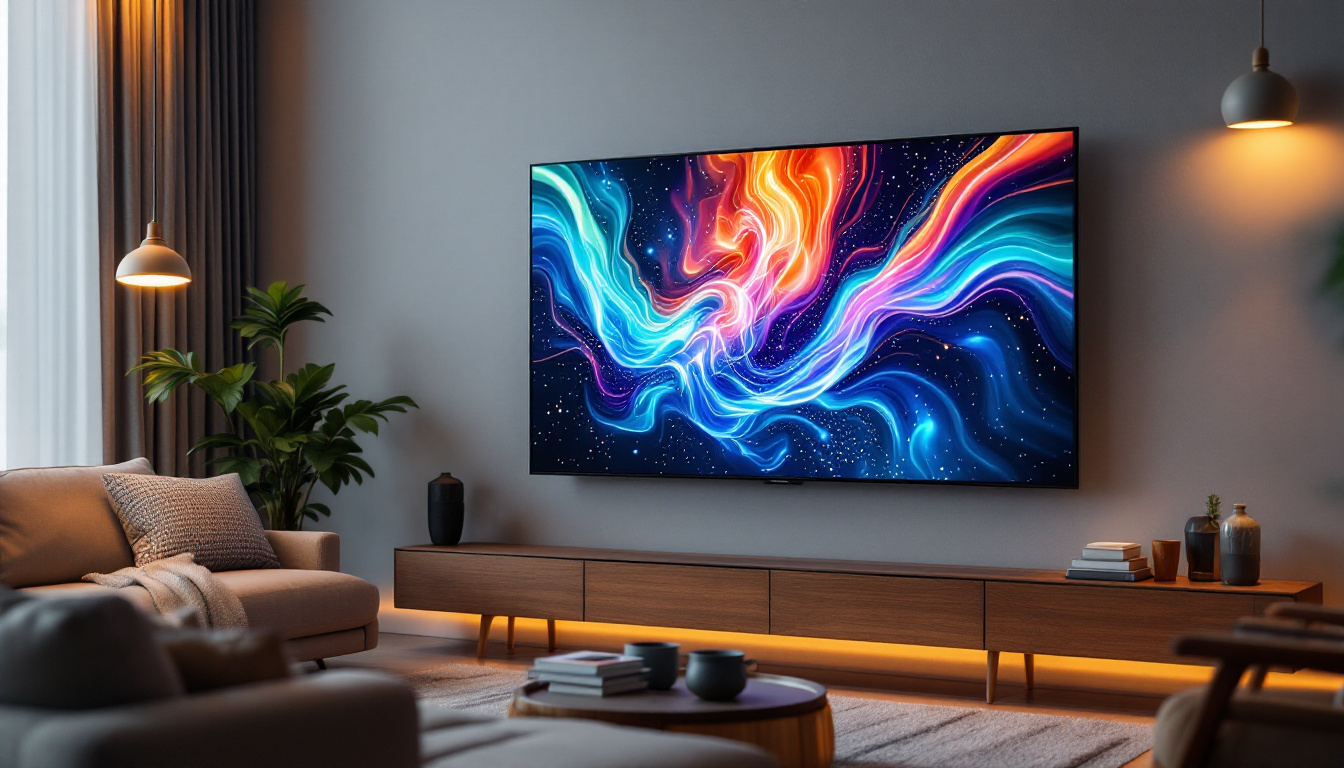
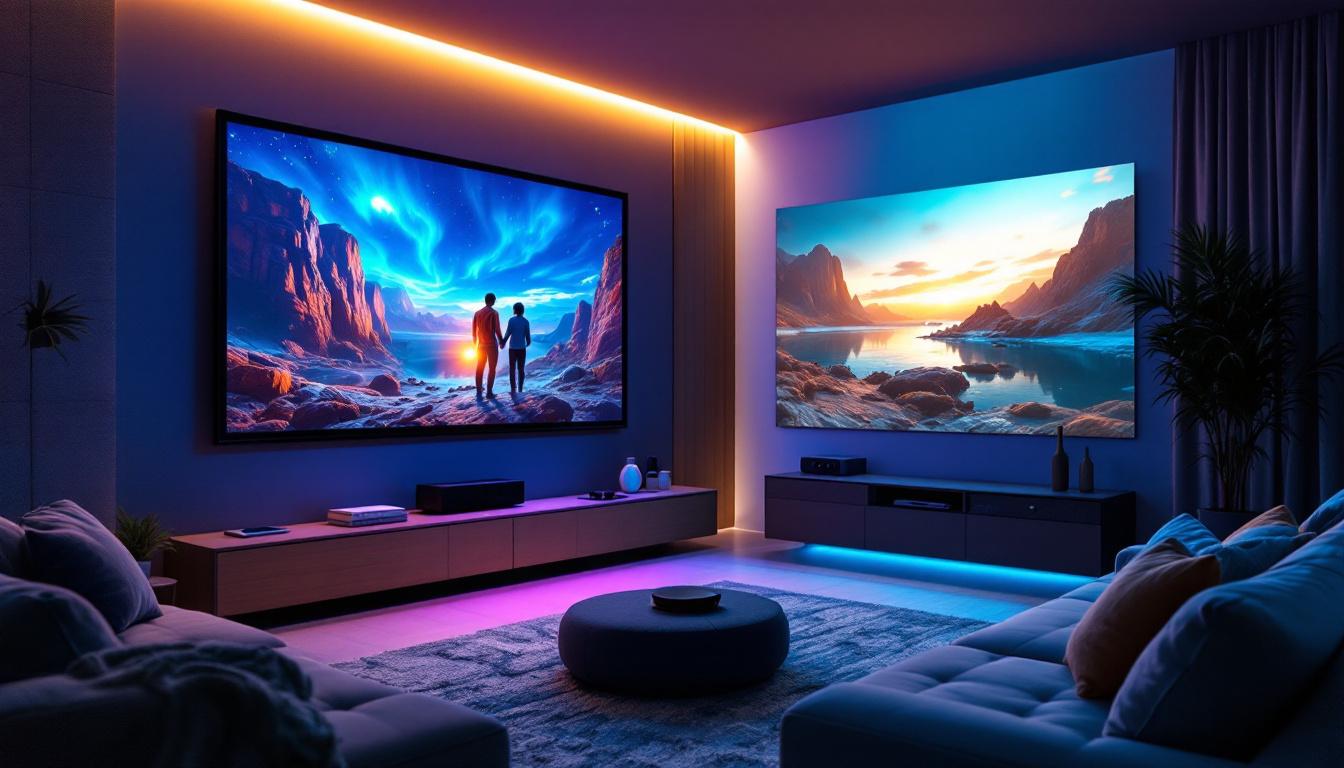
Home theater enthusiasts benefit from projector LED displays due to their ability to deliver large, bright images with excellent color fidelity. Unlike traditional projectors that may require dark rooms, LED-based projectors can perform well in ambient light, making movie nights and gaming sessions more enjoyable.
Events and Exhibitions
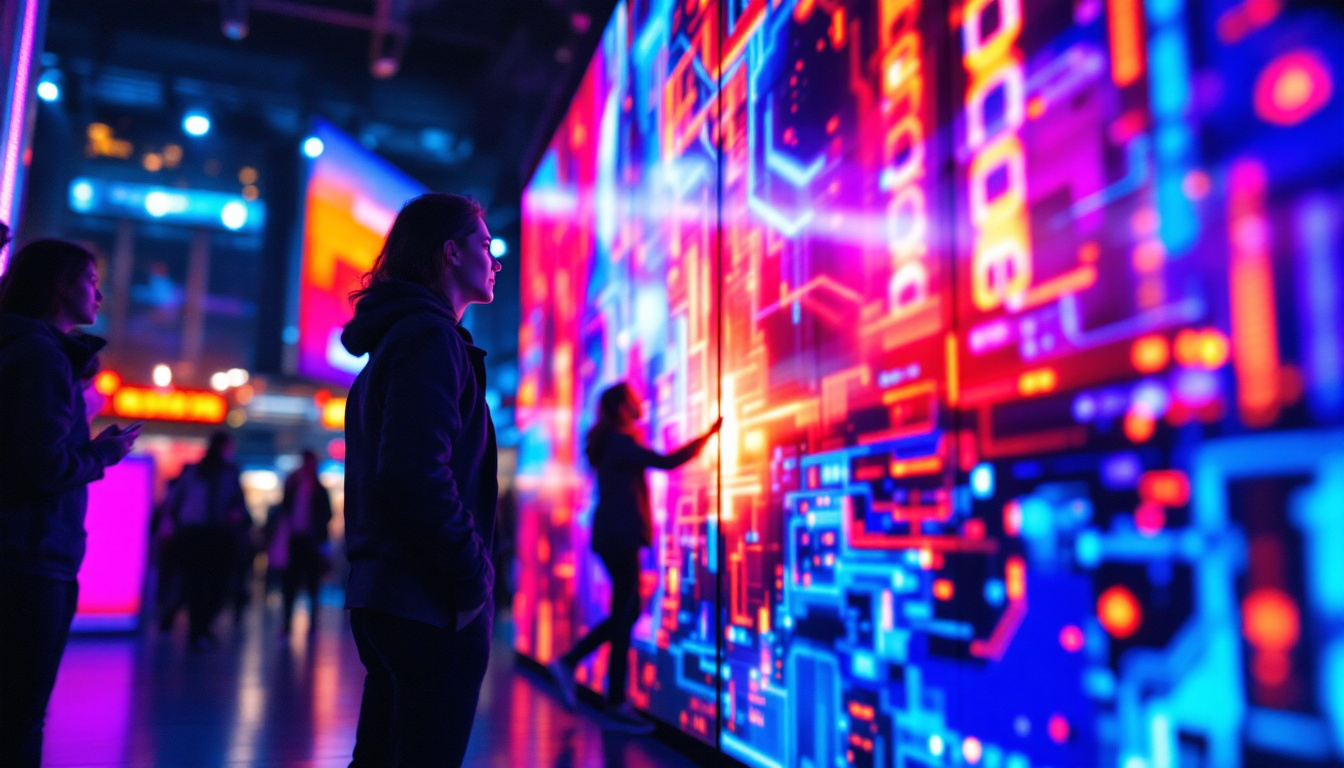
Temporary installations at concerts, exhibitions, and festivals often utilize projector LED displays for their flexibility and vivid image quality. These displays can be set up quickly and adapted to various surfaces, including curved or irregular shapes, enhancing the visual experience for attendees.
Choosing the Right Projector LED Display
Considerations for Brightness and Resolution
When selecting a projector LED display, it is essential to consider the brightness level, measured in lumens, to ensure the image is visible in the intended environment. For brightly lit rooms or outdoor use, higher brightness levels (above 3,000 lumens) are recommended.
Resolution is equally important; higher resolutions such as Full HD (1920×1080) or 4K (3840×2160) provide sharper images and better detail, which is crucial for presentations, movies, or detailed graphics.
Connectivity and Compatibility
Modern projector LED displays offer a variety of input options, including HDMI, USB, and wireless connectivity. Choosing a model that supports multiple input types ensures compatibility with different devices such as laptops, smartphones, and media players.
Portability and Installation
Depending on the use case, portability may be a priority. Lightweight, compact models with built-in batteries are ideal for mobile presentations, while fixed installations may benefit from ceiling-mounted or integrated systems.
Budget and Maintenance Costs
While projector LED displays can have a higher upfront cost compared to traditional projectors, their lower maintenance and operating expenses often make them more cost-effective over time. It is important to factor in lamp replacement costs, energy consumption, and warranty coverage when making a decision.
The Future of Projector LED Displays
Technological Advancements
Ongoing research and development in LED and projection technologies promise even brighter, more efficient, and compact projector LED displays. Innovations such as microLEDs and quantum dot enhancements are expected to improve color accuracy and energy efficiency further.
Additionally, advancements in augmented reality (AR) and mixed reality (MR) may integrate projector LED displays into immersive environments, expanding their applications beyond traditional screens.
Growing Market Demand
The global LED display market is projected to grow significantly, with a compound annual growth rate (CAGR) of around 15% through the mid-2020s. This growth is driven by increasing demand for digital signage, home entertainment solutions, and innovative display technologies in education and corporate sectors.
Sustainability and Environmental Impact
As energy efficiency and sustainability become more critical, projector LED displays offer a greener alternative to traditional display technologies. Their longer lifespan and lower power consumption align with global efforts to reduce electronic waste and carbon footprints.
Conclusion
Projector LED displays represent a compelling blend of projection and LED technologies, offering bright, energy-efficient, and versatile display solutions for a wide range of applications. Their advantages in color accuracy, longevity, and portability make them an attractive choice for businesses, educators, event organizers, and home users alike.
Understanding the technology behind projector LED displays, their benefits, and how to choose the right system can help users make informed decisions that enhance visual communication and entertainment experiences. As technology continues to advance, projector LED displays are poised to play an increasingly important role in the future of digital displays.
Discover LumenMatrix’s Innovative LED Display Solutions
Ready to elevate your visual experience with the latest in LED display technology? Look no further than LumenMatrix, where innovation meets excellence. Our diverse range of LED display modules, including Indoor and Outdoor LED Wall Displays, Vehicle LED Displays, LED Poster Displays, and more, are designed to captivate your audience and amplify your message. Whether you’re looking to enhance brand visibility or create immersive visual experiences, LumenMatrix has the solution. Check out LumenMatrix LED Display Solutions today and see how we can transform your space with the power of LED technology.