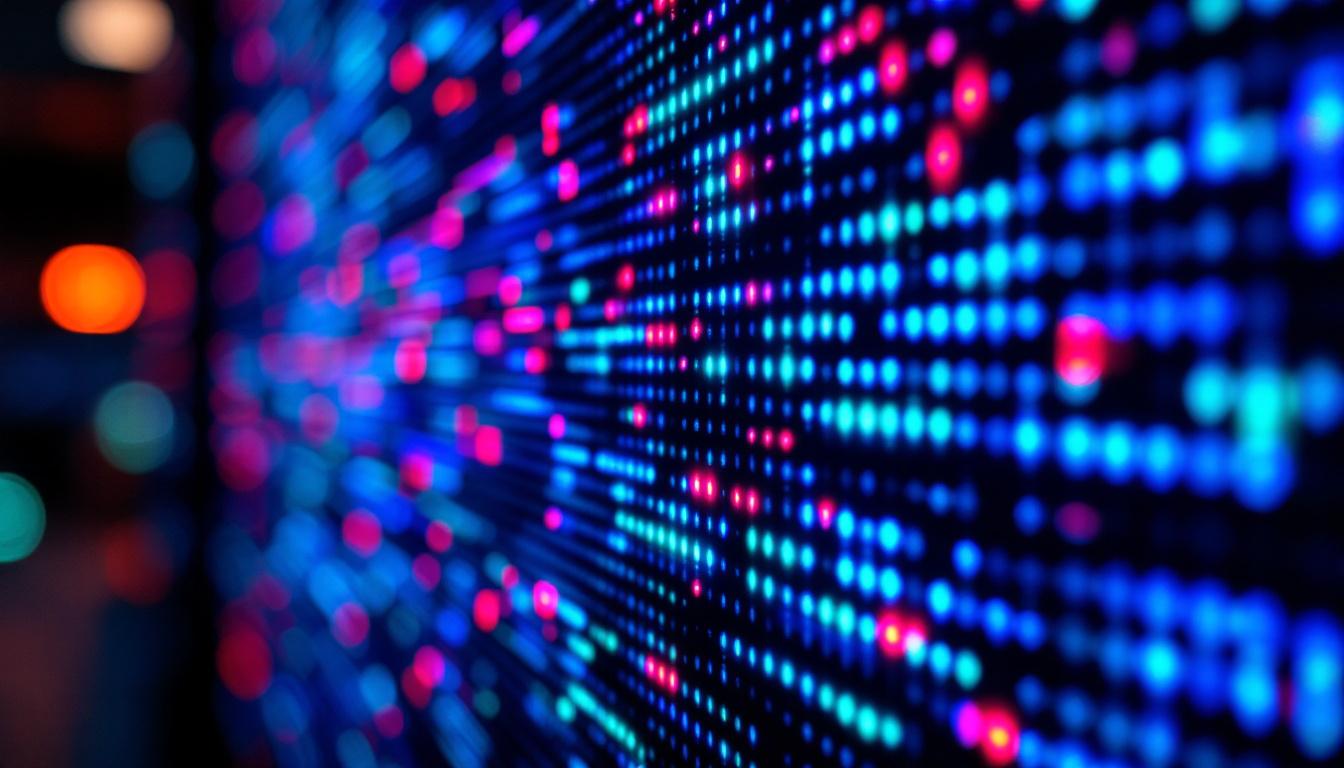
In the world of modern lighting and display technology, the terms LED and SMD light are often used interchangeably, yet they represent distinct technologies with unique characteristics and applications. As LED displays become increasingly prevalent—from advertising billboards to home televisions and smartphone screens—understanding the differences between traditional LED and SMD LED lighting is essential for consumers, designers, and industry professionals alike. This article delves into the nuances of LED and SMD lights, exploring their construction, performance, and practical implications in LED displays.
Understanding LED Technology
What is an LED?
LED stands for Light Emitting Diode, a semiconductor device that emits light when an electric current passes through it. Since their invention in the early 1960s, LEDs have revolutionized lighting technology due to their energy efficiency, long lifespan, and compact size. Unlike incandescent bulbs, LEDs produce light without generating excessive heat, making them ideal for a wide range of applications. This efficiency not only reduces energy consumption but also minimizes the environmental impact associated with traditional lighting methods, contributing to a more sustainable future.
LEDs come in various shapes and sizes, but the most common types used in displays are through-hole LEDs and surface-mounted LEDs. The traditional LED, often referred to as a “through-hole LED,” features two wire leads that pass through a circuit board and are soldered on the other side. This design has been widely used for indicator lights and simple displays. Surface-mounted LEDs, on the other hand, are designed to be mounted directly onto the surface of a circuit board, allowing for a more compact design and enabling manufacturers to create sleeker, more modern products. This advancement has paved the way for innovations in consumer electronics, automotive lighting, and architectural lighting, showcasing the versatility of LED technology.
Applications of Traditional LEDs
Traditional LEDs have been used extensively in early digital displays, traffic signals, and basic signage. Their relatively simple construction makes them cost-effective for low-resolution displays or applications where individual LEDs can be spaced apart. However, as demand for higher resolution and more vibrant displays grew, limitations in size, brightness uniformity, and assembly complexity became apparent. In addition to their use in displays, traditional LEDs have found a niche in decorative lighting, such as holiday lights and accent lighting in homes and businesses, where their small size and variety of colors can create stunning visual effects.
Moreover, the reliability of traditional LEDs has made them a preferred choice for outdoor applications, such as street lighting and billboard displays, where they can withstand harsh weather conditions while providing consistent illumination. The ability to produce a wide spectrum of colors has also led to their use in artistic installations and stage lighting, allowing for dynamic and engaging visual experiences. As technology continues to evolve, the integration of traditional LEDs into smart lighting systems is becoming increasingly common, enabling users to control lighting remotely and customize their environments according to personal preferences.
What is SMD LED Technology?
Defining SMD LEDs
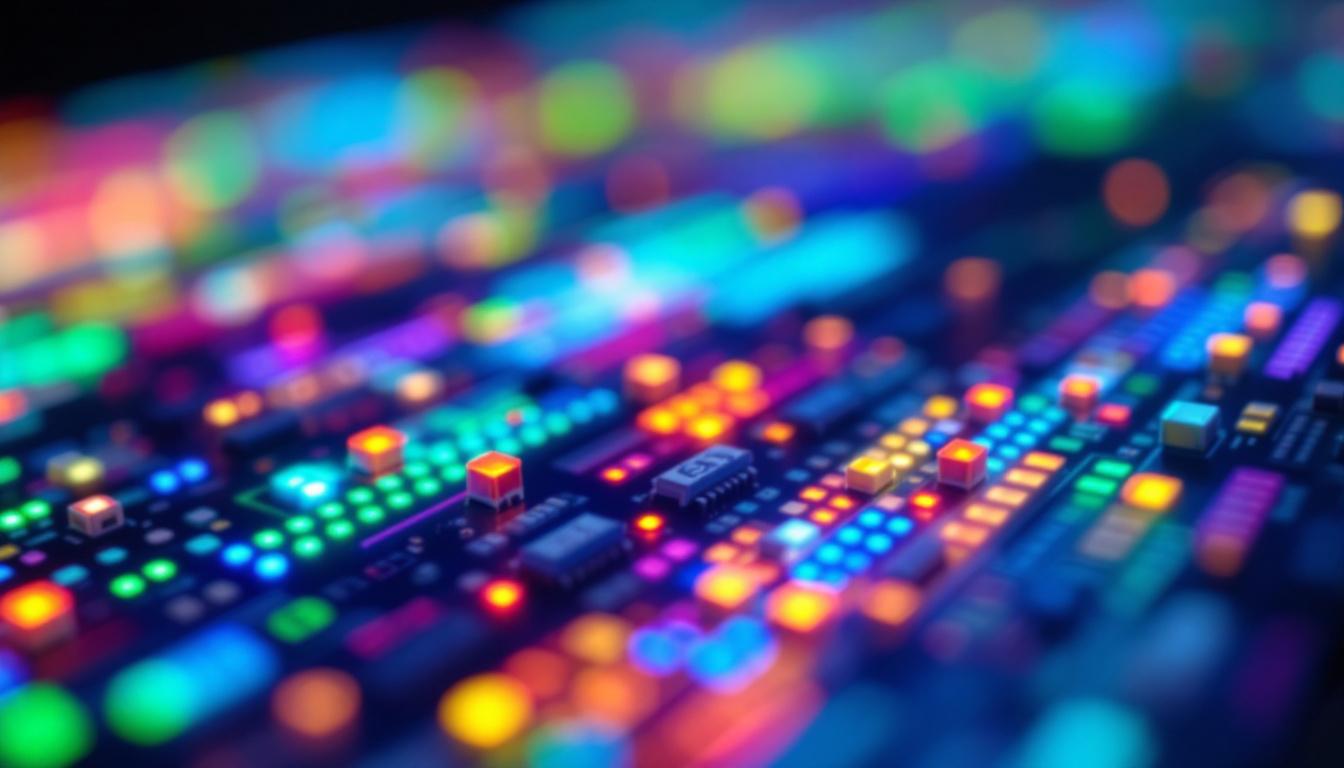
SMD stands for Surface-Mounted Device, a technology that allows electronic components to be mounted directly onto the surface of printed circuit boards (PCBs). When applied to LEDs, SMD LEDs are tiny, flat packages that house the LED chip and associated circuitry in a compact form factor. These LEDs are soldered directly onto the PCB surface, enabling higher density and more precise placement.
SMD LEDs typically come in packages such as 3528, 5050, or 2835, where the numbers denote the dimensions of the LED in millimeters. For example, a 5050 SMD LED measures 5.0 mm by 5.0 mm. This standardization allows for consistent manufacturing and integration into various lighting and display products.
Advantages of SMD LEDs
SMD LEDs offer several advantages over traditional through-hole LEDs:
- Higher Brightness and Efficiency: SMD LEDs can house multiple LED chips in a single package, often combining red, green, and blue chips to create full-color displays with vivid brightness.
- Compact Size: Their small footprint allows for dense LED arrangements, which is critical for high-resolution displays and intricate lighting designs.
- Improved Heat Dissipation: The flat design facilitates better heat management, enhancing longevity and performance.
- Ease of Automated Assembly: SMD LEDs are compatible with automated pick-and-place machines, reducing manufacturing costs and improving consistency.
Comparing LED and SMD LED Displays
Resolution and Pixel Density
One of the most significant differences between traditional LED and SMD LED displays lies in resolution capability. Traditional LEDs, due to their larger size and through-hole mounting, are limited in how closely they can be packed together. This results in lower pixel density, making them suitable primarily for large outdoor displays where viewers are at a distance.
In contrast, SMD LED displays can achieve much higher pixel densities because the LEDs are smaller and mounted on the surface of the PCB. This allows for finer image detail and smoother video playback, making SMD technology the preferred choice for indoor displays, digital signage, and television screens where close viewing distances demand higher resolution.
Color Reproduction and Viewing Angles
SMD LEDs often incorporate red, green, and blue chips within a single package, enabling precise color mixing at the pixel level. This results in richer, more accurate color reproduction compared to traditional LEDs, which may rely on separate single-color LEDs arranged in clusters.
Additionally, SMD LED displays generally offer wider viewing angles—often up to 160 degrees or more—ensuring consistent image quality from various perspectives. Traditional LED displays tend to have narrower viewing angles, which can cause color shifting or dimming when viewed off-center.
Durability and Environmental Resistance
Traditional LED displays, especially those designed for outdoor use, are often encased in robust weatherproof housings to protect the larger LEDs. While durable, these displays can be bulky and less aesthetically pleasing.
SMD LED modules, due to their compact design, can be integrated into sleek, lightweight panels. Modern SMD LED displays are engineered with waterproof and dustproof ratings (such as IP65 or higher), making them suitable for both indoor and outdoor environments without sacrificing design flexibility.
Practical Applications: When to Choose LED or SMD LED Displays
Outdoor Large-Scale Displays
For large outdoor advertising billboards, stadium screens, and traffic signage, traditional LED displays still hold a significant place. Their robust build and high brightness levels—often exceeding 5,000 nits—ensure visibility even under direct sunlight. Because viewers typically observe these displays from considerable distances, the lower pixel density is not a major drawback.
Moreover, traditional LED modules can be more cost-effective for very large installations where pixel pitch (the distance between LEDs) is measured in several millimeters, such as 10mm or more.
Indoor and Close-Range Displays
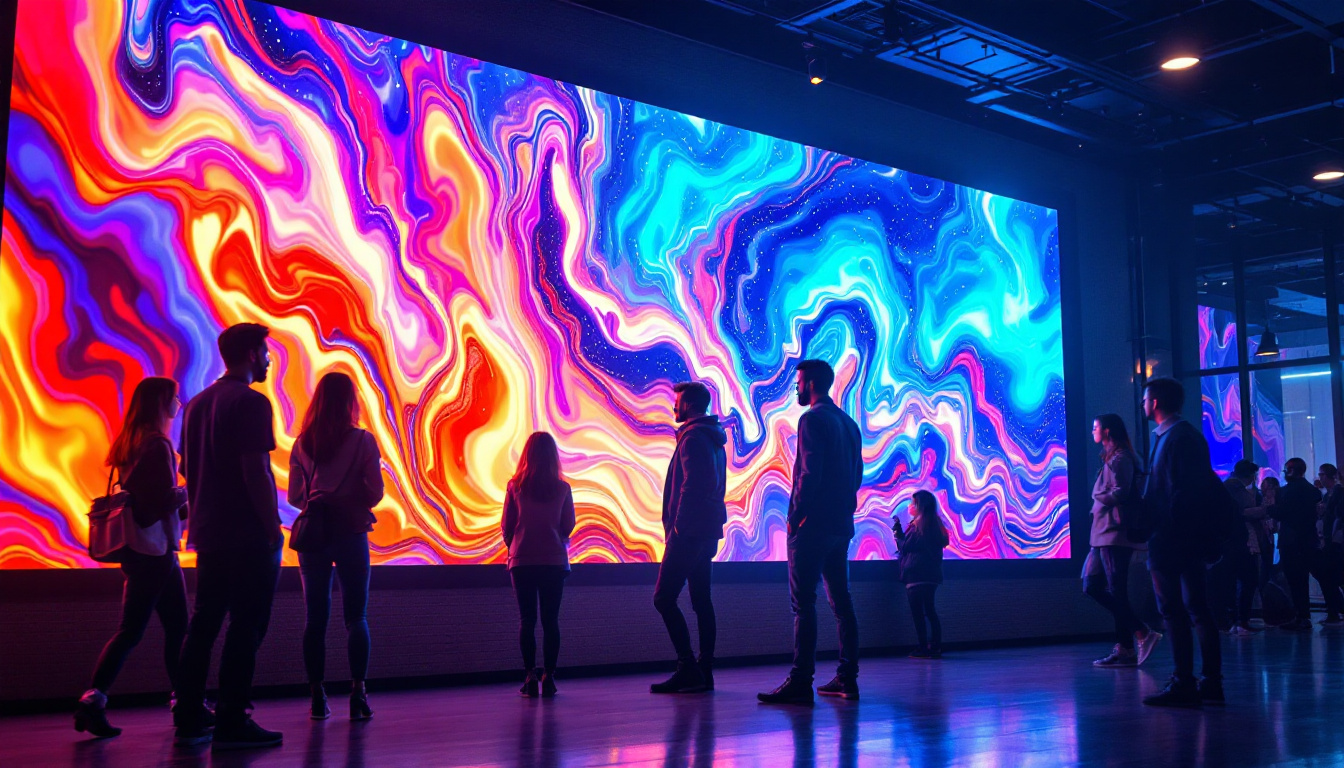
Indoor environments like shopping malls, conference rooms, and retail stores benefit greatly from SMD LED displays. Their high resolution and superior color quality make them ideal for digital signage, video walls, and interactive displays where viewers are close to the screen.
For example, a 2.5mm pixel pitch SMD LED display can deliver crisp images and smooth video, outperforming traditional LED displays that may have pixel pitches of 10mm or larger. This translates to a more engaging and immersive visual experience.
Innovative Uses and Emerging Trends
Advancements in SMD LED technology have enabled new applications such as flexible LED panels, transparent LED displays, and ultra-thin video walls. These innovations are transforming architectural lighting, retail environments, and entertainment venues by integrating dynamic visuals seamlessly into physical spaces.
On the other hand, traditional LED displays continue to evolve with improved brightness, weather resistance, and modular designs, maintaining their relevance in large-scale outdoor applications.
Cost Considerations and Energy Efficiency
Initial Investment and Maintenance
Traditional LED displays generally have a lower upfront cost per module compared to SMD LED displays, especially for large pixel pitches. However, the overall cost must consider installation complexity, maintenance, and lifespan.
SMD LED displays, while initially more expensive, often provide better energy efficiency and longer service life due to improved heat dissipation and advanced materials. Additionally, their modular design simplifies maintenance, as individual panels can be replaced without dismantling the entire display.
Energy Consumption
Energy efficiency is a critical factor in display technology, impacting both operational costs and environmental footprint. SMD LEDs typically consume less power per unit of brightness compared to traditional LEDs, thanks to advances in semiconductor materials and packaging.
For instance, a well-designed SMD LED display can reduce energy consumption by up to 30% compared to older traditional LED models, a significant saving for large-scale installations running continuously.
Future Outlook: The Evolution of LED Displays
Technological Innovations
The LED display industry is rapidly evolving, with ongoing research focused on enhancing brightness, color accuracy, and energy efficiency. Micro-LED technology, which involves even smaller LEDs than SMD, promises to deliver unprecedented resolution and contrast ratios, potentially revolutionizing consumer electronics and large-format displays.
Meanwhile, improvements in driver electronics, software calibration, and materials science continue to enhance the performance and reliability of both traditional and SMD LED displays.
Environmental Impact and Sustainability
As sustainability becomes a global priority, LED displays are increasingly evaluated for their environmental impact. Both traditional and SMD LEDs offer advantages over older lighting technologies by reducing energy consumption and minimizing hazardous materials.
Manufacturers are also adopting eco-friendly production methods and recyclable materials to further reduce the carbon footprint of LED displays. Choosing energy-efficient, durable LED technology aligns with corporate social responsibility goals and regulatory requirements worldwide.
Conclusion
Understanding the differences between traditional LED and SMD LED technologies is crucial for selecting the right display solution tailored to specific needs. Traditional LEDs excel in large-scale outdoor applications where high brightness and durability are paramount, while SMD LEDs dominate indoor and close-range environments with their superior resolution, color quality, and design flexibility.
As LED technology continues to advance, the lines between these categories may blur, but the fundamental principles remain. Evaluating factors such as pixel density, viewing distance, environmental conditions, and budget will guide informed decisions for businesses and consumers investing in LED displays.
Ultimately, whether choosing LED or SMD LED displays, the future of lighting and visual communication is bright, energy-efficient, and full of innovative possibilities.
Discover LumenMatrix’s Advanced LED Display Solutions
Ready to elevate your visual communication with cutting-edge LED display technology? LumenMatrix offers a wide array of innovative solutions tailored to your needs. From vibrant Indoor LED Wall Displays to robust Outdoor LED Wall Displays, and from dynamic Vehicle LED Displays to sleek LED Poster Displays, our products are designed to captivate and engage. Experience the future of digital signage with our LED Sports Displays, interactive Floor LED Displays, and the versatility of Custom and All-in-One LED Display options. Embrace transparency with our LED Transparent Display, and let LumenMatrix help you share your message with impact. Check out LumenMatrix LED Display Solutions today and transform your space into a visual masterpiece.