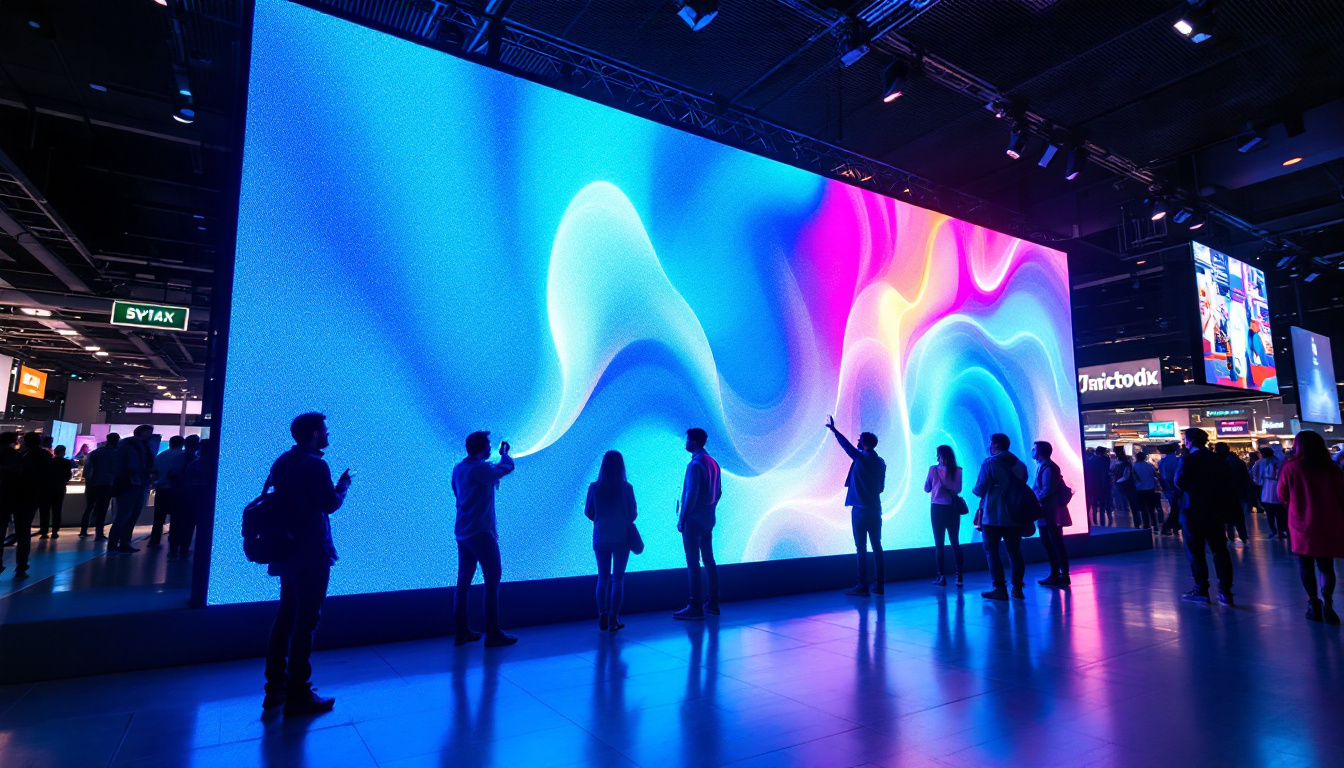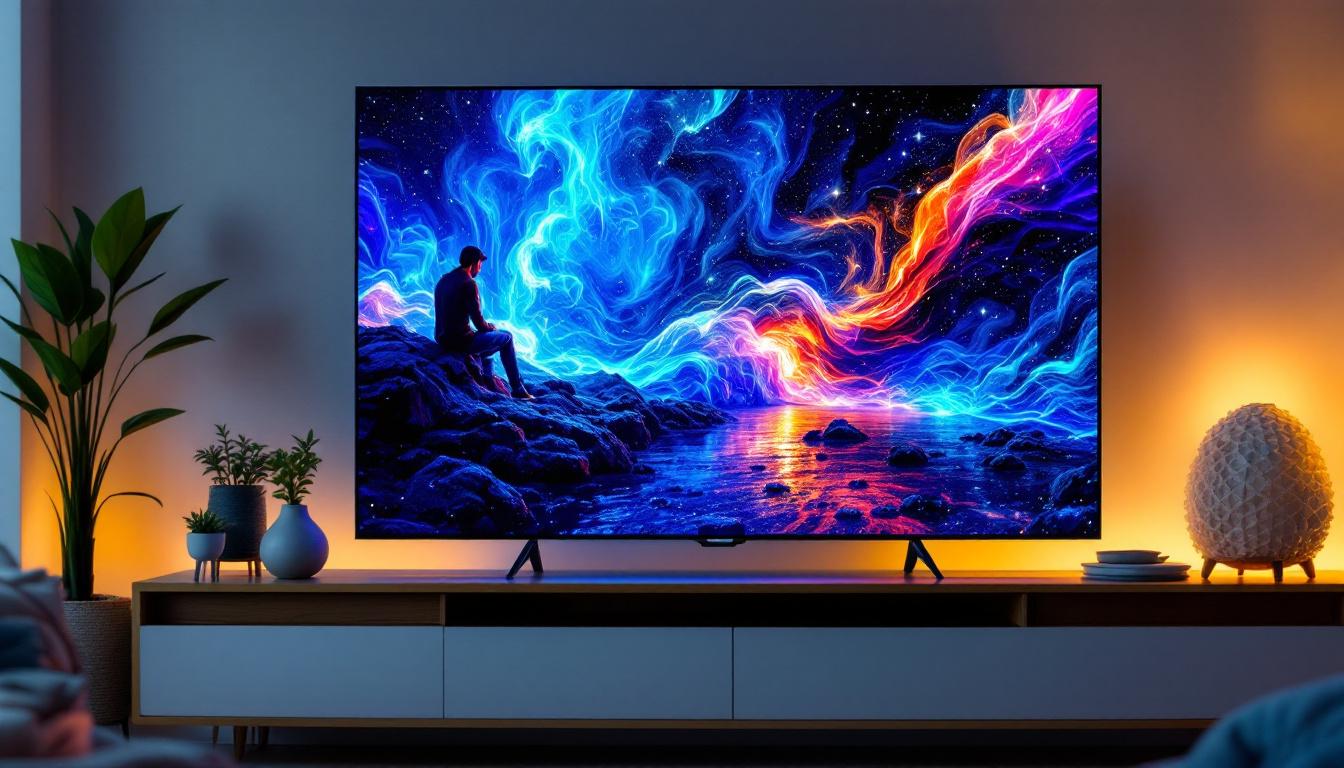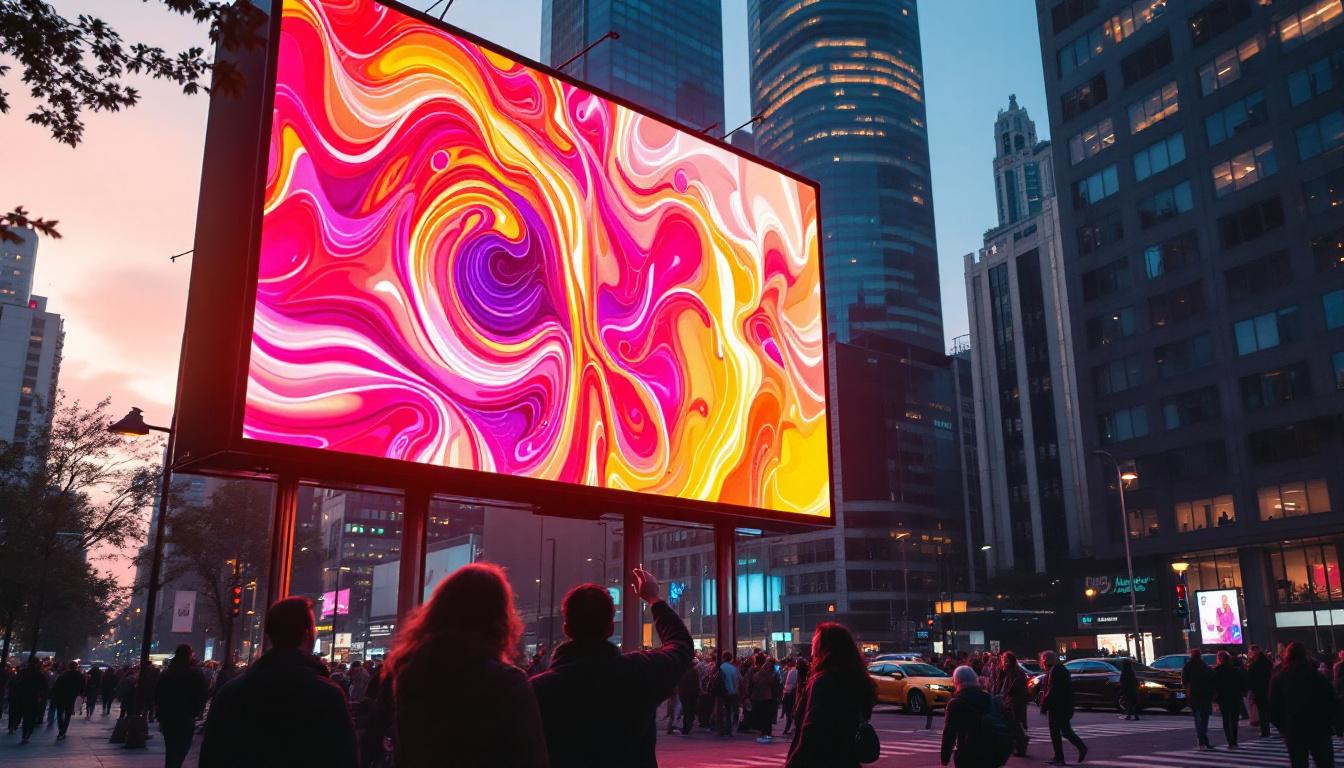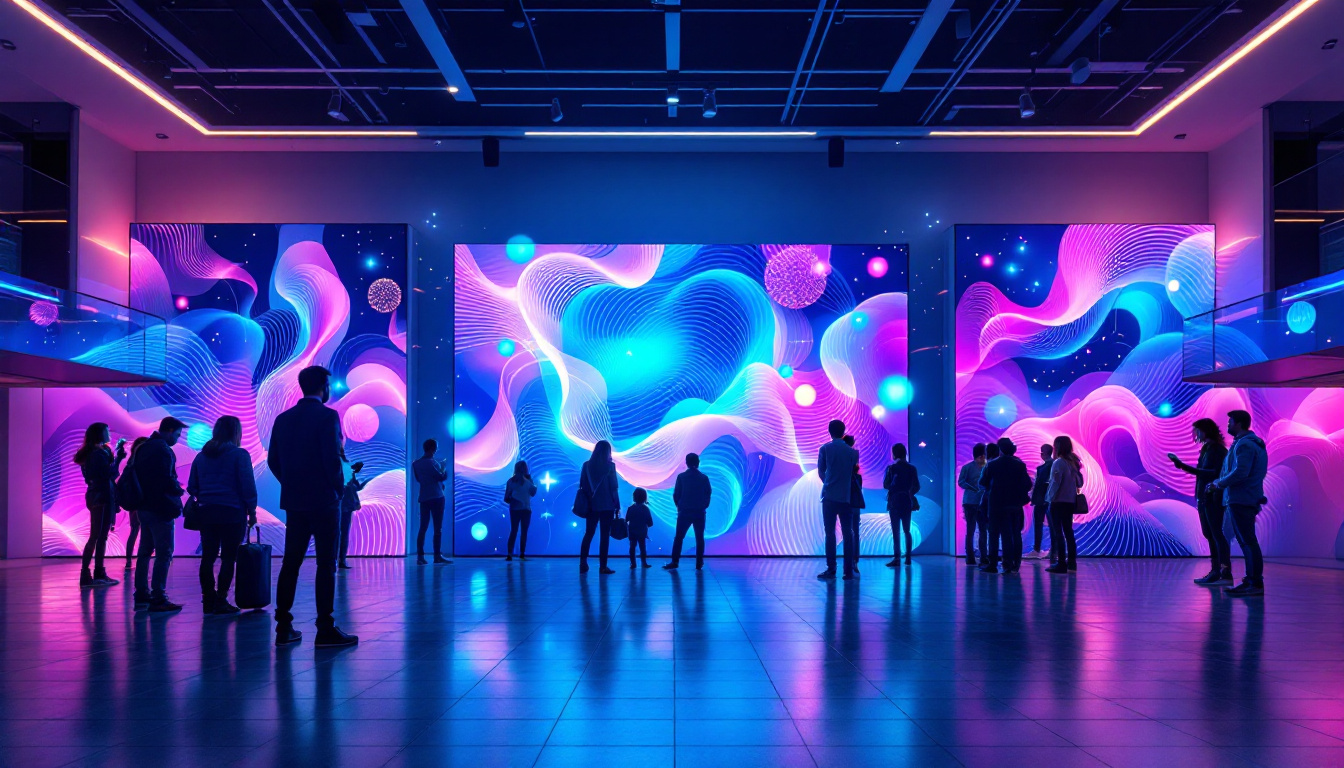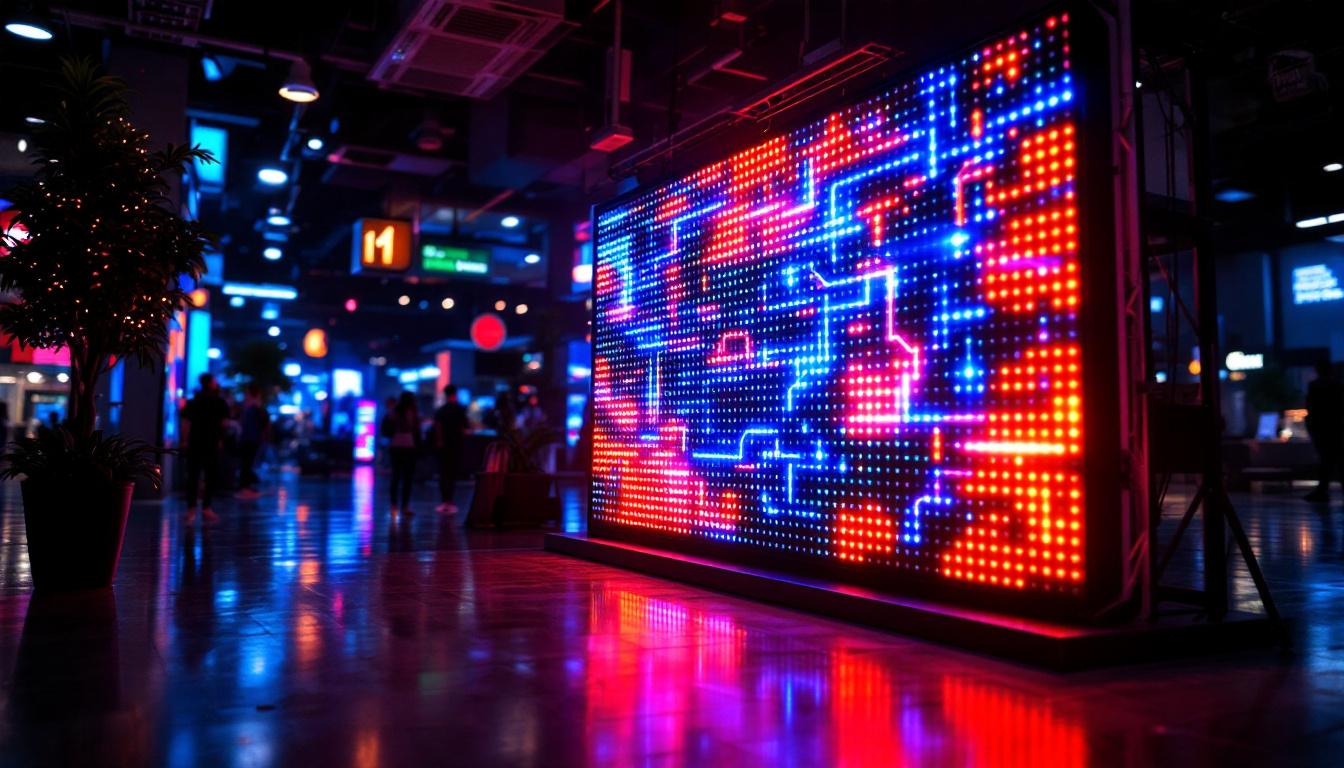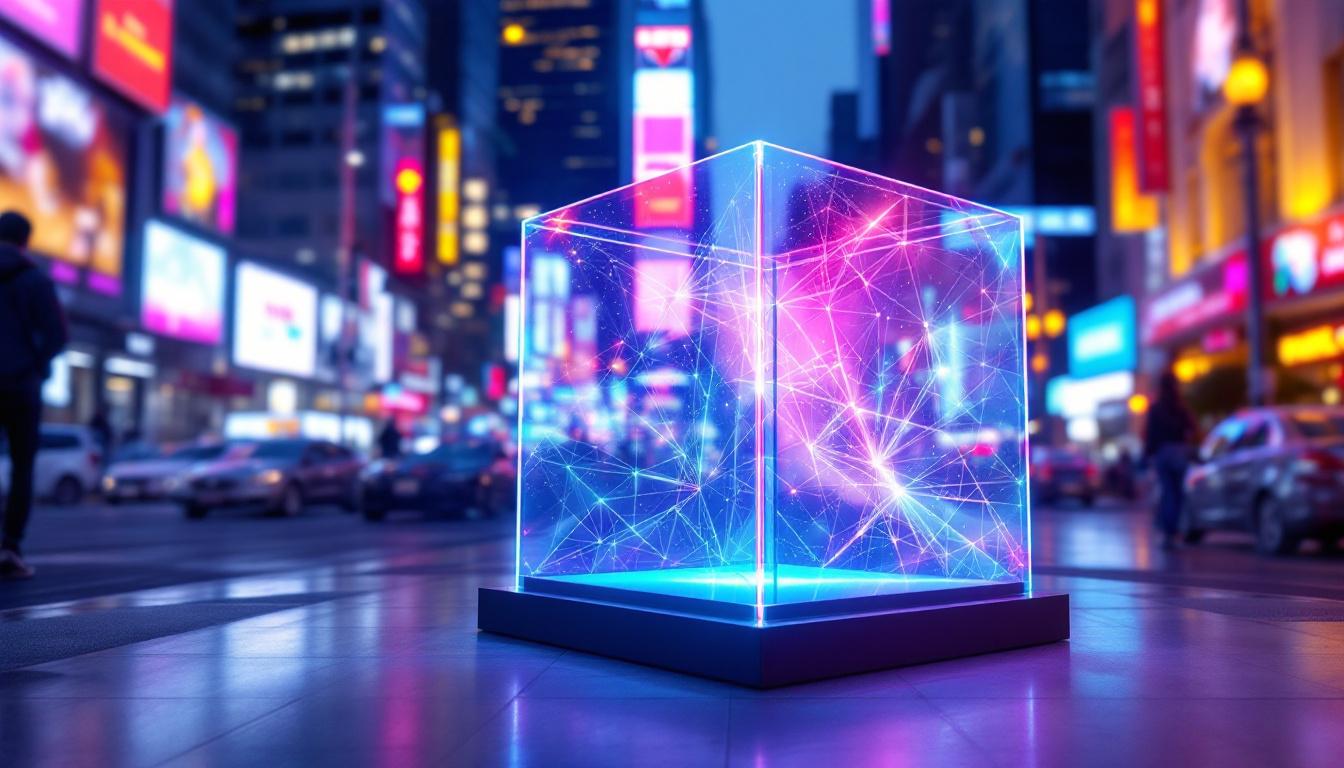
In recent years, transparent LED displays have emerged as a groundbreaking innovation in digital signage and visual communication. Combining the power of LED technology with a see-through design, these displays offer unique opportunities for advertising, architecture, retail, and entertainment industries. This article delves into the technology behind transparent LED displays, their applications, advantages, and considerations for adoption.
Understanding Transparent LED Display Technology
What Is a Transparent LED Display?
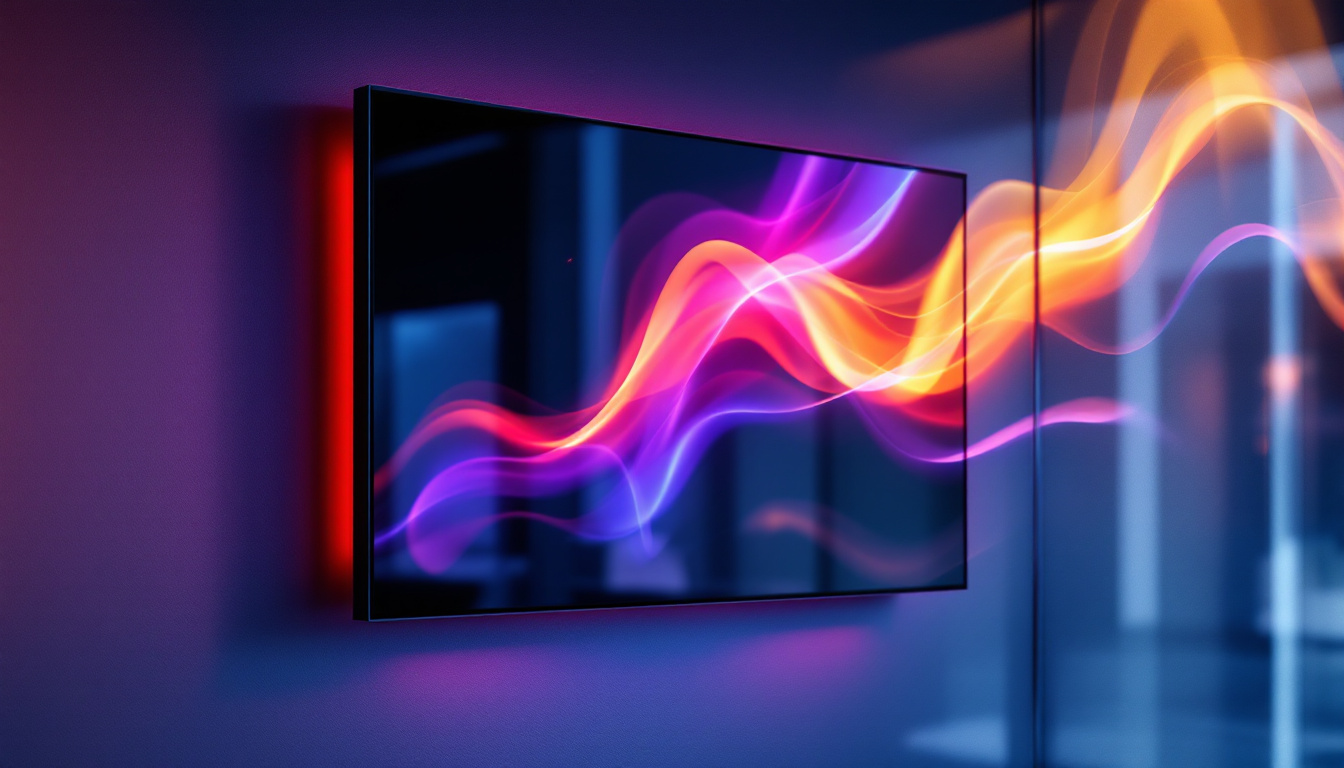
A transparent LED display is a type of digital screen that allows light to pass through it, creating a see-through effect while simultaneously displaying vivid images or videos. Unlike traditional LED screens, which are opaque and block the view behind them, transparent LED displays maintain visibility through the panel, making them ideal for applications where preserving natural light or visibility is important.
The core concept involves embedding LED lights into a transparent substrate, such as glass or acrylic, arranged in a grid pattern. When these LEDs illuminate, they form images or video content, but when turned off, the display remains largely clear. This transparency can range from 30% to 90%, depending on the design and pixel pitch. The ability to blend digital content with the physical environment opens up new avenues for creative advertising and artistic expression, allowing brands to engage customers in innovative ways while maintaining the aesthetic appeal of their surroundings.
How Does It Work?
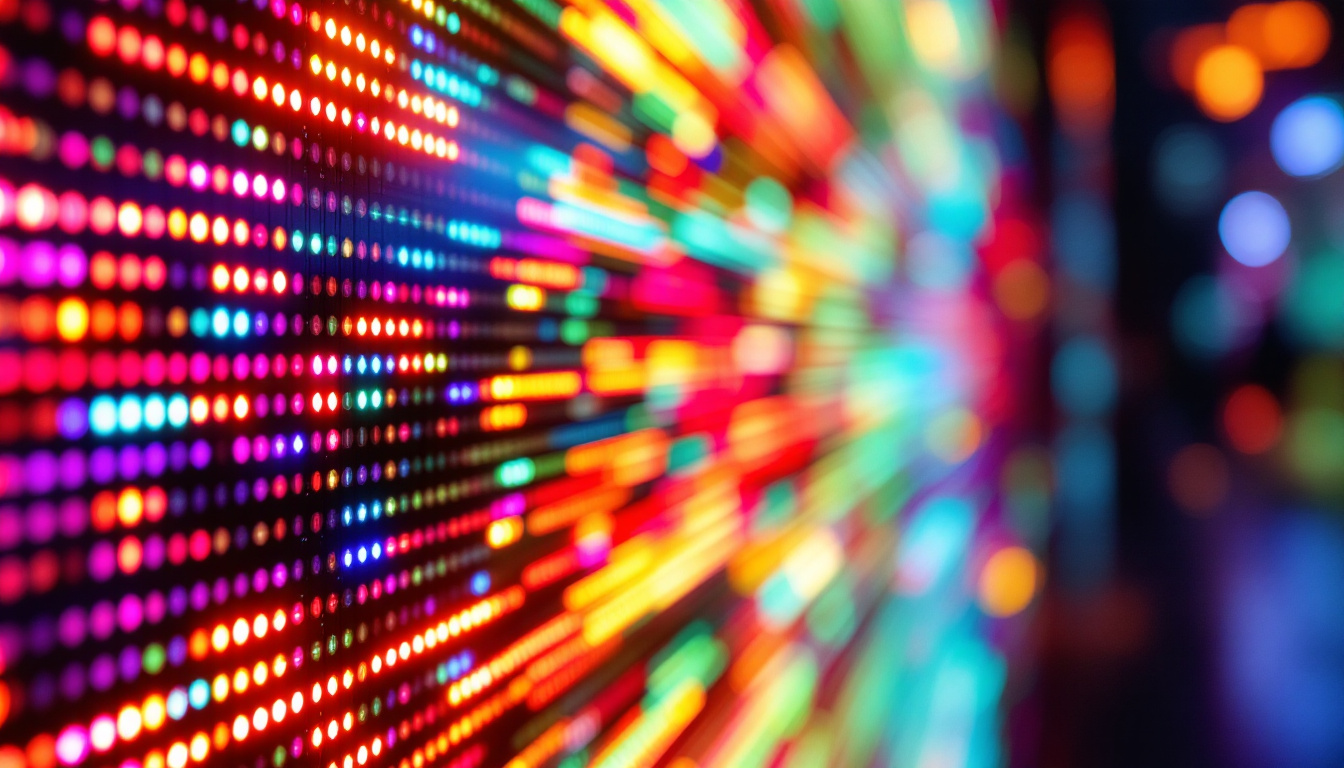
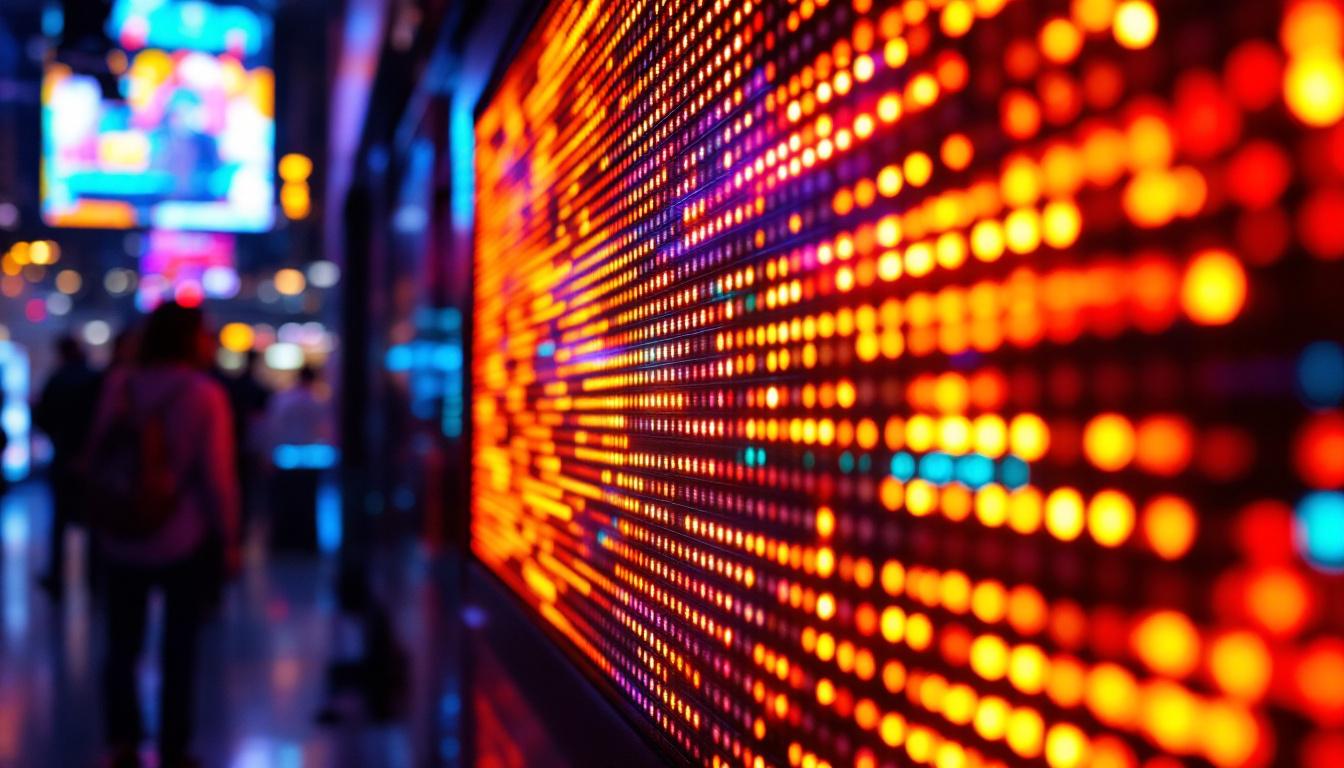
Transparent LED displays typically use a mesh or strip design where LEDs are mounted on thin, transparent circuits. These circuits are spaced in a way that balances image clarity with transparency. The pixel pitch—the distance between individual LEDs—plays a crucial role in this balance. A smaller pixel pitch results in higher resolution but lower transparency, while a larger pitch increases transparency but reduces image sharpness. This intricate design allows for a unique viewing experience where the digital content can be perceived without completely obstructing the view of the background.
Modern transparent LED displays utilize high-brightness LEDs capable of producing vibrant colors even in well-lit environments. The display is controlled by a video processor that manages the LED illumination to render dynamic content. Because the display is transparent, ambient light can pass through, reducing the need for additional lighting and allowing for natural integration into architectural elements like glass facades or windows. This feature not only enhances energy efficiency but also contributes to a more sustainable approach to digital signage, as it minimizes the reliance on artificial lighting and complements the natural daylight in the space.
Types of Transparent LED Displays
There are several types of transparent LED displays, each designed for specific use cases:
- Glass-based Transparent LED Displays: These are integrated directly into glass panels, commonly used in storefront windows or building facades. They offer high transparency and seamless integration, making them a popular choice for luxury brands looking to showcase their products without obstructing the view of the store’s interior.
- Mesh LED Displays: Featuring a net-like structure with LEDs spaced apart, mesh displays are lightweight and ideal for large-scale outdoor installations like stadiums or concert venues. Their design allows for excellent airflow and visibility, making them suitable for high-traffic areas where traditional screens might be cumbersome.
- Strip LED Displays: Composed of vertical or horizontal LED strips, these displays provide a balance between transparency and image quality and are often used in retail environments. They can be easily customized to fit various shapes and sizes, allowing for creative installations that enhance the shopping experience.
In addition to these types, advancements in technology have led to the development of flexible transparent LED displays that can be curved or shaped to fit unconventional spaces. This flexibility opens up new possibilities for architects and designers, enabling them to incorporate digital displays into their projects in ways that were previously unimaginable. Furthermore, as the technology continues to evolve, we can expect to see improvements in resolution, brightness, and energy efficiency, making transparent LED displays an increasingly attractive option for a wide range of applications.
Applications of Transparent LED Displays
Retail and Advertising
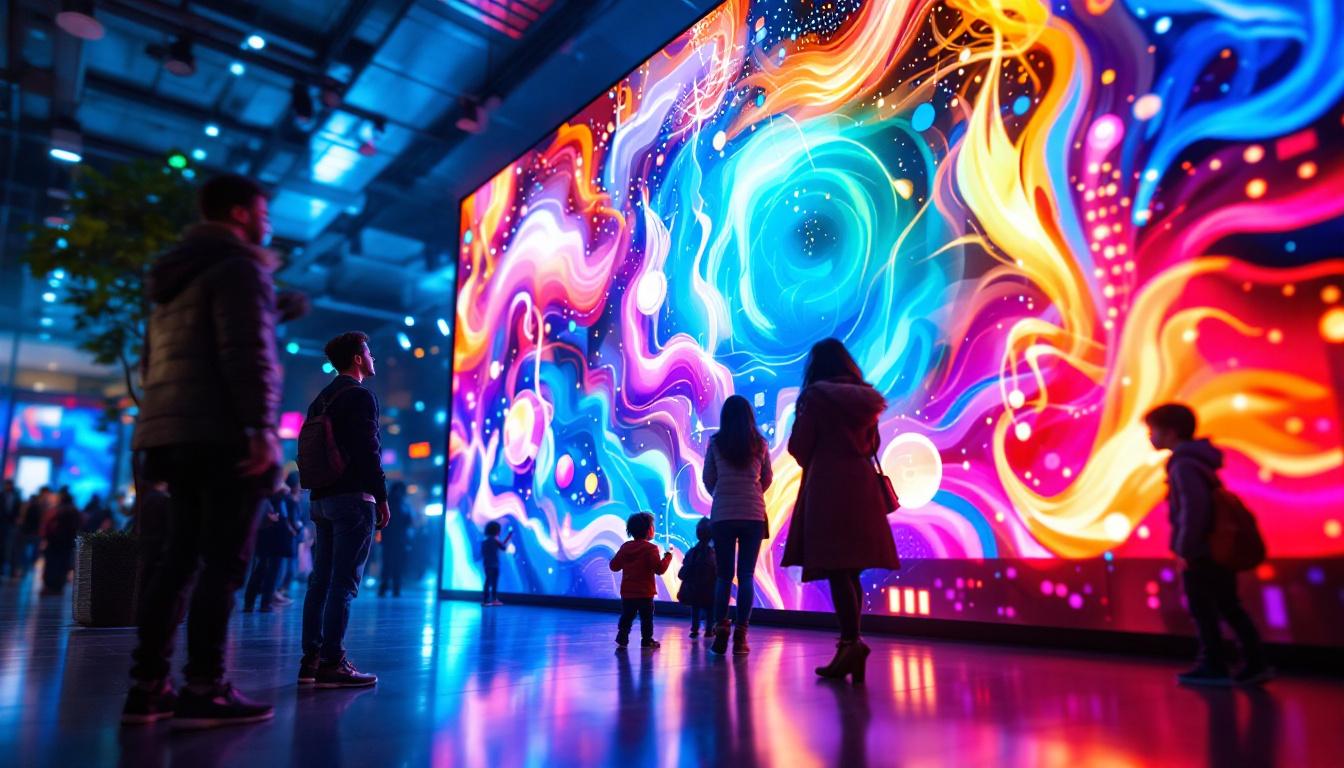
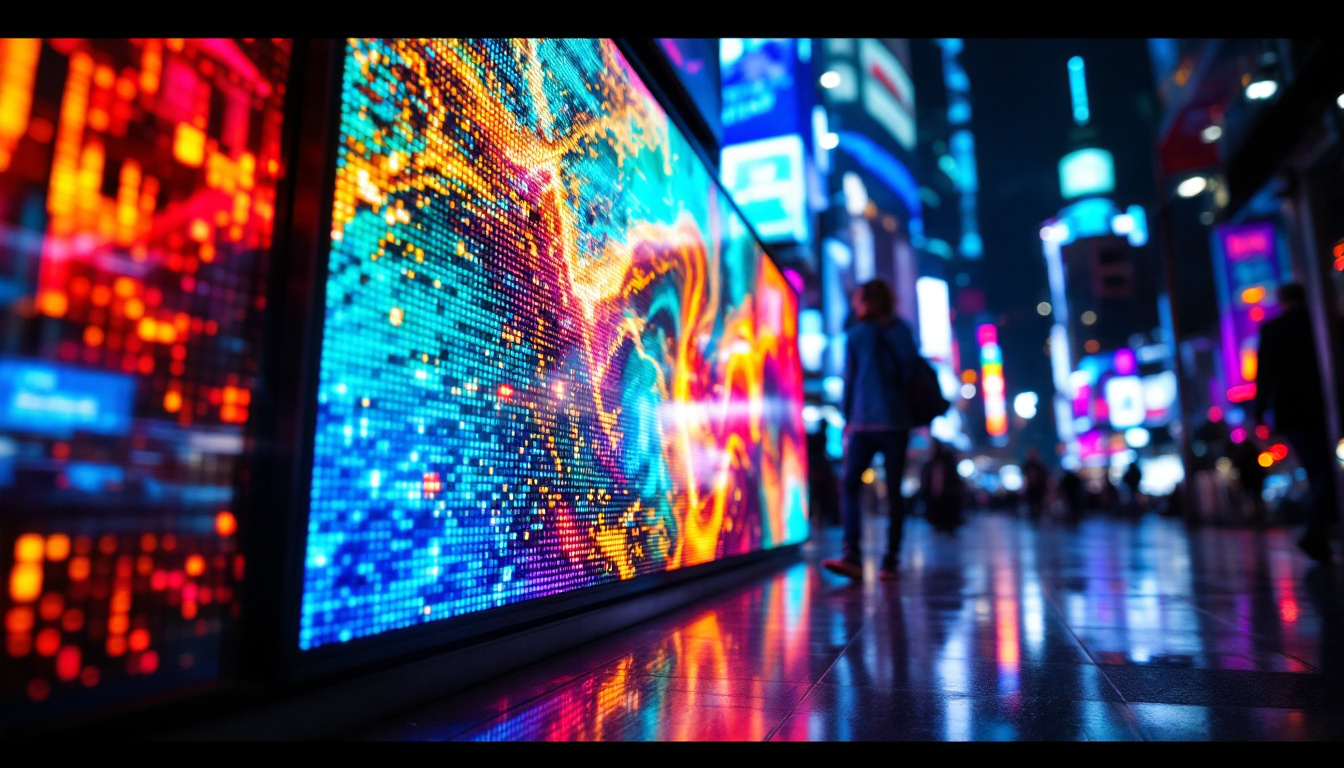
Transparent LED displays have revolutionized retail advertising by enabling dynamic digital content without obstructing storefront visibility. Brands can showcase promotional videos, product highlights, and interactive content directly on shop windows, attracting passersby while maintaining an open, inviting atmosphere inside the store.
For example, luxury fashion retailers often use transparent LED displays to create eye-catching window displays that blend digital artistry with physical products behind the glass. This fusion enhances customer engagement and drives foot traffic effectively. Moreover, the ability to change content in real-time allows retailers to tailor their messaging based on time of day, special events, or seasonal promotions, creating a more personalized shopping experience. The technology also supports augmented reality applications, where customers can visualize products in various contexts, further enriching the retail environment.
Architectural Integration
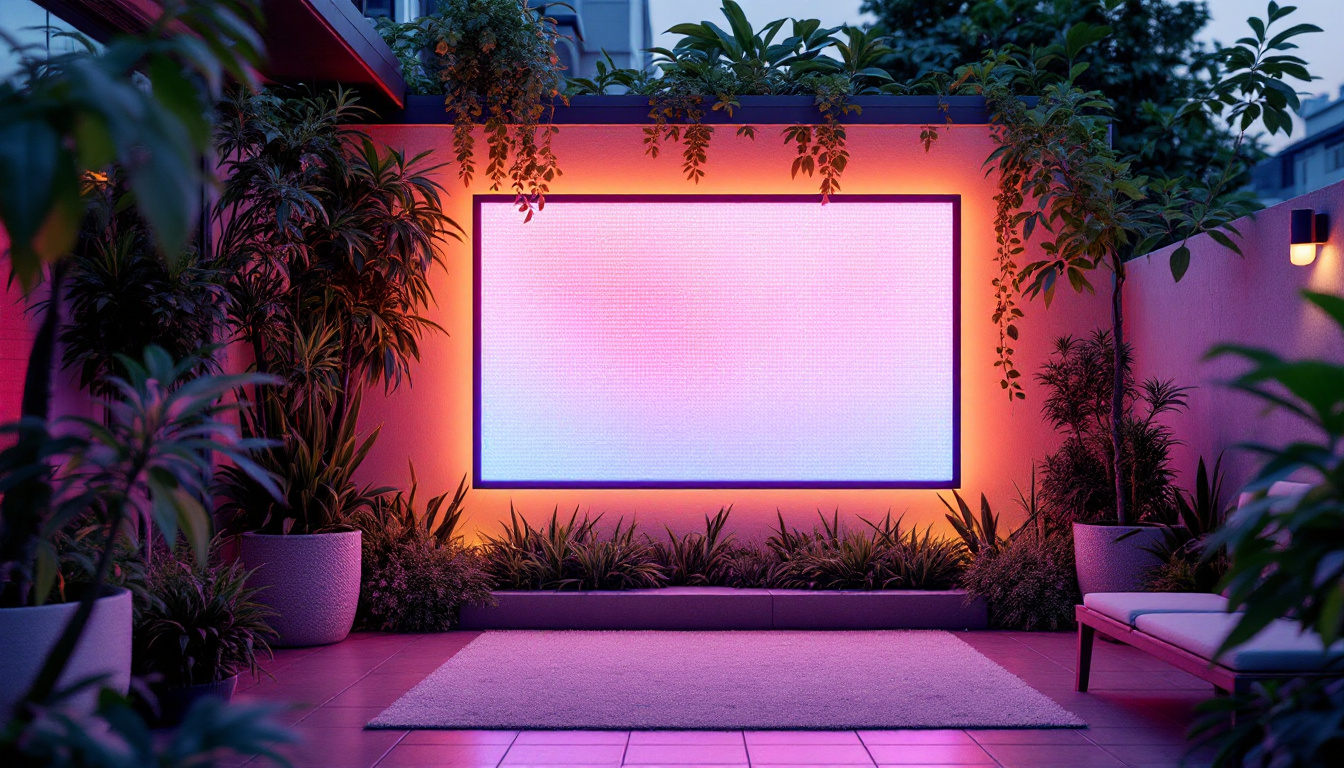
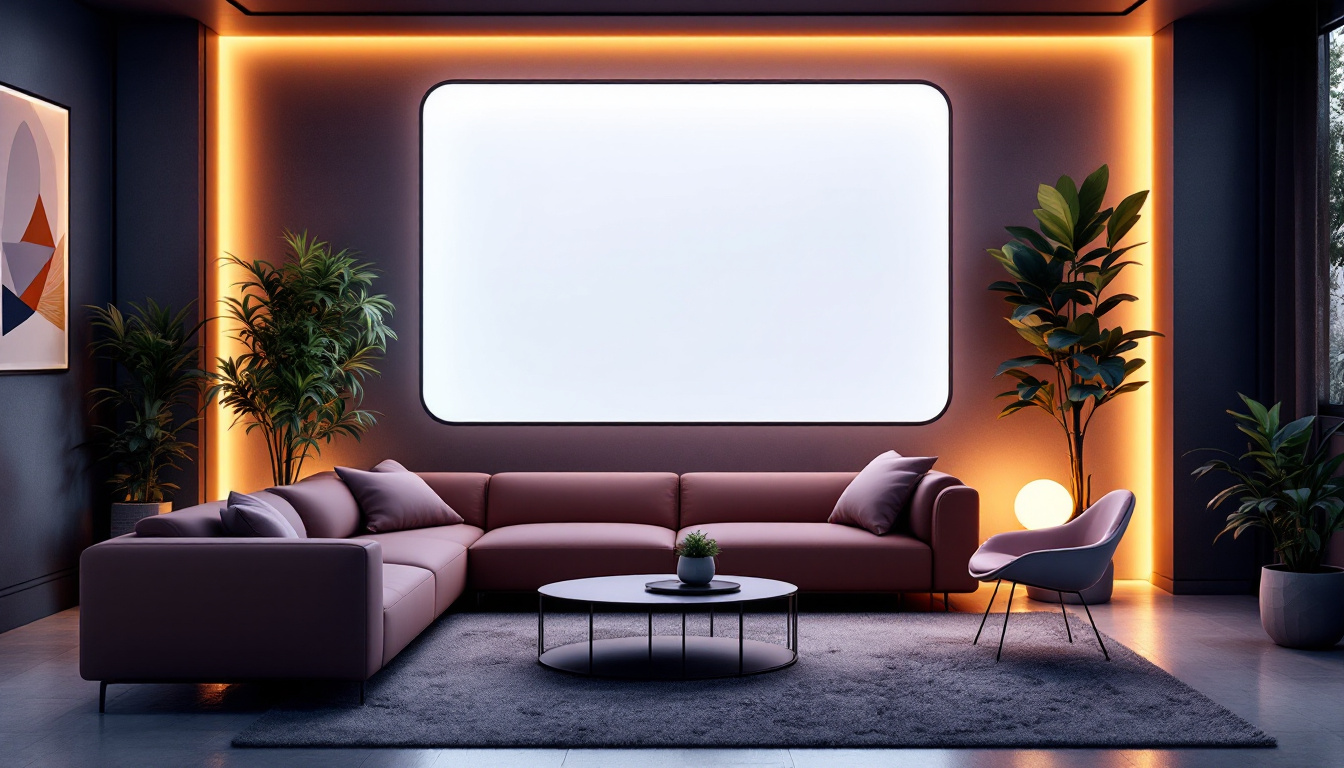
Architects and designers use transparent LED displays to merge technology with building aesthetics. These displays can be integrated into glass walls, facades, and atriums, allowing buildings to communicate messages, display branding, or provide ambient visuals without compromising natural light or views.
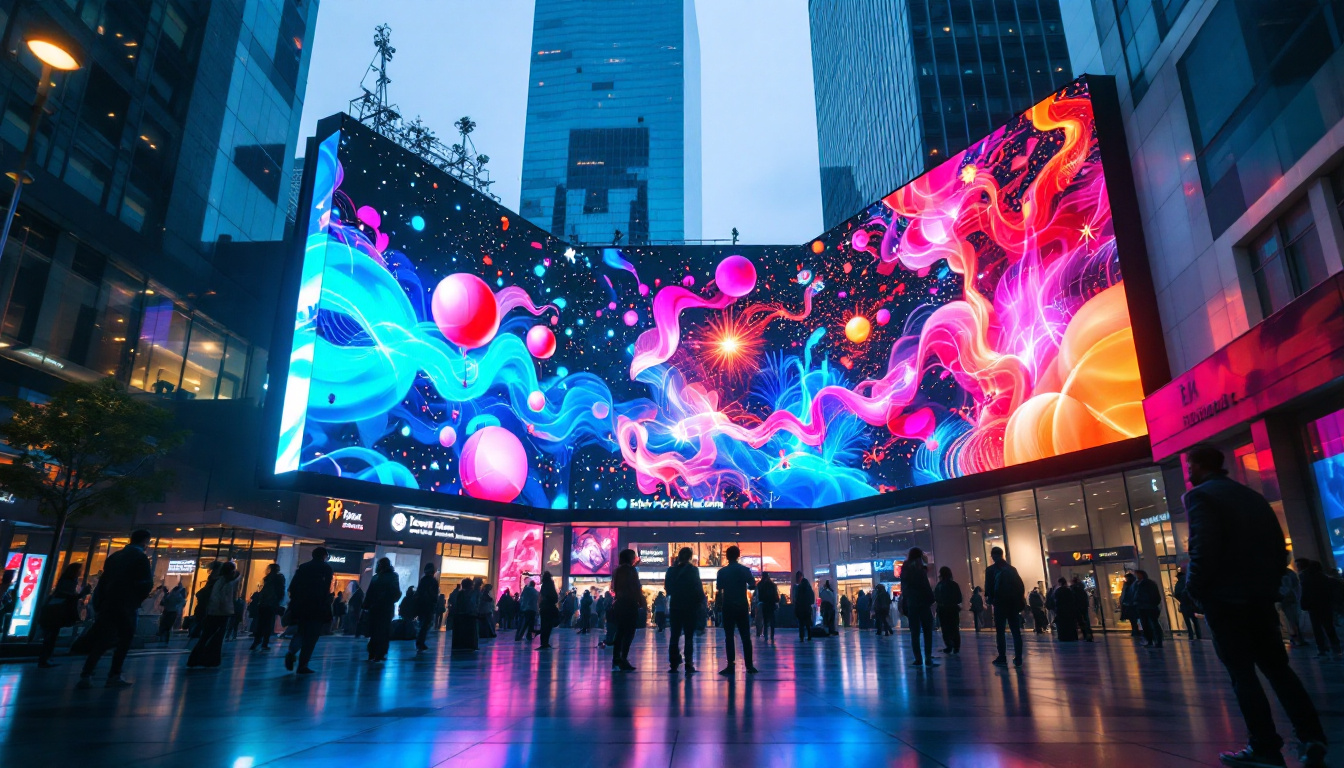
Iconic landmarks and commercial buildings worldwide have adopted transparent LED technology to create dynamic, interactive exteriors that transform urban landscapes. This approach supports sustainable design principles by reducing the need for additional lighting and promoting energy efficiency. Furthermore, the integration of transparent LED displays can enhance the functionality of spaces, allowing for the display of art installations or community announcements, thereby fostering a sense of connection between the building and its surroundings. The versatility of these displays also means they can be programmed for different functions, such as emergency alerts or public service announcements, making them invaluable in urban settings.
Transportation and Public Spaces
In transportation hubs such as airports, train stations, and bus terminals, transparent LED displays serve as informative signage that does not block sightlines or natural light. They can display schedules, advertisements, or wayfinding information while maintaining an open, airy environment.
Similarly, in public spaces and event venues, transparent LED displays offer versatile solutions for immersive experiences, combining visibility and digital content seamlessly. These displays can be used to create interactive installations that engage the public, such as touch-sensitive screens that provide information or entertainment. Additionally, they can serve as platforms for community art projects, allowing local artists to showcase their work in high-traffic areas, thereby enhancing cultural engagement and community spirit. The adaptability of transparent LED technology also means that these displays can be easily updated or reconfigured for different events, making them a sustainable choice for public infrastructure.
Advantages of Transparent LED Displays
High Transparency and Visual Appeal
The primary advantage of transparent LED displays is their ability to maintain transparency while delivering bright, high-quality visuals. This unique feature allows businesses and designers to create visually striking installations that do not compromise the surrounding environment or natural light.
Energy Efficiency and Sustainability
Transparent LED displays consume less power compared to traditional LED screens due to their design and the ability to utilize ambient light. Many models incorporate energy-saving features such as automatic brightness adjustment based on environmental lighting conditions, contributing to lower operational costs and reduced carbon footprints.
Lightweight and Easy Installation
Because transparent LED displays often use lightweight materials and modular designs, they are easier to install and maintain than conventional LED walls. This flexibility enables creative applications in locations where heavy or bulky screens would be impractical.
Enhanced Customer Engagement
By combining transparency with dynamic content, these displays create novel visual experiences that capture attention and encourage interaction. This engagement is critical in competitive retail and advertising environments, where standing out is essential.
Considerations When Choosing Transparent LED Displays
Pixel Pitch and Resolution
Choosing the right pixel pitch is vital for balancing image clarity and transparency. Smaller pixel pitches provide sharper images but reduce transparency, which may not be suitable for all applications. Understanding the viewing distance and content type helps in selecting an optimal pixel pitch.
Brightness and Ambient Light Conditions
Transparent LED displays must be bright enough to compete with ambient light, especially in outdoor or brightly lit indoor environments. High-brightness LEDs ensure visibility but may increase power consumption. It is important to assess the installation environment and select displays with appropriate brightness levels.
Durability and Weather Resistance
For outdoor applications, transparent LED displays need to withstand weather conditions such as rain, wind, and temperature fluctuations. Look for displays with suitable IP ratings and robust construction to ensure longevity and consistent performance.
Cost and Return on Investment
Transparent LED technology can be more expensive than traditional LED screens due to its complexity and specialized materials. However, the benefits in terms of aesthetics, energy savings, and customer engagement can justify the investment. Evaluating the total cost of ownership and potential revenue impact is critical for informed decision-making.
Future Trends and Innovations
Improved Resolution and Transparency
Advancements in LED miniaturization and materials science are enabling transparent LED displays with finer pixel pitches and higher transparency rates. This progress will allow for even more seamless integration into glass surfaces without compromising image quality.
Integration with Smart Technologies
Transparent LED displays are increasingly being integrated with smart sensors, AI-driven content management, and interactive technologies. These capabilities enable personalized advertising, real-time data display, and enhanced user interaction, making displays more responsive and intelligent.
Expanded Use Cases
Beyond advertising and architecture, transparent LED displays are finding applications in automotive heads-up displays, augmented reality environments, and wearable technology. As the technology matures, its versatility will continue to grow, opening new frontiers for visual communication.
Conclusion
Transparent LED displays represent a remarkable fusion of technology and design, offering innovative solutions for modern visual communication challenges. Their ability to deliver vibrant digital content without obstructing views or natural light makes them highly attractive across various industries, from retail and advertising to architecture and public spaces.
Understanding the technology, applications, advantages, and key considerations is essential for businesses and designers looking to leverage transparent LED displays effectively. As the technology continues to evolve, it promises to redefine how digital content interacts with physical environments, creating immersive and engaging experiences that captivate audiences worldwide.
Explore Cutting-Edge LED Display Solutions with LumenMatrix
Ready to elevate your visual communication strategy with the latest in LED display technology? LumenMatrix is at the forefront of innovation, offering a diverse range of LED display solutions tailored to your unique needs. From captivating Indoor and Outdoor LED Wall Displays to dynamic Vehicle and Sports LED Displays, and even customizable options like Floor and Custom LED Displays, we have the tools to transform your space and engage your audience. Experience the future of digital signage with our All-in-One and LED Transparent Displays. Check out LumenMatrix LED Display Solutions today and discover how we can help you make a lasting impression.