In today’s world of digital displays, terms like LCD and LED are often used interchangeably, leading to confusion among consumers and tech enthusiasts alike. While both technologies play a pivotal role in modern screens—from televisions and computer monitors to smartphones and digital signage—their differences are significant and influence everything from picture quality to energy consumption. This article explores the fundamental distinctions between LCD and LED displays, clarifies common misconceptions, and provides insights into how these technologies impact user experience and device performance.
Understanding the Basics: What Are LCD and LED Displays?
What is an LCD Display?
LCD stands for Liquid Crystal Display. It is a flat-panel display technology that uses liquid crystals sandwiched between two layers of glass or plastic. These crystals do not emit light by themselves; instead, they manipulate light passing through them to create images.
LCDs rely on a backlight to illuminate the screen, which traditionally has been a cold cathode fluorescent lamp (CCFL). The liquid crystals control the amount of light that passes through each pixel by twisting and aligning in response to electric currents, thereby producing different colors and shades. This technology has been widely adopted in various devices, from televisions to computer monitors, due to its ability to produce sharp images and vibrant colors while being relatively energy-efficient compared to older display technologies.
In addition to their energy efficiency, LCDs are known for their slim profile, making them ideal for modern designs where space is at a premium. The advancements in LCD technology have also led to improvements in viewing angles and color accuracy, allowing for a more immersive viewing experience. Furthermore, the introduction of IPS (In-Plane Switching) panels has enhanced these displays by providing better color reproduction and wider viewing angles, making them a popular choice among graphic designers and photographers.
What is an LED Display?
LED stands for Light Emitting Diode. When it comes to displays, LED technology is often misunderstood. In reality, an LED display is a type of LCD display that uses LEDs as the backlight source instead of CCFLs. This means that LED displays are essentially LCD screens with LED backlighting.
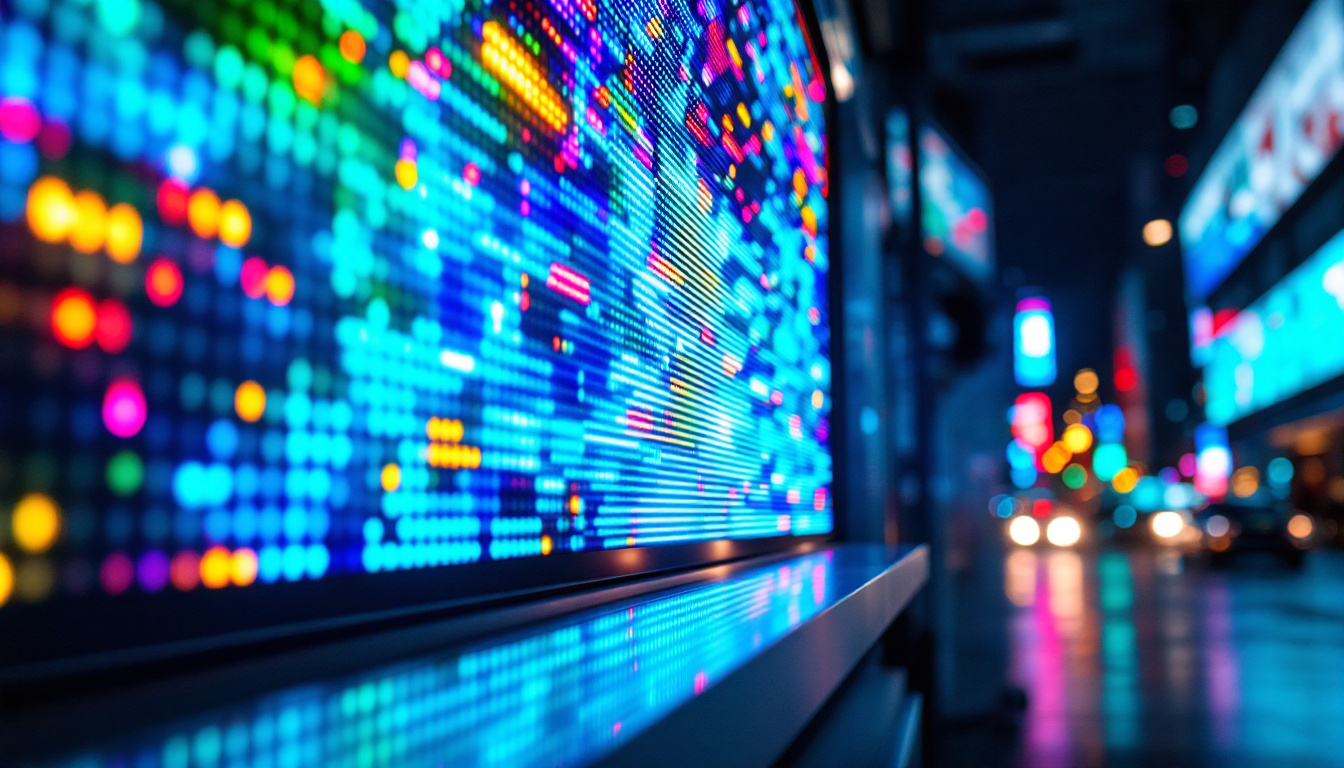
However, the term LED display is also used to describe large-scale outdoor displays composed of numerous tiny LEDs that emit light directly, such as those used in stadiums or billboards. In consumer electronics, the focus is primarily on LED-backlit LCDs. These LED-backlit displays can be further classified into two types: edge-lit and full-array. Edge-lit displays use LEDs positioned along the edges of the screen, while full-array displays have a grid of LEDs behind the entire screen, allowing for better control over brightness and contrast, particularly in darker scenes.
One of the significant advantages of LED displays is their ability to achieve higher brightness levels and deeper blacks compared to traditional LCDs. This is particularly beneficial in bright environments where visibility can be a challenge. Moreover, LED technology has paved the way for innovations such as HDR (High Dynamic Range), which enhances the contrast and color range of the images displayed. As a result, LED displays have become increasingly popular in both home entertainment systems and professional applications, offering a superior viewing experience that meets the demands of today’s multimedia consumption.
Key Differences Between LCD and LED Displays
Backlighting Technology
The most critical difference lies in the backlighting. Traditional LCDs use CCFL backlights, which are fluorescent lamps that provide uniform light but consume more power and generate more heat. LED displays use light-emitting diodes, which are more energy-efficient, have longer lifespans, and allow for thinner screen designs.
LED backlighting can be implemented in two main ways: edge-lit and full-array. Edge-lit LEDs are positioned around the edges of the screen, allowing for slimmer panels but sometimes causing uneven brightness. Full-array LED backlighting places LEDs directly behind the screen, enabling better control of brightness and contrast through local dimming. This technology not only enhances the viewing experience in dark environments but also helps in delivering more dynamic and engaging visuals, making it a preferred choice for movie enthusiasts and gamers alike.
Picture Quality and Color Accuracy
LED-backlit LCDs generally offer better picture quality compared to CCFL-backlit LCDs. The ability to control brightness locally in full-array LED displays enhances contrast ratios and produces deeper blacks. This results in more vivid images and improved color accuracy. The advancements in LED technology have also led to the development of HDR (High Dynamic Range) displays, which can reproduce a wider range of colors and brightness levels, providing a more lifelike viewing experience.
Moreover, advancements like quantum dot technology have been integrated with LED backlighting to further enhance color gamut and brightness, pushing LED displays closer to OLED performance in some cases. This integration allows for a broader spectrum of colors, making images not only more vibrant but also more true to life, appealing to photographers and graphic designers who require precise color representation in their work.
Energy Efficiency and Lifespan
LED backlights consume significantly less power than CCFLs. According to the U.S. Department of Energy, LED-backlit LCDs can be up to 40% more energy-efficient than traditional LCDs with CCFL backlights. This efficiency not only reduces electricity bills but also contributes to environmental sustainability. The reduced energy consumption is particularly beneficial in large-scale applications such as commercial displays and digital signage, where multiple screens are in operation for extended periods.
Additionally, LEDs have a longer operational lifespan, often exceeding 50,000 hours, whereas CCFL backlights typically last around 20,000 to 30,000 hours. This durability makes LED displays more reliable and cost-effective over time. The longevity of LED technology also means less frequent replacements, which can lead to lower maintenance costs and less electronic waste, further emphasizing the environmental advantages of LED displays.
Thickness and Design Flexibility
The compact size of LEDs allows manufacturers to produce thinner and lighter displays. Edge-lit LED displays can be as slim as a few millimeters, enabling sleek designs that are highly desirable in modern consumer electronics. This slimness is not only aesthetically pleasing but also enhances portability, making LED displays ideal for laptops, tablets, and ultra-thin televisions.
In contrast, CCFL backlights require more space, resulting in bulkier screens. The slim profile of LED displays also facilitates better heat dissipation, improving overall device longevity. Furthermore, the flexibility in design allows for innovative applications such as curved screens and ultra-wide monitors, catering to diverse consumer preferences and enhancing the immersive experience in gaming and cinematic viewing. As technology continues to evolve, we can expect even more groundbreaking designs that leverage the advantages of LED technology.
Types of LED Displays: Edge-Lit vs. Full-Array vs. Mini-LED
Edge-Lit LED Displays
Edge-lit LED displays place LEDs along the edges of the screen, using light guides to distribute illumination evenly across the panel. This design enables ultra-thin screens and is common in many affordable TVs and monitors.
However, edge-lit displays may suffer from uneven brightness and limited local dimming capabilities, which can affect contrast and black levels.
Full-Array LED Displays
Full-array LED displays have a grid of LEDs directly behind the screen, allowing for precise local dimming. This means sections of the screen can be dimmed or brightened independently, improving contrast and reducing light bleed.
Full-array LED displays typically offer better picture quality than edge-lit models but are usually thicker and more expensive.
Mini-LED Displays: The Next Step
Mini-LED technology is an evolution of full-array LED backlighting, using thousands of tiny LEDs to achieve even finer control over local dimming zones. This results in superior contrast, deeper blacks, and higher brightness levels.
Mini-LED displays are gaining popularity in high-end TVs, monitors, and even laptops, bridging the gap between traditional LED-backlit LCDs and OLED displays.
Common Misconceptions About LCD and LED Displays
“LED Displays Are Not LCDs”
One of the most widespread misconceptions is that LED displays are fundamentally different from LCDs. In reality, most consumer LED displays are LCD panels illuminated by LED backlights. The core technology for image formation remains liquid crystals modulating light.
“LED TVs Are Superior to LCD TVs”
While LED-backlit LCD TVs generally outperform CCFL-backlit LCD TVs in terms of energy efficiency and picture quality, the term “LED TV” is often used for marketing purposes and does not imply a different display technology. Understanding this helps consumers make informed choices based on specific features rather than marketing jargon.
Confusion with OLED Technology
Organic Light Emitting Diode (OLED) displays are a separate technology where each pixel emits its own light, eliminating the need for backlighting. OLEDs offer superior contrast and color but tend to be more expensive. Sometimes, LED displays are mistakenly compared directly with OLEDs without recognizing these fundamental differences.
Practical Implications for Consumers and Businesses
Choosing the Right Display for Your Needs
When selecting a display, understanding the difference between LCD and LED backlighting can guide better decisions. For everyday use, LED-backlit LCDs provide a balance of quality, efficiency, and affordability.
For professional applications like photo editing or video production, displays with full-array or mini-LED backlighting offer better color accuracy and contrast, which are critical for precise work.
Energy Costs and Environmental Impact
Businesses that deploy large numbers of displays, such as in retail or corporate environments, benefit from the energy savings of LED-backlit LCDs. Reduced power consumption translates into lower operating costs and a smaller carbon footprint.
Future Trends in Display Technology
The display industry continues to evolve rapidly. Mini-LED and micro-LED technologies promise even better performance, while OLED remains a strong competitor for premium devices. Understanding the current landscape helps consumers anticipate upcoming innovations and make purchases that remain relevant longer.
Conclusion: Making Sense of LCD and LED Displays
In summary, the primary difference between LCD and LED displays lies in the backlighting technology. LCD refers to the liquid crystal panel itself, which requires a light source, while LED refers to the type of backlight used—light-emitting diodes instead of fluorescent lamps. LED-backlit LCDs offer numerous advantages including improved energy efficiency, thinner designs, and enhanced picture quality.
Recognizing these distinctions enables consumers and professionals to navigate the market more effectively, avoiding confusion caused by marketing terminology. As display technologies continue to advance, staying informed about these fundamental differences will remain essential for making smart, future-proof choices.
Explore Cutting-Edge LED Displays with LumenMatrix
Now that you understand the significant advantages of LED-backlit LCD displays, it’s time to experience the future of visual technology with LumenMatrix. As a leader in innovative LED display solutions, LumenMatrix offers a wide array of products designed to meet your unique needs, from Indoor and Outdoor LED Wall Displays to specialized options like Vehicle, Sports, and Floor LED Displays. Whether you’re looking to enhance brand visibility or create immersive visual experiences, LumenMatrix has the expertise to bring your vision to life. Check out LumenMatrix LED Display Solutions today and see how we can transform your visual communication strategy.