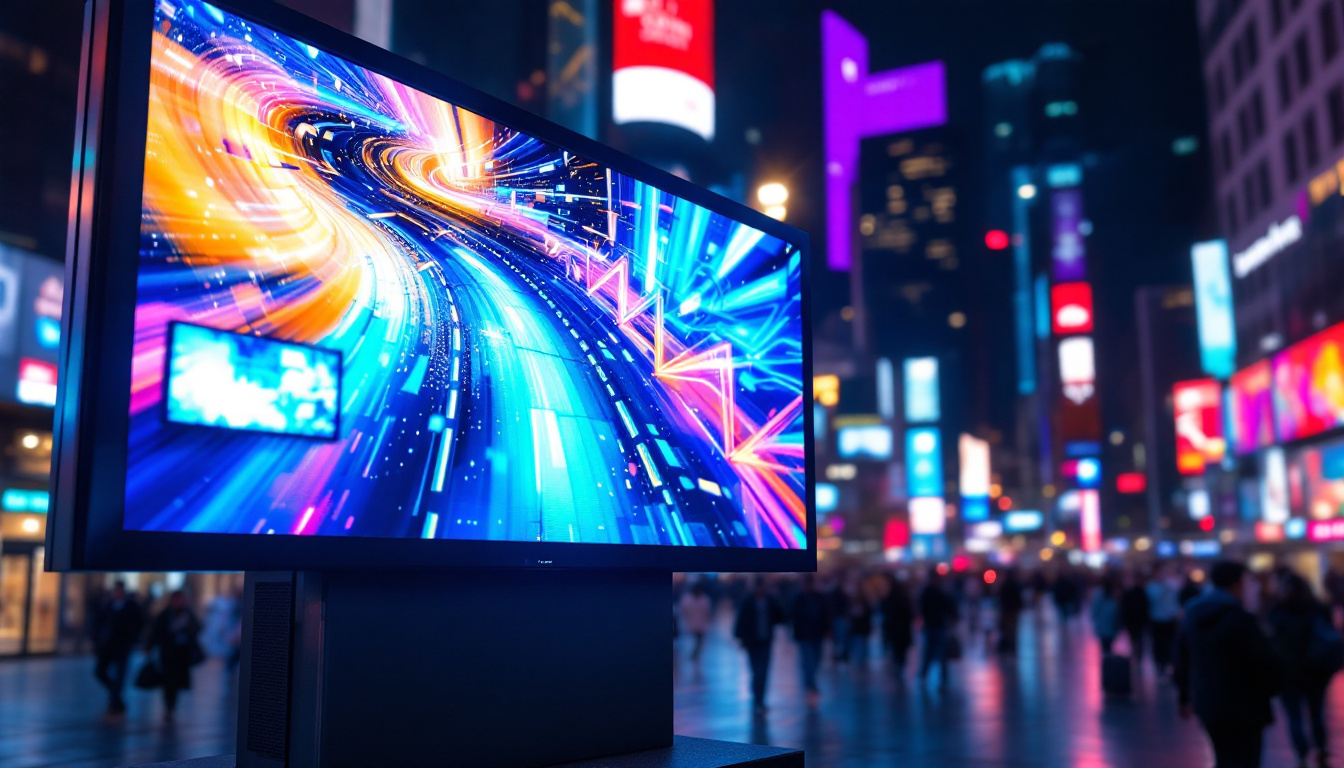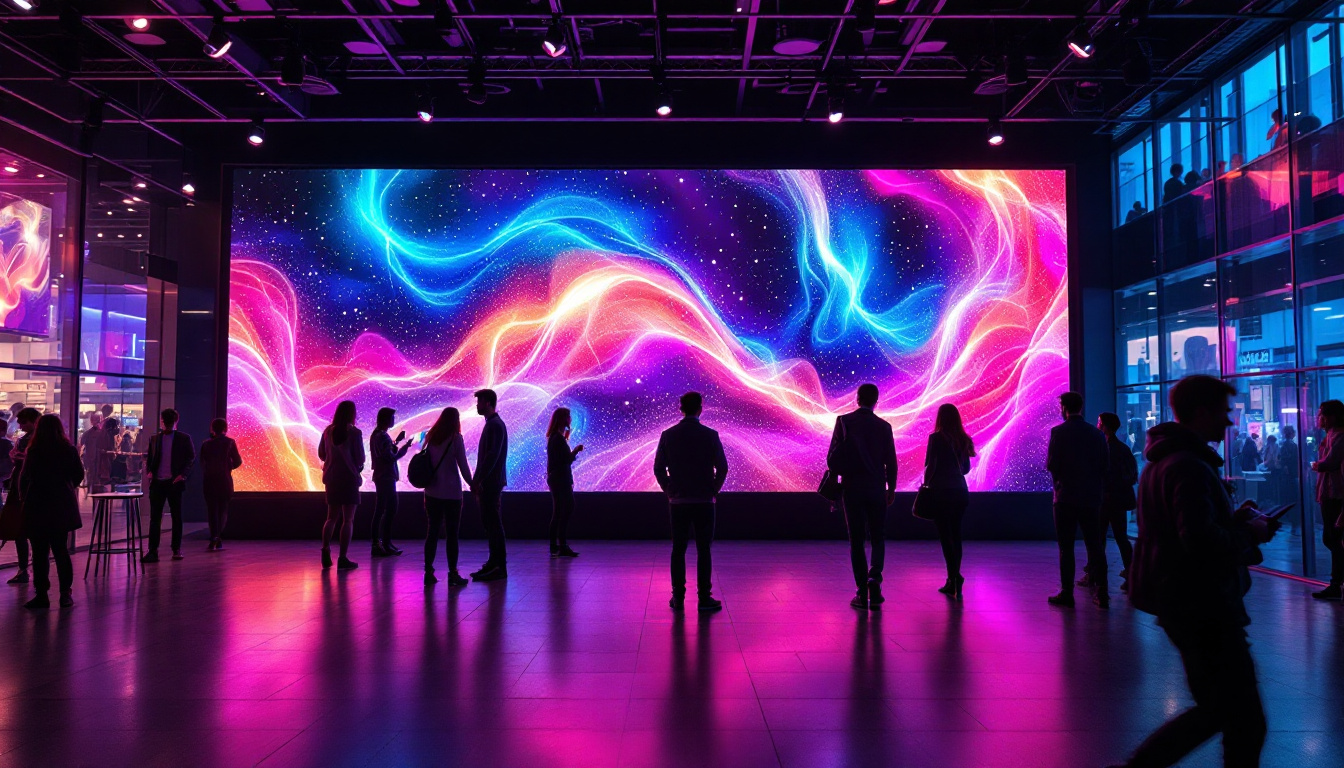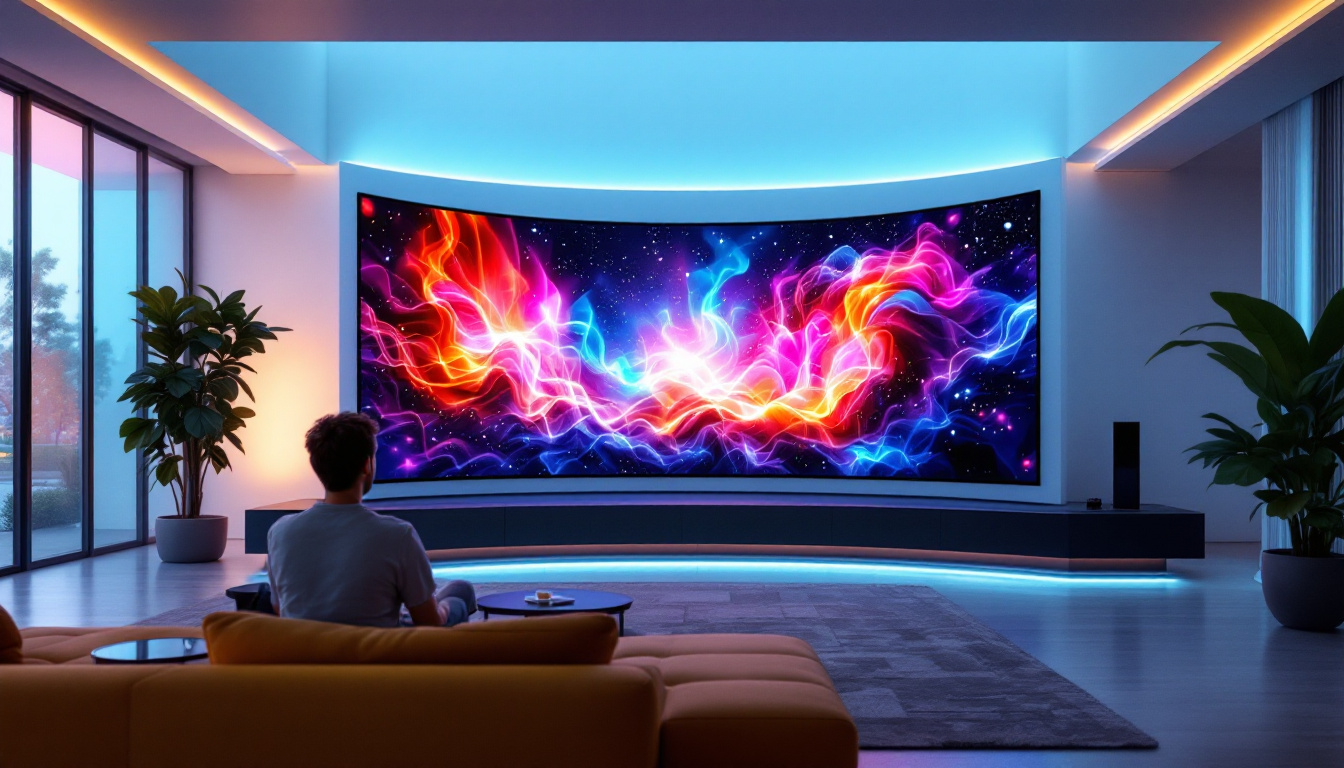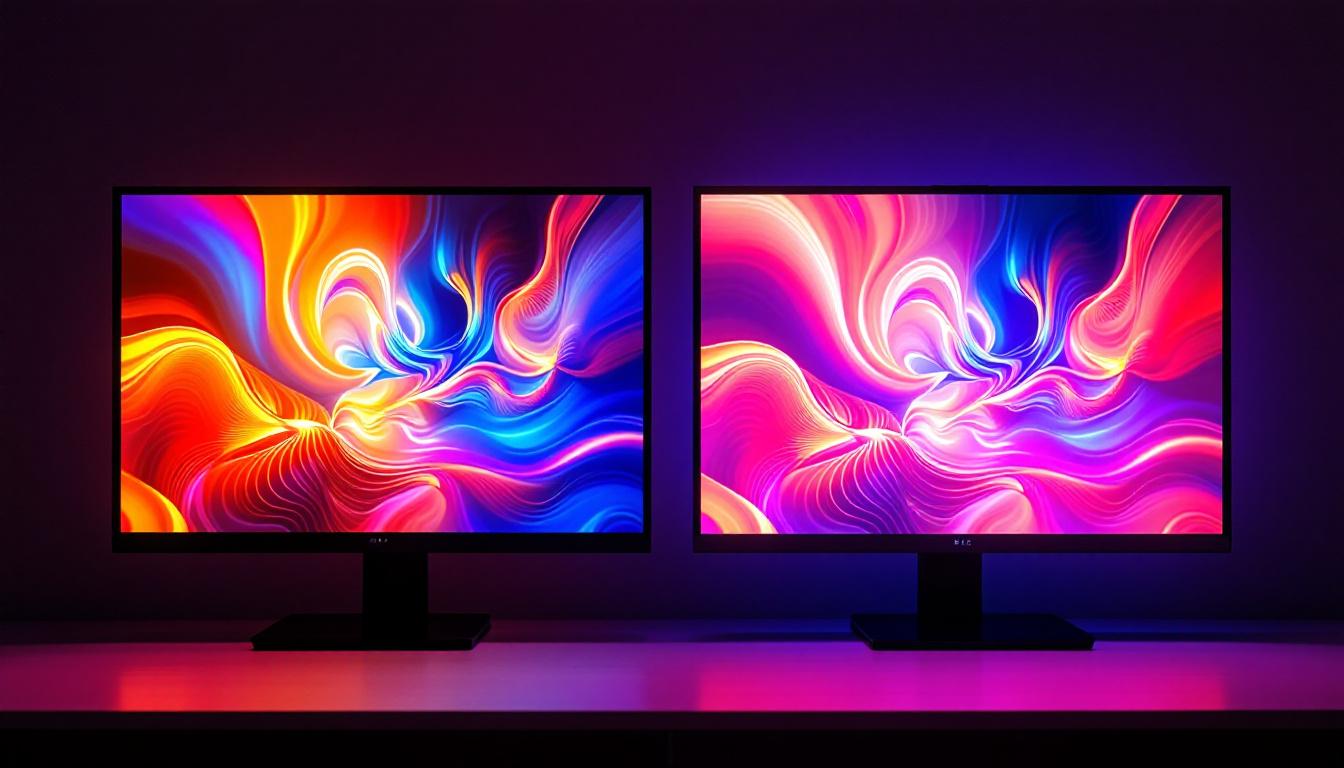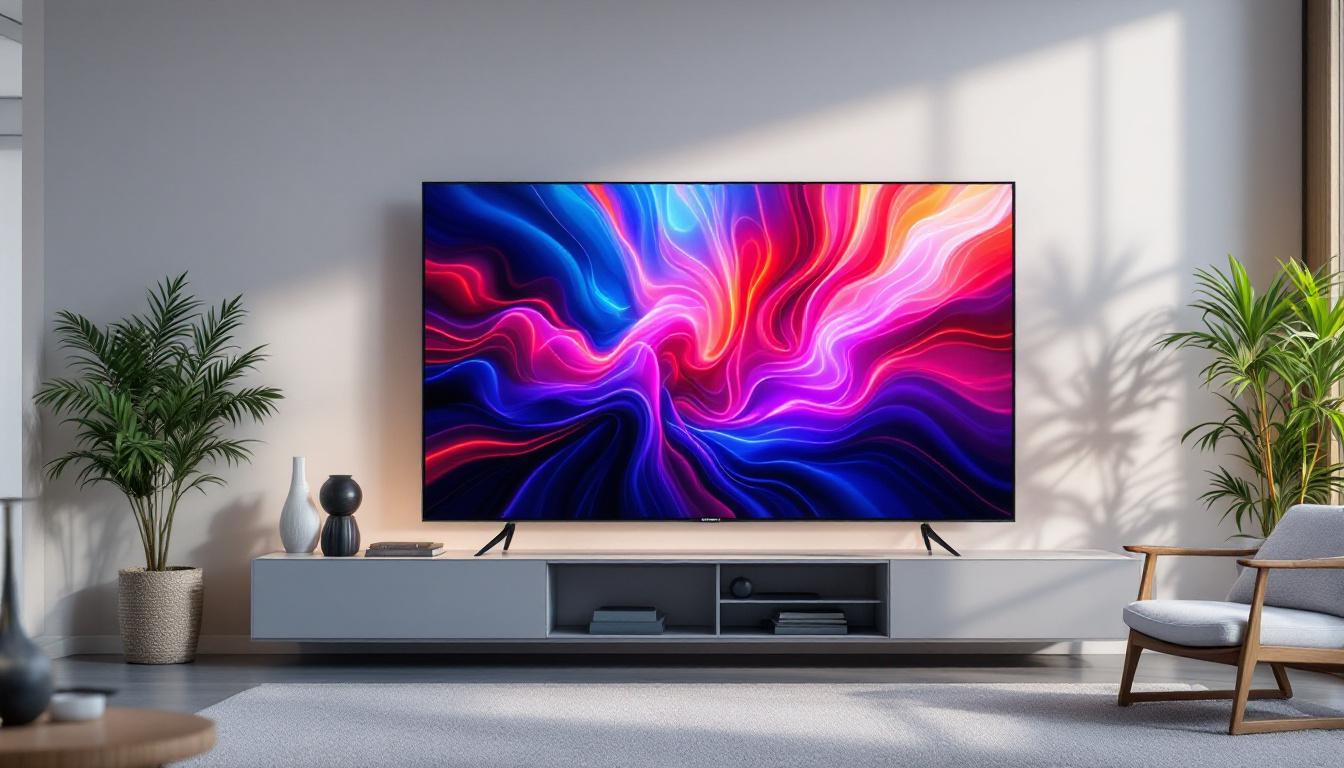
In today’s fast-paced world, capturing attention quickly and effectively is more important than ever. LED sign displays have become a cornerstone of modern advertising, information dissemination, and public communication. From vibrant billboards in Times Square to dynamic storefront signs and stadium scoreboards, LED displays are everywhere. This article provides a comprehensive explanation of LED sign displays, exploring their technology, types, applications, benefits, and future trends.
Understanding LED Technology
What is an LED?
LED stands for Light Emitting Diode, a semiconductor device that emits light when an electric current passes through it. Unlike traditional incandescent bulbs, LEDs produce light through electroluminescence, making them highly energy-efficient and long-lasting. The invention of the first practical visible-spectrum LED in the early 1960s revolutionized lighting and display technology.
Modern LEDs come in various colors, including red, green, blue, and white. By combining these basic colors, LED displays can produce millions of colors, enabling vivid, eye-catching visuals.
How LED Displays Work
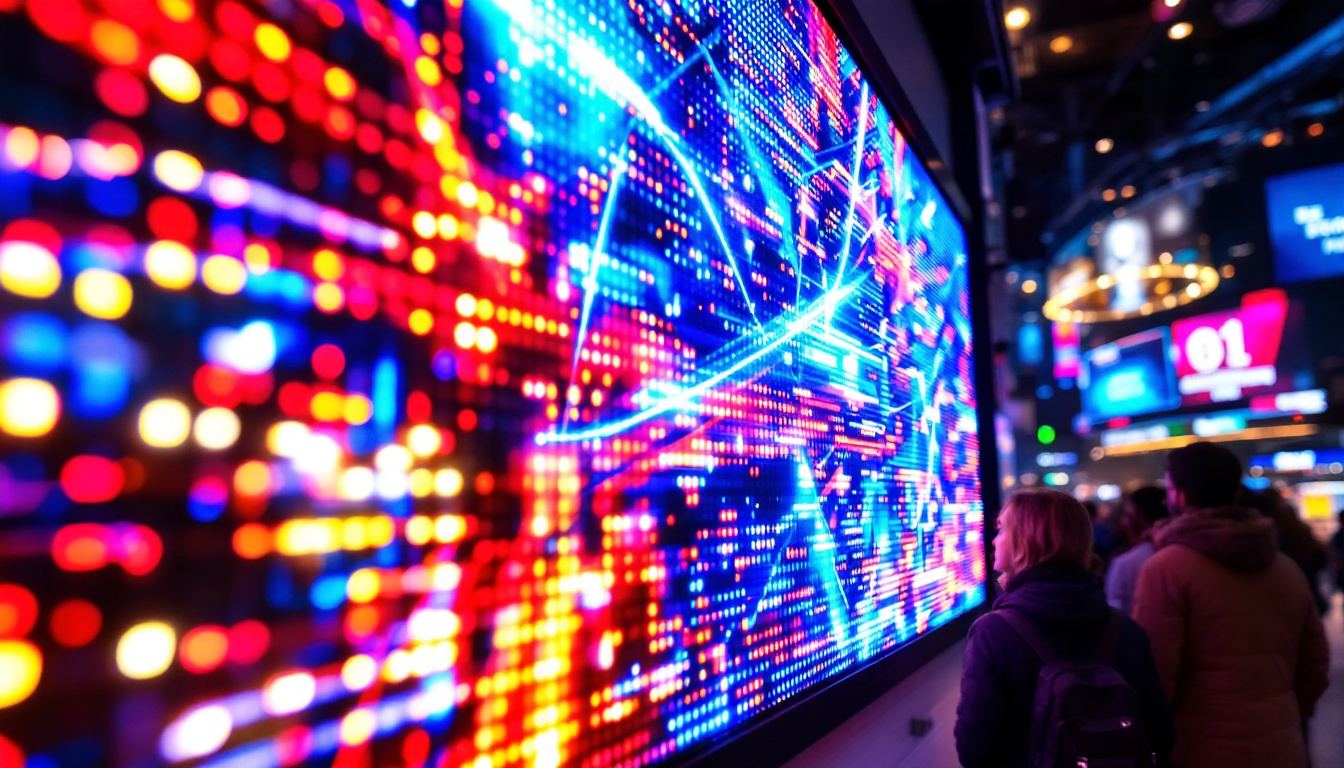
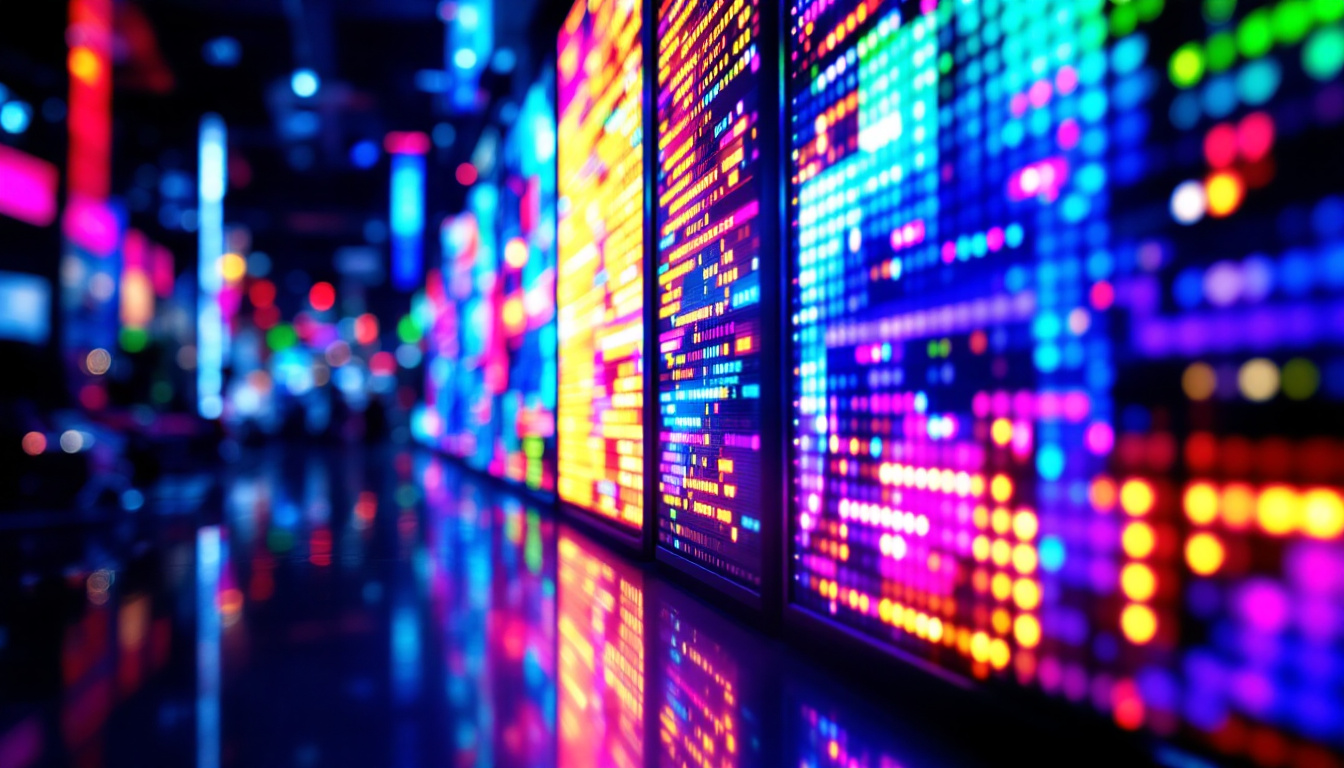
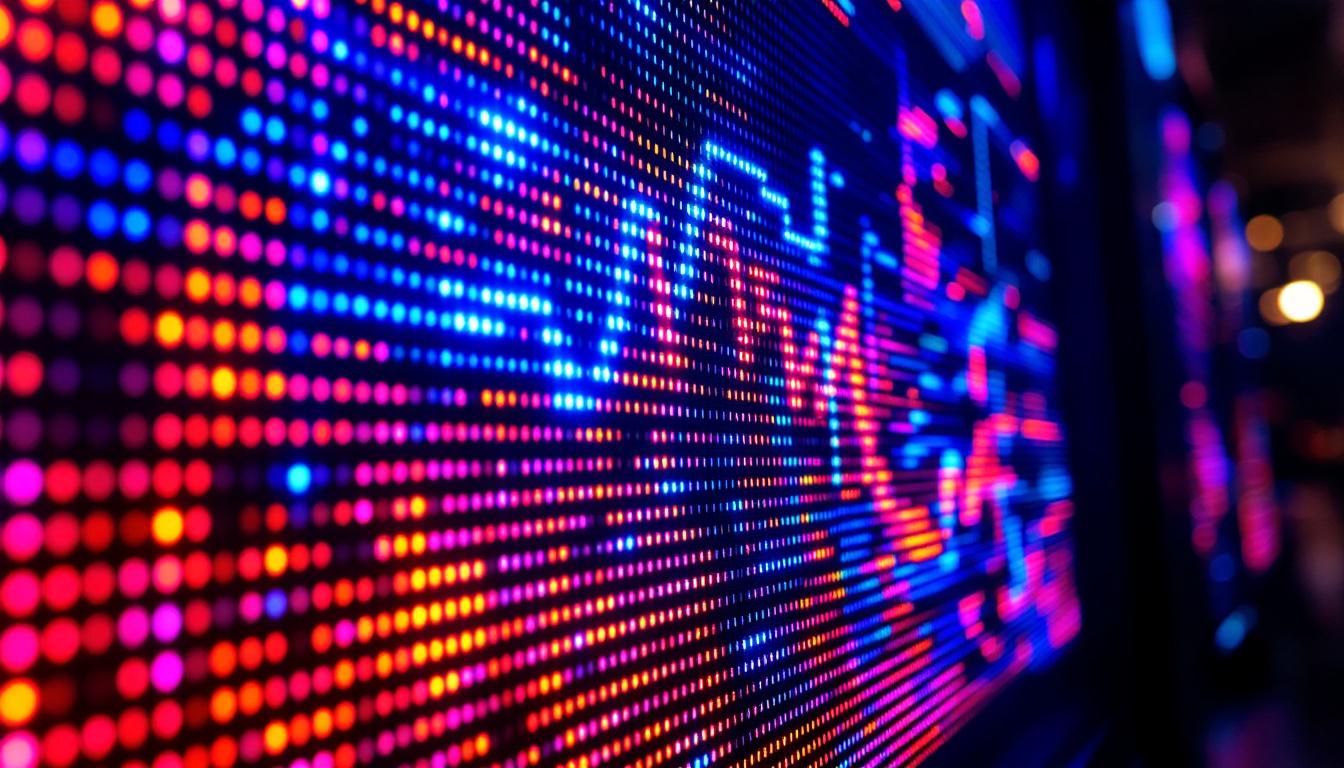
LED displays are composed of numerous tiny LEDs arranged in a grid or matrix. Each LED acts as a pixel, illuminating in different colors and intensities to form images, text, or videos. The brightness and color of each pixel are controlled electronically, allowing for dynamic content that can be updated in real-time.
There are two primary types of LED displays: direct view LED and LED-backlit LCD. Direct view LED displays use LEDs as the light source and the image pixels themselves, offering superior brightness and contrast. LED-backlit LCDs use LEDs to illuminate an LCD panel, common in televisions and monitors but less prevalent in large-scale signage.
Types of LED Sign Displays
Indoor LED Displays
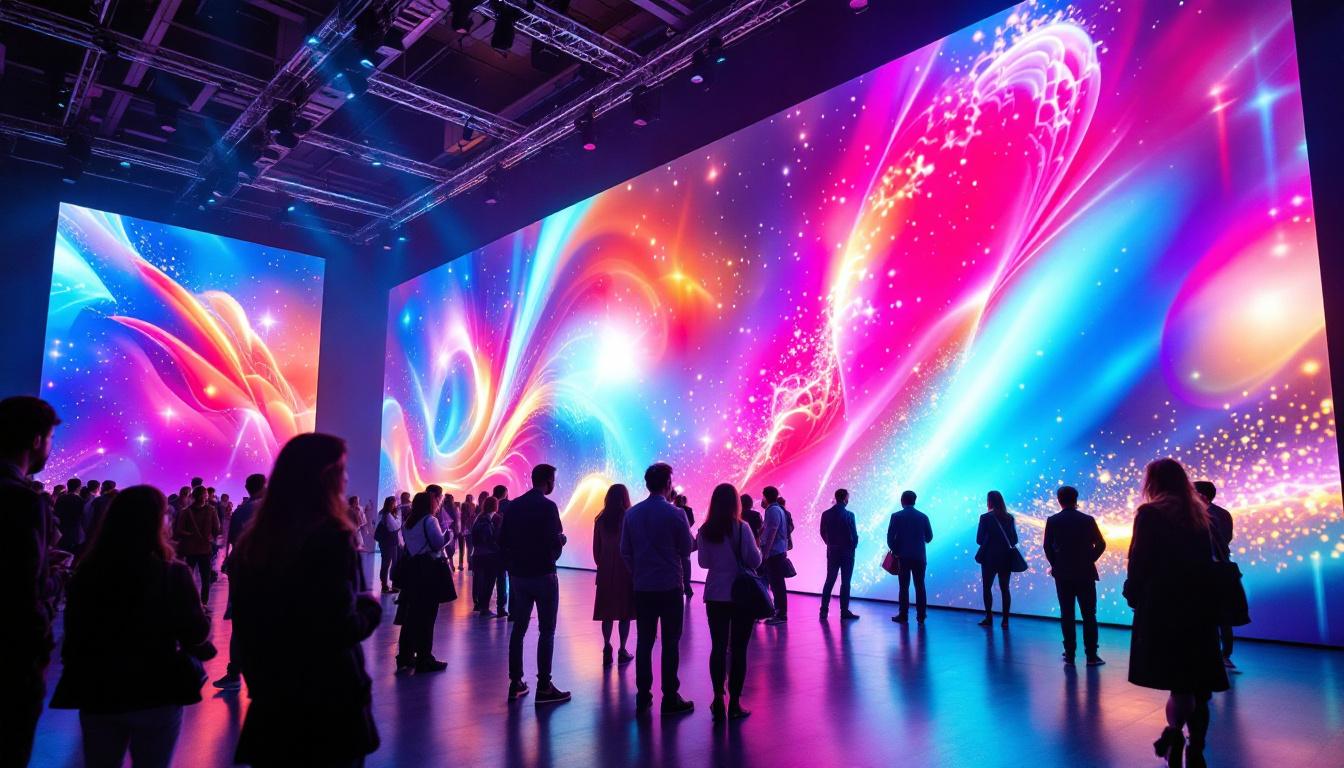
Indoor LED displays are designed for environments like retail stores, airports, conference rooms, and entertainment venues. They typically have a higher pixel density and smaller pixel pitch (the distance between LEDs) to deliver sharp images at close viewing distances. These displays excel in delivering detailed content such as videos, animations, and high-resolution graphics.
Because ambient lighting indoors is controlled, indoor LED signs do not require extremely high brightness levels, which helps reduce power consumption and heat generation.
Outdoor LED Displays
Outdoor LED displays are built to withstand harsh environmental conditions such as rain, wind, dust, and extreme temperatures. They are commonly used for billboards, traffic signs, stadium screens, and public information boards. These displays feature higher brightness levels—often exceeding 5,000 nits—to remain visible under direct sunlight.
Durability is a key factor, so outdoor LED signs use weatherproof enclosures and robust materials. Additionally, they often incorporate sensors to adjust brightness automatically based on ambient light, ensuring optimal visibility day and night.
Flexible and Transparent LED Displays
Recent innovations have introduced flexible LED displays that can curve or wrap around surfaces, enabling creative architectural and advertising applications. Transparent LED displays allow light to pass through, making them ideal for glass windows and storefronts without obstructing views.
These advanced types of LED displays open new possibilities for designers and marketers, blending technology seamlessly into environments while maintaining high visual impact.
Applications of LED Sign Displays
Advertising and Marketing
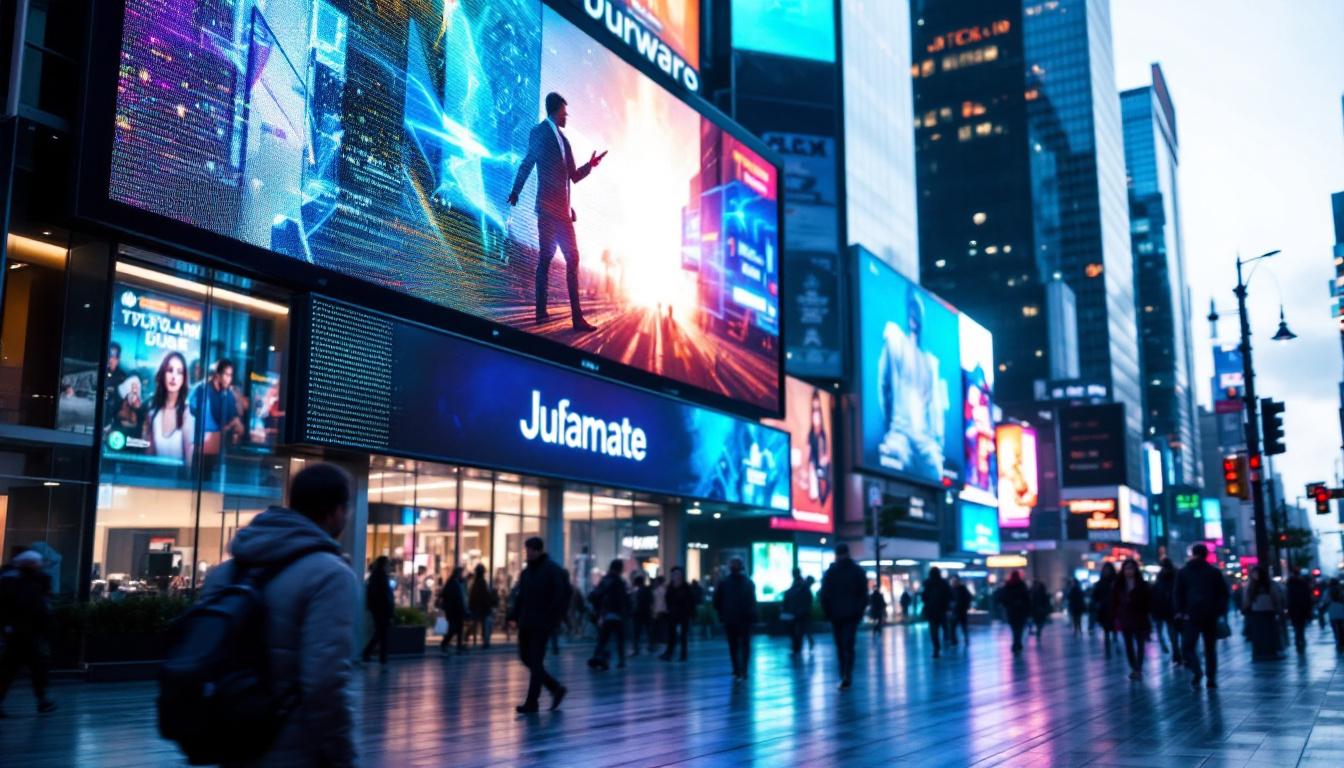
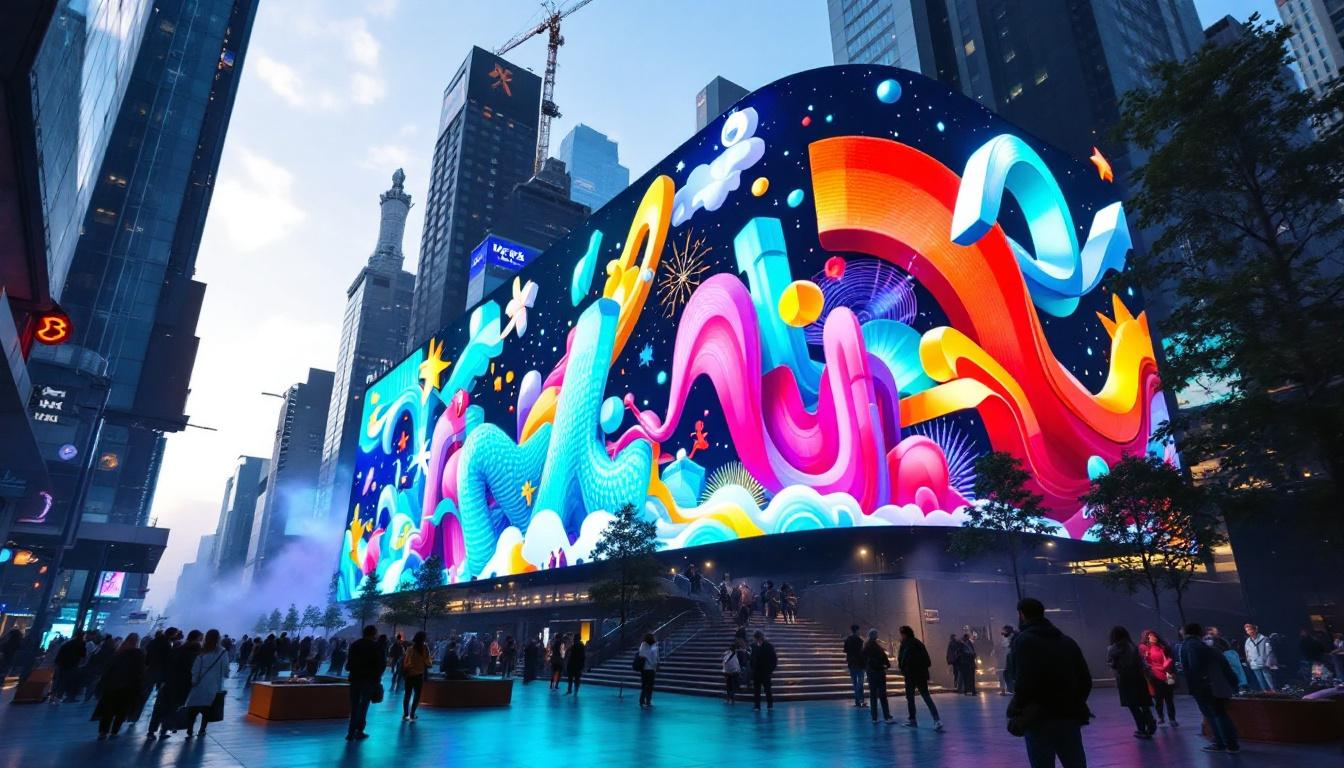
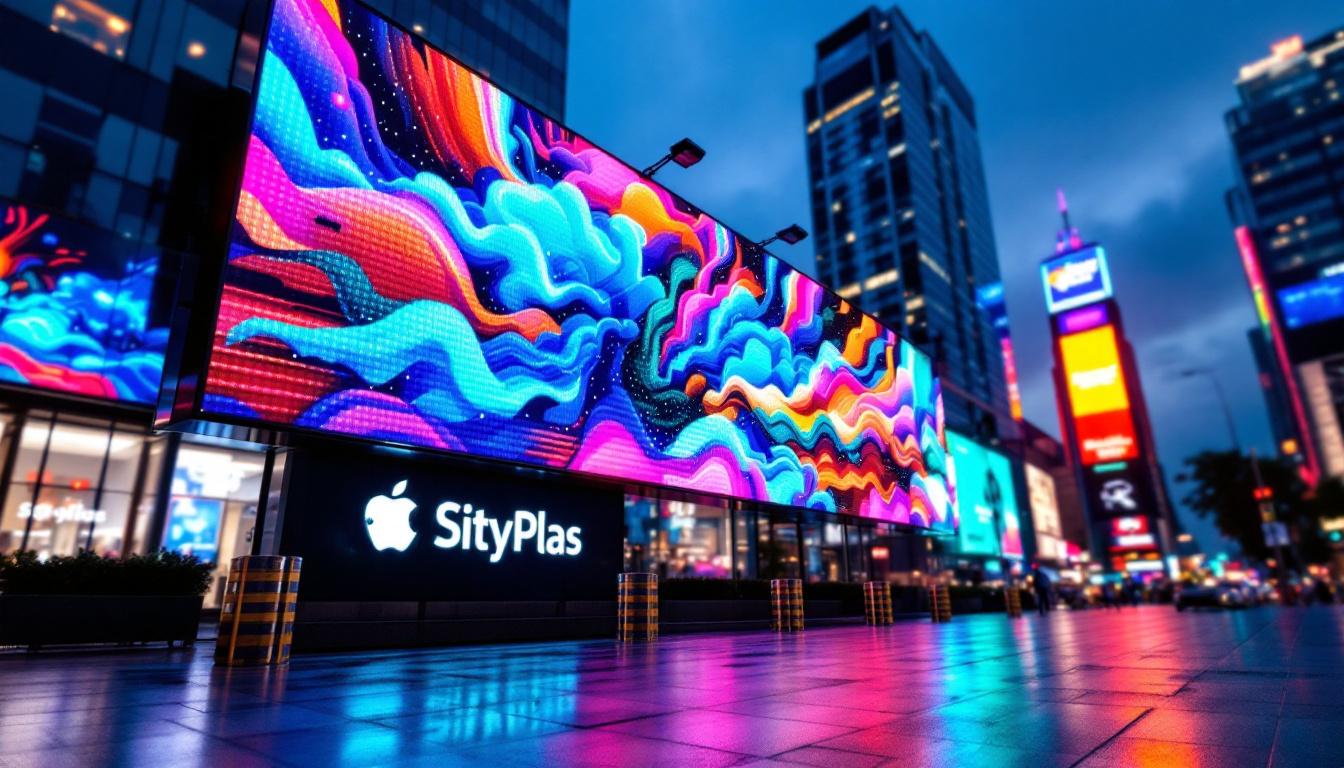
One of the most widespread uses of LED sign displays is in advertising. LED billboards and digital signage offer advertisers the ability to deliver dynamic, attention-grabbing content that can be updated instantly. According to recent studies, digital out-of-home advertising using LED displays has grown by over 15% annually, driven by its effectiveness in engaging consumers.
LED signs allow for targeted messaging, time-based promotions, and interactive campaigns, making them invaluable tools for brands seeking to maximize their marketing ROI.
Public Information and Safety
LED displays play a critical role in public safety and information dissemination. Traffic signs, emergency alerts, and transit information boards rely on LED technology for clear, visible communication. Their ability to display real-time updates helps manage traffic flow, inform commuters, and broadcast urgent messages during emergencies.
For example, variable message signs (VMS) on highways use LED displays to warn drivers about accidents, road closures, or weather conditions, contributing to safer travel.
Entertainment and Events
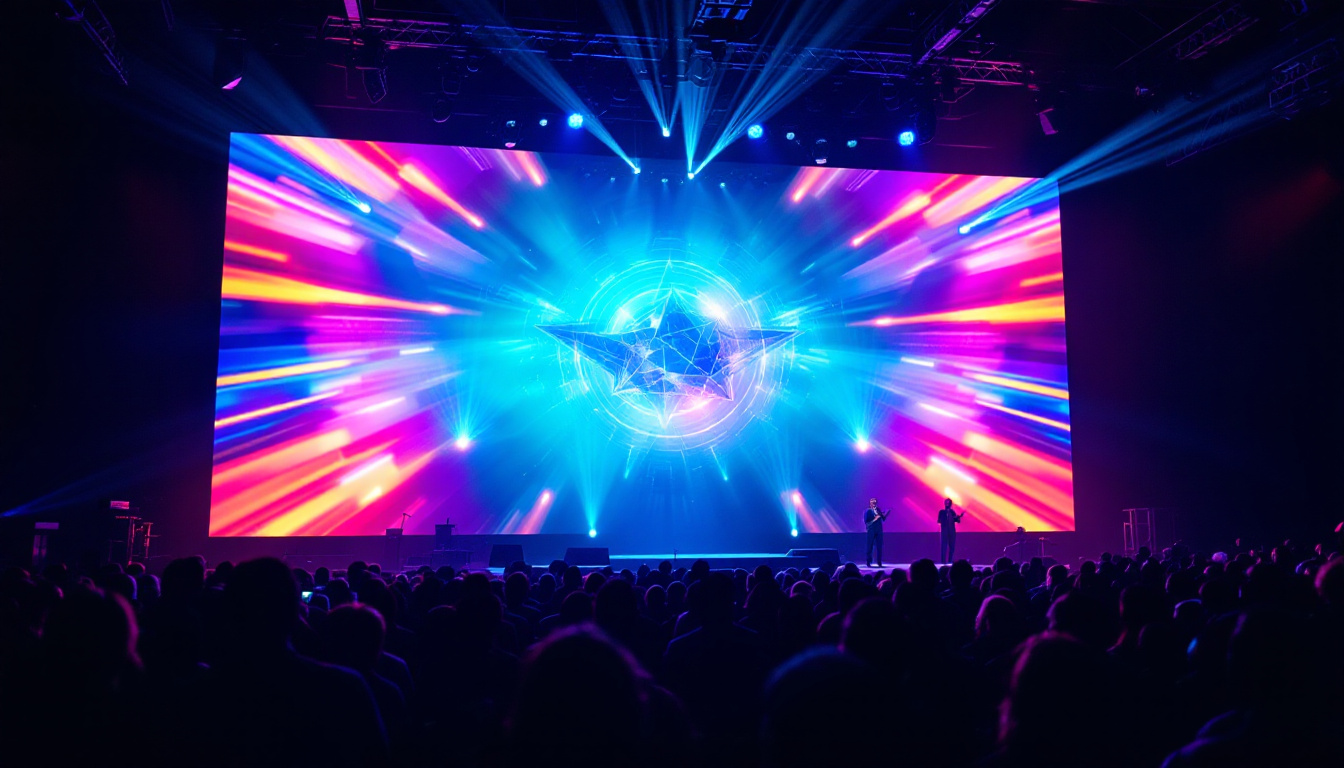
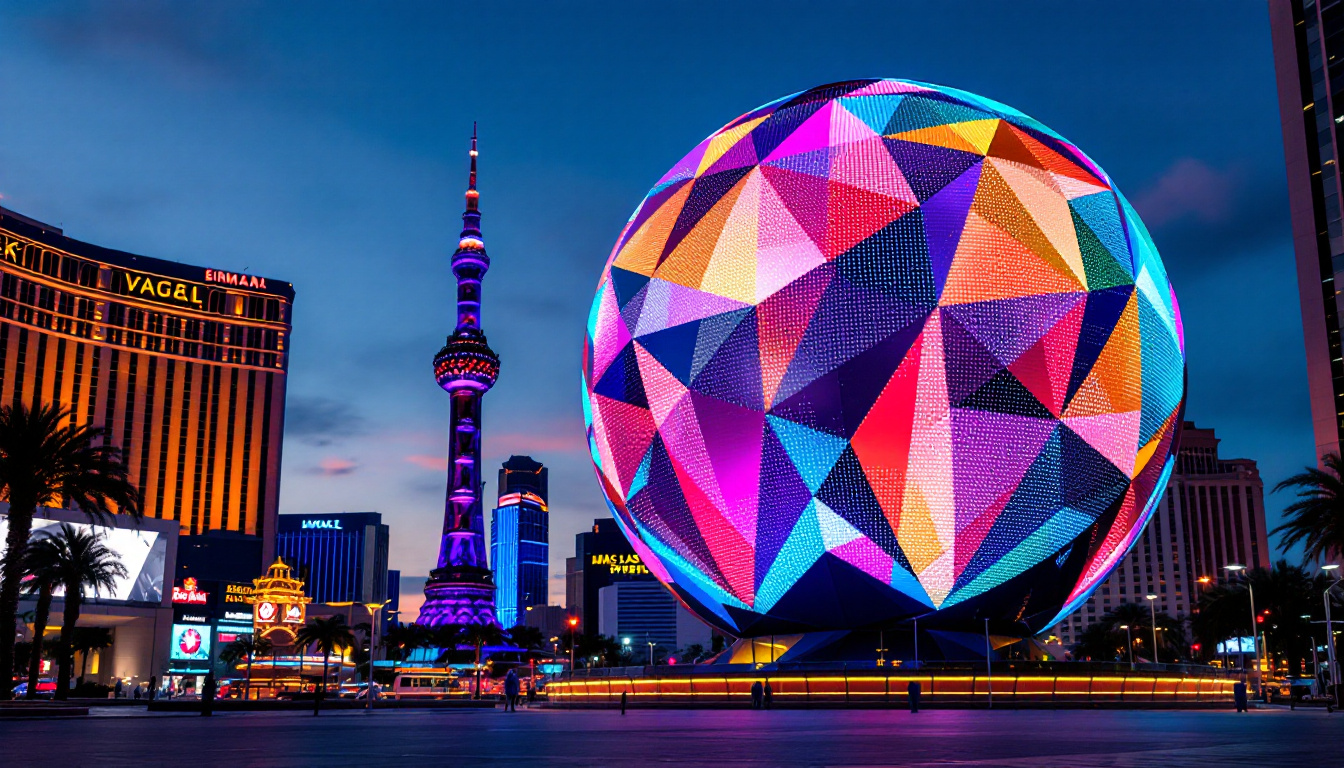
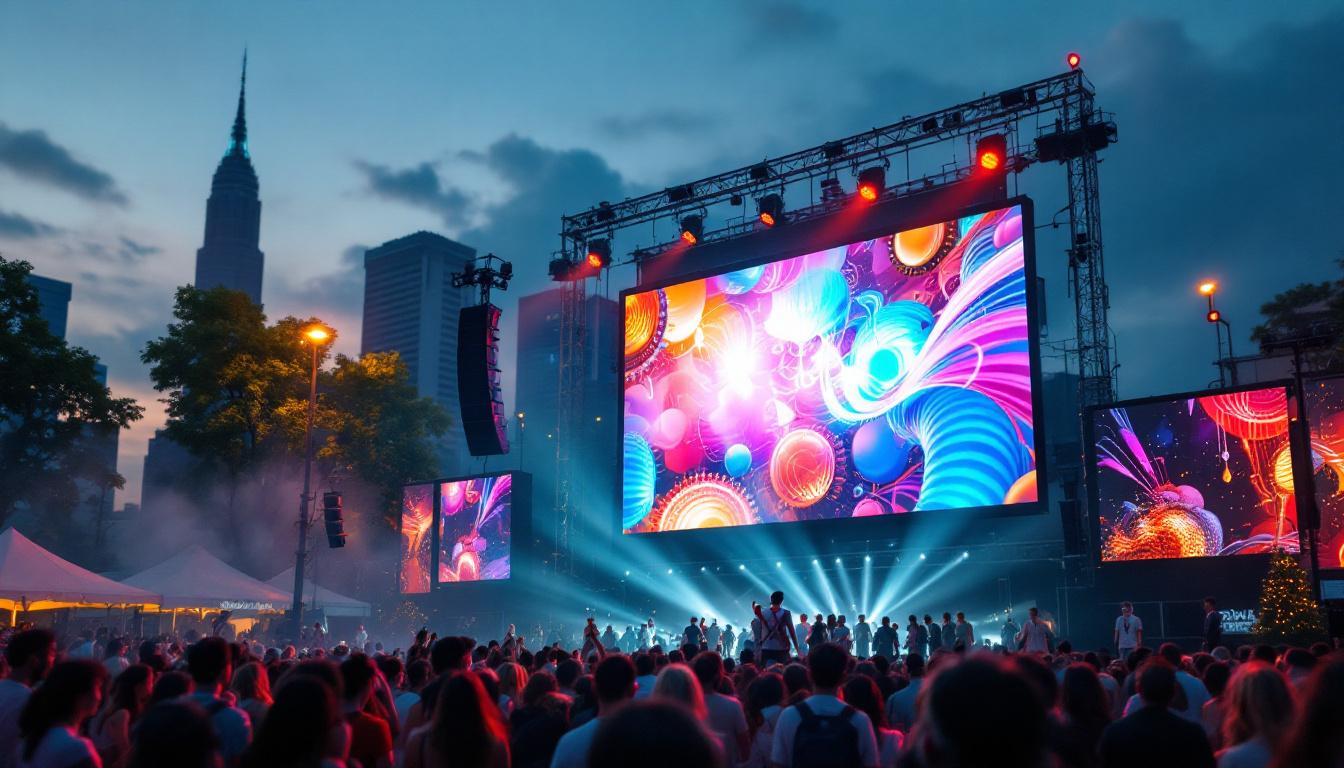
Stadiums, concert venues, and theaters utilize large-scale LED screens to enhance the audience experience. These displays provide live video feeds, scoreboards, and interactive content, ensuring that every spectator has a clear view regardless of their seat location.
The flexibility of LED displays also enables immersive visual effects and branding opportunities during events, making them an essential component of modern entertainment production.
Corporate and Retail Environments
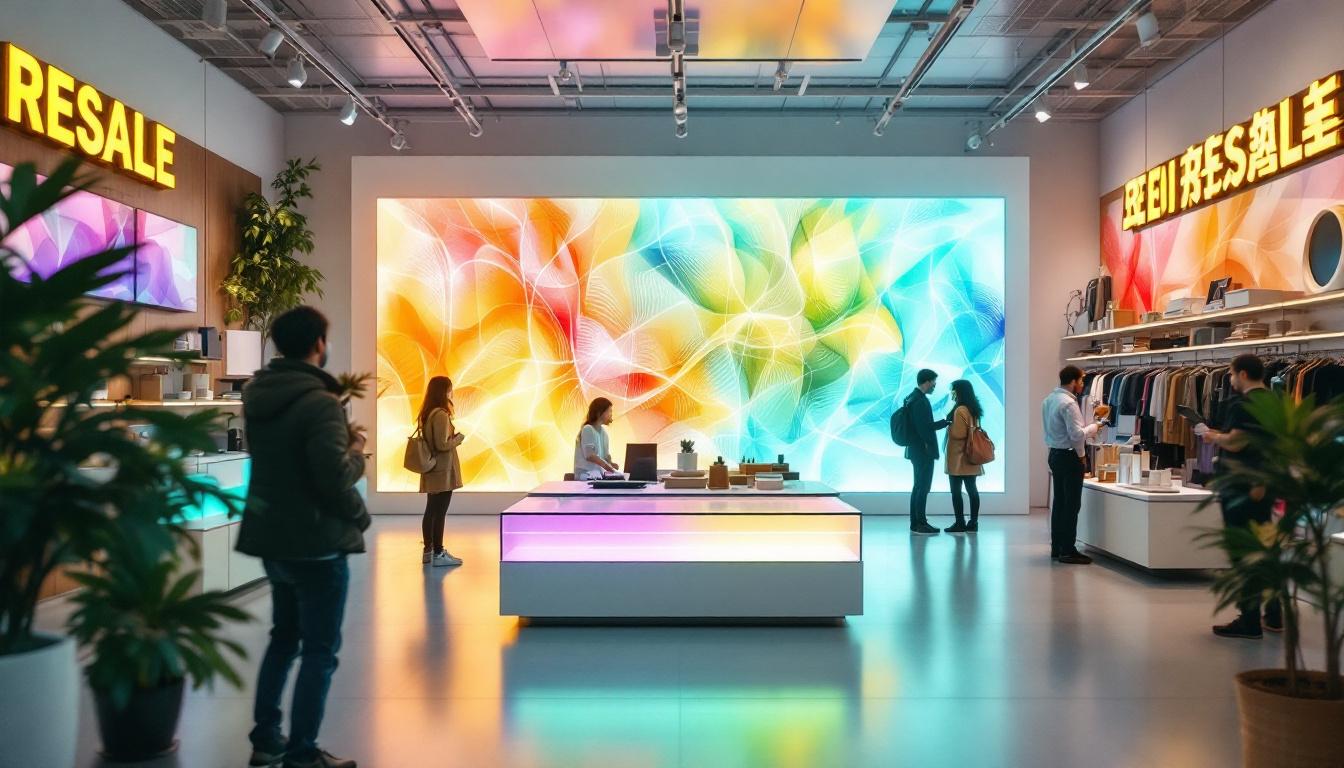
In corporate settings, LED displays are used for presentations, video conferencing, and digital signage in lobbies and meeting rooms. Retailers employ LED signs to attract customers, showcase promotions, and create engaging in-store experiences.
The ability to integrate LED displays with other digital systems, such as inventory management or customer analytics, enhances their utility and effectiveness in business operations.
Benefits of LED Sign Displays
Energy Efficiency and Longevity
Compared to traditional lighting and display technologies, LEDs consume significantly less power. This energy efficiency translates into lower operating costs and reduced environmental impact. Many LED displays can operate continuously for tens of thousands of hours without significant degradation, minimizing maintenance expenses.
For businesses and municipalities, these factors make LED signage an economically and ecologically sound investment.
High Brightness and Visibility
LED displays offer superior brightness levels, ensuring visibility in various lighting conditions, including direct sunlight. Their high contrast ratios and vibrant colors make content more legible and engaging, which is crucial for advertising effectiveness and public communication.
Advanced LED displays also feature wide viewing angles, allowing content to be seen clearly from multiple directions.
Flexibility and Customization
LED sign displays can be customized in size, shape, resolution, and color capabilities to suit specific needs. Whether it’s a small menu board or a massive outdoor billboard, LED technology adapts to diverse applications.
Content can be updated remotely and instantly, enabling dynamic messaging and real-time interaction with audiences. This flexibility is a significant advantage over static signage.
Durability and Reliability
LED displays are built to withstand environmental challenges and continuous operation. Their solid-state construction makes them less prone to damage from shock or vibration compared to traditional bulbs. Weatherproof designs ensure reliable performance outdoors, even in extreme conditions.
These attributes contribute to the widespread adoption of LED signage in demanding environments.
Key Considerations When Choosing an LED Sign Display
Pixel Pitch and Resolution
The pixel pitch, measured in millimeters, defines the distance between individual LEDs. A smaller pixel pitch means higher resolution and sharper images, which is essential for close viewing distances. For example, indoor displays often use pixel pitches as low as 1.2mm, while outdoor billboards may have pitches of 10mm or more.
Choosing the right pixel pitch depends on the viewing distance and the type of content to be displayed.
Brightness and Contrast Ratio
Brightness is critical for visibility, especially outdoors. LED displays are rated in nits, with outdoor displays typically requiring 5,000 to 10,000 nits or higher. Contrast ratio—the difference between the brightest and darkest parts of the image—also affects image clarity and impact.
Advanced displays use technologies like local dimming and high dynamic range (HDR) to enhance contrast and color accuracy.
Control Systems and Software
Modern LED sign displays come with sophisticated control systems that allow users to manage content remotely, schedule playlists, and integrate with other digital platforms. User-friendly software interfaces simplify content creation and deployment, making it accessible even for non-technical users.
Compatibility with various media formats, real-time data feeds, and interactive capabilities are additional features to consider.
Installation and Maintenance
Proper installation is crucial for optimal performance and longevity. Factors such as mounting structure, power supply, ventilation, and access for maintenance should be planned carefully. Many manufacturers offer modular designs that facilitate easier repairs and upgrades.
Regular maintenance, including cleaning and software updates, helps ensure consistent performance over time.
The Future of LED Sign Displays
Advancements in Mini-LED and Micro-LED
Emerging technologies like Mini-LED and Micro-LED promise even higher resolution, brightness, and energy efficiency. Micro-LED displays, composed of microscopic LEDs, offer exceptional color accuracy and contrast without the burn-in issues associated with OLEDs.
These innovations are expected to expand the possibilities for LED signage, from ultra-high-definition displays to flexible and transparent panels with enhanced performance.
Integration with IoT and Smart Technologies
LED sign displays are increasingly integrated with Internet of Things (IoT) devices and smart city infrastructure. This connectivity enables real-time data-driven content, such as weather updates, traffic conditions, and personalized advertising based on audience demographics.
Smart LED signage can also interact with mobile devices, creating interactive experiences that engage consumers more deeply.
Sustainability and Environmental Impact
As environmental concerns grow, manufacturers are focusing on sustainable materials, energy-saving designs, and recycling programs for LED displays. Innovations in power management and renewable energy integration aim to reduce the carbon footprint of digital signage.
Consumers and businesses alike are increasingly valuing eco-friendly solutions, making sustainability a key driver in the future development of LED sign displays.
Conclusion
LED sign displays have transformed the way information and advertising are presented in public and private spaces. Their energy efficiency, versatility, brightness, and durability make them an ideal choice for a wide range of applications, from retail marketing to public safety. Understanding the technology behind LEDs, the different types of displays, and the factors to consider when selecting a display can help businesses and organizations make informed decisions.
With ongoing advancements in LED technology and integration with smart systems, the future of LED sign displays looks brighter than ever. As this technology continues to evolve, it will remain a vital tool for communication, engagement, and innovation across industries worldwide.
Discover LumenMatrix’s Innovative LED Solutions
Ready to elevate your visual communication with cutting-edge technology? LumenMatrix offers a diverse range of LED display modules tailored to meet your specific needs. Whether you’re looking to enhance your brand visibility with an Indoor LED Wall Display, captivate passersby with an Outdoor LED Wall Display, or create dynamic visual experiences with our Custom LED and Transparent Displays, we have the solution for you. Embrace the future of advertising and public engagement with LumenMatrix’s advanced LED display solutions. Check out LumenMatrix LED Display Solutions today and transform your space into a beacon of innovation.