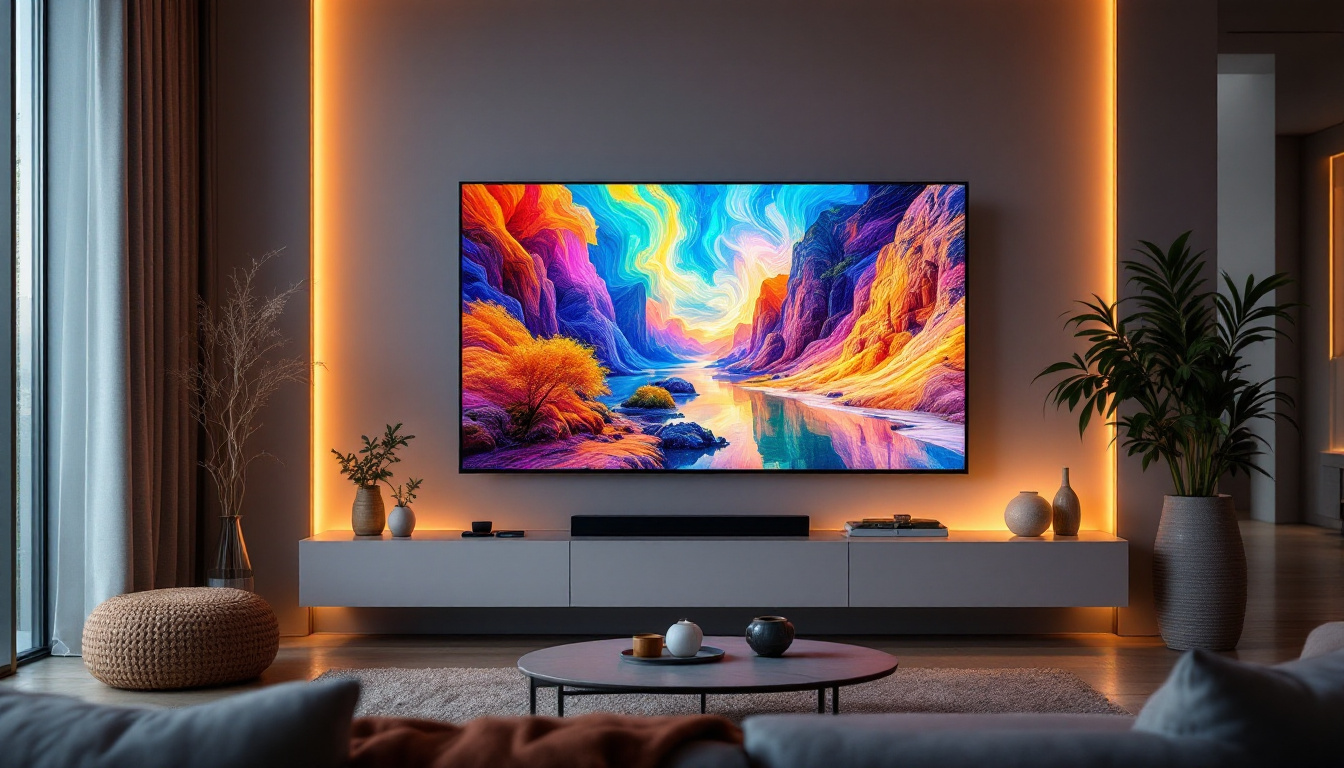
Understanding the relationship between sheet rock thickness and LED display installation is essential for architects, contractors, and interior designers aiming to achieve flawless, durable, and visually appealing results. Sheet rock, commonly known as drywall, serves as a critical substrate for mounting LED displays in commercial and residential spaces. This article delves into the nuances of sheet rock thickness, its impact on LED display performance, installation best practices, and key considerations for selecting the right materials.
What Is Sheet Rock and Why Thickness Matters
Sheet rock is a panel made of gypsum plaster pressed between two thick sheets of paper. It is widely used in the construction industry for creating walls and ceilings due to its affordability, fire resistance, and ease of installation. Thickness is a fundamental attribute of sheet rock that influences its structural integrity, soundproofing capabilities, and suitability for mounting fixtures such as LED displays.
The most common sheet rock thicknesses are 1/4 inch, 3/8 inch, 1/2 inch, and 5/8 inch. Each thickness serves different purposes depending on the application. For example, 1/2 inch is standard for interior walls, while 5/8 inch is often used for ceilings or walls requiring enhanced fire resistance and soundproofing. The choice of thickness can also impact the overall aesthetic of a room; thicker panels can provide a more solid feel, which can be particularly beneficial in high-traffic areas or spaces where noise reduction is a priority.
When installing LED displays, the thickness of the sheet rock affects not only the ease of mounting but also the stability and longevity of the installation. Thinner sheet rock may not provide sufficient support, leading to potential damage or safety hazards over time. Additionally, the installation process can vary based on thickness; for instance, thicker panels may require specialized tools or techniques to ensure a secure fit. Understanding the specific requirements of your project, including the weight and size of the LED display, is crucial for selecting the appropriate sheet rock thickness.
Moreover, the choice of sheet rock thickness can also influence insulation properties and energy efficiency. Thicker panels can help create a more insulated environment, reducing heating and cooling costs over time. This aspect is particularly important in regions with extreme weather conditions, where maintaining a stable indoor climate is essential. Furthermore, advancements in sheet rock technology have led to the development of specialized types, such as moisture-resistant or mold-resistant panels, which can be particularly advantageous in areas prone to humidity or water exposure. These innovations ensure that the material not only meets structural needs but also adapts to various environmental challenges, enhancing the overall durability of the construction.
How Sheet Rock Thickness Influences LED Display Installation
Structural Support and Weight Distribution
LED displays vary widely in size and weight. A small, lightweight panel might be easily supported by standard 1/2 inch sheet rock, but larger, heavier displays require a more robust substrate. The thickness of the sheet rock contributes to its ability to distribute the weight of the LED display evenly.
For instance, a 5/8 inch sheet rock offers better rigidity and resistance to sagging or cracking under load. This is particularly important in commercial settings where LED walls can span several feet and weigh hundreds of pounds. Without adequate thickness, the sheet rock may fail, causing costly repairs and downtime.
Mounting Hardware Compatibility
Another critical factor is the compatibility of mounting hardware with the sheet rock thickness. Standard anchors and screws are designed for specific thicknesses to ensure secure fastening. Using anchors meant for 1/2 inch drywall on thinner panels can lead to loose fittings and unstable displays.
For LED installations, it is advisable to use anchors rated for the specific thickness of the sheet rock or to reinforce the wall with backing materials such as plywood or metal studs. This approach ensures that the mounting points can withstand the dynamic forces of the display, including vibrations and occasional impacts.
Surface Finish and Aesthetic Considerations
Beyond structural concerns, the thickness of sheet rock also affects the final appearance of the LED display installation. Thicker drywall allows for cleaner edges, better alignment, and smoother finishes around the display perimeter. This is essential for high-end installations where aesthetics are paramount.
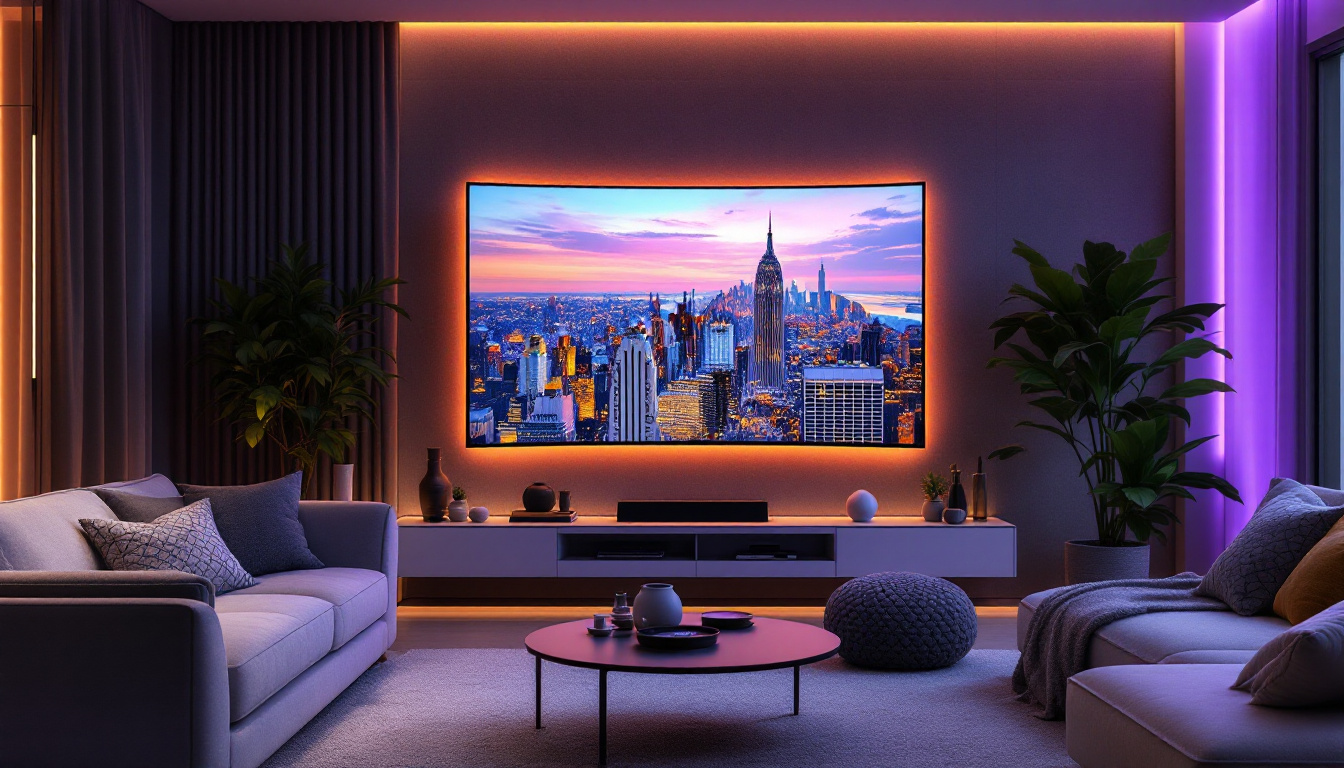
Furthermore, thicker sheet rock can accommodate recessed LED displays more effectively, enabling flush mounting that integrates seamlessly with the wall surface. This technique is popular in modern interior design, creating a sleek, minimalist look.
Choosing the Right Sheet Rock Thickness for LED Displays
Standard Recommendations Based on Display Size and Weight
Industry guidelines suggest selecting sheet rock thickness based on the size and weight of the LED display. For small displays under 50 pounds, 1/2 inch drywall is typically sufficient when mounted on standard framing. For medium-sized displays ranging from 50 to 150 pounds, 5/8 inch drywall is recommended to provide additional strength and durability.
For large LED walls exceeding 150 pounds, it is advisable to combine 5/8 inch sheet rock with additional structural reinforcement such as plywood backing or metal framing. This ensures the wall can safely bear the load without compromising integrity.
Fire and Sound Ratings Impacting Thickness Choice
Many commercial installations require compliance with fire and sound codes. Thicker sheet rock, particularly 5/8 inch panels, often carry enhanced fire resistance ratings (Type X drywall) and improved sound-dampening properties. When LED displays are installed in public spaces like conference rooms, theaters, or retail environments, these factors become critical.
Choosing the appropriate thickness not only supports the display physically but also helps meet regulatory standards, contributing to occupant safety and comfort.
Environmental and Moisture Considerations
In areas prone to moisture, such as basements or bathrooms, moisture-resistant sheet rock (green board or cement board) is preferred. These panels often come in 1/2 inch or 5/8 inch thicknesses and provide a stable base for LED displays in humid environments.
Using the correct thickness in conjunction with moisture-resistant materials prevents warping, mold growth, and deterioration that could jeopardize the LED display’s functionality and appearance.
Installation Best Practices for Mounting LED Displays on Sheet Rock
Pre-Installation Wall Assessment
Before mounting an LED display, a thorough assessment of the sheet rock and underlying wall structure is essential. This includes checking for existing damage, verifying thickness, and confirming the presence of studs or reinforcements behind the drywall.
Stud finders and moisture meters are invaluable tools for this step, helping installers avoid weak spots and ensuring a secure foundation for the display.
Using Proper Anchors and Reinforcements
Selecting the right anchors is critical for a successful installation. Toggle bolts, molly bolts, and heavy-duty anchors designed for 5/8 inch drywall provide superior holding power compared to standard plastic anchors used in thinner sheet rock.
For heavier LED displays, installers often reinforce the mounting area with plywood backing or metal plates attached directly to the studs. This creates a solid mounting surface that distributes the load evenly and reduces stress on the drywall.
Ensuring Level and Secure Mounting
Precision during installation is key to achieving a professional look and preventing long-term issues. Using laser levels and mounting templates helps position the LED display accurately, while torque-controlled drills prevent over-tightening screws that could damage the drywall.
Additionally, installers should allow for slight adjustments to accommodate wiring and ventilation requirements, ensuring the display operates efficiently and safely.
Common Challenges and Solutions in Sheet Rock and LED Display Installations
Dealing with Thin or Damaged Sheet Rock
One of the most frequent challenges is encountering sheet rock that is too thin or compromised by damage. Thin drywall may flex or crumble under the weight of an LED display, leading to instability.
In such cases, the best solution is to remove the affected drywall section and replace it with thicker, more durable panels. Alternatively, adding plywood or metal backing behind the sheet rock can provide the necessary support without full replacement.
Managing Cable and Power Integration
LED displays require power and data connections, which must be routed through or behind the sheet rock. Thicker drywall can complicate cable management if not planned properly.
Installing conduit or raceways during wall construction or renovation allows for neat, accessible wiring paths. For retrofit projects, cutting precise openings and using low-profile cable covers maintains the wall’s integrity and appearance.
Addressing Thermal and Ventilation Concerns
LED displays generate heat during operation, which can affect both the display and the surrounding wall materials. Sheet rock thickness influences heat dissipation and ventilation options.
Thicker drywall provides better insulation but may require additional ventilation solutions such as vented mounting brackets or cooling fans to prevent overheating. Proper planning ensures the longevity and performance of the LED display system.
Future Trends in Sheet Rock and LED Display Integration
Advancements in Lightweight and High-Strength Drywall
Innovations in drywall manufacturing are producing panels that combine reduced weight with enhanced strength. These materials simplify the installation of large LED displays by reducing the load on wall structures without sacrificing durability.
Examples include fiberglass-reinforced drywall and composite panels that offer superior impact resistance and moisture control, expanding the possibilities for LED display integration in challenging environments.
Smart Wall Systems and Embedded LED Technology
The future of LED display installation is moving toward smart wall systems where the display is embedded directly into the wall assembly. This requires specialized drywall products designed to accommodate wiring, sensors, and modular LED components seamlessly.
Such systems reduce installation complexity and improve aesthetics, enabling architects and designers to create immersive environments with integrated digital displays.
Sustainability and Eco-Friendly Materials
As sustainability becomes a priority, eco-friendly drywall options are gaining traction. These panels use recycled materials and low-emission manufacturing processes, aligning with green building certifications like LEED.
Choosing sustainable sheet rock for LED display installations not only benefits the environment but also enhances indoor air quality and occupant health, important considerations for modern construction projects.
Conclusion
Sheet rock thickness plays a pivotal role in the successful installation and performance of LED displays. Selecting the appropriate thickness based on display size, weight, environmental conditions, and regulatory requirements ensures a secure, durable, and aesthetically pleasing result.
By understanding the structural, functional, and design implications of sheet rock thickness, professionals can make informed decisions that optimize LED display installations. Coupled with best practices in mounting and cable management, this knowledge helps create cutting-edge visual experiences that stand the test of time.
Explore Cutting-Edge LED Display Solutions with LumenMatrix
Ready to elevate your space with the latest in LED display technology? LumenMatrix offers a comprehensive range of advanced LED display modules tailored to meet your unique needs. From captivating Indoor and Outdoor LED Wall Displays to innovative solutions like Vehicle LED Displays, LED Posters, and even Custom LED Displays, we have everything you need to create immersive visual experiences. Embrace the future of visual communication with our All-in-One and Transparent LED Displays, designed to engage and captivate your audience. Check out LumenMatrix LED Display Solutions today and transform your message into a visual masterpiece.