In today’s fast-paced digital world, LED displays have become an essential medium for communication, advertising, and information dissemination. Among the many applications of LED technology, card sender LED displays stand out for their unique ability to combine compact design with dynamic messaging. This article delves into the intricacies of card sender LED displays, exploring their technology, applications, advantages, and future trends.
Understanding Card Sender LED Displays
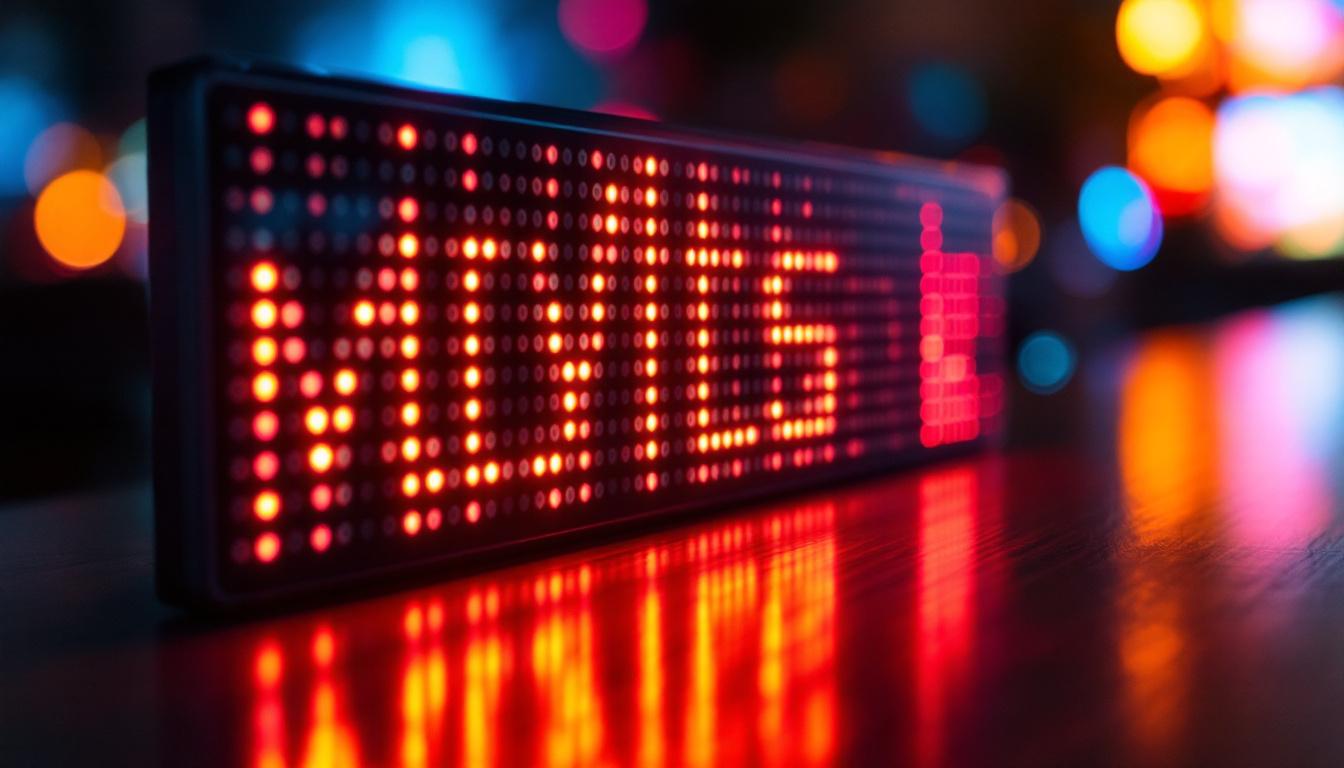
Card sender LED displays are compact, modular LED panels designed to send and display messages, often used in environments where space is limited but visibility is crucial. Unlike traditional large LED billboards, these displays are typically embedded within devices or systems, offering targeted communication in retail, transportation, and public information sectors. Their versatility allows them to be utilized in various applications, from announcing sales in a store to providing real-time updates at transportation hubs, ensuring that information is conveyed efficiently and effectively.
What Is a Card Sender LED Display?
At its core, a card sender LED display is a small-scale LED screen integrated with a card sender module. This module controls the display content, allowing users to send customized messages remotely or through pre-programmed sequences. The term “card sender” refers to the control card or circuit board responsible for managing the LED pixels and data transmission. These displays can often be found in environments that require quick, eye-catching communication, such as airports, train stations, and retail stores, where they serve as a vital tool for enhancing customer experience and operational efficiency.
These displays often use surface-mount device (SMD) LEDs, which provide high brightness and excellent color rendering in a compact form factor. The control card interfaces with various input sources, such as computers, smartphones, or network systems, enabling real-time updates and dynamic content. This adaptability makes card sender LED displays particularly valuable in fast-paced environments where information can change rapidly, allowing businesses to respond to customer needs and market trends instantaneously.
Key Components of a Card Sender LED Display
Understanding the components helps to appreciate the technology behind these displays:
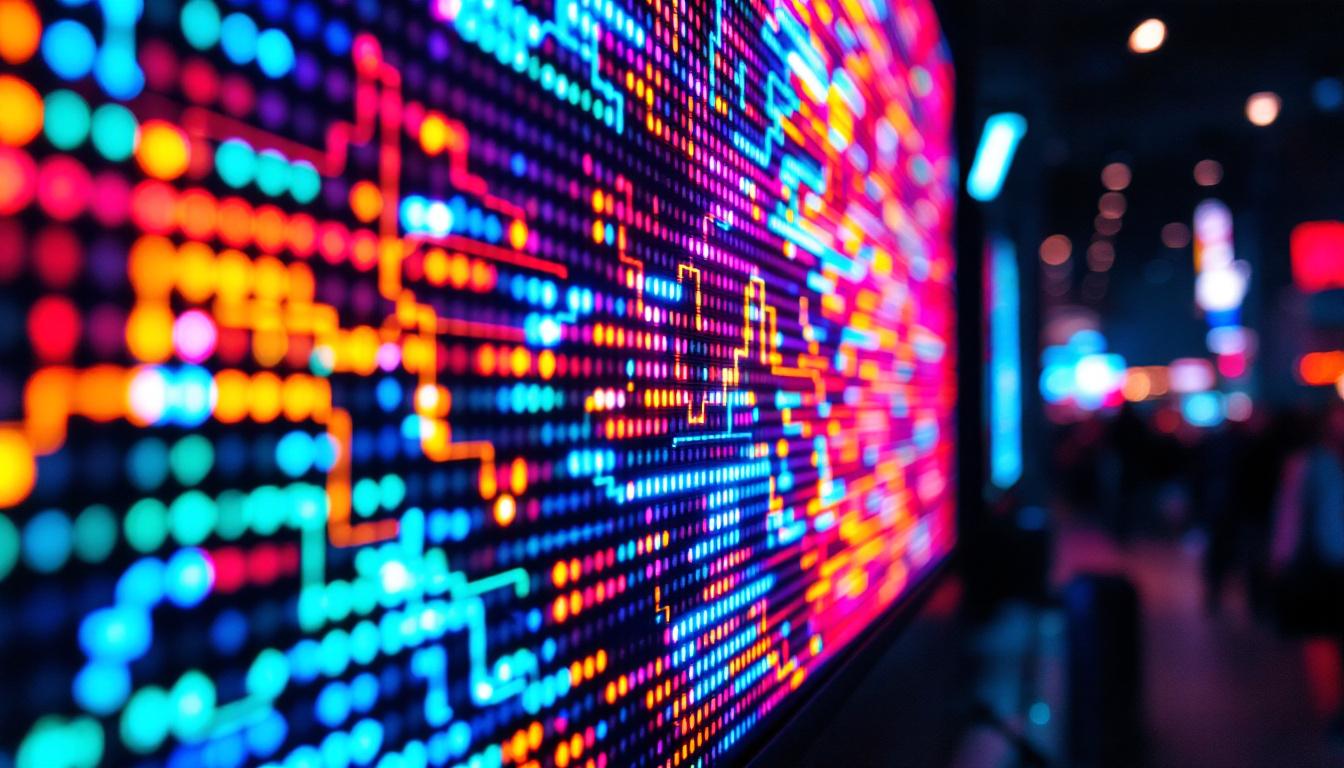
- LED Modules: These are the actual panels made up of numerous tiny LEDs arranged in a matrix. The resolution and pixel pitch determine the display clarity and viewing distance, with finer pixel pitches providing sharper images that are ideal for close-up viewing.
- Control Card (Sender Card): This is the brain of the display, responsible for processing incoming data and controlling the LED modules. It manages refresh rates, color depth, and synchronization, ensuring that the visual output is smooth and visually appealing.
- Power Supply: LED displays require stable power sources to maintain brightness and prevent flickering. A reliable power supply is crucial for ensuring the longevity and performance of the display, particularly in high-usage environments.
- Communication Interface: This allows the display to receive data via USB, Ethernet, Wi-Fi, or other protocols. The choice of communication method can significantly impact the display’s flexibility and ease of integration into existing systems.
In addition to these core components, many card sender LED displays are equipped with advanced features such as built-in scheduling capabilities, allowing users to set specific times for messages to be displayed. This functionality is particularly useful for businesses that want to promote different messages throughout the day or week, maximizing the impact of their advertising efforts. Furthermore, some models offer cloud connectivity, enabling remote management and updates from anywhere, which is particularly advantageous for organizations with multiple locations that need to maintain consistent messaging across all displays.
How Card Sender LED Displays Work
The operation of card sender LED displays involves a seamless interaction between hardware and software components. The process begins with content creation, followed by data transmission, and finally, visual output on the LED panel.
Content Creation and Management
Users typically create messages or multimedia content using specialized software. This software supports various formats, including text, images, animations, and video clips. The ability to customize content is vital for businesses and organizations that rely on targeted messaging.
Advanced software solutions offer scheduling features, allowing messages to be displayed at specific times or intervals. This automation enhances operational efficiency, especially in environments like transportation hubs or retail stores.
Data Transmission and Control
Once the content is ready, it is transmitted to the control card via the chosen communication interface. The control card decodes the data and converts it into signals that drive the LED modules. The refresh rate, which can reach up to 1920Hz or higher in modern displays, ensures smooth and flicker-free visuals.
Visual Output and Viewing Experience
The LED modules illuminate according to the control signals, producing vibrant and clear images. The pixel pitch, usually ranging from 1.5mm to 10mm in card sender displays, determines the optimal viewing distance. Smaller pixel pitches deliver higher resolution and are suitable for close-up viewing, such as in indoor retail displays.
Applications of Card Sender LED Displays
Card sender LED displays have found diverse applications across industries due to their versatility and efficiency. Their compact size and dynamic capabilities make them suitable for environments where traditional signage might be impractical.
Retail and Advertising
In retail, card sender LED displays serve as digital price tags, promotional signs, and interactive product displays. Their ability to update content remotely allows retailers to respond quickly to market trends and customer preferences. According to a 2023 study by the Digital Signage Federation, retailers using dynamic LED displays reported a 30% increase in customer engagement compared to static signage.
Moreover, these displays can integrate with inventory management systems to show real-time stock levels or flash sales, enhancing the shopping experience and driving sales.
Transportation and Public Information
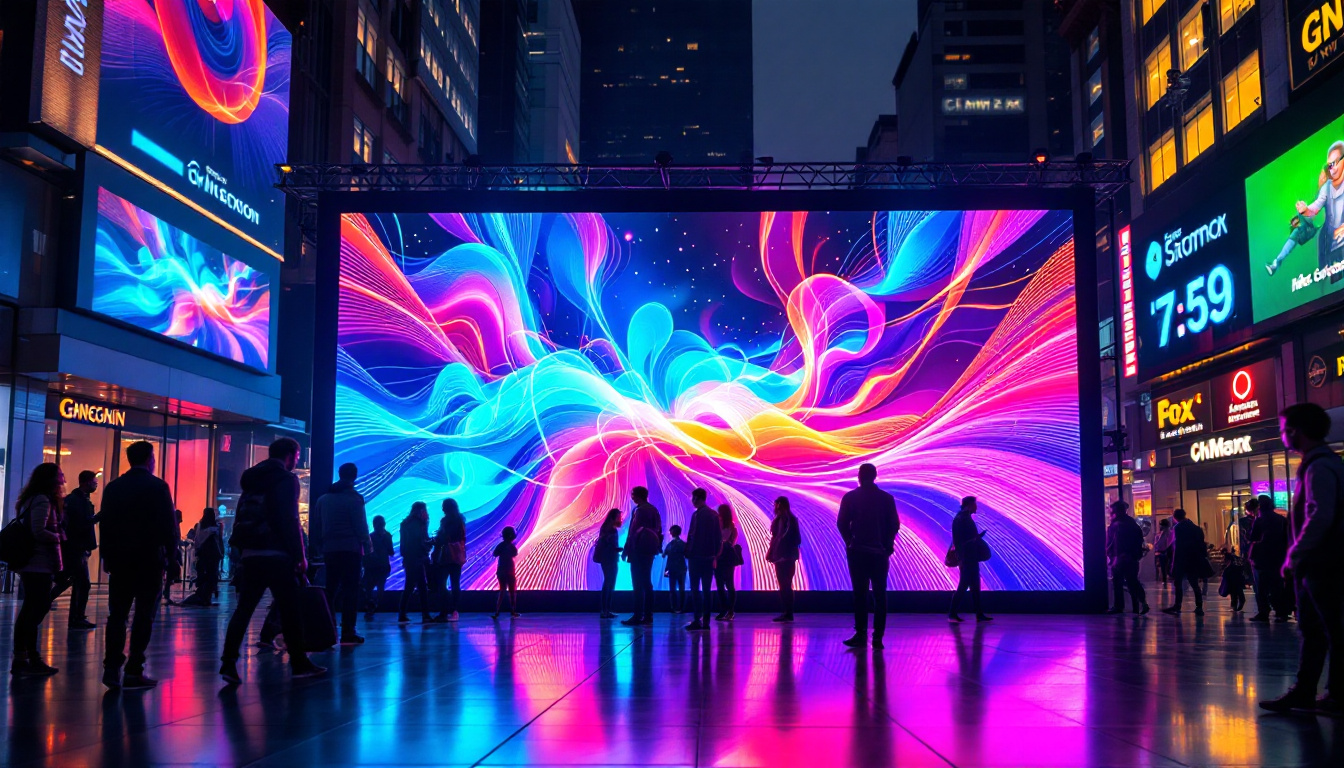
Transportation hubs such as airports, train stations, and bus terminals utilize card sender LED displays to provide real-time schedules, alerts, and directional information. Their high visibility and reliability are crucial for managing passenger flow and safety.
For example, the New York City Transit Authority has implemented compact LED displays in subway stations to deliver timely updates, reducing commuter confusion and improving overall satisfaction.
Corporate and Educational Environments
Corporate offices use card sender LED displays for internal communications, including meeting room schedules, announcements, and motivational messages. Educational institutions deploy these displays for event notifications, emergency alerts, and campus navigation.
The adaptability of these displays supports diverse content formats, making them effective tools for engagement and information dissemination.
Advantages of Card Sender LED Displays
Choosing card sender LED displays offers several benefits that contribute to their growing popularity in various sectors.
Compact and Modular Design
The small size and modular nature allow for flexible installation in tight spaces or integration into existing infrastructure. This is particularly advantageous in environments where space is at a premium, such as retail counters or control rooms.
High Brightness and Visibility
LED technology provides superior brightness compared to LCD or projection displays, ensuring clear visibility even in well-lit environments. This makes card sender LED displays effective for both indoor and outdoor use.
Energy Efficiency and Longevity
LEDs consume less power than traditional lighting and display technologies, reducing operational costs. Additionally, LEDs have a long lifespan, often exceeding 50,000 hours, minimizing maintenance and replacement expenses.
Real-Time Content Updates
The ability to update content instantly via network connections enables dynamic messaging and rapid response to changing conditions. This feature is invaluable for advertising campaigns, emergency notifications, and operational communications.
Technical Considerations When Choosing a Card Sender LED Display
Selecting the right card sender LED display requires careful evaluation of technical specifications to ensure optimal performance and suitability for the intended application.
Resolution and Pixel Pitch
Resolution determines the clarity of the displayed content, while pixel pitch affects viewing distance. For close-range applications, a pixel pitch of 1.5mm to 3mm is ideal. Larger pixel pitches suit displays meant for viewing from several meters away.
Refresh Rate and Color Depth
A higher refresh rate reduces flicker and improves the smoothness of animations. Color depth affects the range of colors that can be displayed, impacting image quality and realism. Modern card sender LED displays typically support 16-bit or higher color depth and refresh rates above 1920Hz.
Connectivity Options
Depending on the deployment environment, connectivity options such as Ethernet, Wi-Fi, USB, or serial interfaces should be considered. Reliable and secure data transmission is essential for uninterrupted operation.
Environmental Durability
For outdoor or harsh environments, displays should have appropriate IP ratings for dust and water resistance. Temperature tolerance and UV protection are also important factors.
Future Trends in Card Sender LED Display Technology
The LED display industry continues to evolve rapidly, with innovations enhancing functionality, efficiency, and user experience.
Integration with IoT and Smart Systems
Card sender LED displays are increasingly being integrated with Internet of Things (IoT) platforms, enabling smarter, context-aware messaging. For instance, retail displays can adjust content based on customer demographics or environmental conditions detected by sensors.
Advancements in Miniaturization and Resolution
Ongoing improvements in LED manufacturing are pushing pixel pitches below 1mm, enabling ultra-high-definition displays in compact formats. This will open new possibilities for applications requiring exceptional detail, such as medical imaging or fine art exhibitions.
Energy Harvesting and Sustainability
Emerging technologies aim to reduce the environmental impact of LED displays through energy harvesting, such as solar power integration, and the use of recyclable materials. Sustainability is becoming a key consideration for manufacturers and end-users alike.
Conclusion
Card sender LED displays represent a sophisticated blend of compact design, high-performance LED technology, and flexible content management. Their versatility across industries—from retail to transportation—demonstrates their value as effective communication tools. As technology advances, these displays will continue to evolve, offering even greater resolution, smarter integration, and enhanced sustainability. For businesses and organizations seeking dynamic, reliable, and efficient display solutions, understanding the capabilities and advantages of card sender LED displays is essential.
Discover LumenMatrix’s Innovative LED Display Solutions
Ready to elevate your visual communication strategy with the latest in LED display technology? LumenMatrix is at the forefront of creating immersive and dynamic visual experiences tailored to your needs. From Indoor and Outdoor LED Wall Displays to specialized solutions like Vehicle LED Displays and LED Sports Displays, our range ensures your message resonates with clarity and impact. Embrace the future of digital signage with LumenMatrix and transform how you connect with your audience. Check out LumenMatrix LED Display Solutions today and see the difference for yourself.