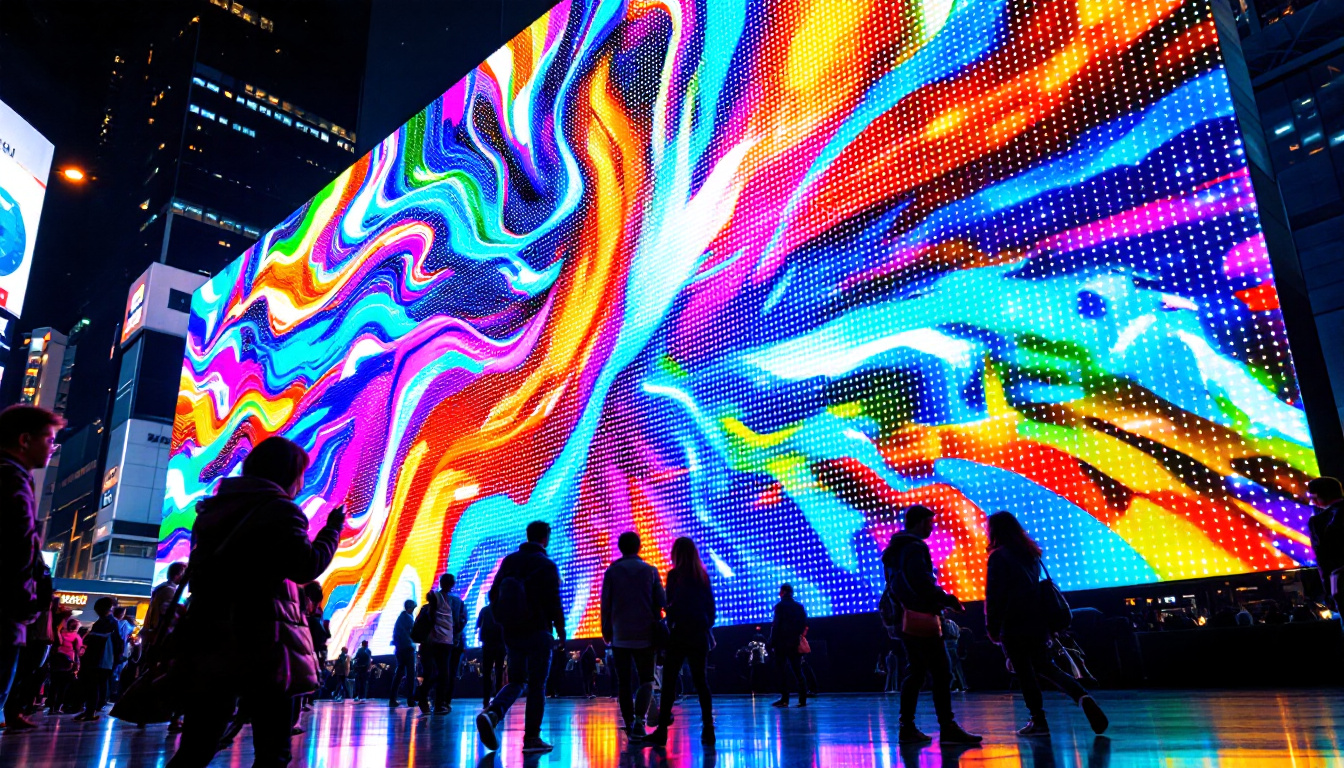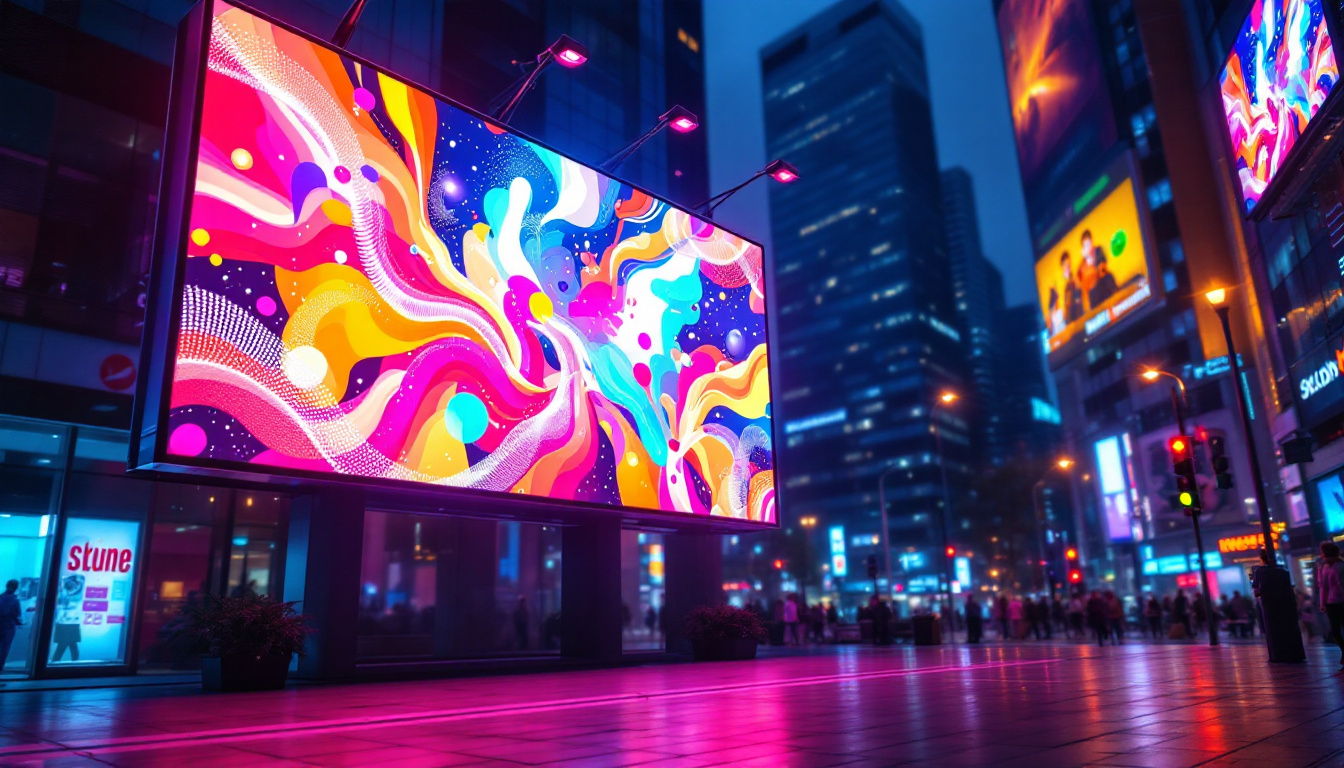
In the evolving landscape of advertising and public communication, LED billboard signs have become a dominant force. Their vibrant displays, energy efficiency, and adaptability make them a preferred choice for businesses, municipalities, and event organizers worldwide. This article delves into the intricacies of LED billboard signs, explaining how LED displays work, their advantages, and why they are reshaping outdoor advertising.
Understanding LED Billboard Signs
What is an LED Billboard Sign?
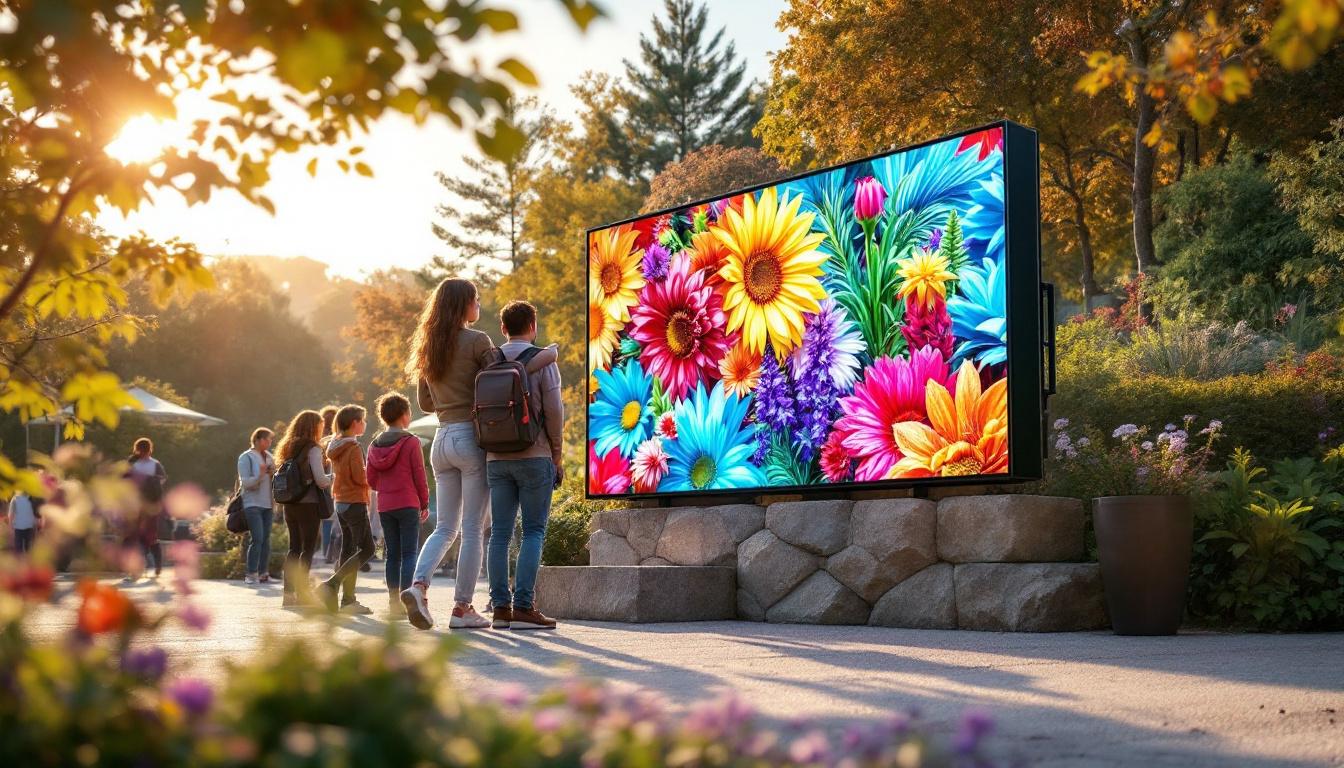
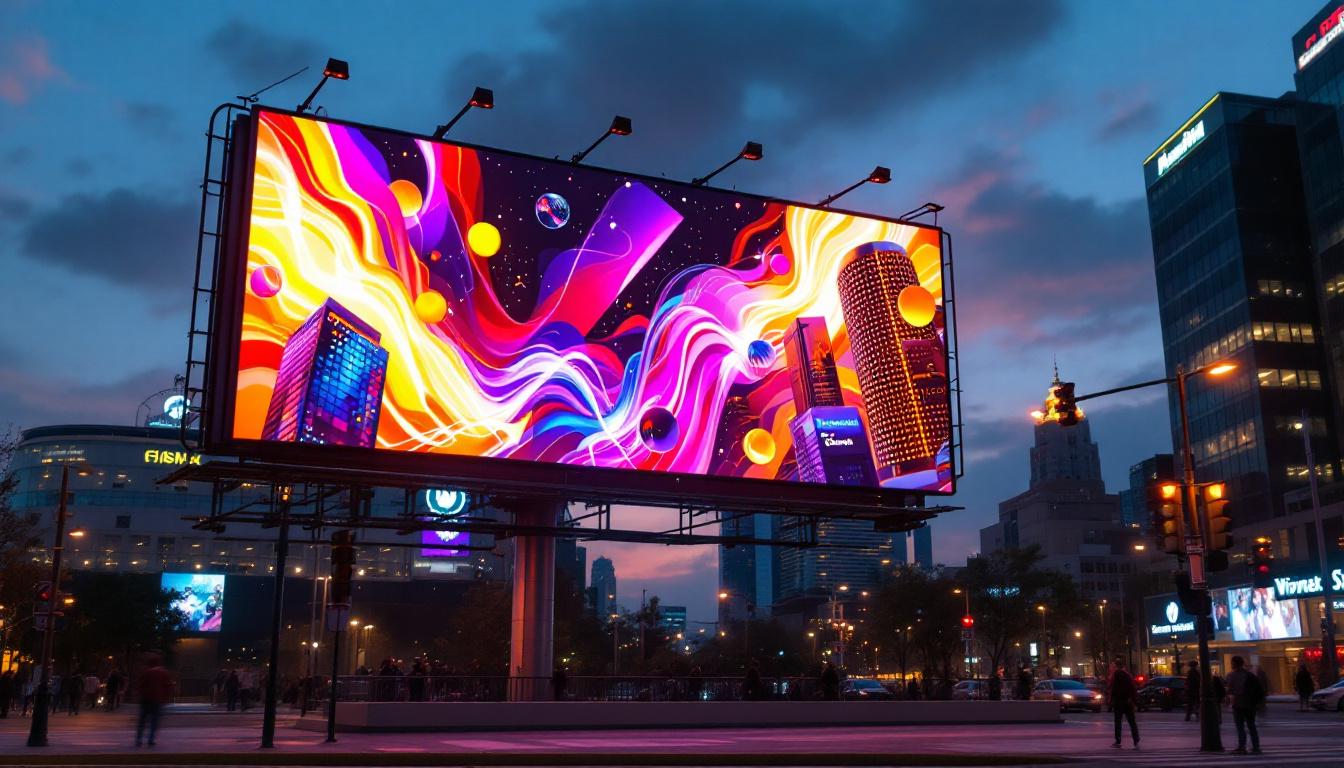
An LED billboard sign is a large-scale digital display that uses light-emitting diodes (LEDs) to present dynamic content such as advertisements, announcements, or information. Unlike traditional static billboards, LED billboards can change their visuals in real time, allowing for multiple messages to be displayed on the same screen throughout the day.
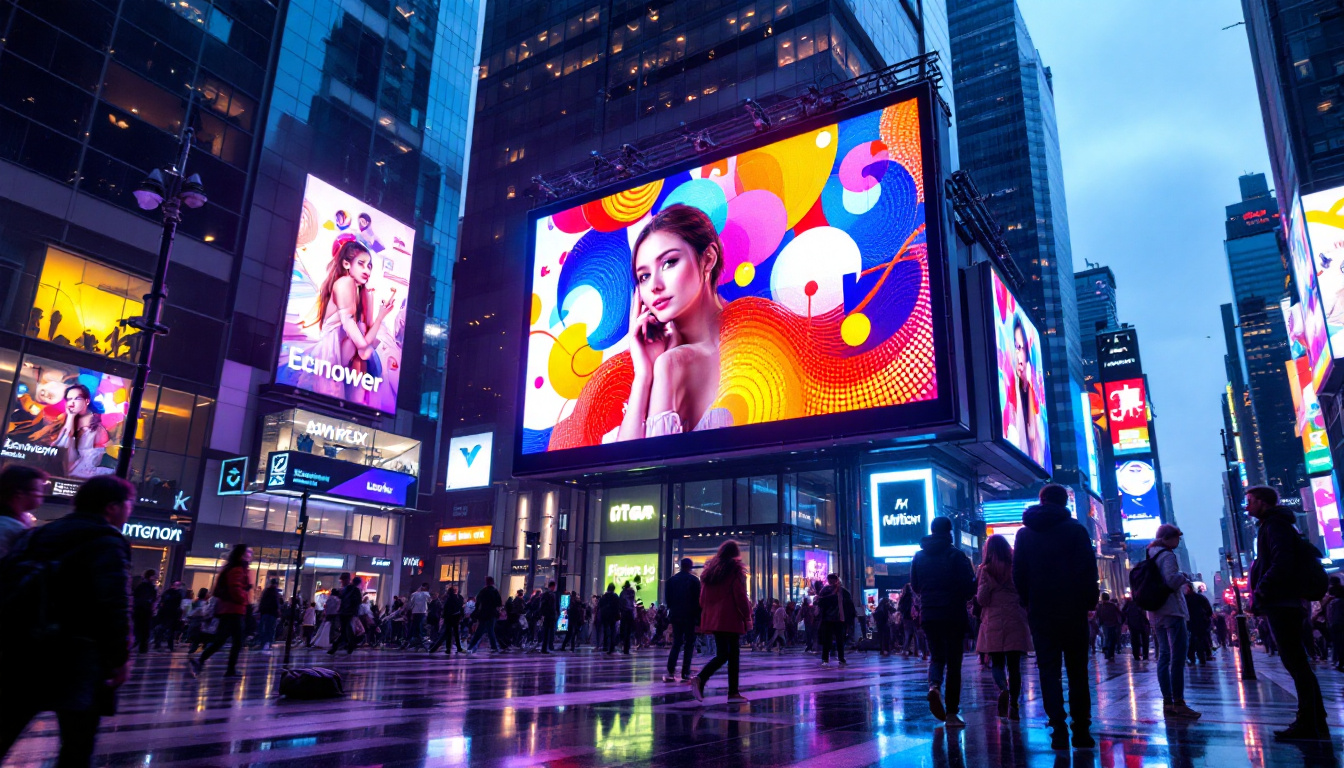
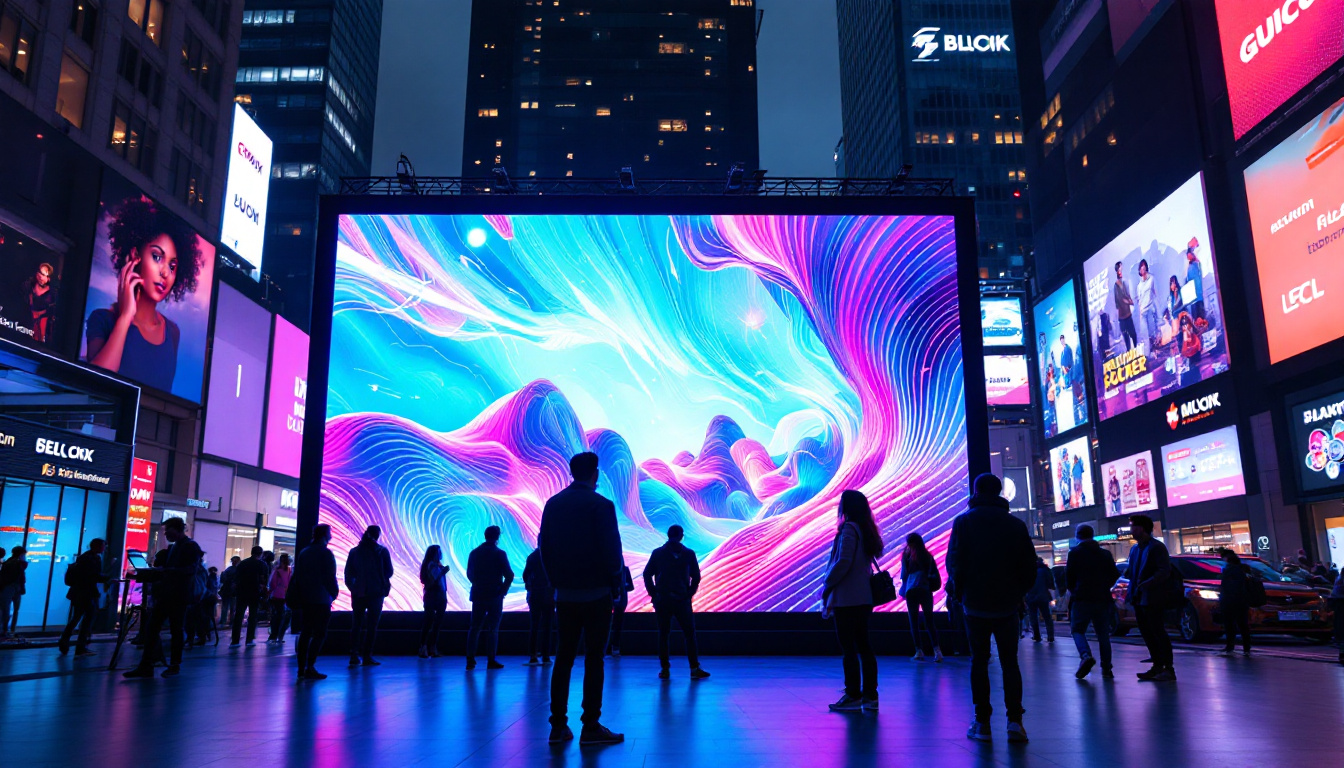
These signs are typically installed in high-traffic areas such as highways, city centers, and shopping districts, leveraging their visibility to capture the attention of passing pedestrians and drivers. The technology behind LED billboards enables bright, colorful, and eye-catching visuals that remain clear even in direct sunlight, a critical factor for outdoor advertising effectiveness. Moreover, the flexibility of LED billboards allows advertisers to tailor their messages to specific times of day or events, making them an invaluable tool for targeted marketing strategies. For example, a restaurant might display breakfast specials in the morning and switch to dinner promotions in the evening, maximizing their reach and engagement with potential customers.
How Do LED Displays Work?
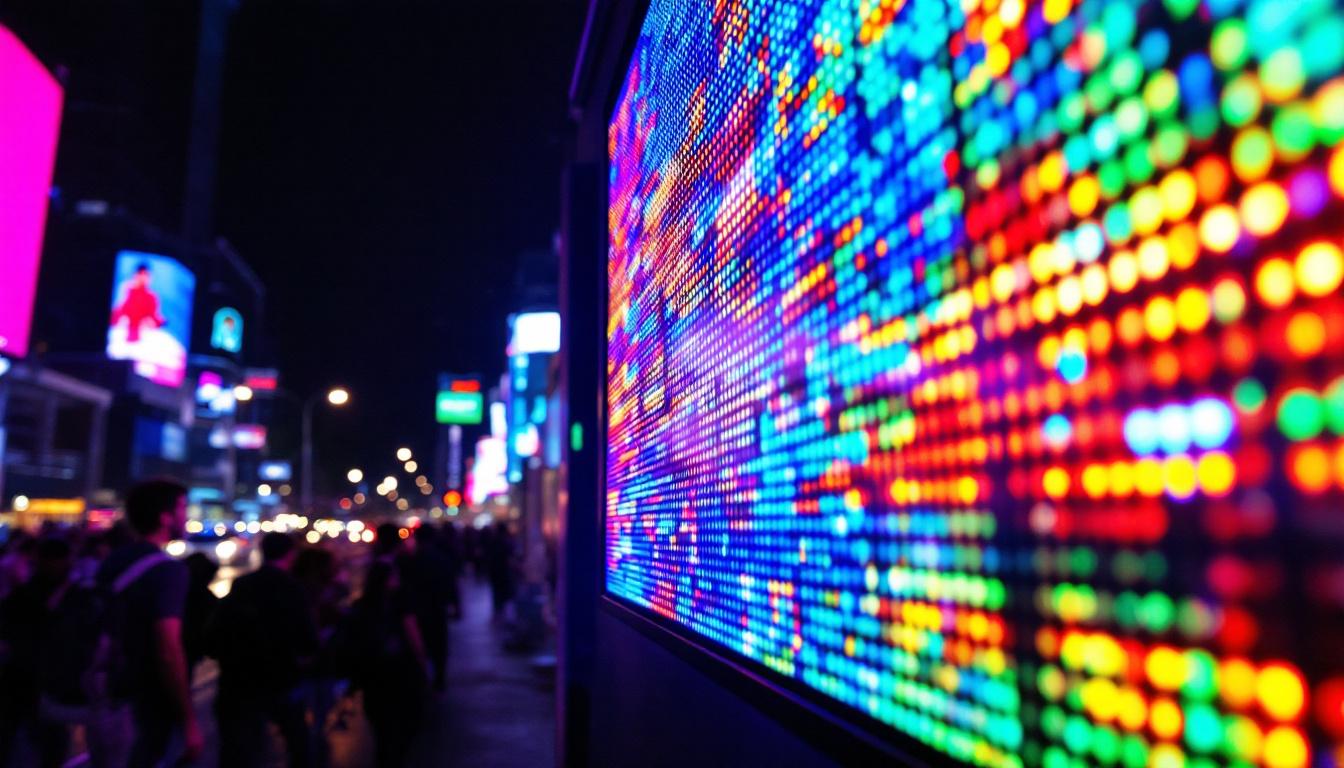
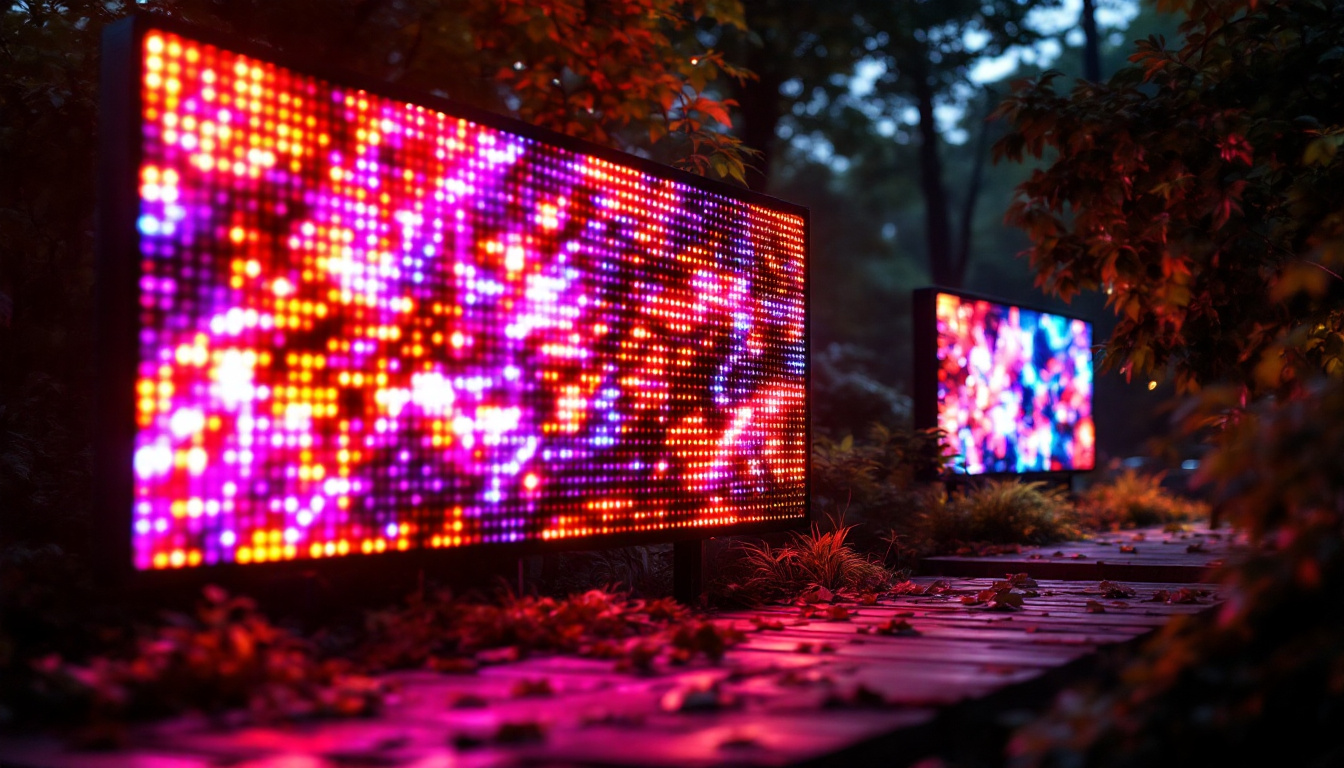
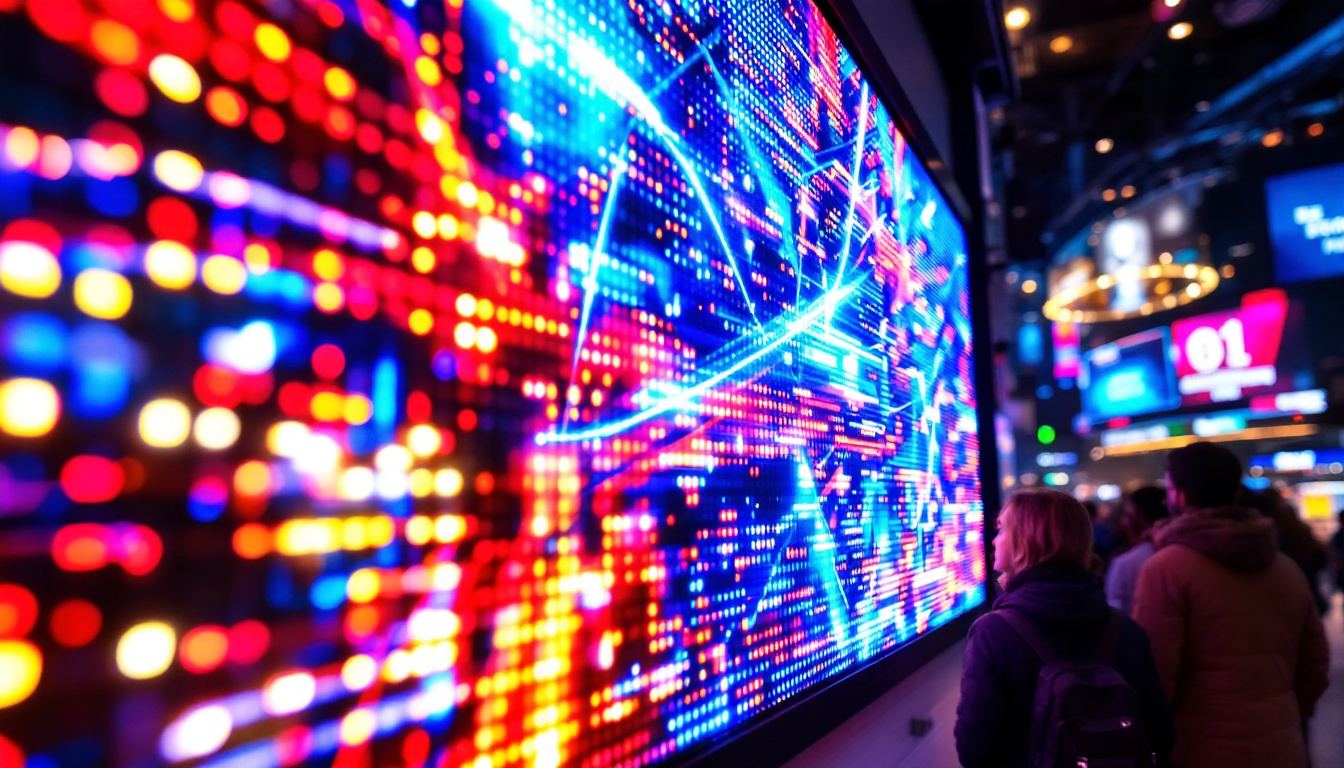
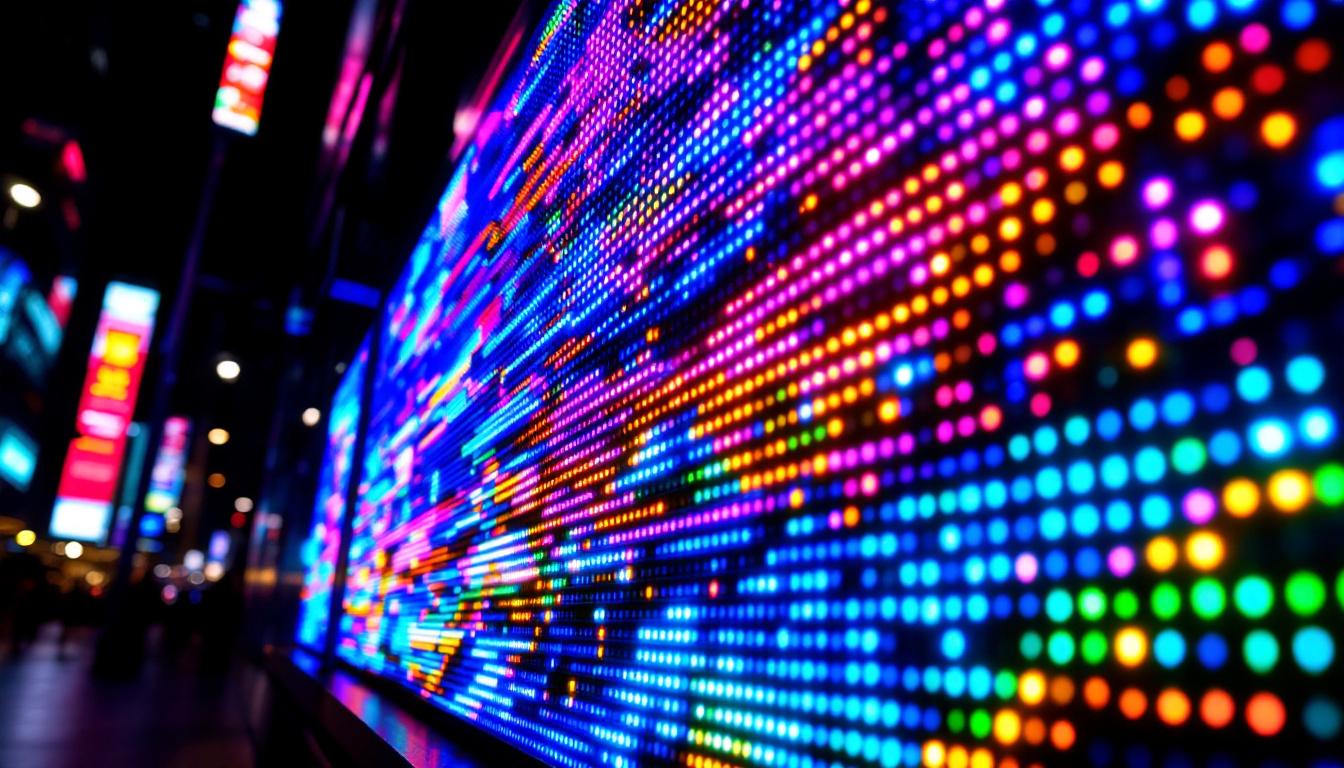
At the core of an LED billboard is the LED module, composed of thousands of tiny LED bulbs arranged in a grid pattern. Each LED acts as a pixel, and by varying the intensity and color of each pixel, the display can produce detailed images and videos.
The LEDs used in billboards are typically surface-mounted devices (SMD), which combine red, green, and blue diodes in a single package. By adjusting the brightness of each color diode, the display creates a full spectrum of colors. This RGB color mixing is what allows LED billboards to deliver vibrant and lifelike images. Additionally, advancements in LED technology have led to improved energy efficiency and longer lifespans for these displays, reducing operational costs for advertisers. The ability to produce high-resolution graphics has also made LED billboards a preferred choice for brands looking to create a lasting impression with their visual storytelling.
Modern LED displays are controlled by software that manages content scheduling, brightness adjustment, and diagnostics. This control system often includes remote management capabilities, enabling operators to update content instantly from anywhere with internet access. This feature is particularly beneficial during events or promotions, where timely updates can significantly enhance viewer engagement. Furthermore, many LED billboard systems are equipped with sensors that adjust brightness based on ambient light conditions, ensuring optimal visibility at all times while conserving energy. The integration of data analytics tools allows advertisers to track viewer engagement and optimize their campaigns based on real-time feedback, making LED billboards not just a display medium but a powerful marketing platform.
Key Advantages of LED Billboard Signs
Superior Visibility and Brightness
One of the most significant benefits of LED billboards is their exceptional brightness. LEDs can produce light levels that far exceed those of traditional billboard lighting methods, ensuring visibility even in direct sunlight or adverse weather conditions. This brightness translates into higher engagement rates, as messages are more likely to be noticed and remembered.
Additionally, LED billboards offer wide viewing angles, meaning the display remains clear and vibrant from various positions and distances. This feature is essential for roadside advertising, where viewers approach from multiple directions.
Dynamic Content and Flexibility
Unlike static billboards that require physical replacement to change messages, LED billboards allow for instant content updates. Advertisers can display multiple ads in rotation, tailor messages to different times of day, or even respond to real-time events such as weather changes or social media trends.
This flexibility not only enhances marketing effectiveness but also reduces operational costs associated with printing and installing new billboard materials. For example, a retailer can promote morning coffee specials during breakfast hours and switch to lunch deals by noon, maximizing the relevance of their advertising.
Energy Efficiency and Longevity
LED technology is renowned for its energy efficiency compared to traditional incandescent or fluorescent lighting. LED billboards consume significantly less power, which lowers operational costs and reduces environmental impact. According to the U.S. Department of Energy, LEDs use at least 75% less energy and last 25 times longer than incandescent lighting.
Moreover, the lifespan of LED modules often exceeds 100,000 hours, meaning billboards can operate for years with minimal maintenance. This durability is crucial for outdoor installations exposed to varying weather conditions.
Types of LED Billboard Displays
Full-Color LED Billboards
Full-color LED billboards are the most common type used in advertising. They utilize RGB LEDs to produce millions of colors, enabling the display of complex images, videos, and animations. These billboards are ideal for brands seeking to create visually compelling campaigns that stand out in crowded urban environments.
Monochrome and Dual-Color LED Displays
Monochrome LED billboards display content in a single color, usually red or amber. While less visually dynamic, these displays are often used for text-based information such as news tickers, stock market updates, or public safety messages due to their high readability and lower cost.
Dual-color LED displays combine two colors, typically red and green, allowing for more varied content than monochrome but less than full-color displays. These are sometimes used in transportation hubs or smaller-scale advertising.
Transparent LED Displays
Emerging as a cutting-edge technology, transparent LED displays integrate LEDs into glass panels, allowing light to pass through the screen. This innovation enables billboards to be placed on building facades or windows without obstructing views, blending advertising with architectural aesthetics.
Transparent LED displays are gaining popularity in retail environments and urban centers where space is limited but visibility is crucial.
Applications of LED Billboard Signs
Outdoor Advertising
Outdoor advertising remains the primary application of LED billboard signs. Their ability to deliver high-impact visuals in busy locations makes them a favorite among marketers aiming to reach large and diverse audiences. According to the Outdoor Advertising Association of America, digital billboard advertising has seen a steady increase, with revenues exceeding $3 billion annually in the U.S. alone.
LED billboards enable advertisers to create campaigns that are not only visually attractive but also contextually relevant, adjusting messaging based on time, weather, or local events.
Public Information and Safety
Municipalities and government agencies use LED billboards to disseminate critical information such as traffic updates, emergency alerts, and public health messages. The immediacy and visibility of LED displays make them invaluable tools for communicating during crises or large public gatherings.
For example, during severe weather events, LED billboards can broadcast evacuation routes or safety instructions, potentially saving lives by reaching a broad audience quickly.
Event Promotion and Entertainment
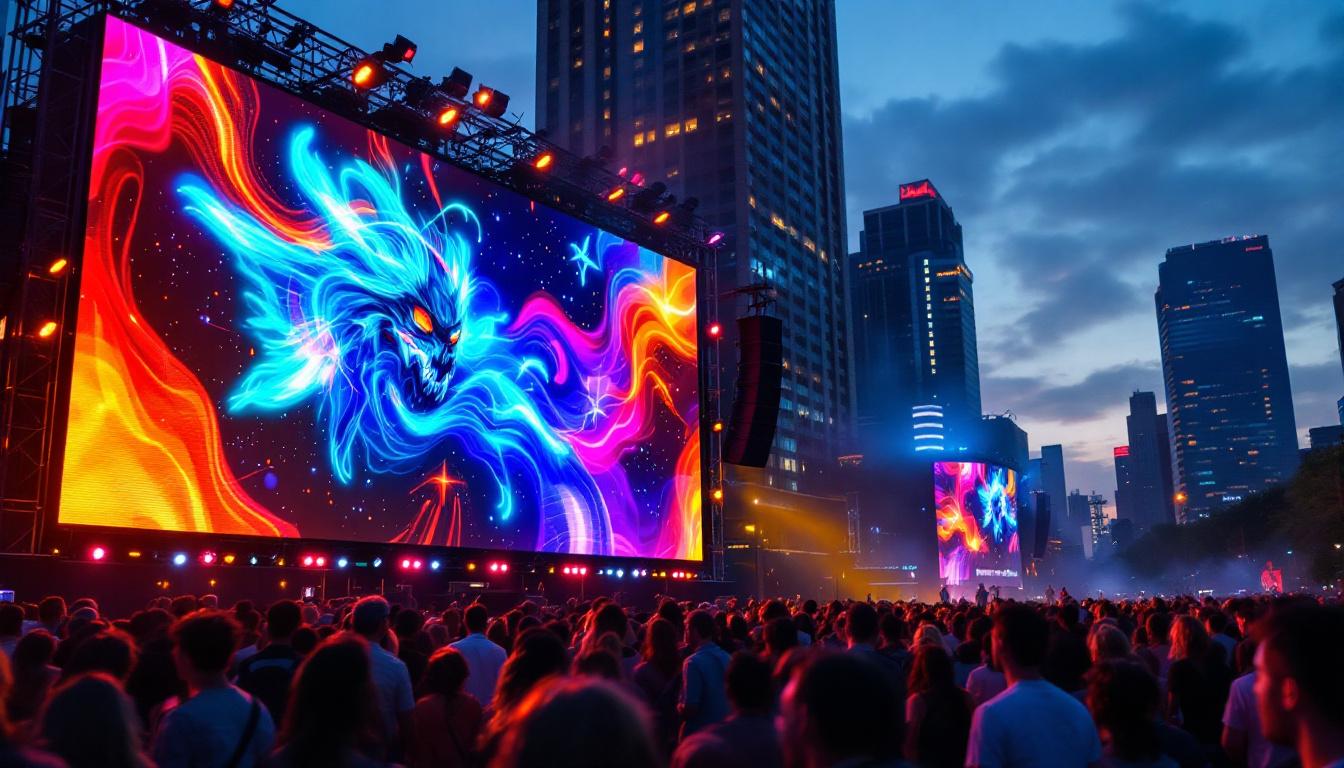
Concerts, sports events, and festivals often employ LED billboards to promote upcoming shows, display live event information, or engage audiences with interactive content. The dynamic nature of LED displays enhances the overall experience by providing real-time updates, advertisements, and entertainment.
In stadiums and arenas, LED screens are integrated into the architecture to deliver instant replays, scores, and advertisements, creating a multimedia environment that captivates attendees.
Considerations When Choosing an LED Billboard Sign
Pixel Pitch and Resolution
Pixel pitch refers to the distance between individual LED pixels on a display, measured in millimeters. It directly affects the resolution and clarity of the image. Smaller pixel pitches result in higher resolution and finer detail, making them suitable for close viewing distances.
For billboards viewed from highways or long distances, a larger pixel pitch is acceptable and more cost-effective. Understanding the intended viewing distance is critical to selecting the appropriate pixel pitch to ensure optimal image quality.
Brightness and Weather Resistance
Brightness levels must be sufficient to overcome ambient light conditions, especially in sunny outdoor environments. Most LED billboards offer adjustable brightness to comply with local regulations and reduce light pollution during nighttime hours.
Additionally, LED billboards must be designed to withstand harsh weather, including rain, wind, and temperature extremes. High-quality enclosures with appropriate IP (Ingress Protection) ratings ensure durability and consistent performance.
Content Management Systems (CMS)
The software used to control LED billboard content is a vital component of the overall system. A robust CMS should offer user-friendly interfaces, scheduling capabilities, remote access, and compatibility with various media formats.
Advanced CMS platforms also incorporate analytics and integration with external data sources, allowing advertisers to tailor content dynamically based on real-time inputs such as social media trends or weather conditions.
The Future of LED Billboard Technology
Integration with Smart Technologies
As cities embrace smart infrastructure, LED billboards are becoming interconnected with IoT (Internet of Things) devices. This integration enables real-time data exchange, allowing billboards to display hyper-localized content, optimize energy usage, and interact with mobile devices for personalized advertising.
Advancements in Energy Efficiency
Ongoing improvements in LED chip technology and power management continue to reduce energy consumption. Innovations such as micro-LEDs and organic LEDs (OLEDs) promise even greater efficiency and display quality, potentially transforming the billboard industry in the coming years.
Enhanced Interactivity and Immersive Experiences
Future LED billboards are expected to incorporate augmented reality (AR), gesture recognition, and other interactive features to engage audiences more deeply. These advancements will blur the lines between advertising and entertainment, creating immersive brand experiences that resonate with consumers.
Conclusion
LED billboard signs represent a significant leap forward in outdoor advertising and public communication. Their vibrant displays, flexibility, and efficiency provide unmatched advantages over traditional signage. As technology continues to evolve, LED billboards will become even more integrated into the urban landscape, offering dynamic, interactive, and sustainable solutions for businesses and communities alike.
Understanding the technical aspects, benefits, and applications of LED displays empowers advertisers and planners to make informed decisions that maximize impact and return on investment. Whether promoting a brand, disseminating vital information, or enhancing event experiences, LED billboard signs are poised to remain at the forefront of visual communication for years to come.
Illuminate Your Message with LumenMatrix
Ready to elevate your advertising and public messaging with brilliant clarity and dynamic content? Discover how LumenMatrix, a pioneer in LED display technology, can transform your visual communication strategy. From Indoor and Outdoor LED Wall Displays to innovative solutions like Vehicle LED Displays, LED Posters, and Transparent LED Displays, LumenMatrix offers a comprehensive range of products designed to captivate your audience and amplify your brand. Check out LumenMatrix LED Display Solutions today and step into the future of impactful, engaging digital signage.