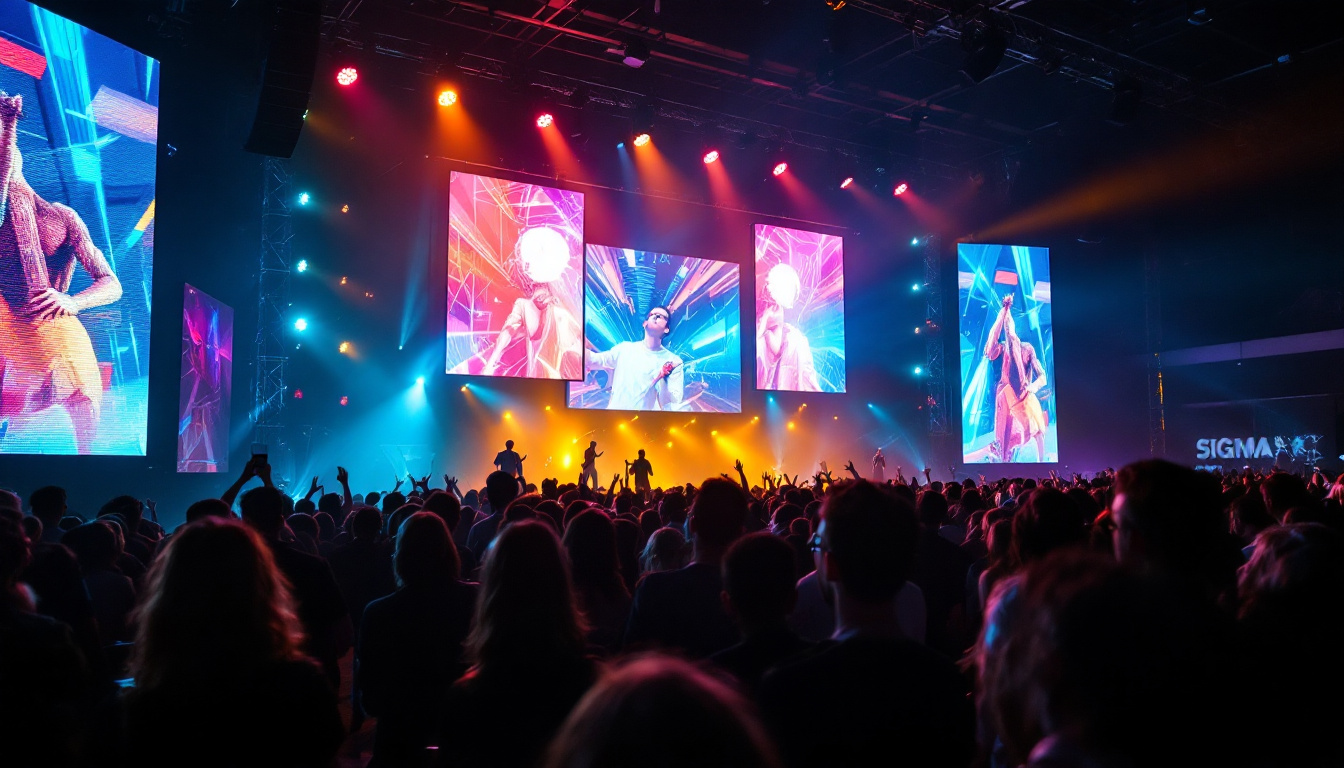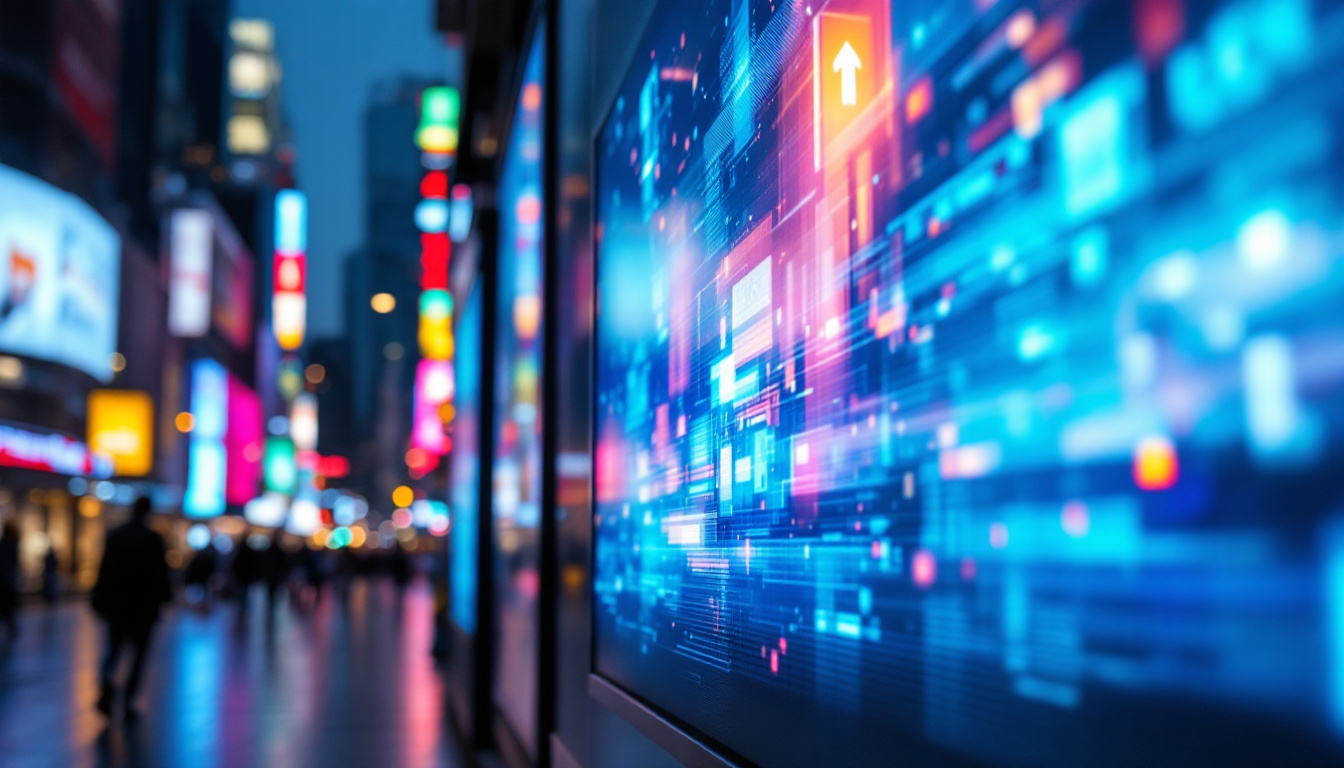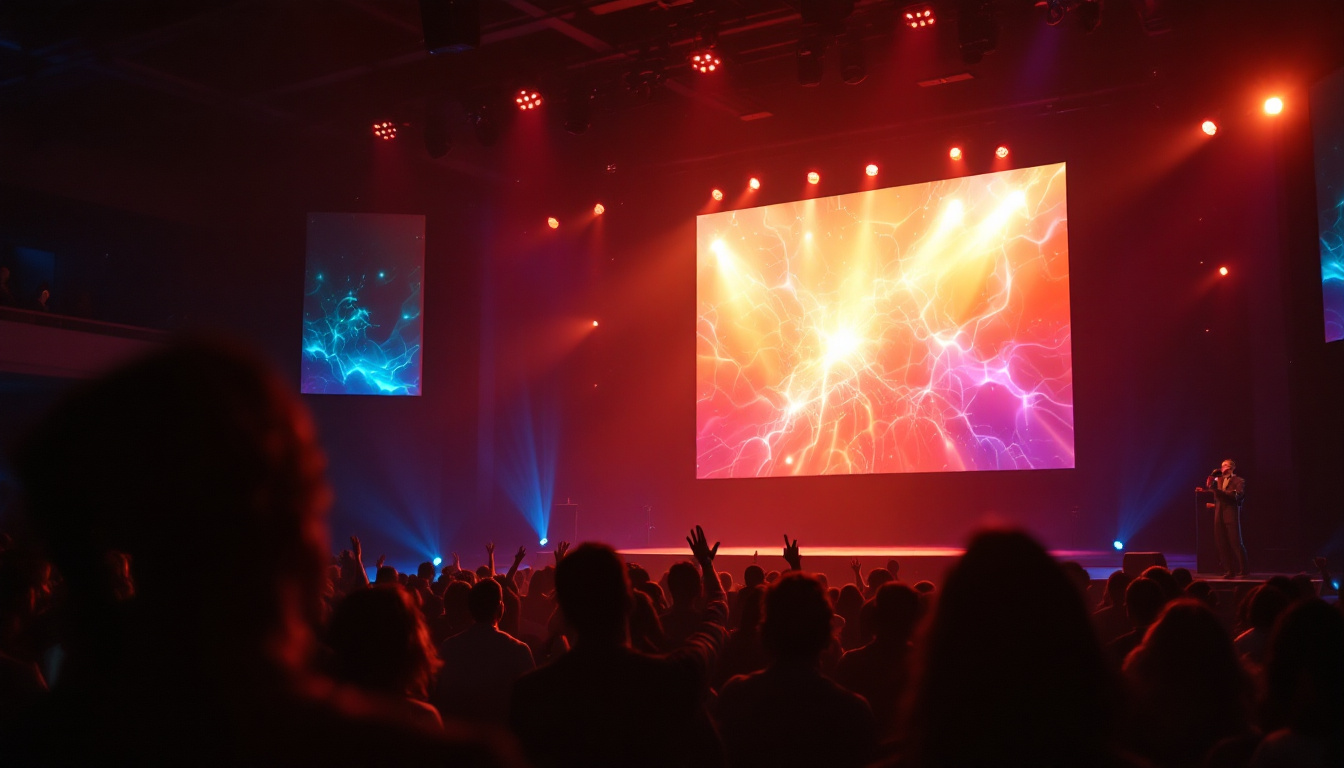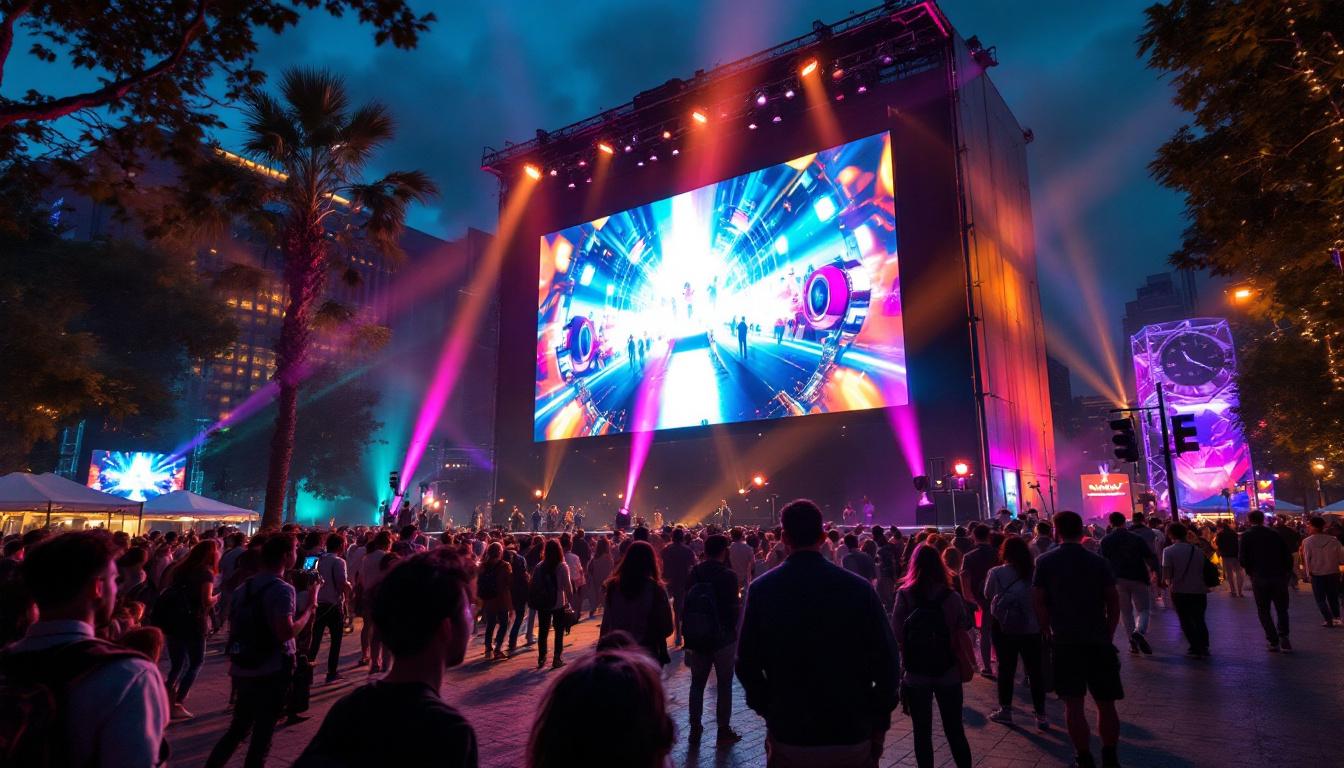
In today’s fast-paced event industry, large-scale LED displays—commonly known as Jumbotrons—have become indispensable for creating immersive experiences. Whether it’s a concert, sports event, corporate gathering, or outdoor festival, these massive screens captivate audiences by delivering vibrant visuals and real-time content. However, one of the most common questions event planners and organizers face is: How much does it cost to rent a Jumbotron?
This article dives deep into the factors influencing Jumbotron rental costs, explains the technology behind LED displays, and offers insights to help you make informed decisions when planning your next event.
Understanding Jumbotron and LED Display Technology
What Is a Jumbotron?
The term “Jumbotron” was originally a brand name for large video screens developed by Sony in the 1980s. Today, it has become a generic term used to describe large-scale LED video walls used in public venues and events. These screens are designed to display high-resolution video, graphics, and live feeds, making them ideal for engaging large audiences. Jumbotrons have transformed the way information is conveyed at sporting events, concerts, and public gatherings, providing a platform for immersive experiences that captivate viewers. The evolution of Jumbotron technology has allowed for increasingly sophisticated displays that can incorporate interactive elements, enhancing audience participation.
How Do LED Displays Work?
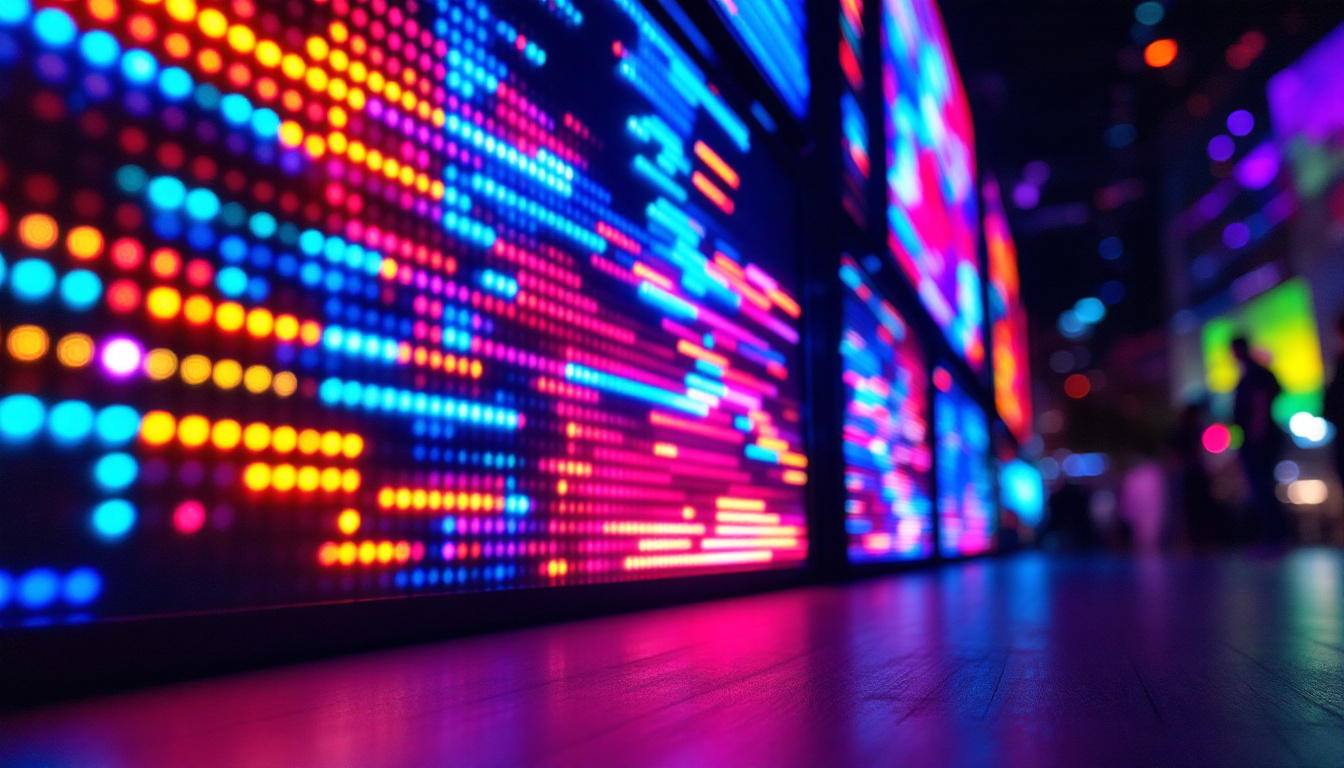
LED (Light Emitting Diode) displays consist of thousands of tiny LED modules arranged in a grid. Each module contains red, green, and blue LEDs that combine to produce a full spectrum of colors. The brightness and color of each pixel are controlled electronically, allowing for vibrant and dynamic images even in bright outdoor environments. This capability is particularly advantageous for events held during the day, where sunlight can easily wash out traditional projection systems. Moreover, advancements in LED technology have led to improved energy efficiency, making these displays not only visually striking but also more environmentally friendly.
One of the key advantages of LED technology is its scalability. Jumbotrons can be assembled in various sizes, from a few square meters to several hundred square meters, depending on the event requirements. Additionally, LED displays offer excellent viewing angles and high refresh rates, ensuring smooth video playback and minimal motion blur. This adaptability allows event organizers to customize the display to fit the venue and audience size, whether it’s a small corporate event or a large-scale festival. Furthermore, the durability of LED screens means they can withstand the rigors of outdoor use, including varying weather conditions, making them a reliable choice for any occasion.
Pixel Pitch and Resolution
Pixel pitch, measured in millimeters, refers to the distance between the centers of two adjacent pixels on the screen. A smaller pixel pitch means higher resolution and sharper images, which is crucial for close-up viewing. For example, a pixel pitch of 3mm is suitable for indoor events where viewers are close to the screen, while 10mm or higher is common for outdoor Jumbotrons viewed from a distance. This relationship between pixel pitch and viewing distance is essential for ensuring that the audience receives a clear and engaging visual experience, regardless of their position relative to the display.
Understanding pixel pitch helps event planners balance image quality and cost, as higher-resolution screens generally come at a higher rental price. Additionally, the choice of pixel pitch can influence the overall design of the event space, as planners must consider how the display will integrate with other elements, such as lighting and staging. As technology continues to advance, new innovations in pixel density and display materials are emerging, offering even more options for creating stunning visual experiences that leave a lasting impression on audiences.
Factors Influencing Jumbotron Rental Cost
Screen Size and Resolution
The most significant driver of rental cost is the size of the LED display. Larger screens require more LED modules and infrastructure, increasing both material and labor costs. For instance, a 20×10 feet screen will cost substantially less to rent than a 60×30 feet Jumbotron.
Resolution also plays a critical role. Higher resolution screens with smaller pixel pitch deliver clearer images but are more expensive to rent. Event organizers must consider the viewing distance and venue size to choose an appropriate resolution without overspending.
Rental Duration
Rental periods typically range from a single day to several weeks, depending on the event. Longer rental durations often come with discounted daily rates, but extended use also increases setup, maintenance, and operational costs. It’s essential to coordinate rental duration carefully to optimize budget without compromising event quality.
Setup and Installation Complexity
Jumbotron installation is a technical process that involves structural support, electrical connections, and calibration. Outdoor installations may require weatherproofing and specialized rigging equipment, increasing labor costs. Venues with limited access or challenging layouts can also add to setup complexity and price.
Location and Transportation
Transporting a Jumbotron to and from the event site can be a significant expense. Urban locations with traffic restrictions or remote venues requiring long-distance hauling will increase transportation fees. Additionally, some rental companies charge extra for delivery outside their standard service area.
Additional Equipment and Services
Beyond the screen itself, many events require complementary equipment such as video processors, cameras, sound systems, and control consoles. Technical support, on-site technicians, and content management services may also be included or offered at additional cost. These add-ons should be factored into the overall rental budget.
Typical Jumbotron Rental Cost Breakdown
Small to Medium-Sized Jumbotrons
For events requiring screens around 15×8 feet with a pixel pitch of 10mm to 16mm, rental costs typically range from $1,000 to $3,000 per day. These sizes are common for corporate events, small concerts, or trade shows. Setup and teardown fees may add $500 to $1,000 depending on complexity.
Large Outdoor Jumbotrons
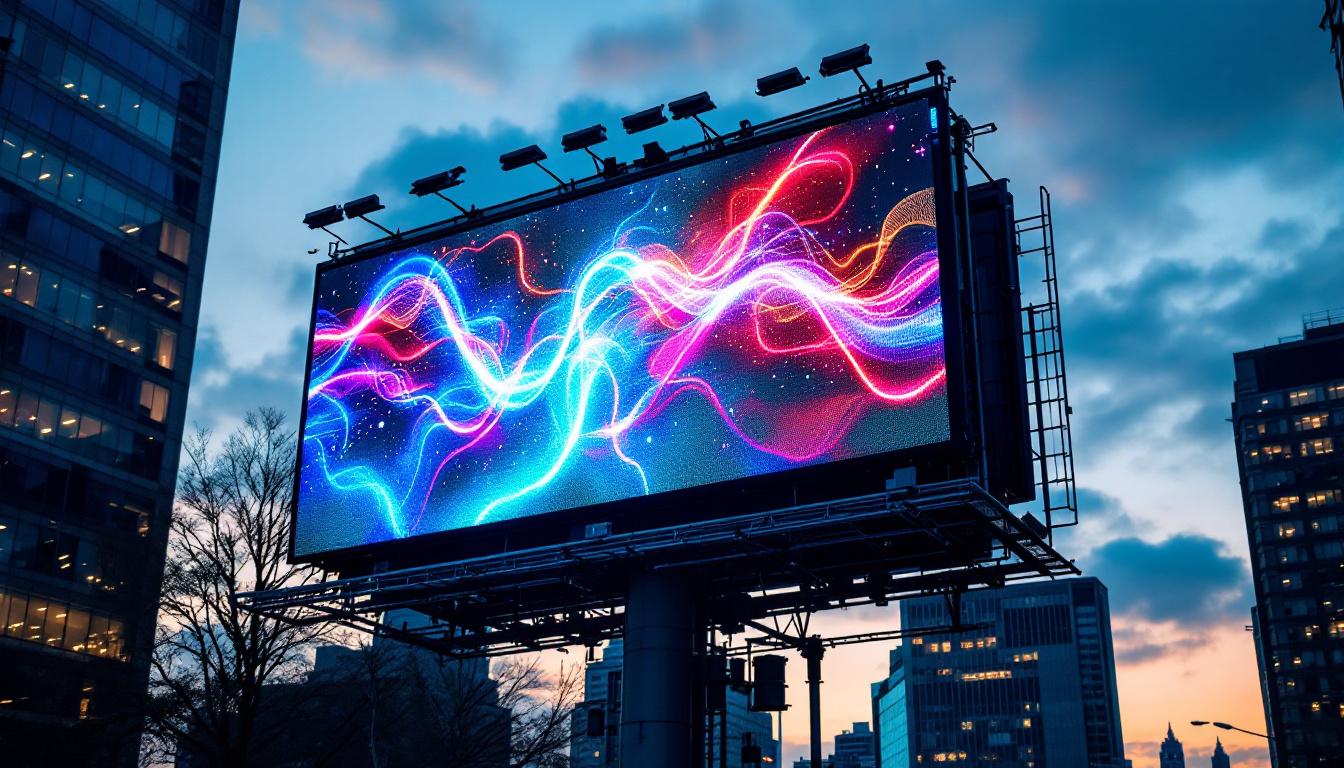
Outdoor events such as sports games or music festivals often use screens between 30×15 feet to 60×30 feet. Rental prices for these can range from $5,000 to $20,000 per day, depending on resolution and additional services. Multi-day rentals usually offer better rates per day but require careful planning for logistics and technical support.
Ultra-Large and Custom Installations
For massive installations exceeding 100 square meters or custom-shaped LED walls, rental costs can exceed $50,000 for multi-day events. These projects often involve bespoke engineering, extended setup times, and dedicated technical teams. While expensive, such displays create unforgettable visual experiences that justify the investment for high-profile events.
How to Optimize Your Jumbotron Rental Budget
Assess Your Audience and Venue
Understanding your audience size, viewing distance, and venue layout is crucial. Renting an ultra-high-resolution screen for a small audience or a small venue can lead to unnecessary expenses. Conversely, undersizing the screen can reduce impact and engagement. Aim for a balanced approach that matches screen size and resolution to your event’s needs.
Compare Rental Quotes and Packages
Contact multiple rental providers and request detailed quotes. Some companies offer all-inclusive packages that cover screen rental, setup, technical support, and content management. Others may charge separately for each service. Comparing these options helps identify the best value without compromising quality.
Plan for Efficient Setup and Teardown
Minimizing setup and teardown time reduces labor costs. Providing clear access to the venue, coordinating with venue staff, and scheduling installation during off-peak hours can streamline the process. Early communication with the rental company ensures smoother operations and cost savings.
Leverage Technology for Content Management
Modern LED displays often support remote content management, allowing real-time updates and dynamic programming. Utilizing these features can enhance audience engagement without additional hardware. Discuss content delivery options with your rental provider to maximize the screen’s capabilities.
Additional Considerations for Renting Jumbotrons
Weather and Environmental Factors
Outdoor events must account for weather conditions. High brightness LED screens are designed to withstand sunlight, but rain, wind, and extreme temperatures require protective measures. Rental companies typically provide weatherproofing solutions, but these can add to the cost.
Power Requirements
Jumbotrons consume significant electrical power. Ensuring adequate power supply and backup systems is essential to avoid interruptions. Some venues may require temporary generators or power upgrades, which should be included in the budget.
Permits and Regulations
Depending on the location, permits may be required for large LED installations, especially in public spaces. Noise restrictions, structural safety codes, and local ordinances can impact installation and operation. Early coordination with local authorities and rental providers helps prevent compliance issues.
Future Trends in Jumbotron and LED Display Rentals
Advancements in LED Technology
LED technology continues to evolve rapidly. Newer displays offer higher resolutions with smaller pixel pitches at increasingly affordable prices. Flexible and transparent LED panels are emerging, enabling creative installations and interactive experiences.
Integration with Augmented Reality and AI
Some events are beginning to integrate LED displays with augmented reality (AR) and artificial intelligence (AI) to create personalized and immersive content. These innovations may influence rental options and pricing structures in the near future.
Sustainability and Energy Efficiency
As environmental concerns grow, rental companies are adopting more energy-efficient LED technology and sustainable practices. Choosing providers committed to sustainability can enhance your event’s social responsibility profile.
Conclusion
Renting a Jumbotron or LED display is a powerful way to elevate any event, providing stunning visuals that engage and captivate audiences. Understanding the technology behind LED screens and the factors influencing rental costs enables event planners to make informed choices that balance quality and budget.
From screen size and resolution to setup complexity and additional services, each element plays a role in determining the overall rental price. By carefully assessing event needs, comparing rental options, and planning logistics, organizers can optimize their investment and deliver memorable experiences.
As LED technology advances and new trends emerge, the possibilities for creative and impactful visual displays continue to expand, making Jumbotron rentals an exciting and valuable tool for event success.
Discover LumenMatrix’s Innovative LED Solutions
Ready to transform your next event with a stunning visual display? LumenMatrix is at the forefront of LED technology, offering a diverse range of solutions tailored to your unique needs. From Indoor and Outdoor LED Walls to dynamic Vehicle and Sports Displays, our products are designed to captivate your audience and amplify your message. Experience the future of visual engagement with our Custom, All-in-One, and Transparent LED Displays. Check out LumenMatrix LED Display Solutions today and elevate your event to new heights.