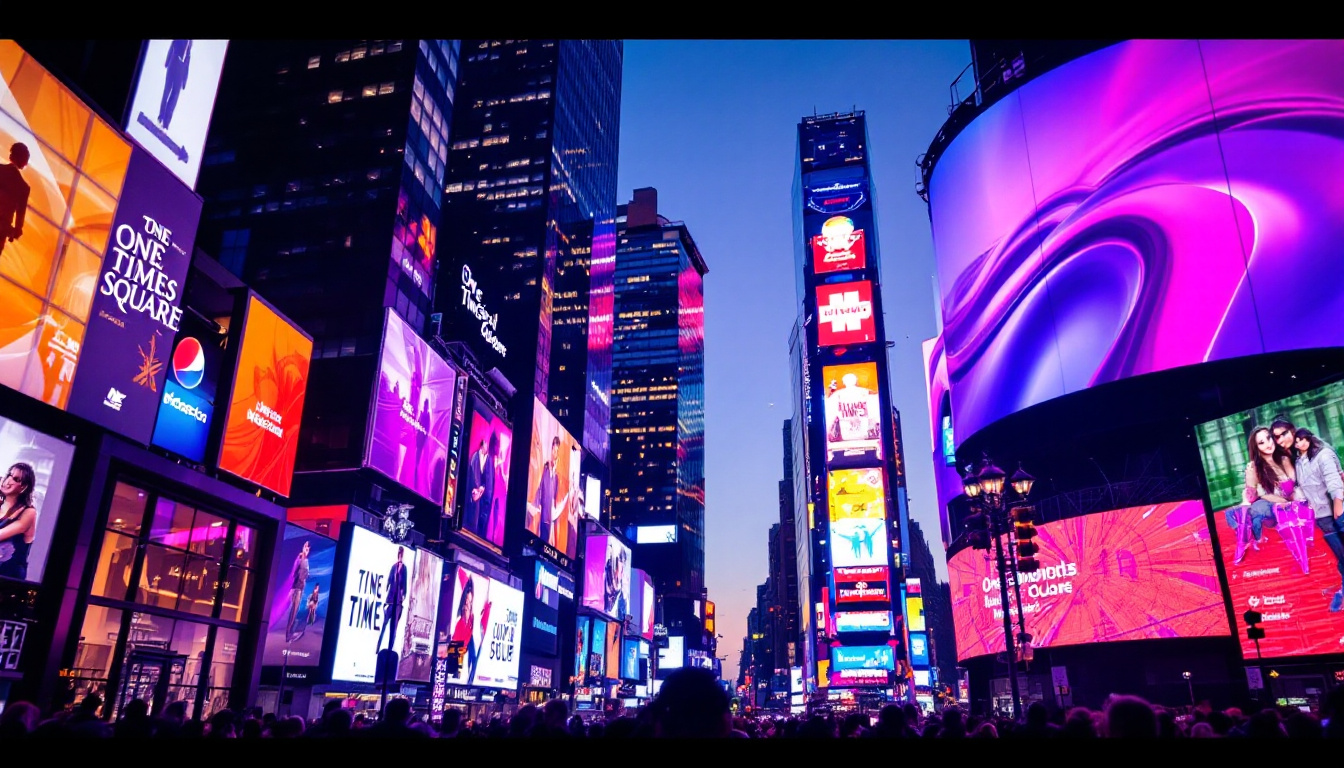
LED displays have revolutionized the way information and visuals are presented in public spaces, retail environments, and entertainment venues. Among the various installation methods, LED panel hanging stands out as a flexible and visually striking option. This article delves into the intricacies of LED panel hanging, explaining what it entails, how it works, and why it is becoming a preferred choice for many applications.
Understanding LED Panels and Their Applications
What Are LED Panels?
LED panels are flat display units composed of an array of light-emitting diodes (LEDs) arranged in a grid. These panels can display images, videos, and text with high brightness and clarity. Unlike traditional LCD or projection screens, LED panels emit their own light, providing superior contrast and visibility even in bright environments.
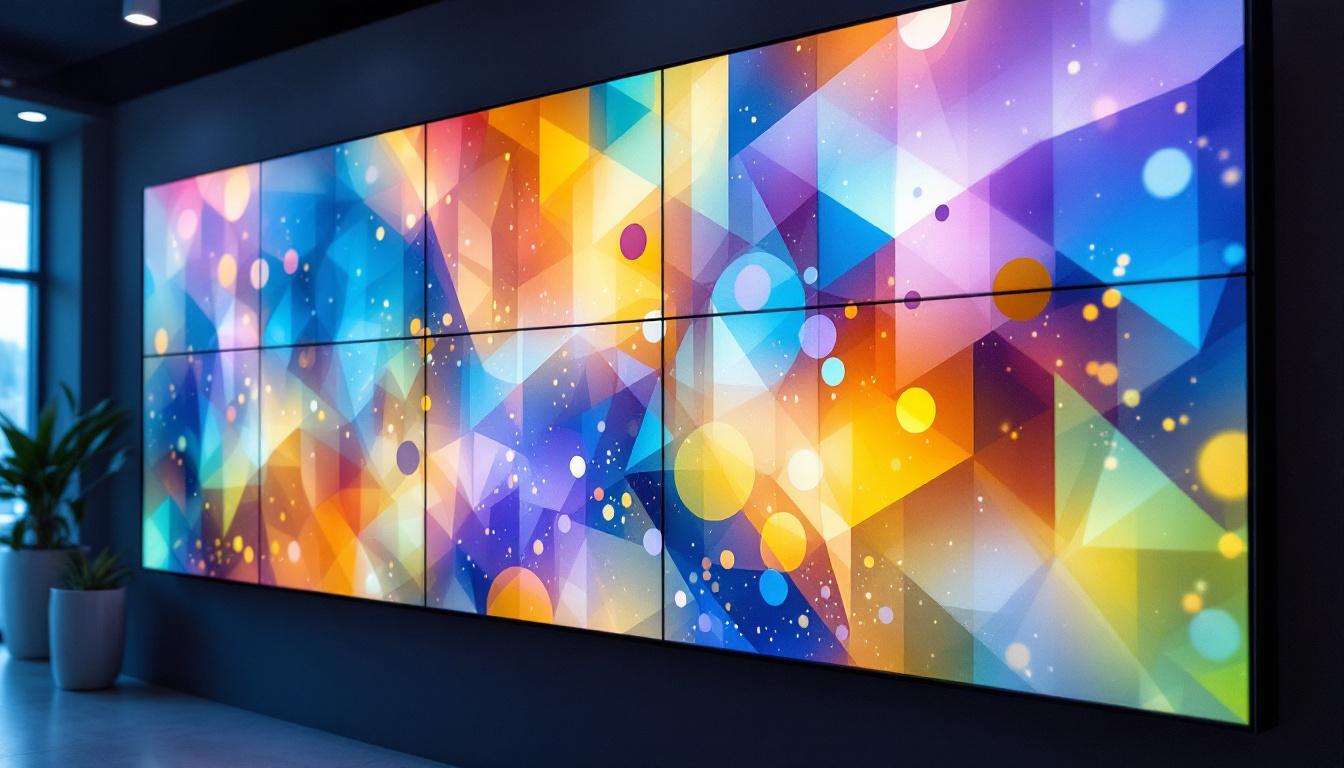
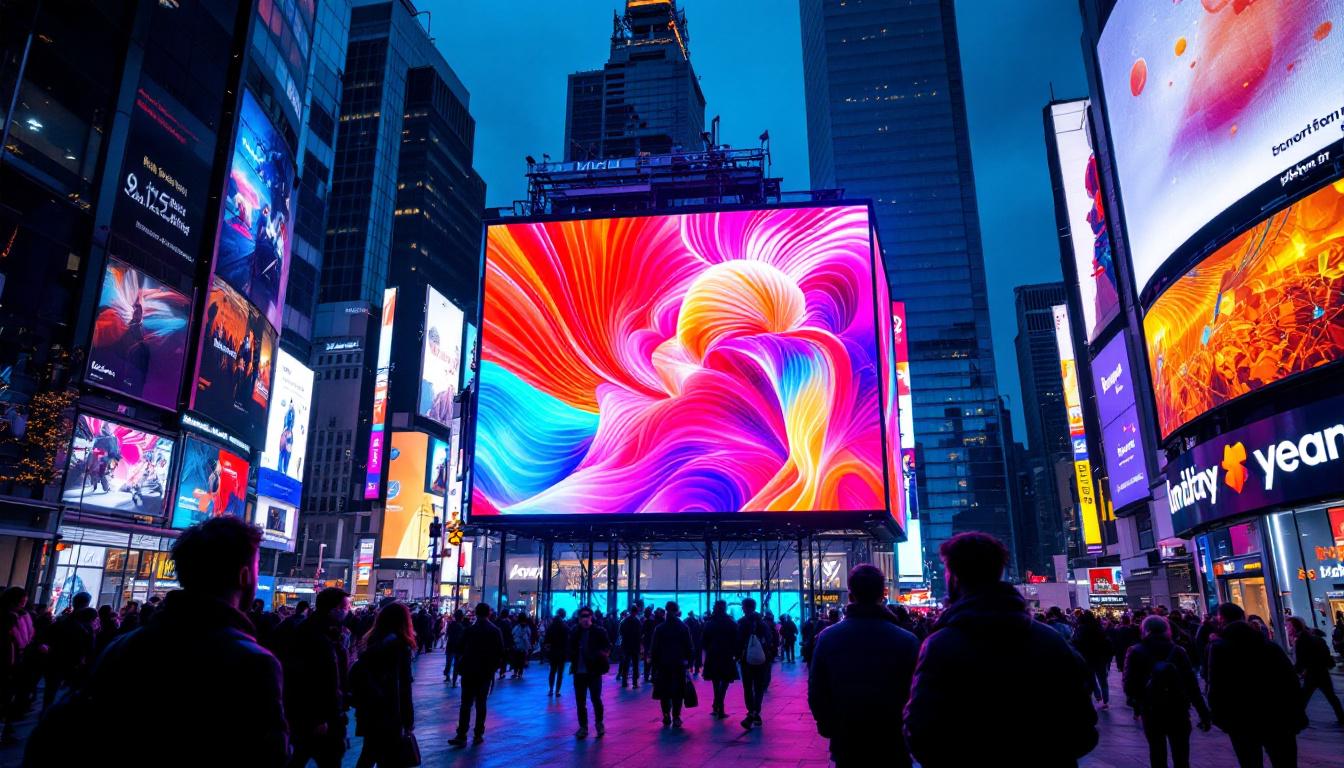
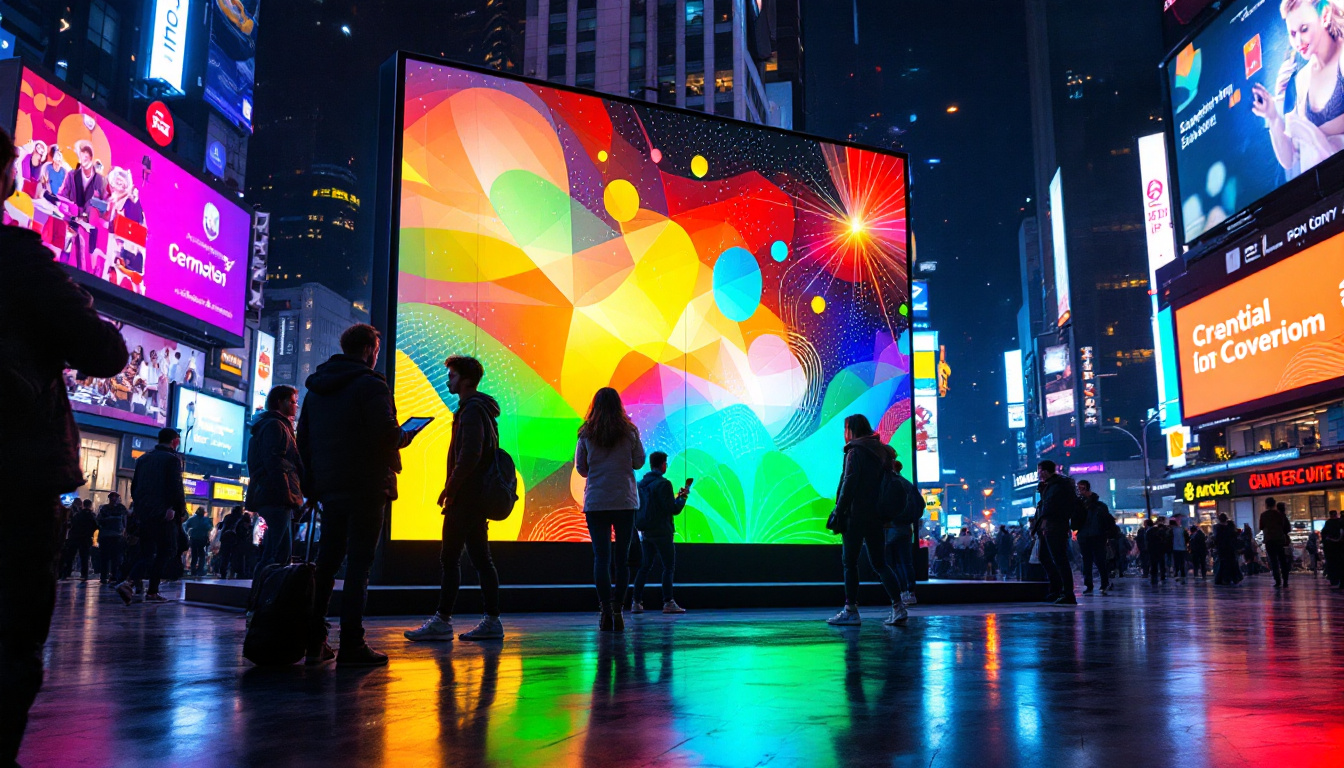
The modular nature of LED panels allows them to be combined seamlessly to create large-scale displays of almost any size or shape. This flexibility is a key reason why LED panels are widely used in advertising billboards, stage backdrops, sports arenas, and retail signage. Furthermore, advancements in technology have led to the development of ultra-thin LED panels that can be easily integrated into various architectural designs, making them not just functional but also aesthetically pleasing. These innovations have opened up new possibilities for creative installations, allowing designers to think outside the box when it comes to visual communication.
Common Uses of LED Panels
LED panels are utilized in a variety of settings, including:
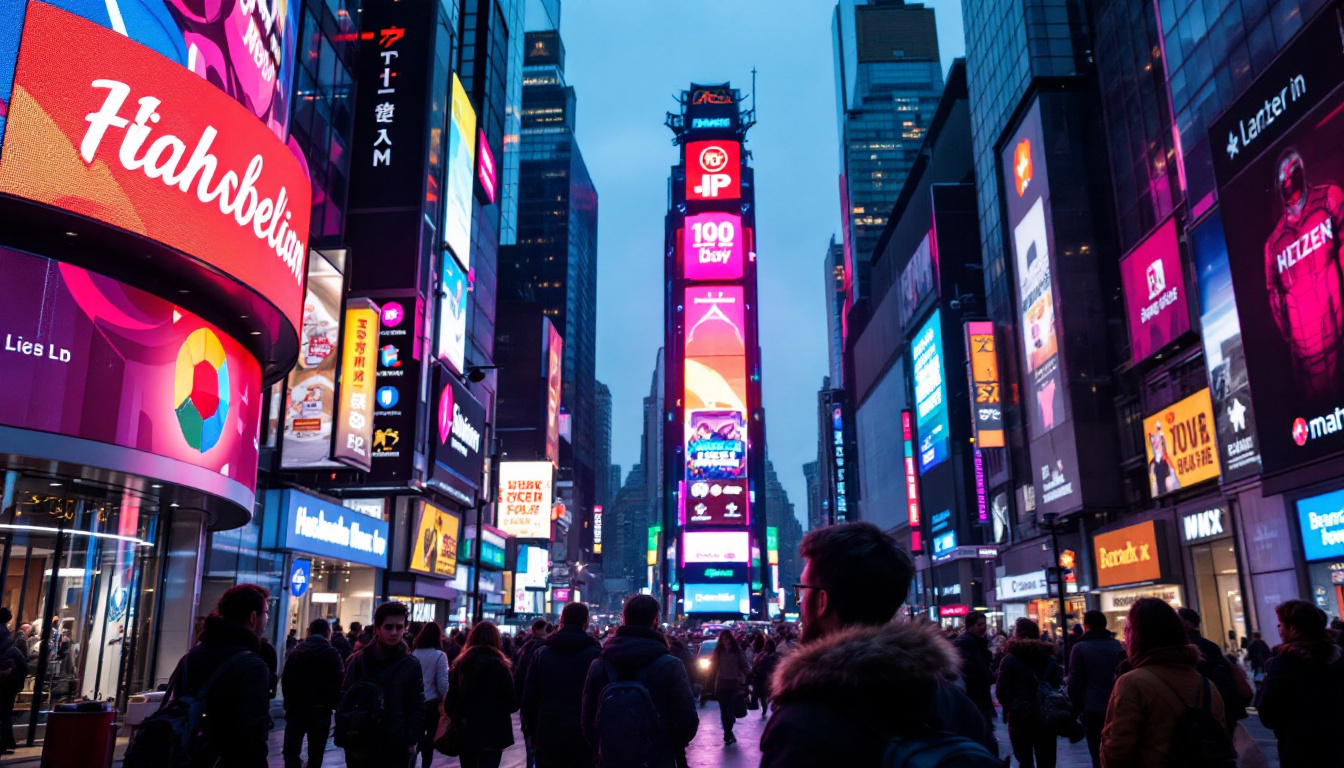
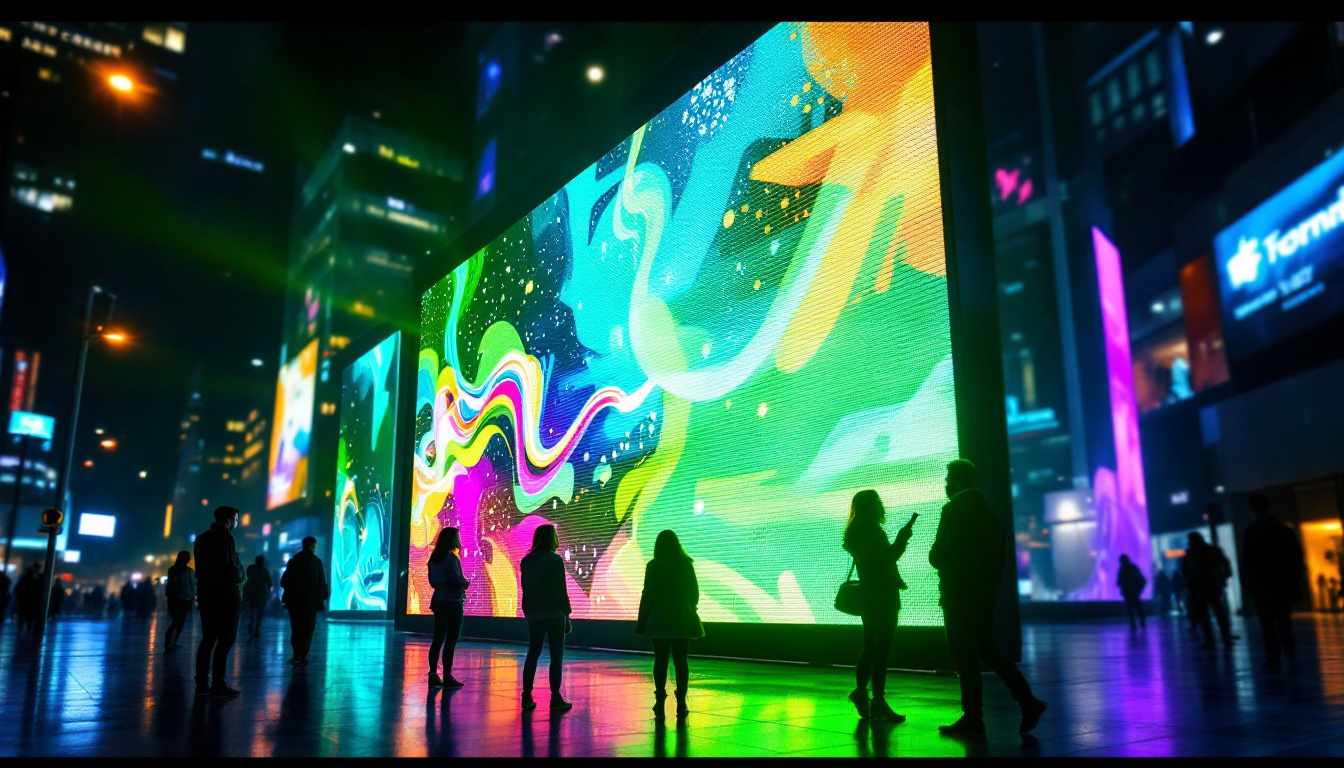
- Outdoor Advertising: Billboards and digital signage that require high brightness and durability.
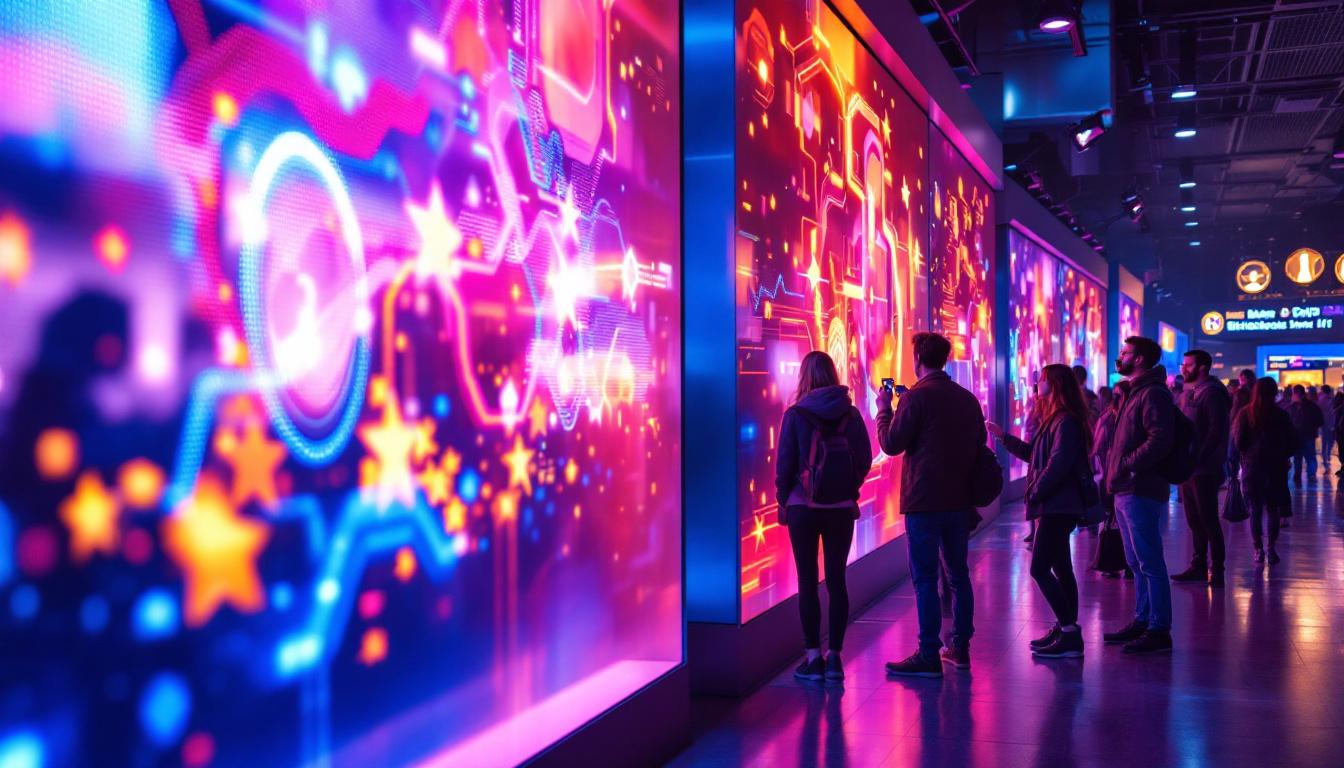
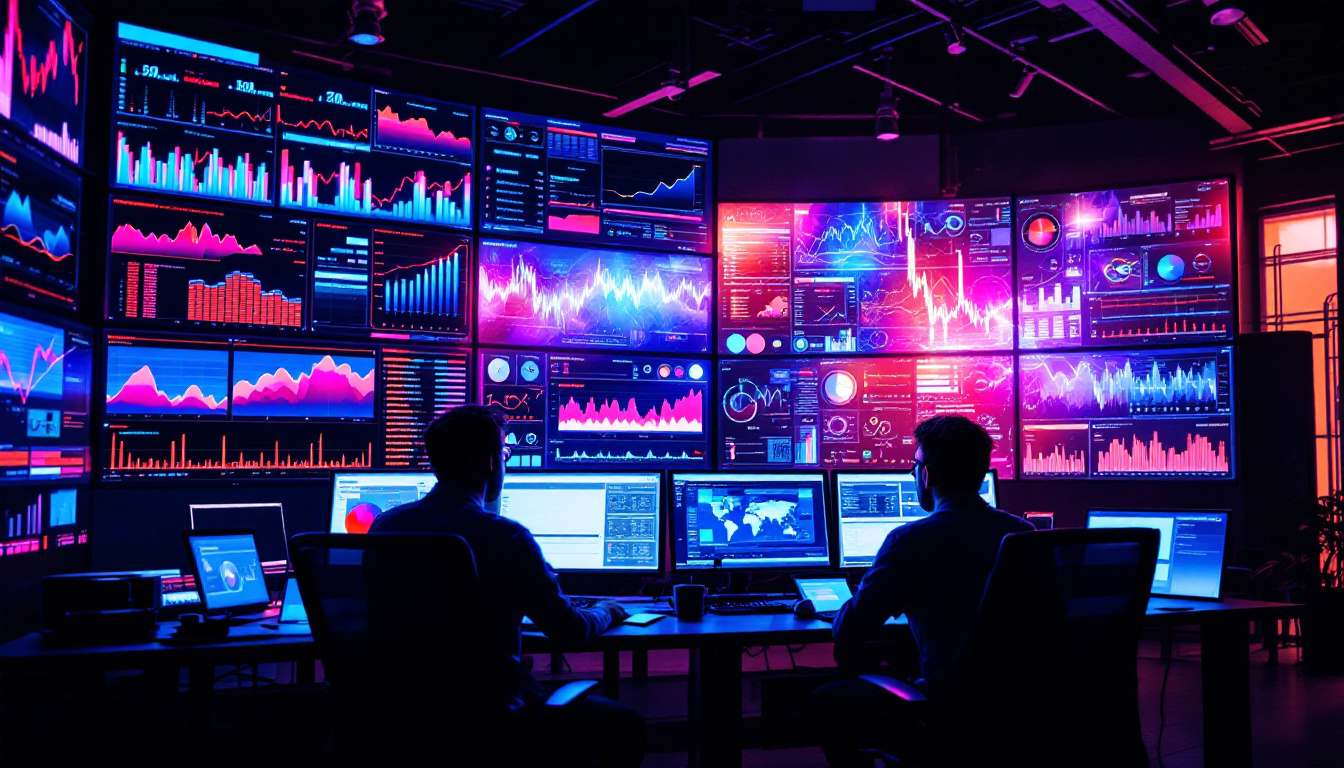
- Indoor Displays: Retail stores, shopping malls, and corporate environments use LED panels for promotional content and dynamic messaging.
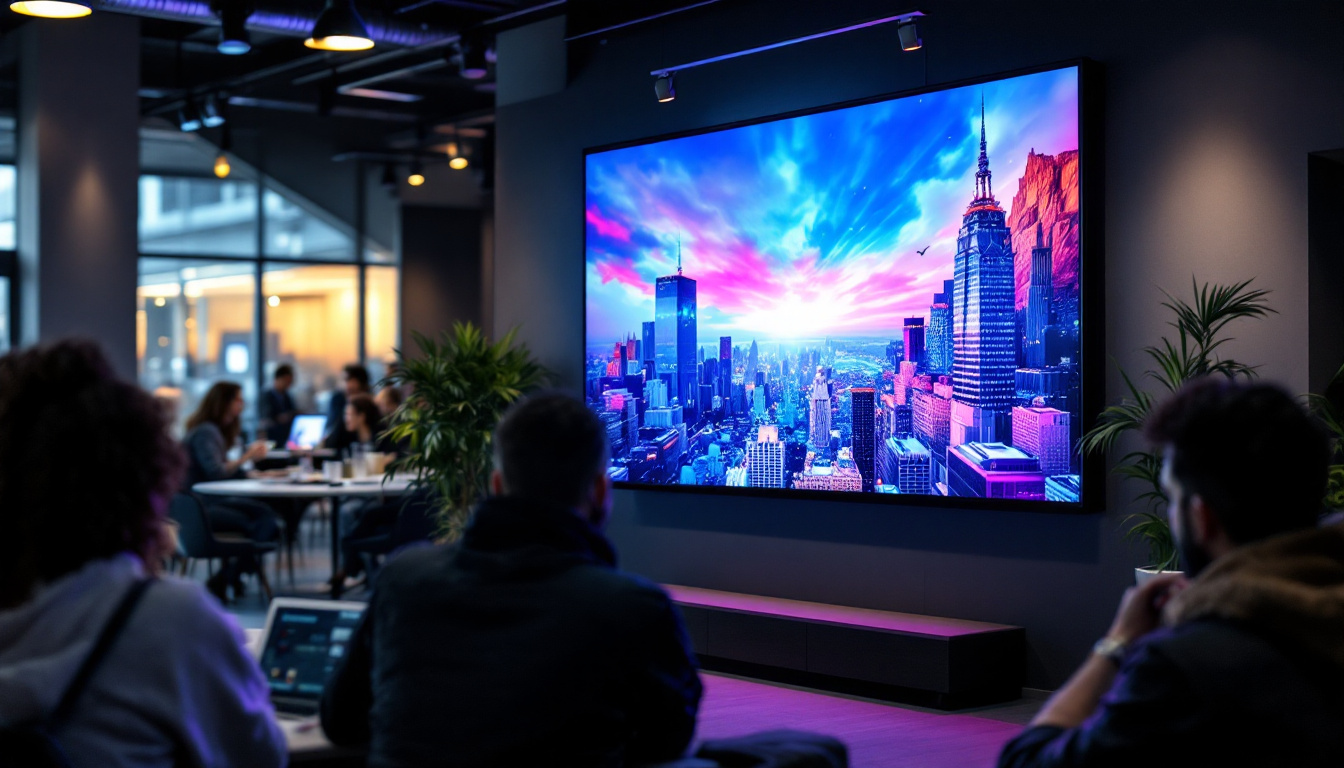
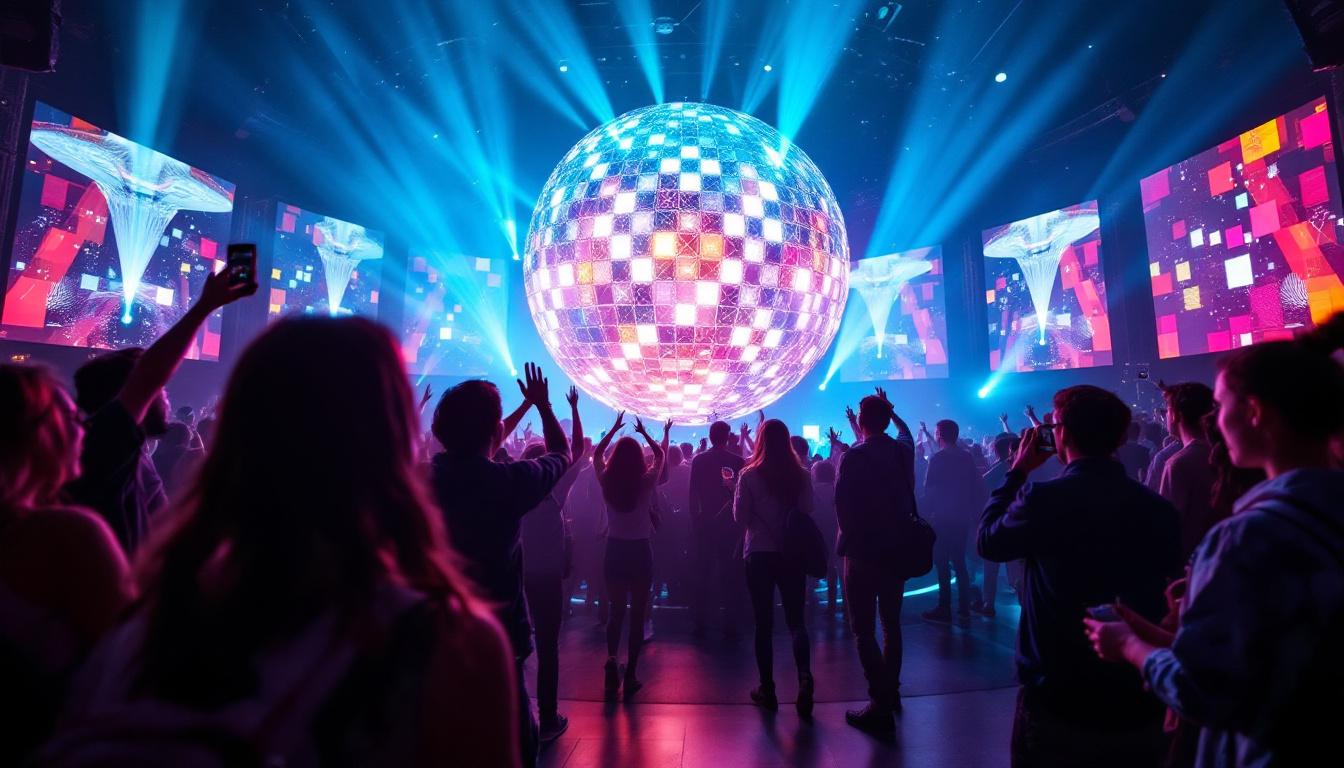
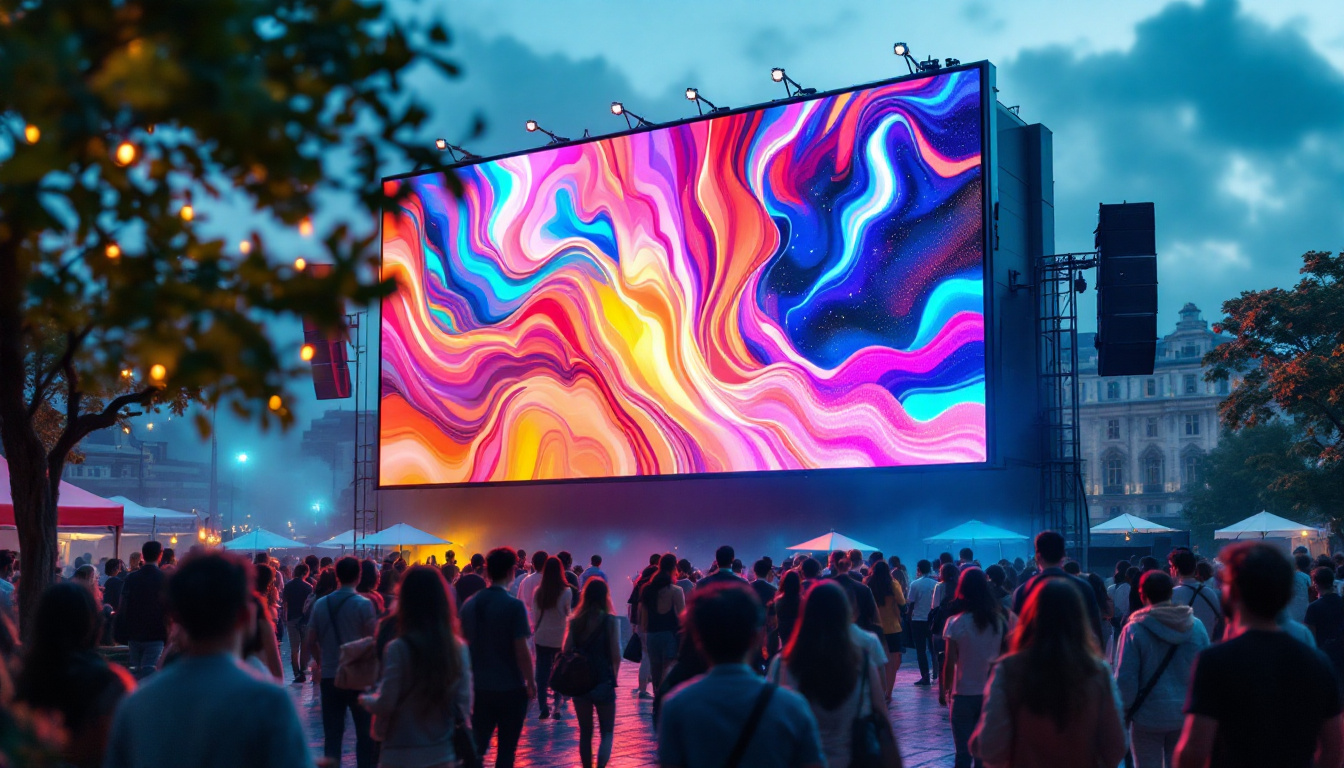
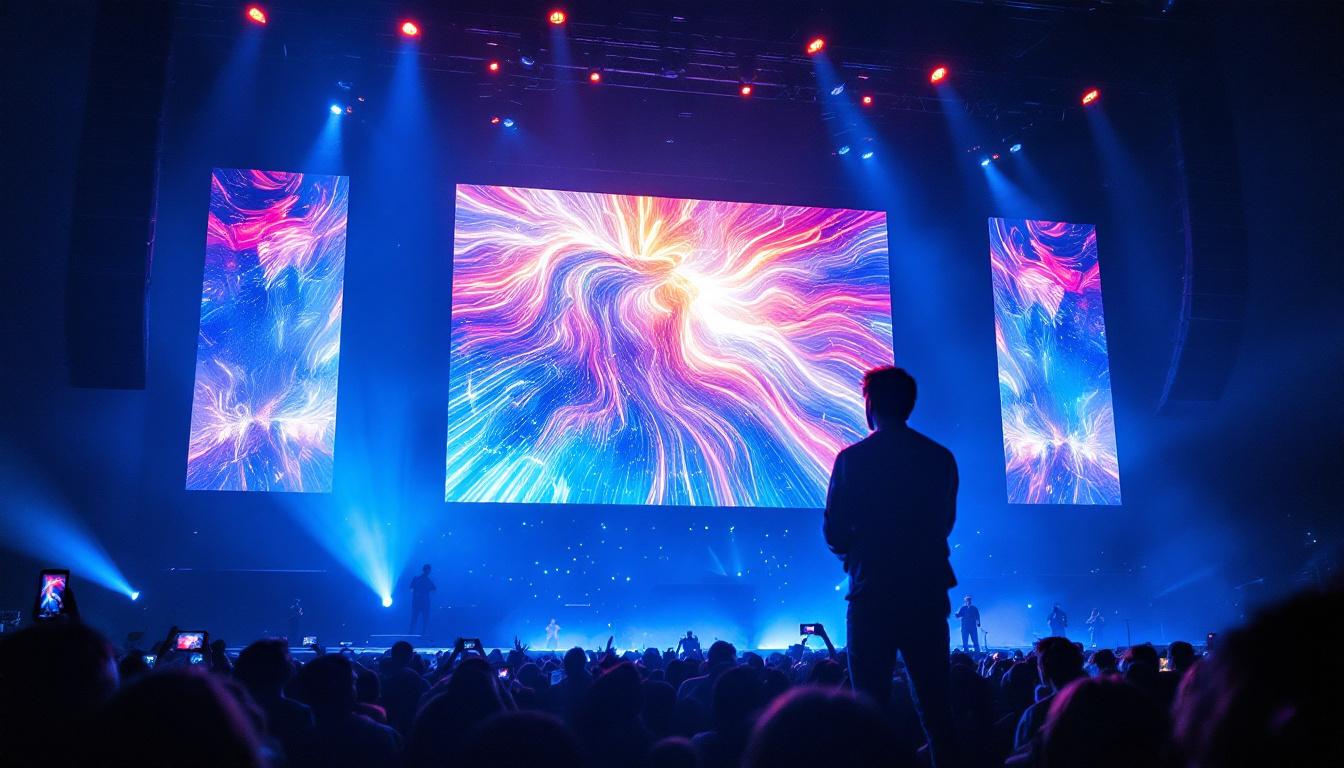
- Events and Entertainment: Concerts, conferences, and exhibitions often feature LED walls as immersive visual backdrops.
- Transportation Hubs: Airports and train stations use LED displays for real-time information and wayfinding.
Each application demands specific features such as weather resistance, pixel pitch, and mounting options, which brings us to the importance of installation methods like panel hanging. Additionally, the versatility of LED panels extends to their ability to be programmed for various effects, including animations and transitions, which can enhance the viewer’s experience. For instance, during live events, LED panels can be synchronized with music to create a captivating visual spectacle that engages the audience on multiple sensory levels. This capability not only elevates the overall production quality but also allows for unique storytelling opportunities that can leave a lasting impression on viewers.
Moreover, as sustainability becomes increasingly important in today’s world, LED panels are also recognized for their energy efficiency compared to traditional lighting solutions. They consume significantly less power, which not only reduces operational costs but also minimizes environmental impact. This makes them an attractive option for businesses looking to enhance their brand image while also committing to greener practices. As technology continues to evolve, the future of LED panels looks promising, with ongoing innovations aimed at improving their functionality, durability, and integration into smart technology systems.
What Is LED Panel Hanging?
The Basics of Hanging LED Panels
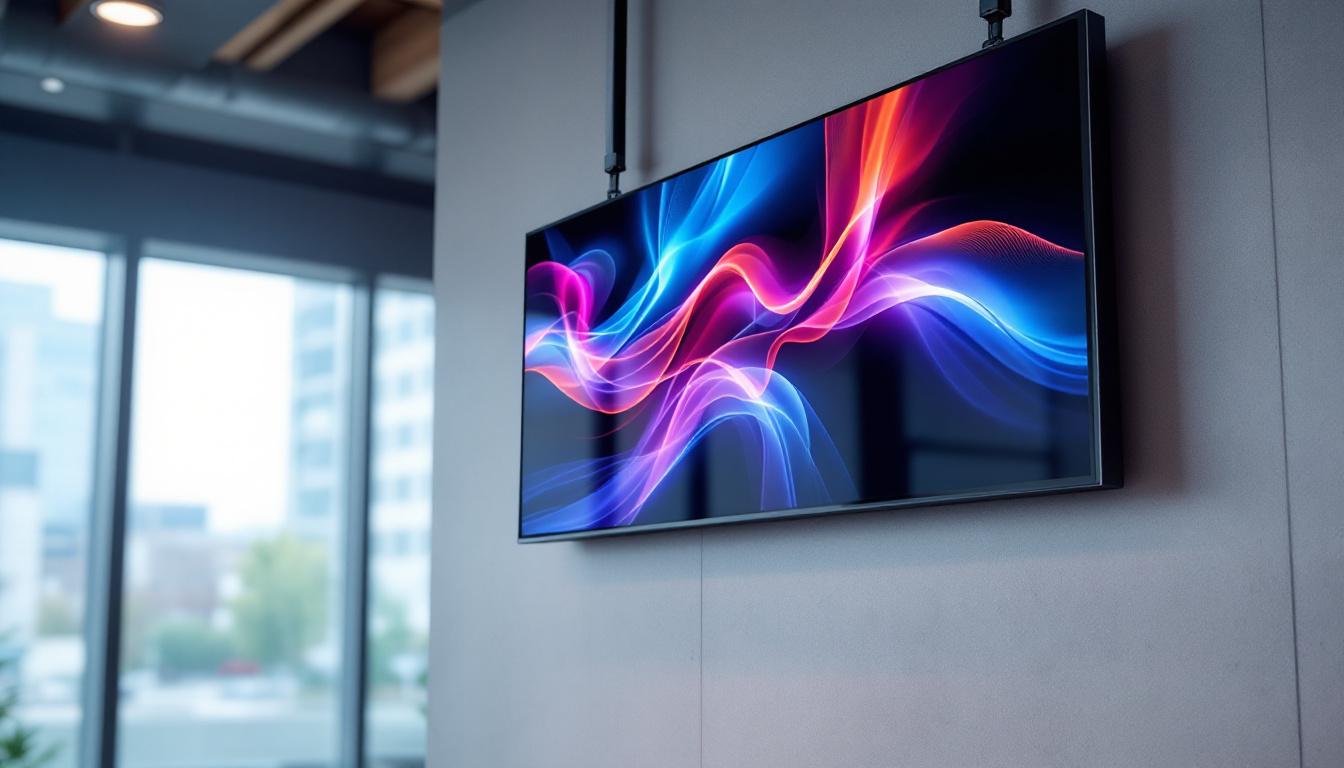
LED panel hanging refers to the method of suspending LED display panels from ceilings, trusses, or other overhead structures using rigging hardware. This technique is especially prevalent in event production and retail environments where floor space is limited or where the display needs to be elevated for better visibility.
Hanging LED panels allows for creative display configurations, including curved walls, angled surfaces, and floating installations, which can enhance the visual impact and audience engagement.
Why Choose Hanging Over Other Mounting Methods?
There are several reasons why hanging LED panels is often the preferred installation method:
- Space Efficiency: Hanging frees up floor space, which is crucial in crowded venues or retail areas.
- Optimal Viewing Angles: Elevating the display ensures it is visible from a distance and multiple angles.
- Design Flexibility: Hanging allows for creative configurations that are not possible with wall-mounted or floor-standing displays.
- Quick Installation and Dismantling: For temporary events, hanging systems can be assembled and disassembled rapidly.
However, hanging LED panels also requires careful planning to ensure safety, structural integrity, and optimal performance.
Technical Considerations for LED Panel Hanging
Weight and Structural Support
One of the most critical factors in hanging LED panels is understanding the weight of the panels and ensuring that the supporting structure can safely bear the load. LED panels vary in weight depending on their size, materials, and design, typically ranging from 5 to 15 kilograms per panel.
Structural engineers or rigging professionals must assess the ceiling or truss system to confirm it can handle the combined weight of the panels plus any additional rigging hardware. Overloading can lead to catastrophic failures, so safety margins are essential.
Rigging Hardware and Safety Standards
Proper rigging hardware includes clamps, chains, cables, and brackets designed specifically for LED panel installations. These components must comply with industry safety standards such as those outlined by the Occupational Safety and Health Administration (OSHA) or the European Norms (EN) for rigging and lifting equipment.
Redundancy in rigging—using multiple attachment points and safety cables—is a common practice to prevent accidents in case one component fails. Regular inspections and maintenance of rigging hardware are also necessary to ensure ongoing safety.
Electrical and Data Connectivity
Hanging LED panels require careful management of power and data cables. These cables must be routed securely to avoid strain or damage and to maintain a clean aesthetic. Often, cable management systems are integrated into the rigging setup to conceal wiring and protect connections.
Additionally, the power supply units and control systems must be accessible for maintenance without disrupting the display or the hanging structure.
Pixel Pitch and Viewing Distance
Pixel pitch—the distance between individual LEDs on a panel—directly affects image resolution and clarity. When LED panels are hung at height, the viewing distance increases, which means a larger pixel pitch can be used without compromising perceived image quality.
For example, a pixel pitch of 4mm to 6mm is common for indoor hanging displays viewed from several meters away, while outdoor displays might use 10mm or more. Choosing the correct pixel pitch ensures the display looks sharp and professional from the intended viewing zones.
Installation Process of Hanging LED Panels
Planning and Design
Successful LED panel hanging begins with thorough planning. This includes:
- Assessing the venue’s structural capabilities and rigging points.
- Determining the optimal size, shape, and configuration of the display.
- Selecting appropriate LED panels based on pixel pitch, brightness, and weight.
- Designing the rigging system to meet safety and aesthetic requirements.
Advanced 3D modeling software is often used to visualize the installation and identify potential challenges before physical setup begins.
Assembly and Rigging
The assembly typically involves connecting individual LED panels to form the desired display size and shape. Each panel is designed to interlock securely with adjacent panels to create a seamless image.
Once assembled, the display is lifted using hoists or cranes and attached to the rigging points with the selected hardware. Technicians ensure that the display is level, stable, and properly tensioned to prevent movement or vibration during use.
Calibration and Testing
After installation, the LED display undergoes calibration to optimize color accuracy, brightness uniformity, and image alignment. This step is crucial to deliver a high-quality visual experience and to ensure the display performs reliably over time.
Technicians also test the rigging system to confirm that all safety measures are in place and that the structure can withstand environmental factors such as wind or vibrations.
Advantages and Challenges of LED Panel Hanging
Advantages
Hanging LED panels offer numerous benefits, including:
- Enhanced Visibility: Elevated displays are easier to see from a distance and attract more attention.
- Creative Freedom: Designers can create unique shapes and configurations that stand out.
- Space Optimization: Ideal for venues with limited floor space or where floor-mounted displays would obstruct traffic.
- Portability: Hanging systems can be adapted for temporary events, making them reusable and cost-effective.
Challenges
Despite the benefits, hanging LED panels also present challenges:
- Structural Limitations: Not all venues have suitable rigging points or support structures.
- Safety Risks: Improper installation can lead to accidents, making professional rigging essential.
- Complex Installation: Requires skilled technicians and specialized equipment, which can increase costs.
- Maintenance Accessibility: Panels hung at height may be harder to access for repairs or cleaning.
Future Trends in LED Panel Hanging
Lightweight and Flexible Panels
Advancements in LED technology are leading to lighter, thinner panels that simplify hanging installations. Flexible LED panels that can bend and curve are becoming more common, allowing for innovative display shapes and immersive environments.
Smart Rigging Systems
Integration of sensors and IoT technology into rigging hardware is improving safety and ease of installation. Smart rigging systems can monitor load, tension, and environmental conditions in real-time, alerting operators to potential issues before they become hazards.
Energy Efficiency and Sustainability
New LED panels are designed to consume less power while delivering higher brightness. Sustainable materials and recyclable components are increasingly used in panel manufacturing and rigging hardware, aligning with global efforts to reduce environmental impact.
Conclusion
LED panel hanging is a sophisticated and versatile method for installing LED displays that maximizes visibility, design flexibility, and space efficiency. While it requires careful planning, professional installation, and adherence to safety standards, the benefits it offers make it an attractive choice for a wide range of applications—from large-scale events to retail environments.
As LED technology continues to evolve, the possibilities for hanging LED panels will expand, offering even more creative and practical solutions for dynamic visual communication.
Discover LumenMatrix LED Display Solutions
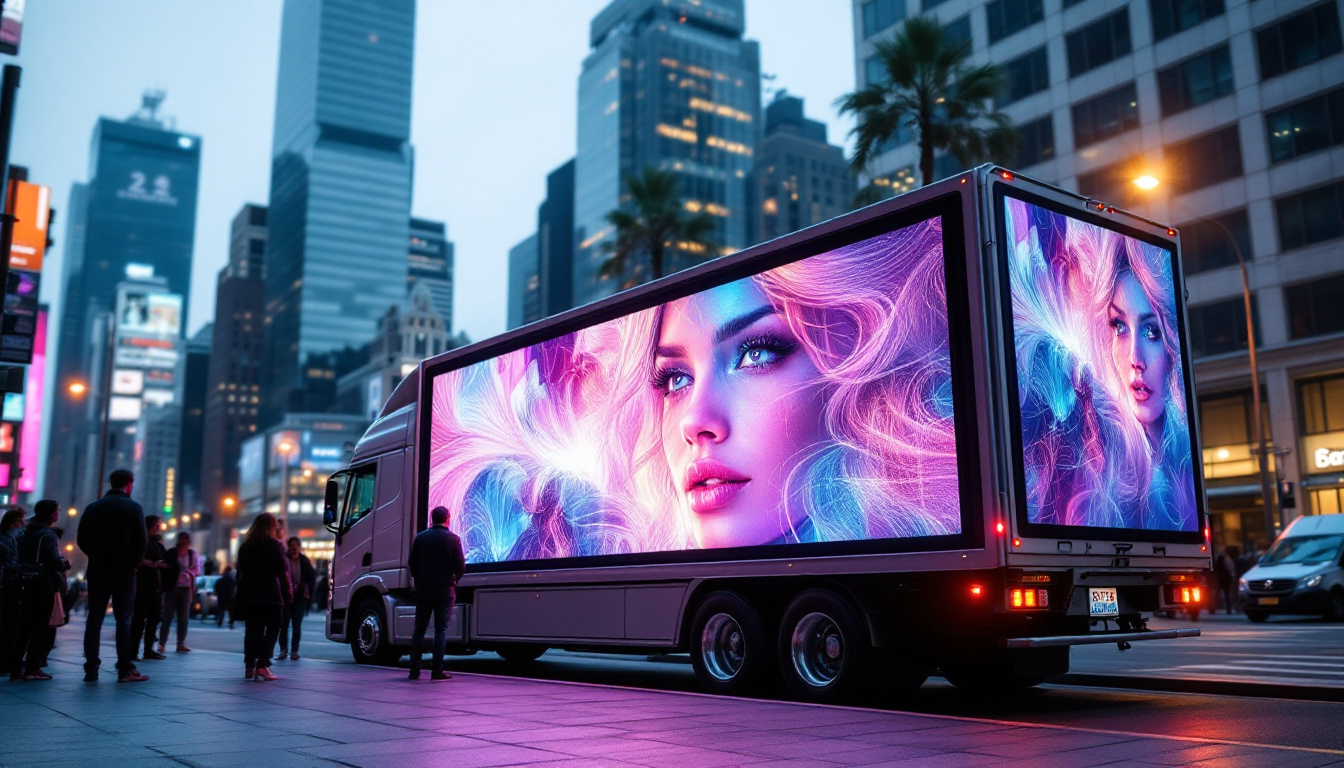
Ready to elevate your space with the latest in LED display technology? LumenMatrix is at the forefront of creating immersive and dynamic visual experiences. Whether you’re looking for Indoor LED Walls, Outdoor Displays, or innovative solutions like Vehicle LED Displays and LED Transparent Displays, we have the expertise to bring your vision to life. Experience the future of visual communication with our advanced LED solutions that promise to captivate your audience and amplify your message. Check out LumenMatrix LED Display Solutions today and transform your environment with unparalleled clarity and impact.