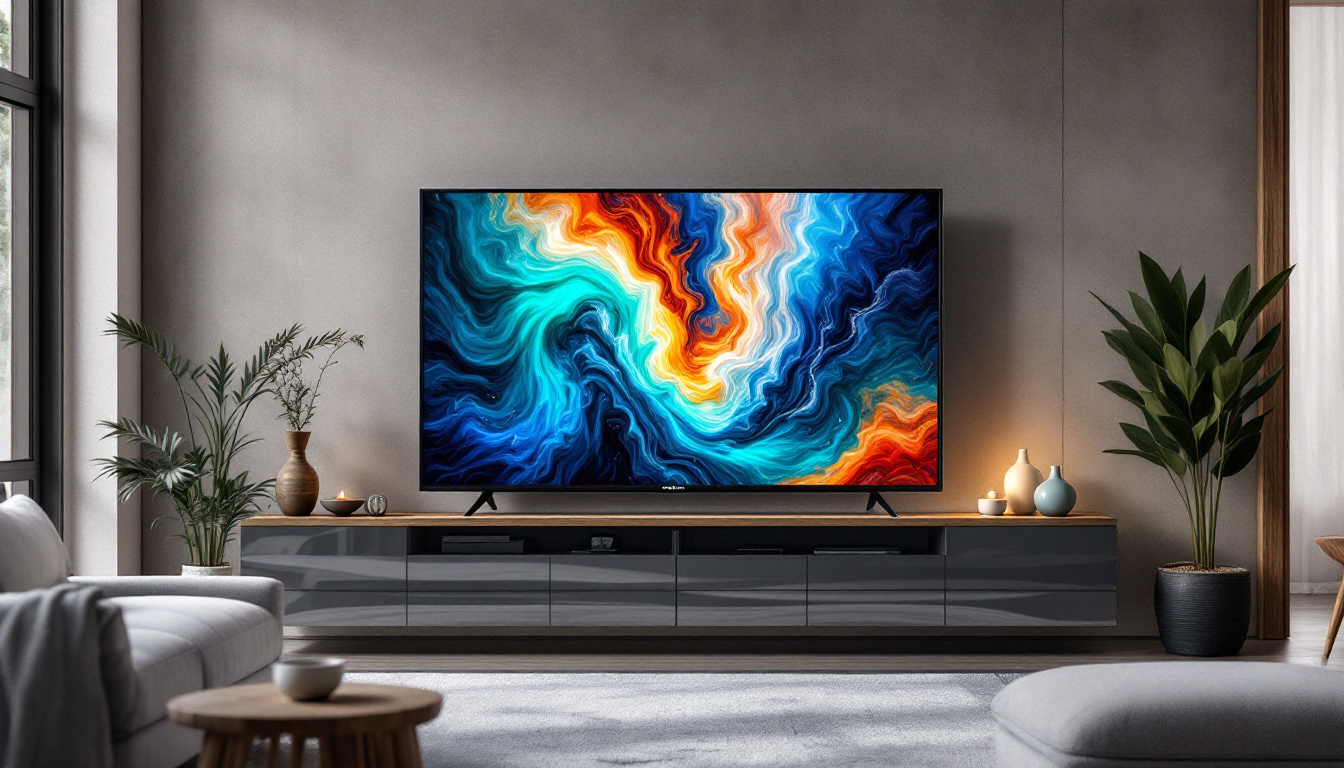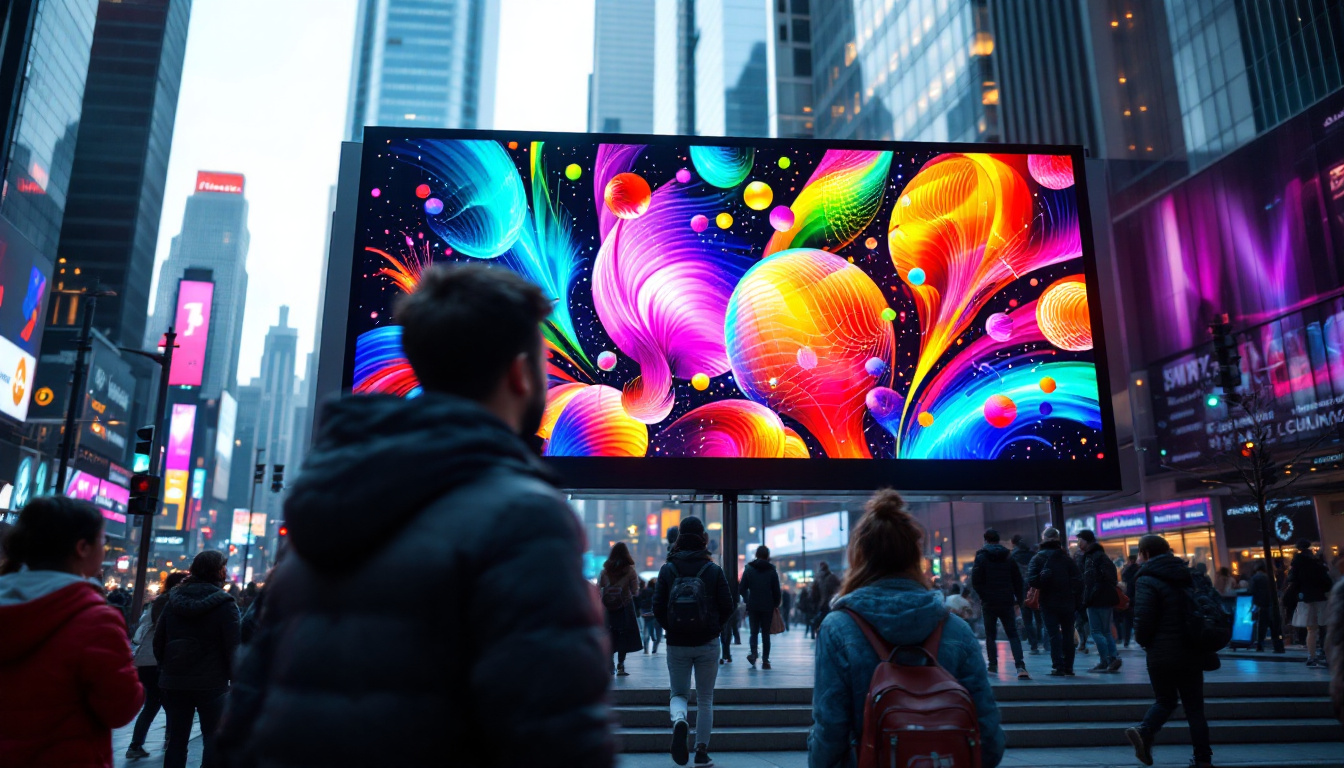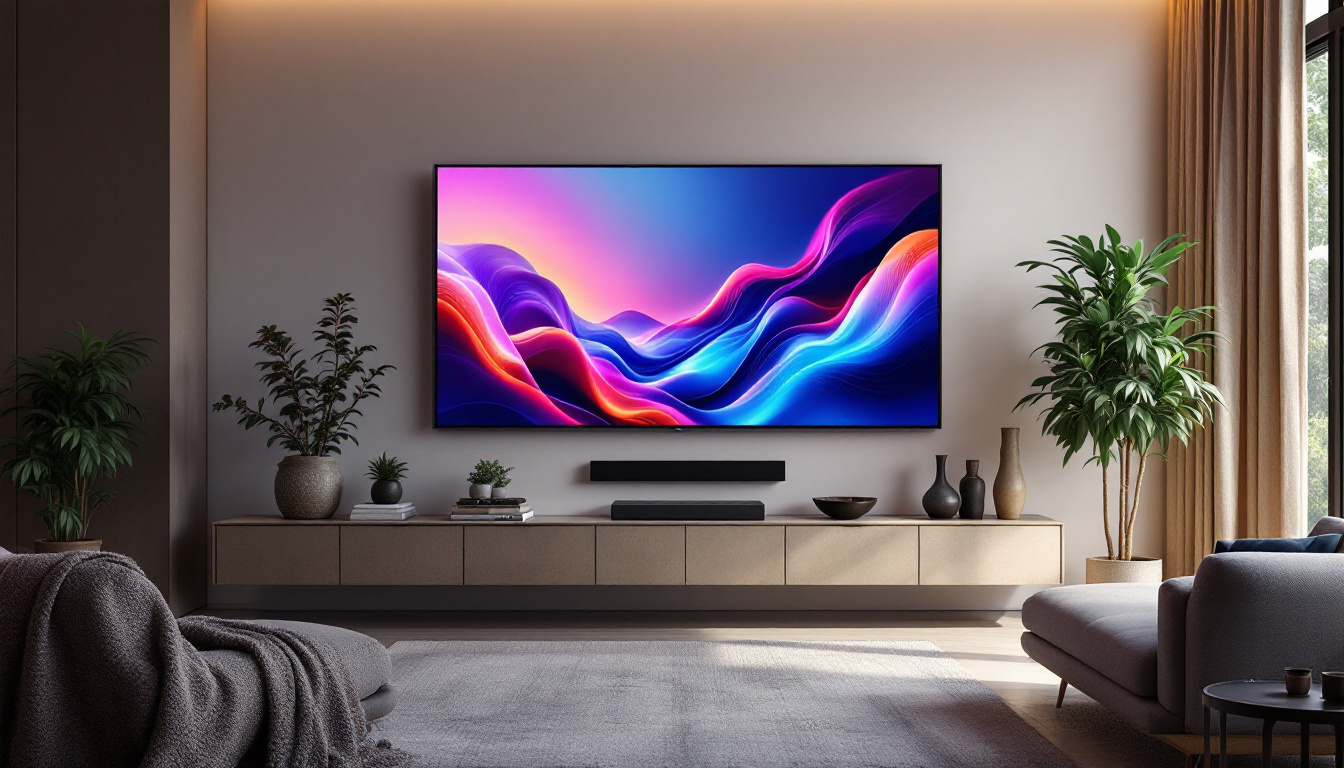
When selecting an LED display, whether for a television, computer monitor, or digital signage, one of the most critical specifications to understand is the contrast ratio. This measurement plays a pivotal role in determining the quality of the image, affecting everything from color vibrancy to the clarity of details in shadows and highlights. However, contrast ratio can be a somewhat elusive concept, often misunderstood or oversimplified. This article aims to provide a comprehensive explanation of contrast ratio in LED displays, exploring its definition, how it’s measured, its impact on viewing experience, and the nuances that consumers and professionals should be aware of.
What is Contrast Ratio?
At its core, the contrast ratio is a numerical expression that compares the luminance of the brightest white to the darkest black that a display can produce. It essentially quantifies the difference between the lightest and darkest parts of an image, which directly influences how vivid and lifelike the picture appears.
For example, a contrast ratio of 1000:1 means that the brightest white is 1000 times brighter than the darkest black on that display. The higher the ratio, the greater the difference between light and dark, which typically translates to richer images with more depth and detail.
Understanding contrast ratio is crucial because it affects the display’s ability to render scenes with subtle gradations of light and shadow, which is especially important for high-definition content, movies, gaming, and professional applications like photo and video editing.
Static vs. Dynamic Contrast Ratio
Contrast ratio can be categorized into two main types: static (or native) contrast ratio and dynamic contrast ratio. Both are important but represent different measurement approaches.
- Static Contrast Ratio: This measures the contrast between the brightest white and the darkest black that the display can produce simultaneously. It reflects the inherent capability of the panel without any adjustments or enhancements. For LED displays, static contrast ratios typically range from 1000:1 to 5000:1, depending on the technology and quality.
- Dynamic Contrast Ratio: This measures the contrast ratio over time, where the display adjusts its backlight or pixel brightness dynamically to enhance perceived contrast. Manufacturers often advertise dynamic contrast ratios that are significantly higher, sometimes reaching millions to one. However, these numbers can be misleading because they don’t represent the contrast visible at any single moment.
For a realistic understanding of display performance, static contrast ratio is the more reliable metric, especially for professionals who require color accuracy and consistent image quality.
How Contrast Ratio is Measured in LED Displays
Measuring contrast ratio involves assessing the luminance of the brightest white and the darkest black the display can produce. This is typically done using specialized equipment such as luminance meters or spectroradiometers in controlled environments to ensure accuracy.
In LED displays, the backlighting system plays a significant role in contrast ratio. Unlike OLED displays where each pixel emits its own light, LED displays rely on a backlight behind an LCD panel. This means that the ability to produce deep blacks depends on how well the display can block or dim the backlight in dark areas.
Factors Affecting Contrast Ratio Measurement
Several factors influence the measured contrast ratio of an LED display:
- Backlight Technology: LED displays use different backlighting methods such as edge-lit, full-array, or mini-LED. Full-array local dimming and mini-LED backlights can significantly improve contrast by selectively dimming parts of the screen.
- Ambient Lighting: The environment where the measurement is taken affects the perceived contrast. Bright ambient light can reduce the visible difference between black and white, making contrast appear lower.
- Measurement Standards: Different manufacturers may use varying standards and conditions for measuring contrast ratio, which can lead to inconsistent or inflated numbers.
- Panel Quality: The quality of the LCD panel, including its ability to block light leakage and its response time, impacts the achievable contrast ratio.
Because of these variables, it’s important for consumers to consider contrast ratio measurements as part of a broader evaluation that includes real-world viewing tests and reviews.
Why Contrast Ratio Matters for Viewing Experience
The contrast ratio directly influences how immersive and enjoyable the viewing experience is. A higher contrast ratio means deeper blacks and brighter whites, which enhances the perception of depth and realism in the image.
For example, in a movie scene set in a dark environment, a display with a high contrast ratio will show details in the shadows without making them look washed out or gray. Similarly, bright highlights like reflections or explosions will appear more vivid and striking.
Impact on Color Accuracy and Detail
Contrast ratio also affects color accuracy. When blacks are truly black rather than dark gray, colors stand out more distinctly and appear more saturated. This is essential for professionals working in graphic design, photography, or video production, where precise color representation is critical.
Moreover, a good contrast ratio helps reveal fine details in both bright and dark areas of an image. This can be particularly beneficial in gaming, where spotting subtle visual cues can impact gameplay, or in medical imaging and scientific visualization where detail clarity is paramount.
Contrast Ratio and Eye Comfort
Displays with poor contrast ratios can cause eye strain because the eyes have to work harder to distinguish between shades. A high contrast ratio reduces this strain by providing clearer differentiation between elements on the screen, making it easier to focus and reducing fatigue during extended use.
Contrast Ratio in Different LED Display Technologies
LED displays encompass various technologies, each with unique characteristics that influence contrast ratio. Understanding these differences helps in selecting the right display for specific needs.
Standard LED-LCD Displays
Traditional LED-LCD displays use an LED backlight behind an LCD panel. These displays generally have static contrast ratios between 1000:1 and 3000:1. While adequate for everyday use, they may struggle with deep blacks due to light leakage from the backlight.
Full-Array Local Dimming (FALD)
Full-array local dimming improves contrast by dividing the backlight into multiple zones that can be dimmed independently. This reduces light bleed in dark areas, boosting the effective contrast ratio. FALD displays often achieve static contrast ratios upwards of 5000:1, making them popular in high-end TVs and monitors.
Mini-LED Displays
Mini-LED technology takes local dimming further by using thousands of tiny LEDs as the backlight, allowing for even more precise control. This results in contrast ratios that can rival OLED displays, sometimes reaching 100,000:1 or higher in dynamic contrast. Mini-LED displays offer excellent brightness and contrast performance, making them ideal for HDR content.
Comparison with OLED Displays
While not LED in the traditional sense, OLED displays are often compared because of their superior contrast ratios. Each pixel in an OLED emits its own light and can be turned off completely, resulting in “infinite” contrast ratios with perfect blacks. However, OLEDs have different trade-offs such as potential burn-in and typically lower peak brightness compared to LED displays.
Common Misconceptions About Contrast Ratio
Despite its importance, contrast ratio is often misunderstood or misrepresented in marketing materials. Here are some common misconceptions:
Higher Numbers Always Mean Better Quality
Dynamic contrast ratios can be advertised as extremely high numbers, sometimes in the millions to one. However, these figures often reflect artificial enhancements rather than true panel performance. Real-world viewing benefits are more closely tied to static contrast ratios and actual image quality.
Contrast Ratio Alone Determines Picture Quality
While contrast ratio is important, it is not the sole factor in image quality. Color accuracy, resolution, brightness, refresh rate, and viewing angles also play vital roles. A balanced combination of these factors results in the best viewing experience.
All Contrast Ratio Measurements Are Comparable
Since manufacturers may use different testing methods and conditions, contrast ratio numbers from different brands or models may not be directly comparable. Independent reviews and standardized testing provide more reliable comparisons.
How to Choose an LED Display Based on Contrast Ratio
When selecting an LED display, consider the following guidelines regarding contrast ratio:
- Identify Your Use Case: For general office work or casual viewing, a contrast ratio of around 1000:1 may suffice. For gaming, movies, or professional content creation, aim for higher static contrast ratios (3000:1 or above).
- Look for Local Dimming Features: Displays with full-array local dimming or mini-LED backlighting offer improved contrast and are worth the investment if image quality is a priority.
- Read Independent Reviews: User and expert reviews often provide practical insights into how the contrast ratio translates into real-world performance.
- Consider Ambient Lighting: If the display will be used in a bright room, higher brightness and contrast ratios help maintain image clarity.
- Test In-Person When Possible: Viewing the display firsthand can reveal how well it handles contrast in various scenarios.
Future Trends in LED Display Contrast Technology
Advancements in LED display technology continue to push the boundaries of contrast ratio and image quality. Mini-LED and micro-LED technologies are becoming more prevalent, offering unprecedented control over backlighting and pixel illumination.
Micro-LED, in particular, promises the benefits of OLED’s perfect blacks and infinite contrast while maintaining the brightness and longevity advantages of LED technology. As these technologies mature and become more affordable, consumers can expect even more impressive contrast performance in future displays.
Additionally, improvements in quantum dot technology enhance color accuracy and brightness, indirectly supporting better perceived contrast by expanding the color gamut and luminance range.
Conclusion
Contrast ratio is a fundamental specification that significantly impacts the visual quality of LED displays. Understanding its definition, measurement, and practical implications helps consumers and professionals make informed decisions when choosing displays for various applications.
While high contrast ratios contribute to richer, more immersive images, it is essential to consider the type of contrast ratio being reported, the display technology, and the viewing environment. Combining contrast ratio with other key factors such as color accuracy, brightness, and resolution ensures the best overall viewing experience.
As LED display technologies evolve, contrast ratio will remain a vital metric, reflecting ongoing improvements in how images are rendered and experienced.
Discover the Future of LED Displays with LumenMatrix
Ready to experience the ultimate in contrast ratio and image quality? LumenMatrix is at the forefront of LED display innovation, offering a wide array of solutions that cater to every need. From Indoor and Outdoor LED Walls to specialized displays for Vehicles, Sports, and even Custom configurations, our products are designed to make your message shine with unparalleled clarity and vibrancy. Elevate your visual communication and captivate your audience with our cutting-edge LED technology. Check out LumenMatrix LED Display Solutions today and see the difference for yourself.