In an era where advertising is constantly evolving, digital mobile billboards have emerged as a dynamic and impactful medium for brands to connect with audiences on the move. Combining the power of LED display technology with the flexibility of mobile platforms, these billboards are transforming outdoor advertising. This article delves into the world of digital mobile billboards, explaining the technology behind LED displays, their advantages, and how they are shaping the future of advertising.
Understanding Digital Mobile Billboards
What Are Digital Mobile Billboards?
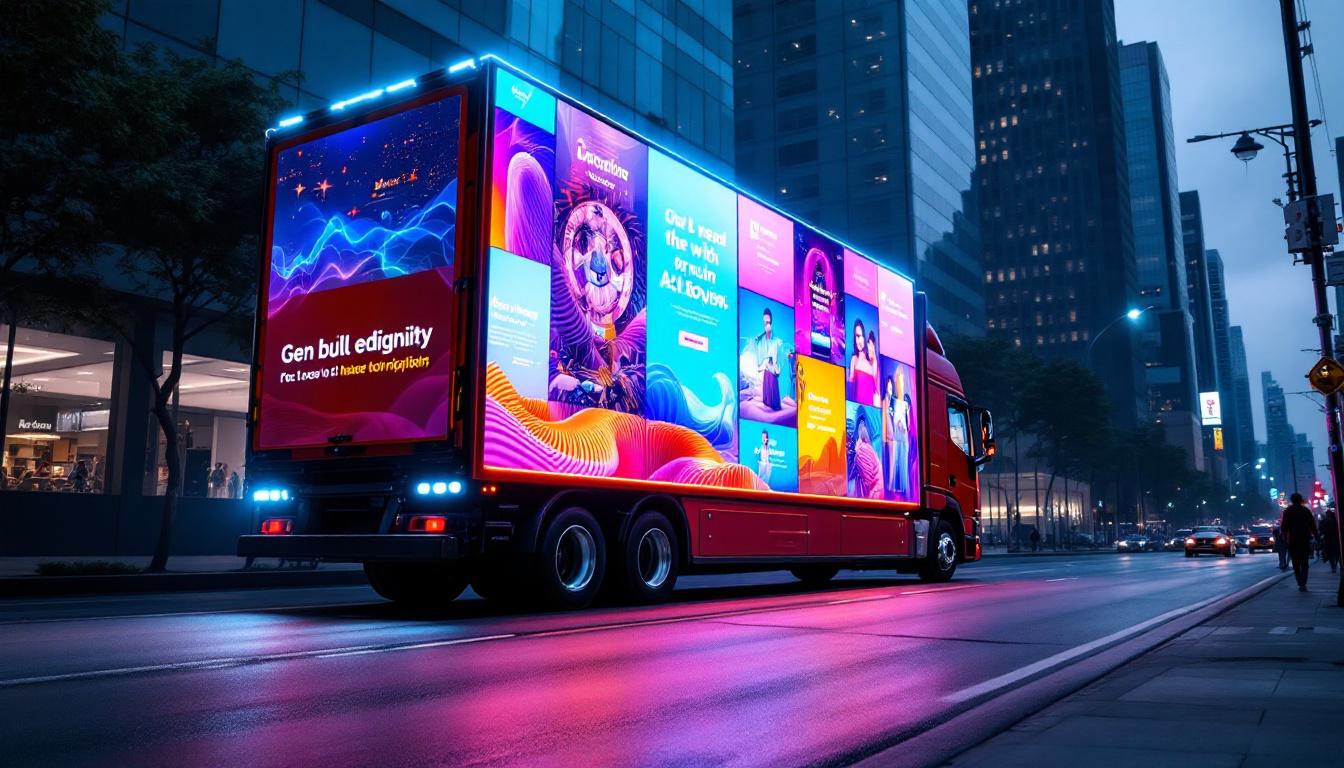
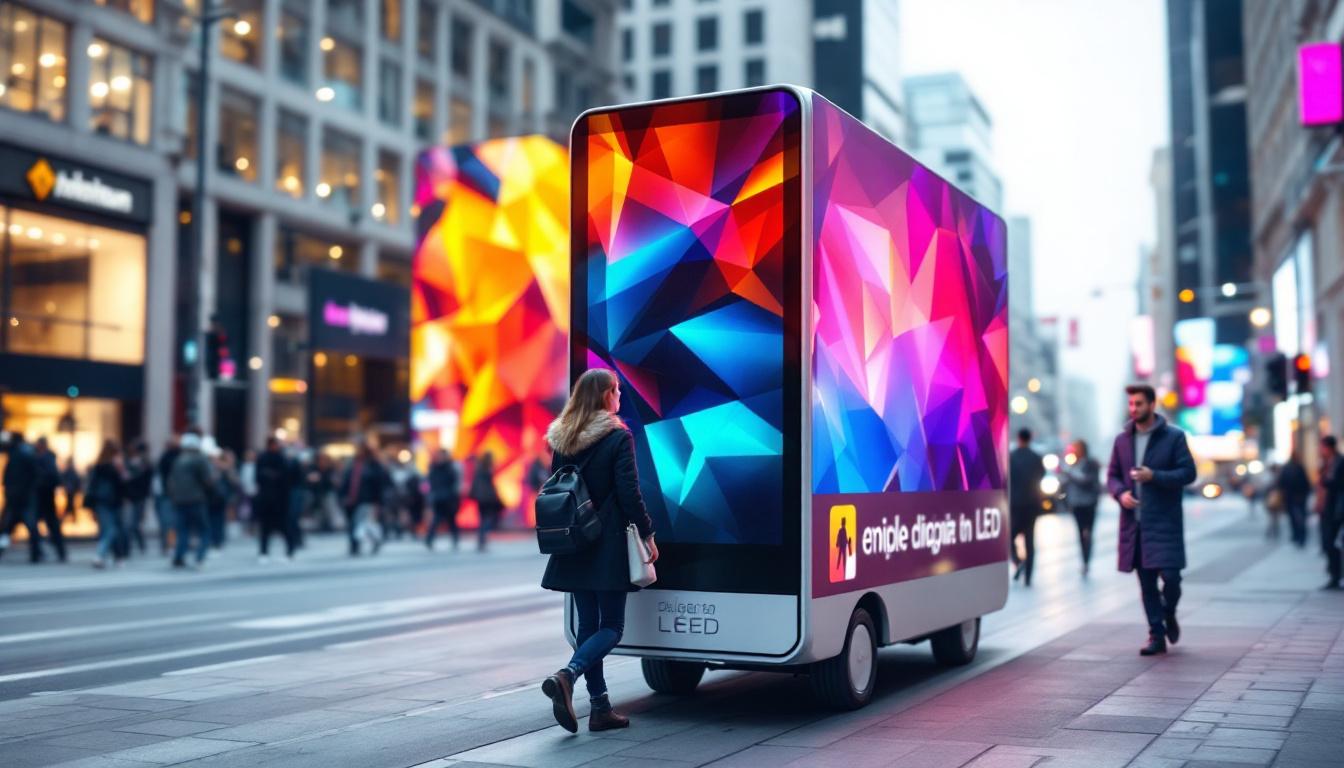
Digital mobile billboards are advertising displays mounted on vehicles such as trucks, vans, or trailers, equipped with LED screens that showcase digital content. Unlike traditional static billboards, these mobile units can move through different locations, reaching diverse audiences in real-time. The LED displays allow for vibrant, high-resolution visuals that can be updated instantly, making them ideal for dynamic campaigns and time-sensitive promotions.
The mobility factor enables advertisers to target specific neighborhoods, events, or traffic hotspots, enhancing the reach and relevance of their messages. This adaptability is particularly valuable in urban environments where pedestrian and vehicular traffic patterns vary throughout the day. Moreover, the ability to change content on-the-fly means that advertisers can respond to current events or trends, ensuring that their messaging remains timely and engaging. For instance, a digital mobile billboard can promote a local concert during the day and switch to advertising a nearby restaurant’s happy hour in the evening, maximizing its effectiveness throughout the day.
The Evolution from Static to Digital
Traditional billboards have long been a staple of outdoor advertising, but they come with limitations such as static images and fixed locations. The integration of LED technology into mobile platforms represents a significant leap forward. Early digital billboards used LCD screens, but LEDs have become the preferred choice due to their superior brightness, energy efficiency, and durability.
Advancements in LED technology have enabled displays to become thinner, more flexible, and capable of displaying high-definition video content. This evolution has expanded creative possibilities for advertisers, allowing for animated graphics, live updates, and interactive content that can engage viewers more effectively than static images. Furthermore, the rise of data analytics has allowed advertisers to track the performance of their campaigns in real-time, providing insights into viewer engagement and enabling more targeted advertising strategies. For example, by analyzing foot traffic patterns, advertisers can optimize the timing and location of their digital mobile billboards, ensuring that their messages are seen by the right audience at the right moment. This data-driven approach not only enhances the effectiveness of advertising campaigns but also allows for a more personalized experience for consumers, as they are more likely to see content that resonates with their interests and needs.
LED Display Technology Explained
How LED Displays Work
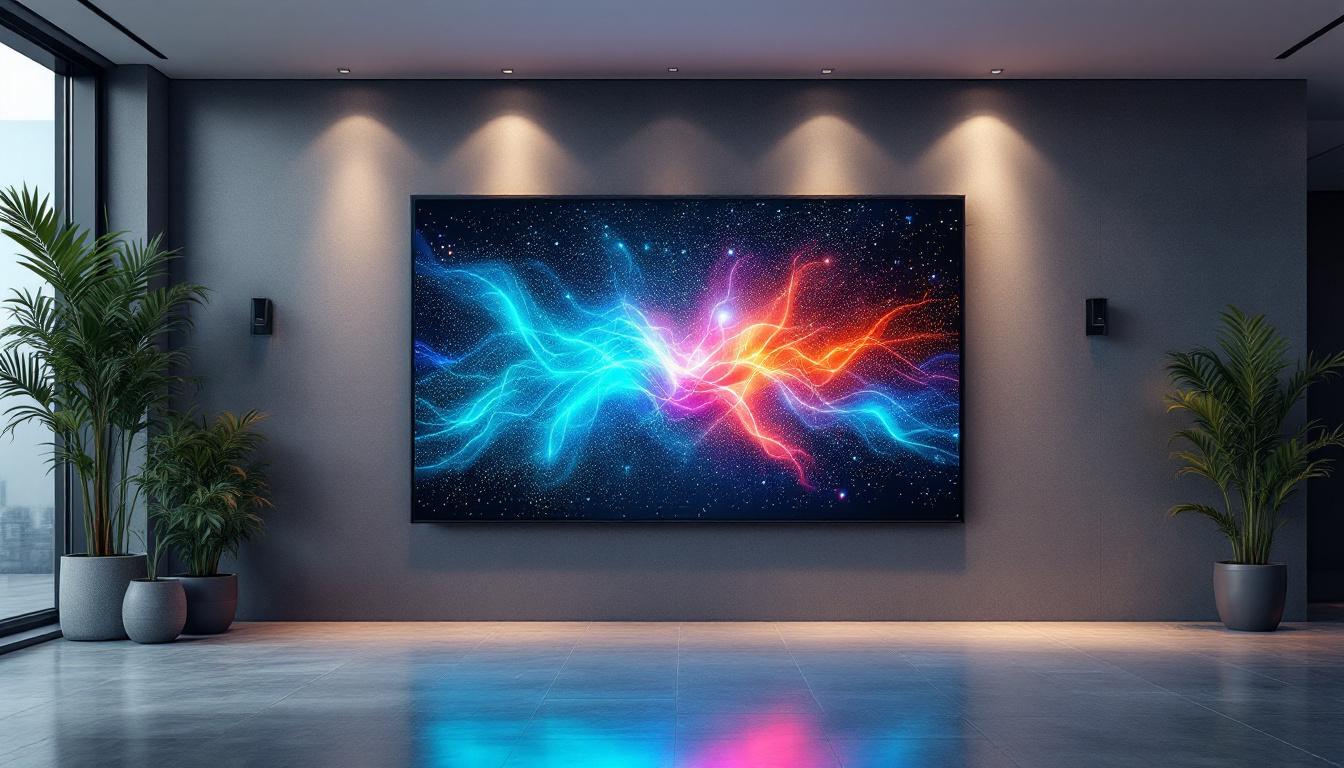
LED stands for Light Emitting Diode, a semiconductor device that emits light when an electric current passes through it. In digital billboards, thousands of tiny LEDs are arranged in a grid to form pixels, which combine to create images and videos. The brightness and color of each pixel can be controlled individually, allowing for vivid and dynamic content.
LED displays used in mobile billboards typically consist of modules that can be easily assembled and maintained. These modules are weather-resistant and designed to operate reliably under various environmental conditions, from bright sunlight to rain.
Key Features of LED Displays in Mobile Billboards
- Brightness: LED displays can achieve brightness levels exceeding 5,000 nits, ensuring visibility even in direct sunlight.
- Color Accuracy: Modern LEDs support a wide color gamut, enabling lifelike and eye-catching visuals.
- Energy Efficiency: LEDs consume less power compared to other display technologies, which is crucial for mobile units relying on batteries or vehicle power.
- Durability: Designed to withstand vibrations, temperature fluctuations, and moisture, LED modules are ideal for mobile applications.
- Refresh Rate: High refresh rates prevent flickering and ensure smooth video playback, enhancing viewer experience.
Pixel Pitch and Resolution
Pixel pitch refers to the distance between the centers of two adjacent LEDs, measured in millimeters. It is a critical factor in determining the resolution and clarity of the display. Smaller pixel pitches result in higher resolution and sharper images, which is important for close-up viewing.
For digital mobile billboards, a pixel pitch between 6mm and 10mm is common, balancing image quality with cost and power consumption. This range ensures that the content remains clear and legible to viewers at typical viewing distances from the roadside or pedestrian areas.
Advantages of Digital Mobile Billboards
Enhanced Visibility and Engagement
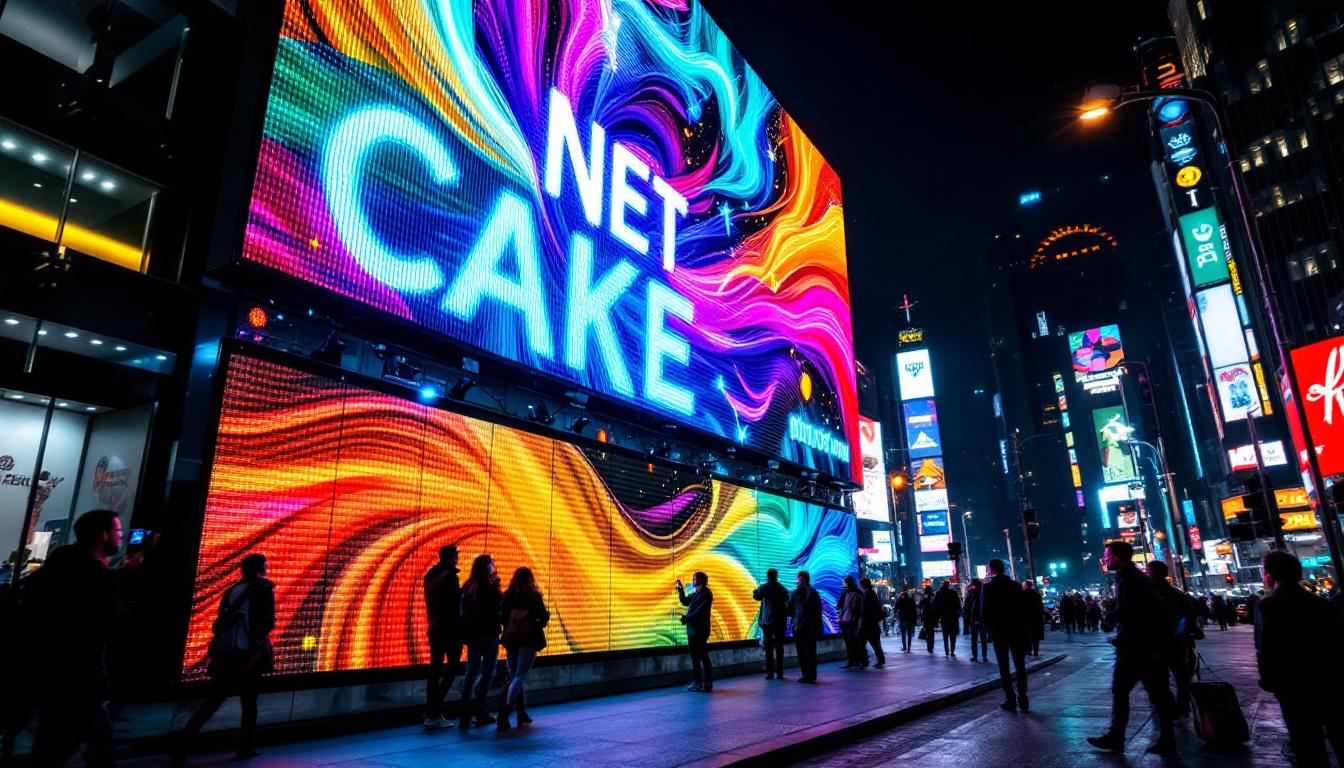
One of the most significant benefits of digital mobile billboards is their ability to capture attention through bright, colorful, and moving images. Studies show that digital outdoor advertising can increase brand recall by up to 47% compared to static billboards. The dynamic nature of LED displays encourages viewers to engage with the content, which can translate into higher conversion rates.
Moreover, the mobility of these billboards allows advertisers to bring their messages directly to target audiences, whether at busy intersections, sporting events, or shopping districts. This targeted approach increases the likelihood of reaching potential customers effectively.
Flexibility and Real-Time Content Updates
Unlike traditional billboards, digital mobile billboards can display multiple advertisements in rotation and update content remotely in real time. This flexibility enables advertisers to tailor messages based on time of day, location, or current events. For example, a restaurant can promote breakfast specials in the morning and dinner deals in the evening without changing physical signage.
Real-time updates also allow for quick responses to market trends or emergencies, making digital mobile billboards a versatile tool for marketing campaigns that require agility.
Cost-Effectiveness Over Time
While the initial investment in digital mobile billboards and LED technology can be higher than traditional options, the long-term benefits often justify the cost. The ability to run multiple campaigns on the same display reduces printing and installation expenses associated with static billboards.
Additionally, the enhanced engagement and targeted reach can improve return on investment (ROI) for advertisers. According to industry reports, digital out-of-home (DOOH) advertising, which includes digital mobile billboards, is expected to grow at a compound annual growth rate (CAGR) of over 10% through 2027, reflecting increasing demand and effectiveness.
Applications and Use Cases
Retail and Promotions
Retailers frequently use digital mobile billboards to announce sales, new product launches, and special events. The ability to move through different neighborhoods allows businesses to maximize exposure and attract foot traffic. For example, a clothing brand might deploy mobile billboards near shopping malls or during festivals to reach fashion-conscious consumers.
Event Advertising and Sponsorships
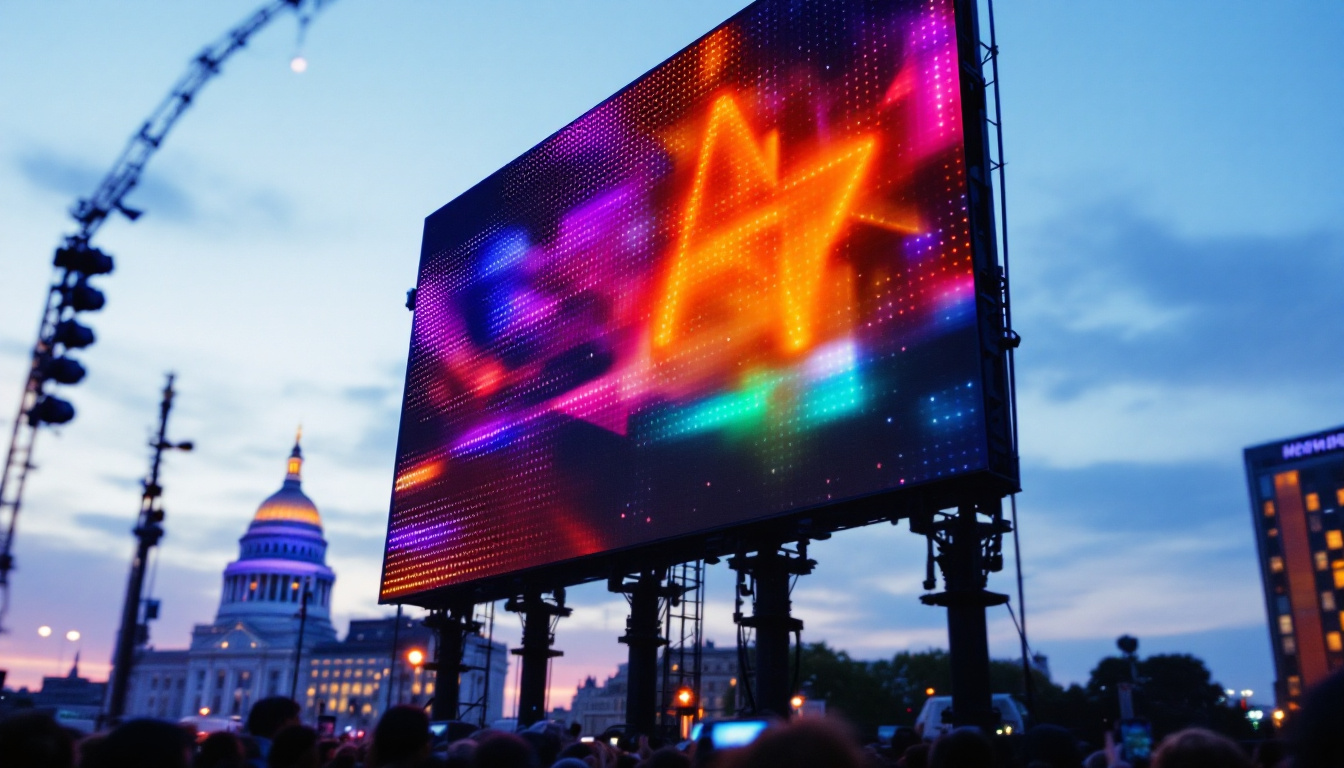
Sports events, concerts, and festivals are ideal venues for digital mobile billboards. These events attract large crowds, and mobile billboards can navigate through parking lots, entrance areas, and surrounding streets to promote sponsors and event details. The dynamic content capabilities also enable live updates, such as scoreboards or schedule changes.
Political Campaigns and Public Awareness
Political candidates and advocacy groups leverage digital mobile billboards to disseminate messages during election seasons or public health campaigns. The flexibility to change messages quickly is invaluable in fast-paced environments where timely communication is critical.
Transportation and Real Estate
Transportation companies use digital mobile billboards to advertise routes, schedules, and promotions. Similarly, real estate firms showcase property listings and open house announcements, reaching potential buyers as they commute or explore neighborhoods.
Challenges and Considerations
Regulatory and Legal Restrictions
Advertising on mobile billboards is subject to local regulations that vary widely by jurisdiction. Some cities impose restrictions on where and when mobile billboards can operate, as well as limitations on brightness and content. Advertisers must ensure compliance to avoid fines and disruptions.
Moreover, safety concerns related to driver distraction have prompted some regions to regulate the use of digital displays on vehicles. Understanding and navigating these legal frameworks is essential for successful campaigns.
Technical and Operational Challenges
Operating LED displays on moving vehicles requires robust hardware and software solutions. Vibration, weather exposure, and power management are critical factors that can affect performance. Ensuring consistent image quality and reliability demands high-quality components and regular maintenance.
Additionally, managing content scheduling and remote updates requires specialized software platforms that can handle multiple displays and locations efficiently.
Environmental Impact
While LED technology is more energy-efficient than many alternatives, digital mobile billboards still consume power and contribute to light pollution. Responsible usage, such as dimming displays during nighttime hours and optimizing routes to reduce fuel consumption, can mitigate environmental impacts.
The Future of Digital Mobile Billboards
Integration with Smart Technologies
The future of digital mobile billboards is closely tied to advancements in smart city infrastructure and connected technologies. Integration with GPS, traffic data, and audience analytics will enable hyper-targeted advertising, optimizing routes and content based on real-time conditions and demographics.
For instance, billboards could automatically adjust messaging to suit the predominant audience in a given area or time, increasing relevance and engagement. The use of artificial intelligence (AI) and machine learning will further enhance these capabilities.
Interactive and Immersive Experiences
Emerging technologies such as augmented reality (AR) and 5G connectivity open new possibilities for interactive mobile billboards. Viewers could engage with advertisements via their smartphones, participate in contests, or access additional content through QR codes and apps.
These immersive experiences can deepen brand connections and provide valuable data insights for advertisers.
Environmental Sustainability Initiatives
As environmental concerns grow, the industry is exploring greener solutions, including solar-powered mobile billboards and recyclable LED components. Innovations aimed at reducing energy consumption and carbon footprints will become increasingly important for brands committed to sustainability.
Conclusion
Digital mobile billboards powered by LED display technology represent a compelling evolution in outdoor advertising. Their combination of mobility, vivid visuals, and real-time flexibility offers advertisers unparalleled opportunities to engage audiences in diverse settings. While challenges such as regulatory compliance and technical demands exist, the benefits in visibility, engagement, and adaptability make digital mobile billboards a valuable asset in modern marketing strategies.
As technology continues to advance, these billboards will become smarter, more interactive, and environmentally conscious, solidifying their role in the future of advertising. For businesses seeking to stand out in crowded markets, embracing digital mobile billboards can provide a dynamic and effective way to reach customers where they live, work, and play.
Illuminate Your Brand with LumenMatrix
Ready to elevate your advertising strategy with the brilliance of LED technology? LumenMatrix is at the forefront of LED innovation, offering a diverse range of solutions to bring your brand to life. From the bustling streets to the grandeur of sports arenas, our Indoor and Outdoor LED Wall Displays, Vehicle LED Displays, and more are designed to captivate and engage. Embrace the future of visual communication with LumenMatrix and let your message shine with clarity and impact. Check out LumenMatrix LED Display Solutions today and transform how the world sees your brand.