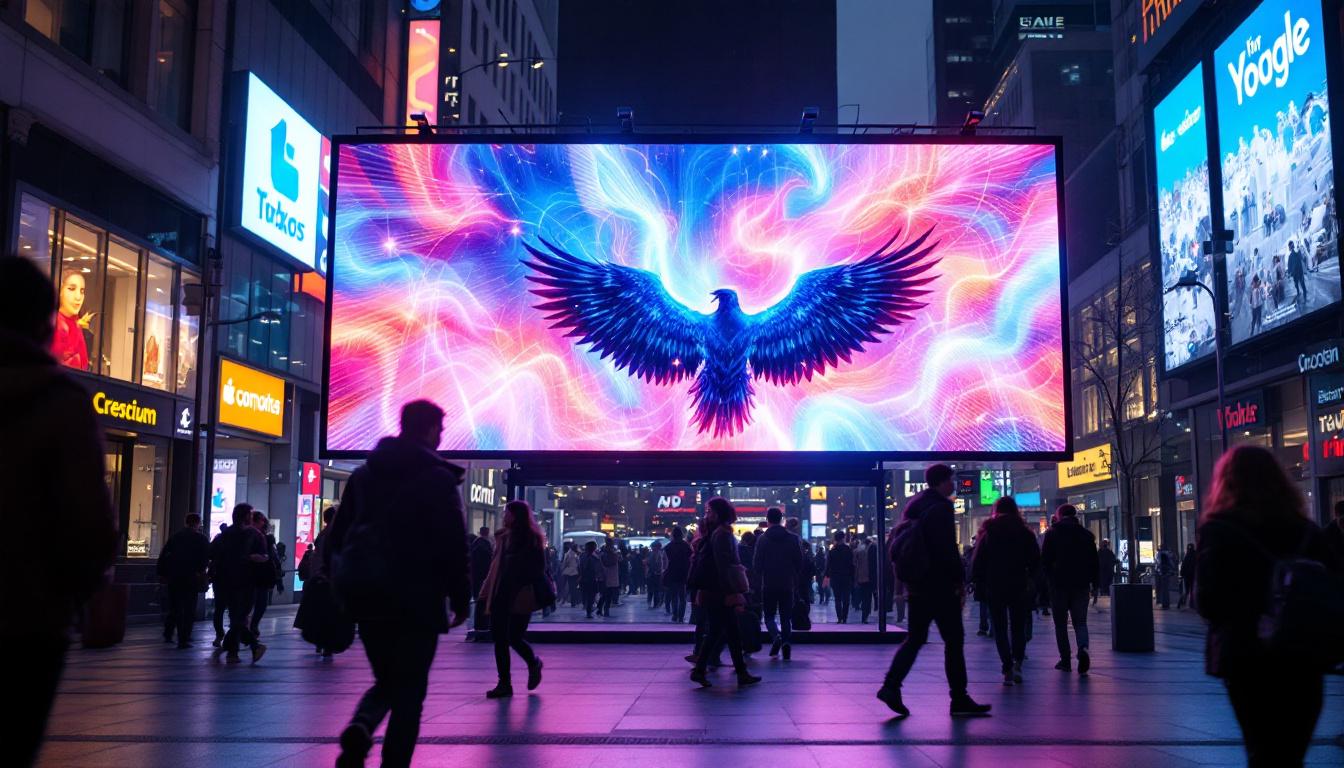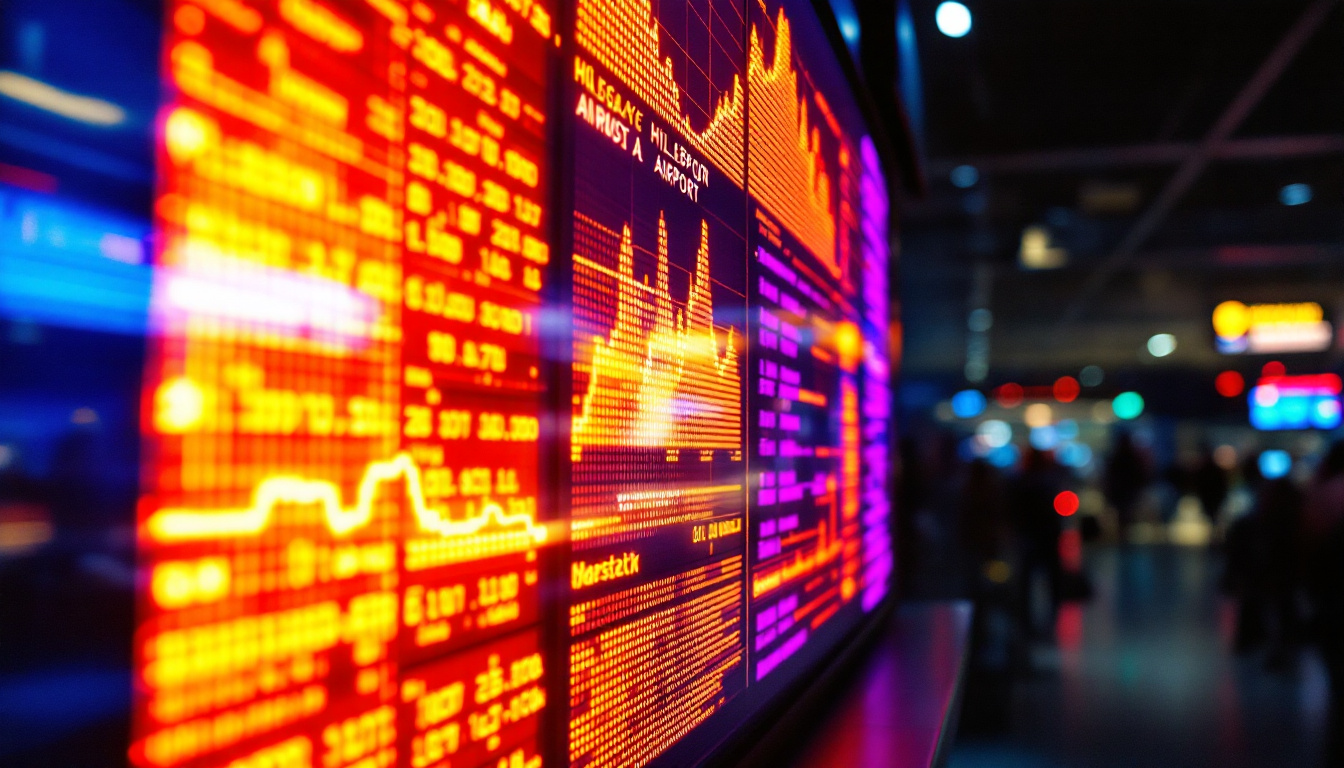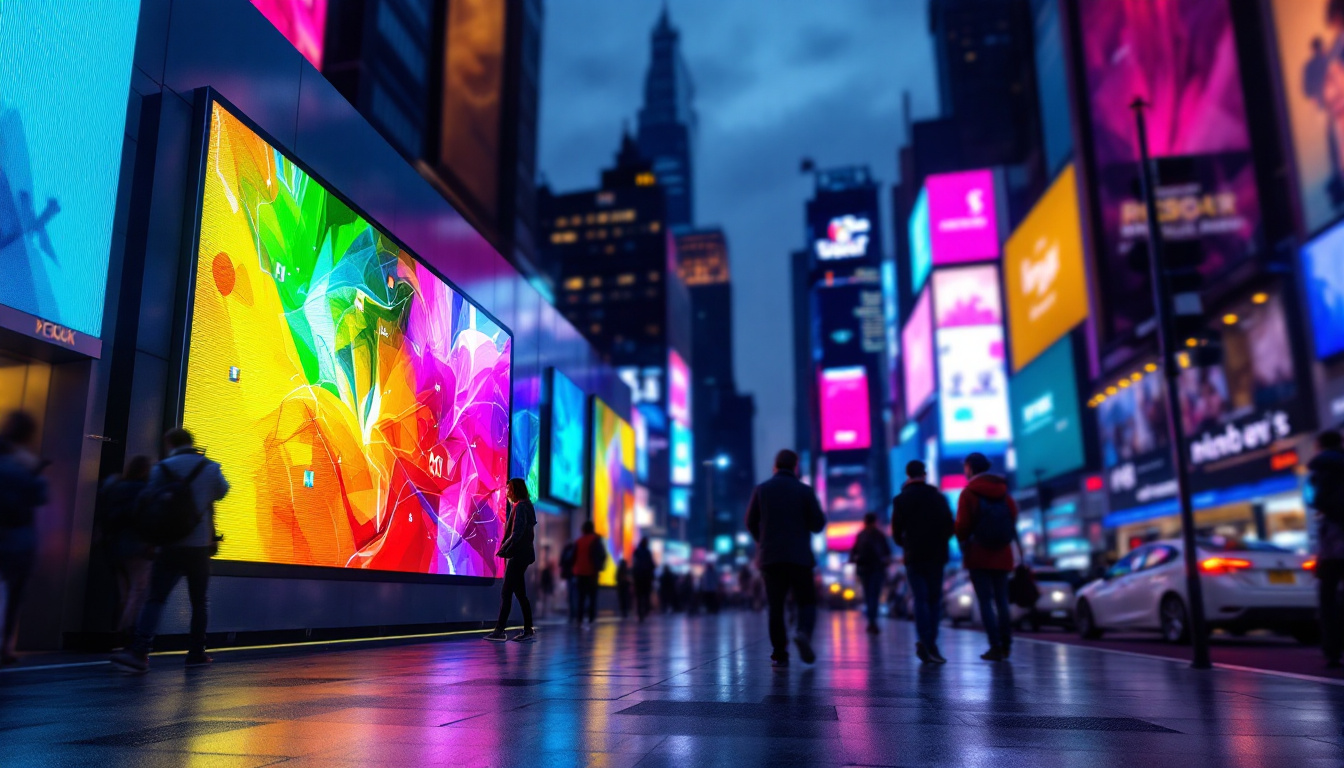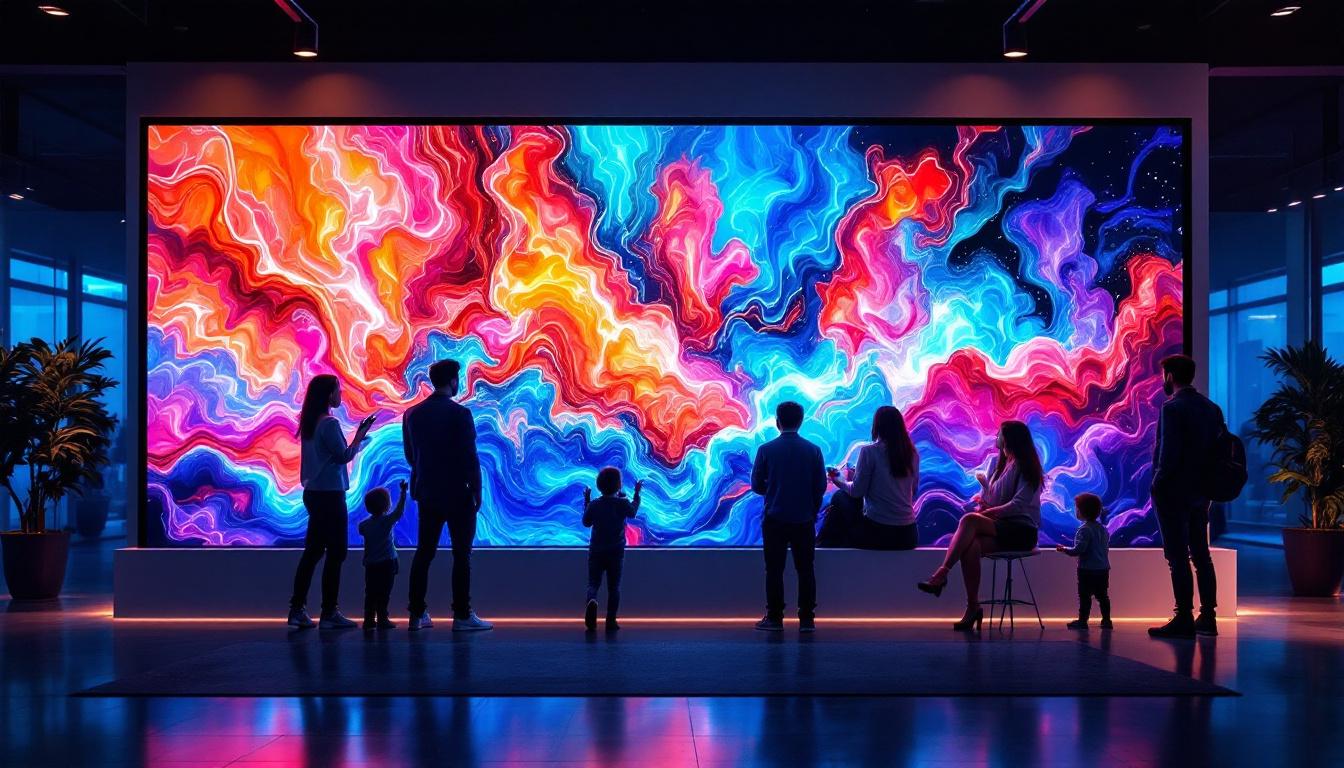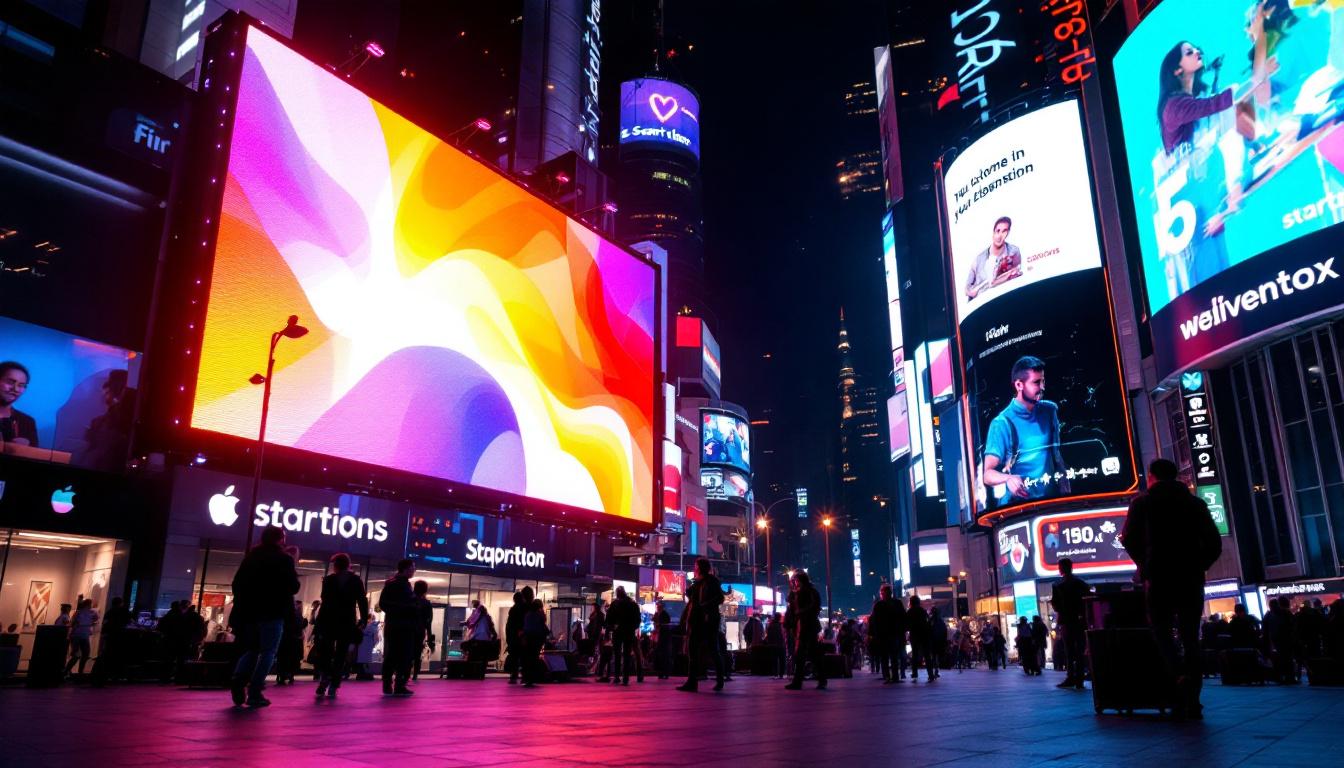
In an era where visual communication dominates advertising, entertainment, and information sharing, LED displays have emerged as a leading technology for large-scale screens. From towering billboards in Times Square to massive stadium scoreboards and dynamic digital signage in airports, LED displays captivate audiences with their brightness, clarity, and versatility. This article explores the fundamentals of LED display technology, its advantages, applications, and the future trends shaping this vibrant industry.
Understanding LED Display Technology
What is an LED Display?
LED stands for Light Emitting Diode, a semiconductor device that emits light when an electric current passes through it. An LED display is a flat panel display that uses an array of these tiny LEDs to produce images, videos, and text. Unlike traditional LCD or plasma screens, LED displays rely on direct light emission, which allows for superior brightness and contrast.
LED displays are composed of thousands to millions of individual LEDs arranged in a grid. Each LED acts as a pixel or part of a pixel, illuminating in different colors and intensities to form the complete image. The technology can be categorized broadly into two types: direct view LED and LED-backlit LCD. This article focuses on direct view LED displays—the kind used in large outdoor and indoor screens.
How Do LED Displays Work?
Each LED in the display emits light in one of the primary colors: red, green, or blue (RGB). By varying the intensity of these three colors, the display can produce a wide spectrum of colors. The LEDs are controlled by a driver circuit that adjusts brightness and color in real-time based on the input signal.
The LEDs are mounted on modular panels, which can be assembled to create screens of virtually any size and shape. This modularity is one of the key reasons LED displays are favored for large-scale applications. The pixels are spaced at intervals known as pixel pitch, which determines the resolution and viewing distance of the display.
Pixel Pitch and Resolution
Pixel pitch refers to the distance between the centers of two adjacent pixels, usually measured in millimeters. A smaller pixel pitch means more pixels per square meter, resulting in higher resolution and sharper images. For example, a pixel pitch of 2mm is suitable for indoor screens viewed up close, while a 10mm or larger pitch is common for outdoor billboards where viewers are farther away.
Choosing the right pixel pitch is crucial because it balances cost, image quality, and viewing distance. High-resolution LED displays with small pixel pitches are more expensive but provide crystal-clear images, while larger pixel pitches reduce cost and power consumption but are less detailed.
Advantages of LED Displays Over Other Technologies
Brightness and Visibility
One of the most significant advantages of LED displays is their exceptional brightness. LEDs can achieve brightness levels exceeding 5,000 nits, making them easily visible even in direct sunlight. This is a critical factor for outdoor advertising and public information displays where ambient light conditions vary widely.
In contrast, traditional LCD or projection systems struggle to maintain visibility in bright environments. This makes LED displays the preferred choice for outdoor applications and venues like sports arenas and concert halls.
Energy Efficiency and Longevity
LED technology is inherently energy-efficient compared to older display technologies. LEDs consume less power while delivering higher brightness, which translates to lower operating costs over time. Additionally, LEDs have a long lifespan, often exceeding 100,000 hours of use before significant dimming occurs.
This durability reduces maintenance expenses and downtime, especially important for large installations where servicing can be complex and costly. The energy savings and longevity make LED displays both an economically and environmentally sustainable choice.
Flexibility and Customization
LED displays offer unmatched flexibility in terms of size, shape, and installation. Modular panels can be combined to create curved, cylindrical, or irregularly shaped screens, enabling creative and eye-catching designs. This adaptability is valuable for architects, advertisers, and event organizers looking to make a visual impact.
Moreover, LED displays support dynamic content, including live video feeds, animations, and interactive elements. This dynamic capability makes them ideal for digital signage, where content can be updated remotely and instantly to engage audiences effectively.
Applications of LED Displays
Outdoor Advertising and Billboards
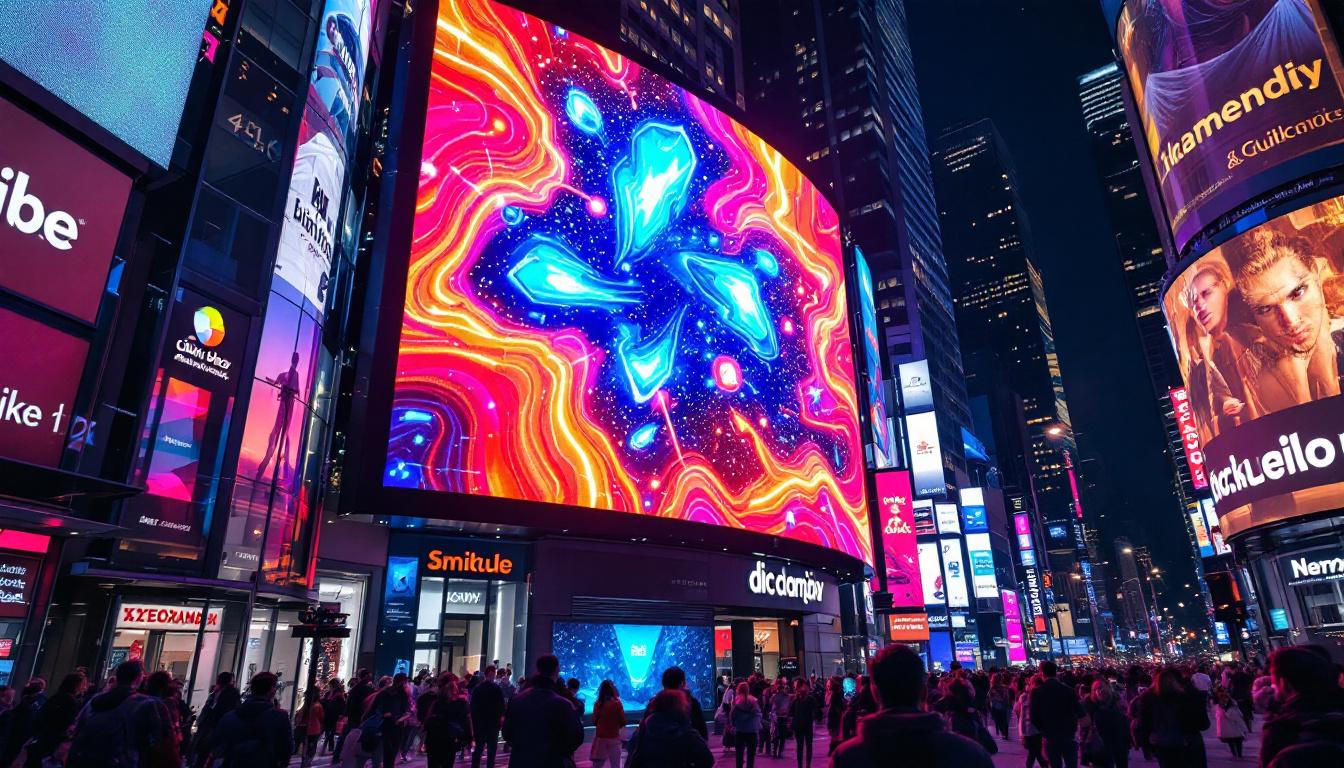
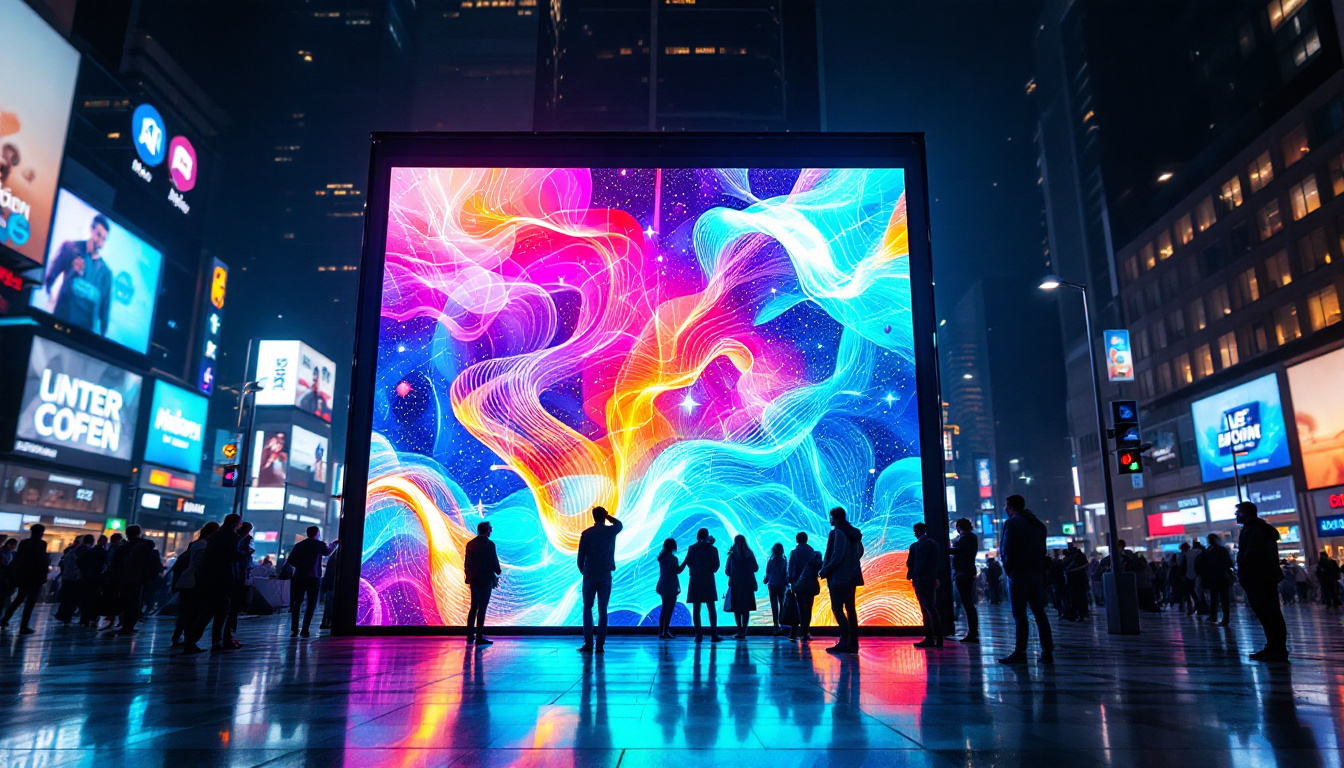
Outdoor advertising is one of the most prominent uses of LED displays. According to industry reports, digital out-of-home (DOOH) advertising, which includes LED billboards, is expected to grow at a compound annual growth rate (CAGR) of over 10% through 2027. LED billboards offer advertisers the ability to display multiple ads in rotation, target audiences with timely messages, and use vibrant visuals that attract attention.
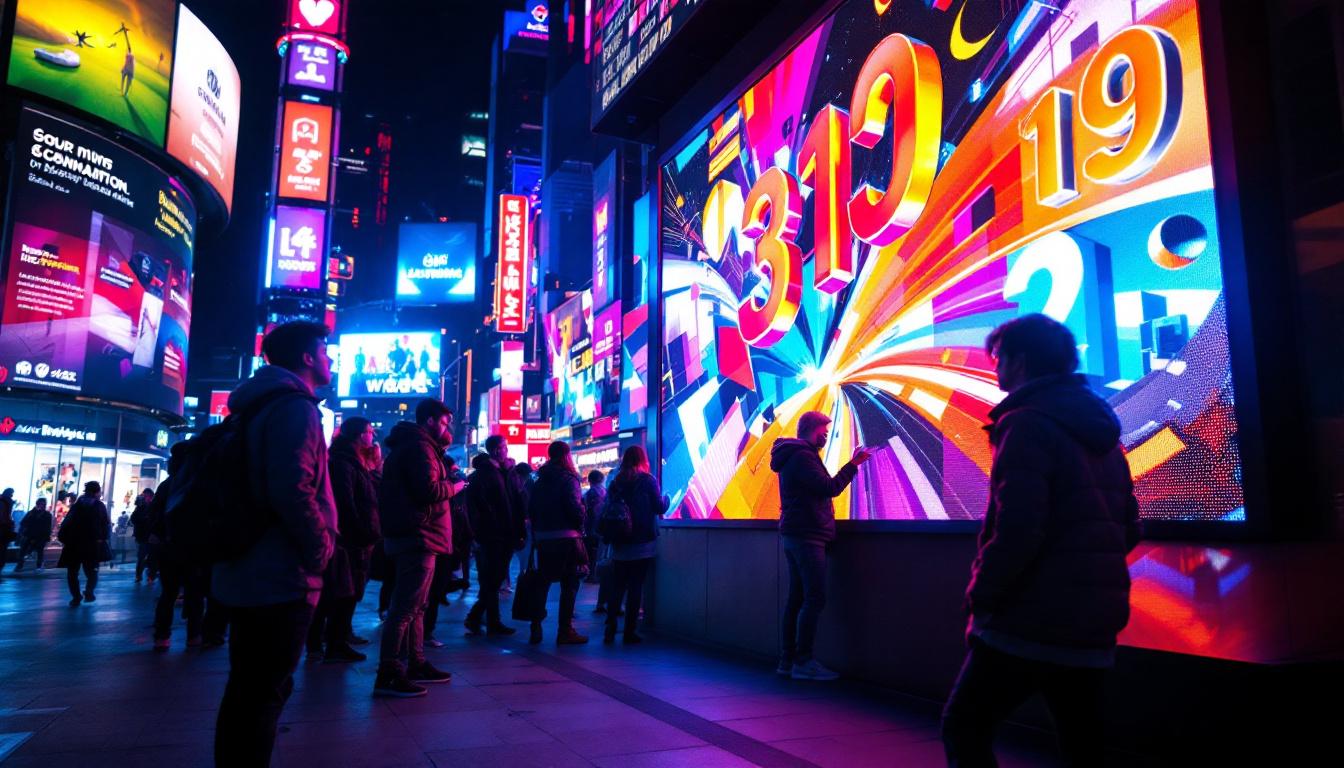
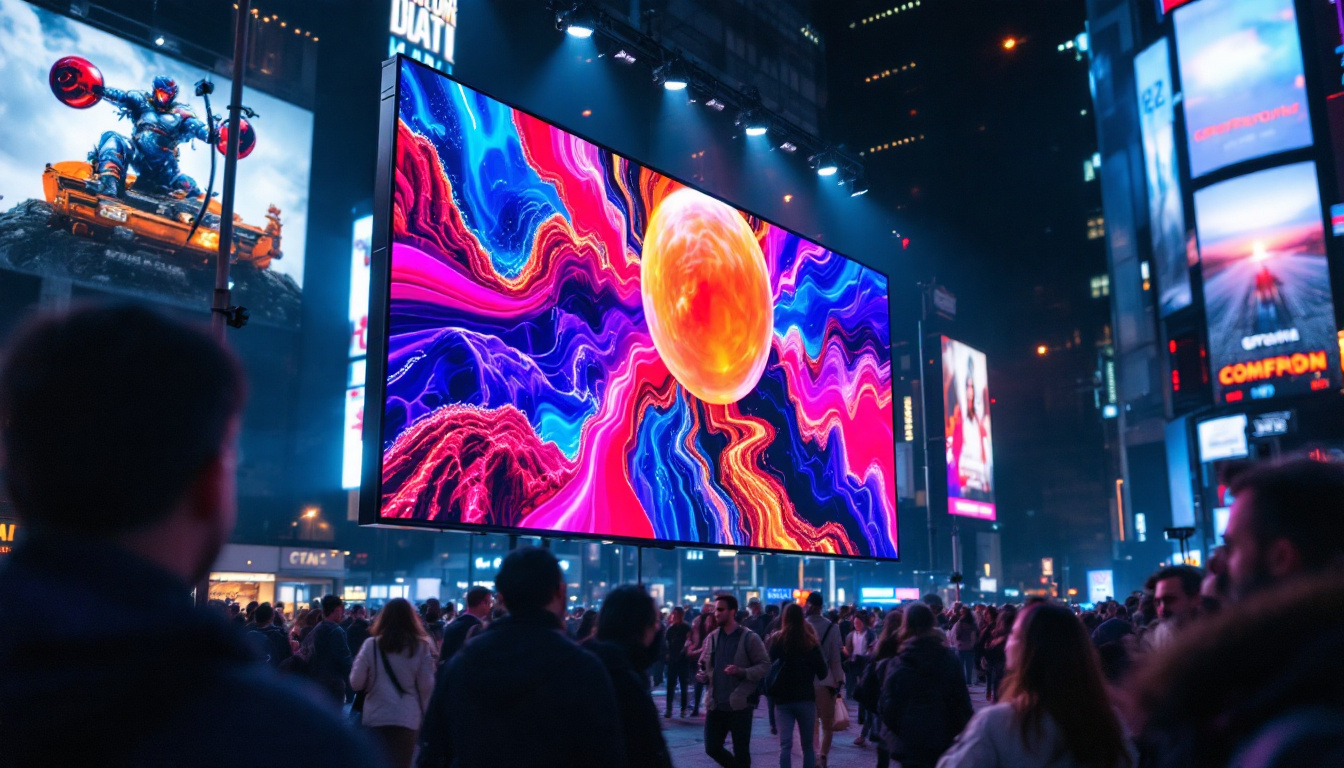
Major cities worldwide have embraced LED billboards for their ability to deliver high-impact advertising 24/7. For example, New York’s Times Square is famously lined with massive LED screens that create an immersive visual experience for millions of visitors annually.
Sports and Entertainment Venues
Stadiums and arenas use LED displays extensively for scoreboards, replays, and fan engagement. These screens must be large, bright, and visible from long distances, often under challenging lighting conditions. LED displays meet these requirements while also enabling creative content such as interactive fan messages, advertisements, and live social media feeds.
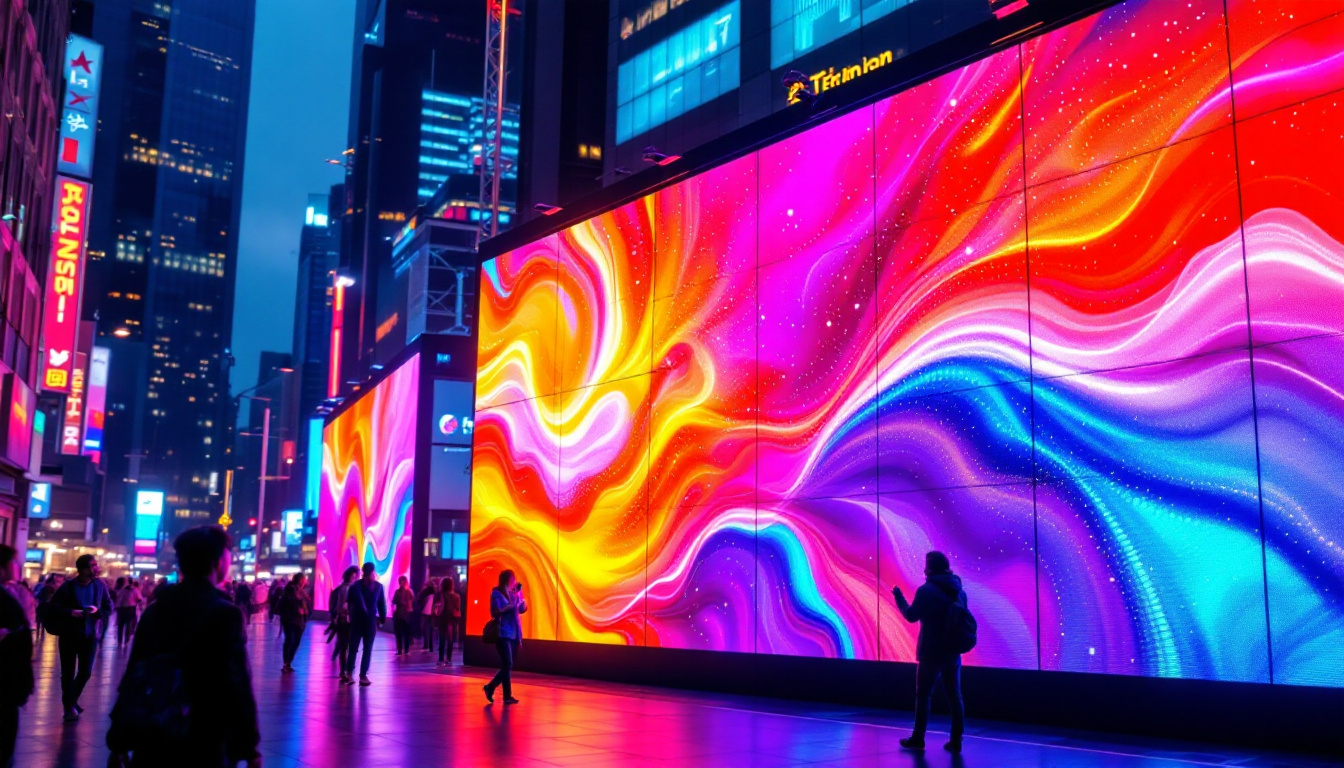
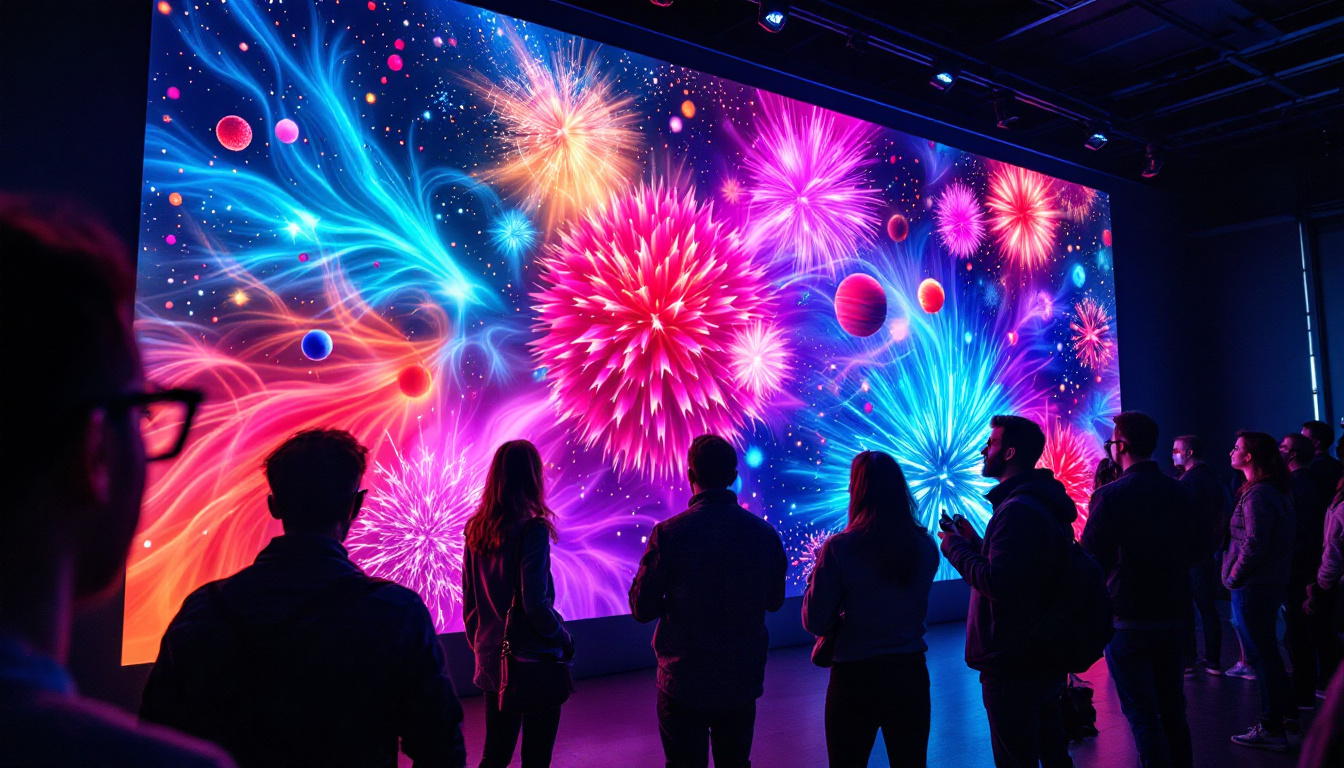
In concerts and festivals, LED video walls serve as dynamic backdrops that enhance the visual experience. Their ability to display high-resolution video content in various shapes and sizes allows event producers to design immersive environments that captivate audiences.
Retail and Corporate Spaces
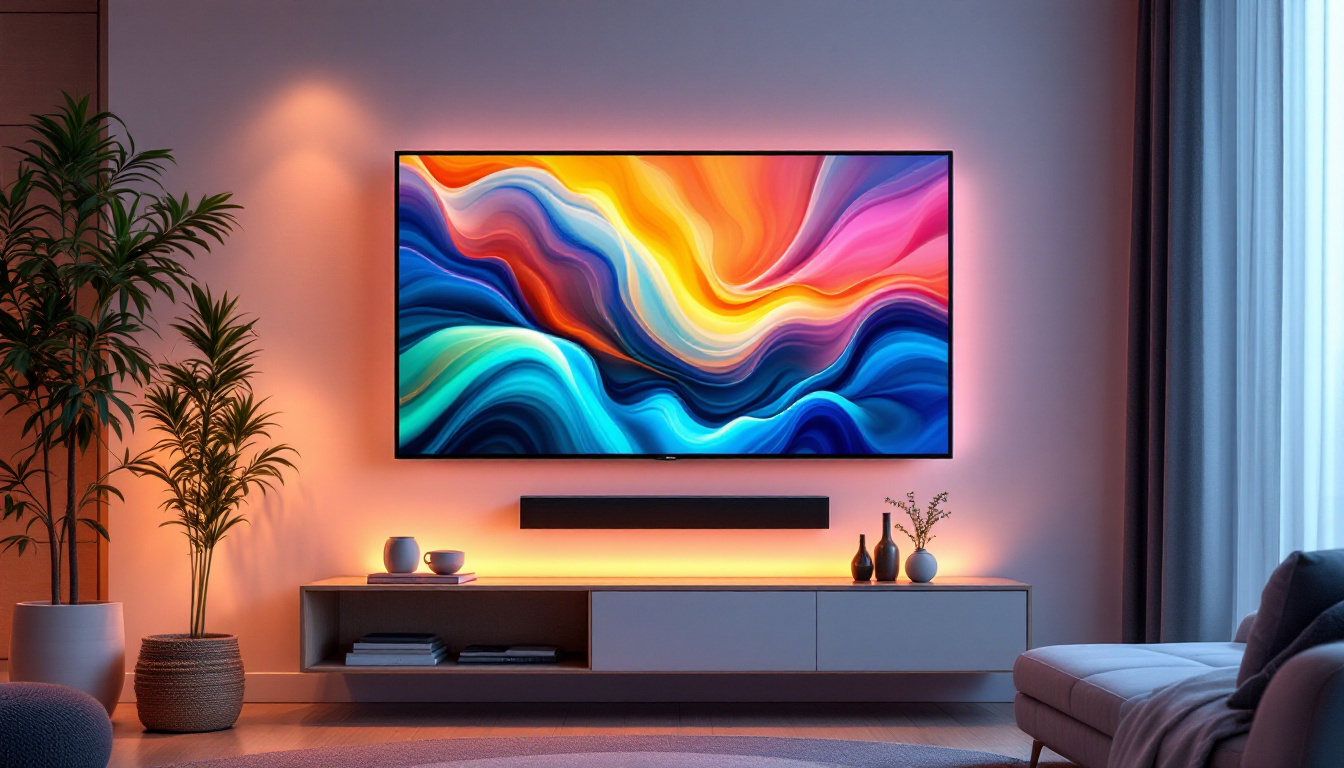
Indoor LED displays are increasingly common in retail stores, shopping malls, and corporate lobbies. These screens provide a modern and engaging way to communicate promotions, brand messages, and information. With pixel pitches as low as 1.2mm, indoor LED displays deliver stunning image quality suitable for close viewing distances.
Corporate offices use LED walls for presentations, video conferencing, and digital art installations. The technology’s seamless scalability and high image fidelity make it ideal for enhancing workplace environments and improving communication.
Key Considerations When Choosing an LED Display
Viewing Distance and Environment
Understanding the typical viewing distance is essential when selecting an LED display. For outdoor applications where viewers are often hundreds of feet away, a larger pixel pitch is acceptable. Indoor environments with closer viewing distances require smaller pixel pitches to maintain image clarity.
Environmental factors such as weather, temperature, and ambient light also influence the choice of LED display. Outdoor screens must be weatherproof, capable of operating in extreme temperatures, and have anti-glare properties to ensure visibility.
Installation and Maintenance
LED displays require careful planning for installation, including structural support, power supply, and data connectivity. Modular design simplifies installation but professional expertise is often necessary to ensure safety and optimal performance.
Maintenance considerations include ease of access for repairs, availability of replacement modules, and software support for content management. Many modern LED displays come with remote monitoring features that alert operators to issues before they affect performance.
Cost and Return on Investment
The initial investment in LED display technology can be substantial, especially for high-resolution, large-format screens. However, the total cost of ownership should consider energy savings, reduced maintenance, and increased revenue opportunities through advertising or enhanced customer engagement.
Businesses and organizations should evaluate the potential return on investment (ROI) by analyzing how the LED display will contribute to brand visibility, sales, or operational efficiency over time.
Future Trends in LED Display Technology
MicroLED and MiniLED Innovations
Emerging technologies like MicroLED and MiniLED promise to push LED display performance even further. MicroLEDs are tiny LEDs that can be assembled into ultra-high-resolution displays with exceptional brightness and contrast, rivaling OLED technology but with greater durability and energy efficiency.
MiniLEDs, which use smaller LEDs as backlighting for LCD panels, improve contrast and color accuracy while reducing power consumption. These innovations are expected to expand the applications of LED displays into new markets such as smartphones, tablets, and augmented reality devices.
Enhanced Interactivity and Smart Integration
LED displays are becoming smarter and more interactive, integrating sensors, cameras, and AI-driven content management systems. This allows for personalized advertising, real-time data visualization, and interactive experiences that engage audiences on a deeper level.
For example, some digital signage solutions use facial recognition to tailor advertisements based on viewer demographics or integrate with mobile apps to create interactive campaigns. Such advancements will make LED displays not just a medium for communication but a platform for dynamic engagement.
Sustainability and Eco-Friendly Designs
As sustainability becomes a priority across industries, LED display manufacturers are focusing on eco-friendly designs. This includes using recyclable materials, reducing power consumption, and designing for easy disassembly and recycling at the end of the product’s life cycle.
Energy-efficient LED displays contribute to reducing the carbon footprint of advertising and public information systems, aligning with global efforts to combat climate change.
Conclusion
LED displays have revolutionized the way large-scale visual content is presented, offering unmatched brightness, flexibility, and energy efficiency. Their applications span from outdoor advertising and sports venues to retail and corporate environments, making them indispensable in modern visual communication.
Understanding the technology behind LED displays, including pixel pitch, brightness, and environmental considerations, is crucial for selecting the right solution. As innovations like MicroLED and smart integration continue to evolve, LED displays will become even more versatile and impactful, shaping the future of digital media and public engagement.
For businesses and organizations looking to make a bold visual statement, investing in LED display technology offers a powerful tool to capture attention, convey messages, and create memorable experiences.
Illuminate Your Message with LumenMatrix
Ready to elevate your visual communication with unparalleled brightness and innovation? LumenMatrix offers a comprehensive range of LED display solutions tailored to your unique needs. Whether you’re looking to captivate shoppers with an Indoor LED Wall Display, make a splash in outdoor advertising with a high-impact Outdoor LED Wall Display, or engage fans with a dynamic LED Sports Display, we have the technology to bring your vision to life. Discover how our LED Poster Displays, Vehicle LED Displays, and more can transform your space and message. Check out LumenMatrix LED Display Solutions today and join the revolution in digital signage and visual storytelling.