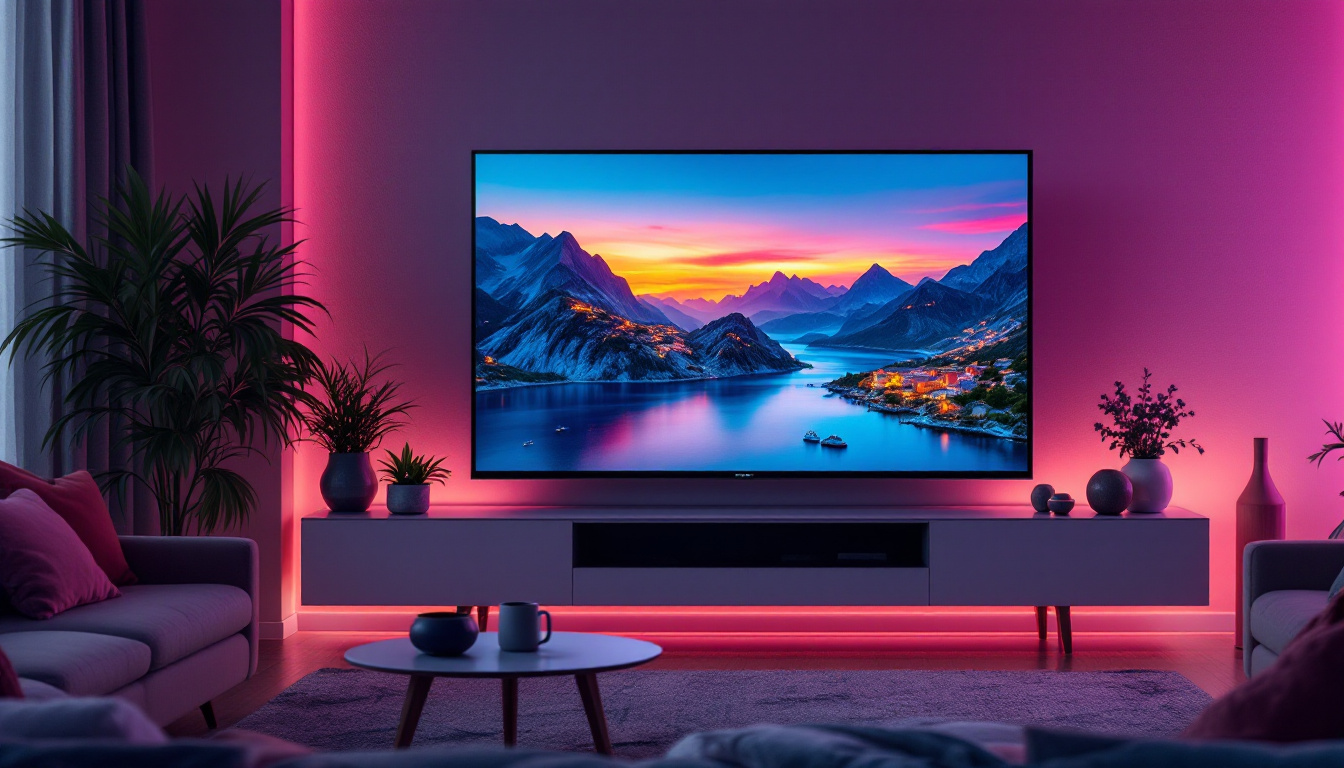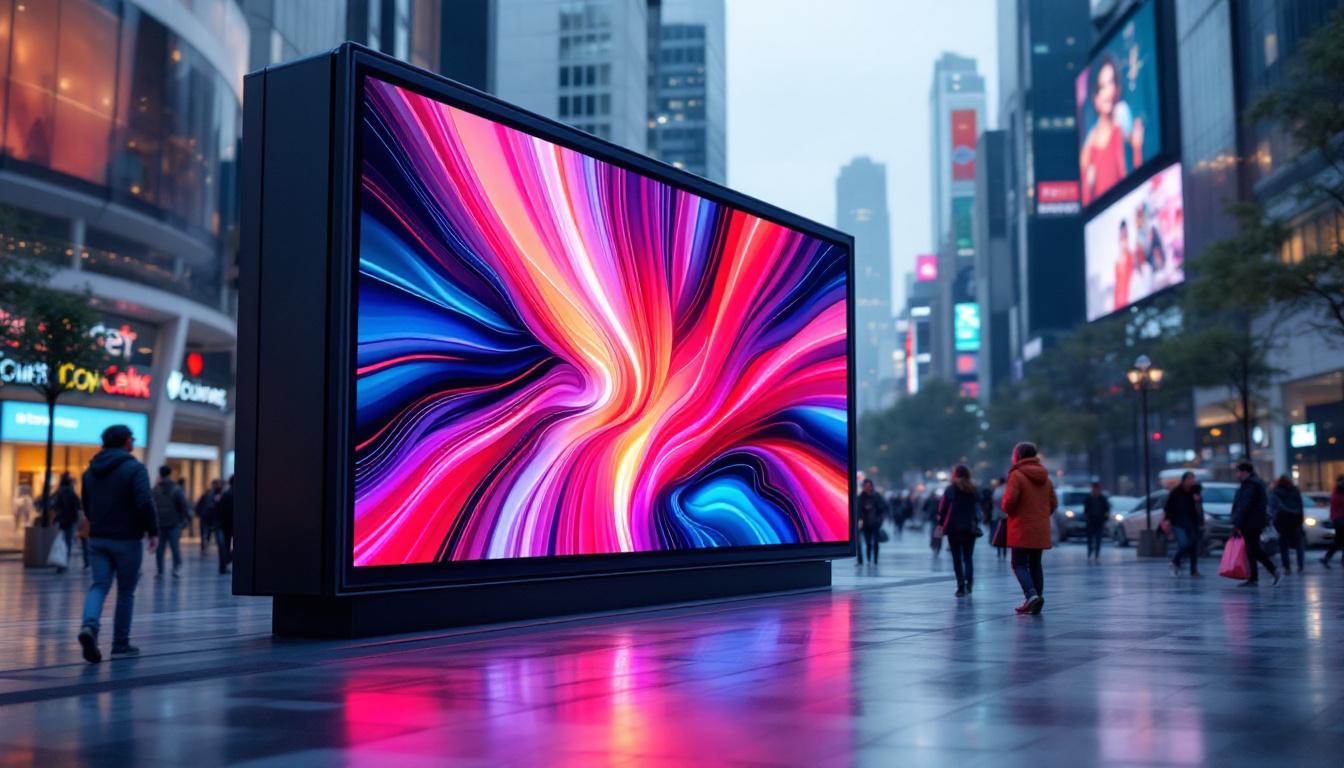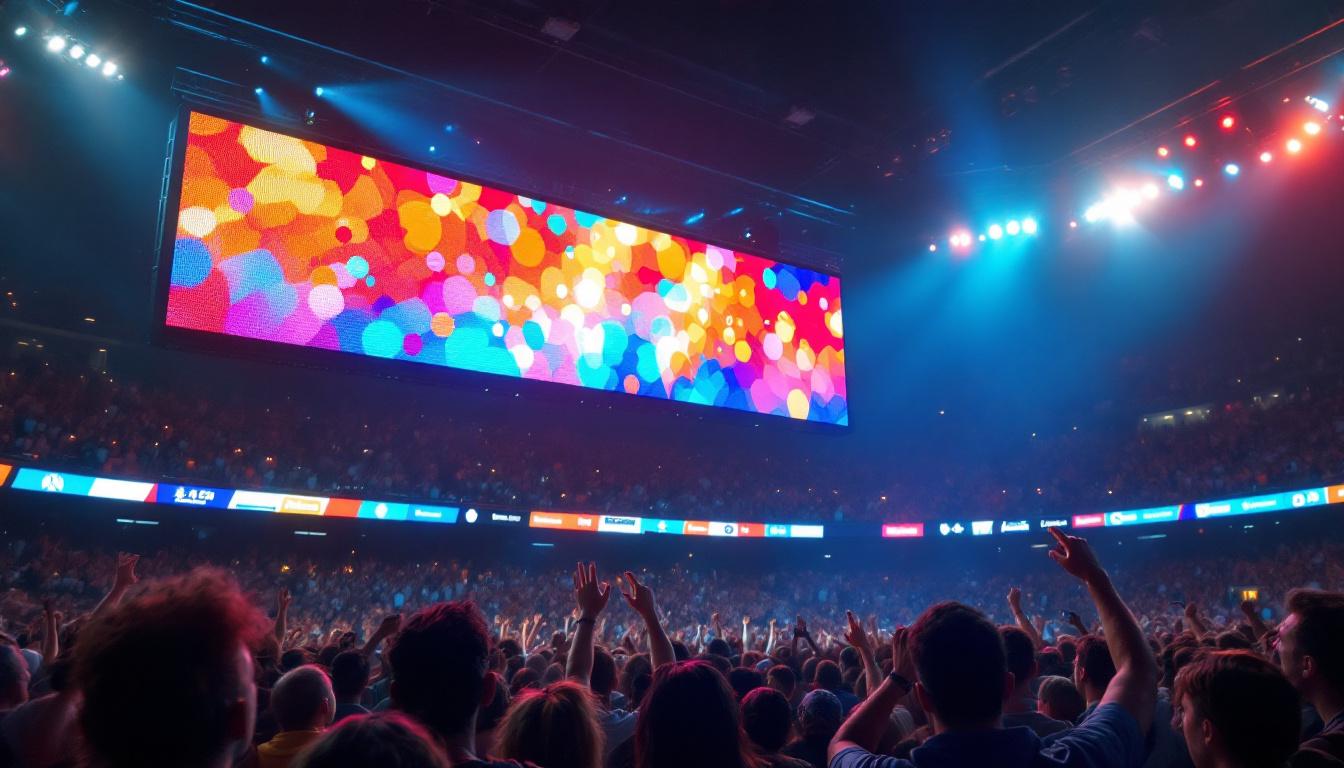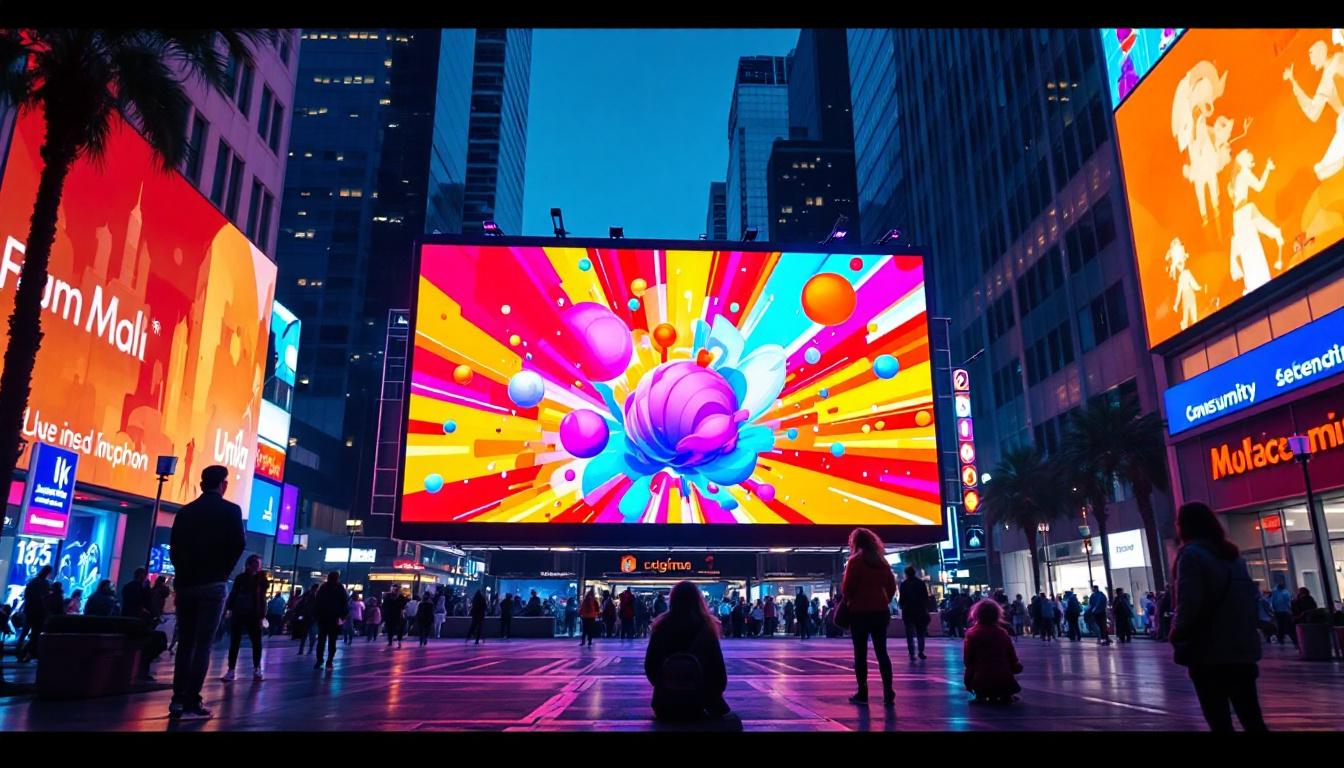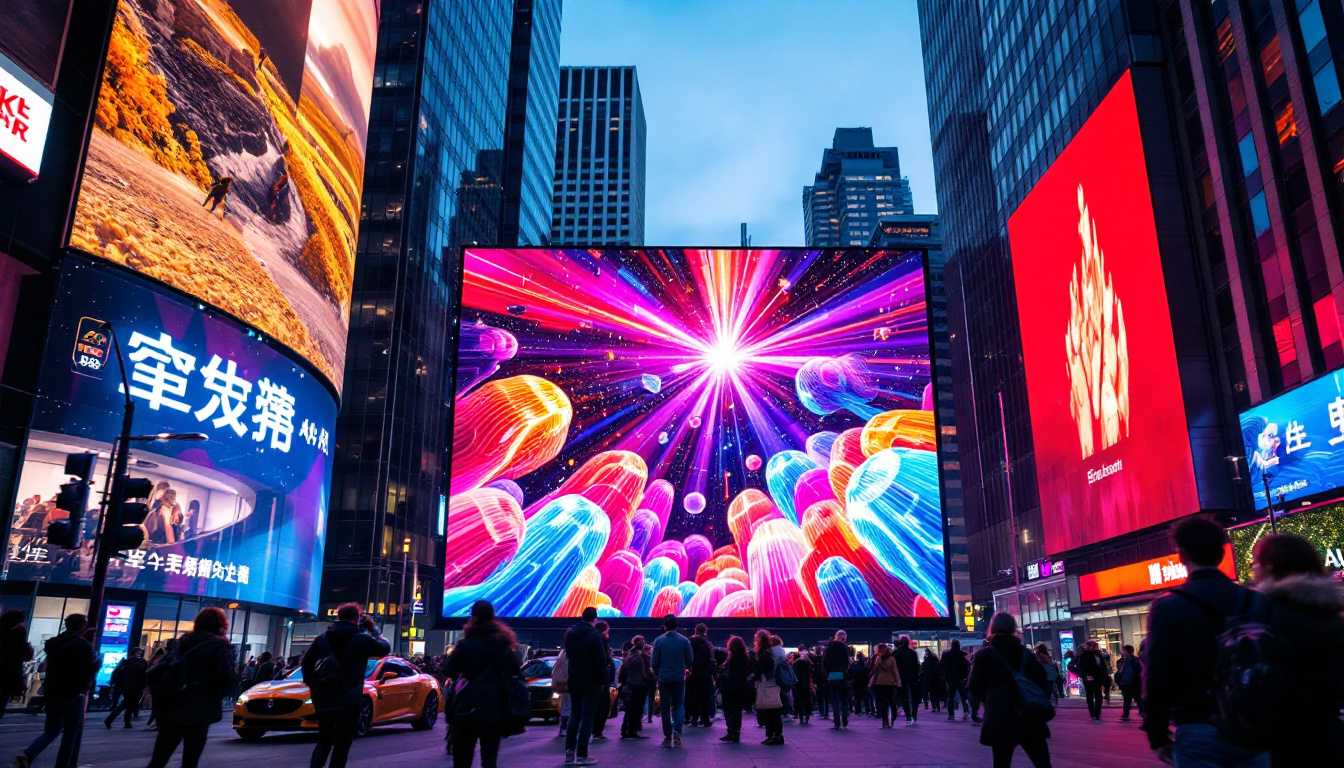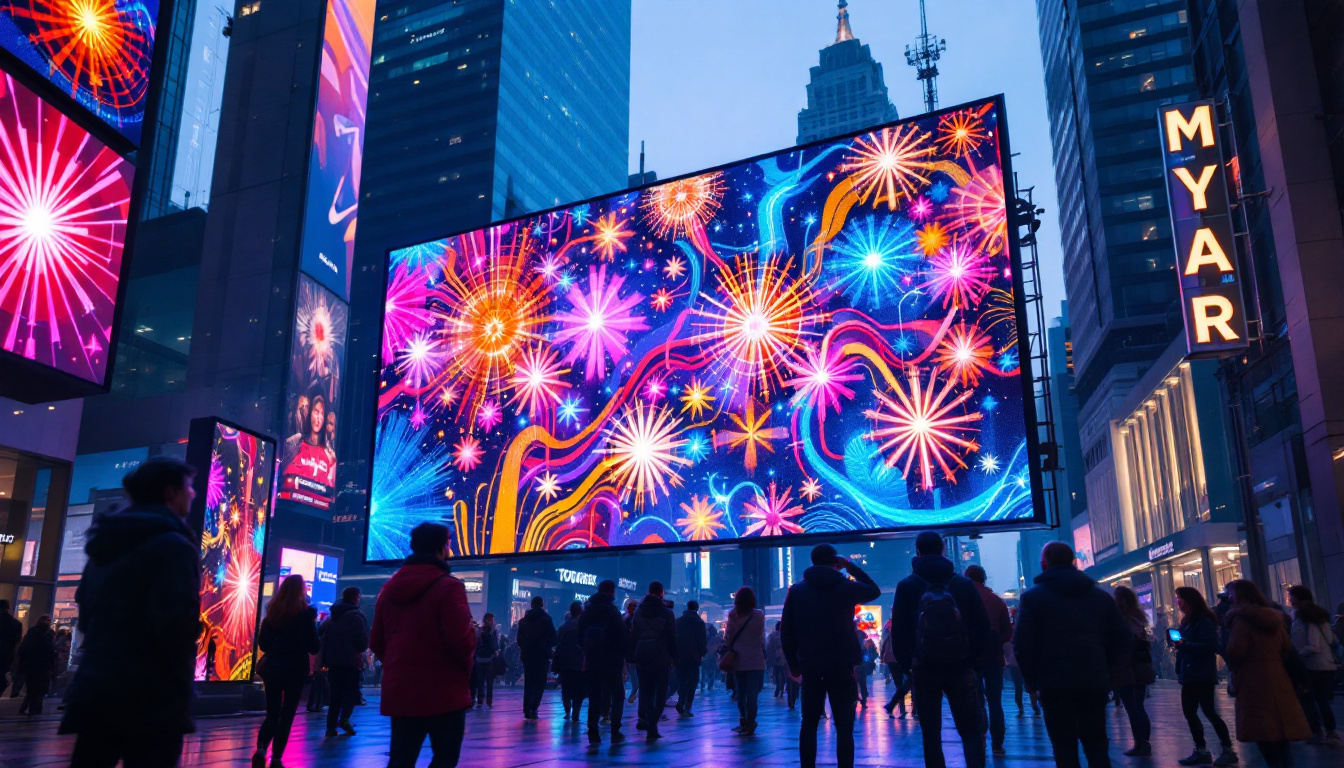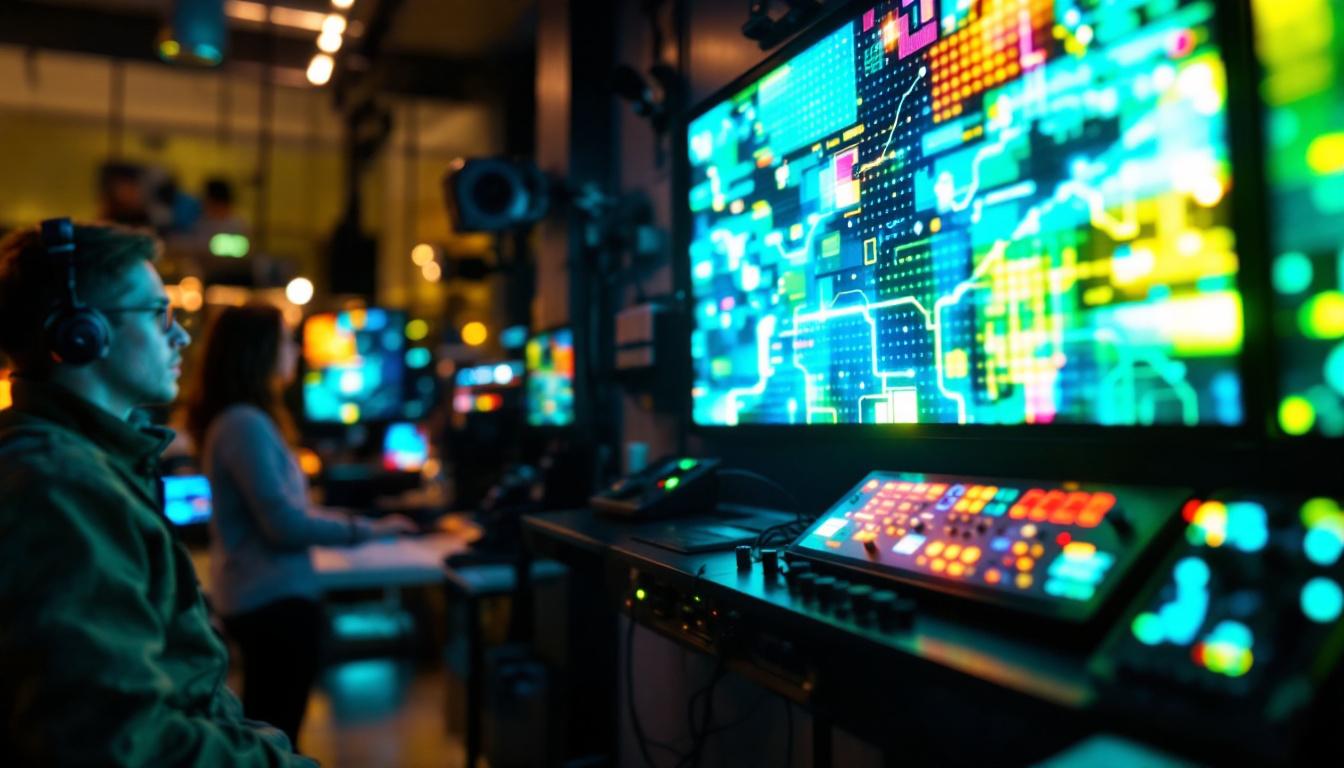
In recent years, LED display technology has revolutionized the way businesses, event organizers, and advertisers communicate visually with their audiences. From vibrant digital billboards in city centers to immersive video walls at concerts and conferences, LED walls have become a staple in modern visual communication. However, the effectiveness and versatility of these displays depend heavily on the accessories and components that support them. This article delves into the world of LED wall accessories, explaining how they work, their importance, and the latest trends shaping the industry.
Understanding LED Display Technology
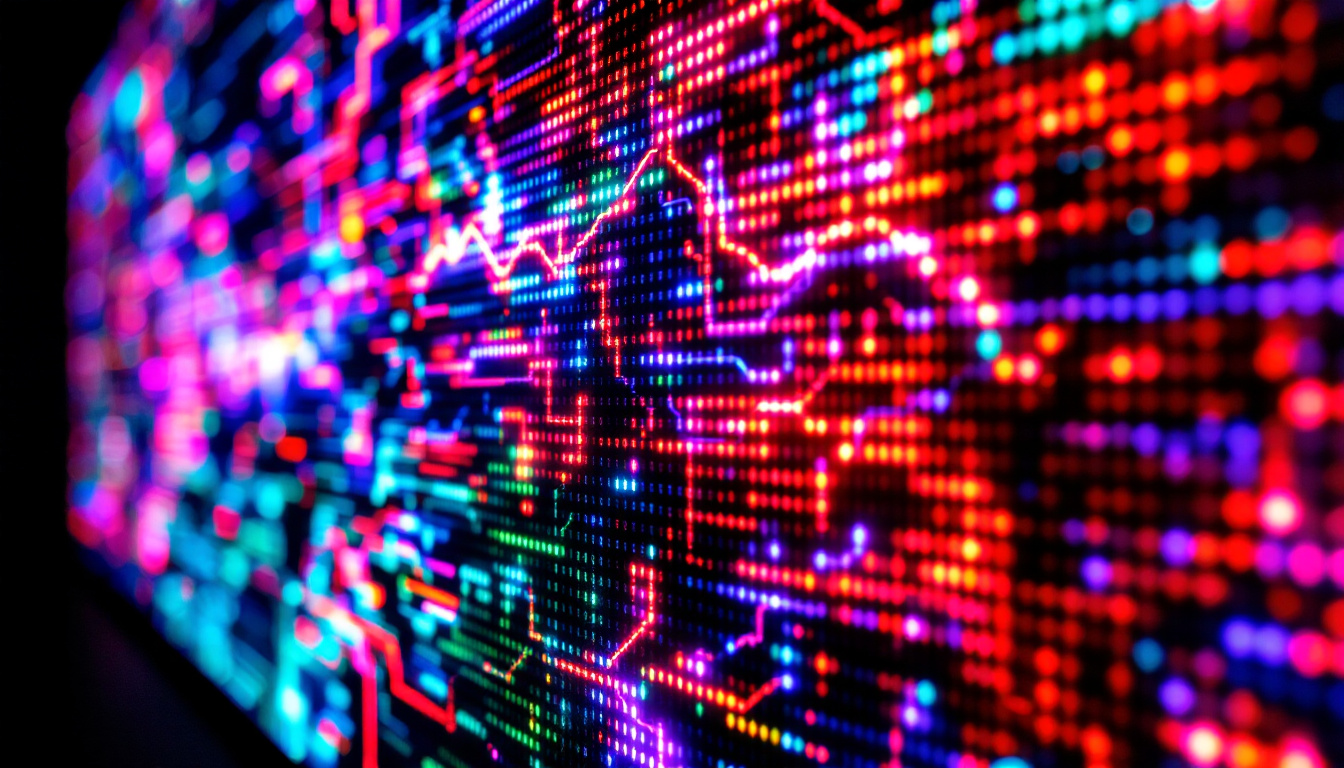
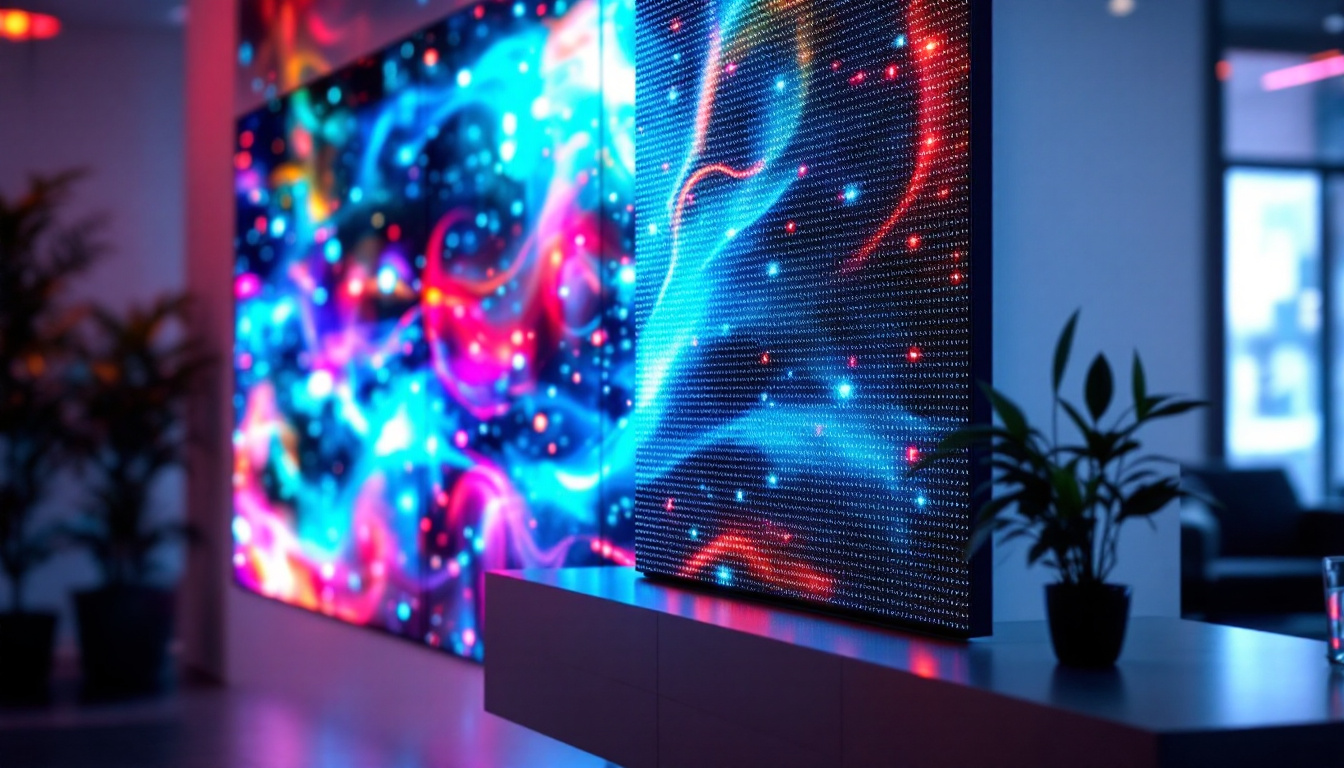
At its core, an LED display is composed of numerous light-emitting diodes (LEDs) arranged in a grid to form pixels. These pixels illuminate in various colors and intensities to create images and videos. LED displays are known for their brightness, energy efficiency, and ability to produce vivid colors even in direct sunlight, making them ideal for both indoor and outdoor applications.
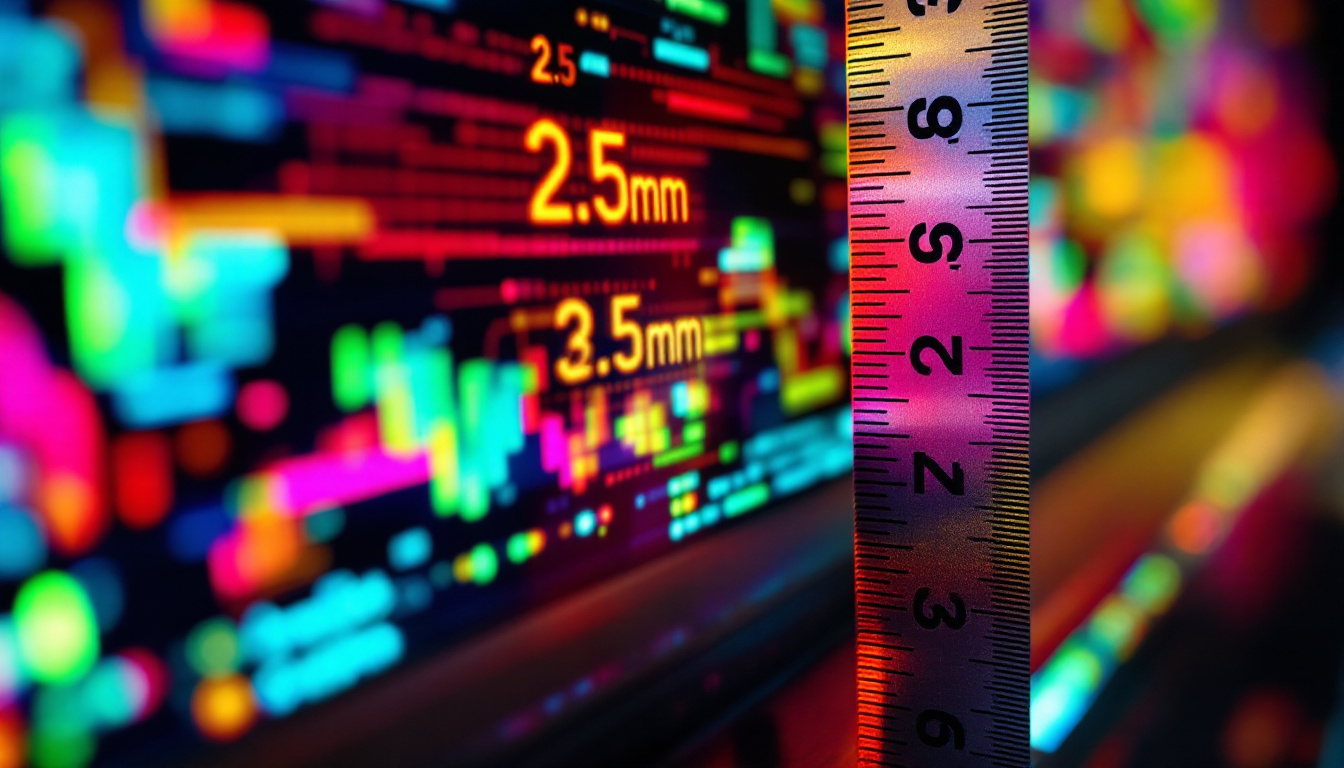
LED walls vary in size, resolution, and pixel pitch—the distance between individual LEDs. A smaller pixel pitch results in higher resolution and sharper images, which is crucial for close viewing distances. Conversely, larger pixel pitches are more cost-effective for bigger displays viewed from afar, such as stadium screens or roadside billboards.
While the display panels themselves are the most visible part of an LED wall, a host of accessories and supporting equipment ensure optimal performance, durability, and ease of use. These include advanced control systems that manage the content displayed, as well as power supplies and cooling systems that maintain the integrity of the display over time. Additionally, many LED displays come equipped with weather-resistant features, allowing them to withstand harsh environmental conditions, which is particularly important for outdoor installations.
The technology behind LED displays continues to evolve, with innovations such as flexible LED panels and transparent displays gaining traction. Flexible panels allow for creative installations that can conform to various shapes and surfaces, making them popular in architectural applications. Transparent displays, on the other hand, offer a unique viewing experience, allowing users to see through the screen while still showcasing vibrant content. This opens up new avenues for advertising and information dissemination in retail environments, where maintaining visibility is essential while still engaging customers with dynamic visuals.
Essential LED Wall Accessories and Their Functions
1. LED Modules and Cabinets
LED modules are the fundamental building blocks of an LED wall. Each module contains a matrix of LEDs and is designed to be easily replaced or serviced. These modules are mounted onto cabinets, which provide structural support and house the necessary electronics such as power supplies and control boards.
Cabinets are engineered for precision alignment to ensure seamless image display. High-quality cabinets feature robust frames and weatherproofing for outdoor use. The modular design allows for flexible configurations, enabling the creation of LED walls of virtually any size and shape. Additionally, many manufacturers offer customizable cabinet designs that can be tailored to specific aesthetic or functional requirements, allowing for unique installations that can blend seamlessly into their surroundings or stand out as eye-catching focal points.
2. Power Supplies and Distribution Units
Reliable power delivery is critical for LED walls, which can consume significant amounts of electricity depending on size and brightness. Power supplies convert standard AC power into the DC power required by LEDs, while distribution units manage and balance power flow across modules and cabinets.
Modern LED power supplies are designed for efficiency and protection, incorporating features such as surge protection, temperature control, and redundancy to prevent downtime. Proper power management accessories also help extend the lifespan of the LEDs and reduce operational costs. Furthermore, advancements in power supply technology have led to the development of smart power units that can communicate with the LED wall system, allowing for real-time monitoring and adjustments to optimize performance based on environmental conditions and usage patterns.
3. Data Cables and Signal Processors
Data cables transmit video signals from the control system to the LED modules. High-quality cables ensure minimal signal loss and interference, which is vital for maintaining image clarity and synchronization across large displays.
Signal processors decode input signals from various sources—such as computers, cameras, or media players—and format them for the LED wall. Advanced processors support multiple inputs, real-time video scaling, and color calibration, allowing for dynamic content management and smooth playback. In addition, many signal processors come equipped with features like live streaming capabilities and built-in graphics processing, enabling users to create visually stunning presentations that can captivate audiences in real-time.
4. Mounting Structures and Rigging Equipment
The physical installation of an LED wall requires sturdy mounting structures tailored to the environment and application. Indoor installations might use wall mounts or truss systems, while outdoor setups often require weather-resistant frames and secure anchoring to withstand wind and other elements.
Rigging accessories such as clamps, brackets, and safety cables are essential for ensuring the stability and safety of suspended LED walls, especially in event settings where rapid assembly and disassembly are common. Additionally, some mounting systems are designed to allow for quick adjustments and fine-tuning of the display angle, ensuring optimal viewing experiences from various perspectives. This flexibility is particularly beneficial in venues where audience positioning can vary significantly, such as concert arenas or large-scale exhibitions.
5. Cooling Systems
LED walls generate heat during operation, which can affect performance and longevity if not properly managed. Cooling accessories, including fans, heat sinks, and ventilation panels, help dissipate heat and maintain optimal operating temperatures.
Some high-end LED cabinets incorporate active cooling systems with temperature sensors that adjust fan speeds automatically. This not only protects the electronics but also reduces noise and energy consumption. Furthermore, innovative cooling technologies, such as liquid cooling systems, are being explored for larger installations, providing even more efficient heat management. By ensuring that LED walls operate within their ideal temperature range, these cooling solutions contribute to consistent performance and reduce the risk of thermal-related failures, thereby enhancing overall reliability and user satisfaction.
The Importance of LED Wall Accessories in Performance and Maintenance
While the LED panels themselves are the centerpiece, accessories play a critical role in ensuring the display functions reliably and looks its best over time. Poor-quality or incompatible accessories can lead to image distortion, flickering, or even hardware failure.
For example, using substandard data cables may cause signal degradation, resulting in color inaccuracies or synchronization issues. Similarly, inadequate power supplies can cause voltage fluctuations that damage LEDs or reduce their lifespan. Proper mounting and rigging accessories are vital for safety, especially in public venues where failure could lead to injury.
Maintenance is another area where accessories prove indispensable. Modular designs allow technicians to replace faulty modules quickly without dismantling the entire wall. Specialized tools and software are often used to calibrate color and brightness, ensuring uniformity across the display.
Emerging Trends in LED Wall Accessories
1. Wireless Data Transmission
Recent advancements have introduced wireless data transmission accessories for LED walls, reducing the need for extensive cabling. This innovation simplifies installation and enhances flexibility, particularly for temporary setups like concerts and trade shows.
While wireless solutions must address challenges such as latency and interference, improvements in technology have made them increasingly viable for high-resolution, real-time video applications.
2. Smart Monitoring and Remote Management
Integration of IoT (Internet of Things) technology into LED wall accessories enables remote monitoring and management. Sensors embedded in power supplies, cooling systems, and modules provide real-time data on temperature, power consumption, and operational status.
This capability allows operators to detect and address issues proactively, schedule maintenance efficiently, and optimize energy usage, ultimately reducing downtime and operational costs.
3. Lightweight and Flexible Mounting Solutions
As LED walls become more prevalent in creative and architectural applications, there is a growing demand for lightweight, flexible mounting accessories. Innovations include curved and bendable cabinets, magnetic mounts, and modular frames that can be assembled into unconventional shapes.
These advancements enable designers to integrate LED displays into a wider range of environments, from retail spaces to art installations, expanding the possibilities for visual storytelling.
Choosing the Right Accessories for Your LED Wall
Selecting the appropriate accessories for an LED wall depends on several factors, including the intended application, environment, budget, and desired image quality. Here are key considerations to guide the decision-making process:
Assess Environmental Conditions
Outdoor installations require accessories that are weatherproof and resistant to dust, moisture, and temperature extremes. Look for cabinets with IP65 or higher ratings and corrosion-resistant mounting hardware.
Determine Viewing Distance and Resolution Needs
The pixel pitch and module size should align with the typical viewing distance to ensure image clarity. Accessories that support high-resolution configurations may be more expensive but are essential for close-range viewing.
Evaluate Power and Data Requirements
Calculate the total power consumption and ensure that power supplies and distribution units can handle the load with some margin for safety. Similarly, choose data cables and signal processors compatible with the desired resolution and refresh rates.
Consider Installation and Maintenance Practicalities
Modular designs and quick-release mounting accessories facilitate easier installation and servicing. For temporary setups, prioritize lightweight and portable components.
Conclusion
LED walls have transformed visual communication across industries, offering unparalleled brightness, flexibility, and impact. However, the success of any LED display depends not only on the panels themselves but also on the quality and compatibility of the accessories that support them.
From power supplies and data cables to mounting structures and cooling systems, each accessory plays a vital role in ensuring performance, safety, and longevity. Staying informed about emerging trends such as wireless transmission and smart monitoring can provide a competitive edge and enhance operational efficiency.
By carefully selecting and maintaining the right LED wall accessories, businesses and event organizers can maximize the return on investment and deliver captivating visual experiences that engage audiences effectively.
Discover LumenMatrix’s Advanced LED Display Solutions
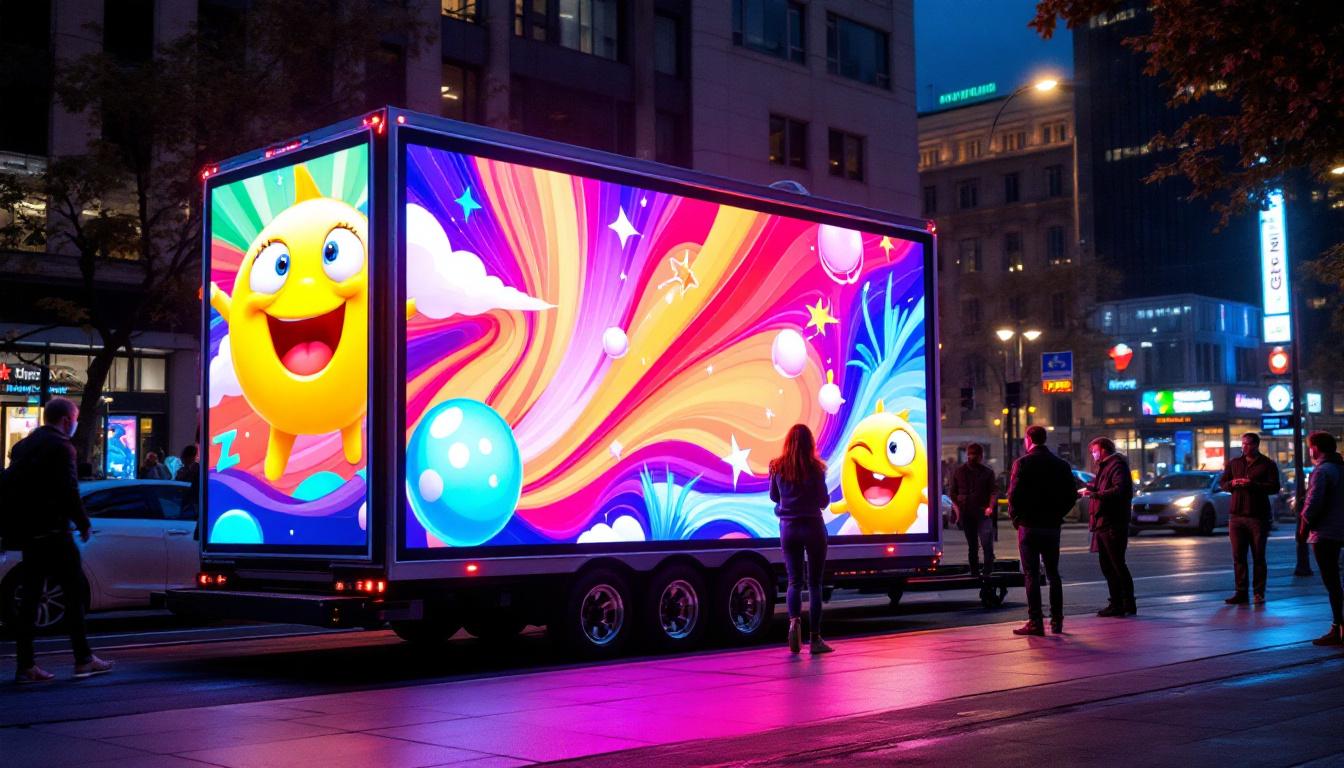
Ready to elevate your visual communication with cutting-edge LED display technology? LumenMatrix offers a comprehensive range of LED display solutions, from vibrant Indoor and Outdoor LED Walls to dynamic Vehicle and Sports Displays. Whether you’re looking to captivate with a Custom LED Display, engage with a Transparent LED Display, or innovate with an All-in-One solution, LumenMatrix is your partner in creating immersive visual experiences. Check out LumenMatrix LED Display Solutions today and transform how you connect with your audience.