In today’s digital era, visual technology plays a pivotal role in how information is conveyed and entertainment is delivered. Among the most revolutionary advancements in display technology is the LED display. From massive outdoor billboards to the screens on your smartphone, LED displays have transformed the way audiences engage with content. This article delves into the intricacies of LED displays, explaining their technology, applications, and why they are a game-changer for television and media production, especially in the context of pitching TV shows.
Understanding LED Display Technology
What is an LED Display?
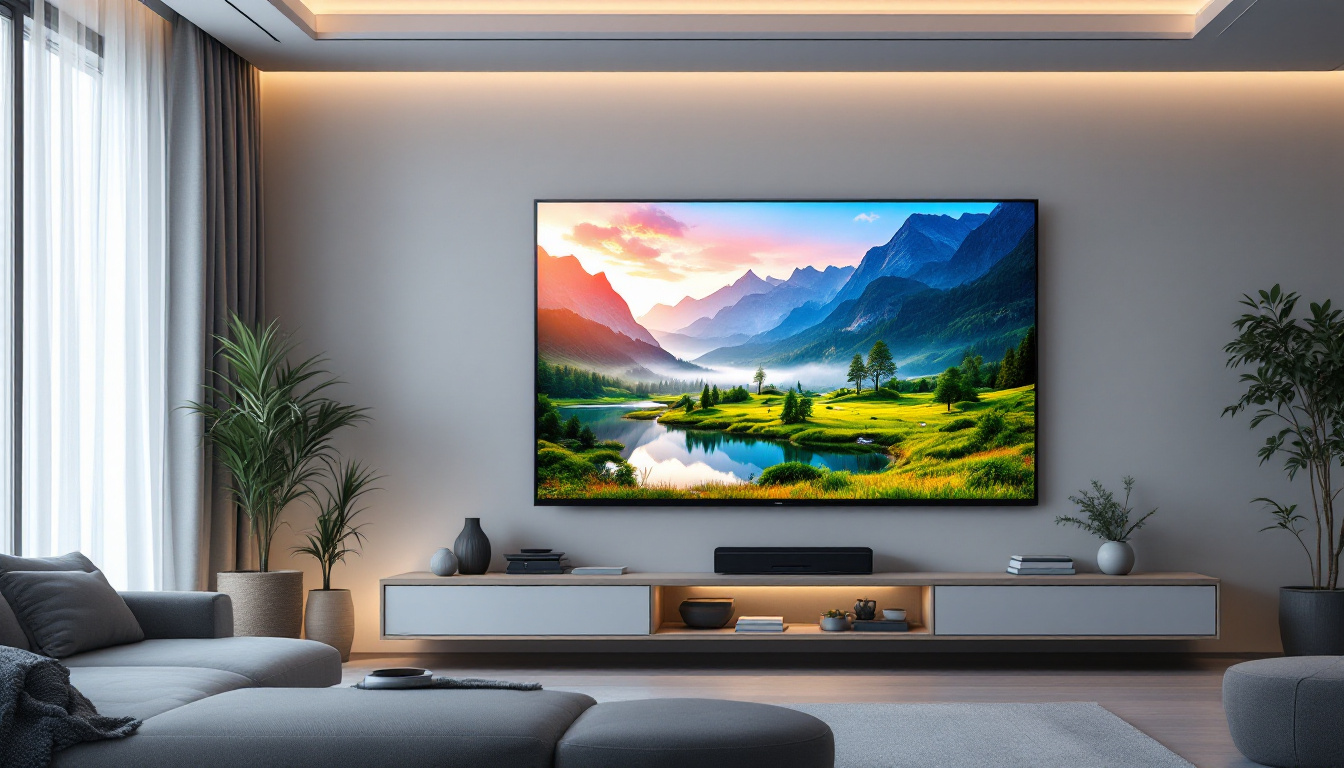
LED stands for Light Emitting Diode, a semiconductor light source that emits light when current flows through it. An LED display is a flat panel display that uses an array of LEDs as pixels to create images and videos. Unlike traditional LCD or plasma screens, LED displays rely on these tiny diodes to produce light directly, resulting in brighter, more vibrant visuals with higher energy efficiency.
The technology behind LED displays can be broadly categorized into two types: direct view LED (also called micro-LED) and LED-backlit LCD. Direct view LED displays consist of individual LEDs that form the image, whereas LED-backlit LCDs use LEDs as a backlight behind an LCD panel. For large-scale applications like TV show sets or outdoor advertising, direct view LED displays are the preferred choice due to their scalability and superior brightness. Furthermore, the advancements in LED technology have led to the development of flexible displays, which can be bent or shaped to fit unique installations, opening up new possibilities for creative designs and applications in architecture and advertising.
How Do LED Displays Work?
Each pixel in an LED display is made up of red, green, and blue LEDs. By varying the intensity of these three colors, the display can produce a broad spectrum of colors, enabling the rendering of detailed images and videos. The LEDs are arranged in a matrix, and the display controller manages which LEDs light up and at what brightness to form the desired picture.
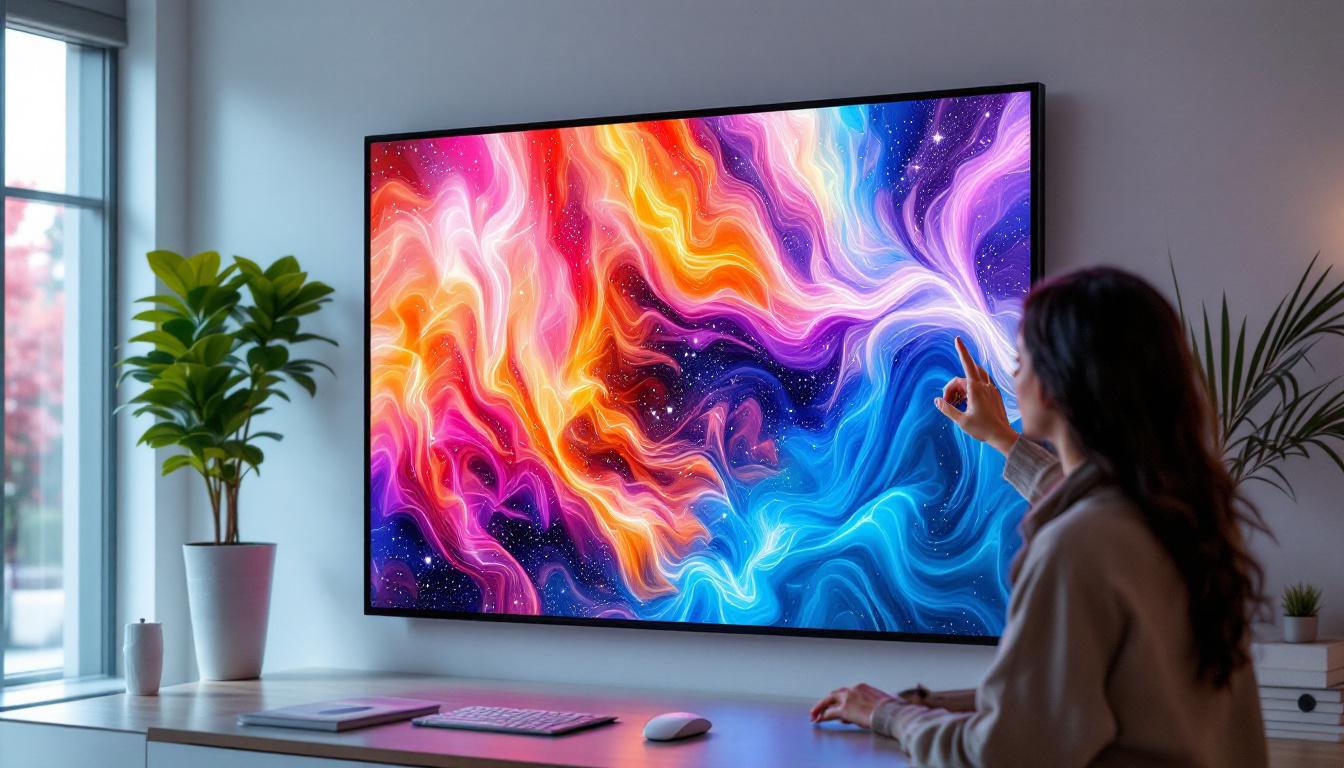
Modern LED displays use advanced technologies such as pulse-width modulation (PWM) to control brightness and color accuracy. This allows for smooth gradients and sharp contrasts, essential for high-quality video production. Additionally, innovations like HDR (High Dynamic Range) support have made LED displays even more appealing for professional media environments. The integration of smart technology into LED displays has also transformed user interaction, allowing for features like touch sensitivity and connectivity with other devices, enhancing the overall user experience. As a result, LED displays are not just limited to traditional viewing but are increasingly being utilized in interactive installations, digital signage, and immersive environments, making them a versatile choice for a wide range of applications.
The Role of LED Displays in TV Show Production
Enhancing Visual Storytelling on Set
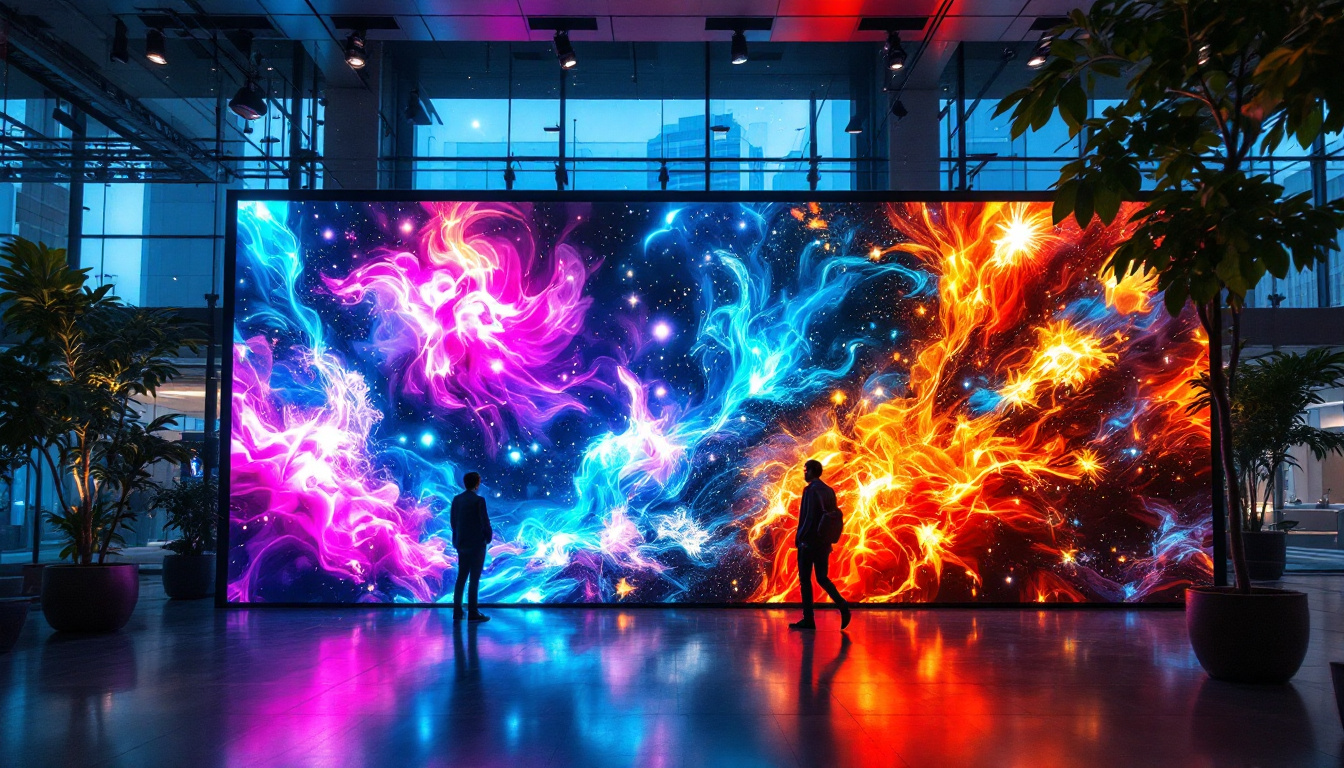
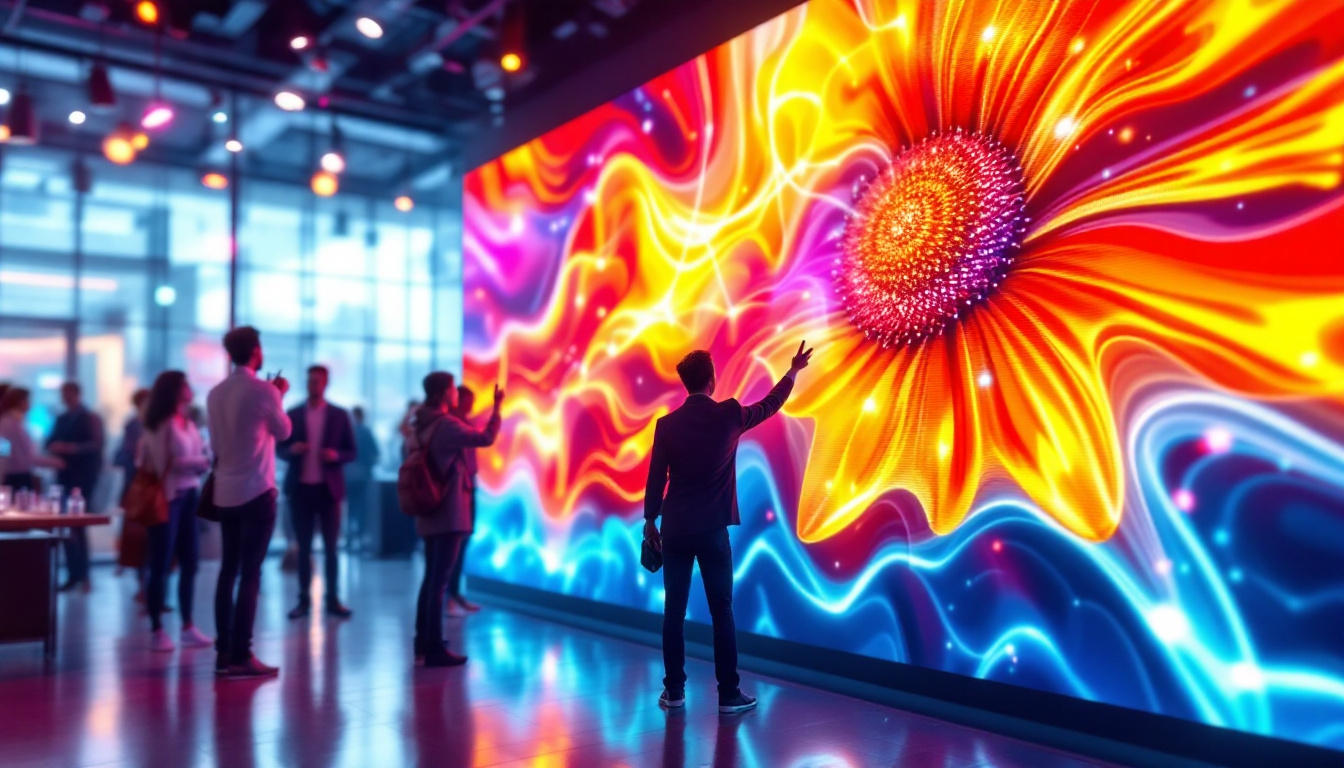
In television production, set design and visual effects are crucial components that contribute to the storytelling experience. LED displays have become a staple on many TV show sets because they offer dynamic backgrounds that can be changed instantly without the need for physical set alterations. This flexibility enables producers and directors to create immersive environments, from futuristic cityscapes to natural landscapes, all within the studio.
For example, popular shows like “The Mandalorian” have famously used massive LED walls to create realistic, interactive backgrounds that respond to camera movements in real-time. This technique, known as virtual production, reduces the need for green screens and post-production compositing, saving time and costs while enhancing the actors’ performances by providing them with tangible surroundings.
Improving Audience Engagement
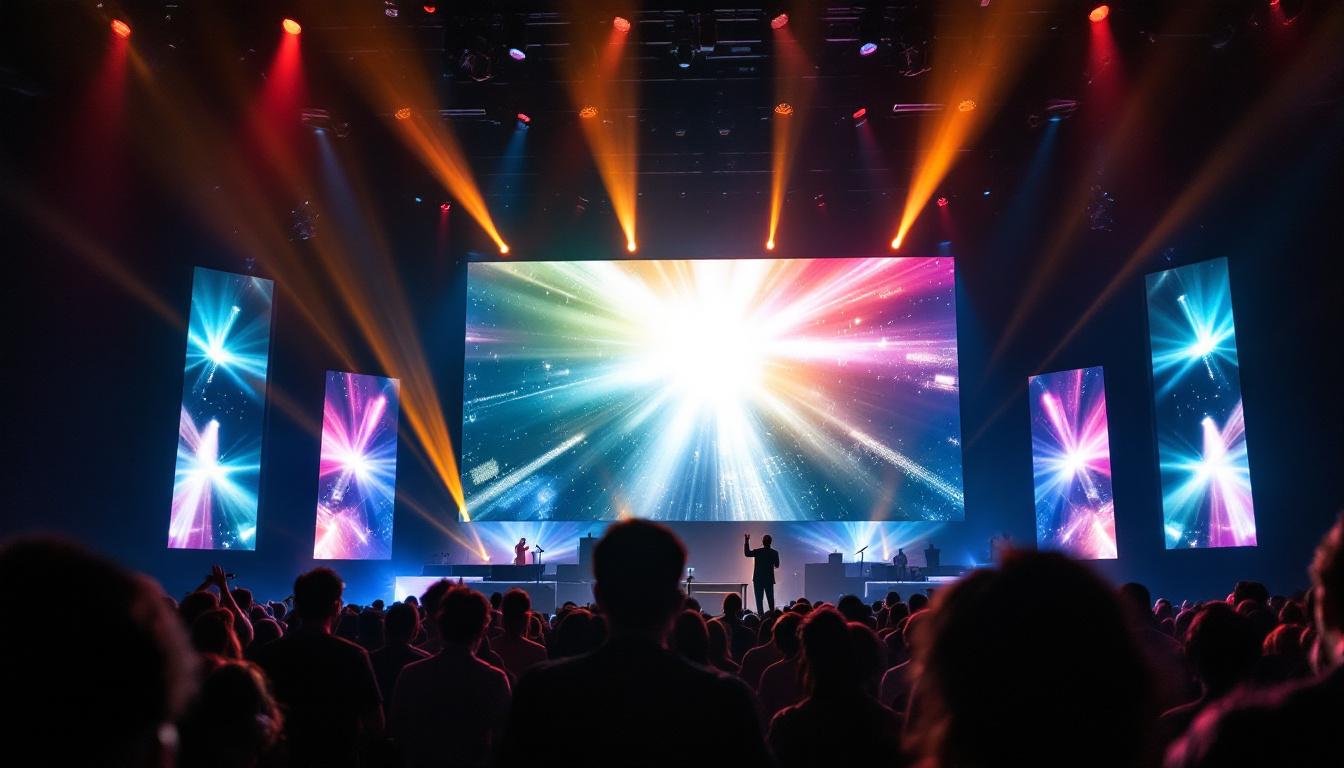
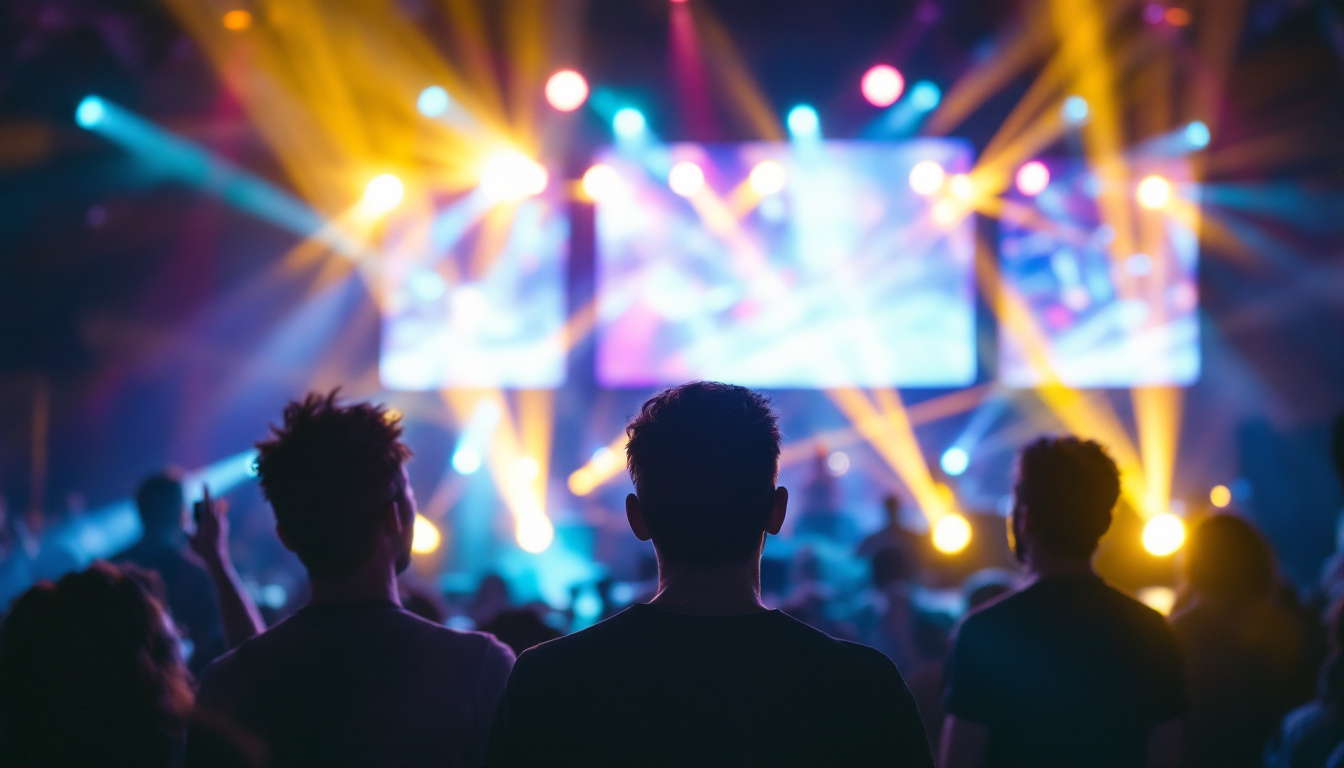
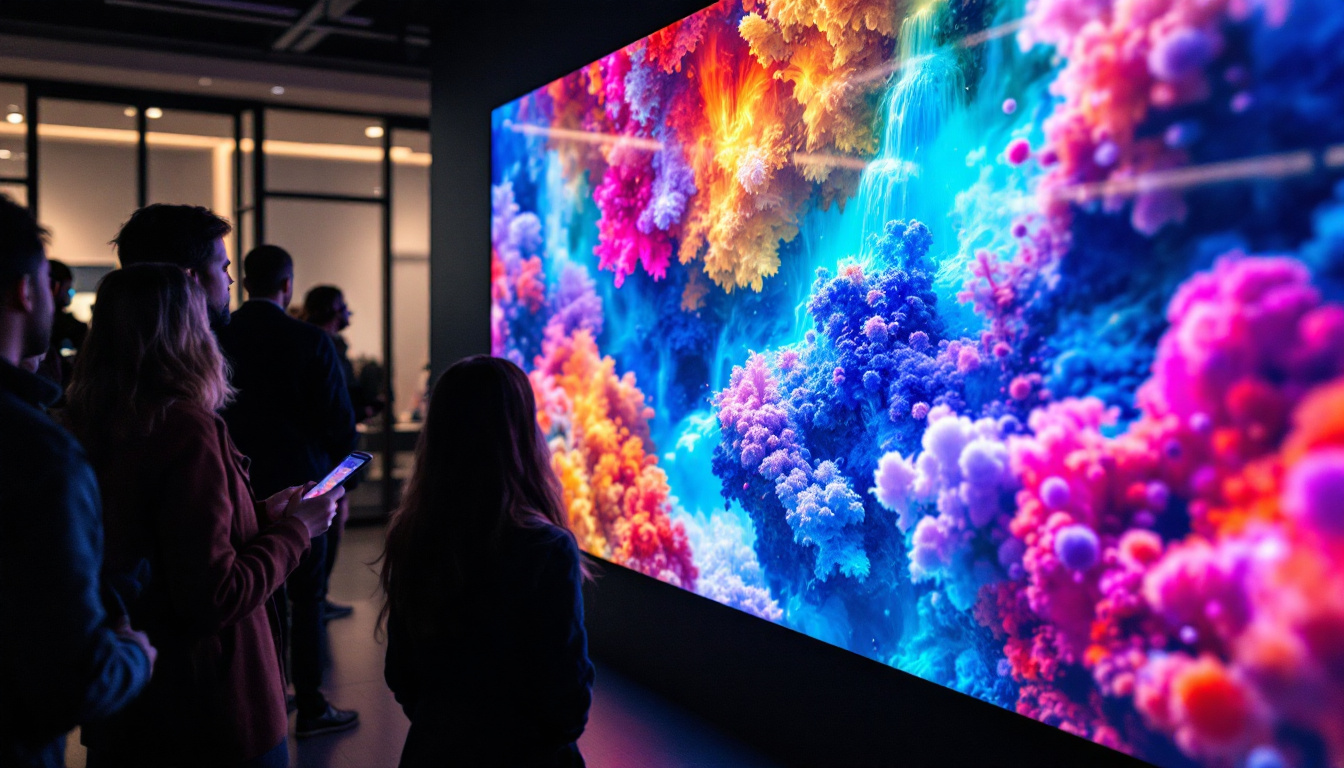
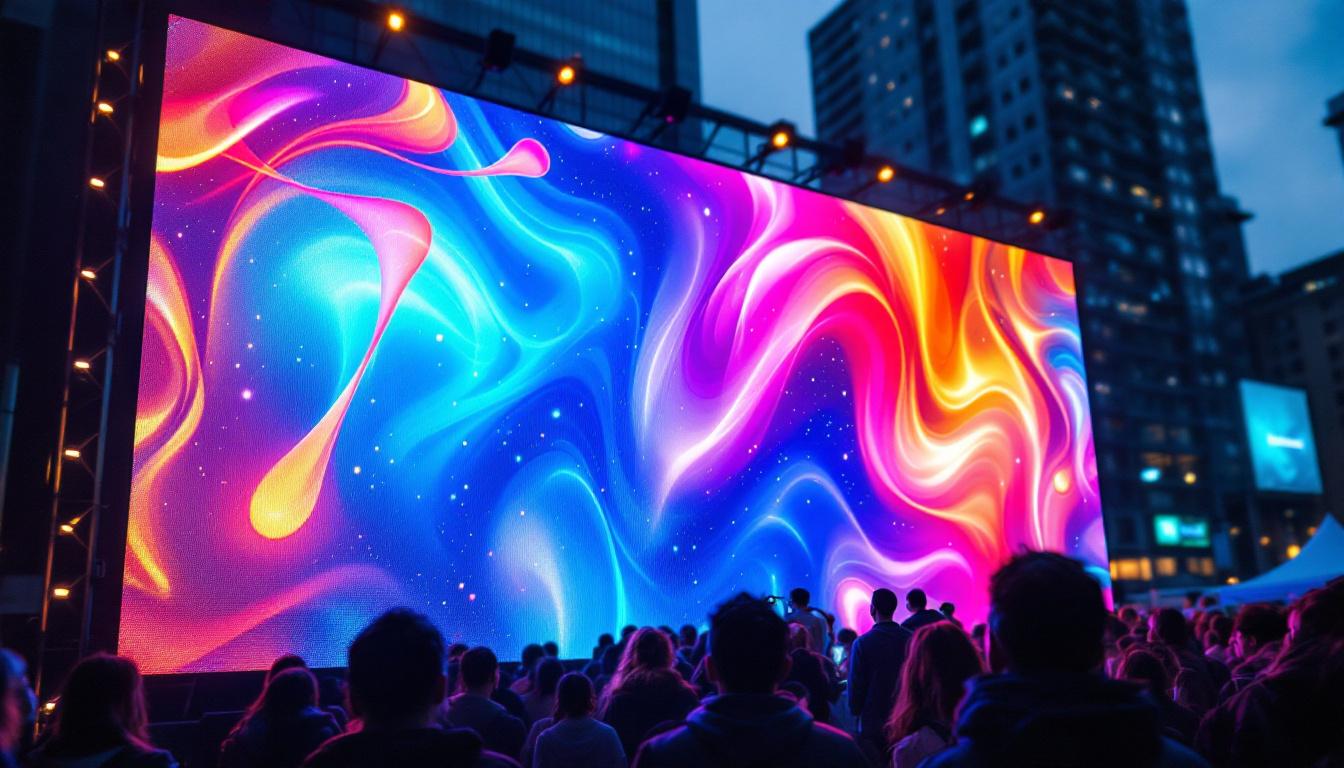
LED displays are also integral to live TV shows and events where audience interaction is key. Their high brightness and color fidelity ensure that visuals are clear and captivating, even in brightly lit studios or outdoor venues. Whether it’s displaying live social media feeds, interactive graphics, or dynamic advertisements, LED screens enhance the overall viewing experience and keep audiences engaged.
Moreover, LED technology supports ultra-high-definition (UHD) resolutions, which have become increasingly important as viewers expect sharper and more detailed images. This improvement in visual quality directly influences audience satisfaction and retention, making LED displays a valuable asset for broadcasters and content creators.
Applications of LED Displays Beyond TV Shows
Advertising and Digital Signage
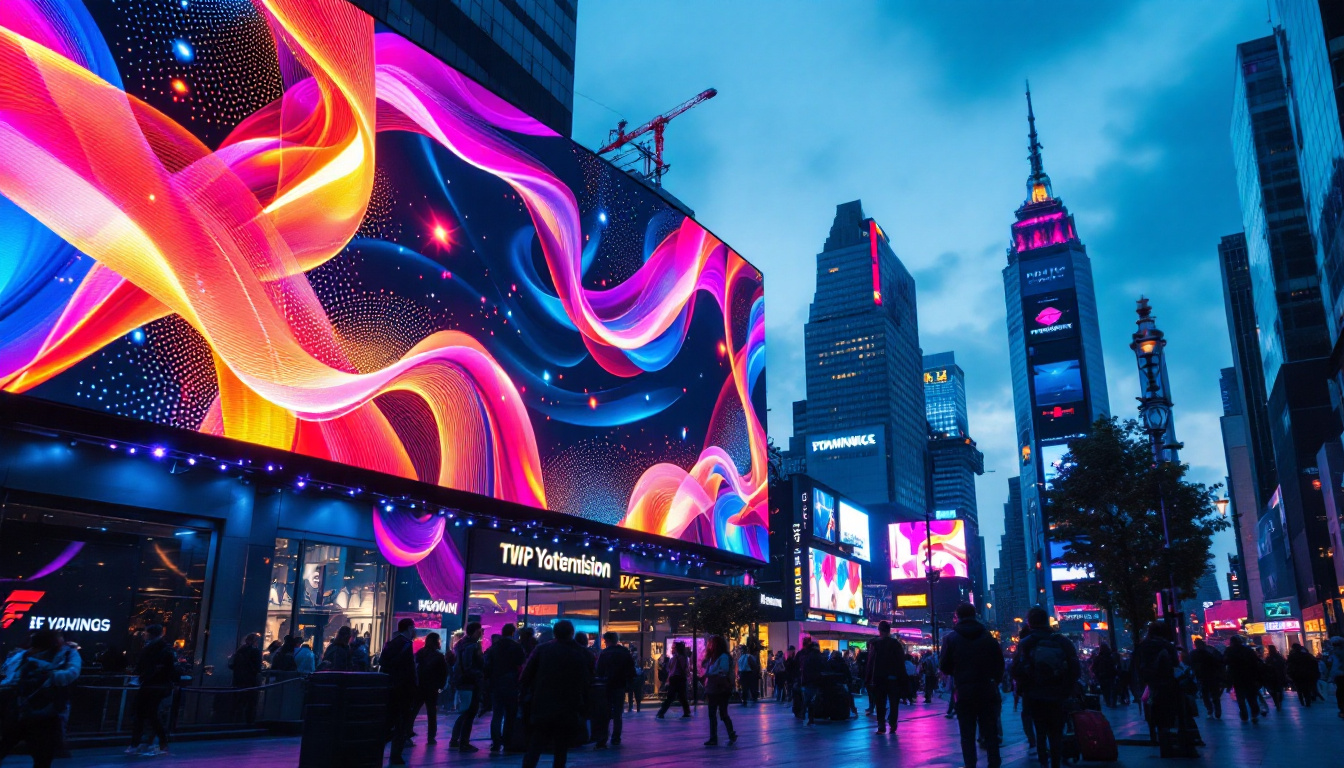
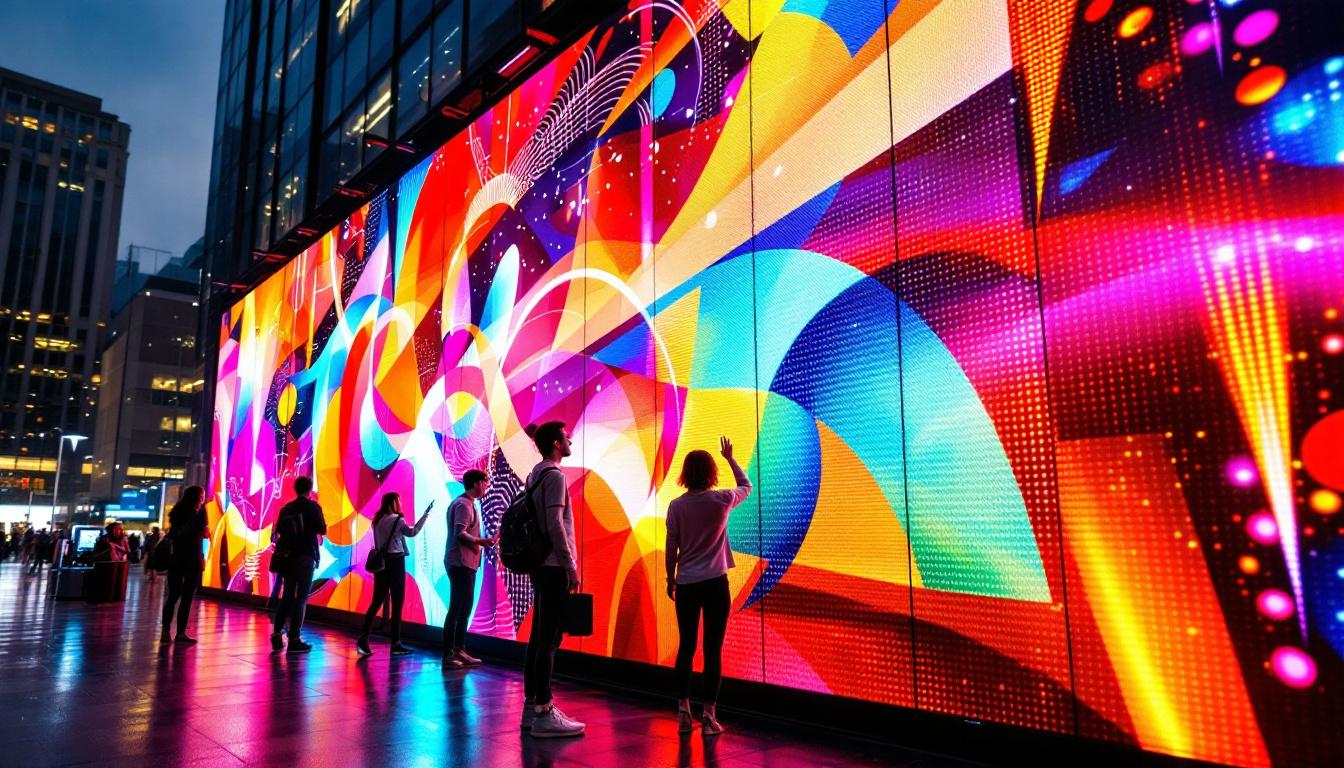
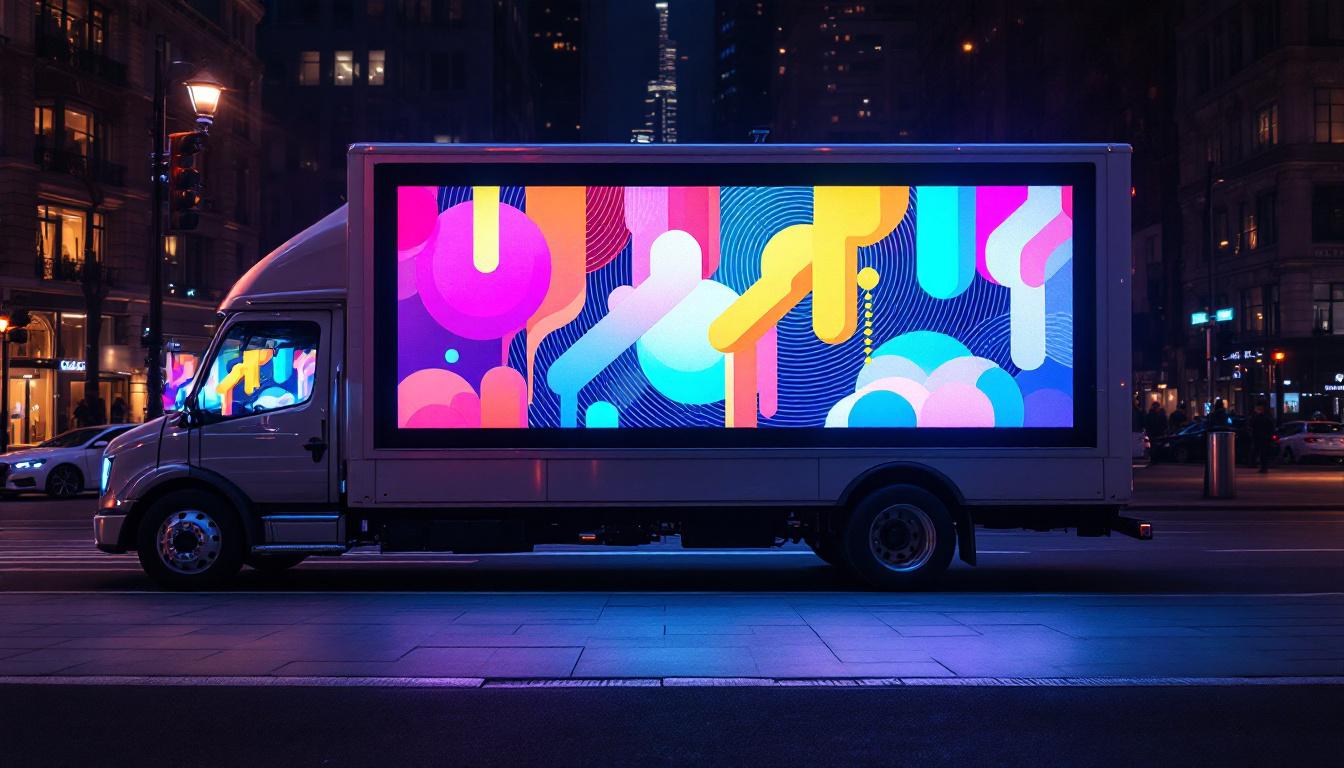
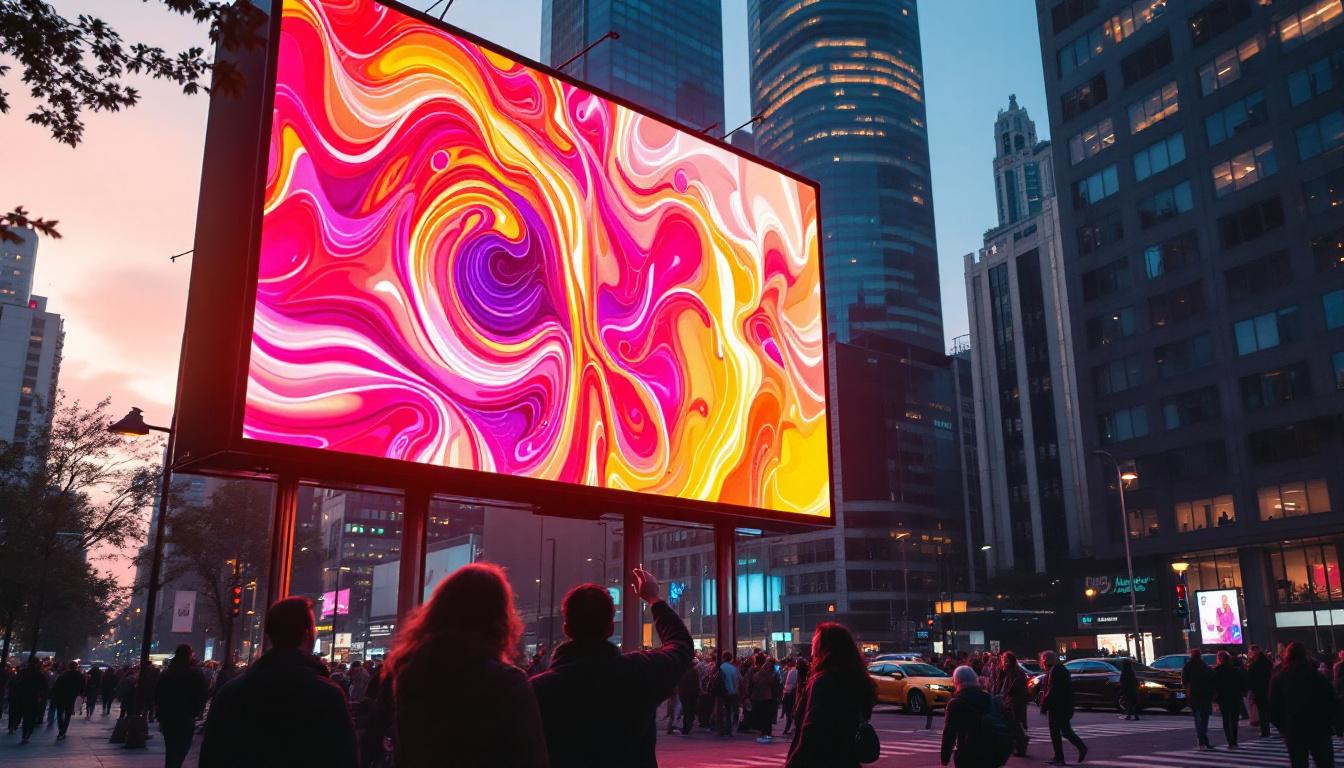
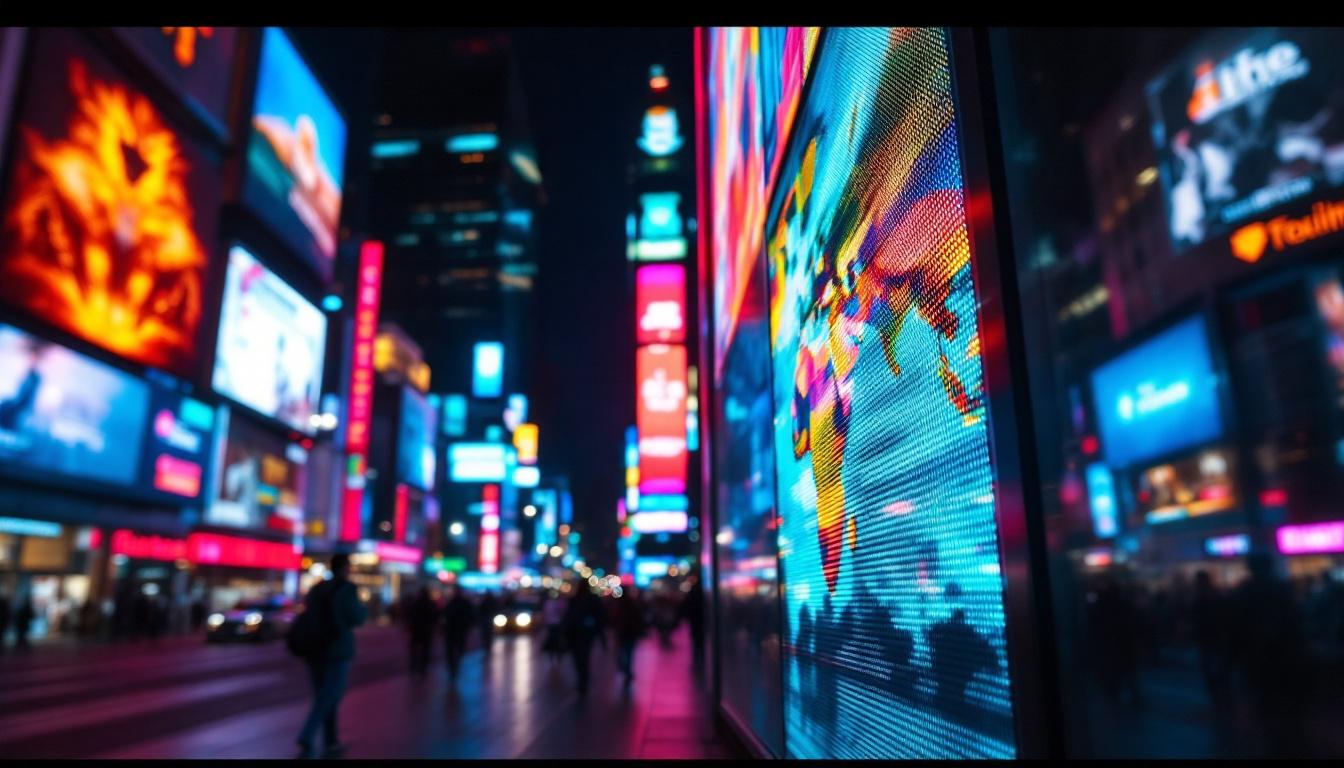
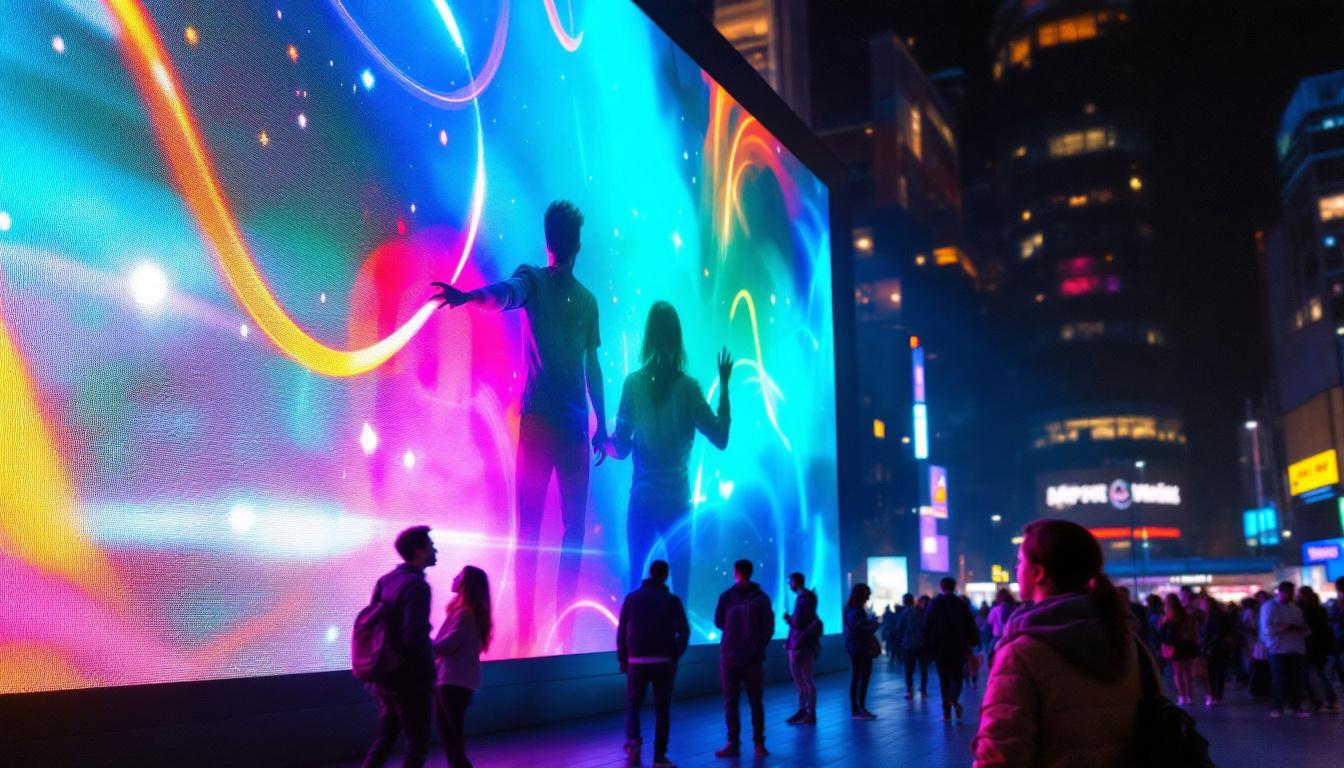
One of the most widespread uses of LED displays is in outdoor advertising. Billboards, stadium screens, and retail signage leverage LED technology to deliver bright, eye-catching messages that can be updated in real-time. According to a 2023 report by Grand View Research, the global LED display market is expected to reach $21.7 billion by 2028, driven largely by demand in advertising and commercial sectors.
The ability to display vivid colors and motion graphics makes LED displays far more effective than static signs. Brands can tailor their messaging based on time of day, location, or audience demographics, creating personalized marketing campaigns that resonate better with consumers.
Corporate and Educational Uses
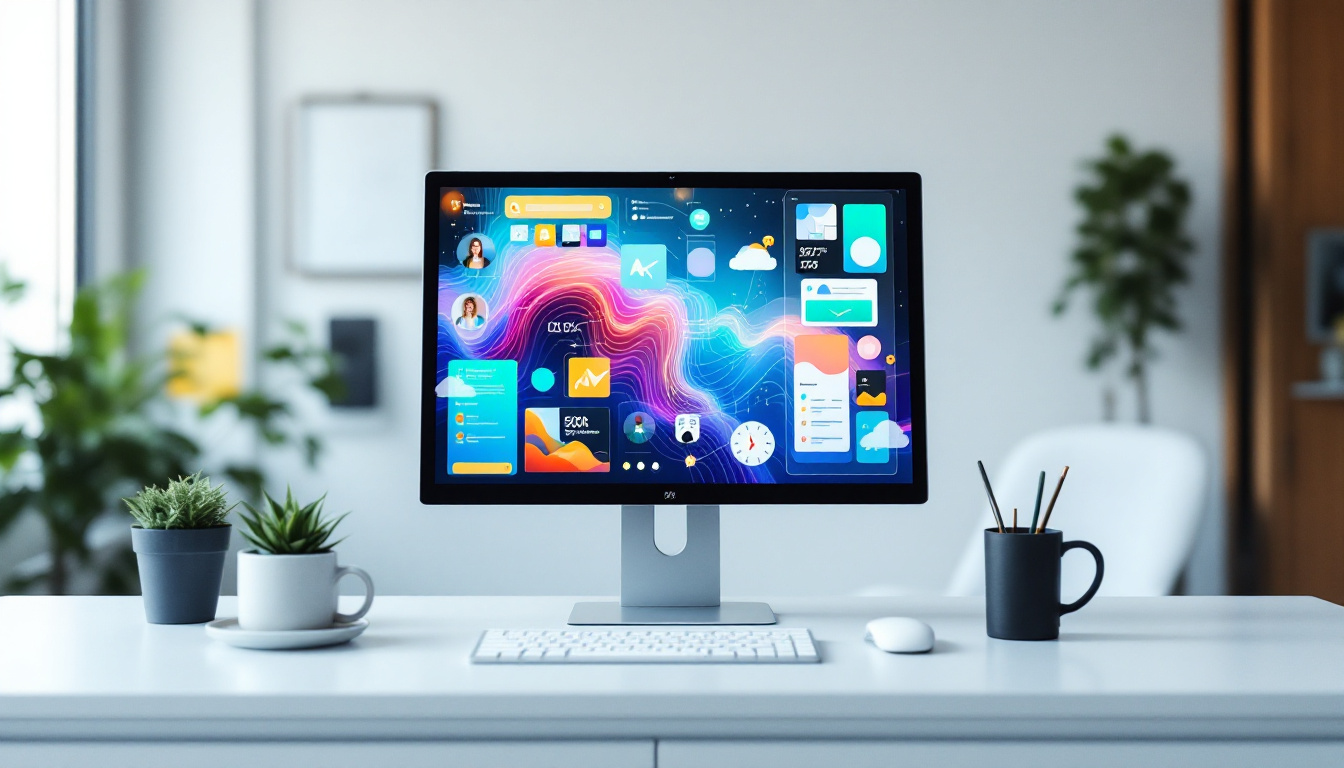
In corporate environments, LED displays are used for presentations, video conferencing, and digital dashboards that provide real-time analytics. Their clarity and size adaptability make them ideal for boardrooms and large conference halls. Educational institutions also benefit from LED technology by incorporating it into lecture halls and auditoriums, enhancing visual learning through engaging content delivery.
Key Advantages of LED Displays
Brightness and Visibility
One of the biggest advantages of LED displays is their superior brightness. Unlike LCD screens that rely on backlighting, LEDs emit light directly, allowing them to achieve brightness levels upwards of 5,000 nits in some models. This makes them highly visible even under direct sunlight or intense studio lighting, a critical factor for outdoor and professional TV production environments.
Energy Efficiency and Longevity
LEDs are known for their energy efficiency compared to other display technologies. They consume less power while delivering higher brightness, which translates to lower operational costs. Additionally, LEDs have a longer lifespan, often exceeding 100,000 hours of use, reducing maintenance and replacement expenses over time.
Flexibility and Scalability
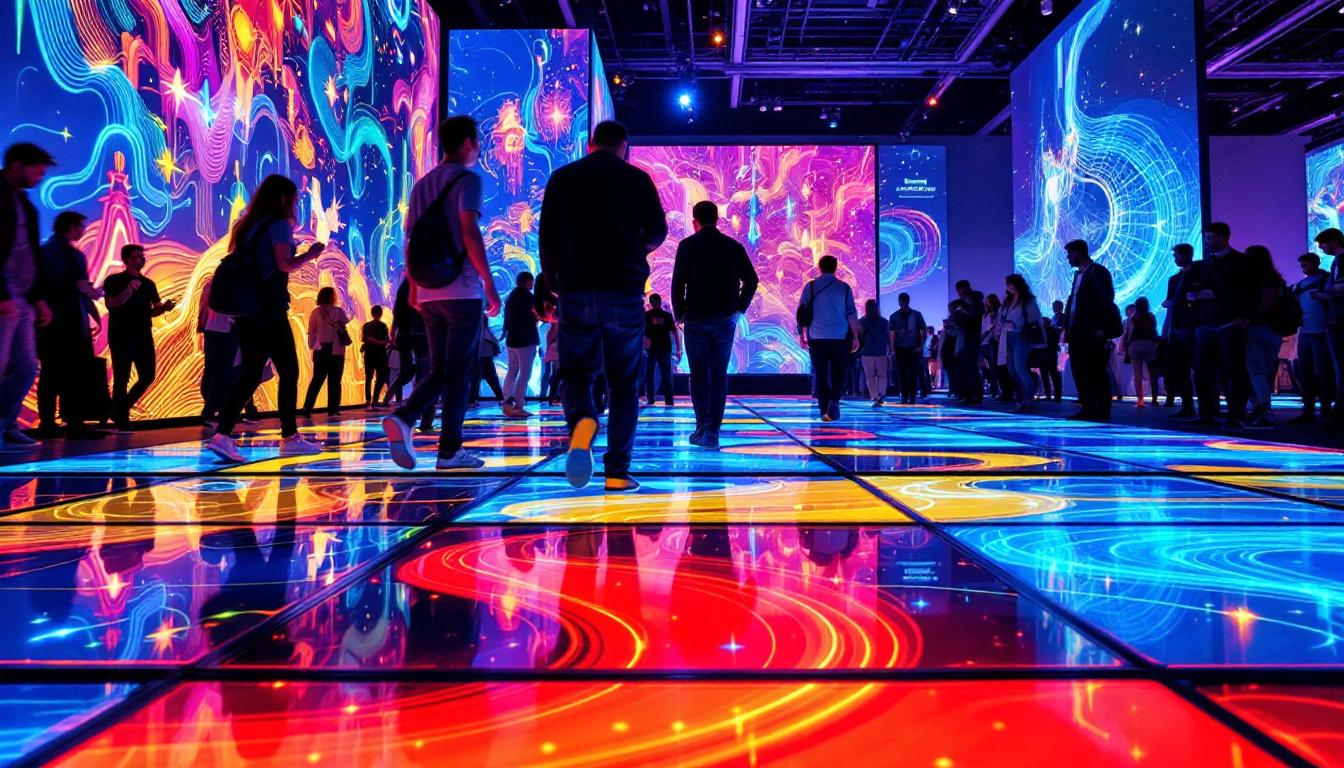
LED displays are highly customizable in terms of size and shape. They can be assembled into large video walls or curved screens, fitting unique set designs or architectural requirements. This modular nature allows for easy scaling, making LED displays suitable for everything from small studio monitors to massive outdoor installations.
Challenges and Considerations When Using LED Displays
Cost and Initial Investment
Despite their many benefits, LED displays can require a significant upfront investment. High-quality direct view LED panels, especially those with fine pixel pitches suitable for close viewing distances, tend to be expensive. Production companies and broadcasters must weigh these costs against the long-term benefits and potential savings in set construction and post-production.
Pixel Pitch and Resolution
Pixel pitch, the distance between individual LEDs, is a critical factor in determining image clarity. Smaller pixel pitches produce higher resolution images but increase the cost. For TV show sets where viewers are close to the screen, fine pixel pitch displays are necessary to avoid visible pixelation. Understanding and selecting the right pixel pitch based on viewing distance is essential for optimal image quality.
Heat Management and Durability
LED displays generate heat during operation, which must be managed to maintain performance and longevity. High-end LED panels incorporate cooling systems and durable materials to withstand continuous use, especially in demanding environments like outdoor venues or busy TV studios. Proper installation and maintenance are vital to prevent overheating and ensure consistent performance.
The Future of LED Displays in Television and Media
Emerging Technologies and Innovations
The LED display industry continues to evolve rapidly. Emerging technologies such as micro-LED and mini-LED promise even greater brightness, contrast, and energy efficiency. Micro-LED displays, in particular, offer the potential for ultra-thin, flexible screens with exceptional color accuracy, which could revolutionize how TV shows and other media content are produced and consumed.
Additionally, advancements in AI-driven content management and real-time rendering are enabling more interactive and immersive experiences. LED displays integrated with augmented reality (AR) and virtual reality (VR) technologies are beginning to blur the lines between physical and digital worlds, opening new creative possibilities for TV producers and audiences alike.
Impact on Content Creation and Distribution
As LED display technology becomes more accessible and affordable, it will likely reshape content creation workflows. Virtual production techniques that rely heavily on LED walls are expected to become standard practice, reducing reliance on location shoots and expensive post-production effects. This shift will streamline production timelines and foster more innovative storytelling methods.
Moreover, the enhanced visual quality of LED displays supports the growing demand for 4K and 8K content, ensuring that audiences receive the highest fidelity viewing experience. As streaming platforms and broadcasters compete for viewers, investing in LED technology could provide a critical edge in delivering visually stunning and engaging content.
Conclusion
LED displays have fundamentally transformed the landscape of television production and media presentation. Their superior brightness, color accuracy, and flexibility make them indispensable tools for creating compelling visual narratives and engaging audiences. From dynamic TV show sets to large-scale advertising and corporate applications, LED technology continues to push the boundaries of what is possible in visual communication.
For producers and broadcasters looking to pitch new TV shows or enhance existing productions, understanding LED display technology is crucial. It not only offers creative freedom but also practical advantages in cost, efficiency, and audience engagement. As the technology advances, LED displays will undoubtedly remain at the forefront of the media industry’s evolution, lighting the way for the next generation of content.
Discover LumenMatrix LED Display Solutions
Ready to elevate your TV show production or enhance your media presentations with the latest in LED display technology? LumenMatrix is at the forefront of creating immersive visual experiences that captivate and engage. Explore our comprehensive range of LED display solutions, including Indoor and Outdoor LED Wall Displays, Vehicle LED Displays, LED Poster Displays, LED Sports Displays, Floor LED Displays, Custom LED Displays, All-in-One LED Displays, and LED Transparent Displays. Embrace the future of visual storytelling with LumenMatrix and check out our LED display solutions today.