In today’s fast-paced digital world, businesses and public spaces alike are increasingly turning to interactive technologies to engage audiences and deliver information dynamically. Among these technologies, touch screen signage powered by LED displays stands out as a powerful tool that combines vivid visuals with intuitive user interaction. This article delves into the fundamentals of touch screen signage, explores the technology behind LED displays, and highlights their applications, benefits, and considerations for deployment.
Understanding Touch Screen Signage
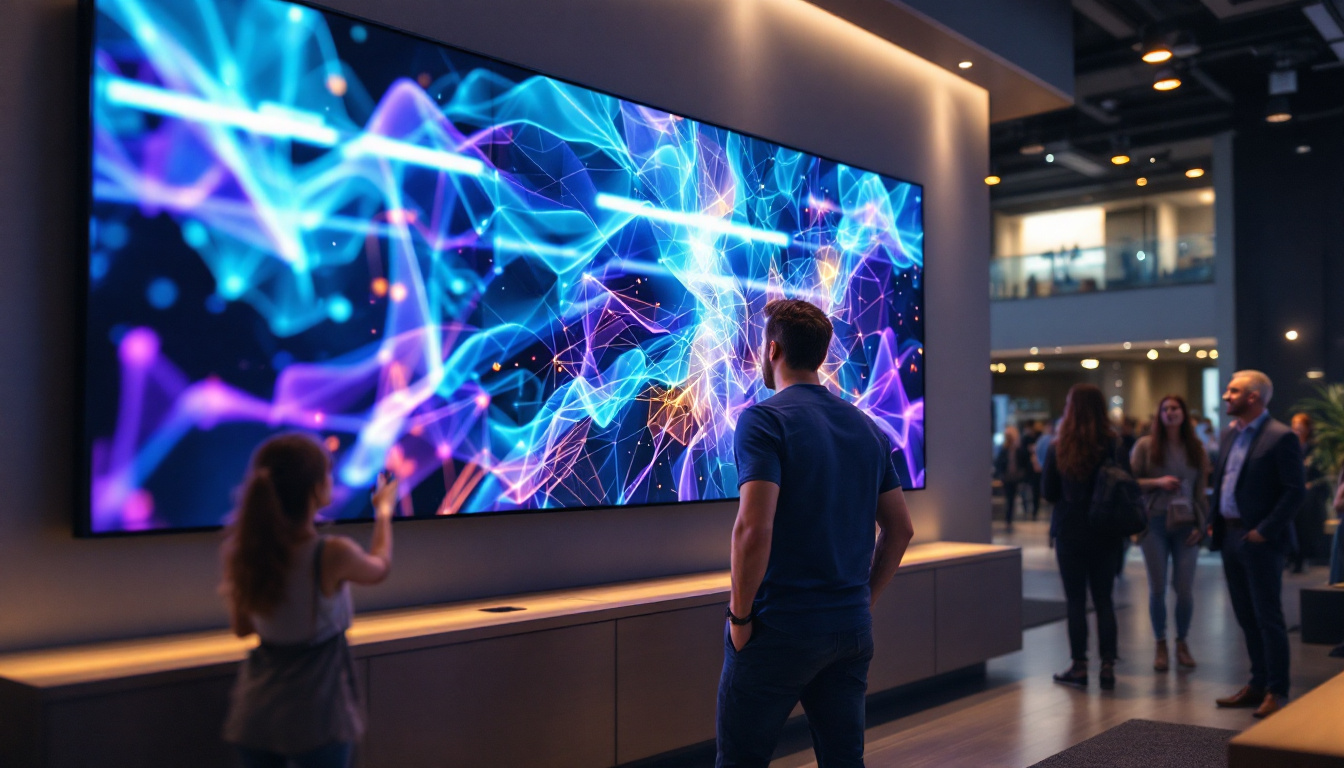
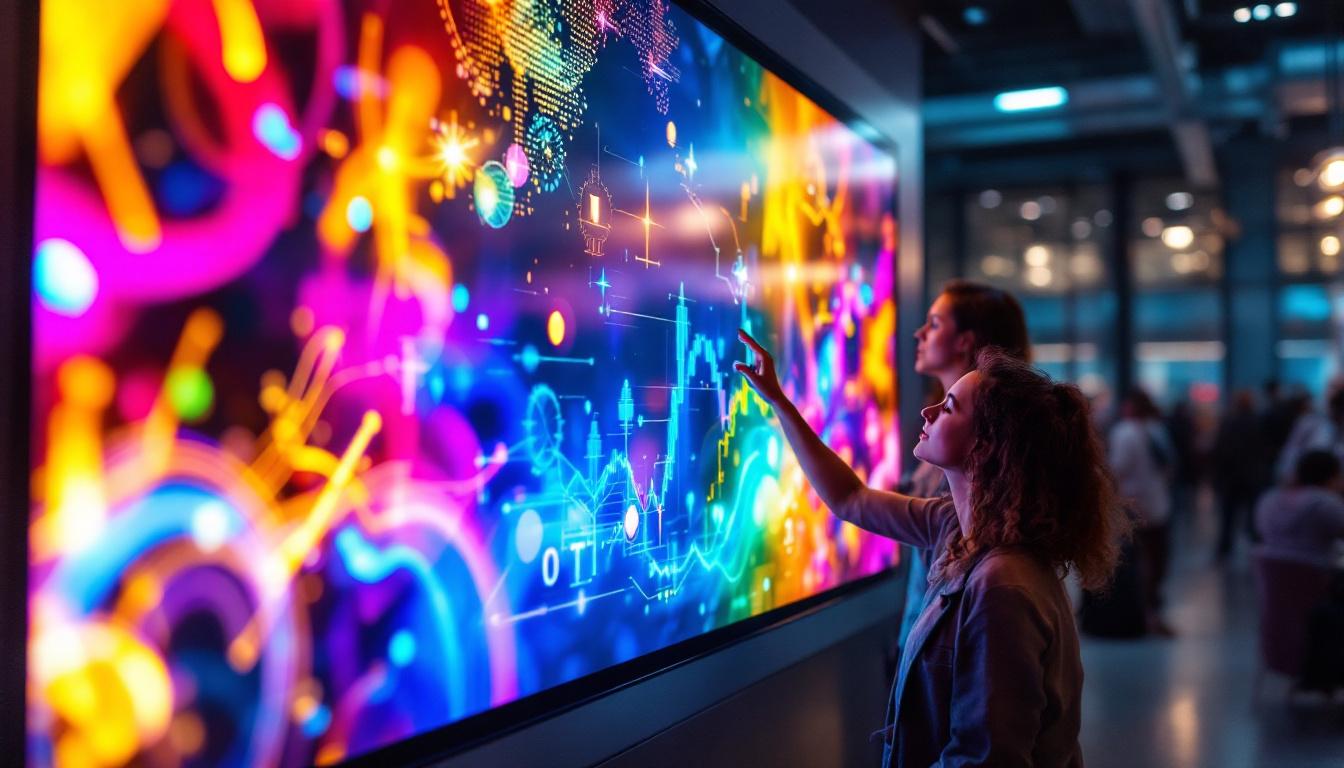
Touch screen signage refers to digital display systems that allow users to interact directly with the content shown on the screen via touch input. Unlike traditional static signage, these interactive displays provide a two-way communication channel, enabling users to navigate menus, access detailed information, or even complete transactions. This interactivity transforms the way information is presented and consumed, making it more engaging and user-friendly.
These systems are commonly used in retail stores, airports, museums, corporate environments, and public information kiosks. The interactive element not only enhances user engagement but also allows businesses to gather valuable data on user preferences and behaviors. For instance, in retail settings, touch screen signage can facilitate personalized shopping experiences by recommending products based on previous interactions or current trends, thereby driving sales and improving customer satisfaction.
How Touch Screens Work
Touch screens detect and respond to the physical touch of a finger or stylus on the display surface. There are several types of touch technologies used in signage, including resistive, capacitive, infrared, and surface acoustic wave. Capacitive touch screens, which rely on the electrical properties of the human body, are the most prevalent in modern interactive displays due to their responsiveness and multi-touch capabilities. This technology allows multiple users to interact with the screen simultaneously, enhancing collaborative experiences in environments such as museums or educational institutions.
When combined with LED display technology, touch screens offer bright, sharp visuals that remain clear even in brightly lit environments, making them ideal for both indoor and outdoor applications. Additionally, the integration of advanced software solutions enables these screens to present dynamic content, such as videos, animations, and real-time updates, further enriching the user experience. As touch screen signage continues to evolve, innovations such as gesture recognition and voice activation are also being explored, promising even more intuitive ways for users to interact with digital content.
The Technology Behind LED Displays
LED, or Light Emitting Diode, displays have revolutionized digital signage by providing superior brightness, energy efficiency, and longevity compared to traditional LCD or plasma screens. Understanding how LED displays work is key to appreciating their advantages in touch screen signage.
What is an LED Display?
An LED display is composed of numerous tiny light-emitting diodes arranged in a matrix to form images and video. Each diode emits light when an electric current passes through it, allowing for vibrant colors and high contrast ratios. There are two main types of LED displays used in signage:
- Direct View LED (DV-LED): These displays use LEDs as individual pixels, providing exceptional brightness and color accuracy. They are often used for large-scale outdoor screens and stadium displays.
- LED-Backlit LCD: In this configuration, LEDs serve as the backlight source for an LCD panel. This setup is common in indoor digital signage and touch screen monitors.
Both types can be integrated with touch screen technology, depending on the application requirements.
Advantages of LED Displays in Signage
LED displays offer several benefits that make them ideal for touch screen signage:
- Brightness and Visibility: LEDs can achieve brightness levels exceeding 1,000 nits, ensuring content remains visible even under direct sunlight.
- Energy Efficiency: Compared to older display technologies, LEDs consume less power, reducing operational costs.
- Durability and Longevity: LED displays typically have a lifespan of 50,000 to 100,000 hours, making them a long-term investment.
- Thin and Lightweight: LED technology allows for sleek, slim designs that are easier to install and maintain.
Integrating Touch Technology with LED Displays
The fusion of touch screen interfaces with LED displays creates an interactive experience that is both visually stunning and user-friendly. However, integrating these technologies requires careful consideration of hardware compatibility, touch accuracy, and environmental factors.
Types of Touch Technologies Compatible with LED Displays
Capacitive touch technology is most commonly paired with LED displays due to its responsiveness and support for multi-touch gestures. However, other technologies may be used depending on the use case:
- Projected Capacitive (PCAP): Offers high sensitivity and durability, ideal for public kiosks and retail environments.
- Infrared (IR) Touch: Uses a grid of infrared light beams to detect touch, suitable for larger screens and outdoor settings.
- Resistive Touch: More cost-effective but less sensitive, often used in environments where users wear gloves.
Challenges in Touch and LED Integration
While LED displays provide excellent brightness and color, integrating touch sensors can introduce challenges such as:
- Screen Reflectivity: High brightness LEDs can cause glare, potentially affecting touch accuracy and user comfort.
- Environmental Exposure: Outdoor installations must consider weatherproofing and temperature variations that can impact touch sensitivity.
- Calibration and Maintenance: Touch sensors require regular calibration to maintain accuracy, especially in high-traffic areas.
Applications of Touch Screen LED Signage
The versatility of touch screen LED signage makes it suitable for a wide range of industries and purposes. Here are some of the most impactful applications:
Retail and Advertising
Interactive LED signage in retail environments transforms the shopping experience by allowing customers to browse product catalogs, access promotions, and even place orders directly from the display. According to a recent report by Grand View Research, the global digital signage market is expected to reach $32.84 billion by 2028, driven largely by demand for interactive displays.
Brands use touch screen LED displays to create immersive advertising campaigns that capture attention and encourage engagement, resulting in higher conversion rates.
Transportation Hubs
Airports, train stations, and bus terminals utilize touch screen LED signage to provide real-time information on schedules, gate changes, and wayfinding. The high brightness of LED displays ensures visibility under various lighting conditions, while touch interactivity allows travelers to customize their information search, reducing the need for staff assistance.
Hospitality and Entertainment
Hotels, casinos, and entertainment venues deploy interactive LED signage for check-in kiosks, event information, and interactive directories. These systems enhance guest experiences by streamlining services and providing personalized content.
Education and Museums
Educational institutions and museums leverage touch screen LED displays to offer interactive exhibits and learning modules. The combination of vivid visuals and tactile engagement helps improve retention and accessibility for diverse audiences.
Key Benefits of Touch Screen LED Signage
Implementing touch screen LED signage offers multiple advantages that can significantly impact business outcomes and user satisfaction.
Enhanced User Engagement
The interactive nature of touch screen signage invites users to actively participate rather than passively consume information. This engagement fosters a deeper connection with the content and increases the likelihood of desired actions, such as purchases or information retention.
Dynamic Content Delivery
LED displays support high-resolution video and graphics, enabling businesses to update content quickly and tailor messages to specific audiences or times of day. This flexibility is crucial for marketing campaigns and real-time information dissemination.
Data Collection and Analytics
Many touch screen signage systems can track user interactions, providing valuable insights into customer preferences and behaviors. This data can inform marketing strategies, product placement, and service improvements.
Cost Efficiency Over Time
Although the initial investment in touch screen LED signage can be significant, the durability, energy efficiency, and reduced need for printed materials contribute to long-term cost savings.
Considerations for Deploying Touch Screen LED Signage
Successful deployment of touch screen LED signage requires strategic planning and attention to several factors to maximize return on investment and user satisfaction.
Location and Environmental Factors
Understanding the installation environment is critical. Outdoor displays must be weatherproof and equipped with anti-glare coatings, while indoor installations should consider ambient lighting and foot traffic patterns to optimize visibility and accessibility.
Screen Size and Resolution
The choice of screen size and resolution depends on viewing distance and content complexity. Larger screens with higher pixel density provide clearer images but come at a higher cost and power consumption.
Software and Content Management
Robust content management systems (CMS) are essential for scheduling, updating, and customizing content across multiple displays. Integration with customer relationship management (CRM) and analytics platforms can enhance the effectiveness of the signage.
Accessibility and User Experience
Designing intuitive interfaces that accommodate users of all abilities is important. Features such as adjustable font sizes, audio assistance, and multilingual support can broaden the reach and impact of the signage.
Future Trends in Touch Screen LED Signage
As technology advances, touch screen LED signage is poised to become even more sophisticated and integral to digital communication strategies.
Integration with Artificial Intelligence
AI-powered signage can personalize content based on user demographics detected through cameras or sensors, creating tailored experiences that increase engagement and conversion rates.
Augmented Reality (AR) and Gesture Control
Emerging interfaces may incorporate AR overlays and gesture recognition, allowing users to interact with digital content without physically touching the screen, enhancing hygiene and accessibility.
Energy Harvesting and Sustainability
Innovations in energy-efficient LEDs and solar-powered displays are making touch screen signage more sustainable, aligning with growing environmental concerns and corporate responsibility goals.
Conclusion
Touch screen signage powered by LED displays represents a dynamic intersection of visual technology and user interactivity. Their ability to deliver bright, engaging content combined with intuitive touch interfaces makes them invaluable across various sectors—from retail and transportation to education and entertainment.
By understanding the underlying technologies, benefits, and deployment considerations, organizations can harness the full potential of touch screen LED signage to enhance communication, improve customer experiences, and drive business growth in an increasingly digital landscape.
Discover the Future of Digital Signage with LumenMatrix
Ready to elevate your brand’s presence and captivate your audience with the latest in LED display technology? LumenMatrix is at the forefront of creating immersive visual experiences that truly stand out. From versatile Indoor and Outdoor LED Wall Displays to innovative solutions like Vehicle LED Displays and LED Transparent Displays, our range of products is designed to meet your unique needs and exceed expectations. Embrace the power of cutting-edge technology and transform your communication strategy today. Check out LumenMatrix LED Display Solutions and join the revolution in visual storytelling.