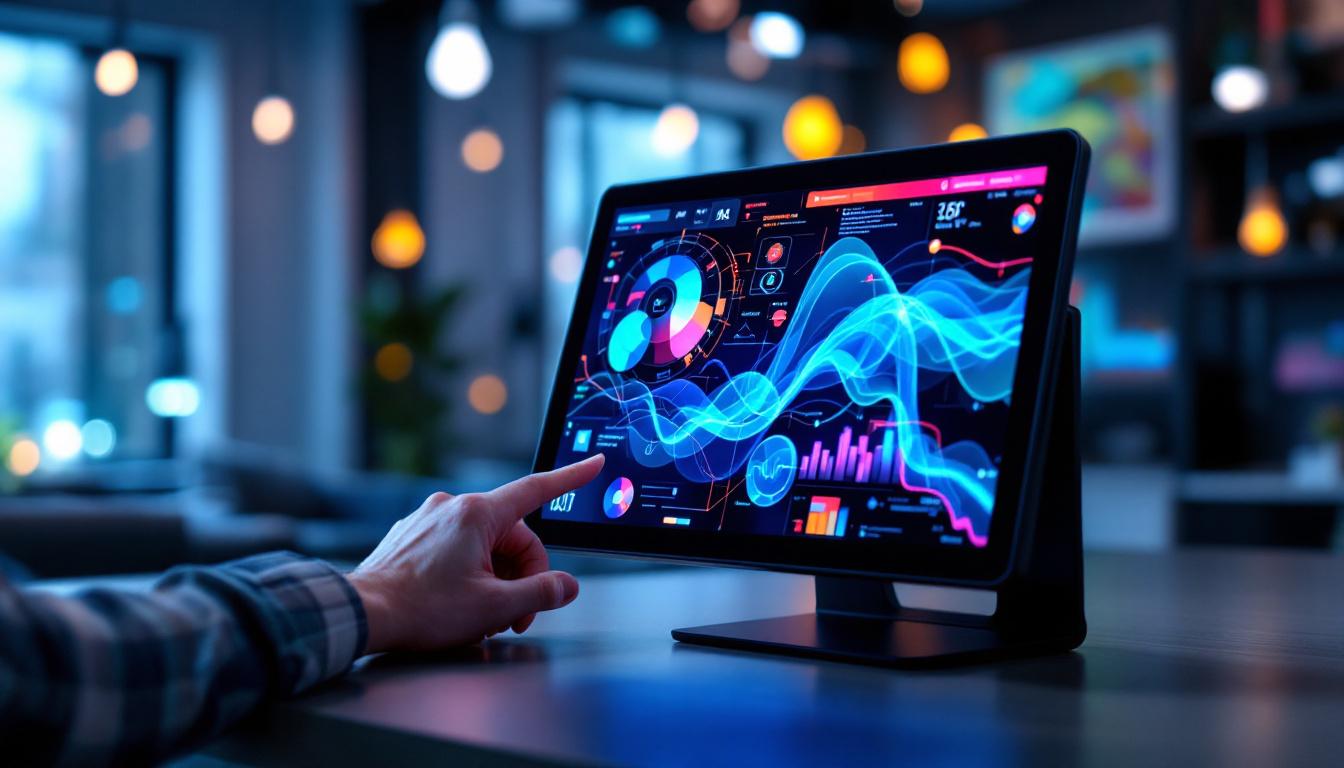
In the ever-evolving world of display technology, the 15-inch touch screen monitor with LED display has carved out a significant niche. Combining portability, responsiveness, and vibrant visuals, these monitors are widely used in various sectors including retail, healthcare, education, and professional workspaces. This article delves into the intricacies of 15-inch LED touch screen monitors, explaining their technology, benefits, applications, and what to consider when selecting one.
Understanding the Basics of LED Displays
What is an LED Display?
LED, or Light Emitting Diode, displays are a type of flat-panel display technology that uses light-emitting diodes as pixels to create images. Unlike traditional LCD screens that rely on cold cathode fluorescent lamps (CCFL) for backlighting, LED displays use LEDs, which offer several advantages including improved brightness, contrast, and energy efficiency.
The transition from CCFL to LED backlighting has revolutionized monitor technology. LED backlights enable thinner, lighter displays with better color accuracy and longer lifespan. This is particularly important for touch screen monitors where clarity and responsiveness directly impact user experience. Furthermore, the ability of LEDs to produce a wider color gamut allows for more vibrant and lifelike images, making them ideal for applications ranging from graphic design to gaming. As a result, LED displays have become the preferred choice for both professional and casual users alike.
Types of LED Backlighting
There are two primary types of LED backlighting used in monitors: edge-lit and direct-lit (or full-array).
- Edge-lit LED: LEDs are positioned around the edges of the screen. Light is diffused across the display panel. These monitors are generally thinner and more energy-efficient but may have uneven brightness distribution.
- Direct-lit LED: LEDs are placed directly behind the screen in a grid pattern. This allows for better brightness uniformity and local dimming capabilities, enhancing contrast and black levels.
For 15-inch touch screen monitors, edge-lit LED is more common due to the compact size and cost-effectiveness, though some high-end models may employ direct-lit technology for superior image quality. In addition to these two types, there are also variations like mini-LED and micro-LED technologies that are gaining traction. Mini-LEDs use smaller diodes to provide even more precise control over lighting, while micro-LEDs represent a significant leap forward, as they can create self-emissive pixels, eliminating the need for backlighting altogether. This innovation promises to deliver unprecedented contrast ratios and color accuracy, pushing the boundaries of what is possible in display technology.
Moreover, the versatility of LED displays extends beyond just monitors. They are widely used in various applications, including digital signage, televisions, and even in automotive displays. The ability to produce high brightness levels makes them suitable for outdoor environments, where sunlight can wash out traditional displays. As technology continues to evolve, we can expect to see even more innovative applications of LED technology, further enhancing our visual experiences across different platforms.
The Mechanics of 15-Inch Touch Screen Monitors
Why 15 Inches?
The 15-inch screen size strikes a balance between portability and usability. It is large enough to provide a comfortable viewing area for detailed tasks, yet compact enough for mobile or space-constrained environments. This size is popular in point-of-sale systems, industrial controls, and medical devices where both screen real estate and footprint matter.
Touch Screen Technologies Explained
Touch screen monitors come equipped with various touch technologies, each with its own strengths and limitations. The most common types used in 15-inch monitors include:
- Resistive Touch: Consists of two flexible layers that register touch when pressed together. It supports input from fingers, styluses, or gloves but generally offers lower clarity and durability compared to other types.
- Capacitive Touch: Uses the electrical properties of the human body to detect touch. It offers higher clarity, multi-touch support, and better durability. This technology is prevalent in consumer devices like smartphones and tablets.
- Infrared Touch: Employs an array of IR LEDs and sensors to detect touch by interruption of light beams. It allows for high durability and can detect any input type but is often more expensive.
Capacitive touch technology is increasingly favored in 15-inch LED monitors due to its responsiveness and support for multi-touch gestures, enhancing user interaction.
Integration of Touch and LED Display
Integrating touch functionality with LED displays requires careful engineering to maintain image quality while ensuring accurate touch detection. The touch sensor is typically laminated onto the display panel to reduce parallax and improve clarity. Advanced bonding techniques minimize reflections and glare, which is crucial in environments with varied lighting conditions.
Advantages of 15-Inch LED Touch Screen Monitors
Enhanced Visual Experience
LED displays offer superior brightness and contrast ratios compared to older LCD technologies. For a 15-inch screen, this means sharper images, vibrant colors, and better visibility even under bright ambient light. This is essential in settings such as retail kiosks or medical diagnostics where accurate color representation is critical.
Energy Efficiency and Longevity
LED backlighting consumes significantly less power than CCFL, reducing operational costs and environmental impact. Moreover, LEDs have longer lifespans, often exceeding 50,000 hours, which translates to fewer replacements and lower maintenance expenses.
Improved Responsiveness and Multi-Touch Support
Capacitive touch screens provide fast and accurate touch response, supporting multiple simultaneous touch points. This enables intuitive gestures like pinch-to-zoom, swipe, and rotate, which are increasingly important in modern user interfaces.
Durability and Versatility
Many 15-inch LED touch monitors are designed with rugged features such as reinforced glass, water resistance, and shockproof casings. These attributes make them suitable for industrial environments, outdoor kiosks, and healthcare facilities where durability is paramount.
Key Applications of 15-Inch LED Touch Screen Monitors
Retail and Point-of-Sale (POS) Systems
Retail environments benefit greatly from 15-inch LED touch monitors due to their compact size and ease of use. POS terminals utilize these screens to streamline transactions, manage inventory, and enhance customer interaction. The bright LED display ensures readability under various lighting conditions, while the responsive touch interface speeds up service.
Healthcare and Medical Devices
In healthcare, precision and reliability are non-negotiable. 15-inch LED touch monitors are integrated into diagnostic equipment, patient monitoring systems, and electronic health records terminals. The high resolution and accurate touch input facilitate detailed data entry and image analysis, improving patient care quality.
Industrial and Manufacturing Controls
Industrial settings often require robust and reliable interfaces for machinery control and monitoring. The rugged construction and high visibility of LED touch monitors make them ideal for factory floors and automation systems. Their ability to withstand dust, moisture, and vibrations ensures continuous operation in harsh conditions.
Education and Training
Interactive learning environments increasingly incorporate touch screen monitors to engage students and facilitate hands-on training. The 15-inch size is portable enough for classroom use while providing sufficient screen space for educational software, presentations, and collaborative activities.
Choosing the Right 15-Inch LED Touch Screen Monitor
Resolution and Display Quality
Resolution significantly impacts the clarity of the display. While many 15-inch monitors offer 1366×768 pixels (HD), higher resolutions such as 1920×1080 (Full HD) are becoming more common and affordable. Full HD provides sharper images and better detail, which is beneficial for graphic-intensive applications.
Touch Technology and Responsiveness
Selecting the appropriate touch technology depends on the intended use. Capacitive touch is generally preferred for consumer and professional applications due to its accuracy and multi-touch capability. However, resistive touch may be suitable for environments where input with gloves or styluses is frequent.
Connectivity Options
Modern monitors come with various input options including HDMI, DisplayPort, USB, and VGA. USB ports are particularly important for touch functionality as they transmit touch data to the host device. Additional ports for audio or serial communication may be necessary depending on specific use cases.
Durability and Environmental Resistance
Consider the operating environment when choosing a monitor. Features such as IP ratings for dust and water resistance, reinforced glass, and temperature tolerance are critical for industrial or outdoor applications. For office or home use, standard construction is usually sufficient.
Ergonomics and Mounting
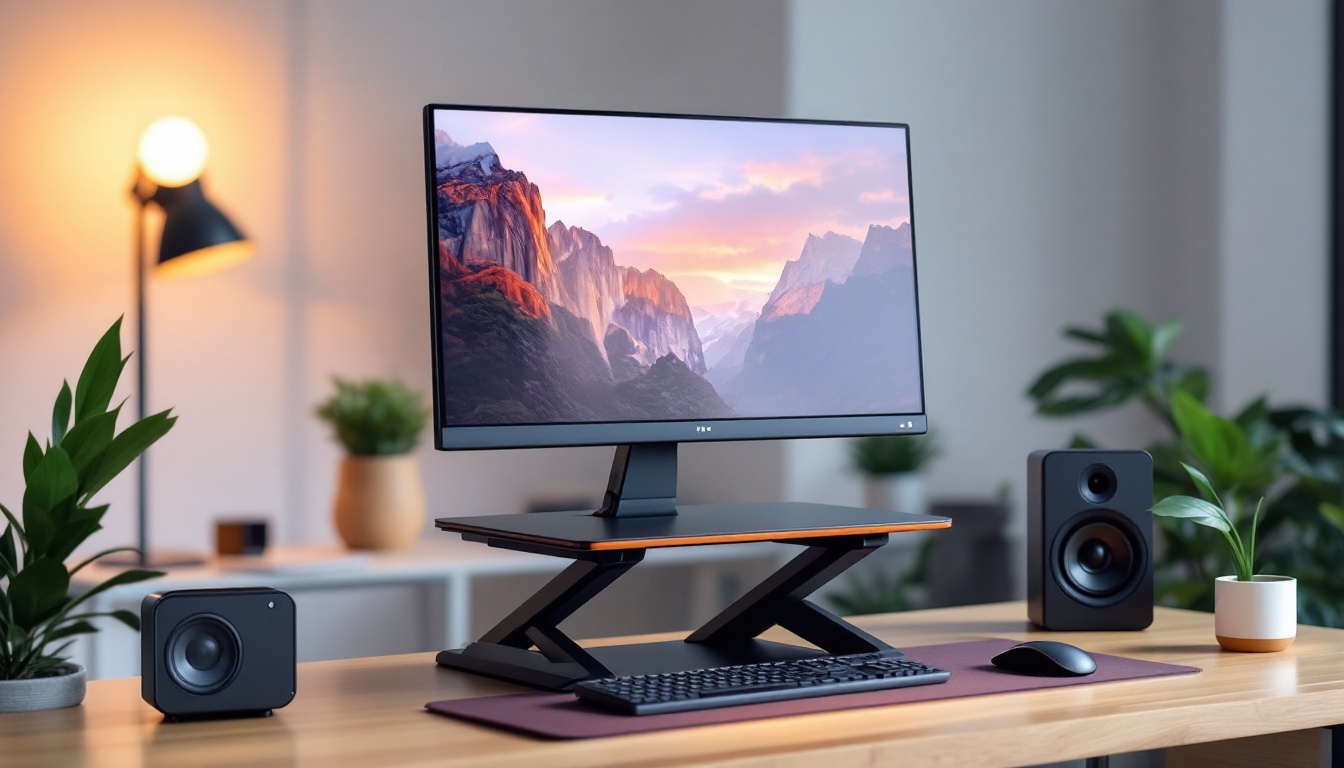
Adjustable stands, VESA mount compatibility, and anti-glare coatings enhance usability and comfort. These features help reduce eye strain and allow flexible installation, whether on a desk, wall, or embedded into kiosks.
Future Trends in 15-Inch LED Touch Screen Monitors
Advancements in OLED and MicroLED Technologies
While LED remains dominant, emerging display technologies like OLED (Organic LED) and MicroLED promise even better color accuracy, contrast, and thinner form factors. These technologies may eventually become standard in compact touch screen monitors, offering richer visual experiences.
Integration of AI and Gesture Recognition
Future monitors are expected to incorporate AI-driven features such as gesture recognition and eye-tracking to enhance interaction beyond touch. This could revolutionize how users engage with devices, making interfaces more intuitive and accessible.
Improved Energy Efficiency and Sustainability
As environmental concerns grow, manufacturers are focusing on reducing power consumption and using recyclable materials. Innovations in LED technology aim to extend lifespan while minimizing ecological impact, aligning with global sustainability goals.
Conclusion
The 15-inch LED touch screen monitor represents a versatile and efficient display solution suitable for a wide range of applications. Its combination of vibrant LED visuals and responsive touch technology enables enhanced user interaction, whether in retail, healthcare, industrial, or educational settings. Understanding the underlying technology, benefits, and key considerations helps buyers make informed decisions tailored to their specific needs.
As display technology continues to advance, these monitors will become even more capable, integrating new features and improving performance. For now, the 15-inch LED touch screen monitor remains a reliable, high-quality choice for those seeking a compact, interactive display with excellent visual clarity.
Discover LumenMatrix’s Advanced LED Display Solutions
Ready to elevate your visual experience with the latest in LED display technology? LumenMatrix is at the forefront of innovation, offering a wide array of LED display modules designed to bring your brand to life and engage your audience like never before. From dynamic Indoor and Outdoor LED Wall Displays to versatile Vehicle and Sports LED Displays, our solutions are tailored to meet your unique needs. Immerse viewers with our LED Poster and Floor Displays, or customize your message with our Custom and All-in-One LED Display options. Experience the future of visual communication with our LED Transparent Display. Don’t miss out on the opportunity to transform your space. Check out LumenMatrix LED Display Solutions today and see the difference for yourself.