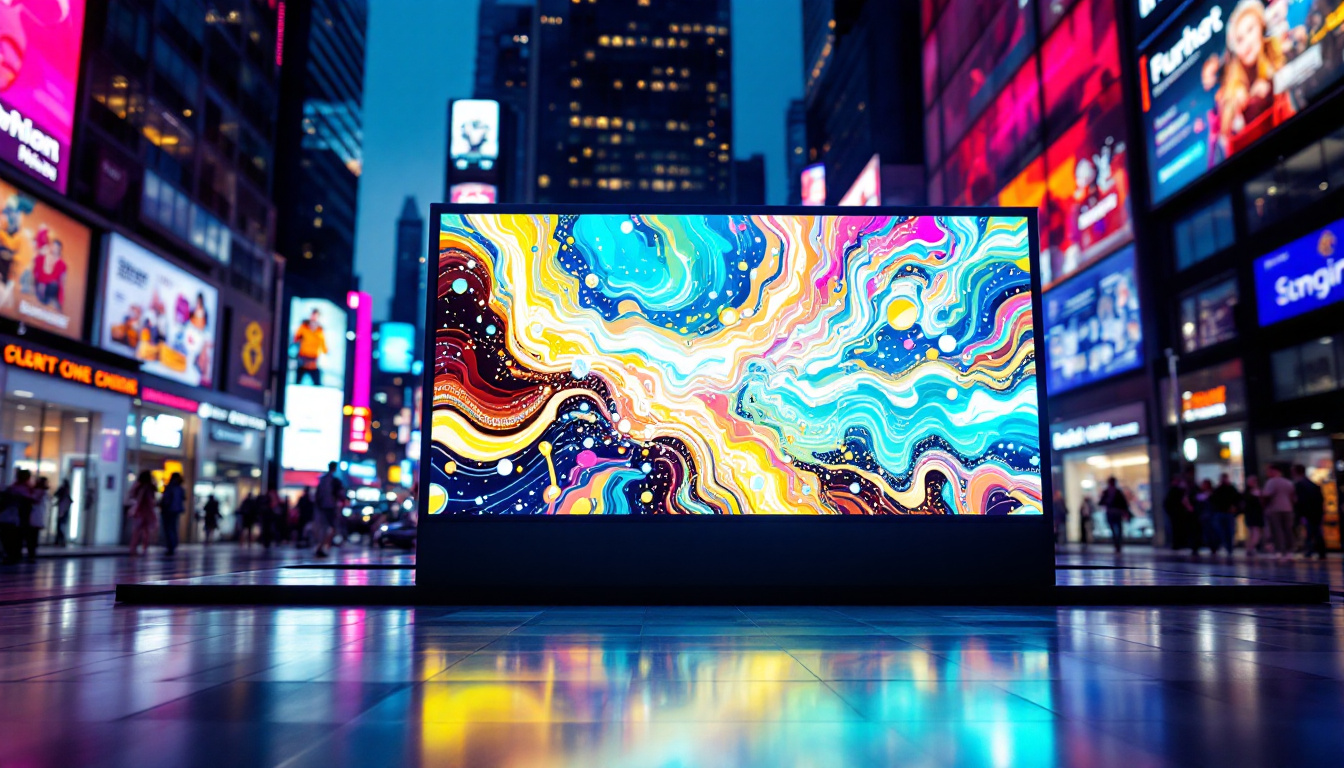
In today’s digital era, touch screens have become an integral part of everyday technology, from smartphones and tablets to interactive kiosks and automotive dashboards. Among the various types of display technologies, LED displays stand out for their brightness, energy efficiency, and versatility. This article delves into the fundamentals of LED touch screens, exploring how they work, their advantages, and the latest innovations shaping their future.
Understanding LED Display Technology
LED, or Light Emitting Diode, technology has revolutionized the way displays are designed and used. Unlike traditional LCDs that rely on backlighting, LED displays use tiny light-emitting diodes to produce images, resulting in higher brightness and better color accuracy.
What is an LED Display?
An LED display consists of an array of light-emitting diodes that emit light when an electric current passes through them. These diodes can be arranged in various configurations to create images and videos. The two primary types of LED displays used in consumer electronics are direct LED and edge-lit LED.
Direct LED displays have diodes placed directly behind the screen, providing uniform brightness and better contrast. Edge-lit LED displays position diodes along the edges of the screen, allowing for thinner designs but sometimes sacrificing brightness uniformity.
In addition to these two types, there are also variations like OLED (Organic LED) displays, which use organic compounds to emit light and offer even deeper blacks and wider viewing angles. OLED technology has gained popularity in high-end televisions and smartphones due to its ability to produce stunning visuals with remarkable clarity and detail. Furthermore, MicroLED is an emerging technology that promises to combine the best features of both LED and OLED, offering high brightness, excellent color accuracy, and improved energy efficiency.
How Do LED Displays Differ from LCDs?
While LED displays are often confused with LCDs, the key difference lies in their backlighting. LCDs use fluorescent or LED backlights to illuminate liquid crystals, which modulate light to form images. In contrast, LED displays use the diodes themselves as the light source, eliminating the need for separate backlighting.
This fundamental difference results in LED displays offering higher contrast ratios, more vibrant colors, and better energy efficiency. According to a 2023 report by DisplayMate, LED displays can achieve up to 30% better energy efficiency compared to traditional LCDs with fluorescent backlighting. Additionally, LED displays tend to have faster response times, making them ideal for fast-paced video content and gaming. This responsiveness enhances the overall viewing experience, allowing for smoother motion and reduced blurring during action scenes.
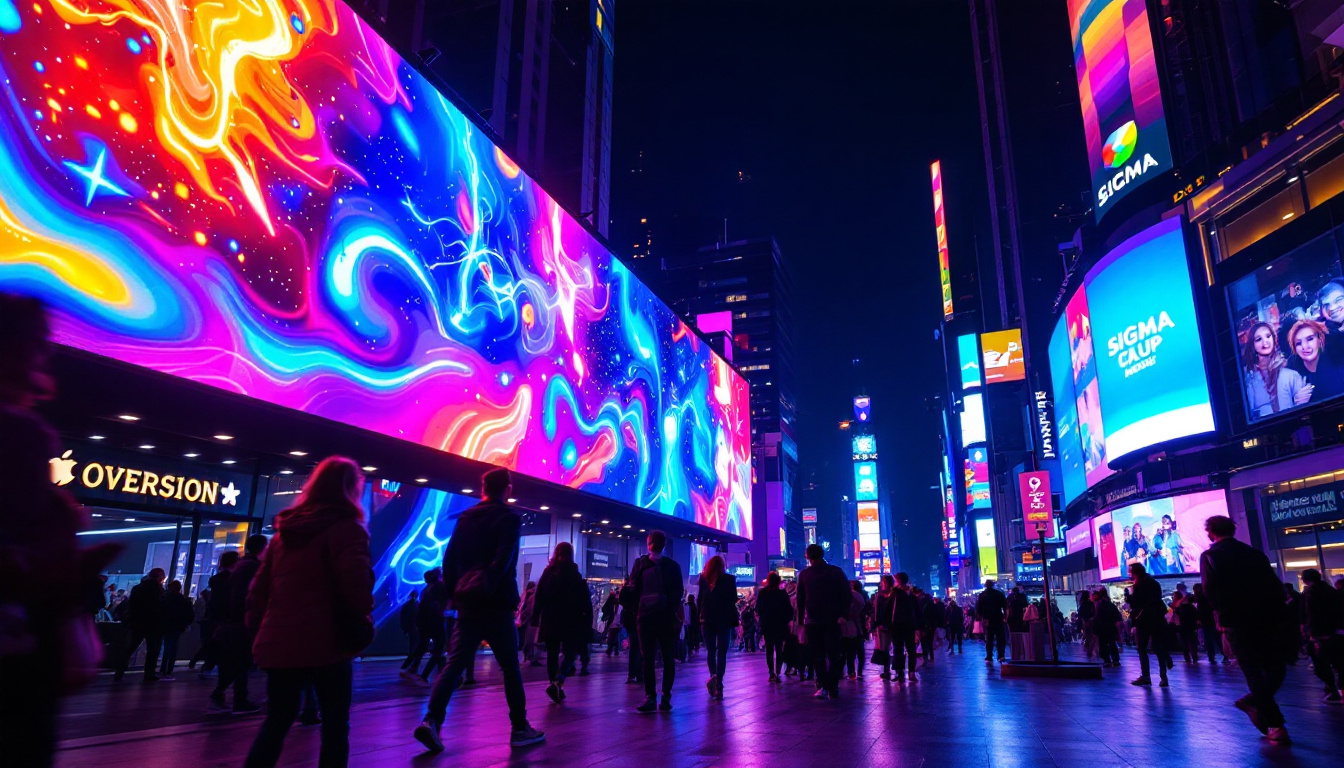
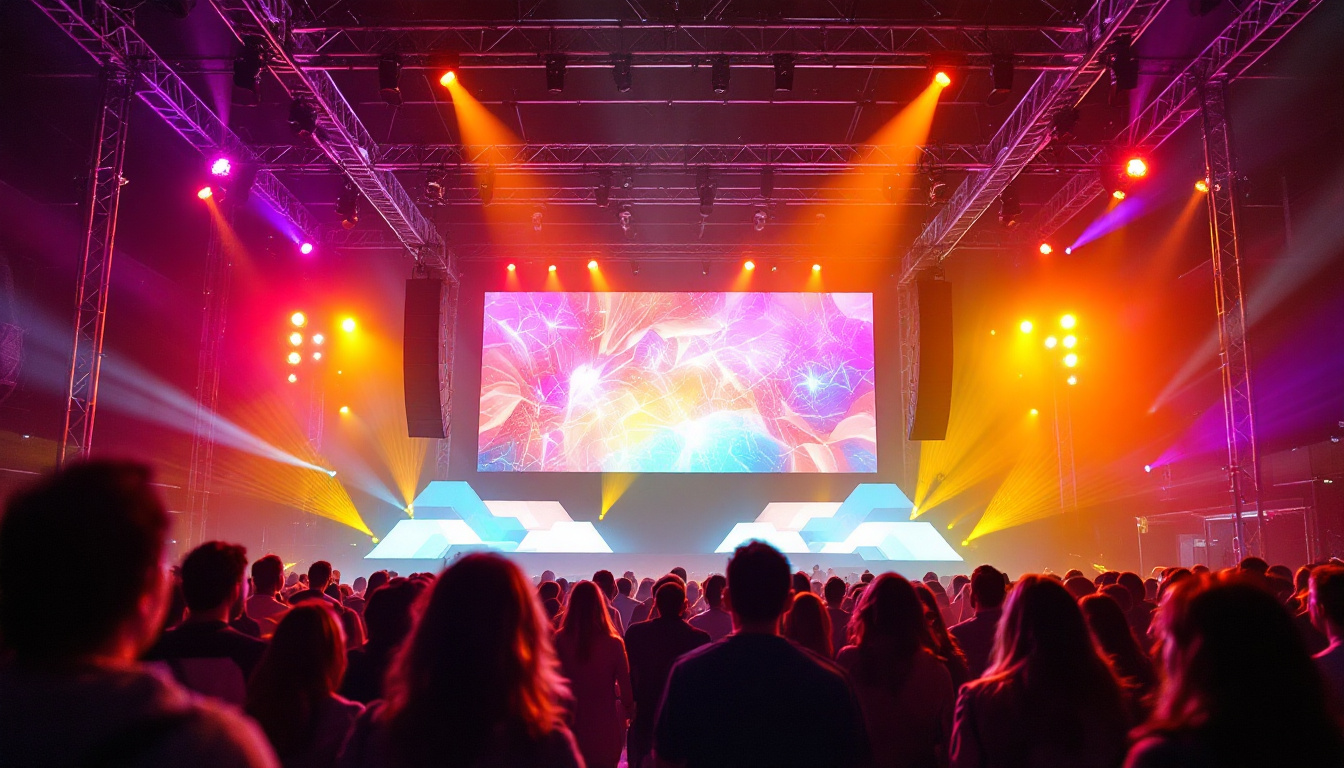
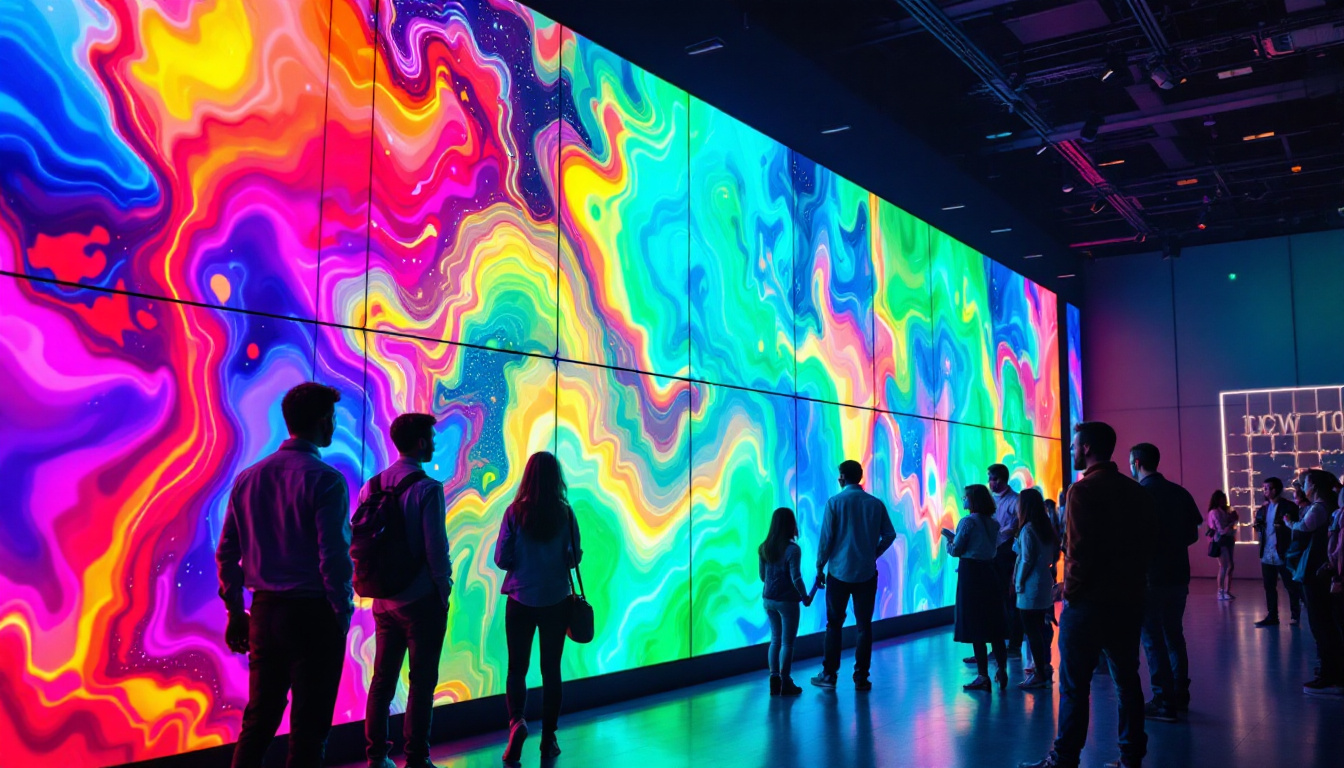
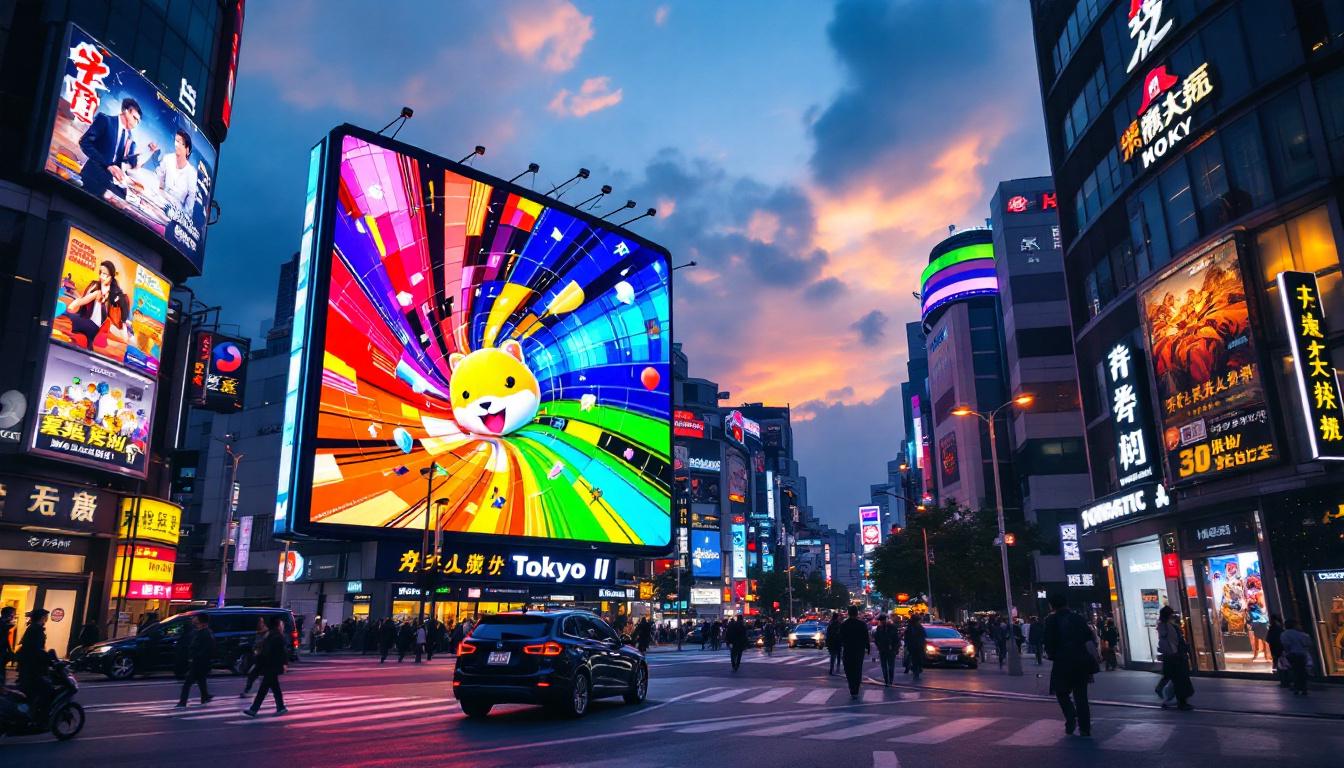
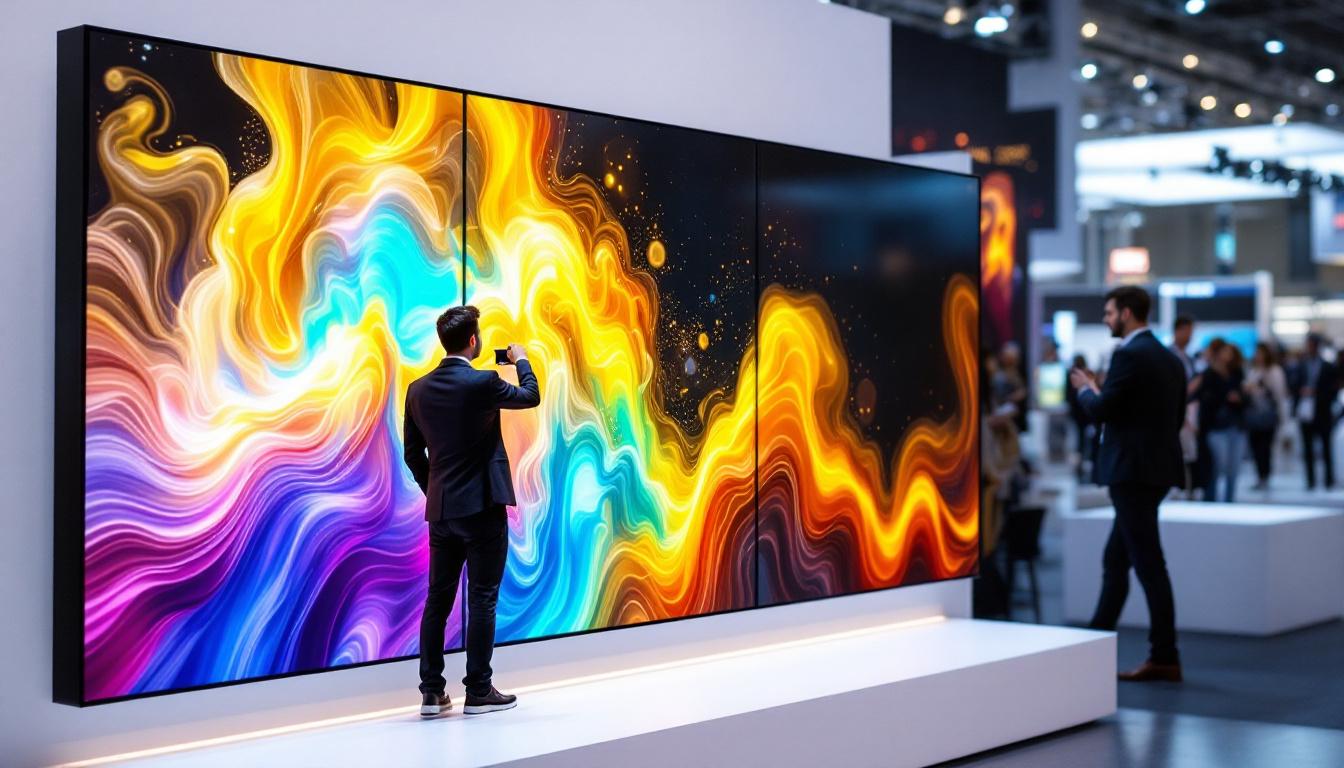
Moreover, LED technology has also paved the way for larger and more versatile display formats, such as video walls and outdoor advertising screens. These large-scale installations utilize modular LED panels that can be customized in size and shape, enabling creative and dynamic visual presentations in various environments. The durability and weather resistance of LED technology make it particularly suitable for outdoor applications, where traditional displays may struggle to maintain performance under harsh conditions.
The Integration of Touch Technology with LED Displays
Touch screens combine display technology with touch-sensitive layers, enabling users to interact directly with the content on the screen. Integrating touch capabilities with LED displays has opened new possibilities for user interfaces across various industries.
Types of Touch Technologies Used with LED Displays
Several touch technologies are commonly paired with LED displays, each with unique characteristics:
- Capacitive Touch: This technology detects touch by measuring changes in electrical charge. It is highly responsive and supports multi-touch gestures, making it the standard for smartphones and tablets.
- Resistive Touch: Comprising multiple layers, resistive touch screens register input when pressure causes two conductive layers to connect. They are more affordable and work with any input device but lack multi-touch support.
- Infrared Touch: Infrared touch screens use an array of IR LEDs and photodetectors around the screen’s edges to detect touch by interruption of light beams. They offer high durability and can detect any input type.
Capacitive touch technology is most commonly integrated with LED displays in consumer devices due to its responsiveness and clarity, while infrared and resistive technologies are often found in industrial or specialized applications.
How Touch Layers Affect LED Display Performance
Adding a touch-sensitive layer on top of an LED display can influence the display’s brightness, clarity, and responsiveness. Manufacturers strive to minimize any degradation by using ultra-thin, optically clear materials.
Advanced manufacturing techniques, such as in-cell and on-cell touch integration, embed the touch sensors directly within the display layers. This approach reduces the number of layers, resulting in thinner screens with improved optical performance and reduced power consumption.
Advantages of LED Touch Screens
LED touch screens offer several benefits that make them ideal for a wide range of applications, from consumer electronics to commercial and industrial use.
Superior Brightness and Color Accuracy
LED displays can achieve higher brightness levels than traditional LCDs, often exceeding 1000 nits, which makes them easily viewable even in bright outdoor environments. This is particularly important for devices like outdoor kiosks, automotive displays, and smartphones used under direct sunlight.
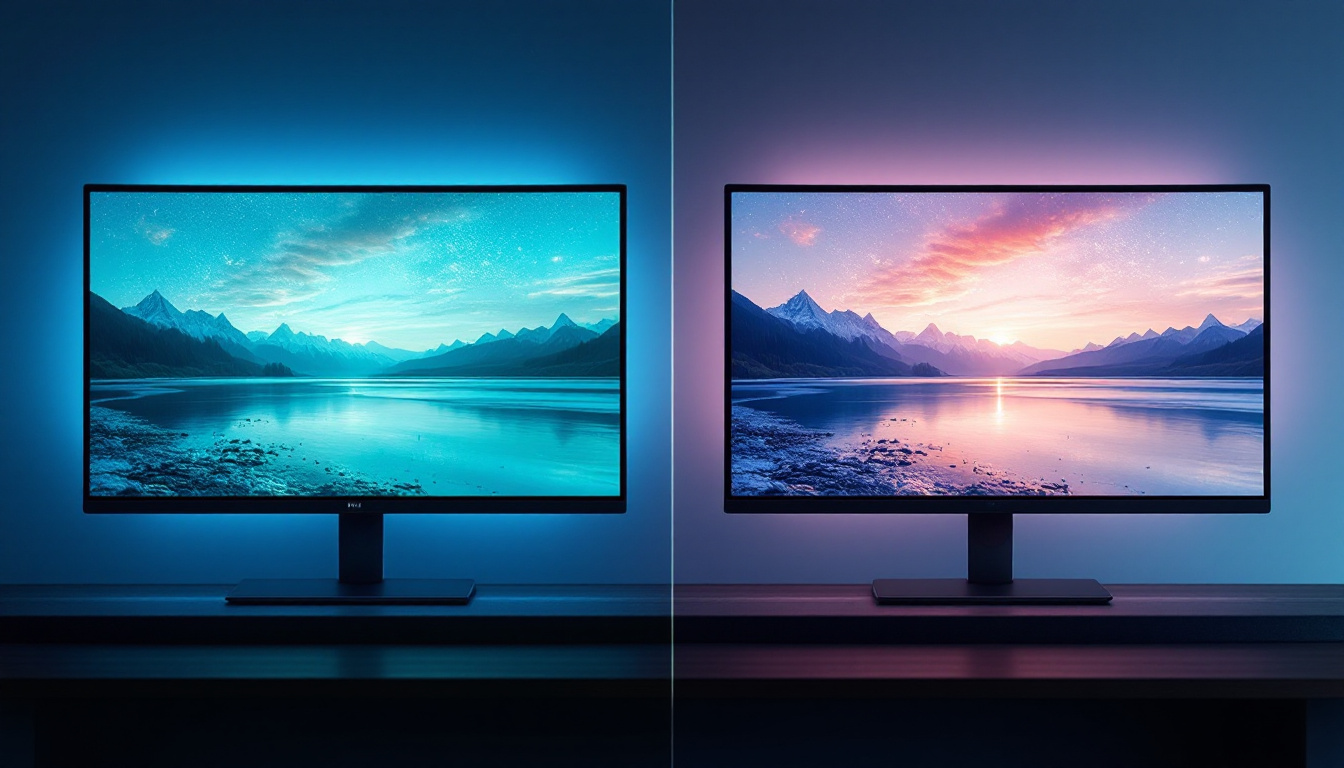
Color accuracy is another strength of LED technology. With the ability to produce a wider color gamut and deeper blacks, LED displays deliver more vivid and lifelike images. This enhances user experience in media consumption, gaming, and professional applications such as graphic design.
Energy Efficiency and Longevity
Energy consumption is a critical consideration for portable devices and large-format displays alike. LED displays consume less power than their LCD counterparts with fluorescent backlighting, contributing to longer battery life in mobile devices and reduced operational costs for commercial installations.
Additionally, LEDs have a longer lifespan, often rated at over 50,000 hours of use, reducing the need for frequent replacements. This durability makes LED touch screens a cost-effective choice for high-usage environments.
Thin and Lightweight Design
The compact size of LEDs allows manufacturers to create thinner and lighter displays without sacrificing performance. This is essential for modern devices where portability and sleek design are key selling points.
For example, the latest smartphones and tablets feature LED touch screens that are less than 5 millimeters thick, contributing to ergonomic designs that are comfortable to hold and aesthetically pleasing.
Applications of LED Touch Screens
The versatility of LED touch screens has led to their adoption across diverse sectors, each benefiting from the technology’s unique capabilities.
Consumer Electronics
Smartphones, tablets, laptops, and smartwatches predominantly use capacitive LED touch screens due to their responsiveness and visual quality. According to Statista, over 3.8 billion smartphone users worldwide rely on LED touch displays, highlighting their ubiquity.
Gaming devices and virtual reality headsets also employ LED touch screens to deliver immersive experiences with high refresh rates and color fidelity.
Retail and Hospitality
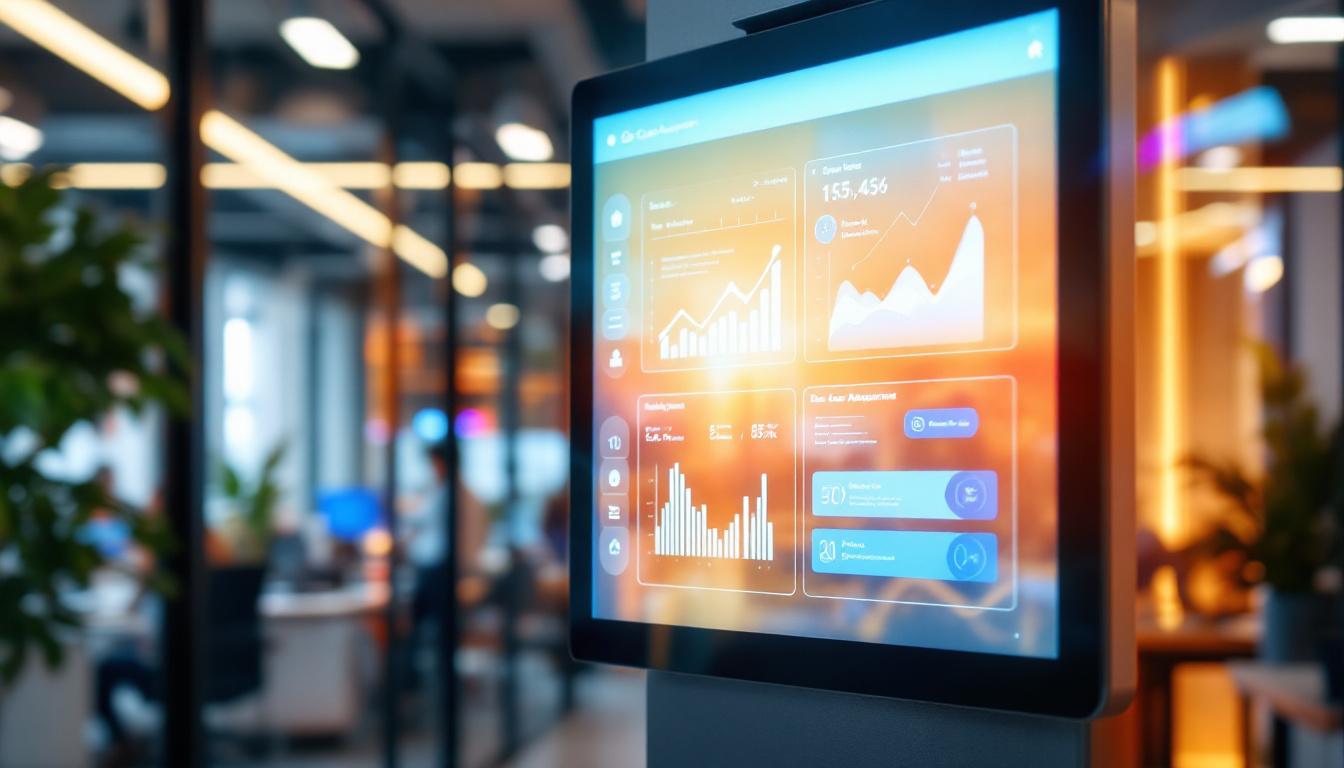
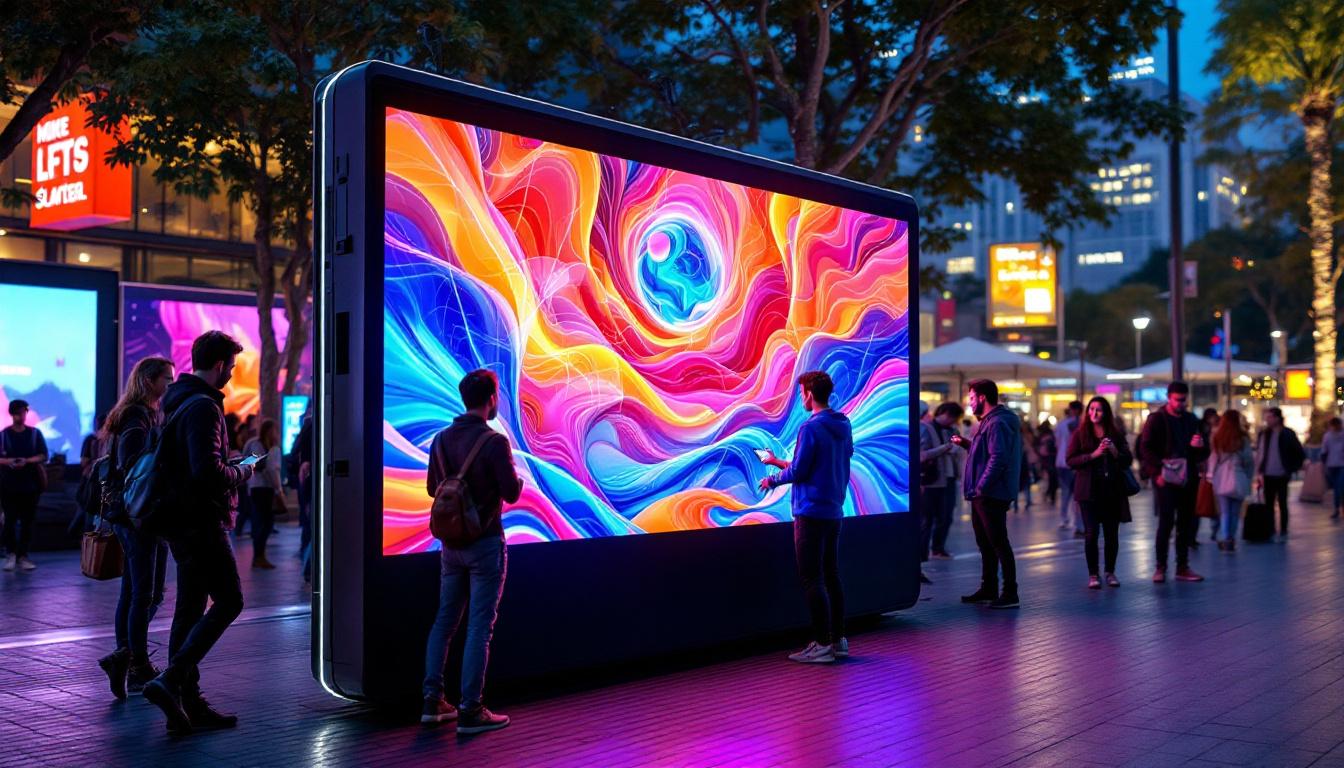
Interactive kiosks, point-of-sale terminals, and digital signage in retail environments utilize LED touch screens to engage customers and streamline transactions. The bright and durable displays ensure visibility and reliability in busy commercial settings.
Restaurants increasingly use LED touch screens for self-ordering systems, improving order accuracy and reducing wait times.
Automotive and Transportation
Modern vehicles feature LED touch screens in dashboards and infotainment systems, providing drivers with intuitive control over navigation, media, and vehicle settings. The high brightness and anti-glare properties of LED displays enhance visibility under varying lighting conditions.
Public transportation systems also employ LED touch screens for ticketing and information kiosks, improving passenger experience.
Healthcare and Industrial Use
In healthcare, LED touch screens are used in diagnostic equipment, patient monitoring systems, and medical tablets, where clarity and reliability are paramount. The ability to operate with gloves and under sterile conditions is often a requirement.
Industrial environments benefit from rugged LED touch screens that withstand harsh conditions, including dust, moisture, and temperature extremes, while maintaining precise touch responsiveness.
Recent Innovations and Future Trends
The LED touch screen industry continues to evolve rapidly, driven by advances in materials science, manufacturing techniques, and user interface design.
MicroLED and MiniLED Technologies
MicroLED and MiniLED represent the next generation of LED display technology. MicroLED uses microscopic LEDs to create displays with exceptional brightness, contrast, and energy efficiency. Unlike OLEDs, MicroLEDs are not prone to burn-in, making them ideal for long-term use.
MiniLED technology enhances traditional LED displays by using thousands of tiny LEDs for backlighting, enabling better local dimming and improved contrast ratios. These innovations promise even more vibrant and efficient LED touch screens in the near future.
Flexible and Transparent Displays
Flexible LED touch screens are emerging, allowing devices to bend or fold without compromising display quality. This opens new possibilities for wearable technology, foldable smartphones, and innovative automotive interiors.
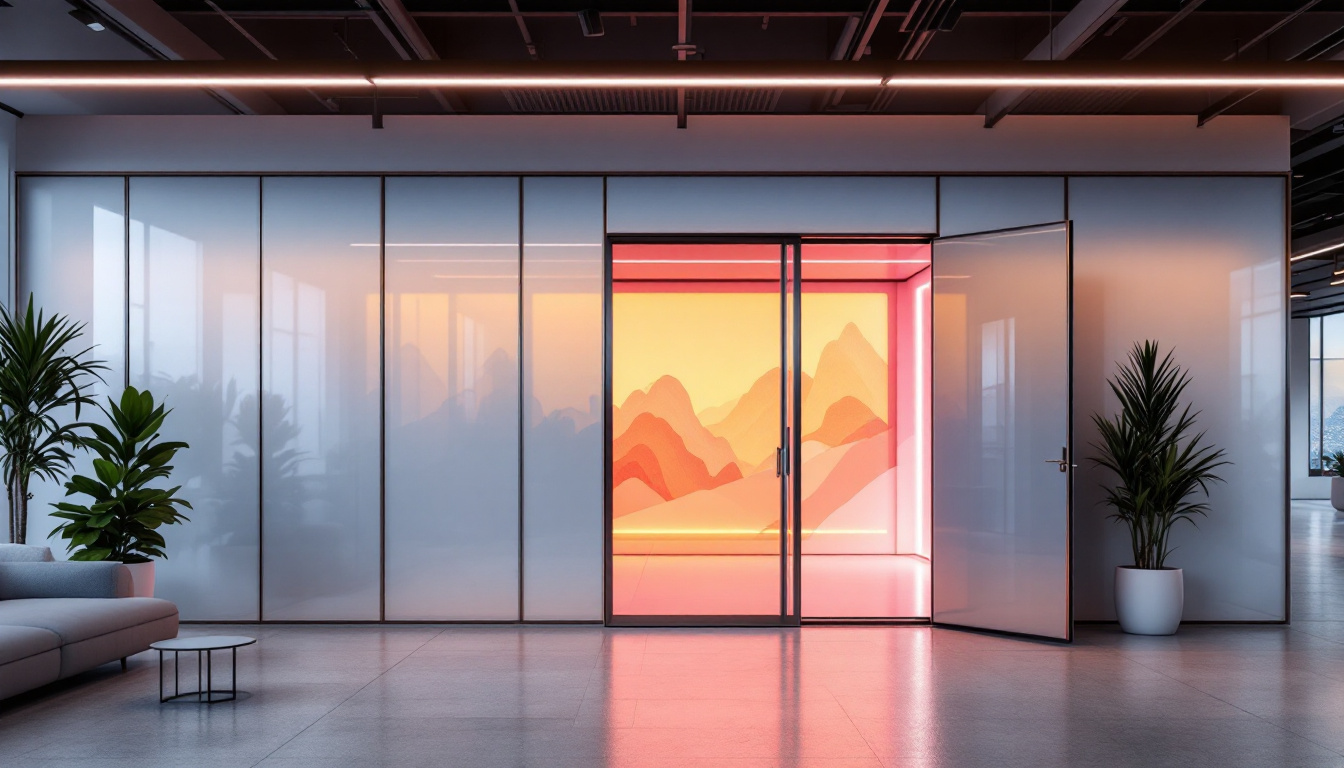
Transparent LED displays, which can overlay digital content onto real-world views, are gaining traction in retail, augmented reality, and smart home applications, blending digital interaction with physical environments.
Enhanced Touch Sensitivity and Haptics
Advancements in touch sensor technology are improving accuracy and responsiveness, even with gloved hands or stylus input. Haptic feedback integration adds tactile sensations, enriching user interaction and accessibility.
Artificial intelligence is also being integrated to predict user intent and customize touch responses, making interfaces more intuitive and efficient.
Conclusion
LED touch screens represent a fusion of cutting-edge display and touch technologies, delivering bright, energy-efficient, and responsive interfaces across a wide array of applications. Their superior visual quality, durability, and design flexibility have made them the preferred choice in consumer electronics, automotive systems, retail, healthcare, and beyond.
As innovations like MicroLED, flexible displays, and enhanced touch capabilities continue to advance, LED touch screens are poised to become even more integral to the way people interact with digital content. Understanding the technology behind these displays not only highlights their current benefits but also offers insight into the future of interactive digital experiences.
Explore the Future of LED Displays with LumenMatrix
Ready to experience the unparalleled visual quality and interactivity of LED touch screens? LumenMatrix is at the forefront of this transformative technology, offering a comprehensive range of LED display solutions tailored to your needs. From captivating Indoor and Outdoor LED Wall Displays to innovative LED Posters and Transparent Displays, our products are designed to elevate your brand and engage your audience. Embrace the future of digital signage with LumenMatrix and create memorable visual experiences. Check out LumenMatrix LED Display Solutions today and see the difference for yourself.