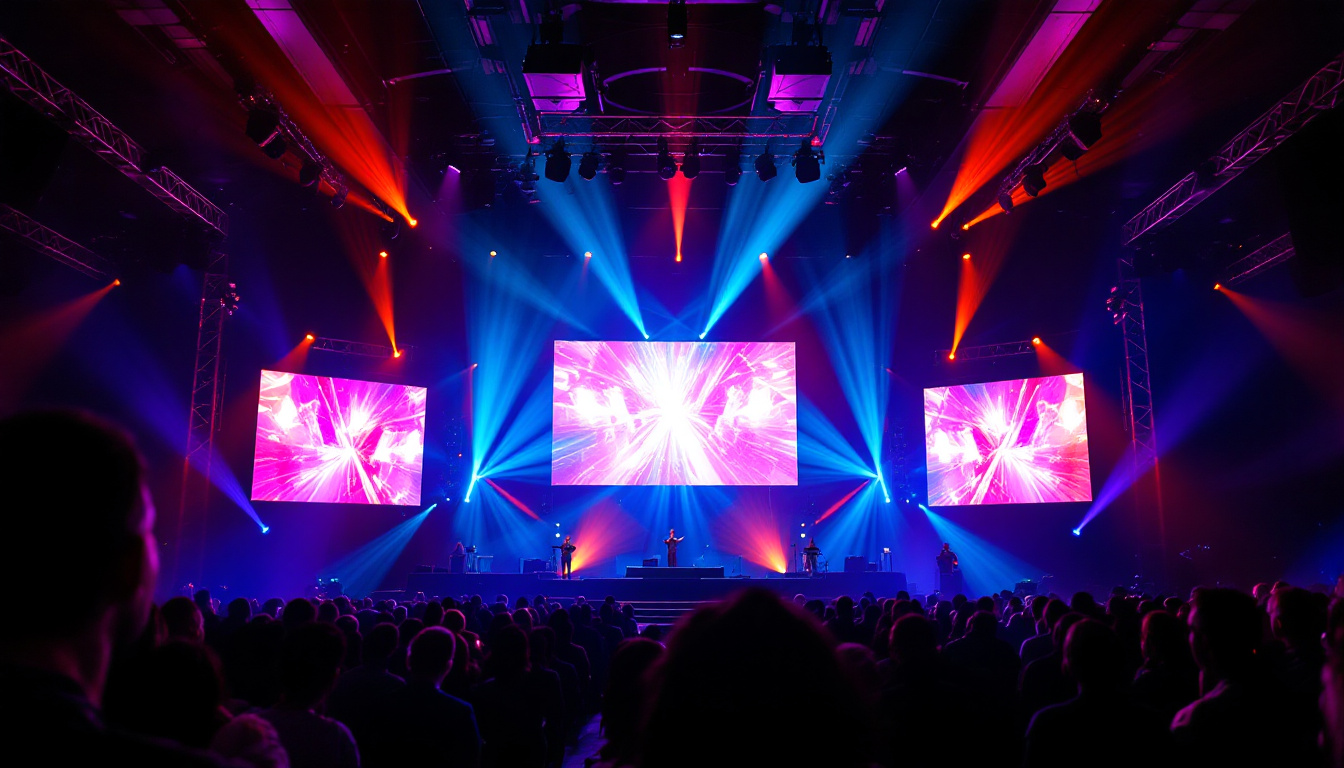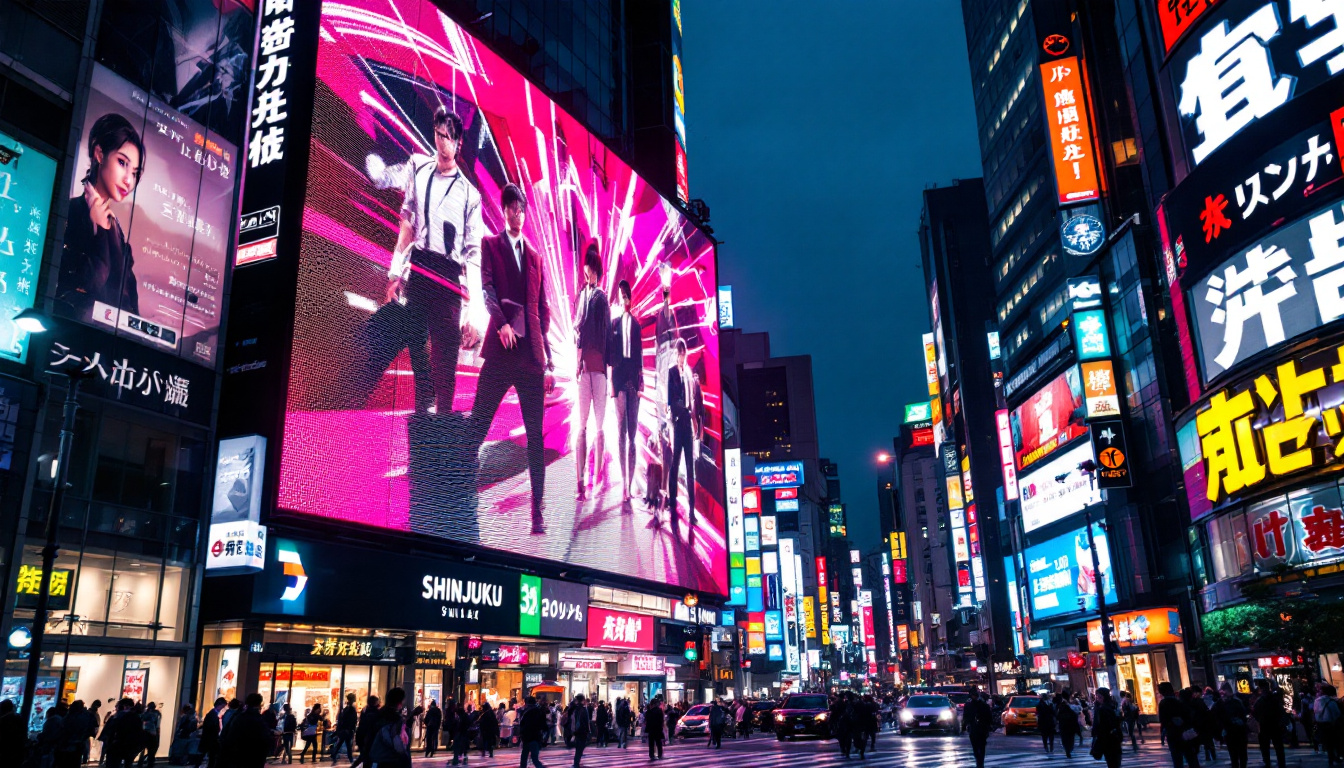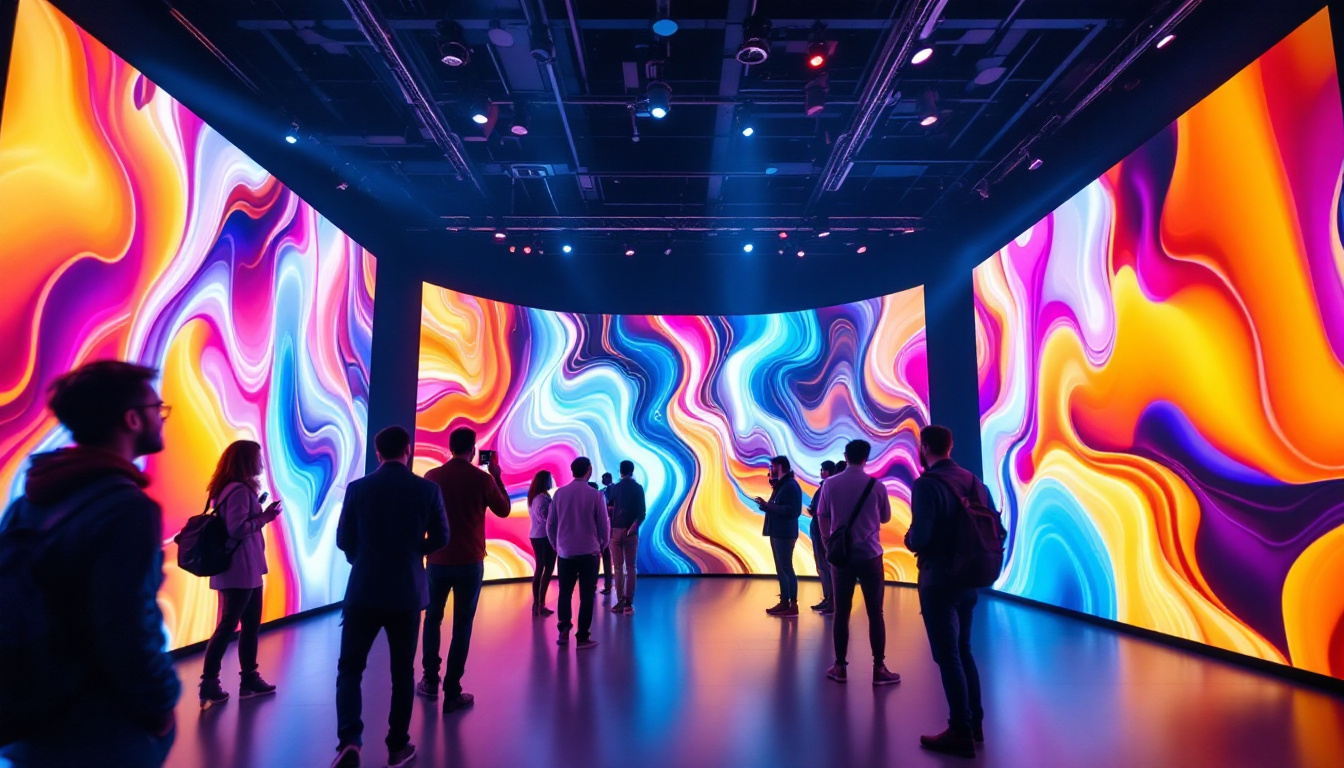
In the world of sports broadcasting and live event production, the quality of visual presentation plays a pivotal role in how audiences experience the game. One of the key elements that enhance this experience is the pitch screen, often realized through advanced LED display technology. This article delves into the concept of pitch screens, explores the technology behind LED displays, and explains why these innovations are transforming sports venues and broadcasts worldwide.
What Is a Pitch Screen?
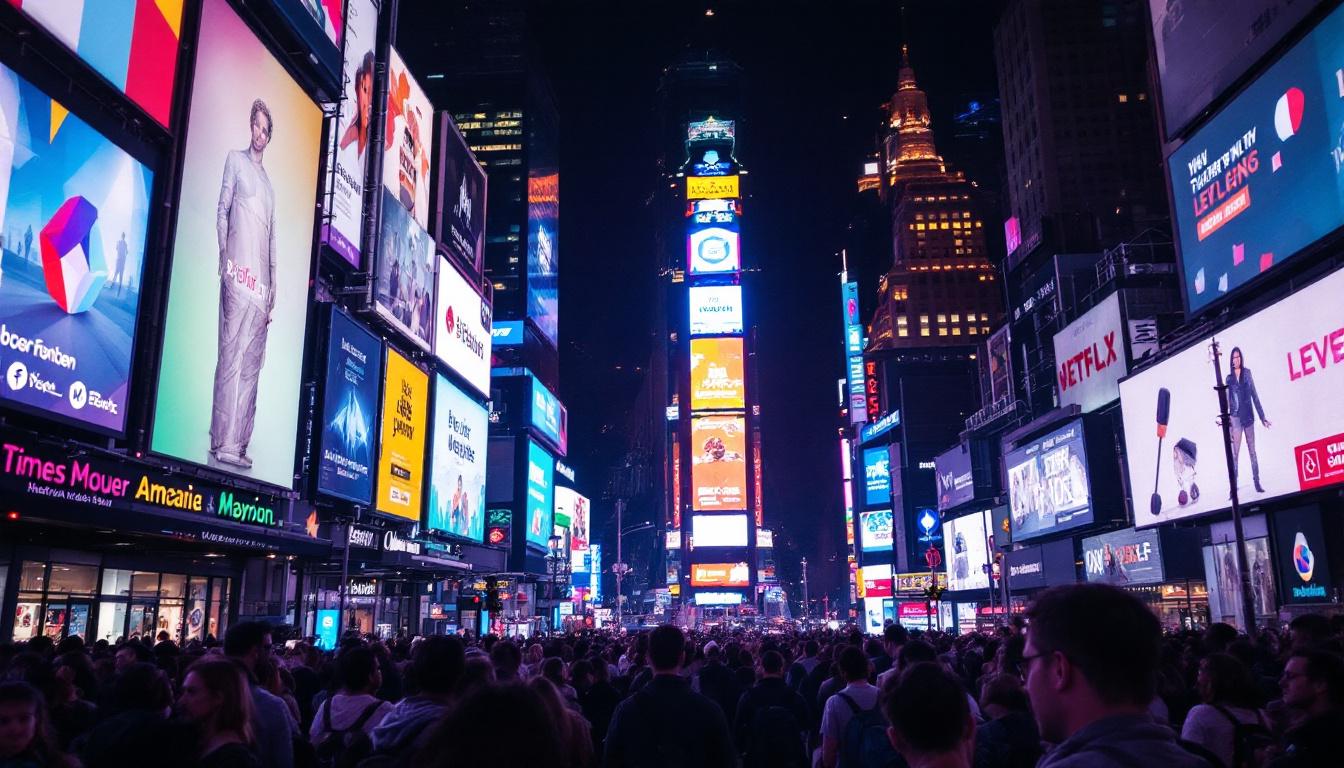
A pitch screen is a large display installed around the perimeter of a sports field, typically used to show advertisements, game information, and dynamic visuals during live events. Unlike traditional static billboards, pitch screens are dynamic and can change content instantly, allowing for more engaging and interactive experiences for fans both in the stadium and watching from home.
Originally, pitch screens were simple LED boards displaying static text or basic animations. However, with advancements in LED technology, modern pitch screens now offer high-resolution, full-color video capabilities that can seamlessly integrate with live broadcasts, enhancing the storytelling and branding opportunities during sports events.
The Role of Pitch Screens in Sports
Pitch screens serve multiple functions beyond advertising. They provide real-time game statistics, player information, and instant replays, contributing to a richer spectator experience. For broadcasters, these screens offer a way to visually communicate with audiences, making the game more accessible and exciting. Moreover, pitch screens have become a significant revenue source for sports organizations through advertising partnerships.
In addition to their advertising and informational roles, pitch screens also play a crucial part in fan engagement. During breaks in play or halftime, screens can showcase fan-generated content, such as social media posts or videos submitted by supporters, fostering a sense of community and involvement. This interactive element not only entertains the audience but also encourages fans to participate more actively, creating memorable moments that enhance their overall experience at the event.
Furthermore, pitch screens are increasingly being utilized for sponsorship activations and promotional campaigns. Brands can create immersive experiences that allow fans to interact with their products in real-time, such as contests or giveaways displayed on the screens. This not only amplifies brand visibility but also deepens the connection between the fans and the sponsors, making the advertising more effective and meaningful. As technology continues to evolve, the potential for pitch screens to innovate and enhance the sporting experience seems limitless.
Understanding LED Display Technology
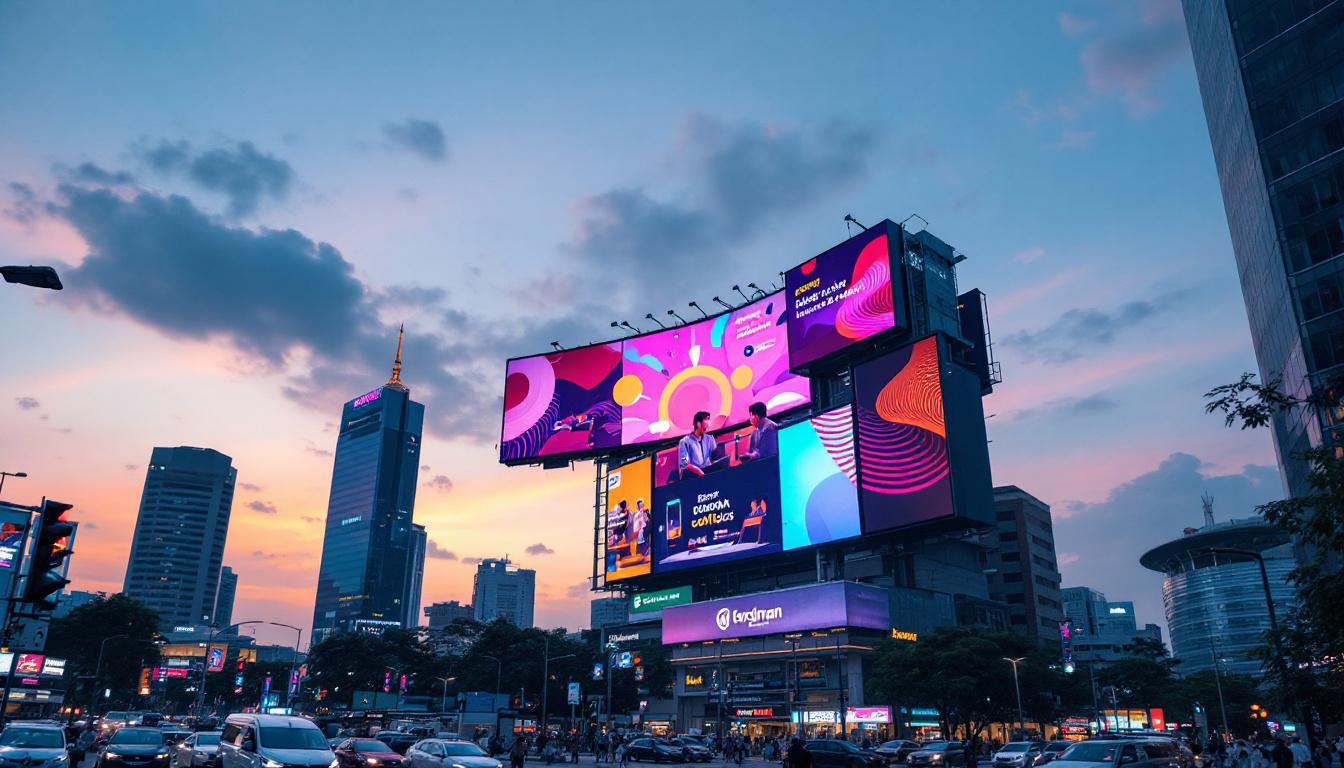
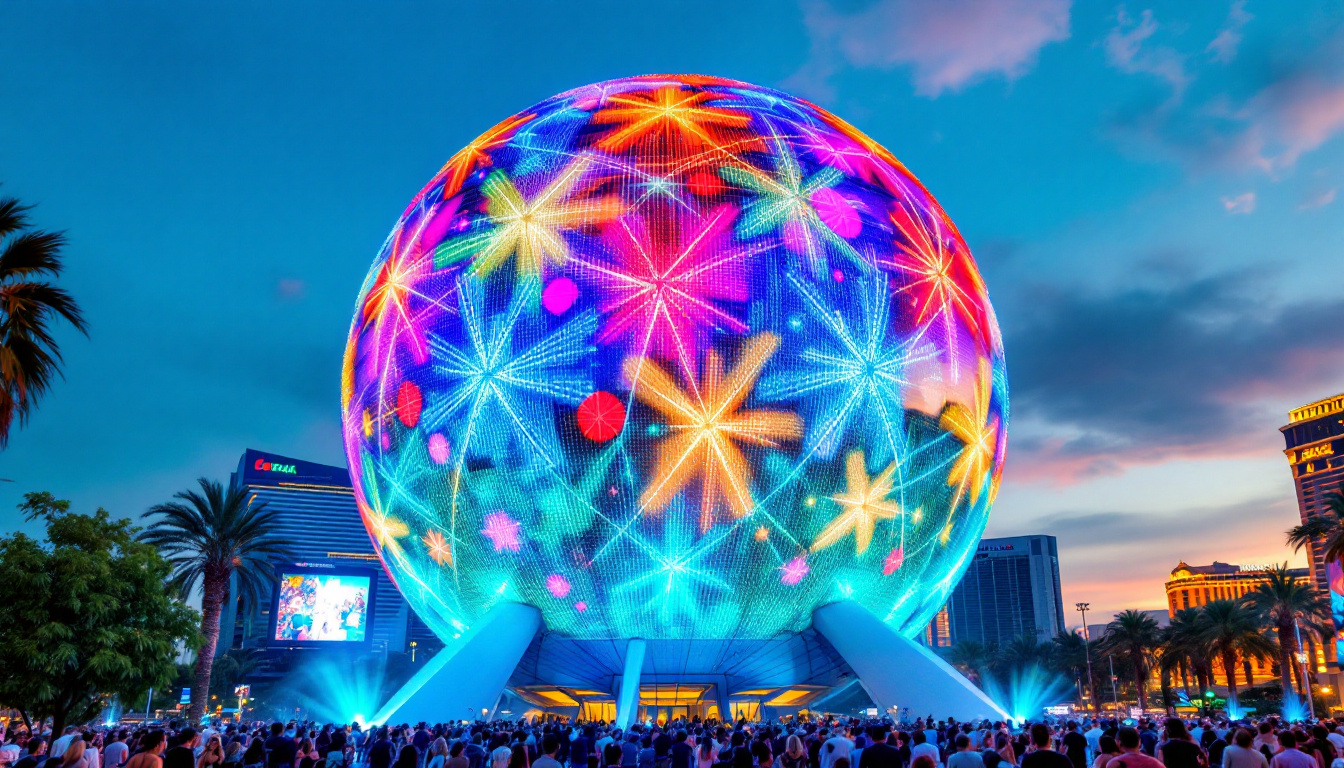
LED, or Light Emitting Diode, technology underpins the modern pitch screen. LEDs are semiconductor devices that emit light when an electric current passes through them. Their efficiency, brightness, and longevity make them ideal for large-scale outdoor displays subjected to varying weather conditions and lighting environments. This technology has revolutionized how information is presented in sports venues, enhancing the spectator experience with vibrant visuals and real-time updates.
How LED Displays Work
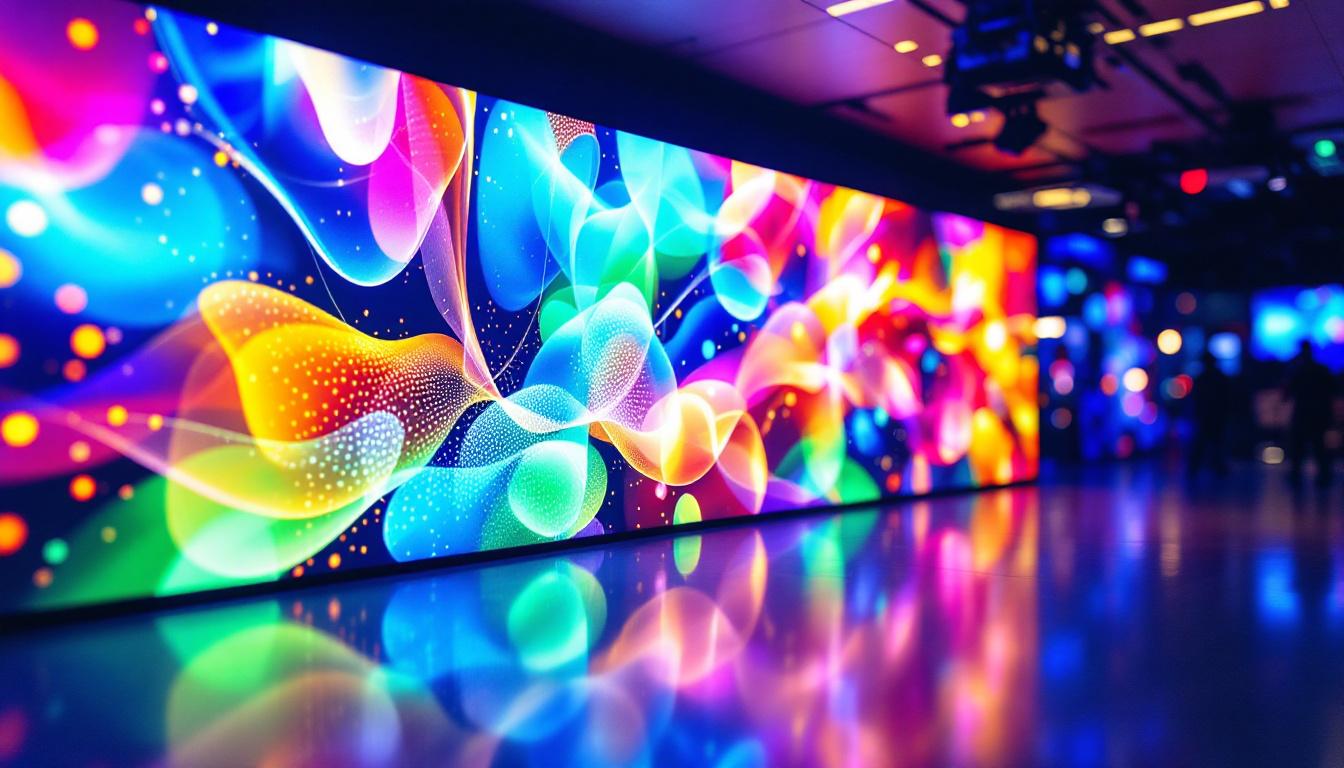
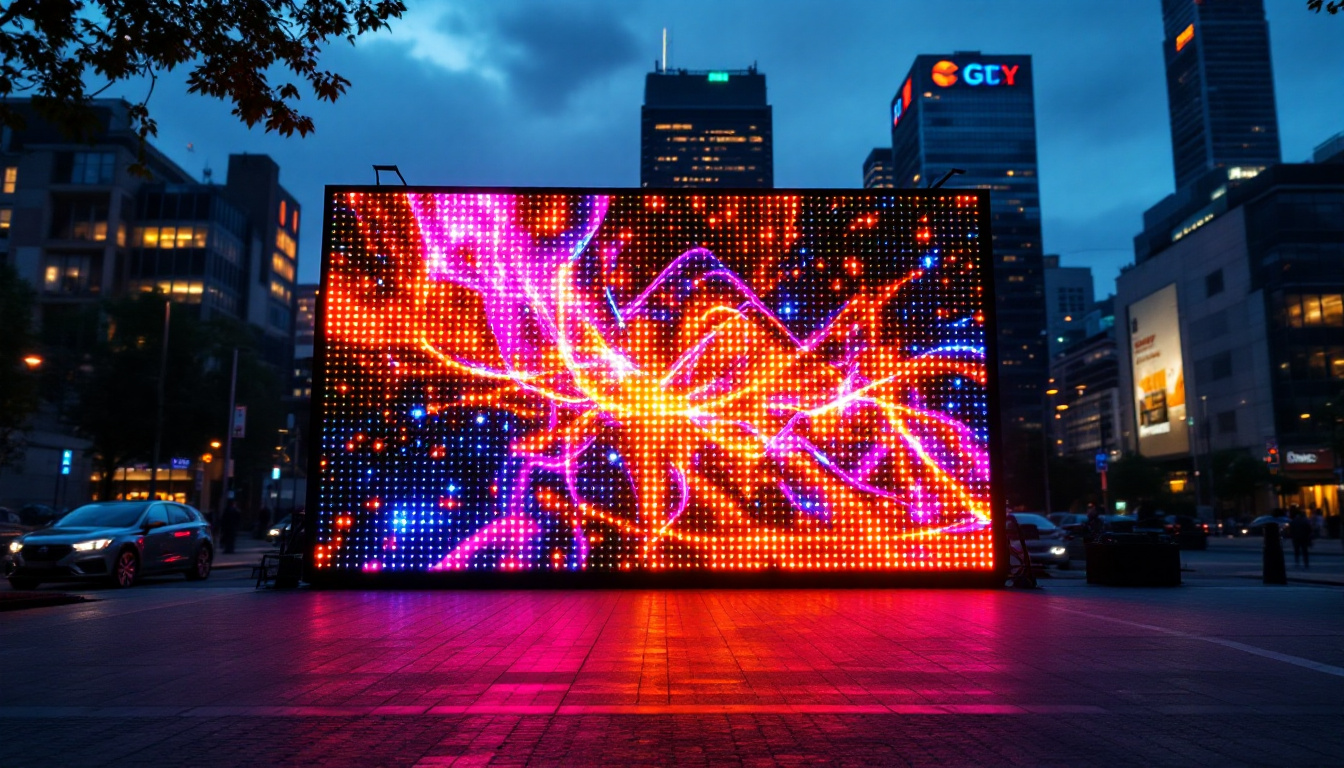
At the core of an LED display are thousands of tiny LEDs arranged in a grid. Each LED acts as a pixel that can emit red, green, and blue light at varying intensities. By combining these colors, the display can produce a full spectrum of colors, enabling vivid and detailed images. The intricate design of these displays allows for rapid refresh rates, ensuring that fast-moving action on the field is captured and displayed without lag, which is crucial for live sports broadcasts.
The resolution of an LED display depends on the pixel pitch, which is the distance between the centers of two adjacent pixels. A smaller pixel pitch means higher resolution and sharper images, which is crucial for pitch screens that need to be visible and clear from various distances in a stadium. This precision in pixel arrangement not only enhances the viewing experience for fans but also allows for dynamic content, such as instant replays and animated graphics, to be presented seamlessly.
Types of LED Displays Used in Pitch Screens
There are several types of LED displays commonly used for pitch screens, each with its advantages:
- Outdoor LED Displays: Designed to withstand harsh weather conditions, these displays are waterproof, dustproof, and have high brightness levels to remain visible under direct sunlight. Their robust construction ensures that they can operate continuously, providing essential information and entertainment during events regardless of the weather.
- Flexible LED Screens: These can be curved or shaped to fit unique stadium architectures, providing creative freedom in display design. Their adaptability allows for innovative installations that enhance the aesthetic appeal of the venue while maximizing visibility from all angles.
- Transparent LED Screens: Allowing light to pass through, these are sometimes used in stadiums where maintaining sightlines is critical. They offer a unique solution for displaying advertisements or information without obstructing the view of the game, creating an immersive experience for fans.
In addition to these types, advancements in LED technology have led to the development of high-definition and ultra-high-definition displays, which provide even greater clarity and detail. These displays are increasingly being integrated with smart technology, allowing for interactive features such as fan engagement polls and social media feeds that enhance the overall game-day experience. As technology continues to evolve, the potential applications for LED displays in sports venues are expanding, promising even more innovative ways to captivate audiences and elevate the excitement of live events.
Why Pixel Pitch Matters in Pitch Screens
Pixel pitch is a critical specification in LED displays, particularly for pitch screens. It directly affects the clarity and sharpness of the displayed content. The smaller the pixel pitch, the finer the detail the screen can show.
In stadium environments, the viewing distance varies widely—from fans sitting just a few meters away to those in the upper tiers. Therefore, selecting an appropriate pixel pitch is essential to ensure content is legible and visually appealing from all vantage points.
Choosing the Right Pixel Pitch
For pitch screens, pixel pitches typically range from 4mm to 16mm. A 4mm pitch provides very high resolution, suitable for close-up viewing, but is more expensive and requires more power. Larger pixel pitches like 10mm or 16mm are more cost-effective and still provide excellent visibility for viewers at greater distances.
Stadiums often balance cost and performance by using a combination of pixel pitches—high resolution screens near the sidelines and larger pitch screens for distant viewing areas.
Benefits of LED Pitch Screens Over Traditional Advertising
LED pitch screens offer numerous advantages compared to traditional static advertising boards:
- Dynamic Content: Advertisers can change messages instantly, tailoring content to different moments in the game or switching between sponsors seamlessly.
- Increased Engagement: Animated and video content attracts more attention than static images, enhancing brand recall and fan interaction.
- Cost Efficiency: While the initial investment is higher, the ability to update content without physical replacements reduces long-term costs.
- Environmental Impact: LED screens reduce the need for printed materials, contributing to sustainability efforts.
Case Study: LED Pitch Screens in Major Football Leagues
Leading football leagues around the world have embraced LED pitch screens to enhance the fan experience and maximize advertising revenue. For example, the English Premier League has implemented high-definition LED perimeter boards in many stadiums, allowing sponsors to deliver targeted campaigns during matches.
Similarly, UEFA Champions League matches use pitch screens extensively to display multilingual advertising and interactive content, demonstrating the versatility and global reach of LED technology.
Technical Considerations for Installing Pitch Screens
Installing LED pitch screens involves several technical factors to ensure optimal performance:
- Brightness and Contrast: Outdoor pitch screens must be bright enough to compete with sunlight, typically exceeding 5,000 nits of brightness.
- Refresh Rate: A high refresh rate (above 3,000 Hz) is essential to prevent flickering on camera, ensuring smooth video capture for broadcasts.
- Viewing Angle: Wide viewing angles are necessary so that content is visible from all seats in the stadium.
- Durability: Screens must be robust against weather, physical impact, and electrical fluctuations.
Integration with Broadcast Systems
Modern pitch screens are integrated with broadcast control rooms, allowing real-time content management synchronized with live game action. This integration enables instant replays, live statistics, and interactive advertising, creating a seamless viewing experience for audiences worldwide.
The Future of Pitch Screens and LED Technology
The evolution of LED technology continues to push the boundaries of what pitch screens can achieve. Emerging trends include:
- Higher Resolution and Smaller Pixel Pitches: Advances in manufacturing are enabling even finer pixel pitches, improving image quality further.
- Interactive Displays: Touch-sensitive and sensor-enabled pitch screens could allow fans to interact with content directly.
- Energy Efficiency: New LED materials and designs are reducing power consumption, making stadiums greener.
- Augmented Reality Integration: Combining LED pitch screens with AR technology could provide immersive experiences both in-stadium and at home.
As these technologies mature, pitch screens will become even more integral to the sports entertainment ecosystem, blending technology, marketing, and fan engagement in innovative ways.
Conclusion
Pitch screens powered by LED display technology have revolutionized the way sports events are presented and experienced. By offering dynamic, high-resolution visuals that engage fans and provide valuable advertising opportunities, these screens have become indispensable in modern stadiums.
Understanding the technology behind LED displays, especially the importance of pixel pitch and technical specifications, is crucial for sports organizations, broadcasters, and advertisers aiming to maximize the impact of their visual content. As LED technology continues to advance, the future holds exciting possibilities for even more immersive and interactive pitch screen experiences.
Explore Cutting-Edge LED Solutions with LumenMatrix
Ready to elevate your sports venue or event with the latest in LED display technology? Discover LumenMatrix’s comprehensive range of LED display modules, designed to bring your visual presentations to life. From the vibrant clarity of our Indoor and Outdoor LED Wall Displays to the innovative flexibility of our Custom and All-in-One LED solutions, LumenMatrix is at the forefront of creating immersive experiences that captivate and engage. Whether you’re looking to enhance brand visibility or create a dynamic environment for fans, our mission is to empower your message with unparalleled impact. Check out LumenMatrix LED Display Solutions and join the revolution in visual communication.