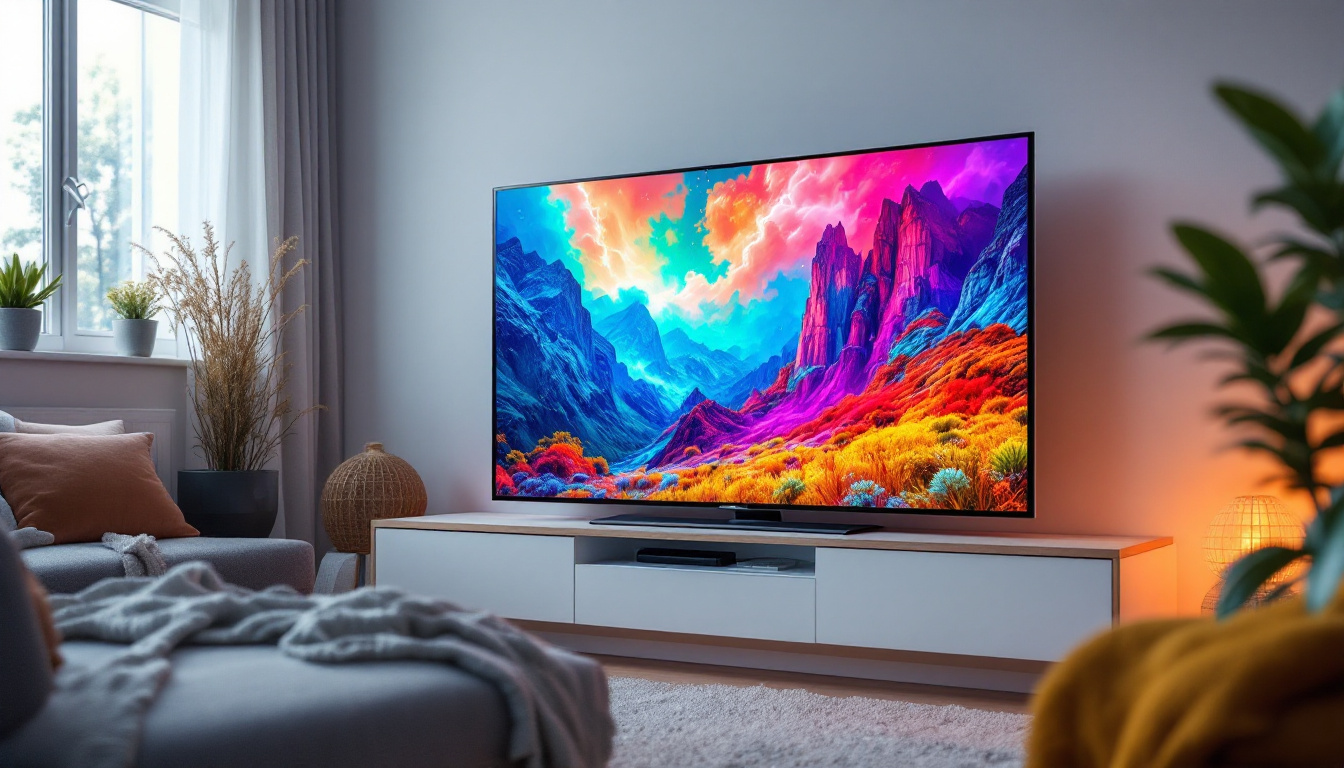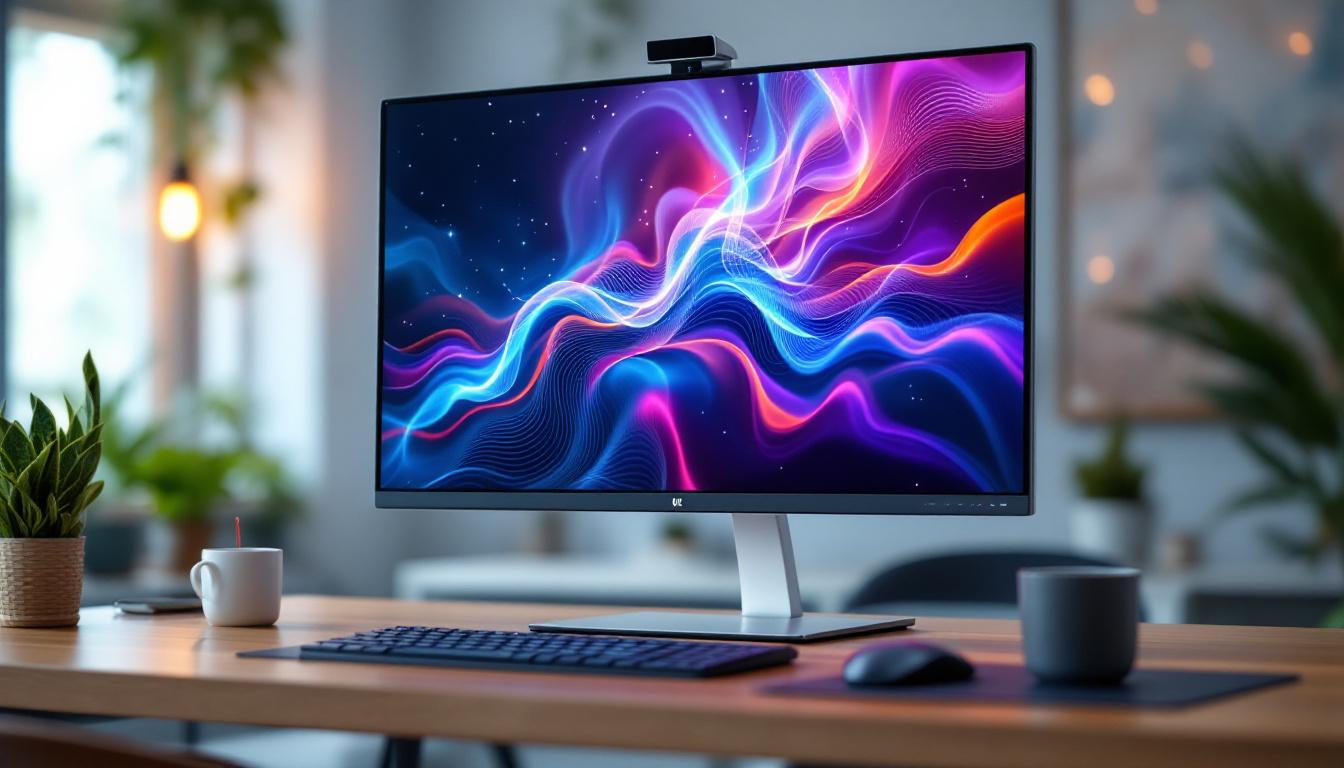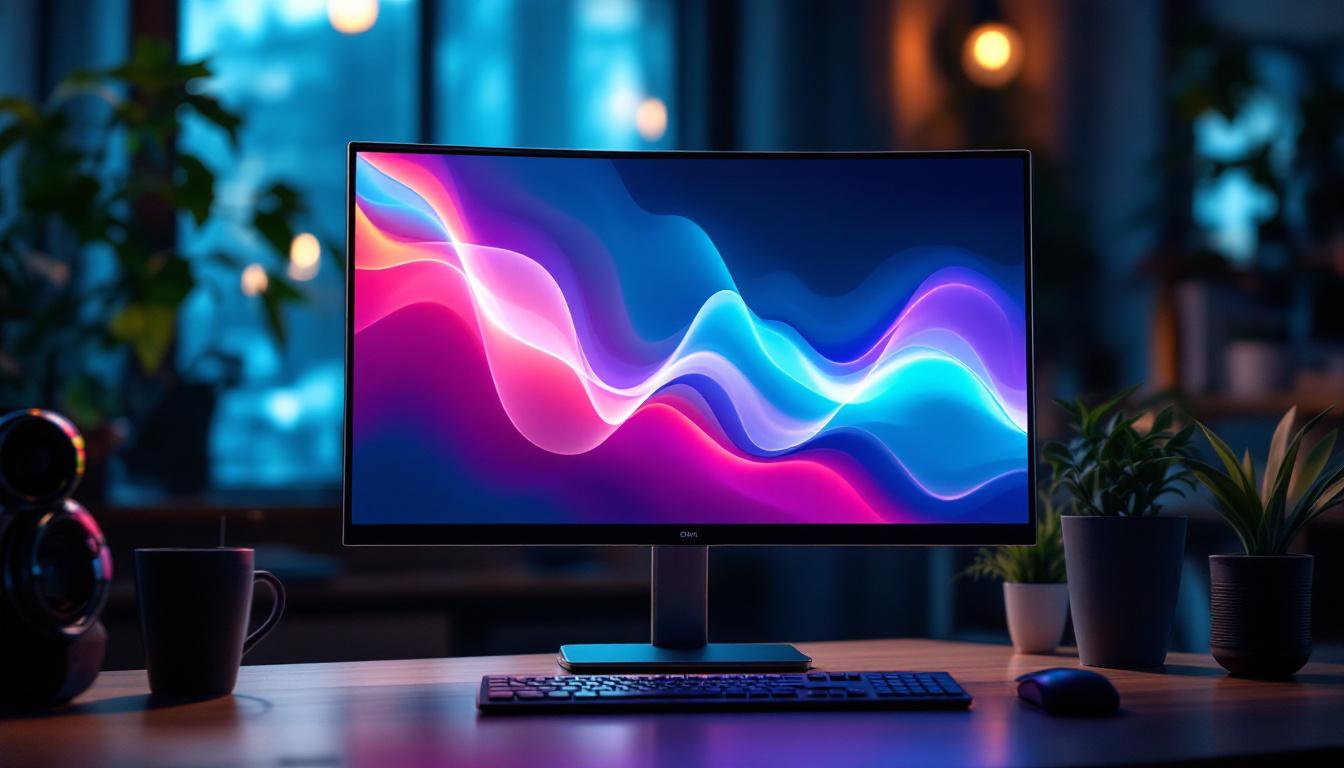
In today’s fast-evolving technology landscape, the design and functionality of PC monitors have become critical factors for both casual users and professionals. Among the many features that influence user experience, the thin bezel design combined with LED display technology stands out as a significant advancement. This article delves into what makes thin bezel PC monitors with LED displays so popular, exploring their benefits, technology, and why they are shaping the future of computer displays.
Understanding Thin Bezel Monitors
What Is a Thin Bezel?
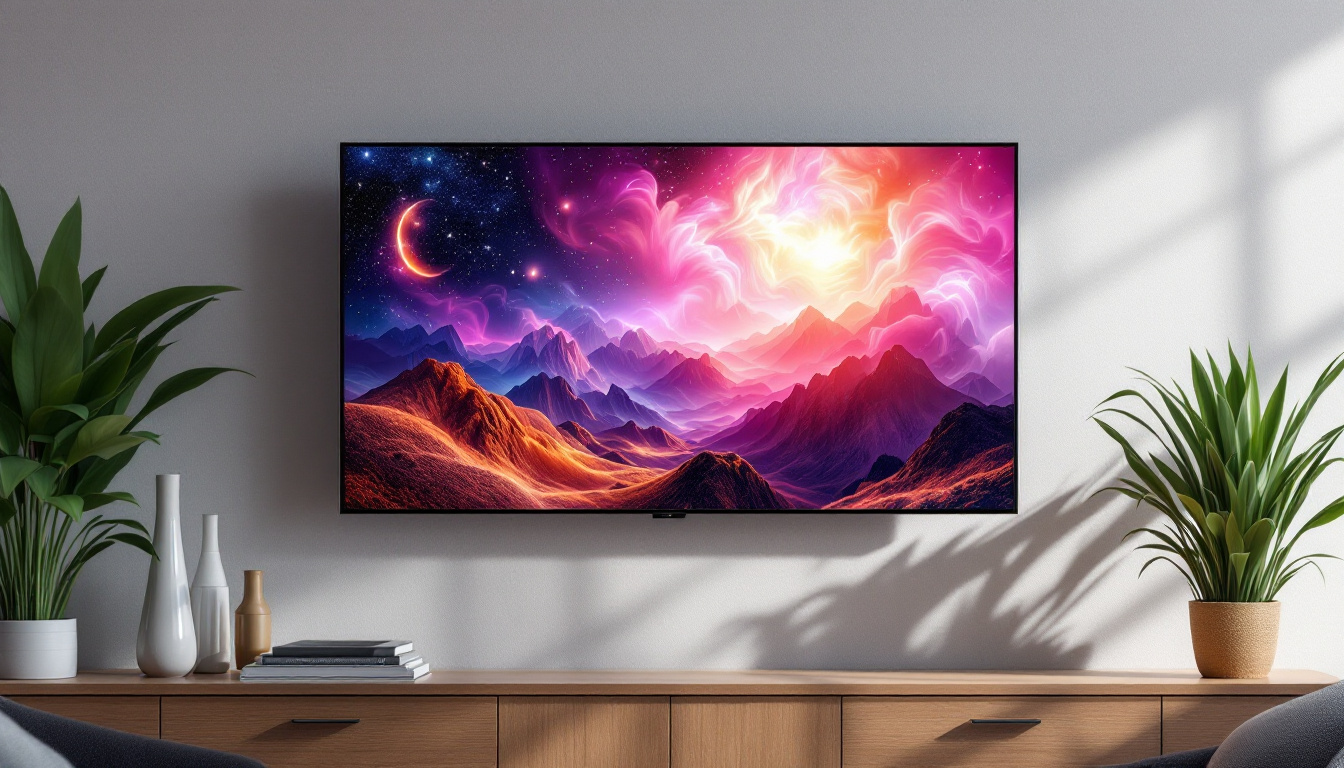
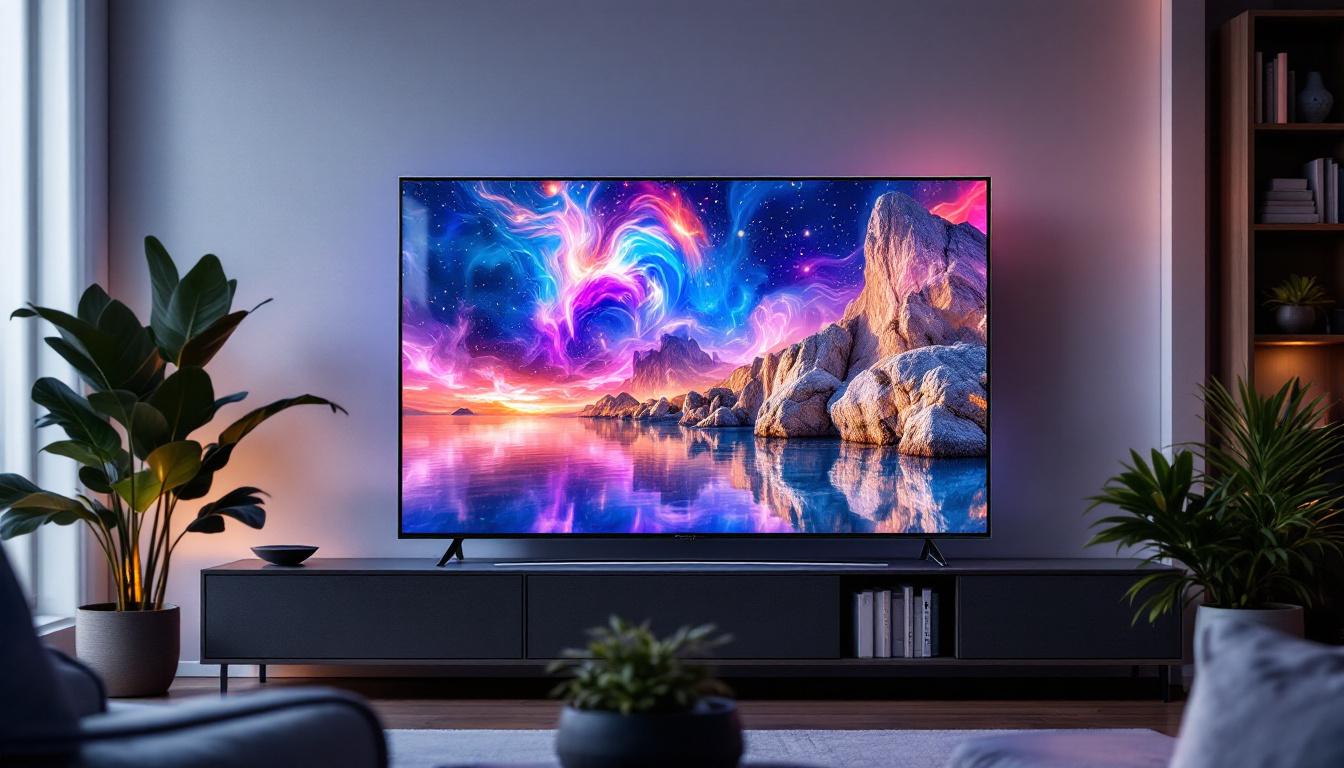
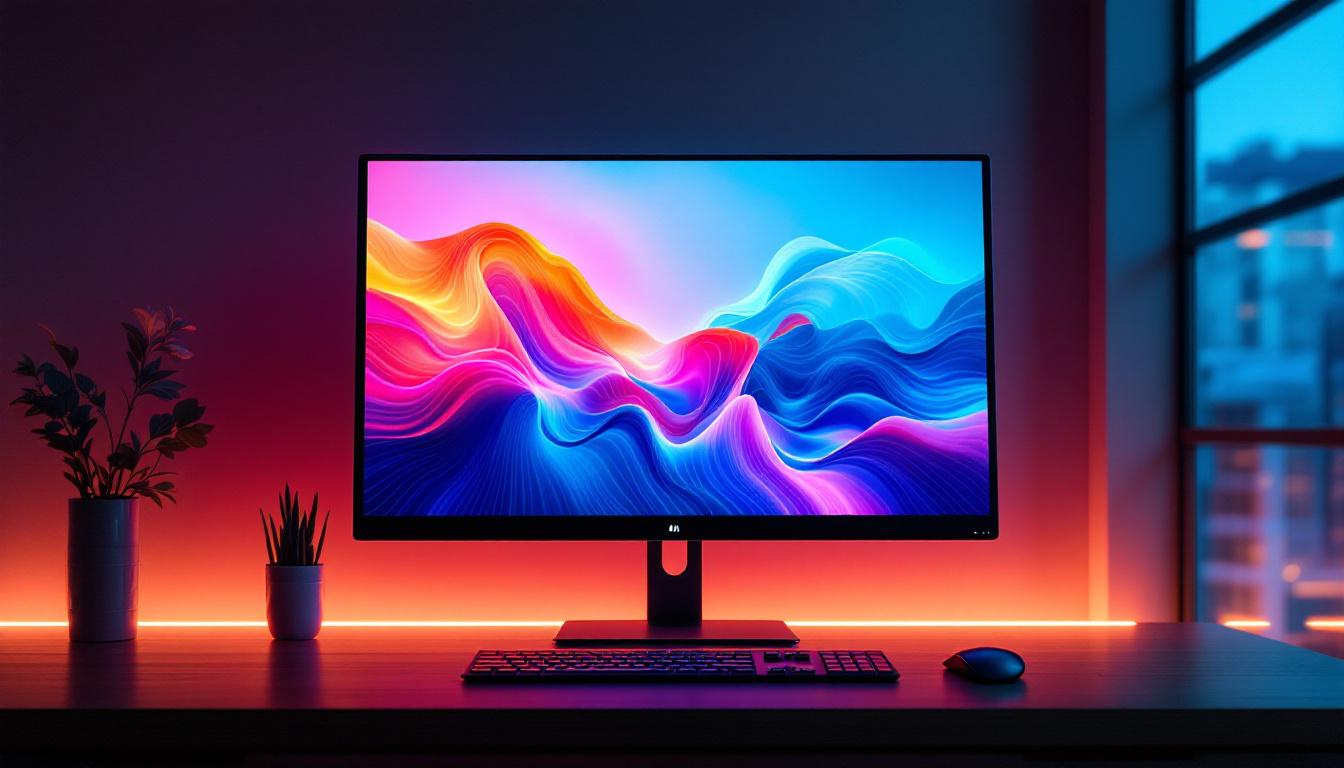
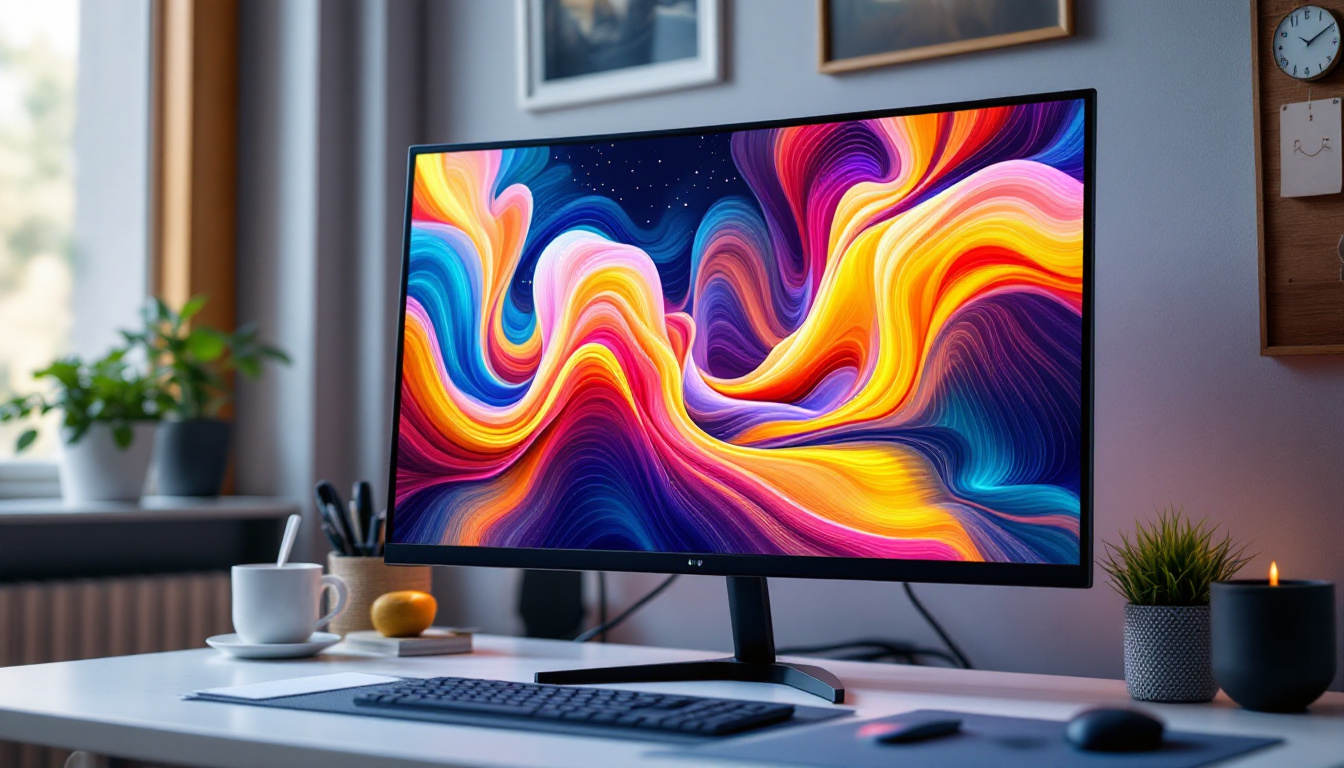
The bezel of a monitor is the frame surrounding the screen. Traditionally, bezels were quite thick, which not only added bulk to the monitor but also distracted from the viewing experience. A thin bezel monitor features a significantly reduced frame size, often just a few millimeters wide, creating a sleek, modern look.
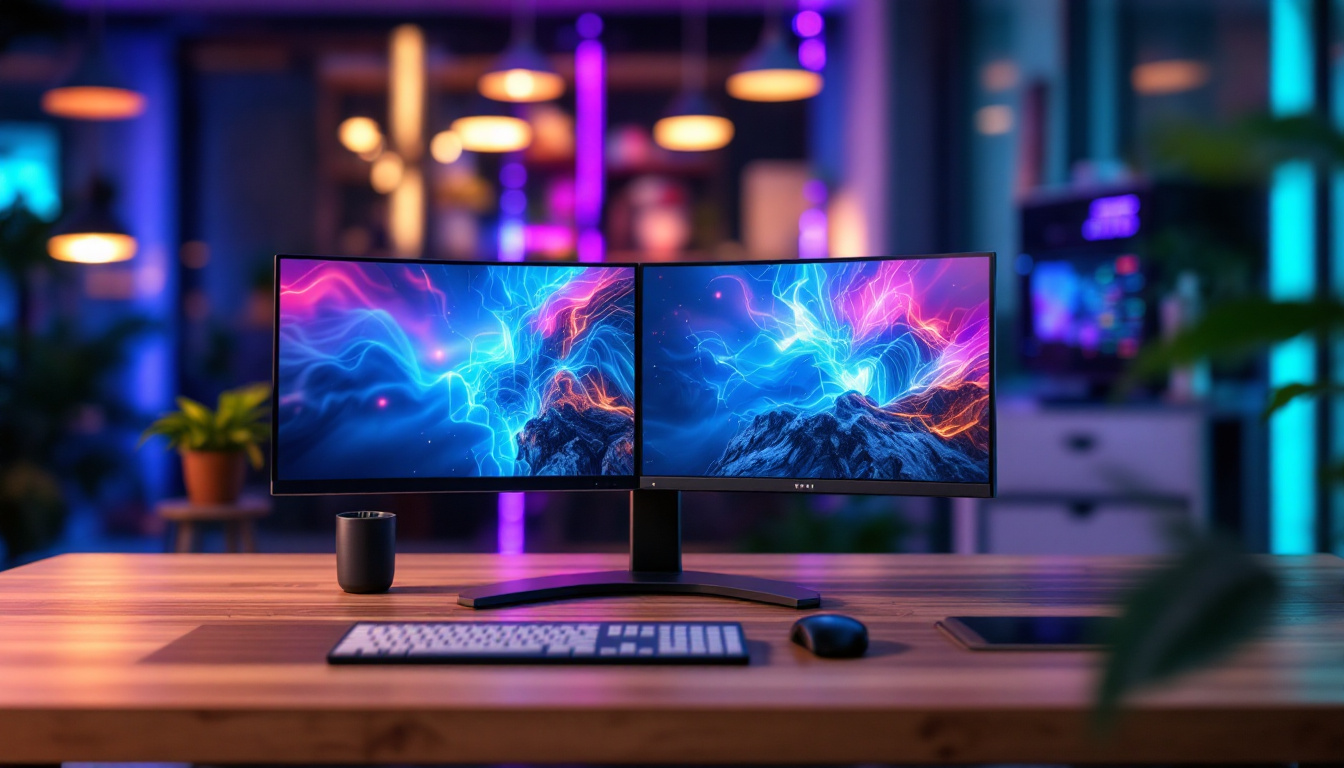
Thin bezels are especially popular in multi-monitor setups, where minimizing the gap between screens enhances the immersive experience. For instance, gamers, graphic designers, and financial traders benefit from thin bezel monitors because they reduce visual interruptions and provide a more continuous display area. This is particularly advantageous in fast-paced environments where every millisecond counts, such as in competitive gaming or real-time data analysis. The seamless transition between screens allows users to maintain focus and efficiency without the distraction of a bulky frame.
Why Thin Bezels Matter
There are several reasons why thin bezels have become a sought-after feature in PC monitors:
- Improved Aesthetics: A thinner bezel gives the monitor a minimalist and elegant appearance, fitting well in modern workspaces and gaming setups.
- Enhanced Multi-Monitor Experience: Thin bezels reduce the physical gap between screens, making multiple monitors feel like one large display.
- Compact Design: Monitors with thin bezels tend to have smaller overall footprints, saving valuable desk space.
According to a 2023 market analysis by DisplaySearch, monitors with bezel widths under 5mm have seen a 35% increase in sales year-over-year, reflecting growing consumer preference for sleek designs. This trend is not just limited to personal use; businesses are also investing in thin bezel monitors for their aesthetic appeal and functionality. In collaborative environments, such as conference rooms or open offices, these monitors facilitate a more engaging presentation experience, allowing teams to share information without the distraction of thick bezels interrupting the visual flow. Additionally, the rise of remote work has led to an increased demand for home office setups that are both stylish and efficient, further driving the popularity of thin bezel technology.
LED Display Technology Explained
What Is an LED Display?
LED stands for Light Emitting Diode, a type of semiconductor that emits light when an electric current passes through it. In the context of PC monitors, LED displays use these diodes as a backlight source for LCD (Liquid Crystal Display) panels.
Unlike older CCFL (Cold Cathode Fluorescent Lamp) backlighting, LED backlighting offers several advantages including better energy efficiency, thinner panels, and improved brightness and color accuracy. The technology has evolved significantly, allowing for more vibrant displays that can render intricate details with remarkable clarity. As a result, LED displays are now commonplace in various devices, from smartphones to large-scale television screens, showcasing their versatility and adaptability in different applications.
Types of LED Backlighting
There are primarily two types of LED backlighting used in monitors:
- Edge-Lit LED: LEDs are placed along the edges of the screen, and light is diffused across the panel. This allows for ultra-thin designs but can sometimes lead to uneven lighting or “clouding” effects. Despite these potential drawbacks, edge-lit technology is popular for its sleek appearance and lightweight design, making it an attractive option for consumers looking for space-saving solutions.
- Full-Array LED: LEDs are distributed evenly behind the entire screen. This setup supports local dimming, improving contrast ratios and black levels, which is especially beneficial for HDR content. Full-array technology enhances the viewing experience by providing deeper blacks and brighter highlights, making it ideal for watching movies or playing video games that rely on rich visual detail.
Many thin bezel monitors use edge-lit LED technology to maintain a slim profile without sacrificing brightness or color quality. However, as consumer demands for high-quality visuals continue to rise, manufacturers are increasingly incorporating full-array LED technology into their designs, offering a compelling choice for users who prioritize performance alongside aesthetics.
Advantages of LED Displays in Thin Bezel Monitors
The combination of LED technology with thin bezel design offers several key benefits:
- Energy Efficiency: LED backlighting consumes less power than traditional CCFL, making these monitors more environmentally friendly and cost-effective over time. This reduction in energy consumption not only benefits the planet but also translates into lower electricity bills for users, making LED displays a smart investment for both home and office environments.
- Better Color and Brightness: LEDs provide brighter displays with a wider color gamut, enhancing image quality for gaming, video editing, and everyday use. The ability to reproduce colors more accurately allows professionals in creative fields to work with confidence, knowing that their monitors can display their work as intended.
- Thinner Panels: LED backlighting enables manufacturers to produce slimmer monitors, which complements the thin bezel design and contributes to a modern aesthetic. This sleek design not only looks appealing but also allows for better multi-monitor setups, as users can enjoy a more immersive experience with minimal distractions from bezels.
Moreover, the lightweight nature of LED displays makes them easier to mount on walls or adjust on desks, providing flexibility in workspace arrangements. As technology continues to advance, we can expect further innovations in LED display design, potentially leading to even thinner profiles and enhanced functionalities that cater to the evolving needs of users.
Why Thin Bezel LED Monitors Are Ideal for Various Use Cases
Professional Workstations
For professionals in graphic design, video editing, and CAD applications, color accuracy and screen real estate are paramount. Thin bezel LED monitors provide vibrant colors and allow multiple screens to be placed side-by-side with minimal distraction. This setup enhances productivity by enabling users to view large projects or multiple documents simultaneously.
For example, Adobe’s Creative Cloud users often prefer monitors that support wide color gamuts such as Adobe RGB or DCI-P3, which many LED thin bezel monitors now offer. This ensures that the colors seen on screen closely match the final output, whether in print or digital media.
Gaming and Entertainment
Gamers benefit from thin bezel LED monitors due to their immersive viewing experience and fast response times. Many gaming monitors incorporate LED technology with features such as high refresh rates (120Hz, 144Hz, or higher) and low input lag, which are essential for competitive gaming.
Thin bezels allow multi-monitor gaming setups to feel more seamless, creating a panoramic effect that enhances gameplay. Additionally, LED displays often support HDR (High Dynamic Range), providing richer colors and better contrast, which makes games and movies more visually stunning.
Office and Everyday Use
Even in typical office environments, thin bezel LED monitors offer practical benefits. Their compact design helps maximize desk space, while the improved brightness and color accuracy reduce eye strain during long work hours. Many models also include blue light filters and flicker-free technology to promote eye comfort.
With remote work becoming more common, users are investing in better home office setups. Thin bezel LED monitors provide a professional look and ergonomic advantages, making them a popular choice for video conferencing and multitasking.
Key Features to Consider When Choosing a Thin Bezel LED Monitor
Resolution and Screen Size
Resolution determines the clarity and detail of the display. Common resolutions include Full HD (1920×1080), Quad HD (2560×1440), and 4K Ultra HD (3840×2160). Larger screen sizes paired with higher resolutions offer more workspace but can be more expensive.
For productivity and multimedia, a 27-inch QHD monitor strikes a good balance between size and pixel density. Gamers and professionals working with high-resolution content may prefer 4K monitors for their superior detail.
Refresh Rate and Response Time
Refresh rate, measured in Hertz (Hz), indicates how many times the screen updates per second. Higher refresh rates (120Hz, 144Hz, or 240Hz) provide smoother motion, which is crucial for gaming and video playback.
Response time, measured in milliseconds, refers to how quickly a pixel can change color. Lower response times reduce motion blur and ghosting effects, enhancing visual clarity during fast-paced action.
Connectivity and Ergonomics
Modern thin bezel LED monitors offer multiple connectivity options such as HDMI, DisplayPort, USB-C, and sometimes Thunderbolt. USB-C ports are particularly useful for connecting laptops and charging devices simultaneously.
Ergonomic features like height adjustment, tilt, swivel, and pivot allow users to customize their viewing angle, reducing neck and eye strain. Some monitors also support VESA mounts for flexible placement.
The Future of Thin Bezel LED Monitors
Emerging Technologies
The future of PC monitors is poised to integrate even more advanced technologies alongside thin bezel and LED displays. OLED (Organic Light Emitting Diode) panels, for example, promise even better contrast ratios and color accuracy, though they currently remain more expensive and less common in PC monitors.
Mini-LED technology, which uses thousands of tiny LEDs for backlighting, is gaining traction as it combines the benefits of LED and OLED, offering exceptional brightness and contrast while maintaining durability and affordability.
Trends in Design and User Experience
Manufacturers are increasingly focusing on ultra-thin and flexible designs, aiming to create monitors that are not only functional but also aesthetically pleasing. Curved thin bezel monitors are becoming popular for their immersive viewing experience and reduced eye strain.
Additionally, smart features such as built-in webcams, microphones, and AI-powered eye care systems are being integrated into monitors to enhance productivity and comfort in both office and home environments.
Conclusion
Thin bezel PC monitors with LED displays represent a significant advancement in display technology, combining aesthetic appeal with practical benefits. Their slim frames maximize screen space and reduce distractions, while LED technology ensures energy efficiency, vibrant colors, and slim profiles.
Whether for professional use, gaming, or everyday computing, these monitors offer enhanced user experiences that meet the demands of modern digital lifestyles. As technology continues to evolve, thin bezel LED monitors are set to remain at the forefront of display innovation, delivering sharper images and sleeker designs for years to come.
Explore Cutting-Edge LED Displays with LumenMatrix
Ready to elevate your visual experience with the sleek design and vibrant colors of a thin bezel LED monitor? LumenMatrix, a pioneer in LED display technology, offers an extensive range of innovative solutions tailored to your needs. From immersive Indoor LED Wall Displays to dynamic Outdoor LED Wall Displays, and from versatile Vehicle LED Displays to eye-catching LED Sports Displays, LumenMatrix is committed to revolutionizing visual communication. Discover how our LED Poster Displays, Floor LED Displays, Custom LED Displays, All-in-One LED Displays, and LED Transparent Displays can transform your space and captivate your audience. Don’t miss out on the opportunity to enhance your brand visibility and create unforgettable visual experiences. Check out LumenMatrix LED Display Solutions today and see the difference for yourself.