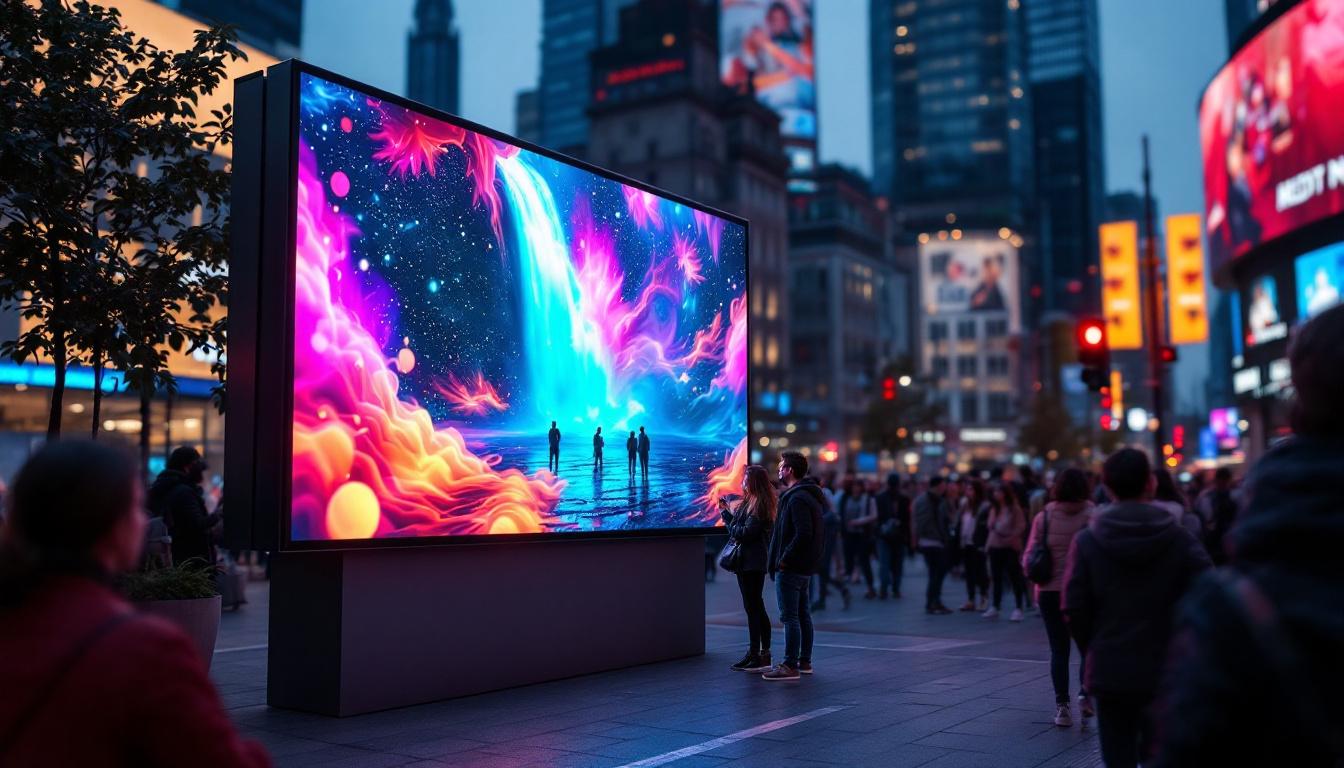
In today’s fast-paced world, outdoor advertising and public information systems have evolved dramatically. One of the most impactful technologies driving this change is the outdoor LED screen panel. These vibrant, durable displays have become a staple in cityscapes, stadiums, transportation hubs, and commercial venues worldwide. But what exactly makes an outdoor LED display so effective, and how does it work? This article delves into the technology behind outdoor LED screen panels, their benefits, applications, and key considerations for choosing the right display.
Understanding Outdoor LED Screen Panels
What Is an Outdoor LED Display?
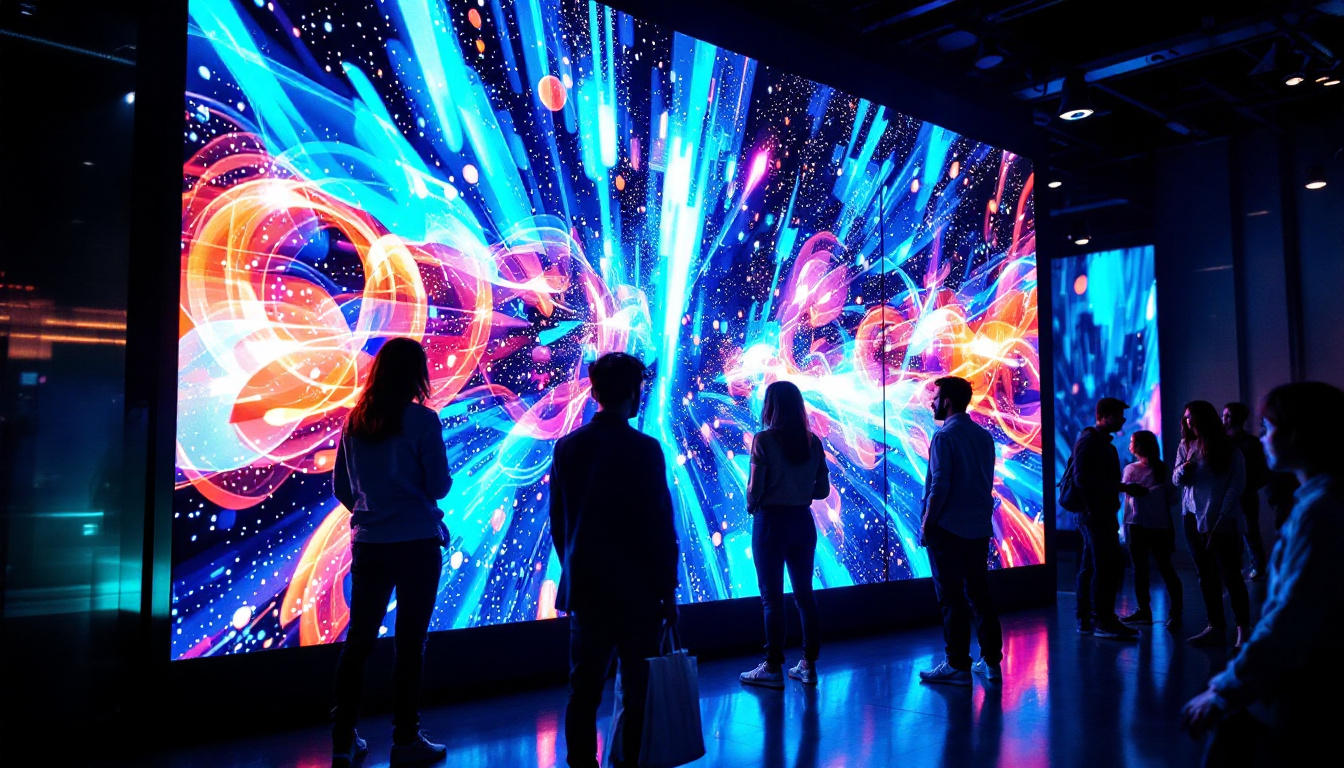
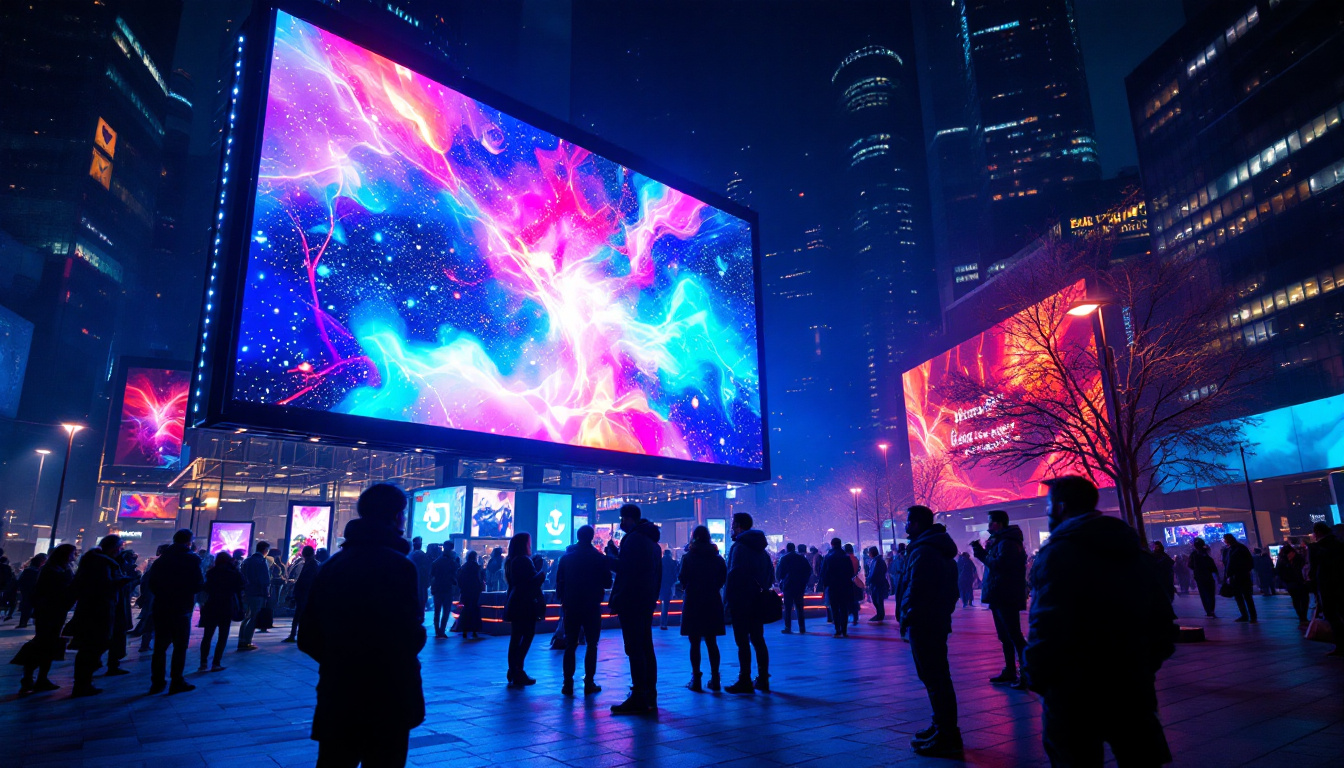
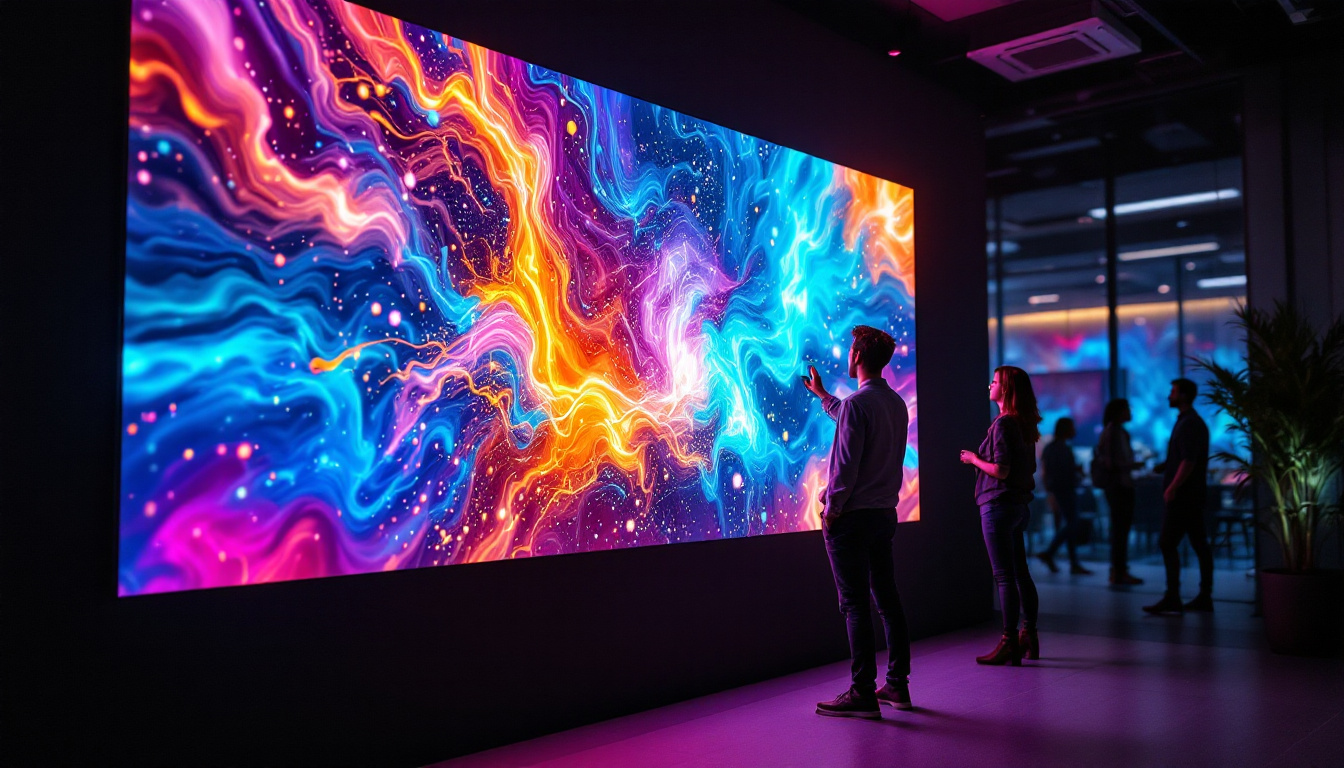
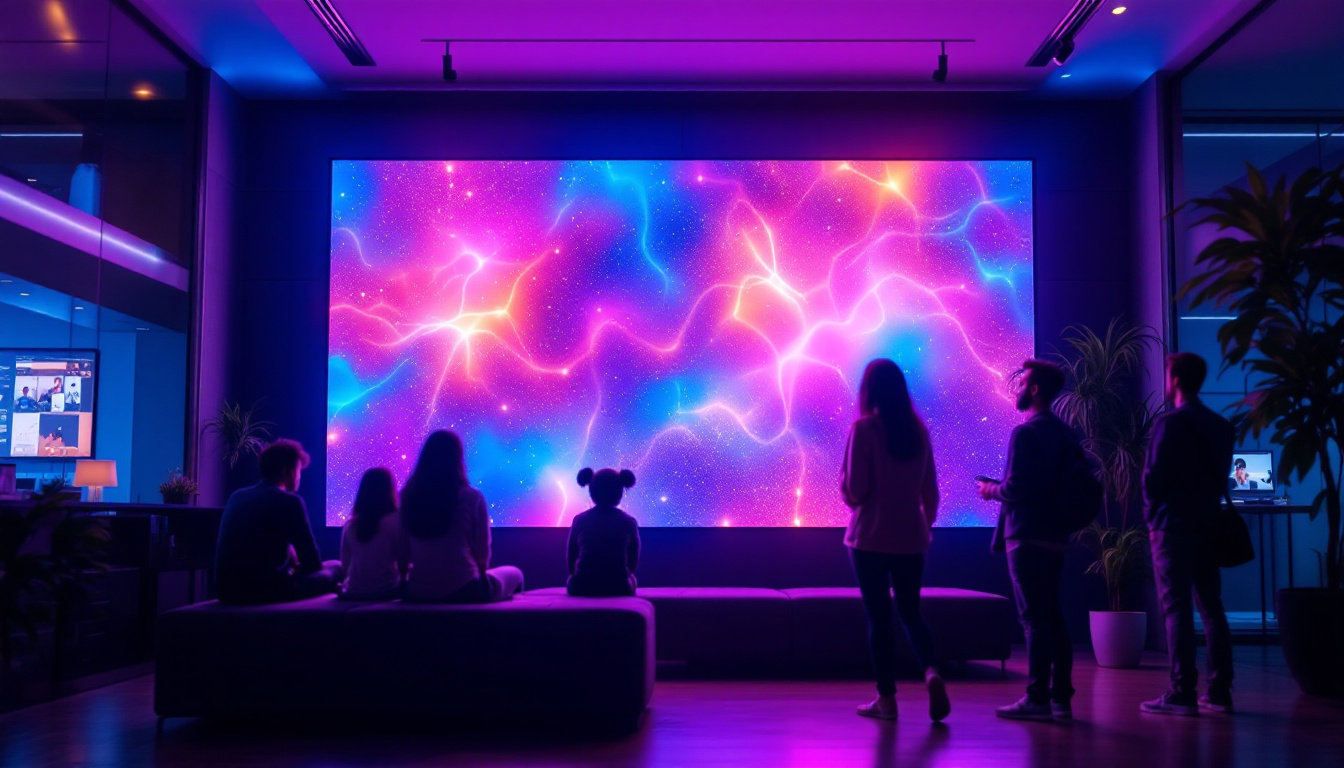
An outdoor LED display is a large-format screen made up of thousands of tiny light-emitting diodes (LEDs) arranged in a matrix. These LEDs emit bright, colorful light that can be seen clearly even in direct sunlight, making them ideal for outdoor use. Unlike traditional LCD or projection screens, LED displays are self-illuminating, meaning each diode produces its own light.
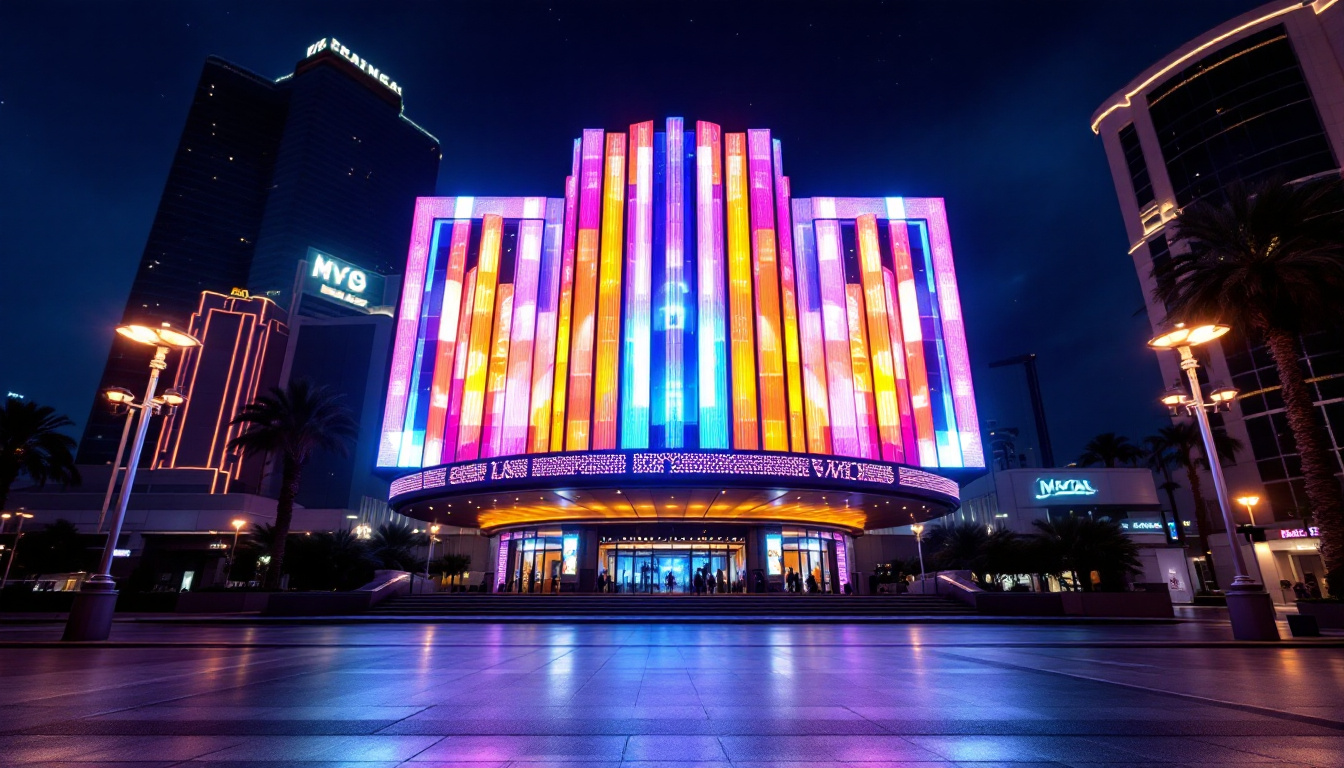
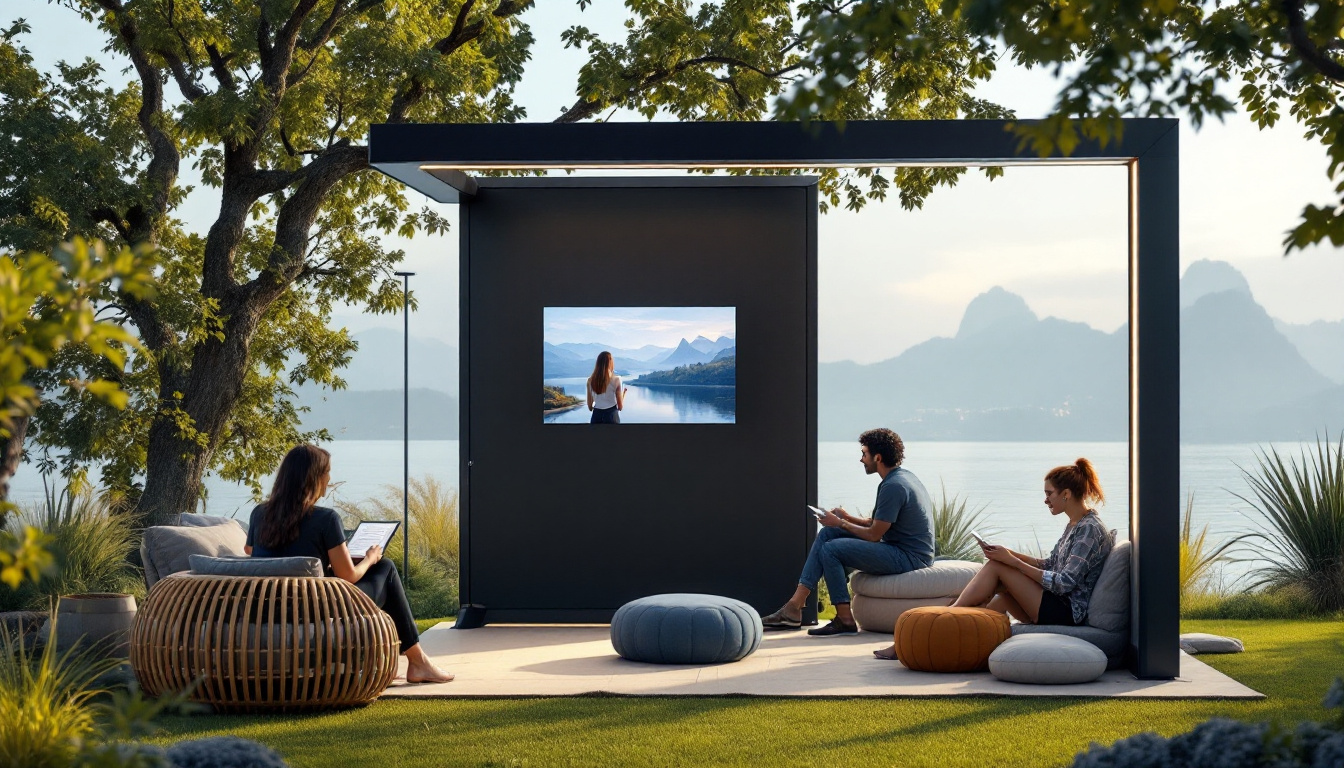
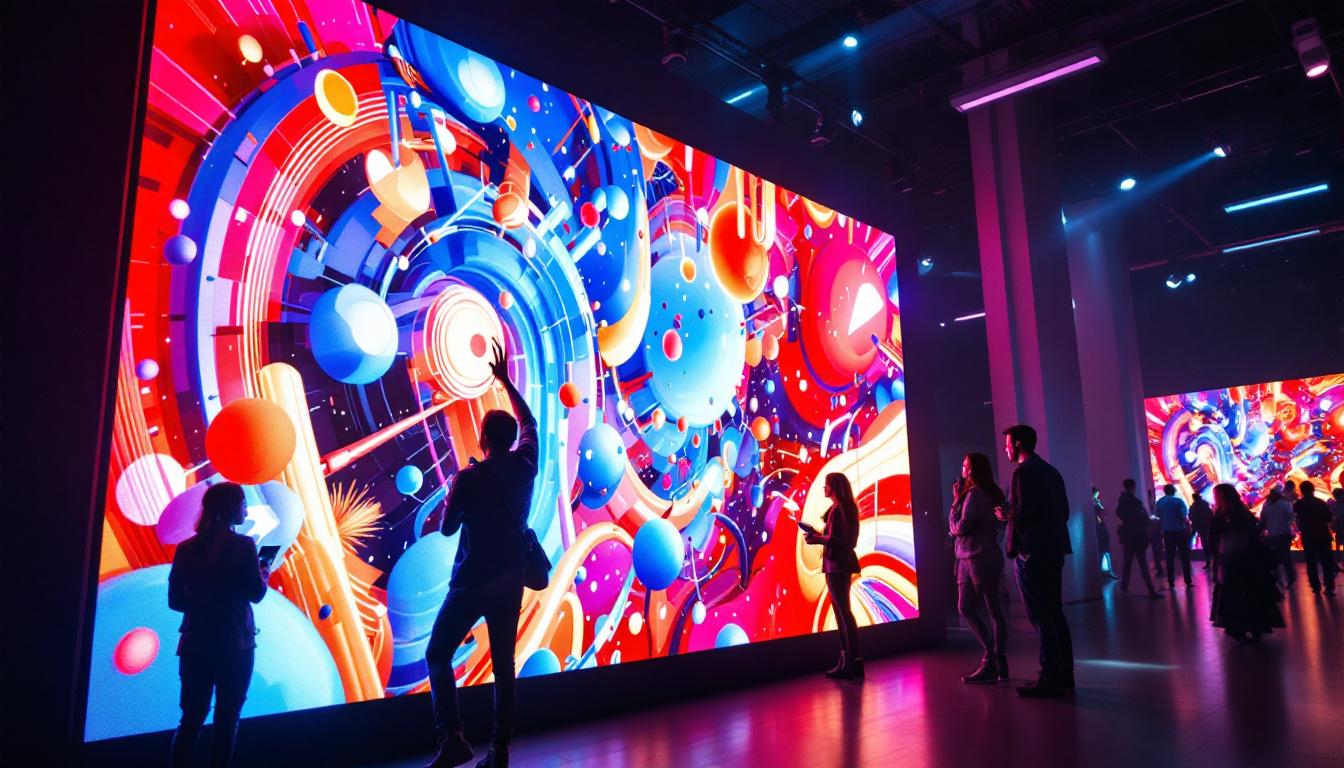
The modular design of these screens allows for flexible sizing and shapes, from small billboards to massive video walls covering entire building facades. This adaptability, combined with high brightness and durability, has positioned outdoor LED displays as a preferred choice for dynamic digital signage. In addition to advertising, these displays are increasingly used for public announcements, event broadcasting, and artistic installations, transforming urban landscapes into vibrant, interactive experiences.
How Do Outdoor LED Panels Work?
Each LED module consists of red, green, and blue diodes that combine to produce a full spectrum of colors through varying intensity levels. The display controller processes input video signals and sends data to each LED pixel, determining its color and brightness in real-time. This process happens thousands of times per second, resulting in smooth, vibrant video playback. The technology behind these displays has evolved significantly, with advancements in pixel pitch allowing for higher resolution images and improved viewing angles, making them suitable for a wider range of applications.
Outdoor LED panels are designed to withstand harsh environmental conditions. They are typically IP65 rated or higher, meaning they are dust-tight and protected against water jets. This weatherproofing ensures reliable performance in rain, snow, or extreme heat. Furthermore, many outdoor LED displays are equipped with thermal management systems to prevent overheating, ensuring consistent operation during the hottest days. The longevity of these panels is also a significant advantage, with many manufacturers offering warranties that can extend up to 10 years, reflecting the confidence in their durability and performance.
Key Features of Outdoor LED Screen Panels
Brightness and Visibility
One of the most critical features of outdoor LED displays is their brightness. Outdoor environments expose screens to direct sunlight, which can wash out images on less bright displays. Outdoor LED panels often feature brightness levels ranging from 5,000 to 10,000 nits (candelas per square meter), far exceeding indoor screen brightness levels.
This high luminance ensures content remains visible and vibrant even on the sunniest days. Some advanced models also include ambient light sensors that automatically adjust brightness to optimize power consumption and visibility throughout the day. This feature not only enhances user experience but also contributes to energy efficiency, allowing businesses to reduce operational costs while maintaining high-quality displays.
Moreover, the ability to customize brightness settings can be particularly advantageous for advertising purposes, where dynamic content may need to be more pronounced during peak daylight hours. This adaptability ensures that messages are not just seen but are impactful, drawing in potential customers even in the brightest conditions.
Pixel Pitch and Resolution
Pixel pitch refers to the distance between the centers of two adjacent pixels, usually measured in millimeters. It directly affects the display’s resolution and viewing distance. Outdoor LED panels typically have a pixel pitch ranging from 4mm to 20mm or more.
A smaller pixel pitch means higher resolution and sharper images but also increases cost. For billboards viewed from a distance, larger pixel pitches are sufficient, while displays intended for closer viewing require finer pixel pitches. Choosing the right pixel pitch is essential to balance cost, image quality, and intended viewing distance. Additionally, advancements in technology have led to the development of high-density pixel configurations that allow for stunning visuals even at larger sizes, making them ideal for events and concerts.
Furthermore, the resolution of outdoor LED screens can significantly impact how effectively they convey information. High-resolution displays can showcase intricate graphics and detailed animations, which can be particularly beneficial for brands looking to make a memorable impression. As a result, businesses are increasingly investing in displays with optimal pixel pitches to ensure their content stands out in a crowded marketplace.
Durability and Weather Resistance
Outdoor LED screens must endure diverse weather conditions, including rain, snow, heat, humidity, and dust. To meet these challenges, manufacturers use robust materials and protective coatings. Many panels are constructed with aluminum or steel frames and sealed with silicone to prevent moisture ingress.
Additionally, outdoor LED displays often feature temperature control systems such as fans or air conditioners to maintain optimal operating conditions. This durability translates into longer lifespans, often exceeding 100,000 hours of operation under normal conditions. The ability to withstand extreme temperatures ensures that these displays remain operational during various seasons, providing consistent performance year-round.
Moreover, many outdoor LED panels are designed with impact-resistant glass or polycarbonate covers, further enhancing their resilience against vandalism and accidental damage. This level of durability is crucial for public installations, where screens are frequently exposed to potential hazards. By investing in high-quality outdoor LED screens, businesses can ensure that their displays not only attract attention but also stand the test of time, minimizing maintenance costs and maximizing return on investment.
Applications of Outdoor LED Screen Panels
Advertising and Marketing
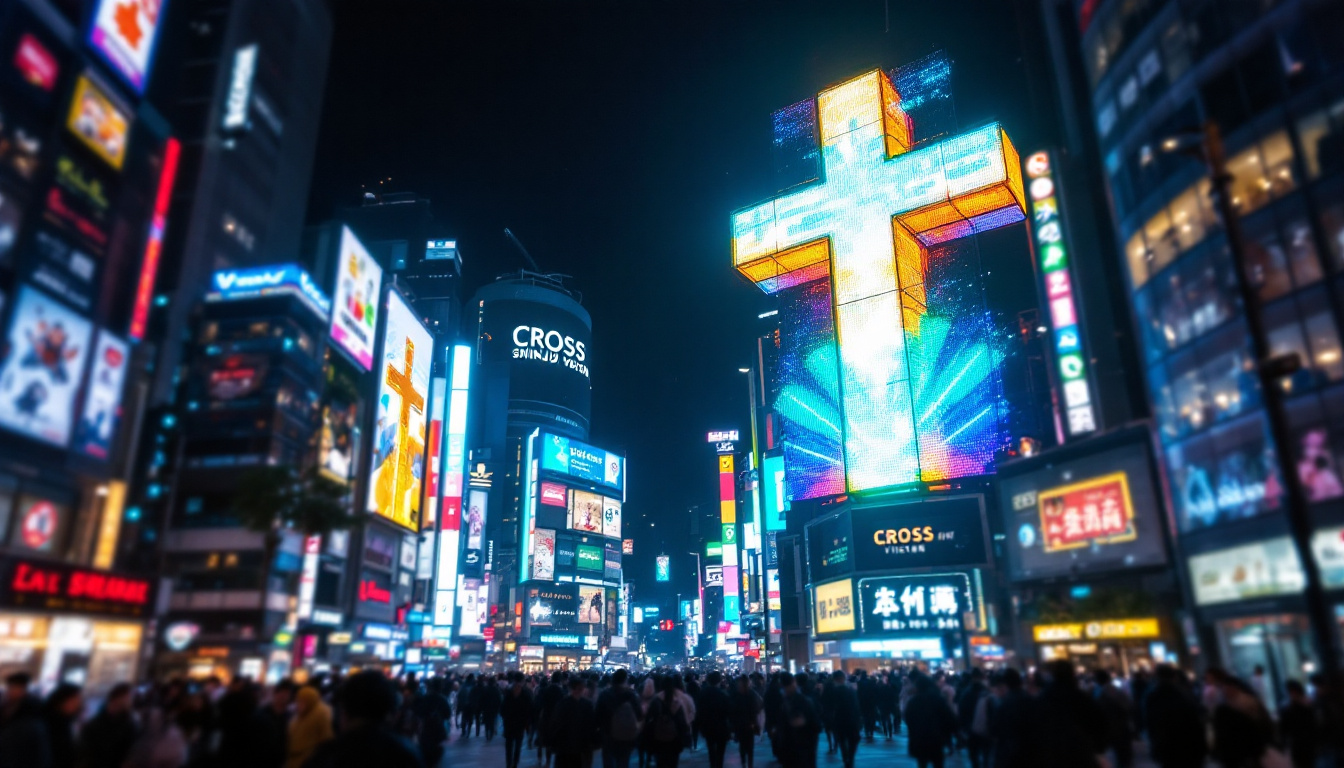
Outdoor LED displays have revolutionized advertising by enabling dynamic, eye-catching content that can be updated instantly. From Times Square’s iconic billboards to shopping mall facades, LED screens attract attention with vivid videos, animations, and real-time promotions.
Studies show that digital outdoor advertising can increase brand recall by up to 47% compared to static billboards. The ability to tailor content based on time of day, weather, or audience demographics further enhances campaign effectiveness.
Public Information and Transportation
Transportation hubs such as airports, train stations, and bus terminals rely on outdoor LED screens to provide real-time information on arrivals, departures, and delays. These displays improve passenger experience by delivering clear, timely updates even in bright daylight.
Municipalities also use outdoor LED panels for public announcements, emergency alerts, and event promotions. The flexibility to broadcast multiple messages and change content quickly makes LED screens invaluable tools for communication in urban environments.
Sports and Entertainment Venues
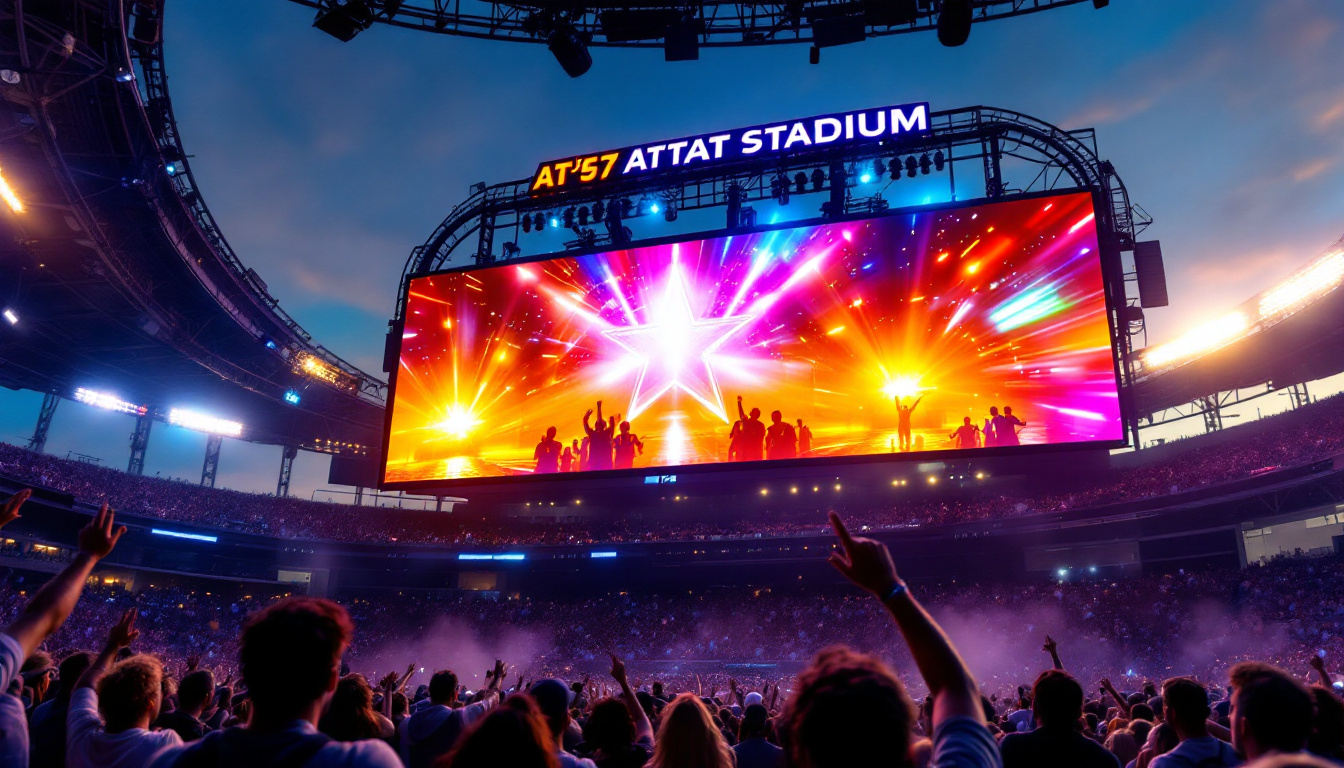
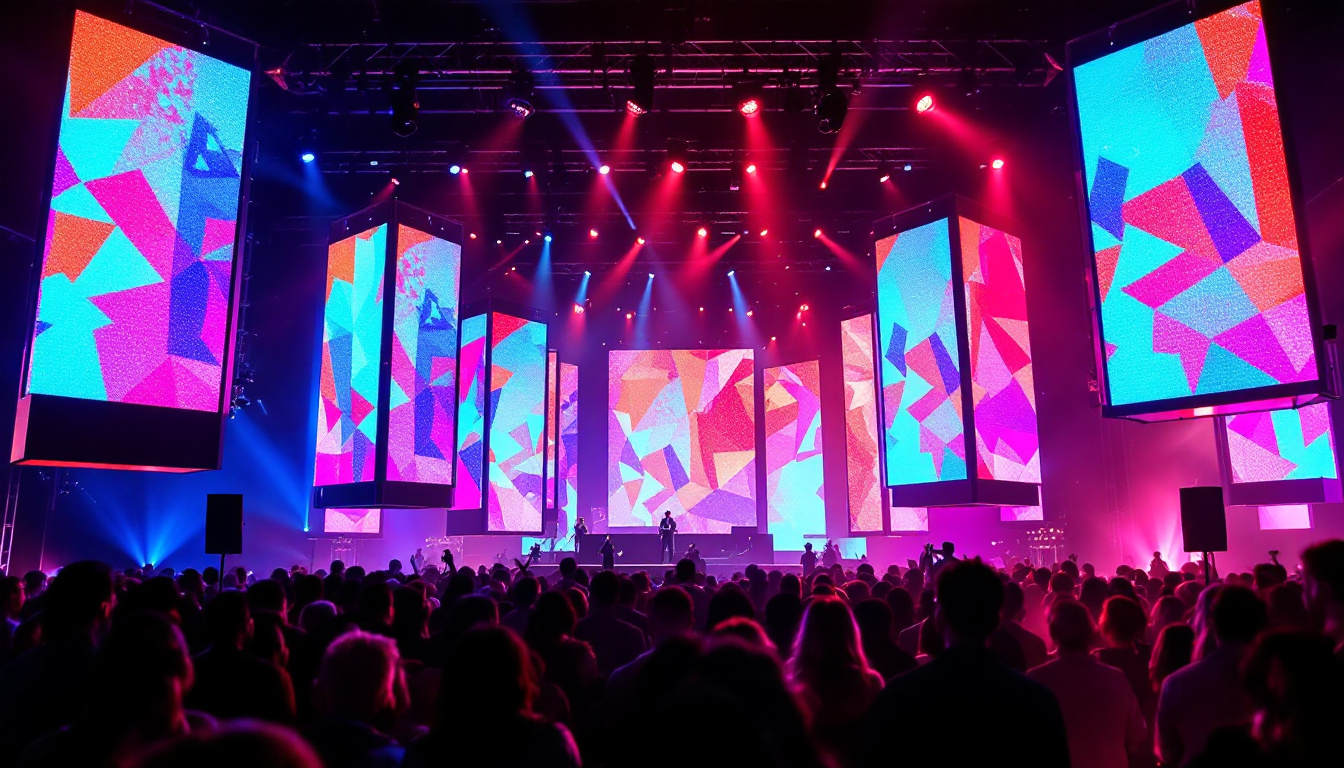
Stadiums and arenas utilize large outdoor LED screens to enhance spectator engagement. These displays show live game footage, instant replays, advertisements, and interactive content. Their high brightness and wide viewing angles ensure visibility from all seating areas.
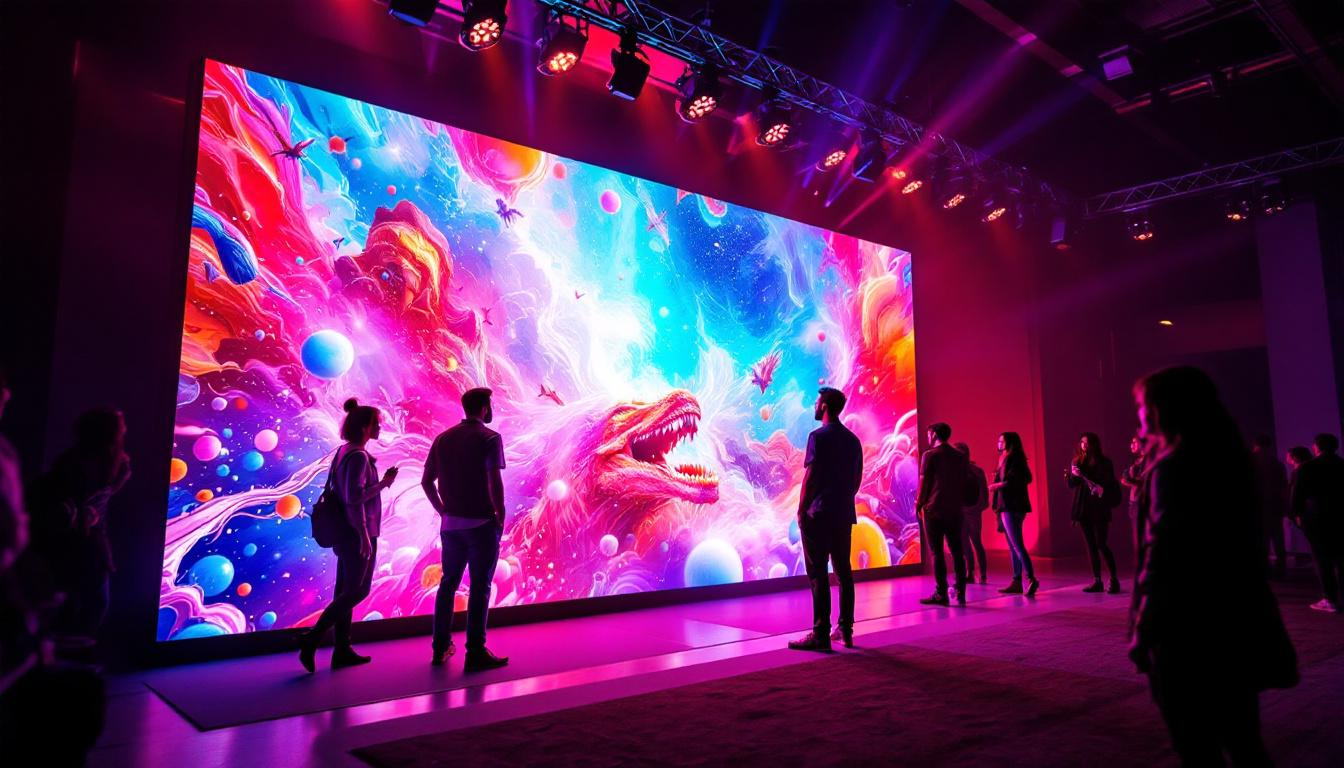
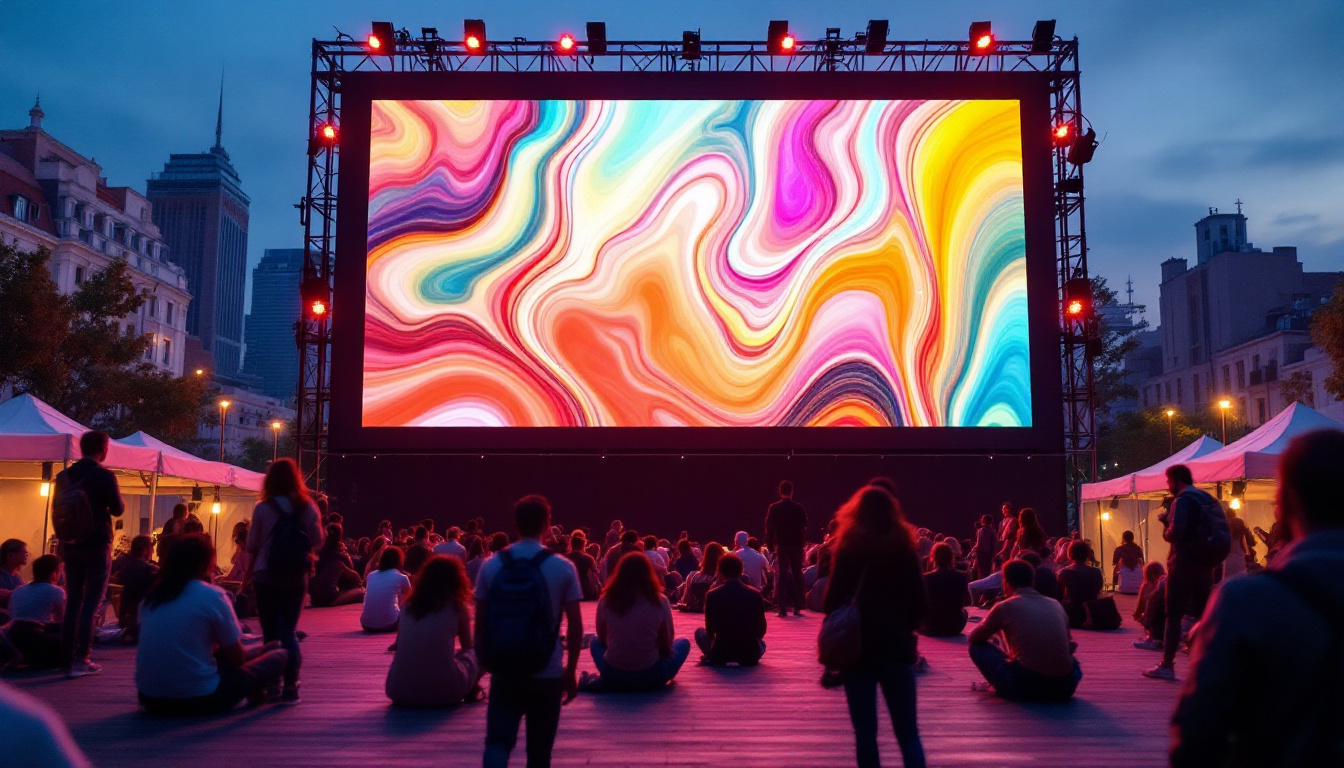
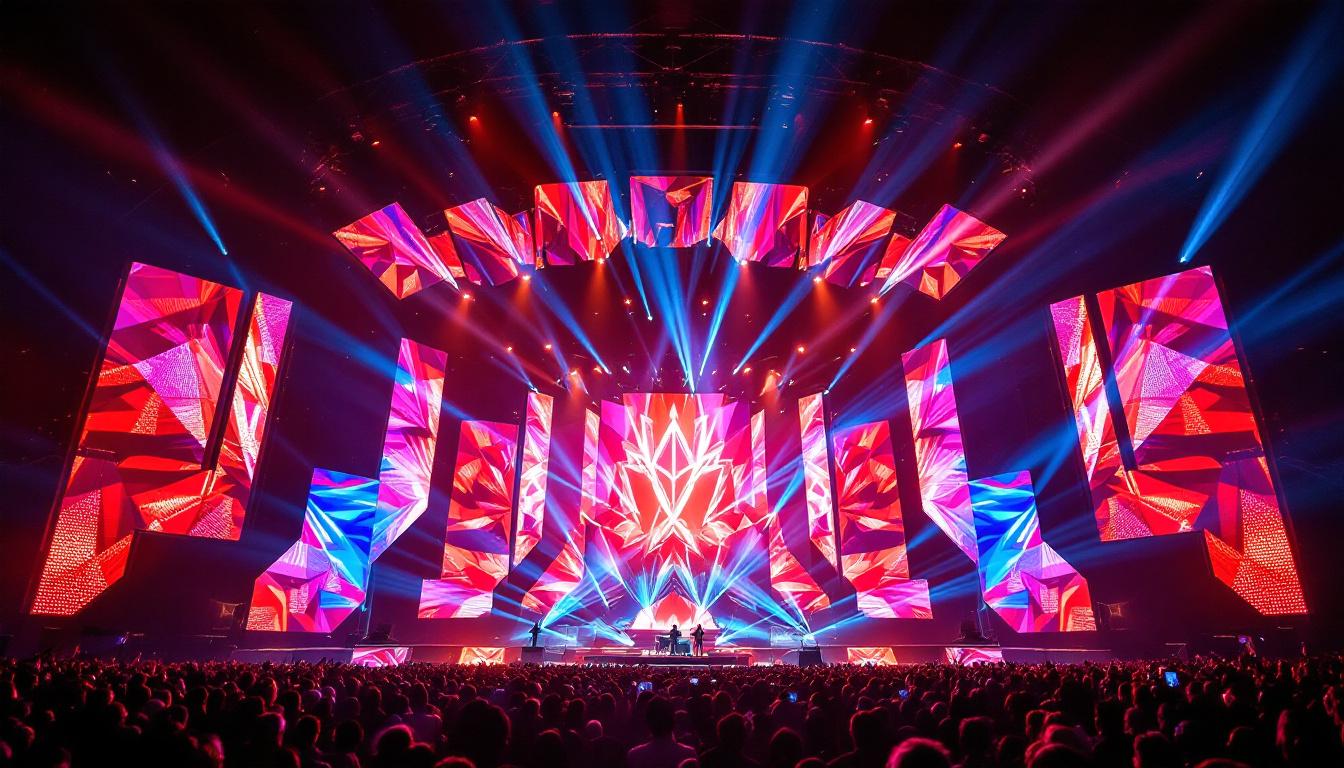
Outdoor concerts and festivals also benefit from LED screens, providing clear visuals to large crowds and creating immersive experiences. The modular nature of LED panels allows for creative configurations tailored to event needs.
Choosing the Right Outdoor LED Screen Panel
Assessing Environmental Conditions
Before selecting an outdoor LED display, it is crucial to evaluate the installation environment. Factors such as ambient light levels, weather exposure, wind load, and temperature extremes influence the choice of screen specifications and protective features.
For example, locations with intense sunlight require higher brightness levels, while coastal areas may need enhanced corrosion resistance. Consulting with manufacturers or specialists can help identify the best options based on site conditions.
Determining Viewing Distance and Audience
The intended viewing distance and audience size impact the required resolution and screen size. For displays viewed from hundreds of meters away, a larger pixel pitch and bigger screen size are appropriate. Conversely, areas where viewers are close to the screen demand higher resolution and finer pixel pitch for clarity.
Understanding audience behavior and traffic patterns also helps optimize content layout and scheduling, maximizing engagement and return on investment.
Energy Efficiency and Maintenance
Energy consumption is a significant consideration for outdoor LED displays, especially large installations. Modern LED panels incorporate energy-saving technologies such as automatic brightness adjustment and efficient power supplies.
Maintenance requirements should also be factored in. Modular designs that allow easy access to individual panels reduce downtime and service costs. Additionally, choosing displays with long-lasting LEDs and robust construction minimizes replacement frequency.
Future Trends in Outdoor LED Display Technology
Higher Resolution and Pixel Density
Advancements in LED manufacturing continue to drive smaller pixel pitches and higher resolutions for outdoor displays. This trend enables sharper images and more detailed content, even at closer viewing distances, expanding the range of possible applications.
Integration with Smart Technologies
Outdoor LED screens are increasingly integrated with smart city infrastructure and IoT devices. This integration allows real-time data feeds, interactive content, and adaptive advertising based on environmental sensors or audience analytics.
For example, displays can adjust messaging based on weather conditions, traffic flow, or social media trends, creating more relevant and engaging experiences.
Energy Harvesting and Sustainability
As sustainability becomes a priority, manufacturers are exploring energy harvesting solutions such as solar-powered LED screens. Combined with energy-efficient components, these innovations reduce operational costs and environmental impact.
Recyclable materials and eco-friendly manufacturing processes are also gaining importance, aligning outdoor LED display technology with global sustainability goals.
Conclusion
Outdoor LED screen panels represent a powerful and versatile technology that has transformed the way information and advertising are delivered in public spaces. Their high brightness, durability, and flexibility make them ideal for a wide range of applications, from commercial advertising to public safety communications.
Choosing the right outdoor LED display requires careful consideration of environmental factors, viewing distances, and maintenance needs. With ongoing advancements in resolution, smart integration, and sustainability, outdoor LED screens will continue to play a vital role in shaping vibrant, connected urban environments.
For businesses and organizations looking to leverage the benefits of outdoor LED technology, understanding these key aspects is essential to making informed decisions and achieving impactful results.
Illuminate Your Space with LumenMatrix
Ready to elevate your outdoor space with unparalleled brightness, durability, and flexibility? LumenMatrix is at the forefront of LED display innovation, offering a comprehensive range of solutions tailored to your unique needs. From mesmerizing Indoor LED Walls to expansive Outdoor LED Displays, and from mobile Vehicle LED Displays to interactive Floor LED Displays, our technology is designed to captivate and engage. Embrace the future of visual communication with our Custom, All-in-One, and Transparent LED Displays. Don’t just share your message—make it resonate with clarity and impact. Check out LumenMatrix LED Display Solutions today and transform your brand’s visibility.