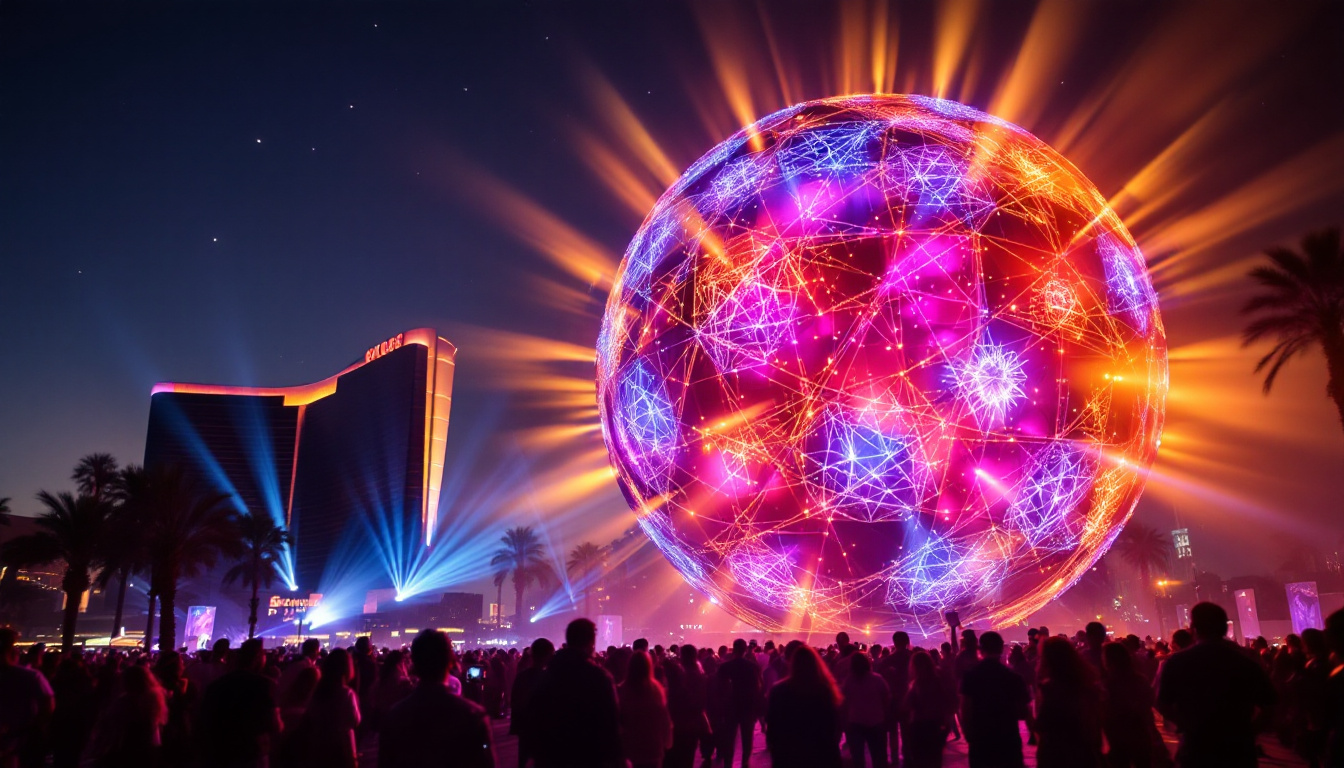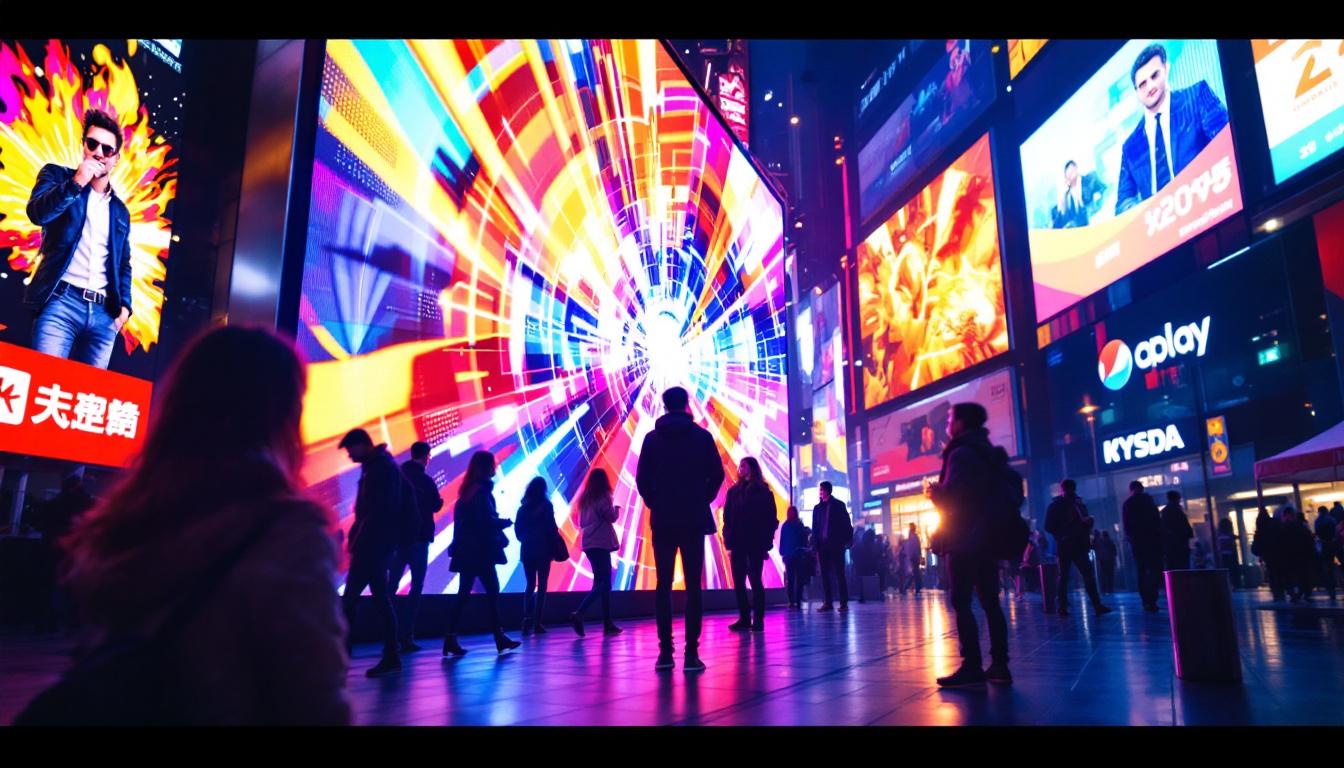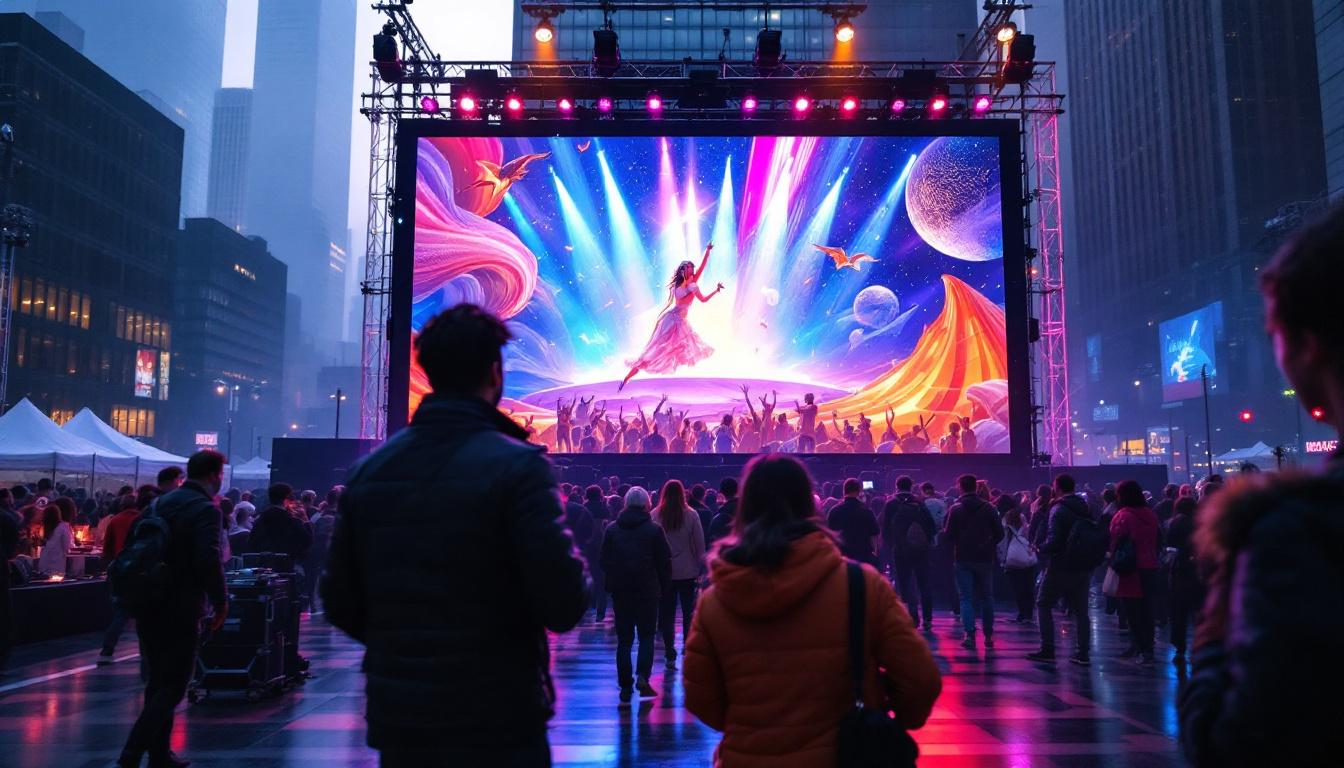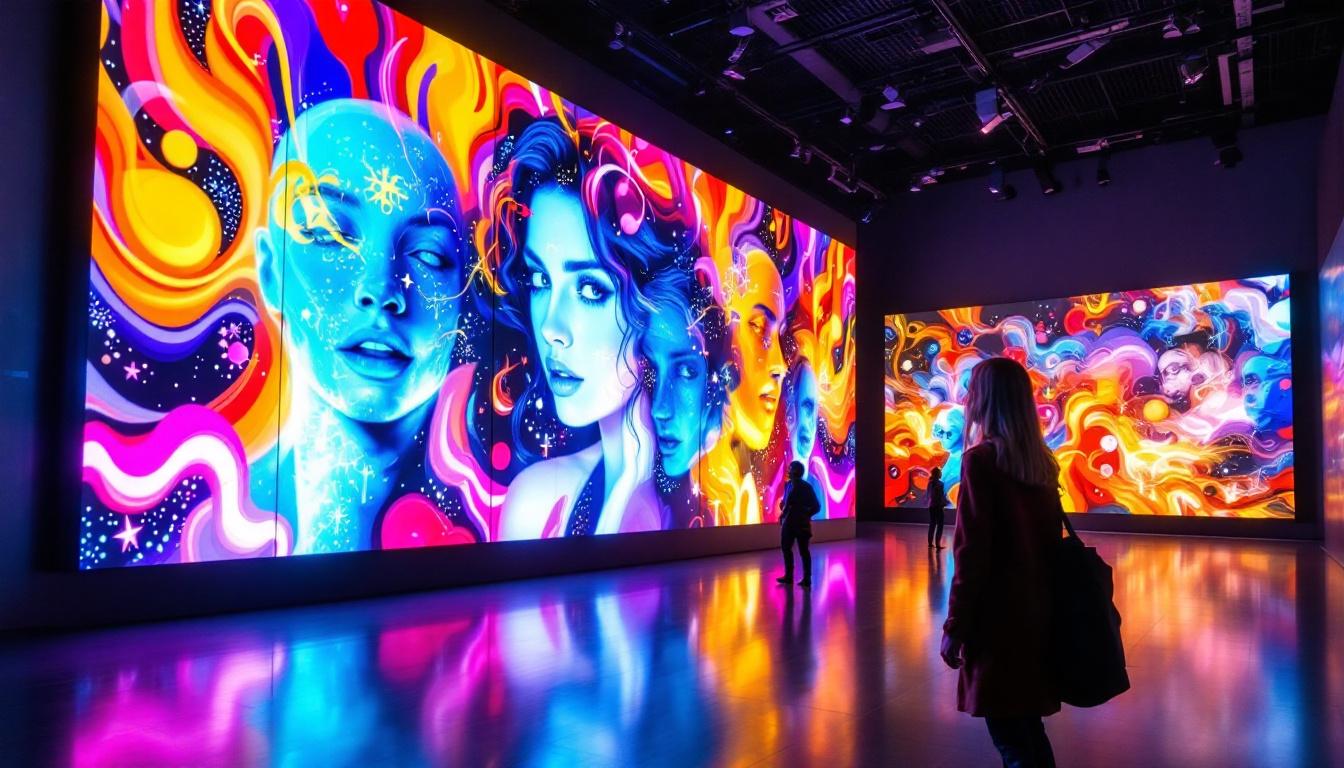
In today’s fast-evolving visual communication landscape, LED displays have become a cornerstone technology for digital signage. From bustling city centers to retail storefronts and corporate lobbies, LED displays captivate audiences with vibrant colors, dynamic content, and unmatched visibility. This article explores the fundamentals of LED displays, their technological underpinnings, and why they are pivotal in the digital signage industry.
Understanding LED Display Technology
What is an LED Display?
LED stands for Light Emitting Diode, a semiconductor device that emits light when an electric current passes through it. An LED display is a flat panel that uses an array of these tiny diodes to create images and videos. Unlike traditional LCD or projection displays, LED displays generate their own light, which results in brighter and more vivid visuals. This self-illuminating feature allows for exceptional color accuracy and contrast, making LED displays ideal for a variety of applications, from advertising to art installations.
LED displays come in various configurations, including indoor and outdoor models, flexible panels, and transparent screens. They are composed of thousands to millions of individual LEDs arranged in a grid, each acting as a pixel or part of a pixel, which together form the complete image. The modular nature of LED displays also means they can be easily scaled to fit different sizes and shapes, allowing for innovative designs that can capture attention in any setting. Furthermore, advancements in technology have led to improvements in energy efficiency, making modern LED displays more sustainable and cost-effective over their lifespan.
Types of LED Displays
There are several types of LED displays used in digital signage, each designed for specific environments and purposes:
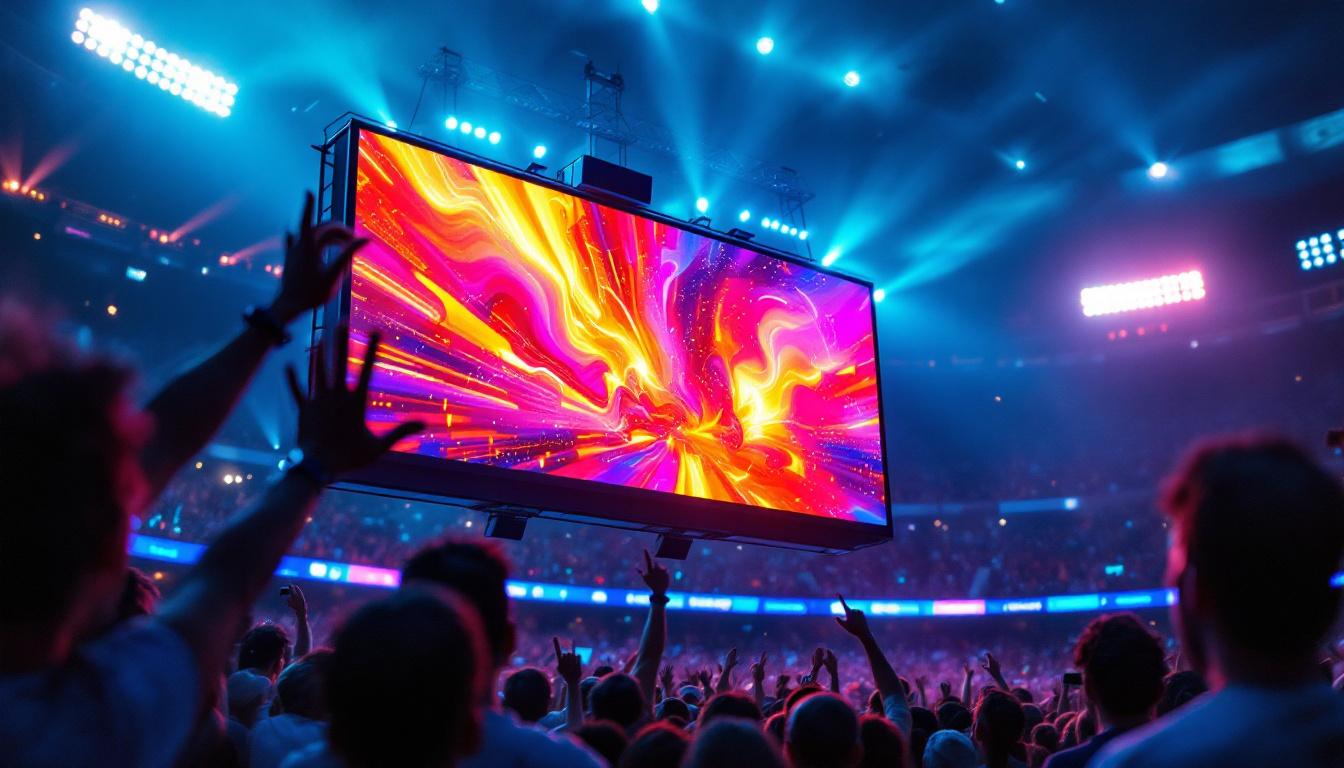
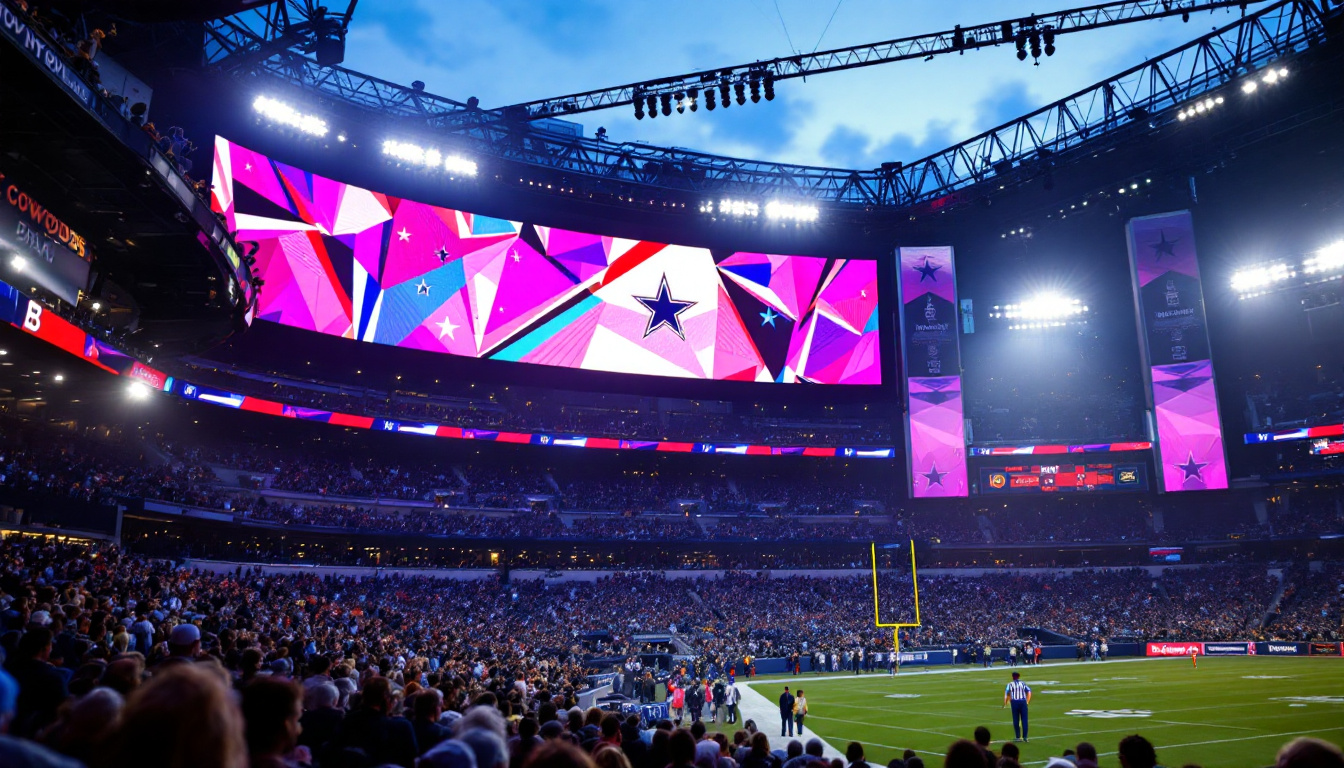
- Direct View LED (DV-LED): This type uses LEDs as the actual pixels visible to the viewer. DV-LED displays are known for their brightness and are commonly used in large outdoor billboards and stadium screens. Their high luminosity ensures visibility even in direct sunlight, making them a popular choice for outdoor advertising.
- LED-Backlit LCD: Here, LEDs provide backlighting for an LCD panel. This technology is prevalent in smaller indoor displays, such as digital menu boards and retail signage. The combination of LCD technology with LED backlighting enhances color reproduction and energy efficiency, providing a vibrant display while consuming less power.
- MicroLED: A cutting-edge technology that uses microscopic LEDs to create displays with superior brightness, contrast, and energy efficiency. MicroLED is emerging as a future standard for premium digital signage. Its modular design allows for seamless integration into various applications, from consumer electronics to large-scale installations, offering unprecedented flexibility in display design.
Choosing the right type depends on factors such as viewing distance, ambient light conditions, resolution requirements, and budget. Additionally, considerations like installation space and maintenance needs play a crucial role in the decision-making process. As the demand for high-quality visual experiences continues to grow, the versatility of LED displays makes them a compelling choice for businesses and organizations looking to enhance their communication strategies.
Key Components and How They Work
LED Modules and Pixels
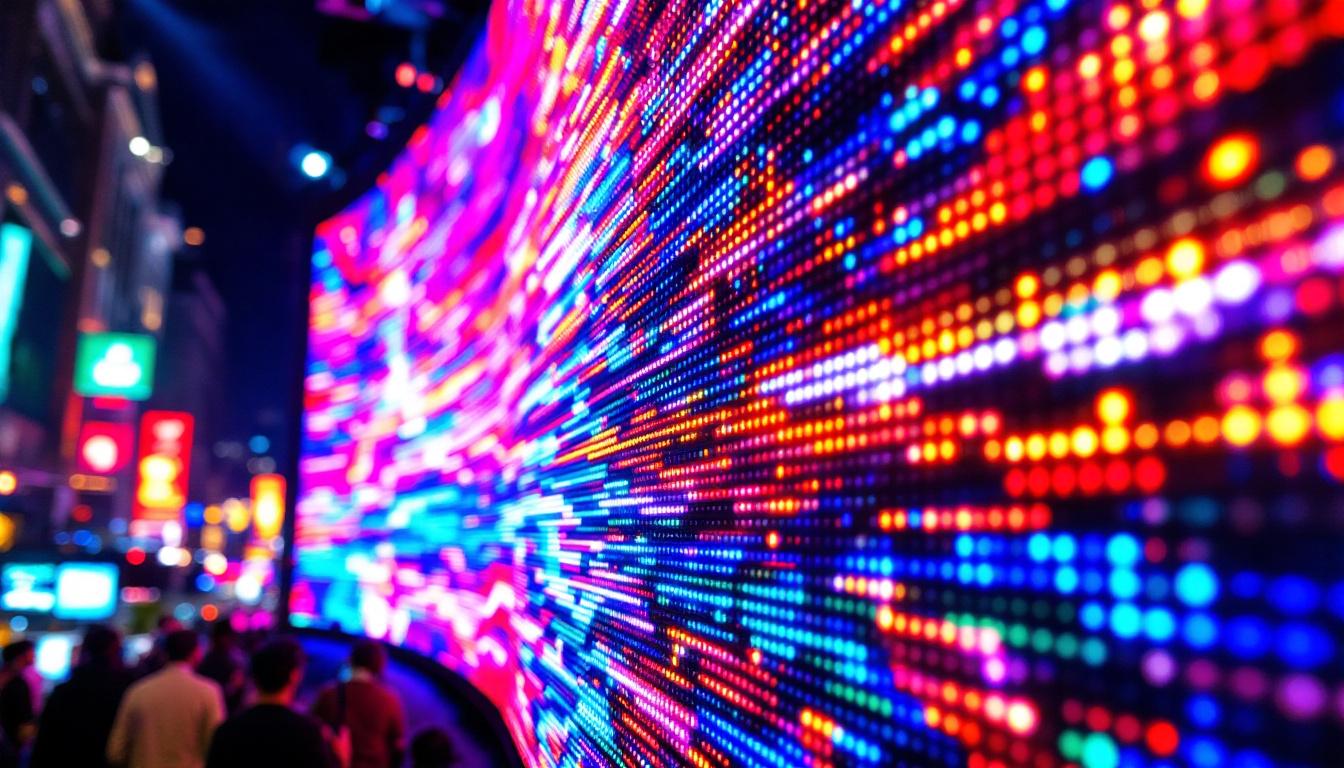
At the heart of every LED display are the LED modules, which consist of clusters of LEDs grouped to form pixels. Each pixel typically contains red, green, and blue LEDs (RGB), which combine in varying intensities to produce a full spectrum of colors. The precision control of these LEDs allows for high-resolution, full-color images. This technology has revolutionized the way visual content is presented, enabling vibrant displays that can capture attention in a crowded environment.
The pixel pitch, defined as the distance between the centers of two adjacent pixels, is a critical specification. Smaller pixel pitches mean higher resolution and sharper images, especially important for close-up viewing in indoor environments. For example, a pixel pitch of 1.2 mm is common in high-end indoor displays, while outdoor billboards might have a pitch of 10 mm or more. Additionally, advancements in LED technology have led to the development of microLED and miniLED displays, which offer even finer pixel pitches and improved brightness and contrast ratios, making them suitable for a wider range of applications, from retail displays to art installations.
Control Systems and Software
LED displays require sophisticated control systems to manage content delivery, color calibration, and synchronization. These systems include video processors, controllers, and software platforms that enable real-time content updates and scheduling. The complexity of these systems allows for seamless integration with various media sources, ensuring that content can be displayed in a dynamic and engaging manner.
Modern digital signage solutions often integrate cloud-based content management systems (CMS), allowing operators to remotely update and monitor displays. This flexibility is essential for businesses that need to deliver timely promotions, emergency alerts, or dynamic information across multiple locations. Furthermore, the use of advanced analytics tools within these CMS platforms enables businesses to track viewer engagement and optimize content strategies based on real-time data. This capability not only enhances the effectiveness of advertising campaigns but also ensures that the content remains relevant and impactful, fostering a more interactive experience for the audience.
Advantages of LED Displays in Digital Signage
Brightness and Visibility
One of the most significant advantages of LED displays is their exceptional brightness. LEDs can achieve luminance levels exceeding 5,000 nits, making them easily visible even under direct sunlight. This is a crucial factor for outdoor digital signage, where ambient light conditions can vary dramatically.
High brightness also contributes to better contrast and color saturation, enhancing the overall visual impact. For indoor environments, adjustable brightness ensures comfortable viewing without glare or eye strain.
Energy Efficiency and Longevity
Compared to other display technologies, LED displays are highly energy-efficient. LEDs consume less power because they emit light directly, avoiding the energy losses associated with backlighting in LCDs or the heat generation in projection systems.
Additionally, LEDs have a long operational lifespan, often rated between 50,000 to 100,000 hours. This durability reduces maintenance costs and downtime, making LED displays a cost-effective investment over time.
Flexibility and Customization
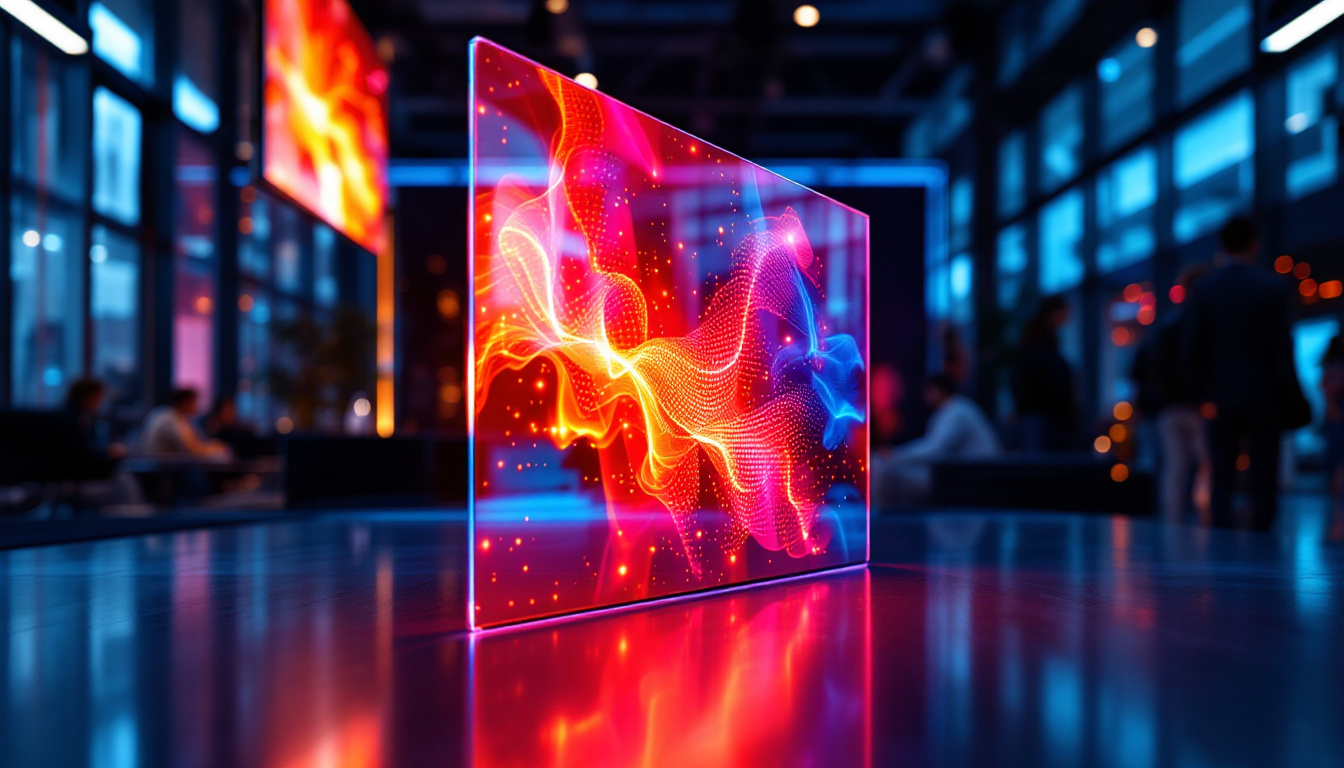
LED displays offer unparalleled flexibility in size and shape. They can be custom-built to fit curved surfaces, irregular spaces, or even transparent installations that blend seamlessly with architectural elements.
This adaptability enables creative digital signage solutions, from immersive retail experiences to large-scale advertising installations. Furthermore, modular designs allow for easy scaling and maintenance, as individual panels can be replaced without dismantling the entire display.
Applications of LED Displays in Digital Signage
Retail and Advertising
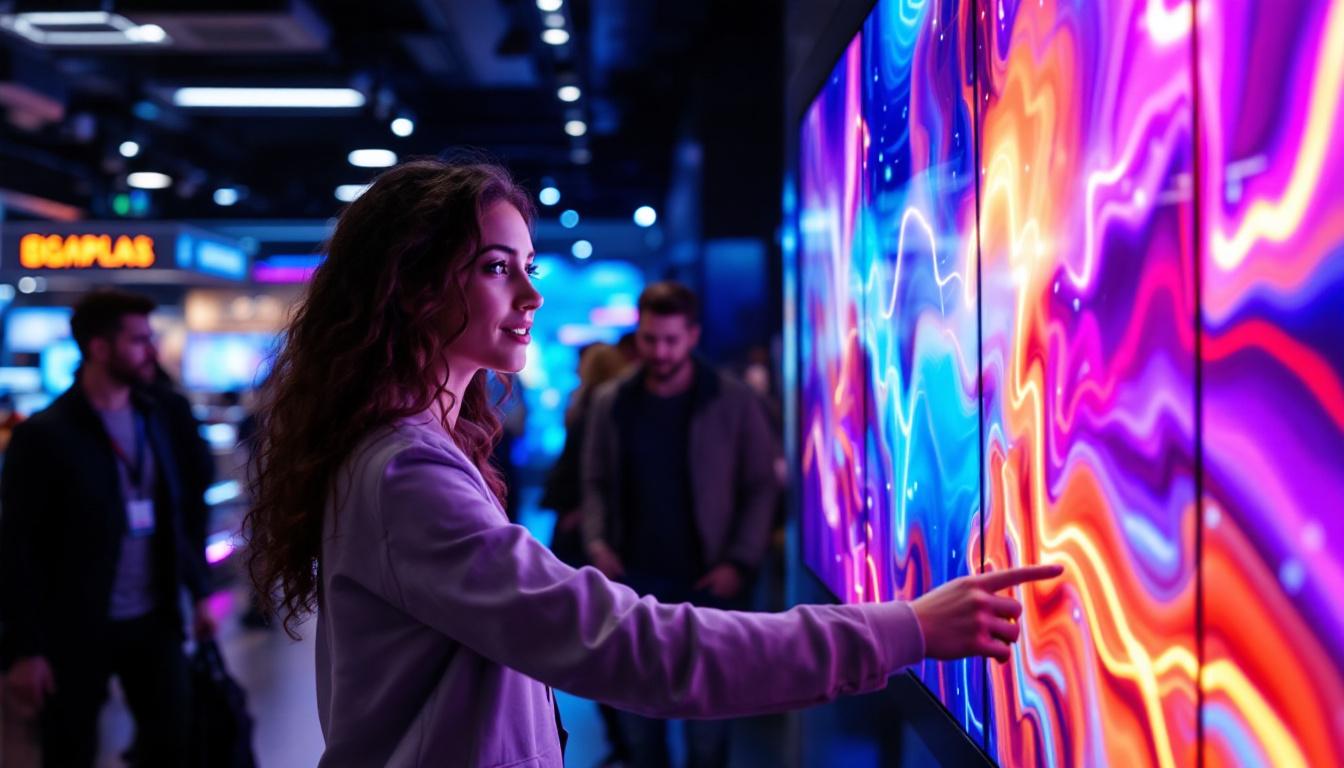
Retailers leverage LED displays to attract customers with eye-catching promotions and interactive content. Dynamic digital signage can highlight sales, new products, or brand stories, increasing engagement and driving foot traffic.
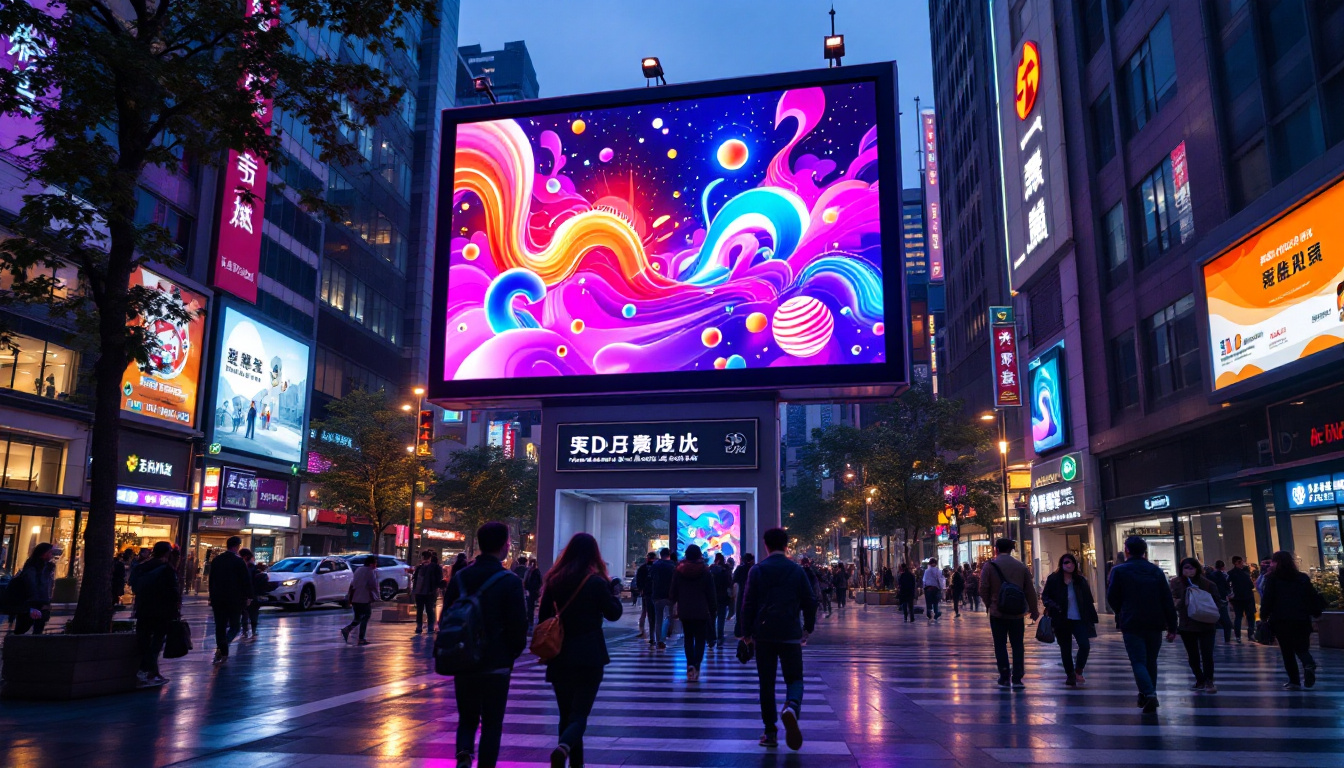
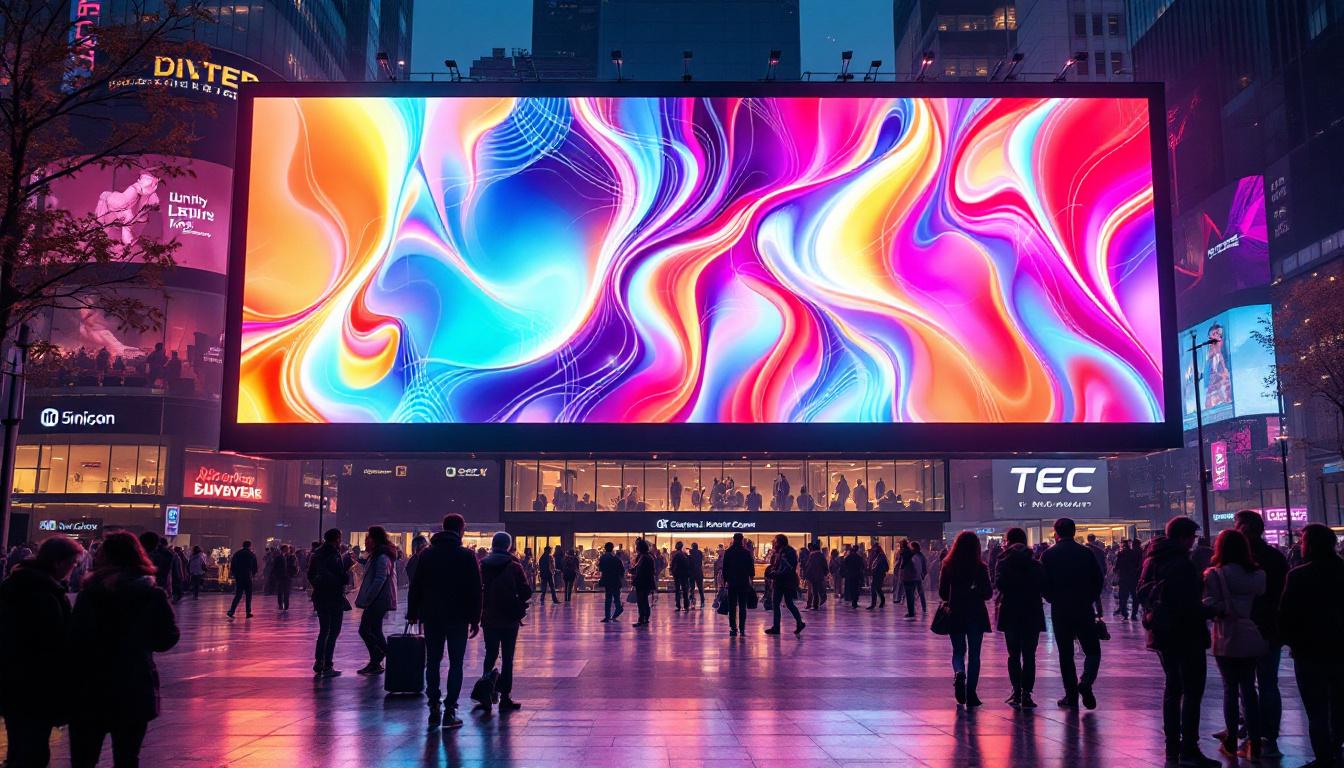
Outdoor LED billboards dominate urban advertising, offering advertisers the ability to update campaigns instantly and target specific audiences based on time of day or events. For example, Times Square in New York City is renowned for its massive LED displays that create a vibrant advertising ecosystem.
Transportation and Public Spaces
Airports, train stations, and bus terminals utilize LED displays for real-time information such as arrivals, departures, and safety messages. The high visibility and reliability of LED technology ensure passengers receive critical updates promptly.
In public spaces, LED displays serve as digital art canvases, event announcements, or emergency alert systems. Their ability to operate continuously in various weather conditions makes them ideal for these applications.
Corporate and Educational Environments
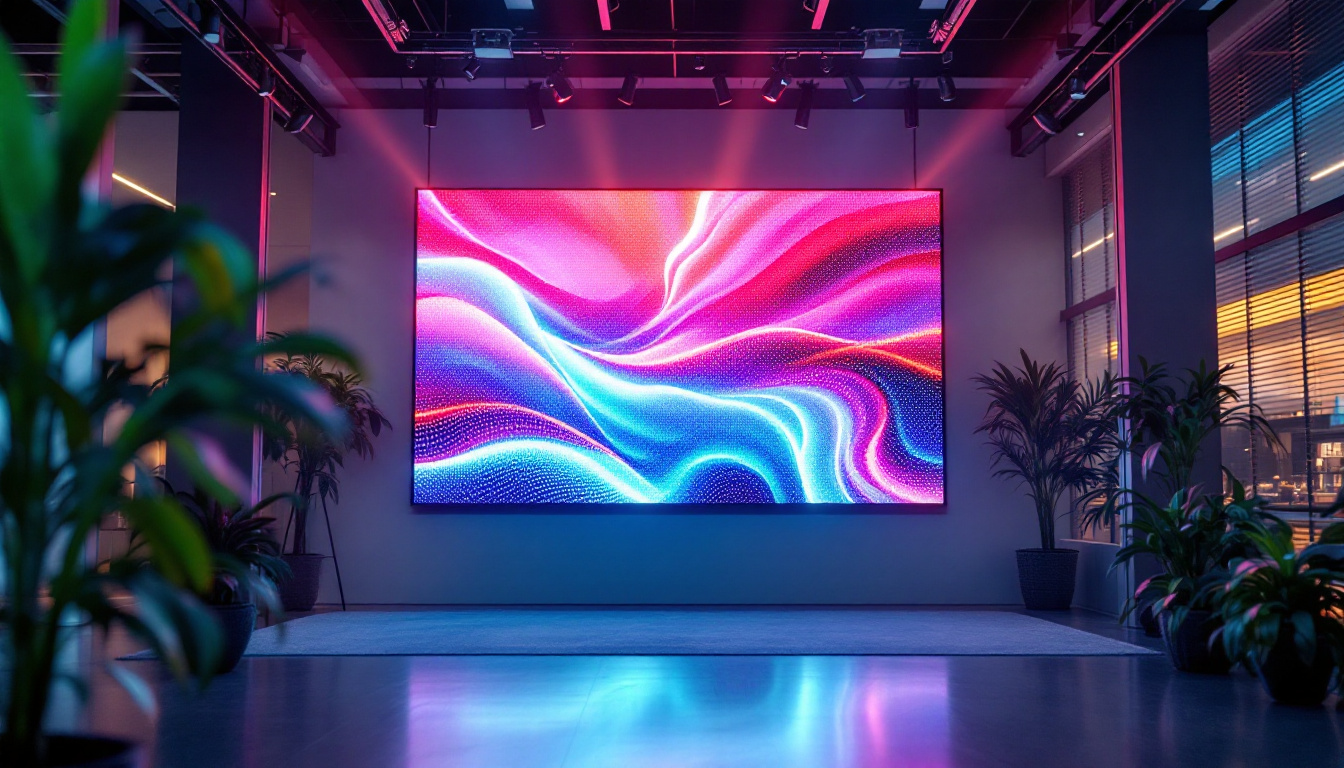
In corporate settings, LED displays enhance communication through digital directories, meeting room schedules, and live event streaming. They also contribute to brand identity by showcasing company values and achievements.
Educational institutions use LED signage for campus navigation, event promotion, and emergency notifications. The versatility of LED displays supports diverse content formats, from videos to interactive presentations.
Challenges and Considerations When Choosing LED Displays
Cost and Budgeting
While LED displays offer many benefits, initial investment costs can be significant, especially for high-resolution or large-scale installations. It’s important to balance desired features with budget constraints and consider long-term operational savings.
Cost factors include pixel pitch, display size, installation complexity, and control system capabilities. Engaging with experienced vendors and conducting thorough needs assessments can help optimize expenditure.
Installation and Maintenance
Proper installation is critical to ensure optimal performance and longevity of LED displays. Factors such as structural support, weatherproofing for outdoor units, and electrical requirements must be carefully planned.
Maintenance involves routine cleaning, software updates, and occasional repairs. Modular LED panels simplify maintenance by allowing targeted replacements, minimizing disruption.
Content Strategy and Management
Effective digital signage goes beyond hardware; compelling content is essential to engage audiences. Organizations should develop a content strategy aligned with their communication goals, incorporating dynamic, relevant, and visually appealing material.
Utilizing advanced CMS platforms enables streamlined content scheduling, audience targeting, and performance analytics, maximizing the impact of LED displays.
The Future of LED Displays in Digital Signage
Emerging Technologies and Trends
The LED display market continues to innovate with advancements such as MicroLED and mini-LED technologies, which promise higher resolution, better color accuracy, and improved energy efficiency. These developments are set to redefine digital signage capabilities.
Integration with artificial intelligence (AI) and Internet of Things (IoT) devices is also gaining traction, enabling personalized content delivery and interactive experiences. For example, AI-powered analytics can tailor advertisements based on audience demographics detected in real time.
Sustainability and Environmental Impact
As sustainability becomes a priority, LED displays are evolving to reduce environmental footprints. Energy-efficient designs, recyclable materials, and smarter power management contribute to greener digital signage solutions.
Organizations adopting LED technology can align their communication strategies with corporate social responsibility goals, appealing to environmentally conscious consumers.
Conclusion
LED displays have revolutionized digital signage by offering bright, durable, and versatile solutions that engage audiences across diverse settings. Understanding the technology, benefits, and practical considerations is essential for businesses and organizations aiming to harness the full potential of LED signage.
As LED technology advances and integrates with emerging digital trends, the future of digital signage promises even more dynamic, interactive, and sustainable visual communication. Investing in LED displays today positions organizations at the forefront of this exciting evolution.
Explore Cutting-Edge LED Display Solutions with LumenMatrix
Ready to elevate your visual communication with the latest in LED display technology? Discover LumenMatrix’s innovative range of LED display modules, designed to bring your brand to life and captivate your audience. From vibrant Indoor and Outdoor LED Wall Displays to dynamic Vehicle and Sports LED Displays, our solutions are tailored to meet your unique needs. Experience the future of digital signage with our Custom, All-in-One, and Transparent LED Displays. Check out LumenMatrix LED Display Solutions today and join the revolution in visual storytelling.