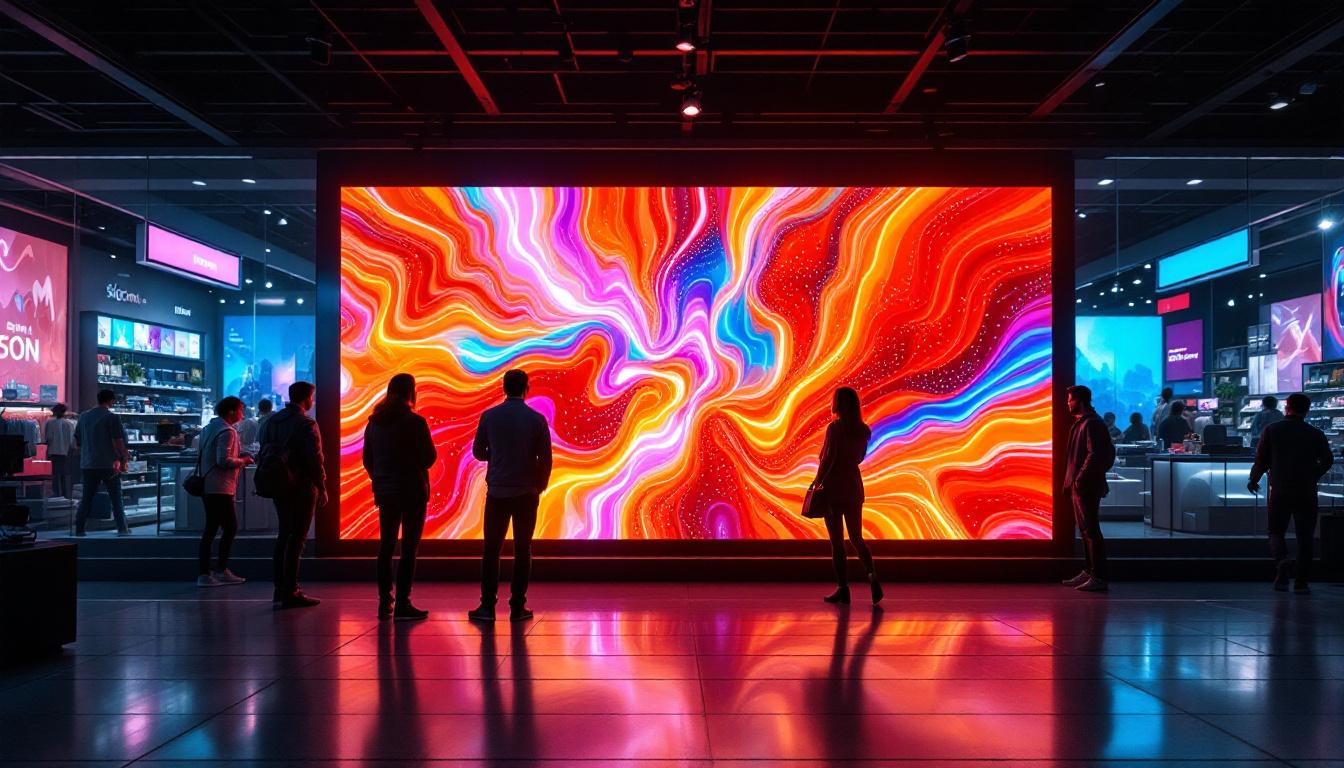
In the fast-evolving landscape of retail, capturing consumer attention is more challenging—and more critical—than ever. Among the many tools retailers use to engage shoppers, LED displays have emerged as a powerful medium. From vibrant storefront signage to dynamic in-store promotions, LED technology is transforming how brands communicate with their customers. This article delves into the world of LED displays in retail, exploring their technology, benefits, applications, and future trends.
Understanding LED Display Technology
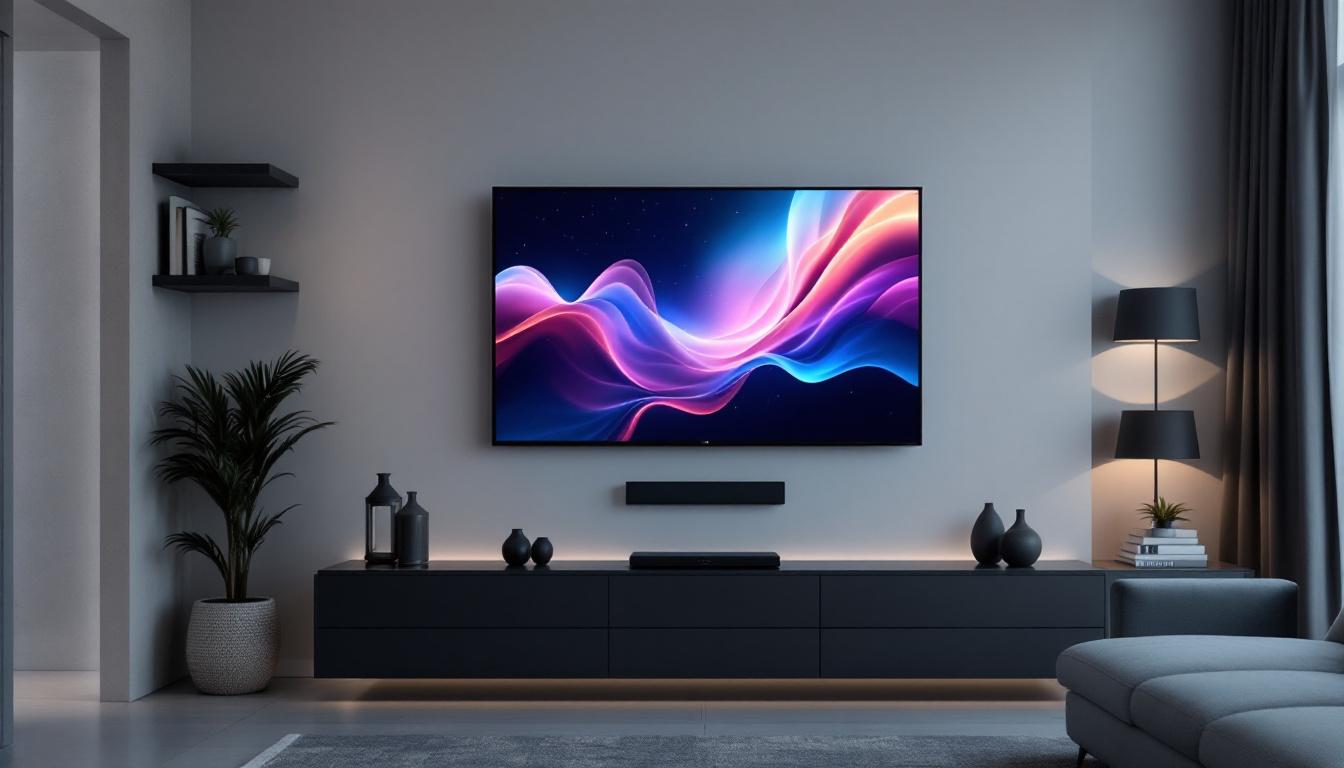
LED, or Light Emitting Diode, displays are screens that use tiny semiconductor devices to emit light when an electric current passes through them. Unlike traditional LCD or plasma screens, LEDs produce their own light, which allows for higher brightness, better contrast, and more vivid colors. This self-illuminating characteristic not only enhances the visual experience but also contributes to energy efficiency, making LED displays a popular choice in various applications, from home entertainment systems to large-scale advertising installations.
The core advantage of LED displays lies in their modular design. Individual LED modules can be combined to create screens of virtually any size and shape, enabling retailers to customize displays to fit unique spaces and creative visions. These modules consist of clusters of red, green, and blue LEDs that blend to generate a full spectrum of colors. This flexibility allows businesses to create dynamic and eye-catching installations, such as curved screens or interactive displays, that can engage customers in innovative ways. Moreover, the ability to easily replace or upgrade individual modules means that maintenance is simplified, reducing downtime and costs for businesses.
LED displays come in two primary types: direct view LED and LED-backlit LCD. Direct view LED displays are made entirely of LEDs and are typically used for large-scale signage, such as billboards and outdoor screens. These displays can be seen from great distances, making them ideal for advertising in busy urban environments. LED-backlit LCDs, on the other hand, are traditional LCD screens illuminated by an LED light source, common in smaller digital signage. This type of display offers a balance between quality and affordability, making it suitable for a wide range of applications, from corporate presentations to retail promotions.
Pixel Pitch and Resolution
One key technical specification in LED displays is the pixel pitch, which refers to the distance between the centers of two adjacent pixels. The smaller the pixel pitch, the higher the resolution and image clarity, especially at close viewing distances. For indoor retail environments, pixel pitches typically range from 1.2mm to 4mm, ensuring crisp visuals even when customers are standing just a few feet away. This high resolution is particularly beneficial for displaying detailed graphics and videos, allowing brands to convey their messages with precision and impact. As technology advances, manufacturers continue to push the boundaries of pixel pitch, leading to even finer resolutions that can transform the way content is experienced.
Brightness and Viewing Angles
LED displays are renowned for their exceptional brightness, often exceeding 1,000 nits for indoor screens and reaching up to 5,000 nits or more for outdoor applications. This brightness ensures visibility even in direct sunlight, a crucial factor for storefront displays. Additionally, LEDs offer wide viewing angles—commonly around 160 to 170 degrees horizontally and vertically—allowing shoppers to see vibrant images clearly from multiple positions within a store. This feature is particularly advantageous in retail settings, where customer movement is constant, and the ability to attract attention from various angles can significantly influence purchasing decisions. Furthermore, advancements in LED technology have led to improved color accuracy and uniformity across the display, ensuring that the visuals remain consistent and appealing, regardless of the viewer’s position. As a result, businesses can create immersive environments that draw customers in and enhance their overall shopping experience.
Why LED Displays Are Ideal for Retail Environments
Retail spaces demand dynamic, eye-catching visual solutions that can adapt quickly to changing promotions, seasons, and customer preferences. LED displays meet these needs with a combination of technical performance and practical benefits.
Enhanced Customer Engagement
Studies show that digital signage, particularly LED displays, can increase customer engagement by up to 30%. The bright, colorful, and motion-rich content naturally draws attention, encouraging shoppers to linger longer and absorb promotional messages. This heightened engagement often translates into higher sales and improved brand recall.
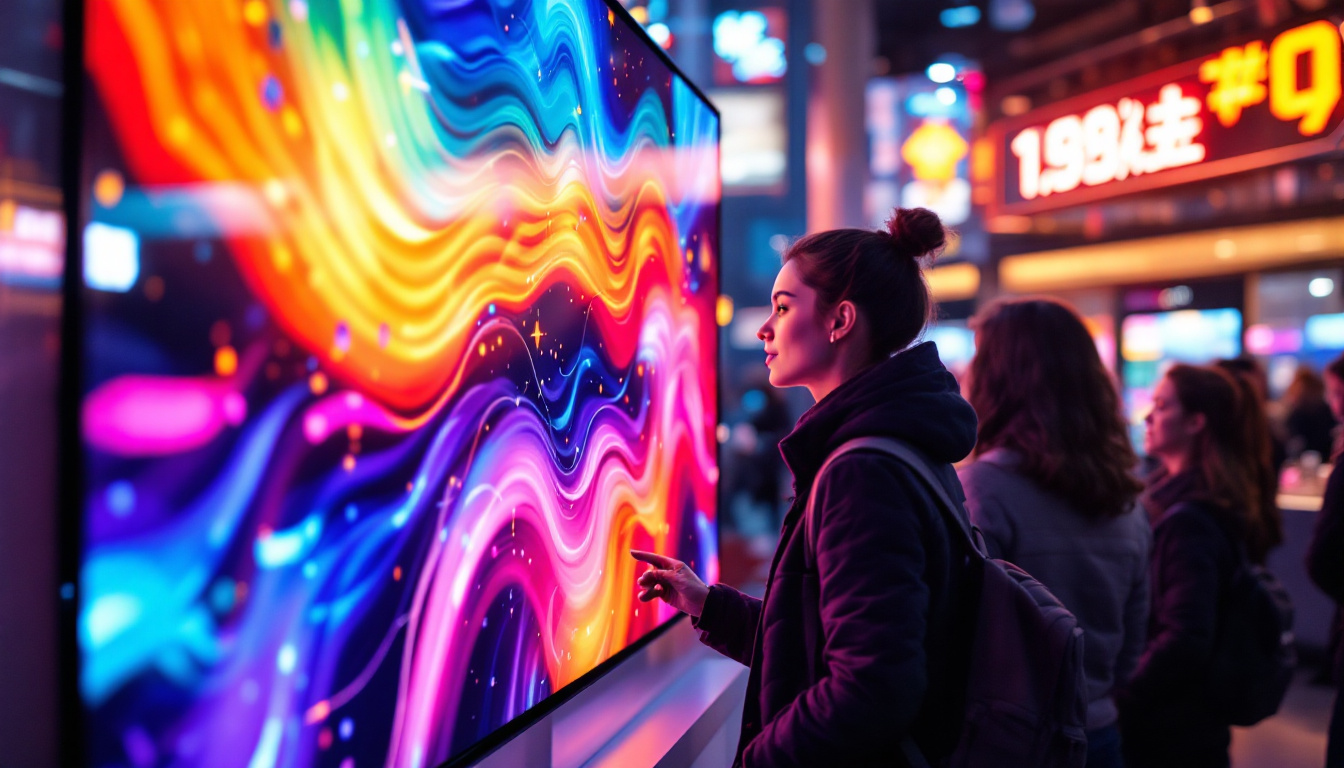
For example, a fashion retailer might use an LED video wall to showcase runway footage or influencer endorsements, creating an immersive shopping experience that static posters cannot match. Additionally, interactive LED displays can further captivate customers by allowing them to engage directly with the content, such as browsing through product catalogs or participating in social media contests. This interactivity not only enhances the shopping experience but also fosters a sense of community and connection with the brand.
Flexibility and Real-Time Content Updates
Unlike printed signage, LED displays allow retailers to update content instantly and remotely. This flexibility is invaluable for responding to inventory changes, flash sales, or time-sensitive announcements. Retailers can schedule content to change throughout the day, tailoring messages to different customer segments or peak shopping hours.
Moreover, LED displays can integrate with inventory management systems and customer data platforms to deliver personalized promotions, further enhancing the shopping experience. For instance, if a store notices a spike in interest for a particular product, they can quickly highlight it on their LED displays, ensuring that customers are aware of its availability. This real-time adaptability not only maximizes sales opportunities but also allows retailers to stay ahead of trends and customer demands.
Durability and Energy Efficiency
LED technology is highly durable, with displays designed to withstand the rigors of retail environments, including temperature fluctuations, dust, and continuous operation. Many LED panels boast lifespans exceeding 100,000 hours, minimizing maintenance costs.
Energy efficiency is another significant advantage. LEDs consume considerably less power than traditional lighting and display technologies, reducing operational expenses and supporting sustainability initiatives—an increasingly important consideration for modern retailers. Furthermore, the reduced heat output of LED displays can lead to lower air conditioning costs, creating a more comfortable shopping environment. As consumers become more environmentally conscious, showcasing a commitment to energy efficiency can also enhance a brand’s reputation and appeal to eco-minded shoppers.
Applications of LED Displays in Retail
LED displays have found diverse applications across the retail sector, each leveraging the technology’s unique strengths to enhance the customer journey.
Storefront and Window Displays
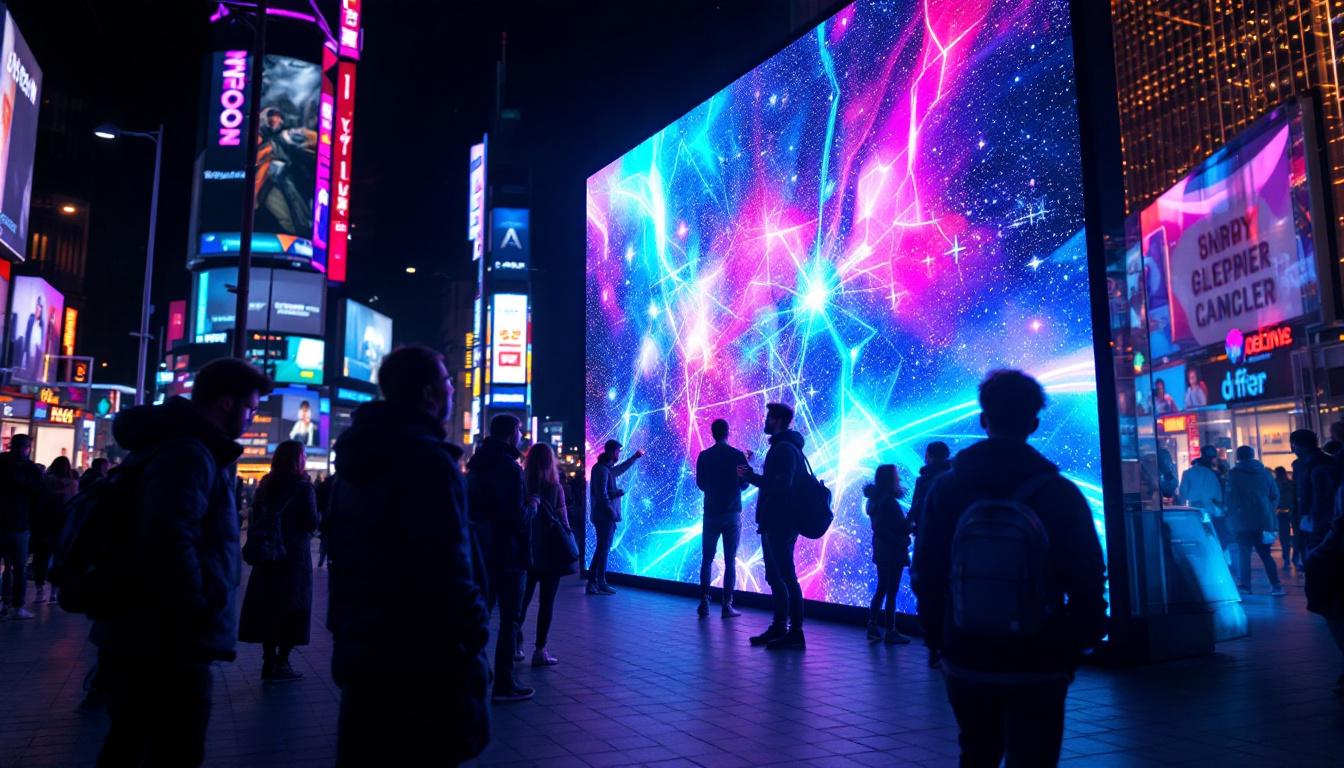
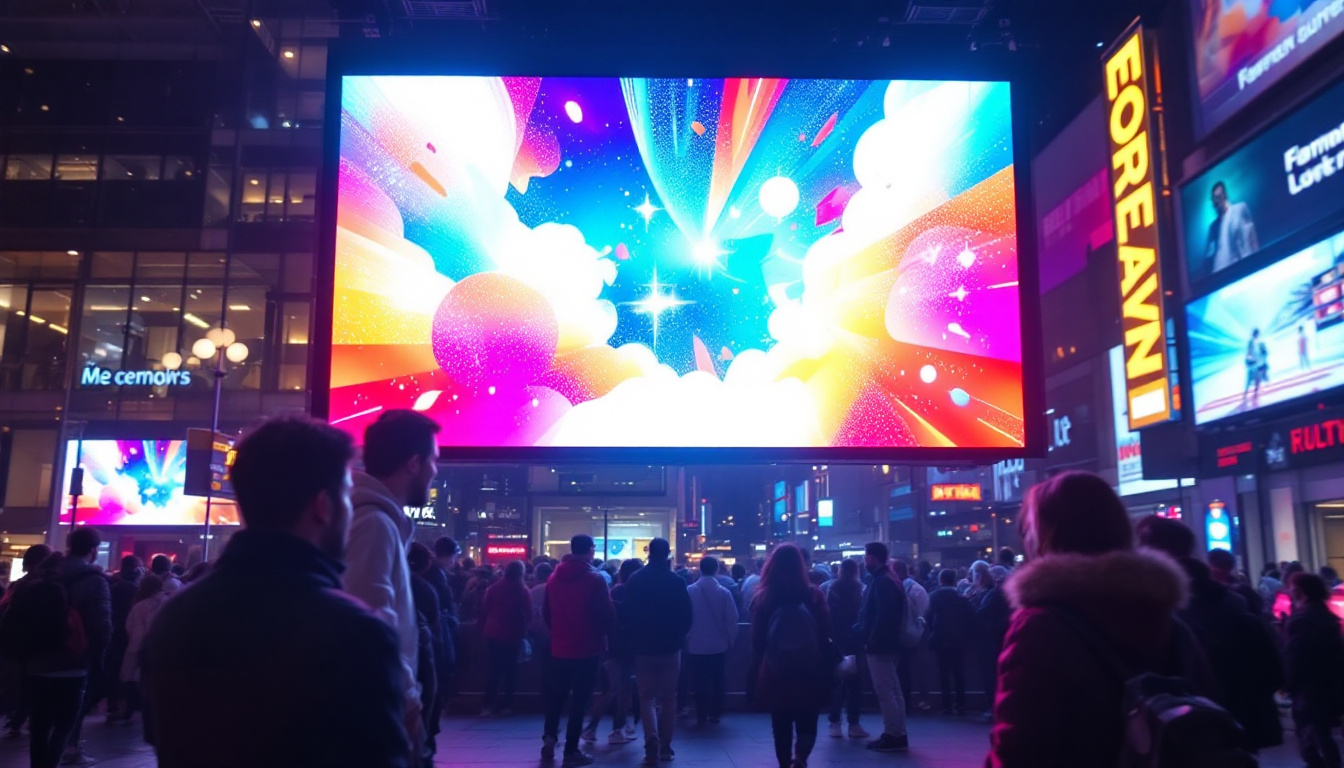
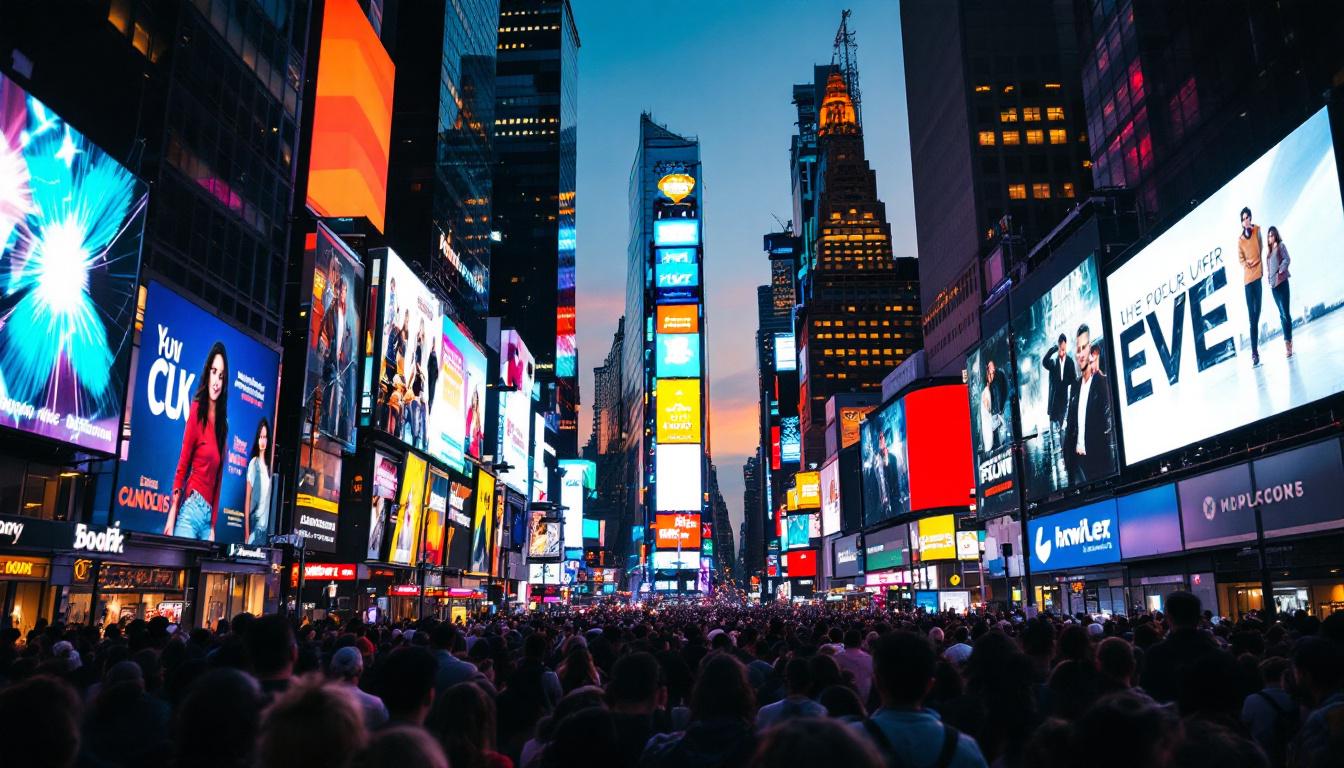
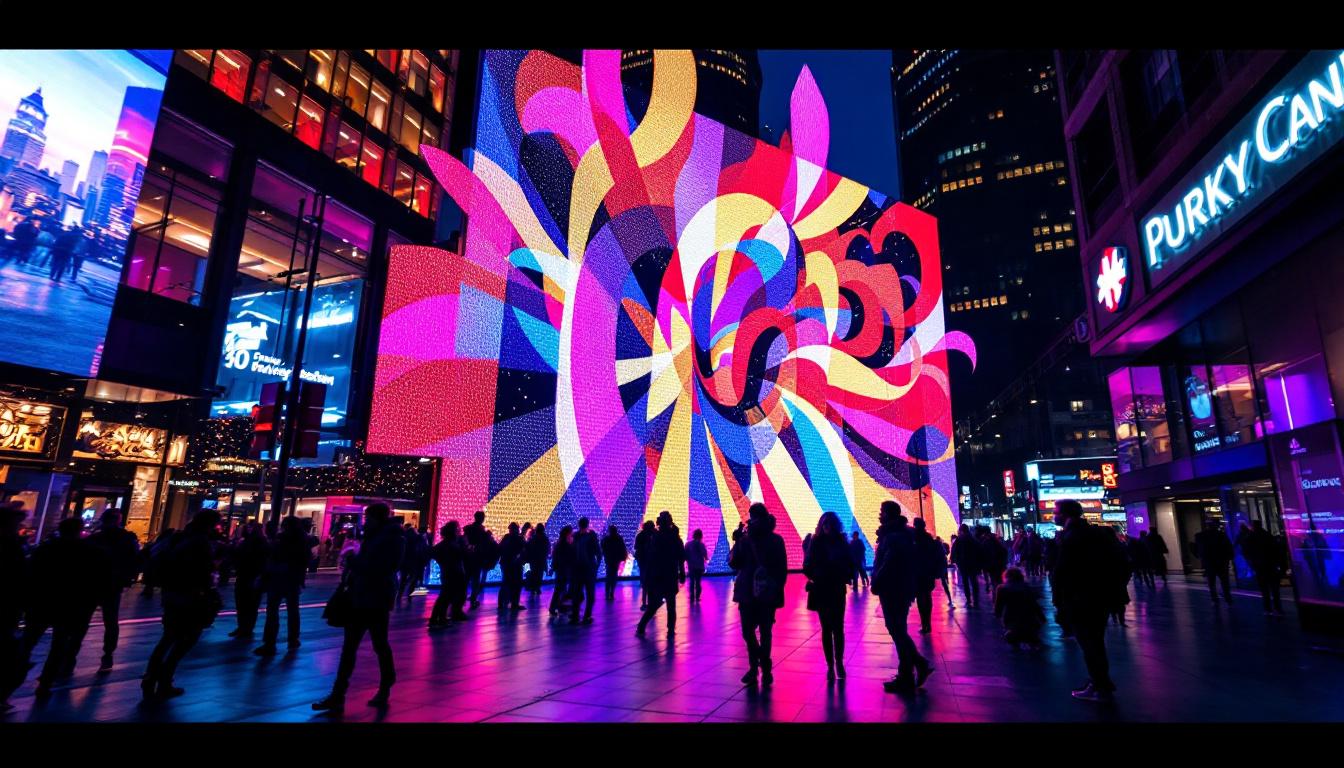
One of the most visible uses of LED displays is in storefront windows. Large-format LED video walls can transform a store’s facade into a dynamic billboard, attracting foot traffic and communicating brand identity. These displays are especially effective in high-traffic urban areas, where competition for attention is fierce.
For instance, luxury brands often use high-resolution LED screens to showcase product launches or seasonal collections, creating a sense of exclusivity and excitement.
In-Store Digital Signage
Inside the store, LED displays serve multiple roles—from directional signage and price tags to promotional screens and interactive kiosks. Retailers can create thematic zones with coordinated LED content, guiding customers through the store and highlighting special offers.
Interactive LED touchscreens enable customers to browse product catalogs, check stock availability, or access loyalty program information, blending digital convenience with physical shopping.
Pop-Up Shops and Temporary Installations
Pop-up retail has grown significantly in recent years, and LED displays are ideal for these temporary setups. Their lightweight, modular design allows for quick installation and dismantling, while their visual impact helps new or seasonal brands stand out in crowded marketplaces.
Outdoor Advertising and Event Marketing
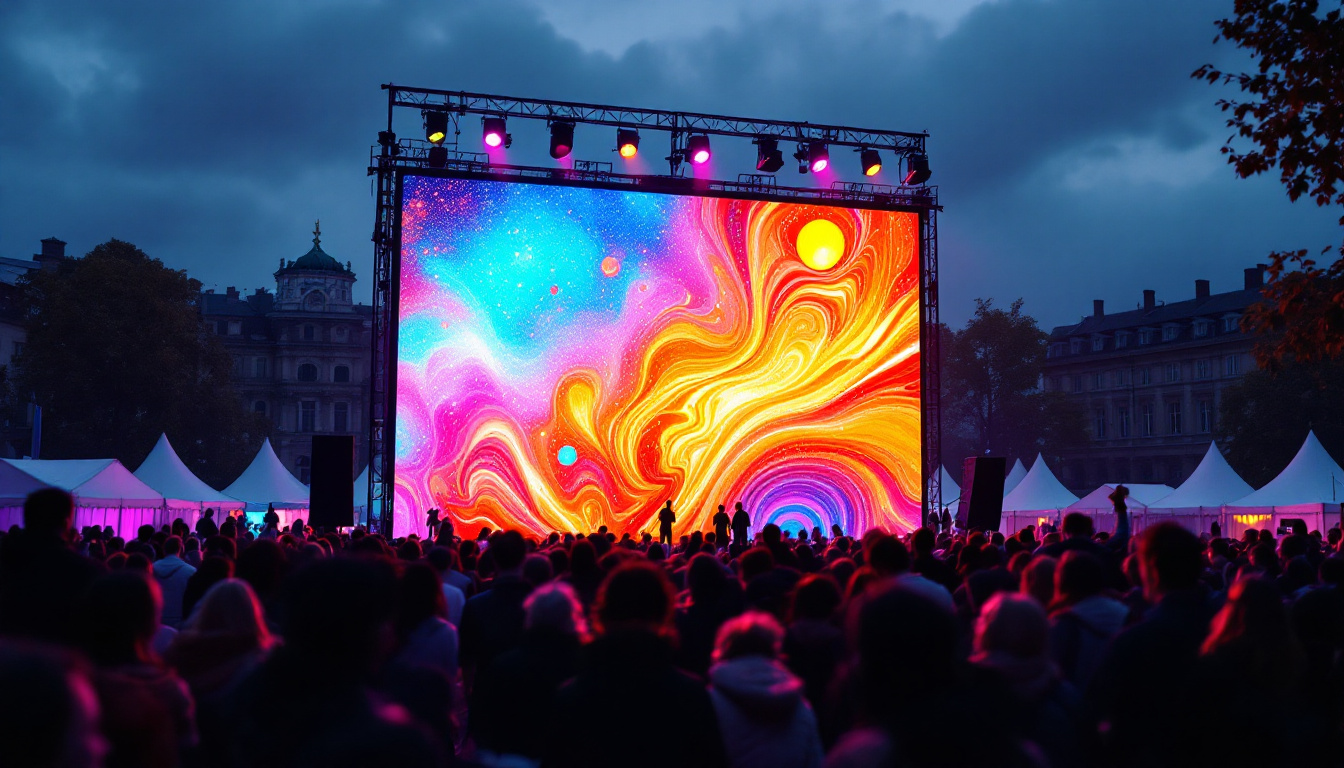
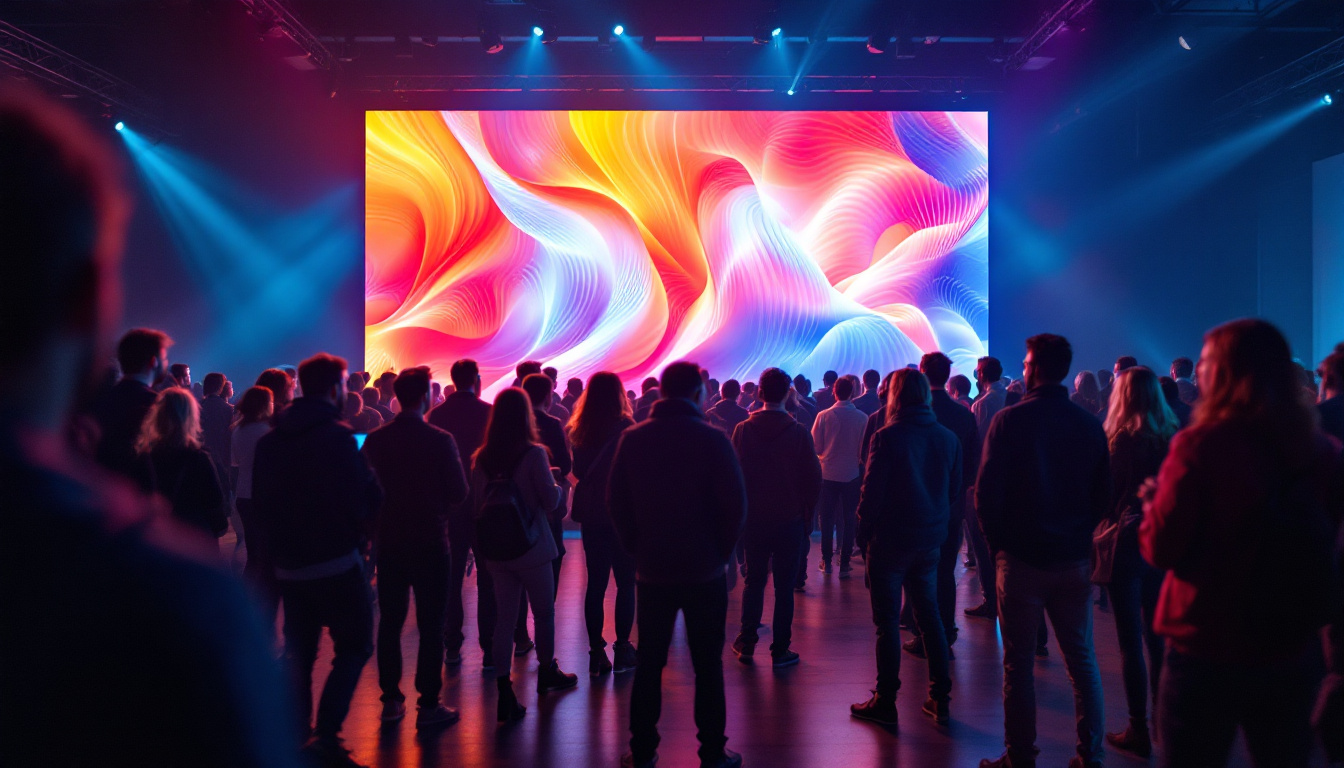
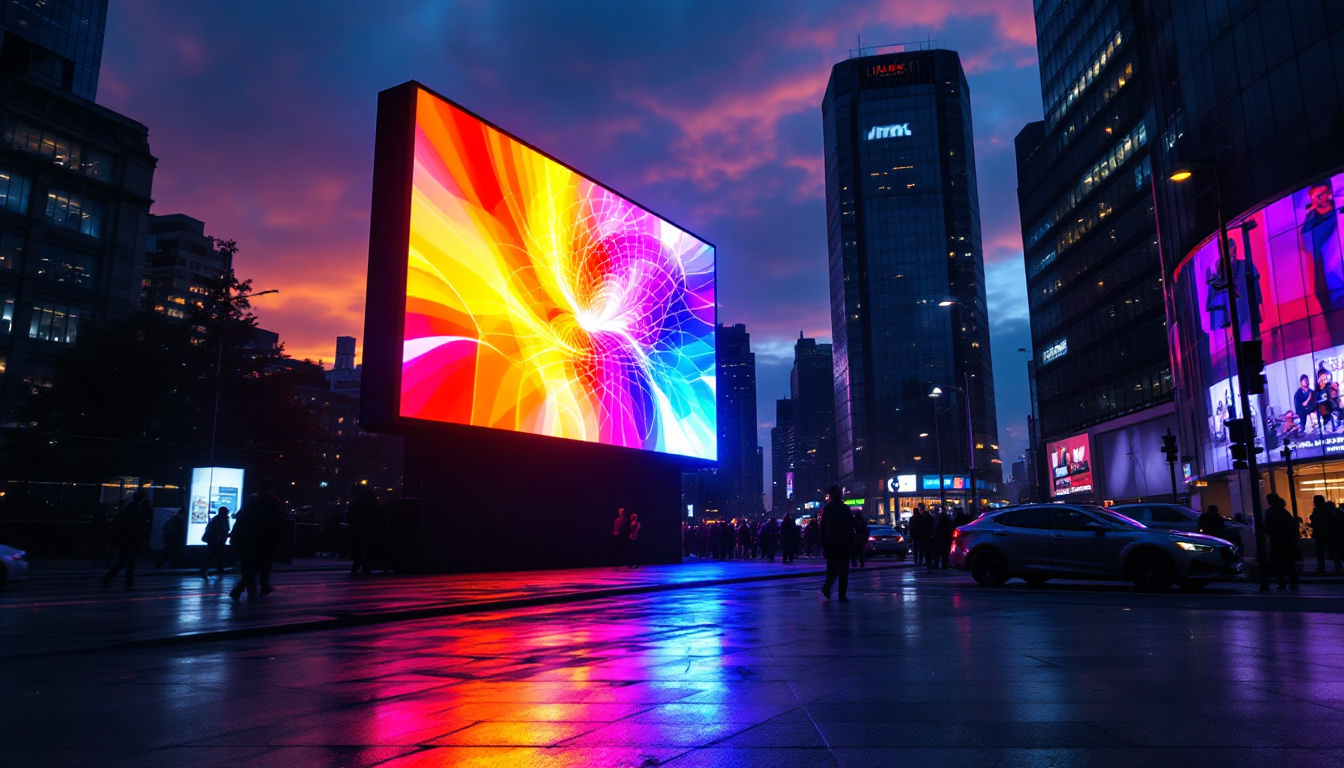
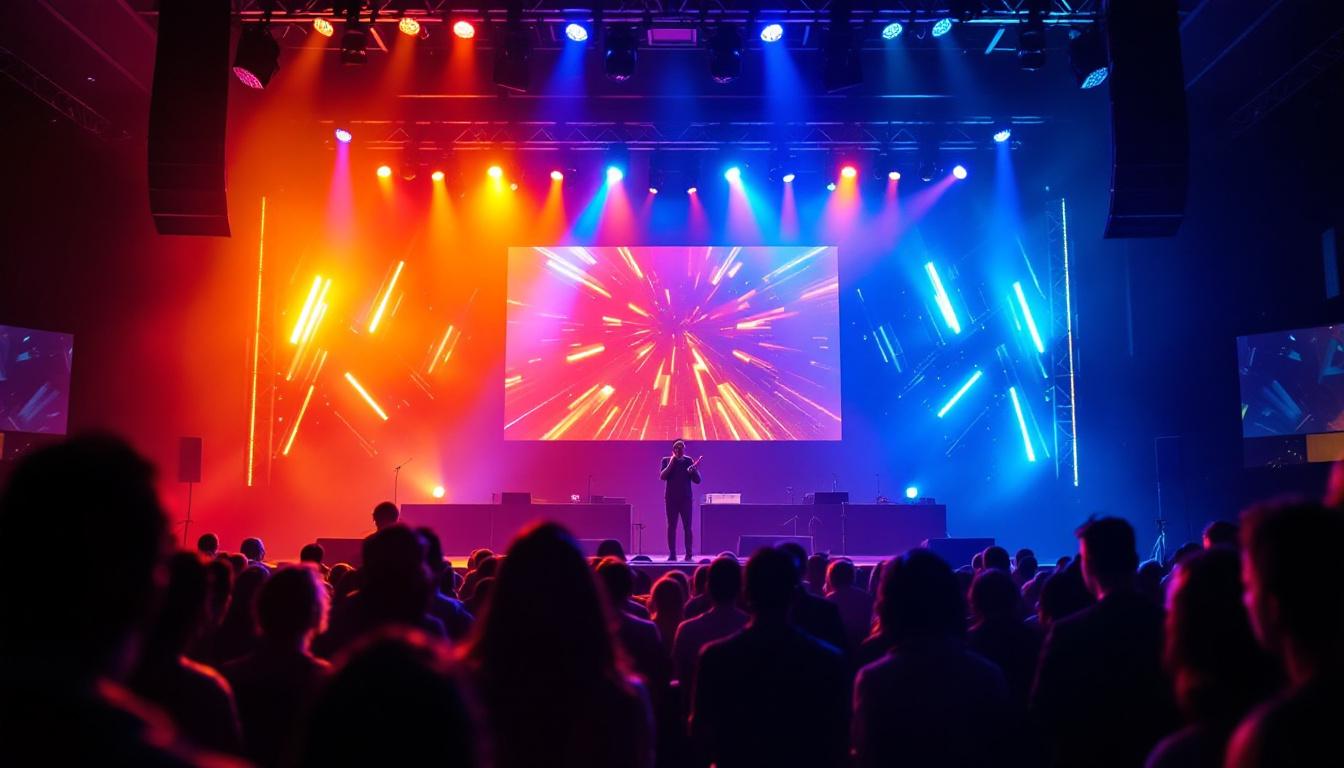
Beyond the immediate retail environment, LED displays are also used for outdoor advertising campaigns and event marketing. Retailers sponsoring events or launching new products can deploy LED screens to create immersive brand experiences that extend beyond the store walls.
Key Considerations When Choosing LED Displays for Retail
Selecting the right LED display solution requires careful consideration of multiple factors to ensure optimal performance and return on investment.
Location and Environment
The display’s physical location influences its technical requirements. Outdoor screens must be weatherproof and capable of high brightness to combat sunlight glare, while indoor displays prioritize higher resolution and color accuracy for close-up viewing.
Content Strategy
Effective use of LED displays depends on a well-planned content strategy. Retailers should consider the types of content to be displayed, frequency of updates, and integration with other marketing channels. Content management systems (CMS) that support scheduling, remote control, and analytics are essential tools.
Budget and Total Cost of Ownership
While LED displays can be a significant upfront investment, their durability and energy efficiency often lead to lower total cost of ownership over time. Retailers should evaluate installation costs, maintenance, software licenses, and potential upgrades when budgeting.
Compliance and Accessibility
Retailers must ensure that LED displays comply with local regulations regarding brightness, flicker, and accessibility. Additionally, content should be designed to be inclusive, considering factors such as readability and color contrast for all customers.
The Future of LED Displays in Retail
As technology advances, LED displays are poised to become even more integral to retail experiences. Emerging trends include:
Integration with Artificial Intelligence and Analytics
AI-powered LED displays can adapt content in real-time based on customer demographics, behavior, and environmental factors. For example, facial recognition technology can trigger personalized promotions, while heat maps track engagement to optimize content placement.
Higher Resolution and Flexible Form Factors
Innovations in micro-LED and mini-LED technologies promise even higher resolution and thinner, more flexible displays. This will enable retailers to incorporate LED screens into unconventional surfaces, such as curved shelving or wearable signage.
Sustainability and Energy Management
With growing emphasis on sustainability, future LED displays will likely feature enhanced energy-saving modes, recyclable materials, and smarter power management systems, aligning retail technology with environmental goals.
Conclusion
LED displays have revolutionized retail by offering vibrant, flexible, and durable visual solutions that enhance customer engagement and drive sales. Their ability to deliver dynamic content in any environment—from storefronts to in-store promotions—makes them indispensable tools for modern retailers seeking to differentiate themselves in a competitive marketplace.
By understanding the technology, applications, and strategic considerations outlined in this article, retail professionals can make informed decisions about incorporating LED displays into their marketing and operational strategies, ensuring a compelling and future-proof customer experience.
Illuminate Your Retail Space with LumenMatrix
Ready to elevate your retail environment with the vibrant, dynamic appeal of LED displays? Discover how LumenMatrix’s innovative LED solutions can transform your space and captivate your audience. From the bustling storefront to the heart of your in-store experience, our range of Indoor and Outdoor LED Wall Displays, Vehicle LED Displays, and more are designed to make your brand shine. Embrace the future of visual communication and check out LumenMatrix LED Display Solutions today to create unforgettable customer engagements.