In an era where digital privacy is increasingly paramount, desktop privacy panels have emerged as essential accessories for professionals and everyday users alike. These panels, often integrated with or attached to LED displays, help safeguard sensitive information from prying eyes in open office environments, public spaces, and even at home. Understanding how these privacy panels work, especially in conjunction with LED technology, is crucial for making informed purchasing decisions and optimizing workspace security.
What Are Desktop Privacy Panels?
Desktop privacy panels are physical filters or screens designed to limit the viewing angle of a computer monitor or laptop display. By narrowing the field of view, these panels prevent anyone not directly in front of the screen from seeing its contents clearly. This simple yet effective technology helps protect sensitive data, confidential documents, and personal information from shoulder surfing and accidental exposure.
Privacy panels come in various forms, including attachable filters, built-in screen protectors, and even privacy-enhancing monitor designs. They are particularly popular in industries such as finance, healthcare, legal services, and government, where data confidentiality is mandated by regulations like HIPAA, GDPR, and others.
In addition to their primary function of safeguarding sensitive information, desktop privacy panels can also enhance user comfort by reducing glare and reflections from ambient light. This can lead to a more pleasant working environment, especially in open office spaces where distractions are prevalent. Many users find that these panels not only protect their data but also improve their overall productivity by allowing them to focus more intently on their tasks without the worry of prying eyes.
Moreover, the technology behind privacy panels has evolved significantly over the years. Modern options often incorporate advanced materials that not only block unwanted views but also provide additional benefits such as anti-blue light features, which can help reduce eye strain during prolonged use. Some privacy panels are even designed to be easily removable, allowing users to switch between privacy and standard viewing modes depending on their current needs. This flexibility makes them a versatile tool for anyone looking to maintain a secure and comfortable digital workspace.
How LED Displays Work and Why Privacy Panels Matter
Understanding LED Display Technology
LED displays have become the standard for desktop monitors due to their superior brightness, energy efficiency, and color accuracy. Unlike older LCD screens that use cold cathode fluorescent lamps (CCFL) as backlights, LED displays utilize light-emitting diodes to illuminate the screen. This technology allows for thinner panels, improved contrast ratios, and better overall visual performance.
LED displays can be categorized into two main types: edge-lit and direct-lit. Edge-lit LED monitors position LEDs along the edges of the screen, while direct-lit models place LEDs directly behind the display panel. Both types offer distinct advantages in terms of brightness uniformity and power consumption.
The Privacy Challenge with LED Screens
While LED displays provide excellent image quality, their high brightness and wide viewing angles can be a double-edged sword when it comes to privacy. Many modern LED monitors are designed to offer wide viewing angles—often up to 178 degrees horizontally and vertically—to accommodate collaborative work and multimedia consumption.
This wide viewing angle makes it easy for someone sitting next to or behind a user to glimpse the screen content, raising privacy concerns in shared or public environments. As a result, privacy panels are critical accessories that help mitigate this risk by restricting the visible area to a narrow, frontal cone.
Types of Desktop Privacy Panels for LED Displays
Attachable Privacy Filters
Attachable privacy filters are the most common type of desktop privacy panels. These filters are thin sheets made from polarized or micro-louvered materials that adhere magnetically, with clips, or via adhesive strips to the front of an LED monitor. They are easy to install and remove, making them ideal for users who need privacy only in certain situations.
High-quality attachable filters often feature anti-glare coatings and blue light reduction properties, enhancing both privacy and eye comfort. They are available in various sizes to fit common monitor dimensions, from compact 13-inch laptops to large 27-inch desktop screens.
Built-in Privacy Screens
Some manufacturers integrate privacy technology directly into the monitor design. These built-in privacy screens use advanced micro-louver technology embedded within the display layers, which automatically narrows the viewing angle without requiring additional accessories.
Monitors with built-in privacy screens are often marketed as “privacy monitors” and are popular in sectors where security is non-negotiable. While these models tend to be more expensive, they provide a seamless user experience without the hassle of attaching or removing filters.
Privacy Screen Protectors for Laptops
Laptop users, who frequently work in cafes, airports, or other public venues, benefit greatly from privacy screen protectors. These are similar to attachable filters but are specifically designed to fit laptop screens, often with a slide-on or magnetic attachment mechanism.
Given the portability of laptops, these privacy protectors are essential for preventing data leaks in mobile work environments. Many also offer scratch resistance and fingerprint reduction features, contributing to overall screen durability and cleanliness.
How Privacy Panels Work: The Science Behind the Screens
At the heart of desktop privacy panels is micro-louver technology, a method that mimics the function of window blinds. Micro-louvers are tiny vertical or horizontal slats embedded in the filter material that block light from certain angles while allowing it to pass through directly in front.
This technology reduces the screen’s viewing angle to approximately 30 to 60 degrees, depending on the filter design. Anyone outside this angle sees a darkened or blurred screen, effectively obscuring the content. The micro-louvers are engineered with precision to maintain the clarity and brightness of the display for the user while maximizing privacy.
In addition to micro-louvers, some privacy panels use polarized films that manipulate light waves to achieve a similar effect. These films can also reduce glare and blue light emissions, contributing to eye comfort during long hours of screen use.
Benefits of Using Desktop Privacy Panels with LED Displays
Enhanced Data Security
Privacy panels provide a straightforward physical barrier against visual hacking, a method where unauthorized individuals gain access to confidential information simply by looking at a screen. This is especially important in open-plan offices, co-working spaces, and public areas where sensitive data is frequently accessed.
According to a 2023 survey by the International Association of Privacy Professionals (IAPP), over 60% of data breaches involved some form of visual data exposure. Implementing privacy panels can significantly reduce this risk by preventing accidental or intentional viewing of sensitive information.
Improved Focus and Reduced Distractions
By limiting the screen’s visibility to the user alone, privacy panels help reduce distractions caused by peripheral movement or nearby conversations. This can enhance concentration and productivity, particularly in busy office environments.
Some studies have shown that employees working in open offices with privacy screens report higher satisfaction and lower stress levels, as they feel more secure and less surveilled.
Eye Comfort and Screen Protection
Many privacy panels come with additional features such as anti-glare coatings and blue light filters. These reduce eye strain and fatigue, which are common complaints among users who spend extended periods in front of LED displays.
Furthermore, privacy panels act as a protective layer against scratches, dust, and fingerprints, helping maintain the longevity and clarity of the LED screen.
Choosing the Right Privacy Panel for Your LED Display
Consider Screen Size and Compatibility
Privacy panels must fit the dimensions of your LED display precisely to be effective. Measure your screen diagonally and check the aspect ratio before purchasing a filter. Many manufacturers provide size guides and compatibility charts to assist in selecting the correct product.
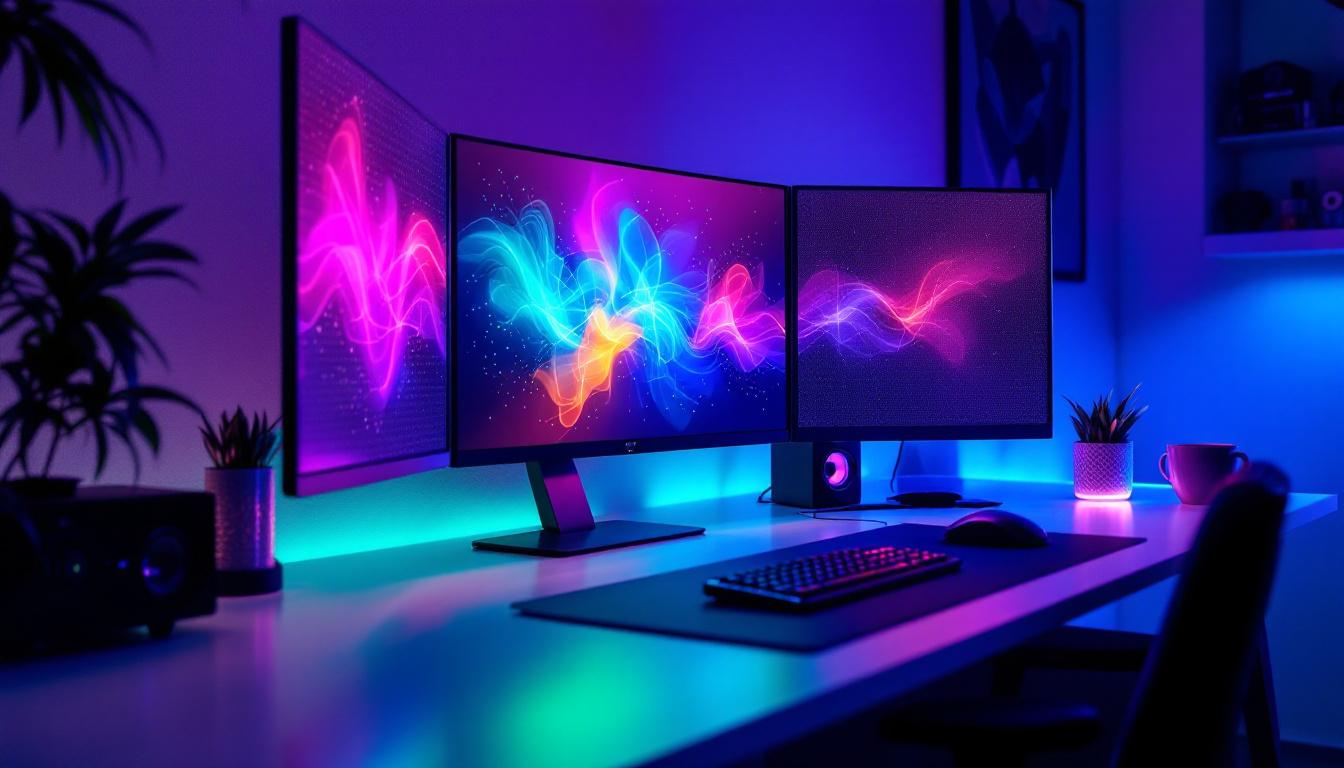
For multi-monitor setups, consider whether you want privacy panels for all screens or just specific ones. Some filters can be customized or trimmed to fit unique screen sizes.
Evaluate Viewing Angle and Privacy Level
Different privacy panels offer varying degrees of viewing angle restriction. If you work with highly sensitive data, opt for filters that narrow the viewing angle to 30 degrees or less. For general privacy needs, a wider angle may suffice and can provide better screen brightness and color fidelity.
Assess Additional Features
Look for privacy panels that include anti-glare, blue light reduction, and scratch-resistant coatings. These features enhance user comfort and screen durability, making the investment more worthwhile.
Also, consider the ease of installation and removal. Magnetic or clip-on filters are convenient for users who frequently move between private and public workspaces.
Installation and Maintenance Tips for Privacy Panels
Installing a privacy panel is typically straightforward. Most attachable filters come with clear instructions and mounting accessories. Ensure the screen is clean before application to avoid trapping dust or bubbles under the filter.
Regular maintenance involves gently cleaning the privacy panel with a microfiber cloth and a screen-safe cleaning solution. Avoid abrasive materials or harsh chemicals that could damage the micro-louvers or coatings.
For built-in privacy screens, follow the manufacturer’s guidelines for cleaning and care to preserve the integrated technology.
Future Trends in Desktop Privacy and LED Technology
As remote work and hybrid office models become more prevalent, the demand for effective privacy solutions continues to grow. Innovations in privacy panel technology are focusing on improving clarity, reducing screen dimming effects, and integrating smart features such as adaptive privacy modes that adjust based on user proximity.
LED display technology is also evolving, with advancements in mini-LED and micro-LED panels promising even higher brightness and contrast ratios. These improvements will require equally sophisticated privacy solutions to maintain data security without compromising display quality.
Moreover, the integration of biometric authentication and augmented reality (AR) in future desktops may offer new layers of privacy protection, complementing traditional physical privacy panels.
Conclusion
Desktop privacy panels are indispensable tools for protecting sensitive information in today’s interconnected world. When paired with LED displays, these panels address the inherent privacy challenges posed by wide viewing angles and high brightness. By understanding the types, technologies, and benefits of privacy panels, users can make informed decisions to safeguard their data, enhance productivity, and maintain eye comfort.
Whether opting for attachable filters, built-in privacy screens, or specialized laptop protectors, investing in desktop privacy panels is a proactive step towards securing digital environments in both professional and personal settings.
Secure Your Visual Space with LumenMatrix
As you consider the importance of desktop privacy panels for your LED displays, remember that the quality of the display itself is just as crucial. LumenMatrix, a leader in LED display technology, offers an extensive range of innovative solutions tailored to meet your needs. From enhancing brand visibility with Indoor and Outdoor LED Wall Displays to creating dynamic environments with Floor and Custom LED Displays, LumenMatrix is committed to revolutionizing visual communication. Elevate your workspace and secure your digital privacy with cutting-edge displays that promise engagement and clarity. Check out LumenMatrix LED Display Solutions today and take the first step towards a more secure and visually stunning digital experience.