In the evolving world of digital signage and visual technology, curved LED displays have emerged as a transformative innovation. These displays are not just a design statement but a functional enhancement that offers immersive viewing experiences across various applications, from advertising to entertainment and corporate environments. This article delves deep into the technology behind curved LED displays, their advantages, applications, and what sets them apart from traditional flat screens.
Understanding Curved LED Display Technology
What Is a Curved LED Display?
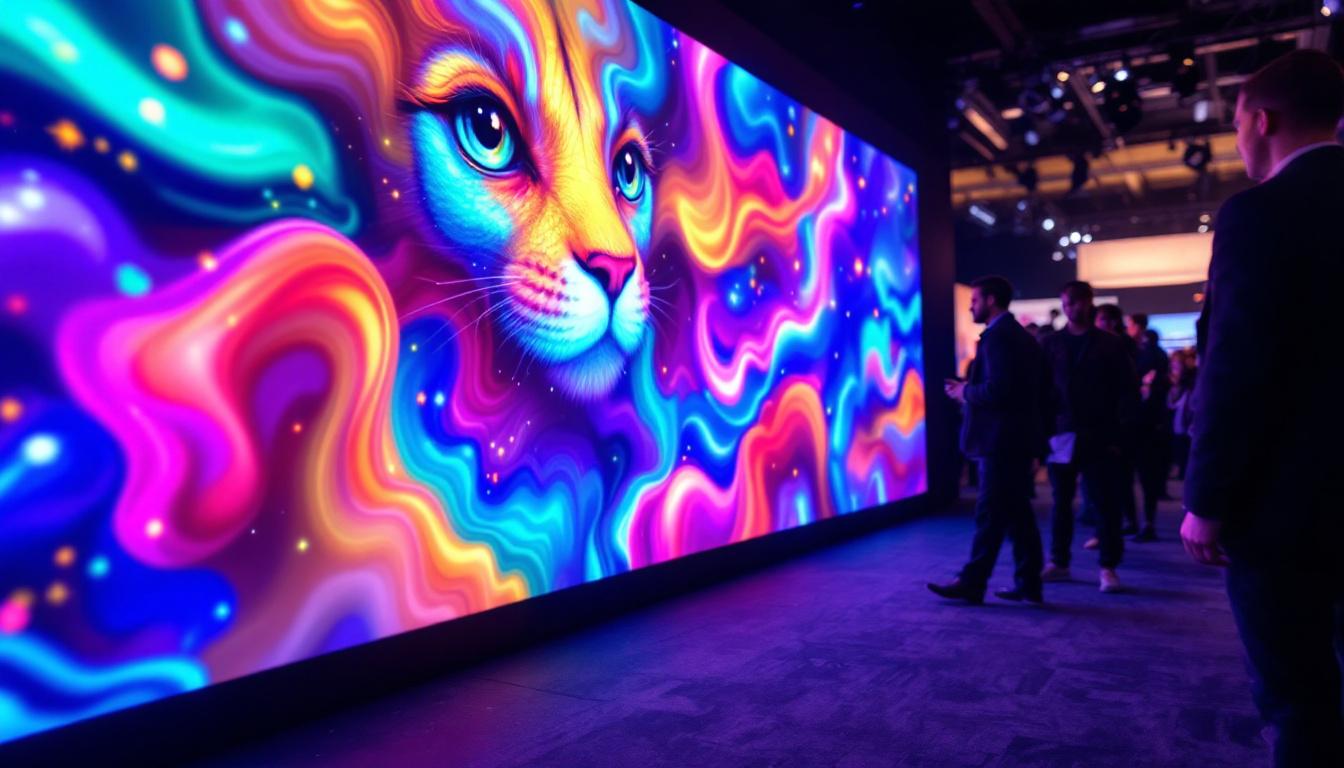
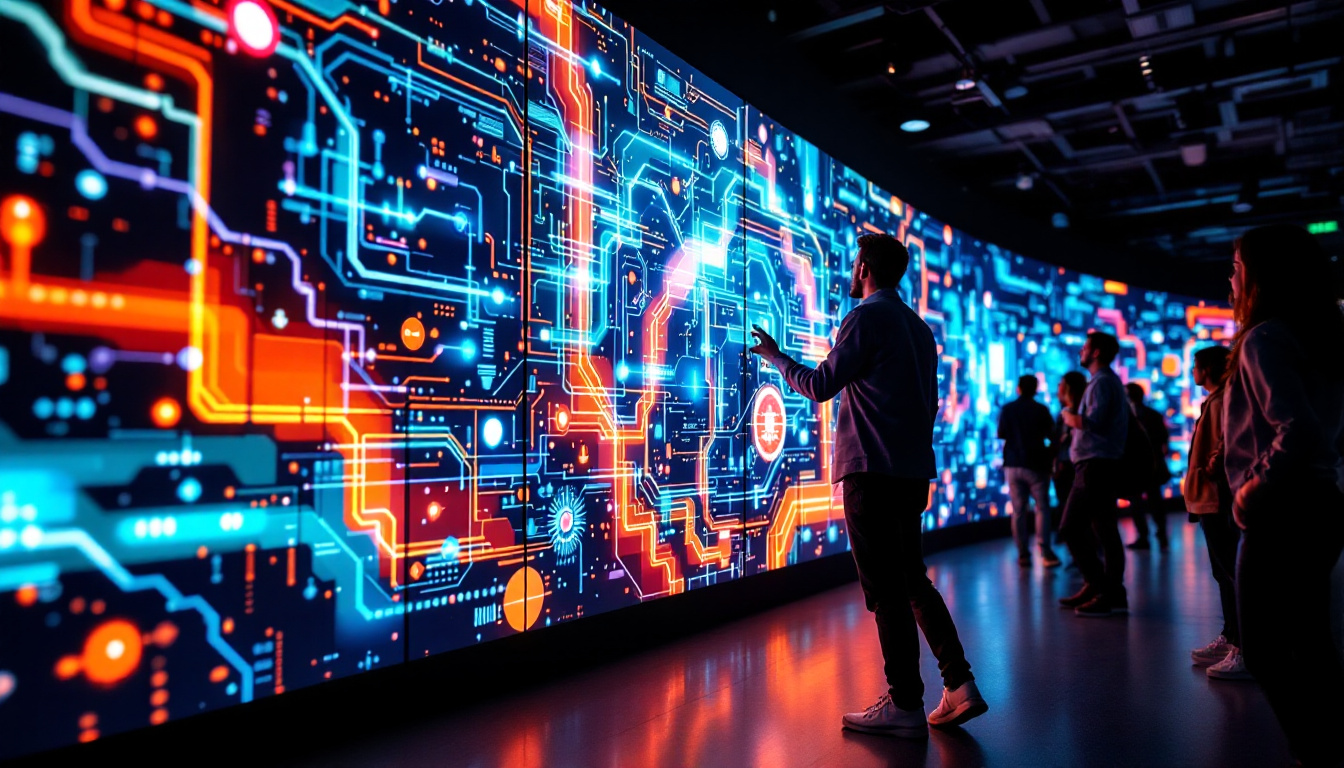
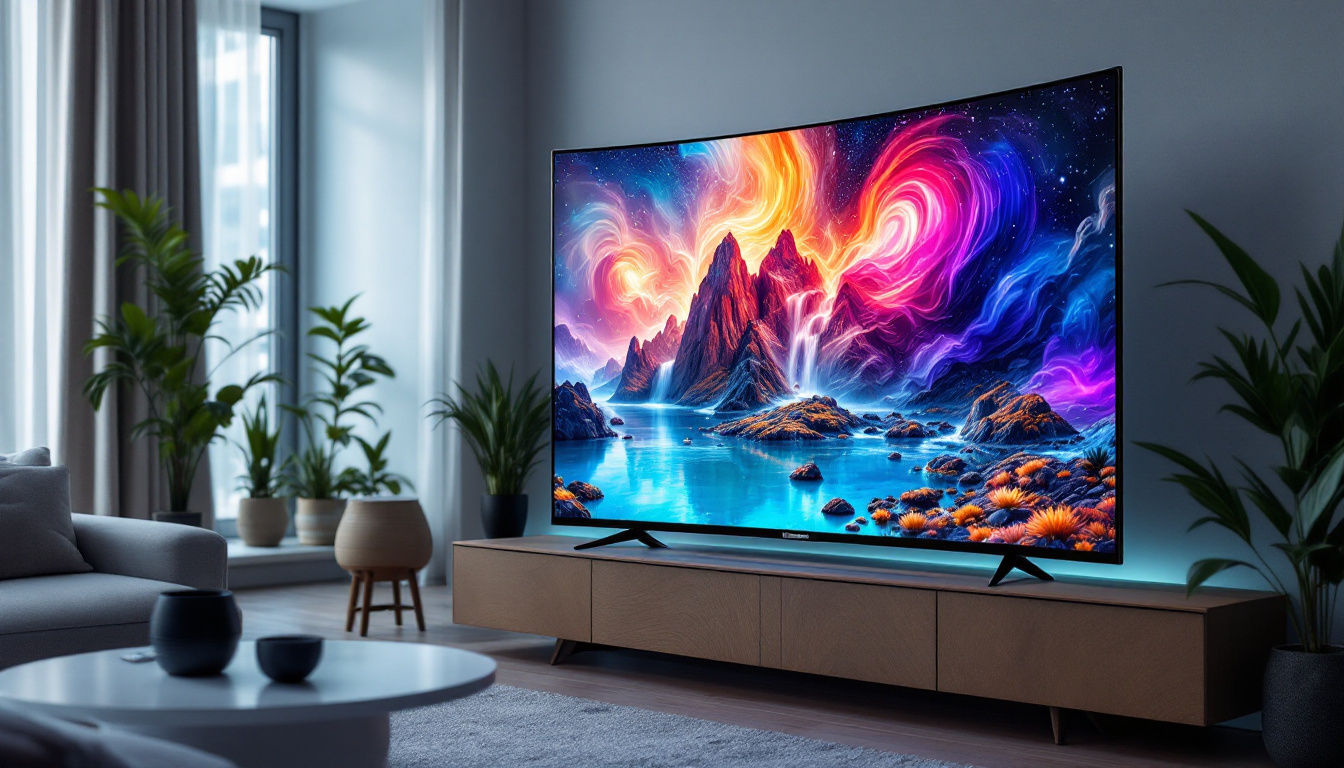
A curved LED display is a screen composed of light-emitting diodes (LEDs) arranged on a flexible or segmented substrate that allows the screen to bend into a curved shape. Unlike traditional flat LED panels, these displays wrap around the viewer’s field of vision, creating a more engaging and immersive experience.
The curvature can vary from subtle bends to more pronounced arcs, depending on the intended use and design specifications. This curvature is typically measured in radius (millimeters or meters), with a smaller radius indicating a more pronounced curve. Curved displays are often employed in environments where viewer engagement is paramount, such as in retail spaces, trade shows, and high-end home theaters, where the goal is to captivate the audience and enhance the overall visual experience.
Additionally, the design of curved LED displays can be tailored to fit specific architectural elements or to create a unique aesthetic appeal. For instance, some installations feature a continuous curve that flows seamlessly with the surrounding environment, while others may incorporate sharp angles or multi-dimensional shapes to attract attention. This versatility allows designers to push the boundaries of creativity, resulting in stunning visual installations that are both functional and artistic.
How Do Curved LED Displays Work?
At their core, curved LED displays operate on the same principles as flat LED screens. They use thousands to millions of tiny LEDs to produce bright, vibrant images by emitting light in various colors. The key difference lies in the physical construction: the LED modules are designed to be flexible or mounted on curved frames, allowing the entire display to bend without compromising image quality.
Modern manufacturing techniques involve modular panels that can be seamlessly connected and curved, enabling large-scale displays that maintain uniform brightness and color consistency across the entire surface. Advanced calibration tools ensure that the image remains sharp and distortion-free despite the curve. This precision is crucial, especially in applications like digital signage, where clarity and visual impact can significantly influence consumer behavior.
Moreover, the technology behind curved LED displays is continually evolving, with innovations aimed at enhancing their performance and functionality. For example, some manufacturers are integrating smart technology that allows for real-time content updates and interactivity, enabling users to engage with the display in dynamic ways. This could include touch-responsive features or integration with mobile devices, further blurring the lines between digital and physical experiences. As a result, curved LED displays are not just a trend; they represent a significant advancement in visual technology that caters to the ever-changing demands of modern audiences.
Key Advantages of Curved LED Displays
Enhanced Immersion and Viewing Comfort
One of the most significant benefits of curved LED displays is their ability to create a more immersive viewing experience. By wrapping around the viewer’s peripheral vision, these displays reduce the need for eye movement and help maintain a consistent focal distance. This can reduce eye strain and fatigue, especially during prolonged viewing sessions.
For applications such as gaming arenas, control rooms, or digital art installations, this immersive quality enhances engagement and makes content more impactful.
Improved Viewing Angles and Image Uniformity
Curved displays often provide better viewing angles compared to flat screens. Since the curve directs light more directly toward the viewer, colors and brightness appear more uniform across the entire screen. This is particularly beneficial in environments where multiple viewers are watching from different angles, such as retail spaces or conference rooms.
Reduced Glare and Reflections
Glare and reflections can significantly impair screen visibility, especially in brightly lit environments. Curved LED displays help minimize these issues by directing ambient light away from the viewer’s line of sight. This makes them ideal for outdoor advertising or brightly lit indoor spaces where maintaining image clarity is crucial.
Design Flexibility and Aesthetic Appeal
Beyond functional benefits, curved LED displays offer unique design possibilities. Their sleek, modern appearance can enhance the aesthetic of any space, making them popular for high-end retail stores, museums, and corporate lobbies. The ability to customize the curve radius and screen size allows designers to create visually stunning installations that stand out.
Applications of Curved LED Displays
Advertising and Digital Signage
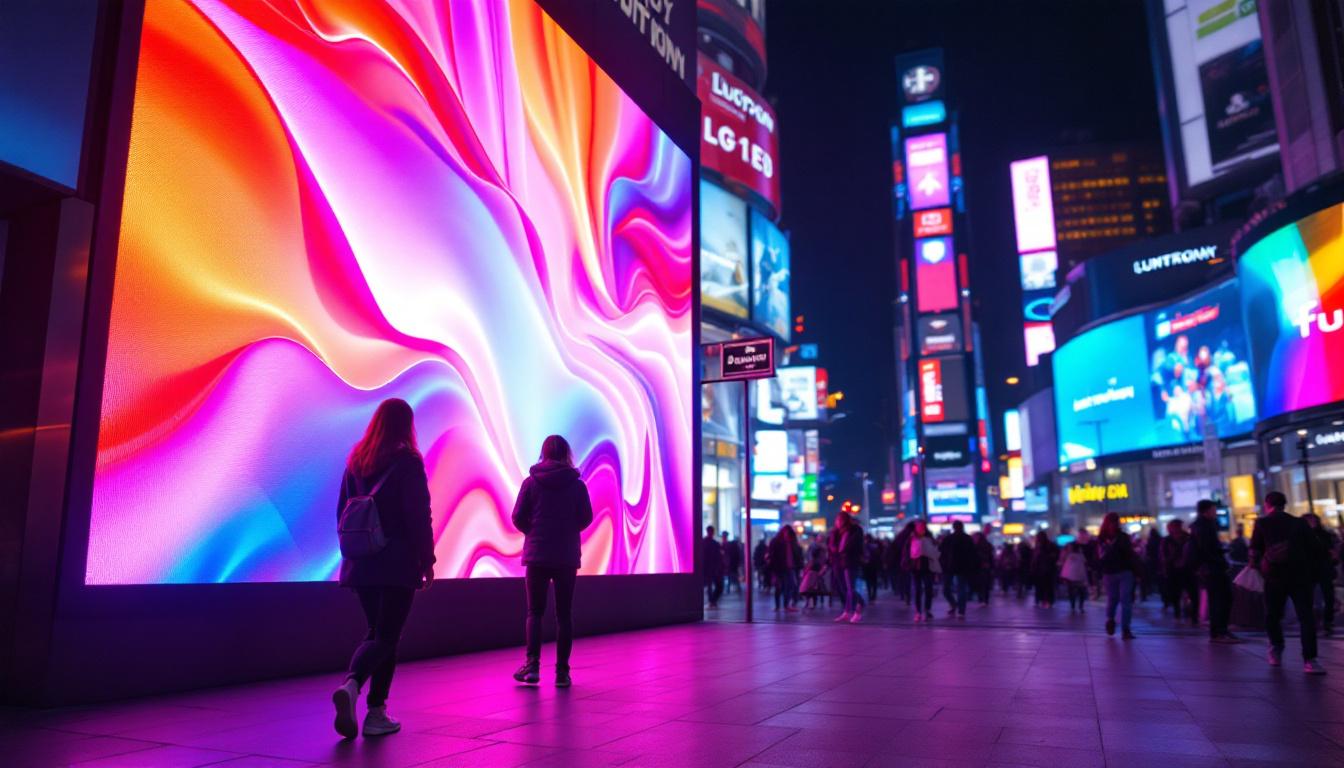
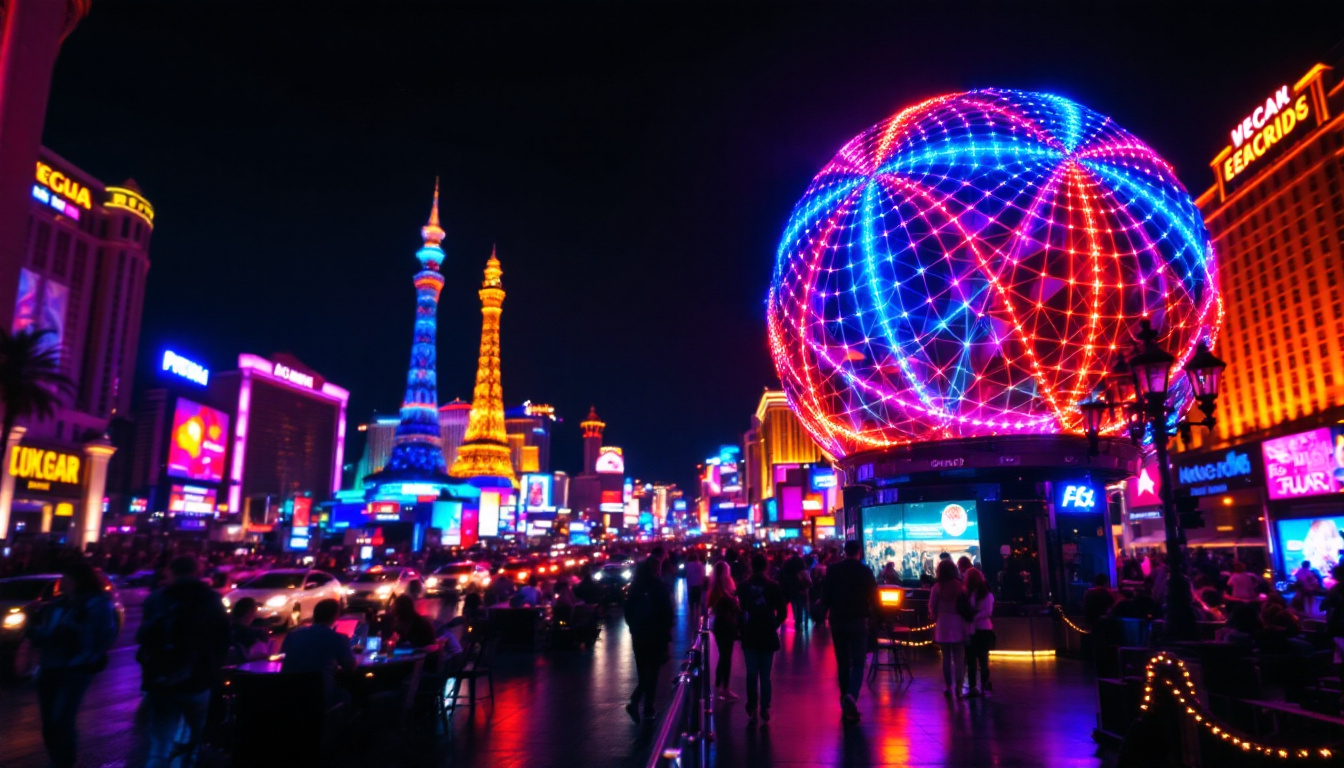
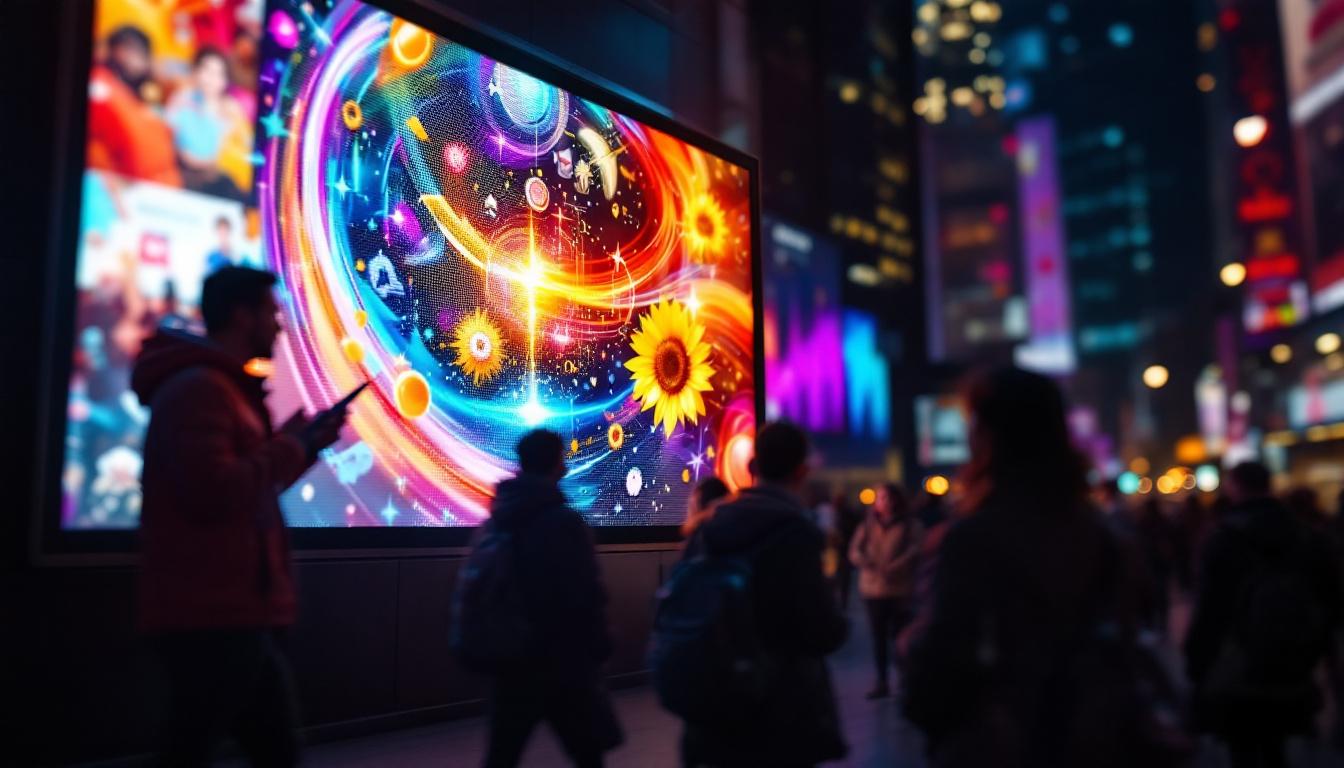
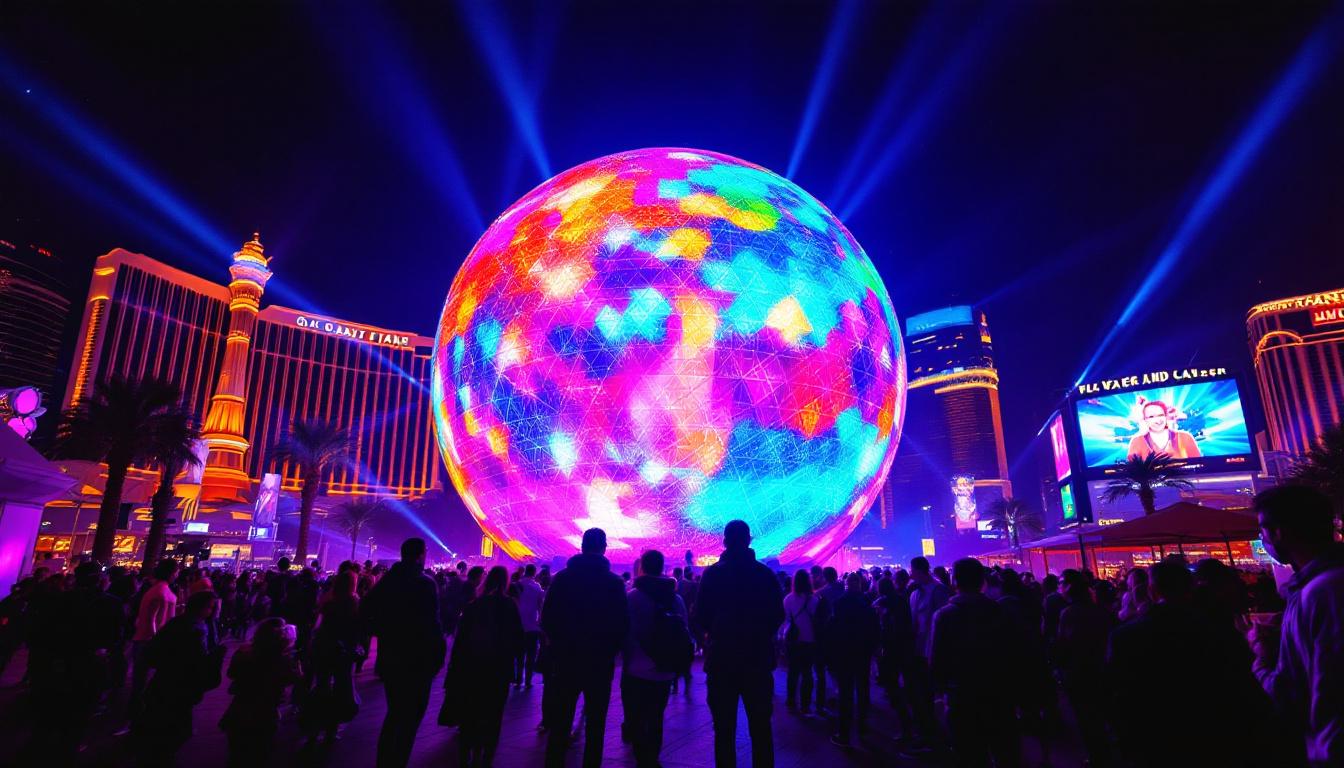
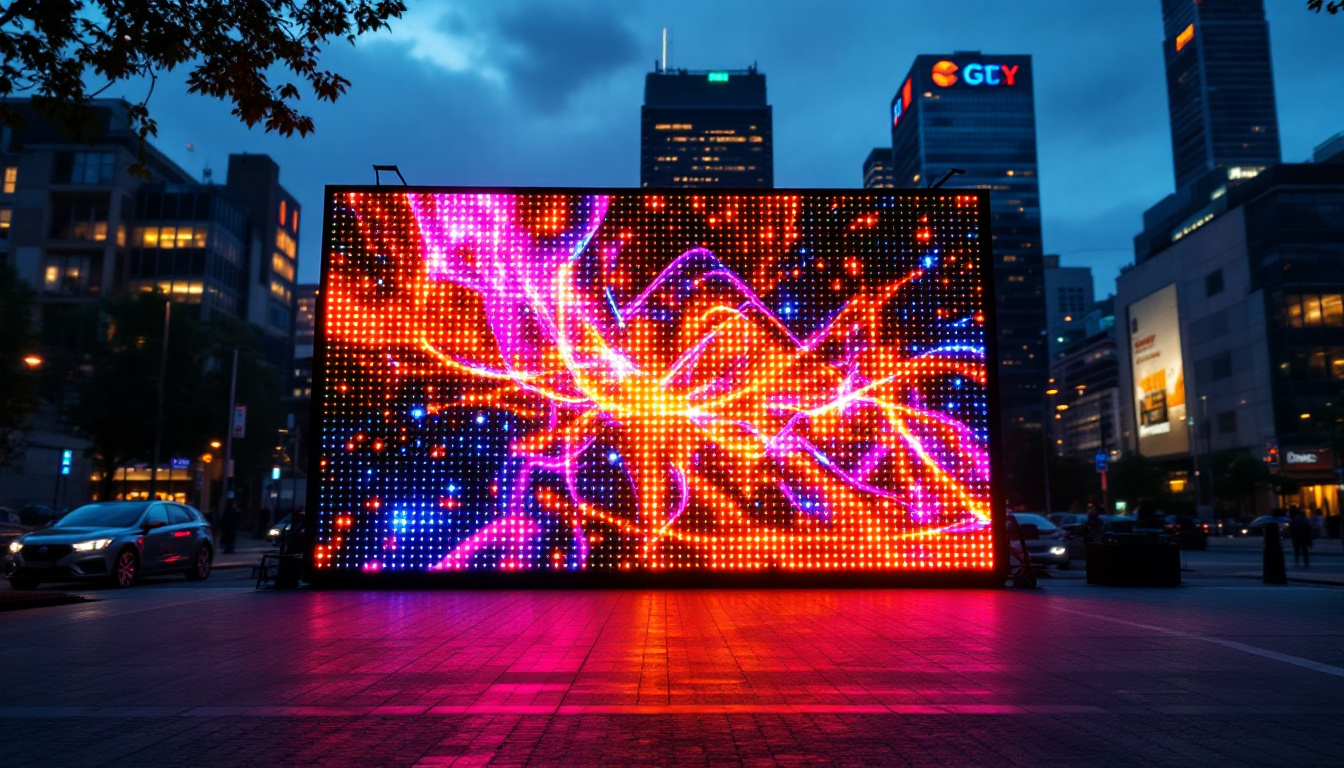
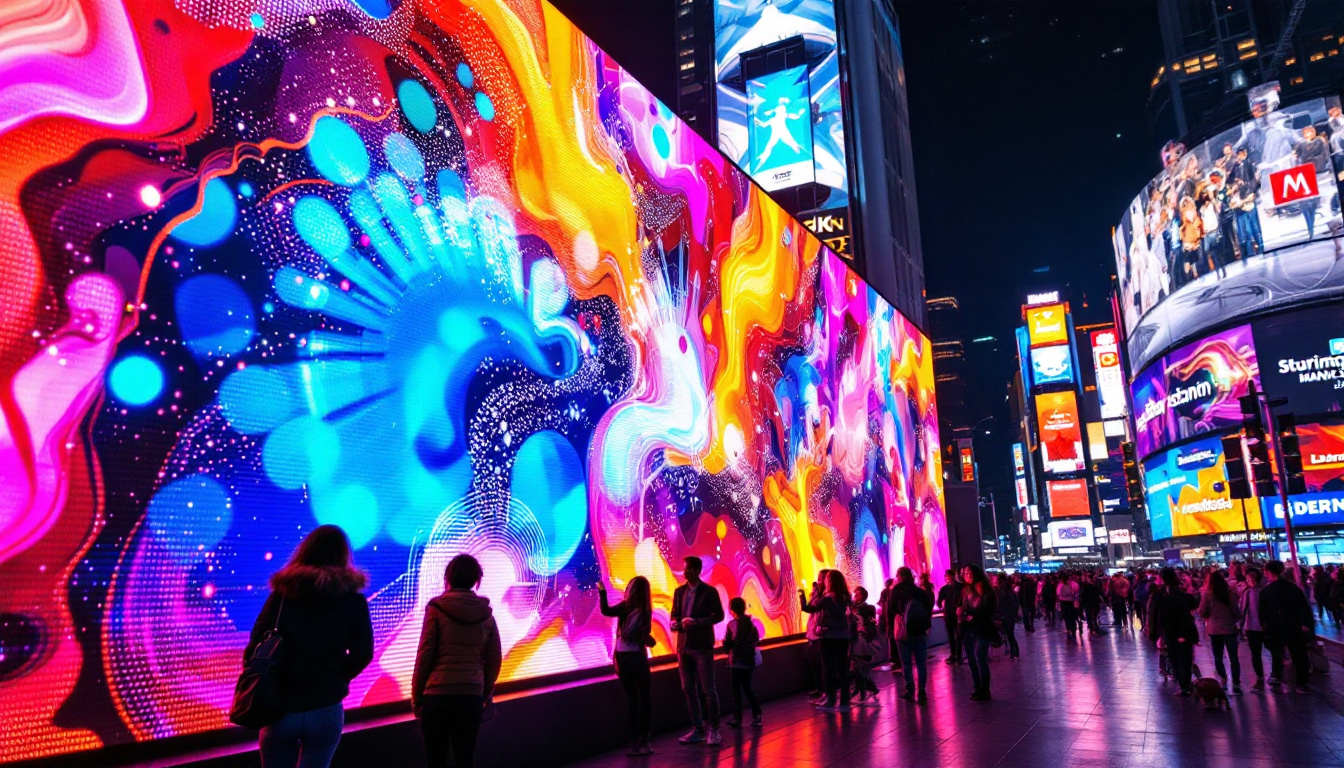
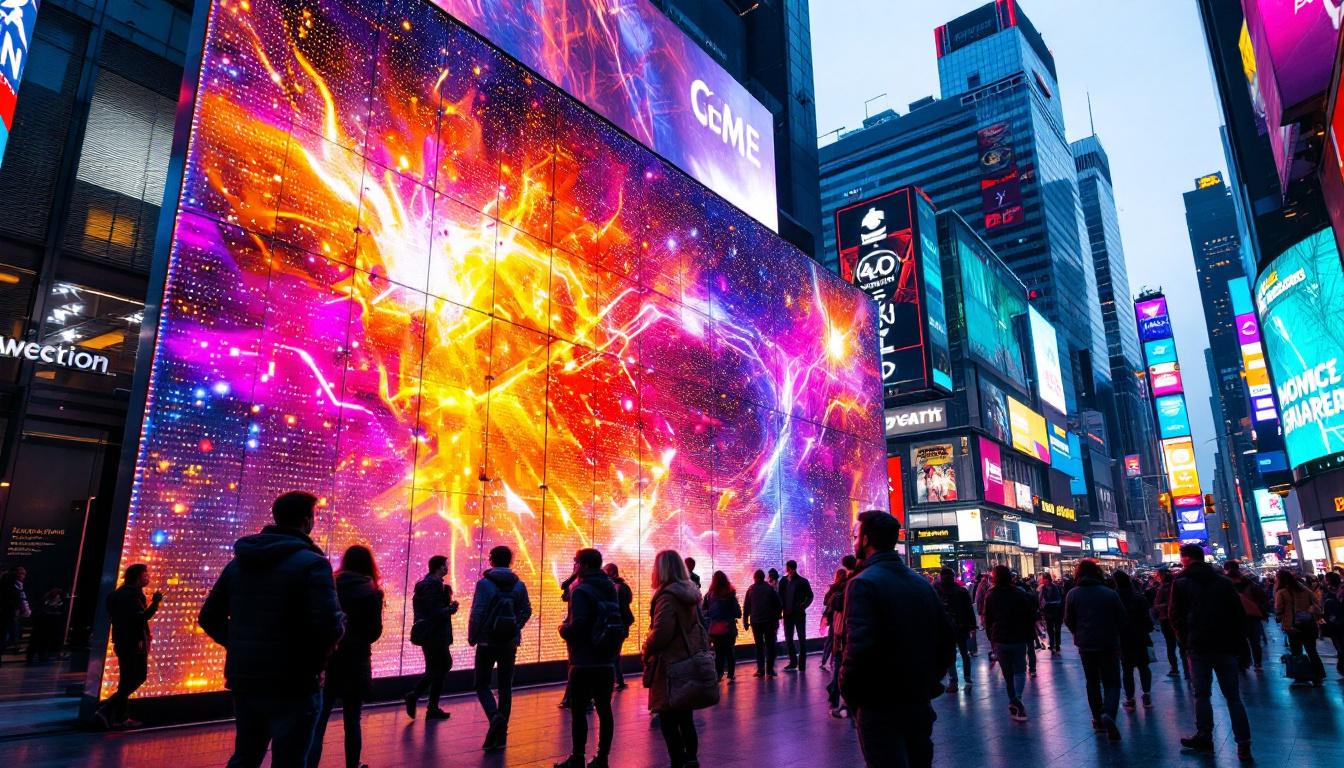
Curved LED displays have revolutionized outdoor and indoor advertising by offering eye-catching, dynamic visuals that attract attention more effectively than traditional billboards. For instance, Times Square in New York City and Piccadilly Circus in London feature curved LED screens that wrap around building facades, creating a panoramic advertising experience.
These curved displays allow brands to deliver immersive storytelling and interactive content, increasing engagement and recall rates among consumers.
Entertainment and Event Venues
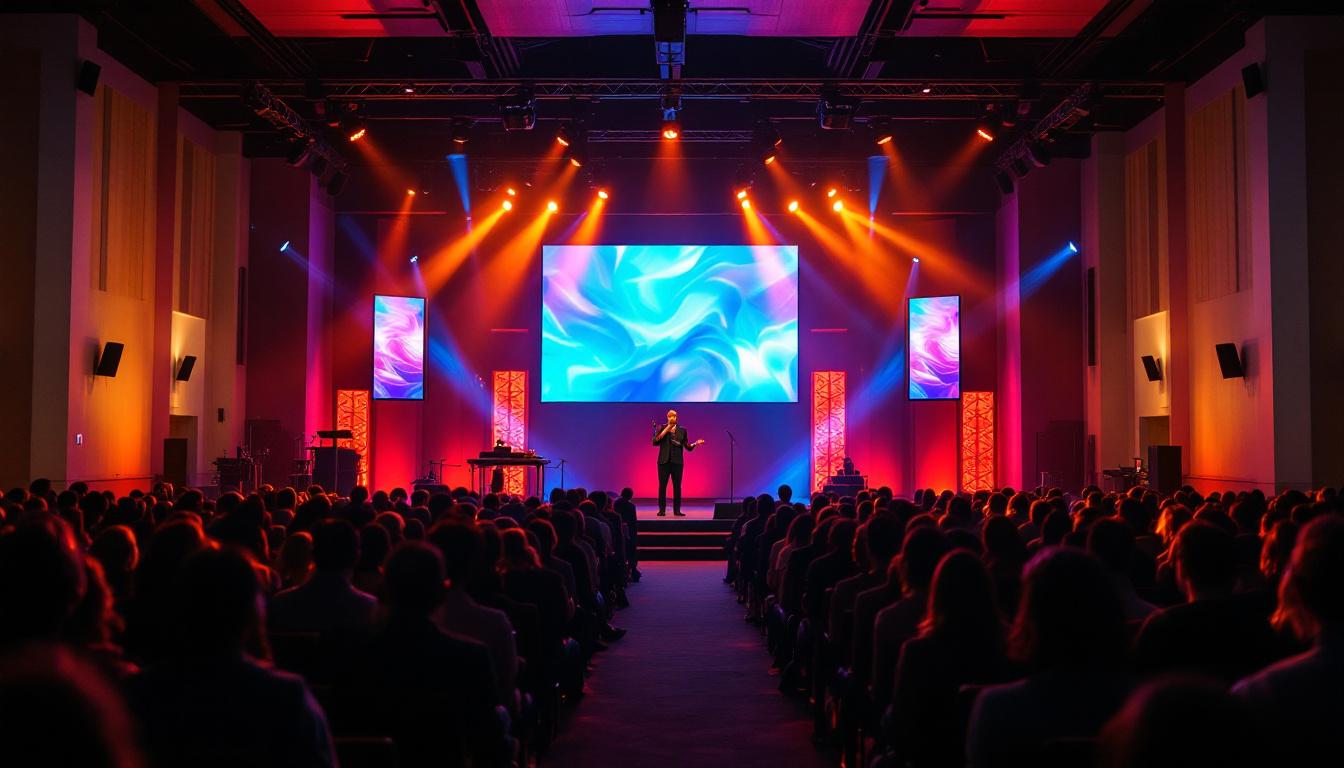
In arenas, concert halls, and theaters, curved LED displays are increasingly used to enhance stage backdrops and immersive environments. Their ability to wrap around performers or audience areas creates a captivating atmosphere that traditional flat screens cannot match.
For example, large-scale curved LED walls are used in esports tournaments to provide players and spectators with wide, uninterrupted views of game action, enhancing the overall experience.
Corporate and Control Rooms
Curved LED displays are valuable in control rooms where operators monitor multiple data streams simultaneously. The curvature helps maintain a consistent viewing distance, allowing for better focus and quicker data interpretation. This is critical in industries such as transportation, utilities, and security.
Similarly, corporate environments use curved LED walls for presentations, video conferencing, and branding, leveraging their modern look and functional advantages to impress clients and employees alike.
Retail and Hospitality
Retail stores and hospitality venues use curved LED displays to create engaging environments that enhance customer experience. From curved video walls showcasing product promotions to interactive displays in hotel lobbies, these screens help brands differentiate themselves and drive customer interaction.
Technical Considerations When Choosing Curved LED Displays
Resolution and Pixel Pitch
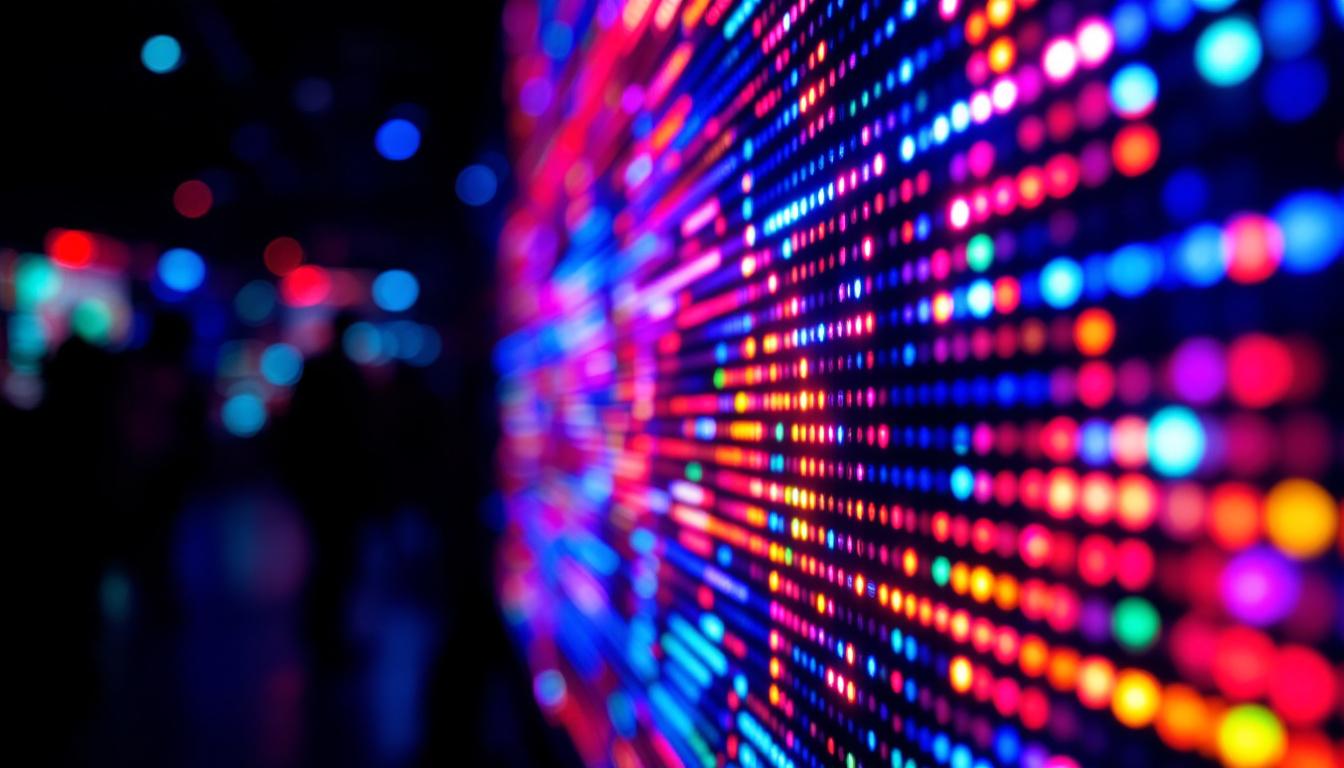
Resolution and pixel pitch are critical factors in determining the clarity and detail of a curved LED display. Pixel pitch refers to the distance between individual LEDs and directly affects image sharpness. Smaller pixel pitches (e.g., 1.2mm to 2.5mm) are ideal for close-up viewing, such as in retail or corporate settings, while larger pitches (e.g., 4mm to 10mm) suit outdoor or large venue applications where viewers are farther away.
Choosing the right resolution and pixel pitch ensures that the curved display delivers crisp images without pixelation or blurriness.
Brightness and Contrast Ratio
Brightness is measured in nits and determines how well the display performs in various lighting conditions. Outdoor curved LED displays often require brightness levels exceeding 5,000 nits to combat sunlight glare, while indoor displays typically operate between 800 and 1,500 nits.
Contrast ratio, the difference between the darkest black and brightest white, is equally important for image depth and color vibrancy. High contrast ratios enhance visual impact, especially in environments with controlled lighting.
Viewing Distance and Curve Radius
The optimal viewing distance is closely linked to the pixel pitch and curve radius. A tighter curve radius may be more immersive but can introduce distortion if the viewer is too close or too far. Manufacturers often recommend specific viewing distances to maximize image quality and comfort.
Understanding the relationship between curve radius and viewing distance helps in designing installations that deliver the best user experience.
Durability and Maintenance
Curved LED displays, especially those used outdoors, must withstand environmental factors such as rain, dust, and temperature fluctuations. IP-rated enclosures (e.g., IP65 or higher) ensure protection against these elements.
Maintenance considerations include ease of access for repairs and cleaning, as well as the availability of modular components to minimize downtime. Selecting a reliable manufacturer with strong after-sales support is crucial for long-term performance.
Future Trends in Curved LED Display Technology
Flexible and Rollable Displays
Advancements in materials science and LED technology are paving the way for even more flexible and rollable curved displays. These innovations will enable ultra-thin, lightweight screens that can be installed on unconventional surfaces or transported easily for temporary events.
Such flexibility opens new creative possibilities for architects, designers, and advertisers looking to push the boundaries of digital signage.
Higher Resolution and Mini-LED Integration
The integration of mini-LED technology, which uses smaller LEDs for improved brightness and contrast control, is expected to enhance curved LED displays further. This will result in sharper images, deeper blacks, and more vibrant colors, rivaling OLED displays but with greater durability and brightness.
Interactive and Smart Displays
Curved LED displays are increasingly incorporating interactive features such as touch sensitivity, gesture control, and AI-driven content adaptation. These smart displays can respond to viewer behavior, personalize content, and integrate with IoT systems to provide richer user experiences.
Conclusion
Curved LED displays represent a significant advancement in visual technology, combining aesthetic appeal with functional benefits that enhance viewer engagement and comfort. Their versatility across advertising, entertainment, corporate, and retail sectors makes them a valuable investment for businesses seeking to captivate audiences and deliver impactful messages.
As technology continues to evolve, curved LED displays will become even more flexible, immersive, and intelligent, reshaping how digital content is presented and experienced. Understanding the technical nuances and application possibilities is essential for making informed decisions and maximizing the potential of this exciting technology.
Discover the Future of LED Displays with LumenMatrix
Ready to elevate your visual experience with the latest in curved LED display technology? LumenMatrix is at the forefront of innovation, offering an extensive range of LED display solutions that are perfect for any application. From immersive indoor and outdoor displays to dynamic vehicle and sports displays, our products are designed to captivate your audience and amplify your message. Explore our cutting-edge selection and find the ideal LED display to transform your space. Check out LumenMatrix LED Display Solutions today and step into the future of digital signage.