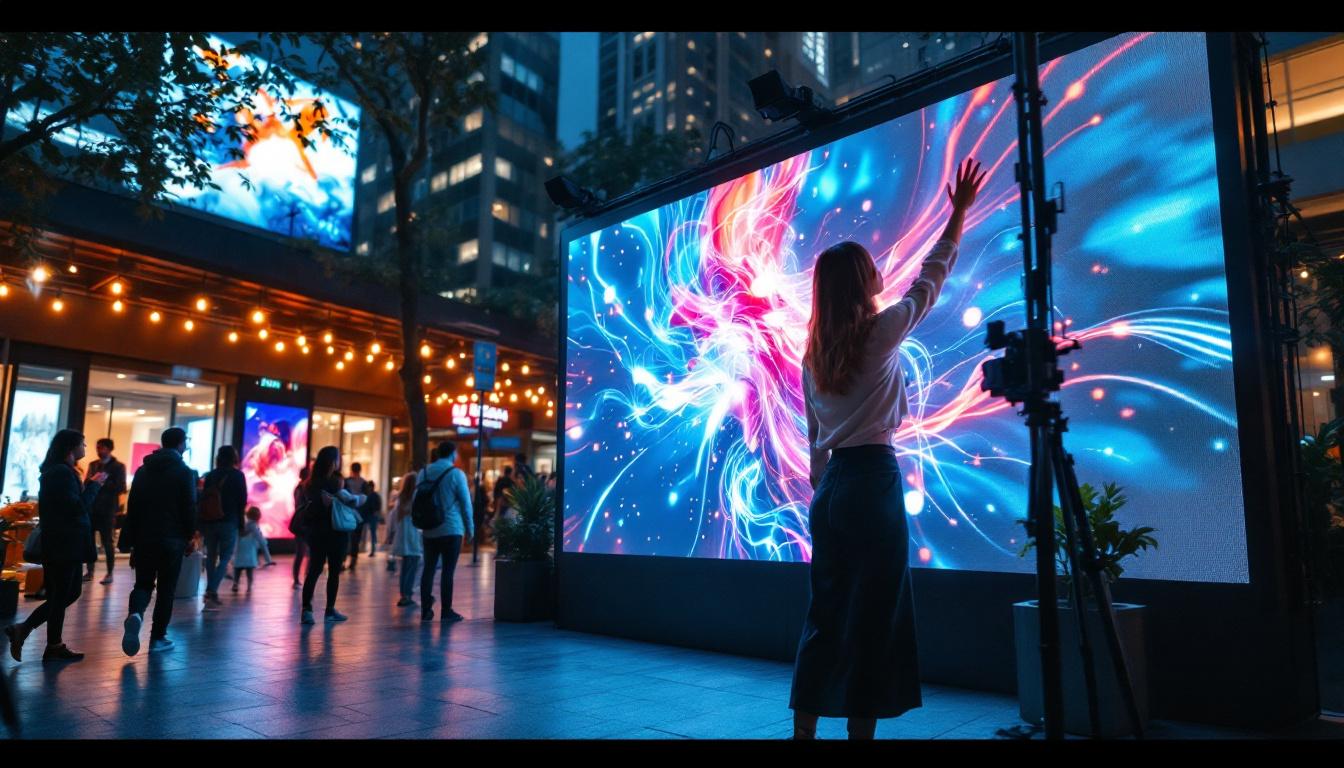
In today’s fast-paced world, visual communication plays a pivotal role in capturing attention and conveying messages effectively. Outdoor panel screens, particularly LED displays, have revolutionized the way businesses, municipalities, and event organizers engage with their audiences. From towering billboards on bustling city streets to dynamic scoreboards in stadiums, LED displays offer vibrant, high-impact visuals that are visible even in direct sunlight. This article delves into the technology behind outdoor LED panel screens, their applications, benefits, and what to consider when selecting the right display for your needs.
Understanding Outdoor LED Panel Screens
What Is an Outdoor LED Display?
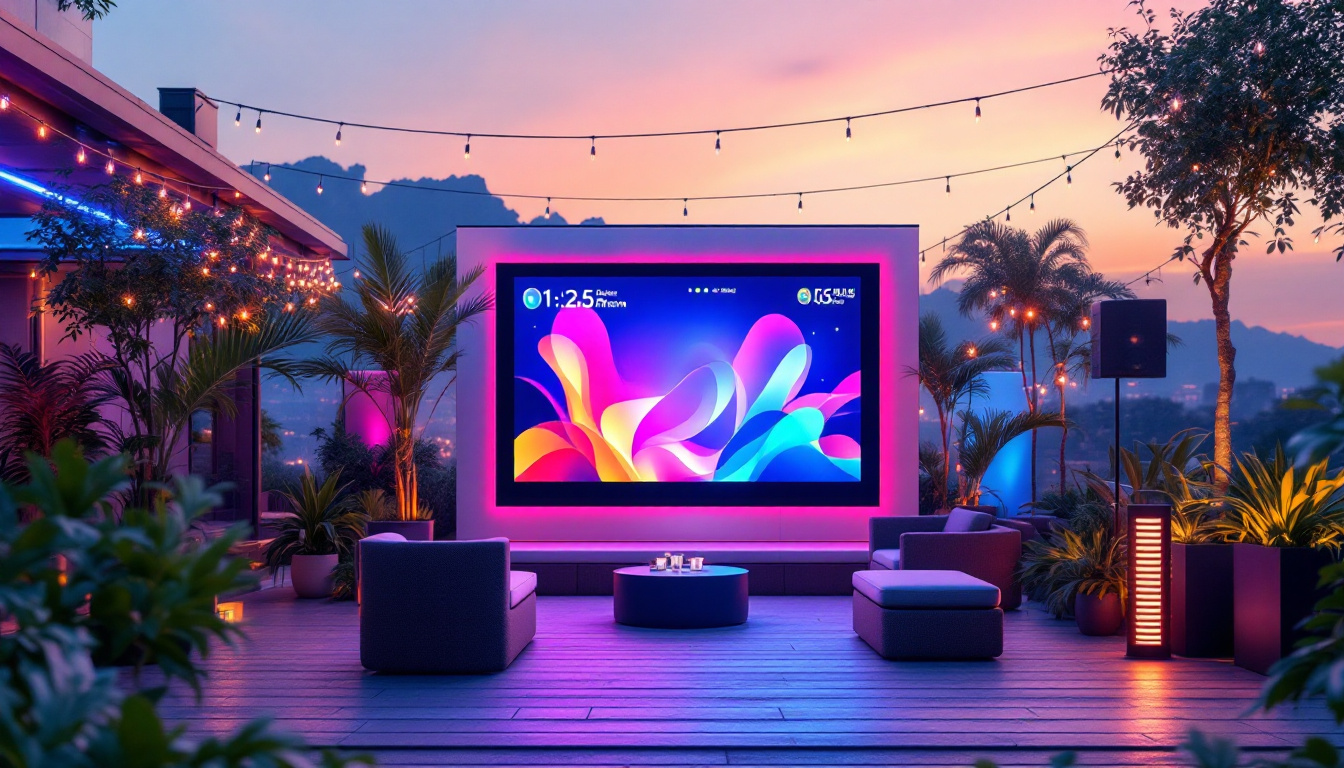
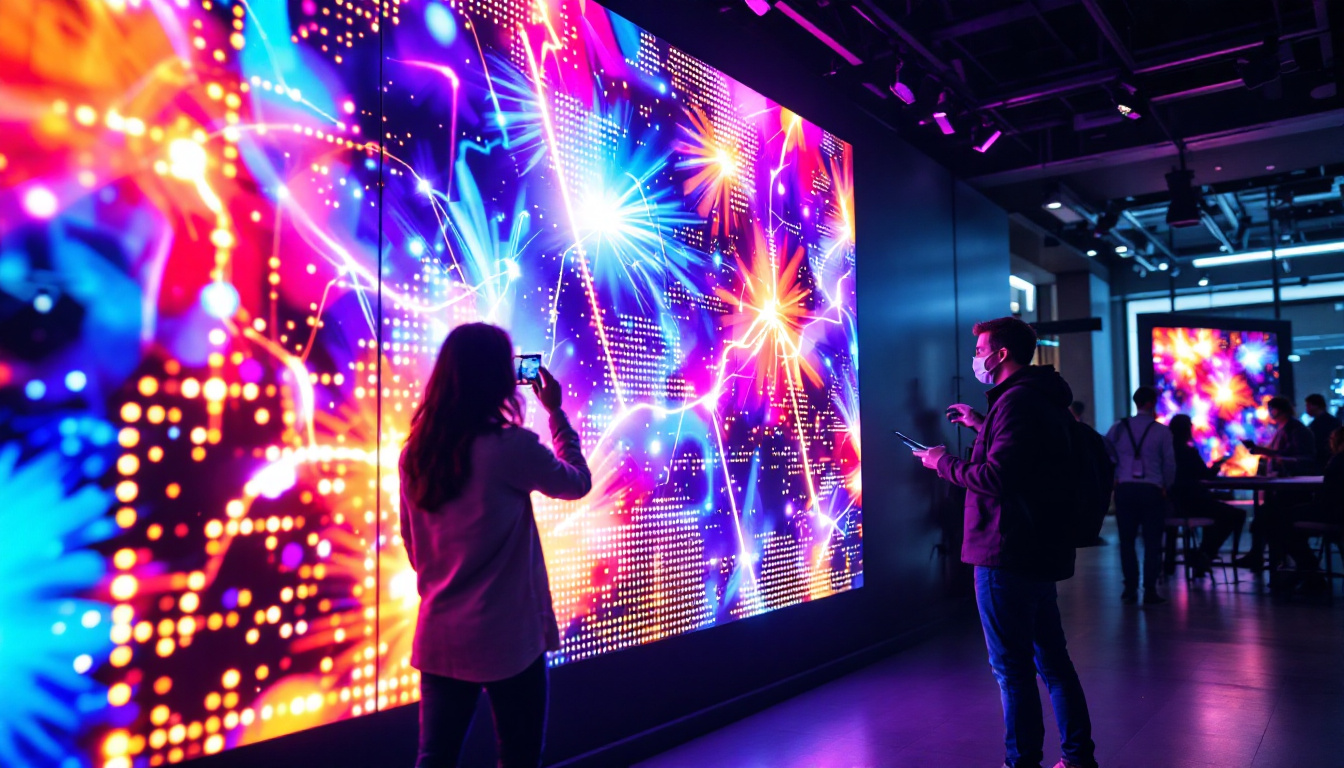
Outdoor LED displays are large-format screens composed of numerous light-emitting diodes (LEDs) arranged in a grid to form pixels. Each pixel can emit light in different colors, allowing the screen to display images, videos, and text with remarkable clarity and brightness. Unlike traditional LCD or projection screens, LED displays are self-illuminating, meaning they don’t require a backlight, which significantly enhances their visibility in bright outdoor environments.
These screens are engineered specifically for outdoor use, featuring weather-resistant enclosures, high brightness levels (often exceeding 5,000 nits), and robust construction to withstand environmental factors such as rain, wind, and temperature fluctuations.
How Do Outdoor LED Panels Work?
At the core of an outdoor LED panel screen is the LED module, which contains multiple LEDs that produce red, green, and blue light. By adjusting the intensity of each LED, the panel can create a full spectrum of colors. The panels are connected to a control system that processes incoming video signals and translates them into commands for the LEDs, ensuring the correct color and brightness for each pixel.
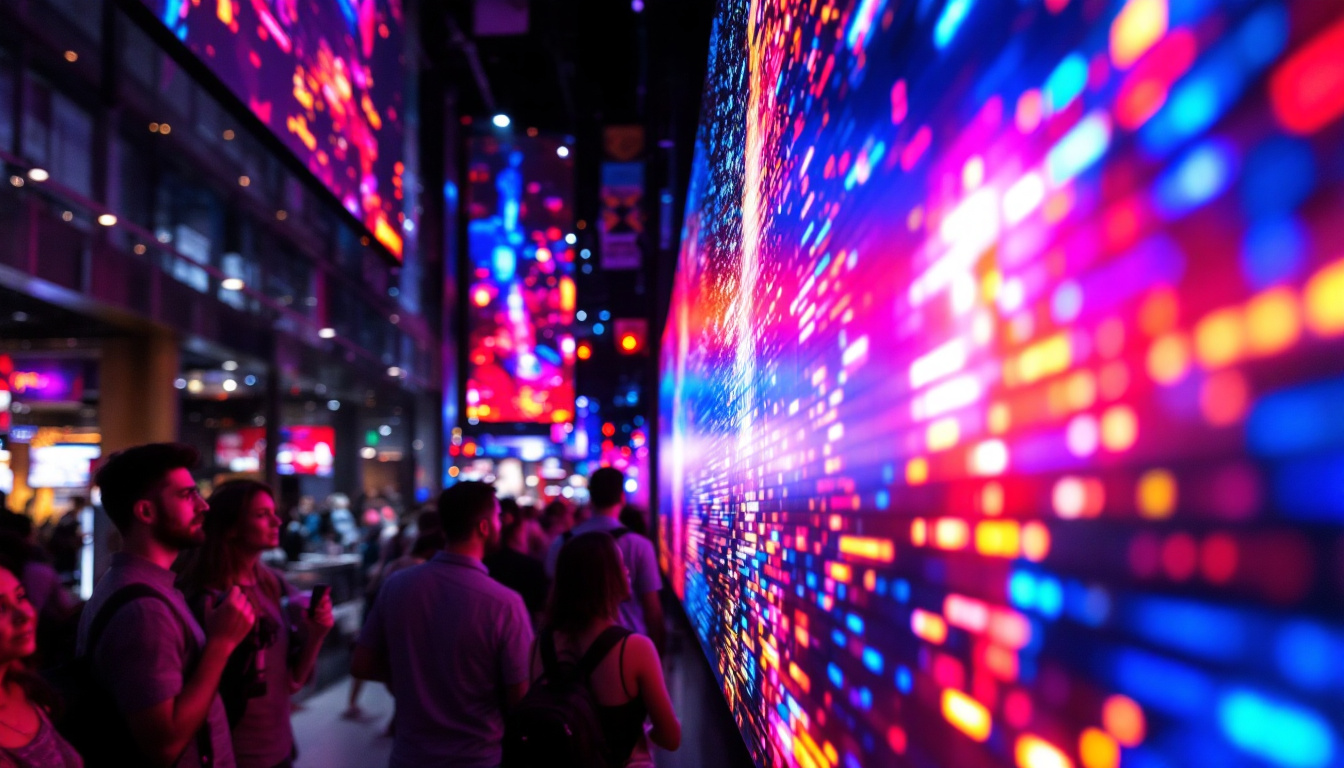
Outdoor LED panels are typically modular, meaning multiple panels are seamlessly tiled together to form a larger display. This modularity allows for flexible sizing and aspect ratios, making it possible to customize screens for various applications, from small digital signage to massive advertising billboards.
Key Features of Outdoor LED Displays
Brightness and Visibility
One of the defining characteristics of outdoor LED displays is their exceptional brightness. Measured in nits, brightness levels of outdoor LEDs generally range from 5,000 to 10,000 nits, compared to indoor displays that usually operate between 300 and 1,000 nits. This high brightness ensures that content remains clear and readable even under direct sunlight, which is crucial for outdoor environments.
Additionally, many outdoor LED displays incorporate ambient light sensors that automatically adjust brightness based on surrounding light conditions, optimizing visibility while reducing power consumption during nighttime or overcast conditions.
Durability and Weather Resistance
Outdoor LED panels are built to endure harsh weather conditions. They typically feature an IP65 or higher rating, indicating protection against dust ingress and water jets from any direction. The enclosures are made from corrosion-resistant materials such as aluminum or steel, often with powder-coated finishes to prevent rust and wear.
Temperature management is another critical aspect. Outdoor LED displays incorporate advanced cooling systems, including heat sinks and fans, to maintain optimal operating temperatures and prevent overheating, which can degrade performance or cause failure.
Pixel Pitch and Resolution
Pixel pitch refers to the distance between the centers of two adjacent pixels and is measured in millimeters. It directly affects the resolution and viewing distance of the display. Smaller pixel pitches (e.g., 4mm) provide higher resolution and are suitable for closer viewing distances, while larger pitches (e.g., 10mm or more) are ideal for displays intended to be viewed from afar.
Choosing the correct pixel pitch is essential to balance cost, image quality, and viewing distance. For example, a roadside billboard designed to be seen from hundreds of meters away can use a larger pixel pitch to save costs without compromising visibility.
Applications of Outdoor LED Panel Screens
Advertising and Digital Billboards
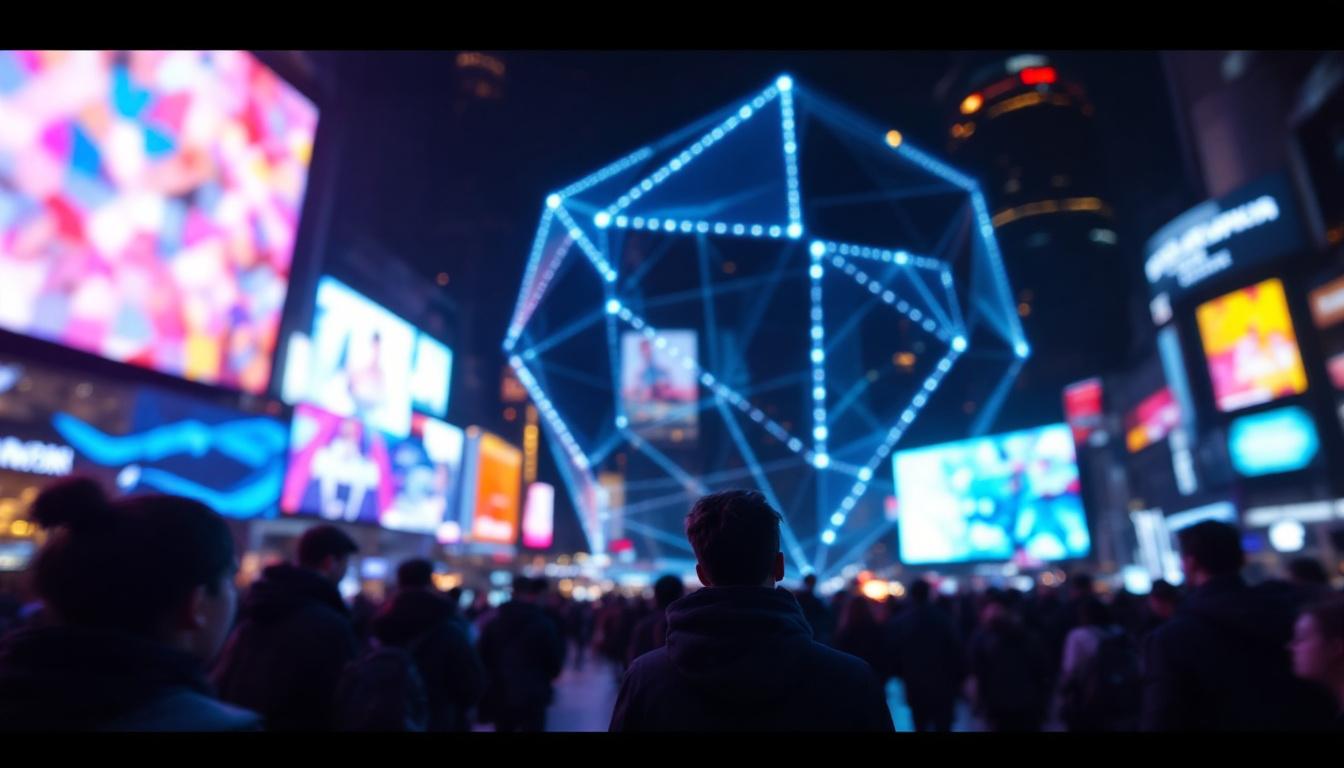
Outdoor LED displays have become the backbone of modern advertising. Their ability to showcase dynamic, eye-catching content allows advertisers to engage audiences more effectively than static billboards. According to recent industry reports, digital out-of-home (DOOH) advertising is expected to grow at a compound annual growth rate (CAGR) of over 10% through 2027, driven largely by LED display adoption.
These displays enable real-time content updates, targeted messaging based on time or audience demographics, and interactive features such as QR codes or augmented reality integration, enhancing consumer engagement.
Sports and Entertainment Venues
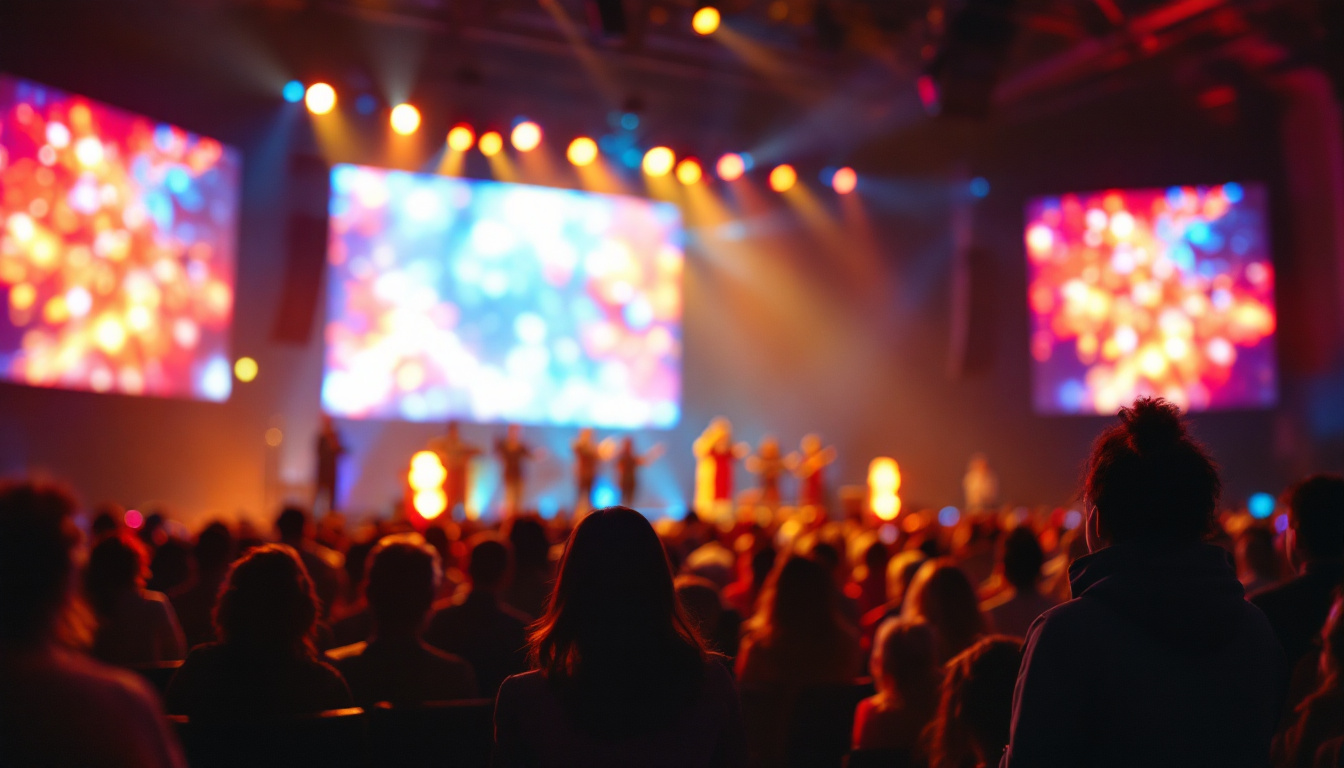
Stadiums and arenas utilize outdoor LED screens for scoreboards, instant replays, and live event broadcasting. The high brightness and wide viewing angles ensure that spectators, regardless of their seating location, have an optimal viewing experience. Additionally, LED ribbon boards and perimeter advertising provide additional revenue streams for venues.
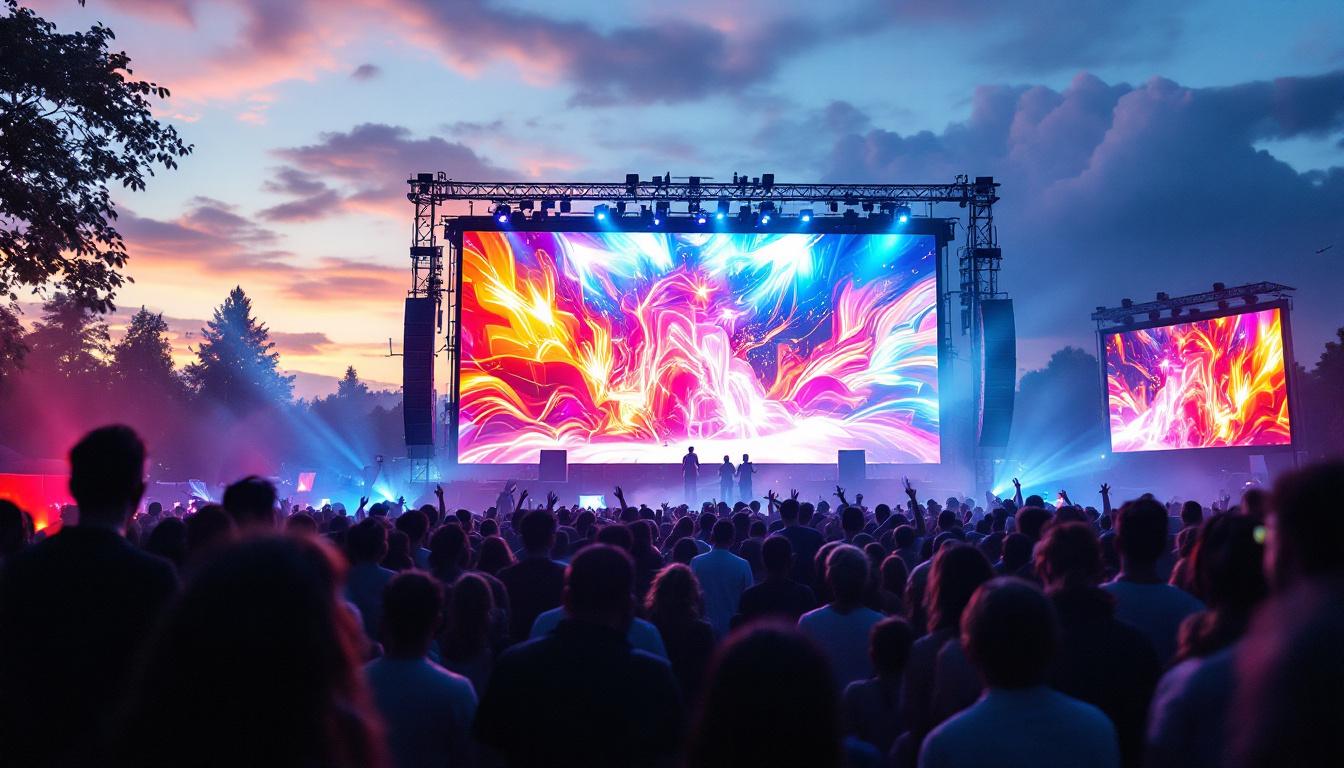
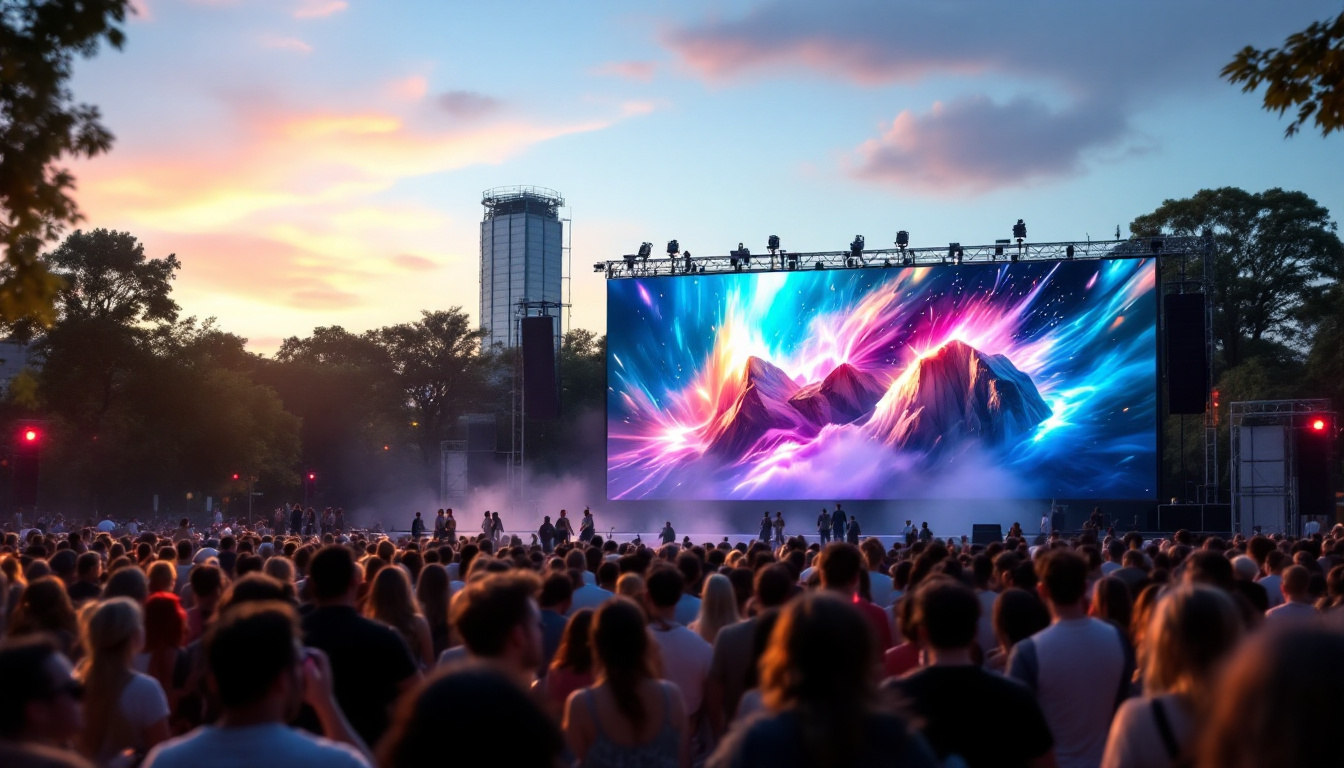
Outdoor concerts and festivals also rely on LED screens to provide close-up views of performers, ensuring that even attendees far from the stage can enjoy the event.
Public Information and Transportation Hubs
Transportation centers such as airports, train stations, and bus terminals use outdoor LED displays to communicate schedules, delays, and other critical information. Their durability and visibility in various weather conditions make them ideal for these high-traffic areas.
Municipalities also employ LED screens for public service announcements, emergency alerts, and community event promotions, leveraging their flexibility and immediacy to reach residents effectively.
Choosing the Right Outdoor LED Panel Screen
Assessing Environmental Conditions
Before selecting an outdoor LED display, it’s essential to evaluate the installation environment. Factors such as exposure to direct sunlight, prevailing weather conditions, and ambient temperature ranges will influence the choice of brightness levels, IP rating, and cooling mechanisms.
For example, a display installed in a coastal area may require enhanced corrosion resistance due to salt air, while one in a desert environment must handle extreme heat and dust.
Determining Viewing Distance and Content Type
The intended viewing distance plays a significant role in determining the pixel pitch and resolution. For applications where viewers are close to the screen, such as outdoor retail signage, a finer pixel pitch is necessary to maintain image clarity. Conversely, for highway billboards or large-scale advertising, a coarser pitch is acceptable.
The type of content also matters. Video and detailed graphics demand higher resolution, while simple text or logos can be effectively displayed on lower-resolution panels.
Installation and Maintenance Considerations
Outdoor LED displays require professional installation to ensure structural safety and optimal performance. Factors such as mounting method, power supply, and data connectivity must be planned carefully. Modular designs facilitate easier installation and future maintenance, as individual panels can be replaced without dismantling the entire screen.
Routine maintenance, including cleaning, firmware updates, and component checks, is vital to prolong the lifespan of the display. Many modern LED panels offer remote monitoring capabilities, allowing operators to detect and address issues proactively.
Benefits of Outdoor LED Displays Over Traditional Signage
Dynamic and Flexible Content
Unlike static signs, LED displays offer the ability to change content instantly. This flexibility enables businesses to run multiple campaigns, update promotions in real-time, and respond swiftly to market trends or events.
Dynamic content has been shown to increase viewer engagement significantly. Studies indicate that digital signage can boost sales by up to 30% compared to traditional static signs, underscoring the commercial advantage of LED displays.
Energy Efficiency and Longevity
Modern LED technology is highly energy-efficient, consuming significantly less power than older lighting technologies such as neon or incandescent bulbs. This efficiency translates into lower operating costs and a reduced environmental footprint.
LED panels also boast long lifespans, often exceeding 100,000 hours of operation, which reduces the frequency and cost of replacements. Their robust design minimizes downtime, ensuring continuous operation even in demanding outdoor settings.
Enhanced Brand Visibility and Impact
The vivid colors, high brightness, and motion capabilities of LED displays create a memorable visual impact that static signage cannot match. This enhanced visibility helps brands stand out in crowded urban landscapes and busy commercial districts.
Moreover, the ability to integrate interactive elements and real-time data feeds allows brands to create immersive experiences that deepen customer connections and foster loyalty.
Future Trends in Outdoor LED Display Technology
Advancements in MicroLED and MiniLED
Emerging technologies such as MicroLED and MiniLED promise to push the boundaries of outdoor display performance further. These technologies offer higher pixel densities, improved color accuracy, and even greater energy efficiency, enabling ultra-high-resolution screens suitable for close-range viewing outdoors.
As manufacturing costs decrease, these next-generation LEDs are expected to become more prevalent in outdoor applications, delivering sharper images and richer visuals.
Integration with Smart City Infrastructure
Outdoor LED displays are increasingly being integrated into smart city ecosystems. Connected to IoT networks, these displays can provide real-time data such as traffic updates, weather alerts, and public safety information, contributing to enhanced urban management and citizen engagement.
Interactive capabilities, including touchscreens and mobile device integration, are also becoming more common, transforming LED displays into multifunctional communication hubs.
Sustainability and Eco-Friendly Innovations
With growing emphasis on sustainability, manufacturers are developing LED displays with recyclable materials, reduced power consumption, and improved thermal management to minimize environmental impact. Solar-powered LED displays and energy-harvesting technologies are also gaining traction, enabling off-grid operation in remote locations.
These innovations align with global efforts to reduce carbon footprints and promote greener urban environments.
Conclusion
Outdoor panel screens using LED technology have transformed the landscape of visual communication, offering unparalleled brightness, durability, and flexibility. Their applications span advertising, entertainment, public information, and beyond, making them indispensable tools for engaging audiences in outdoor environments.
Understanding the technical aspects, environmental considerations, and future trends of outdoor LED displays is crucial for businesses and organizations aiming to harness their full potential. By selecting the right display tailored to specific needs and maintaining it properly, stakeholders can ensure vibrant, impactful messaging that stands the test of time and weather.
As LED technology continues to evolve, outdoor panel screens will remain at the forefront of innovative communication, driving engagement and delivering compelling visual experiences worldwide.
Illuminate Your Message with LumenMatrix
Ready to elevate your outdoor visual communication? LumenMatrix is at the forefront of LED display innovation, offering a wide array of solutions that bring your brand to life. From vibrant Outdoor LED Wall Displays to interactive Floor LED Displays, our technology is designed to captivate and engage your audience. Discover how our cutting-edge LED display modules can transform your messaging and create unforgettable visual experiences. Check out LumenMatrix LED Display Solutions today and light up your world with clarity and impact.