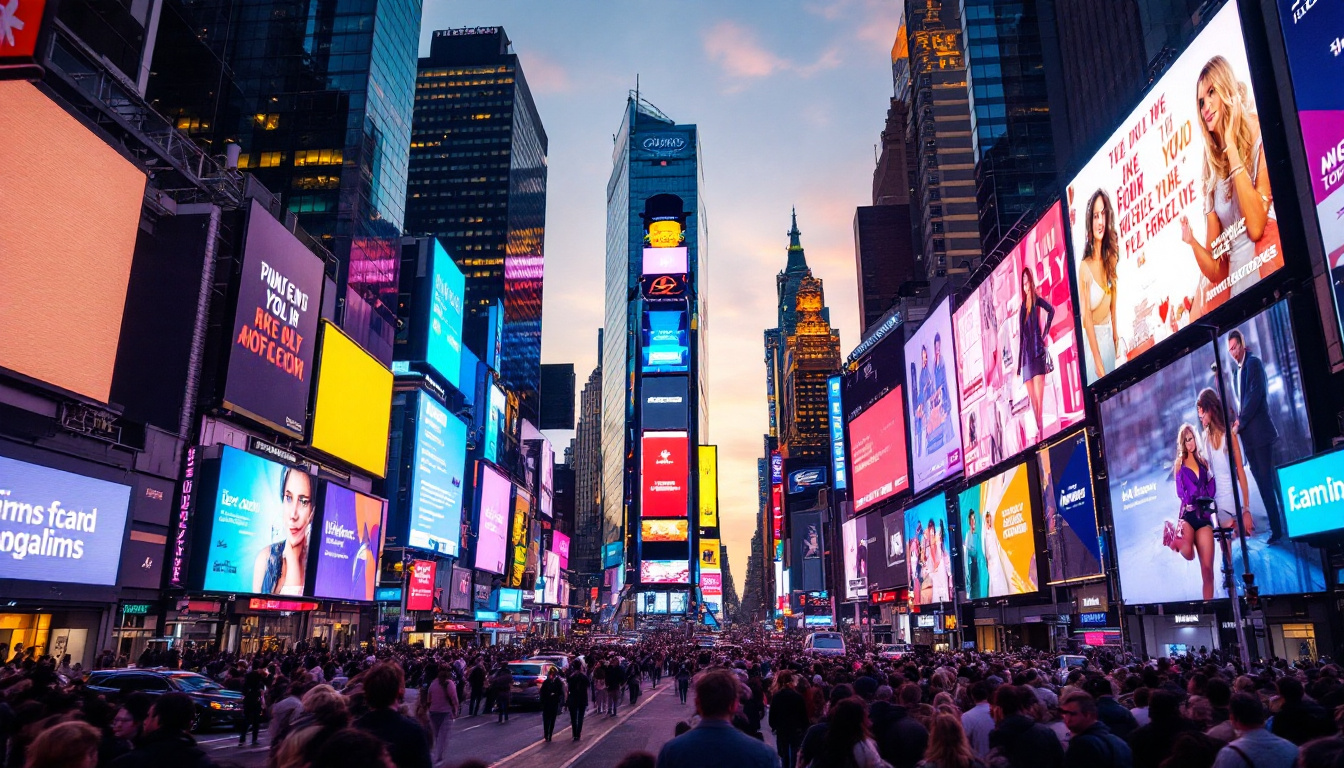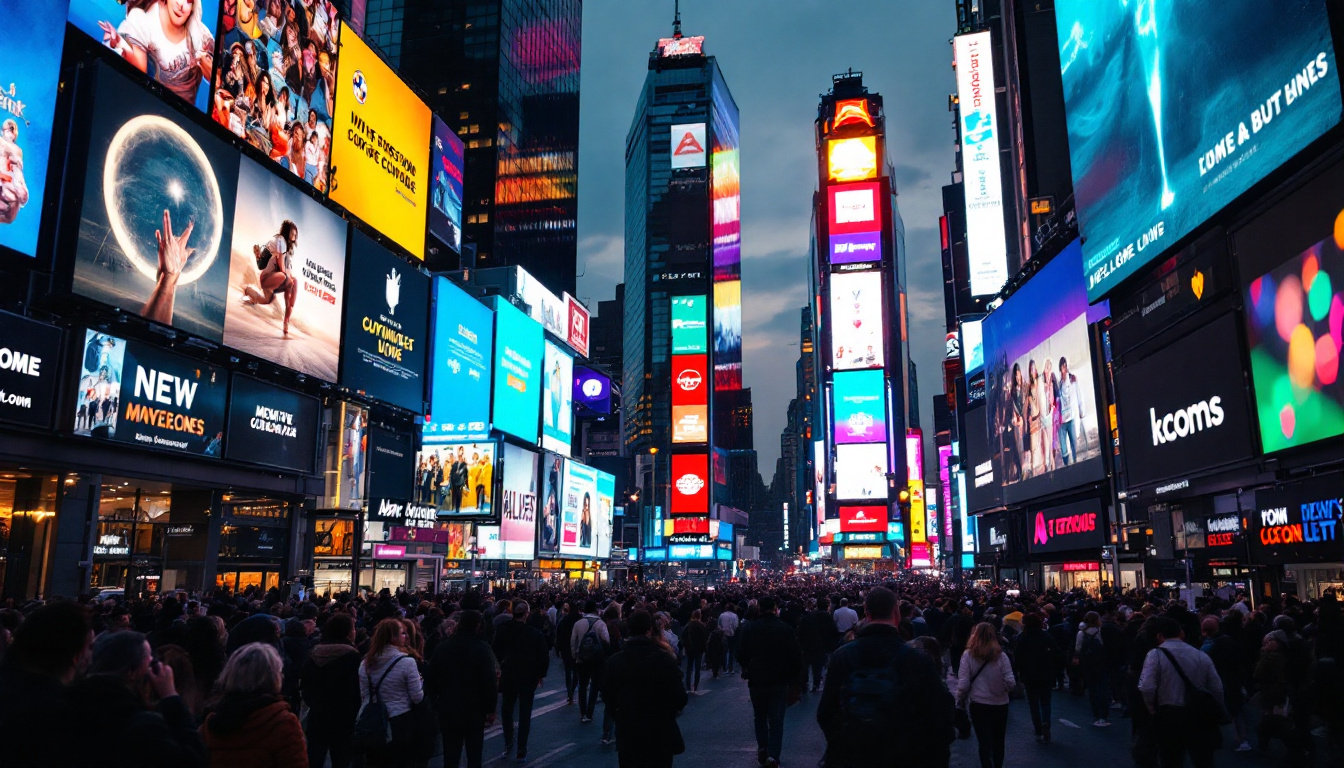
In today’s digital age, LED displays have become an indispensable part of advertising, entertainment, and information dissemination. From massive billboards in Times Square to the dynamic screens at sports arenas, LED pixel displays offer vibrant visuals and unmatched versatility. This article delves into the technology behind LED pixel displays, their applications, and why they continue to revolutionize the way we communicate visually.
Understanding LED Pixel Displays: The Basics
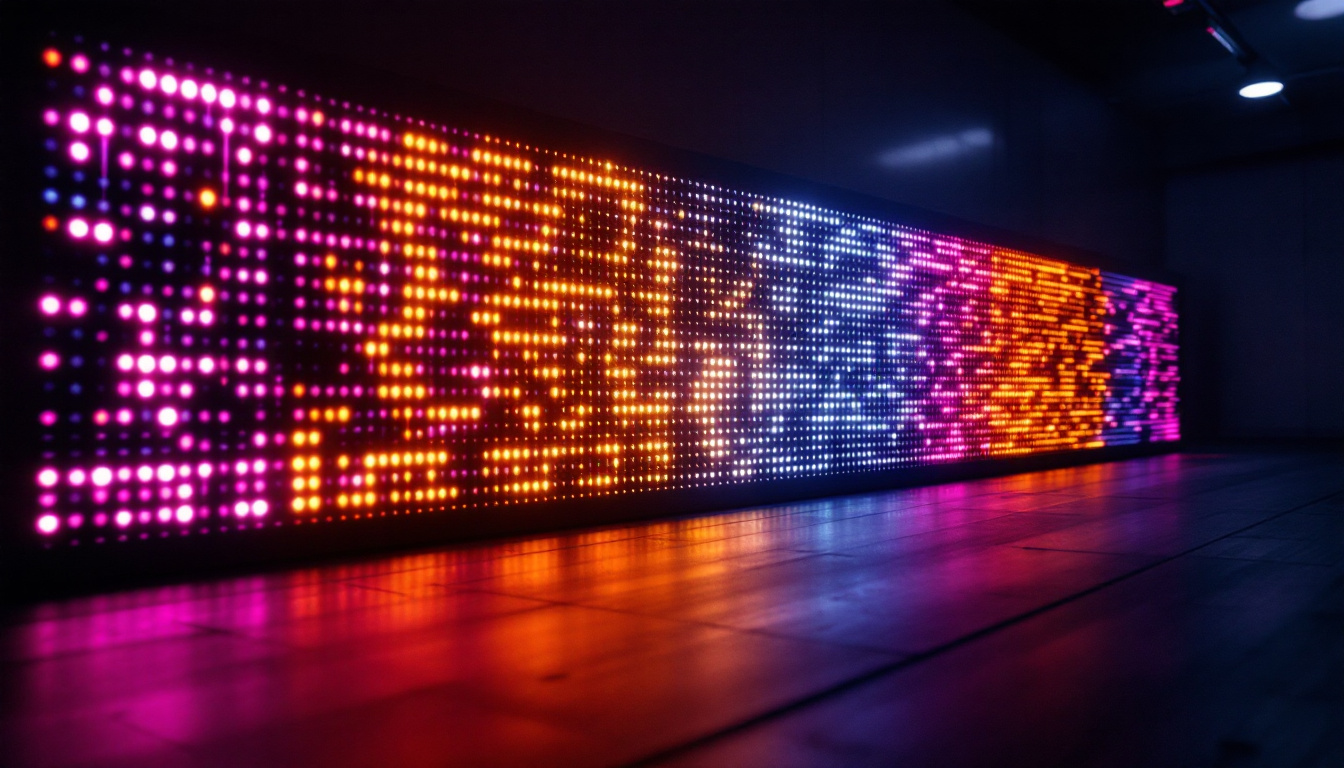
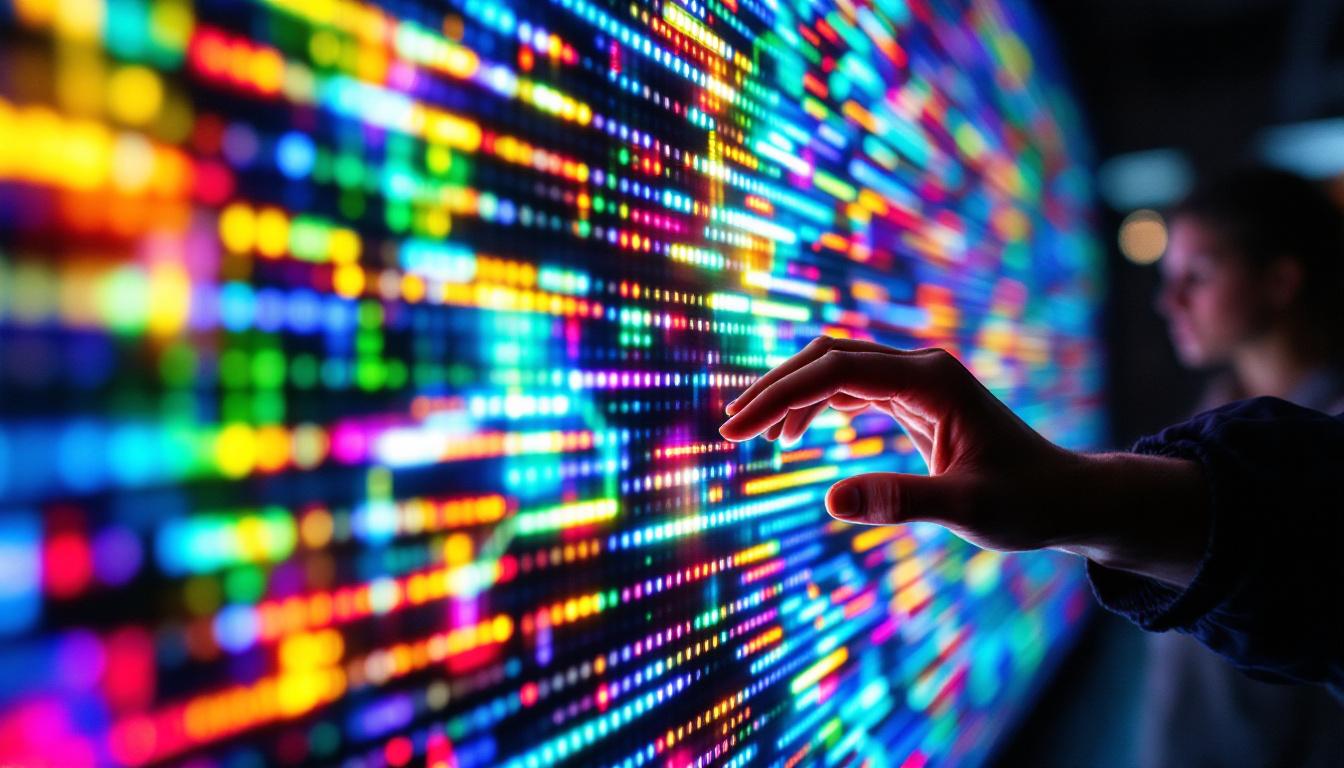
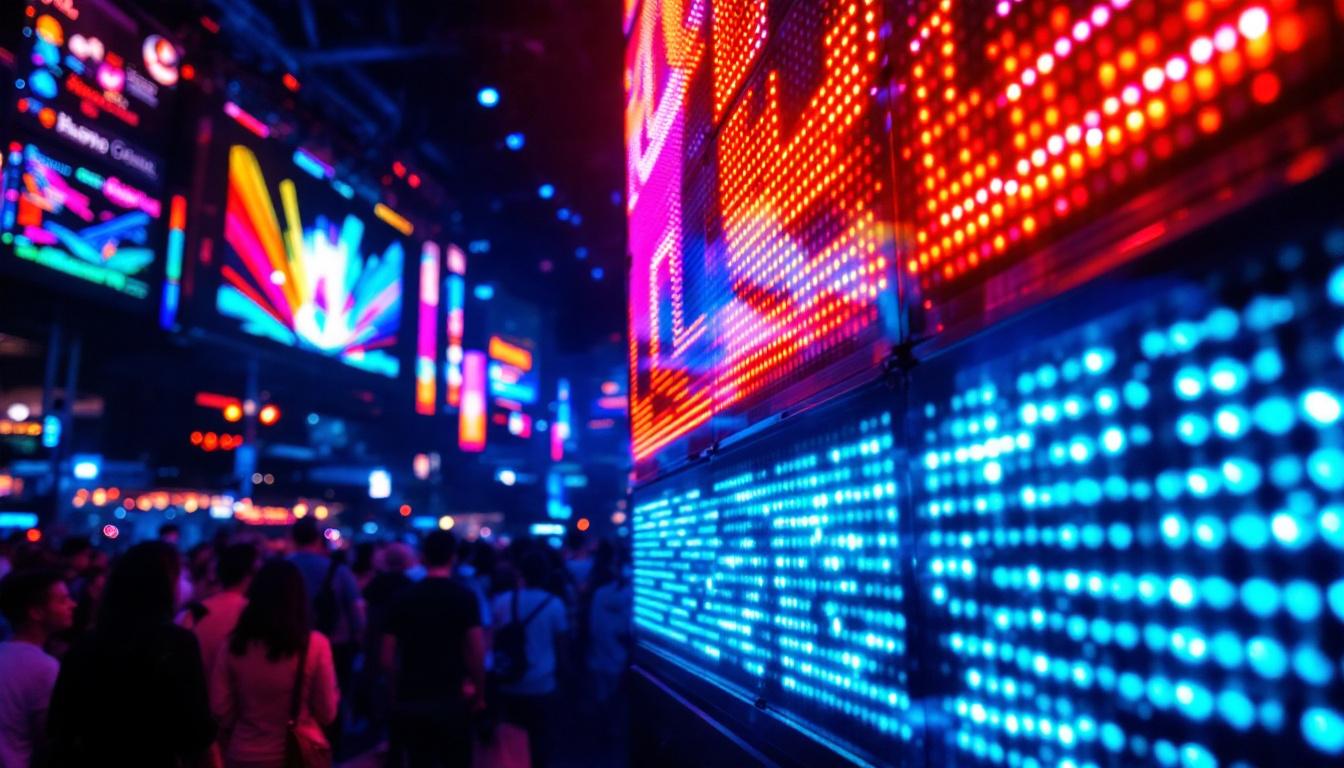
At its core, an LED pixel display is a screen composed of numerous tiny light-emitting diodes (LEDs), each acting as an individual pixel. These pixels collectively form images, videos, and animations with vivid brightness and color accuracy. Unlike traditional LCD or plasma screens, LED displays are self-illuminating, meaning each pixel emits its own light, resulting in higher contrast and better visibility in various lighting conditions. This self-illuminating property allows for deeper blacks and more vibrant colors, making LED displays particularly popular for outdoor advertising and large-scale installations where visibility is paramount.
The term “pixel” in LED pixel displays refers to a single point of light that can be controlled independently. Typically, each pixel consists of three sub-pixels: red, green, and blue (RGB). By varying the intensity of these sub-pixels, the display can produce a wide spectrum of colors. This RGB model is fundamental to how digital screens render images and videos. Additionally, advancements in technology have led to the development of full-color LED displays that can incorporate white LEDs or even other colors, further expanding the range of hues and shades that can be produced, enhancing the overall visual experience.
How LED Pixels Work
Each LED pixel is a tiny semiconductor device that emits light when an electric current passes through it. The color of the light depends on the materials used in the LED’s construction. In RGB LED displays, the combination of red, green, and blue LEDs within each pixel allows for millions of color variations by adjusting the brightness levels of each sub-pixel. This capability is not only essential for creating dynamic images but also plays a vital role in applications such as video walls, where synchronization across multiple displays is crucial for a seamless viewing experience.
Modern LED pixel displays utilize surface-mounted device (SMD) technology, where LEDs are mounted directly onto the circuit board. This method enables higher pixel density, improved reliability, and enhanced color uniformity. The pixel pitch, or the distance between the centers of two adjacent pixels, is a crucial factor affecting the resolution and viewing distance of the display. A smaller pixel pitch allows for closer viewing distances, making it ideal for indoor environments like concert venues or retail spaces, where viewers are often situated just a few feet away from the screen. Conversely, larger pixel pitches are typically used for outdoor displays, where the viewing distance is greater, and the focus is on visibility from afar. The ongoing evolution of LED technology continues to push the boundaries of display capabilities, promising even more vibrant and immersive visual experiences in the future.
Types of LED Pixel Displays
LED pixel displays come in various forms tailored to different applications. Understanding the types helps in selecting the right display for specific needs.
Indoor vs. Outdoor LED Displays
Indoor LED displays typically have a smaller pixel pitch, often ranging from 1.2mm to 4mm, which provides high resolution suitable for close viewing distances. They are designed to operate in controlled environments and usually have lower brightness levels, around 800 to 1,200 nits, to prevent eye strain.
Outdoor LED displays, on the other hand, feature larger pixel pitches, commonly between 6mm and 20mm, to ensure visibility from greater distances. These displays are engineered to withstand harsh weather conditions and have much higher brightness levels, often exceeding 5,000 nits, to remain visible even under direct sunlight.
Flexible and Transparent LED Displays
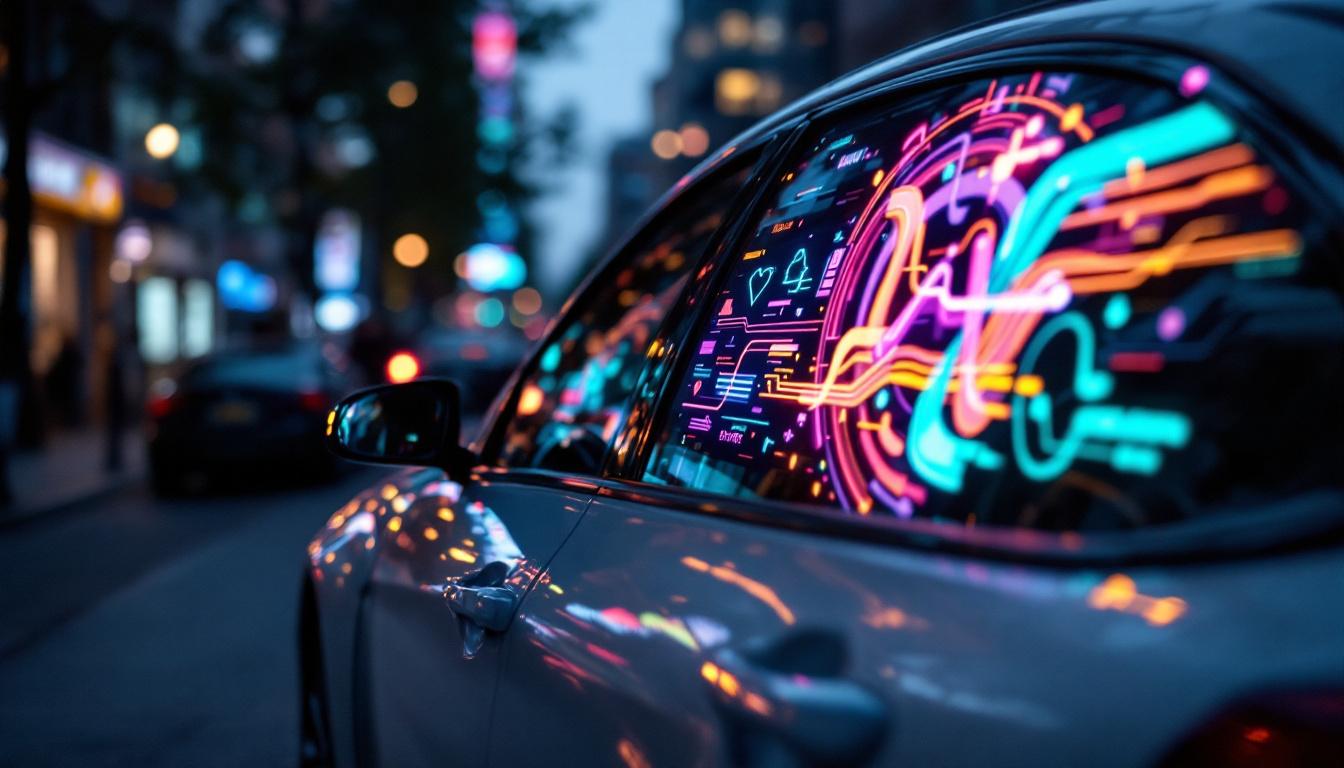
Innovations in LED technology have led to the development of flexible and transparent LED displays. Flexible displays use bendable substrates, allowing them to conform to curved surfaces such as building facades or vehicle exteriors. Transparent LED displays integrate LEDs into glass panels, enabling screens that maintain see-through visibility while displaying dynamic content.
These advanced displays open new possibilities for architectural integration and creative advertising, blending digital content seamlessly with physical environments.
Key Components and Technology Behind LED Pixel Displays
Several critical components work in unison to create the stunning visuals seen on LED pixel displays.
LED Modules and Panels
LED modules are the building blocks of an LED display. Each module contains a matrix of LED pixels and is designed to be easily replaceable. Multiple modules are assembled into panels, which are then combined to form the complete display screen. This modular design simplifies maintenance and allows for scalable screen sizes.
Driving Circuits and Controllers
The driving circuits regulate the current supplied to each LED pixel, controlling its brightness and color. Advanced controllers process input signals—such as video feeds—and convert them into commands that adjust the LEDs in real time. High refresh rates (often 3,000 Hz or higher) are essential for smooth motion rendering and flicker-free images, especially in video applications.
Power Supply and Cooling Systems
LED displays require stable power supplies to ensure consistent brightness and color accuracy. Outdoor displays, in particular, may consume significant power due to their high brightness levels. Efficient cooling systems, including heat sinks and fans, prevent overheating, which can degrade LED lifespan and performance.
Applications of LED Pixel Displays
The versatility of LED pixel displays makes them suitable for a wide range of applications across industries.
Advertising and Digital Signage
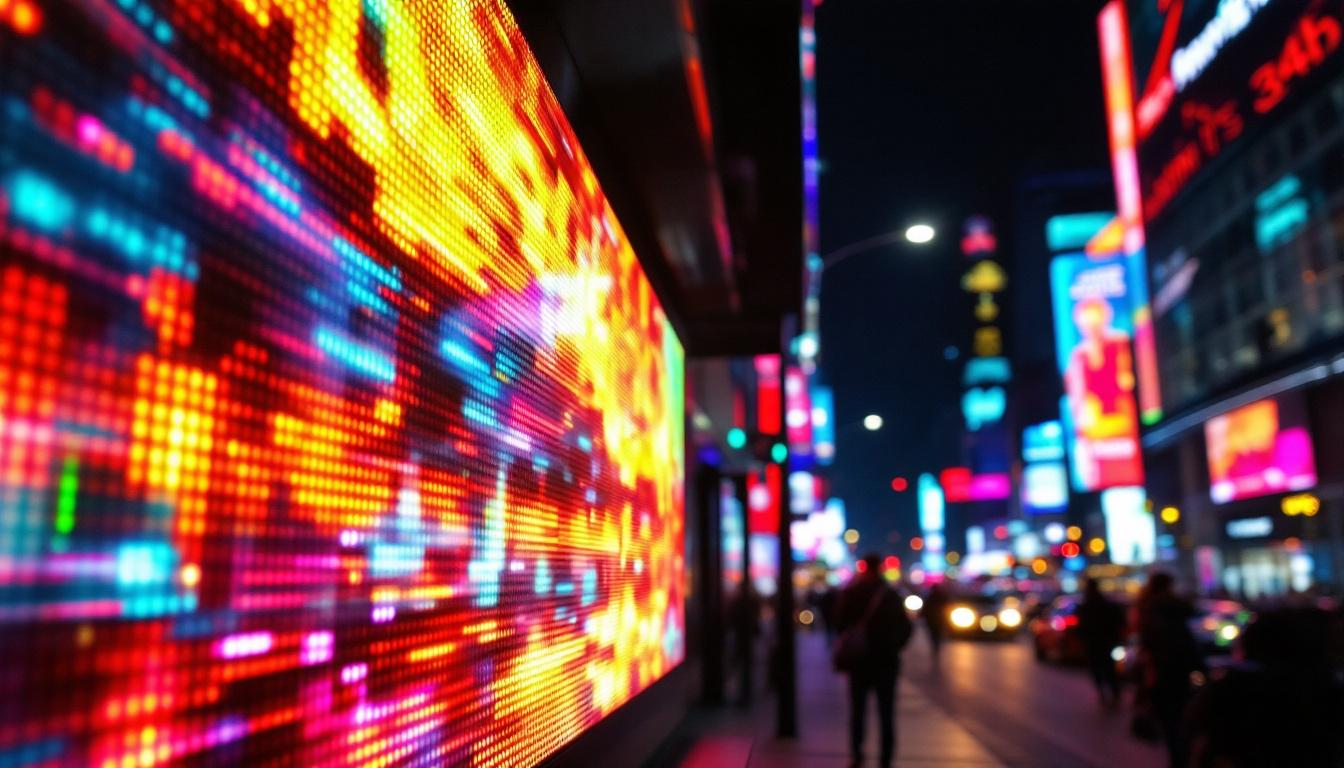
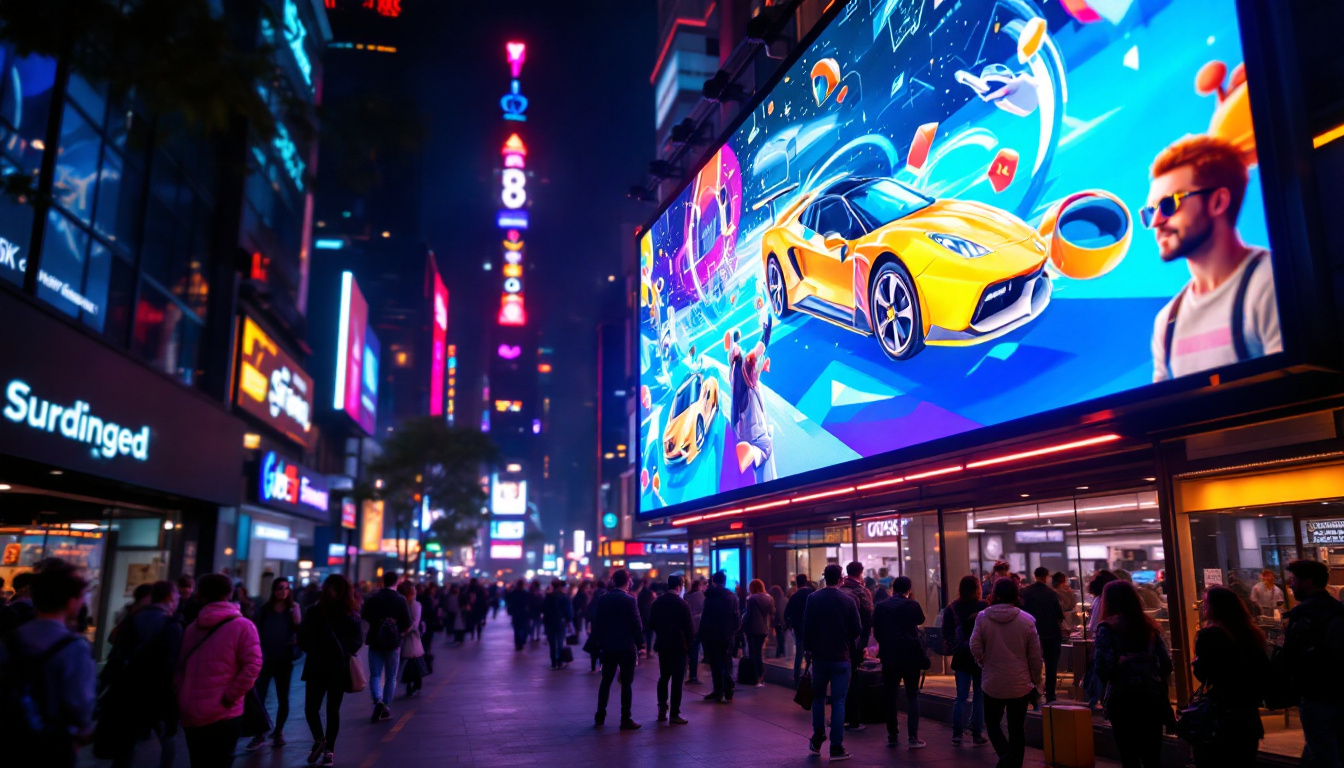
One of the most prevalent uses of LED displays is in advertising. Digital billboards equipped with LED pixels can display dynamic content that captures attention more effectively than static posters. According to recent market research, the global digital signage market is expected to grow at a compound annual growth rate (CAGR) of over 8% through 2028, driven largely by LED display adoption.
Retail stores, shopping malls, and public transport hubs utilize LED displays to deliver promotional messages, enhancing customer engagement and driving sales.
Sports and Entertainment Venues
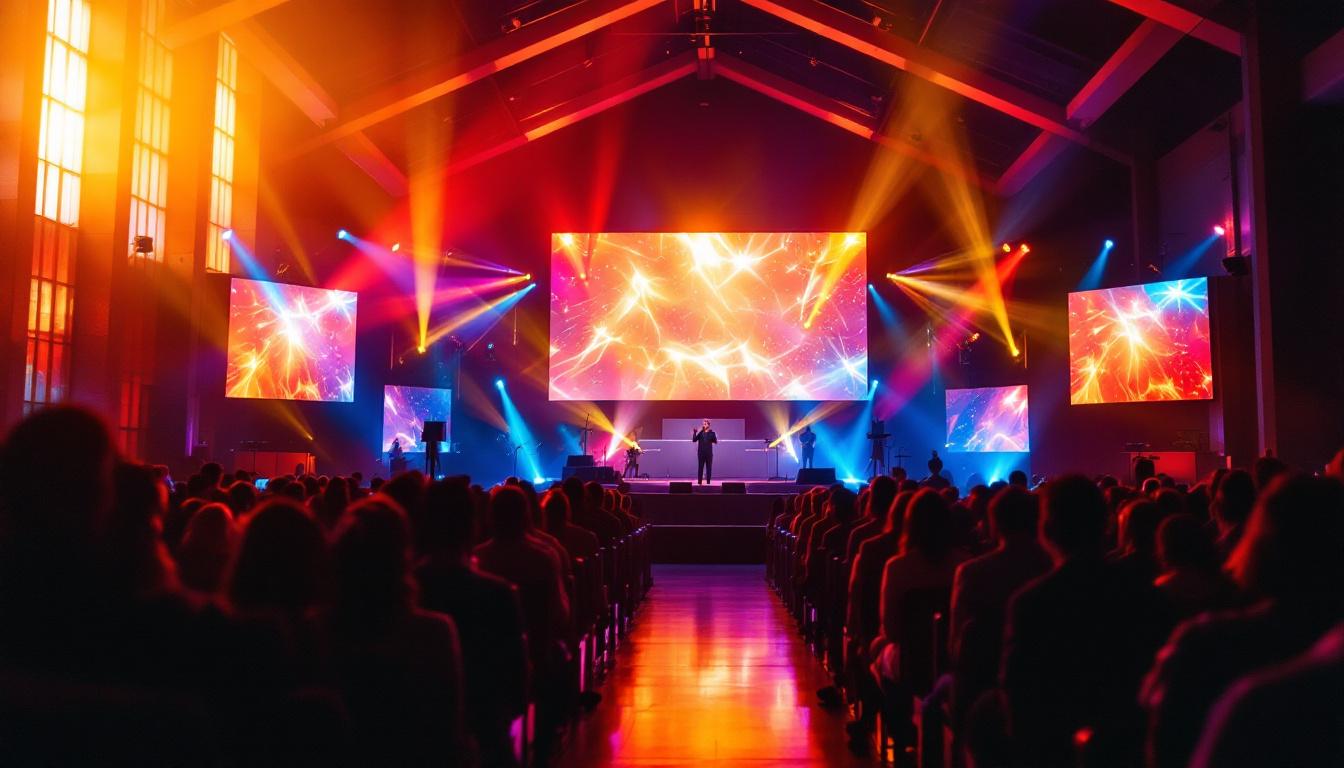
LED pixel displays are integral to modern sports arenas and concert venues. Large-scale LED screens provide spectators with real-time replays, scores, and interactive content, enriching the live experience. The ability to customize content dynamically makes LED displays invaluable for event organizers.
Corporate and Educational Use
In corporate settings, LED displays serve as digital notice boards, video conferencing backdrops, and presentation screens. Educational institutions employ LED displays for interactive learning, campus announcements, and event broadcasting.
Advantages of LED Pixel Displays Over Other Technologies
LED pixel displays offer several advantages compared to traditional display technologies such as LCD and projection systems.
Superior Brightness and Contrast
Because each LED pixel emits its own light, LED displays deliver exceptional brightness and contrast ratios. This self-illumination allows for deep blacks and vibrant colors, which are difficult to achieve with backlit LCD screens.
Energy Efficiency and Longevity
LED technology is more energy-efficient than many alternatives, reducing operational costs over time. Additionally, LED displays have a long lifespan—often exceeding 100,000 hours of operation—making them a cost-effective investment for businesses.
Scalability and Flexibility
The modular nature of LED pixel displays allows for screens of virtually any size and shape. This scalability, combined with flexible and transparent options, enables creative and customized installations that suit diverse environments.
Choosing the Right LED Pixel Display: Factors to Consider
Selecting the appropriate LED pixel display requires careful evaluation of various factors to ensure optimal performance and value.
Pixel Pitch and Resolution
The pixel pitch determines the resolution and viewing distance of the display. Smaller pixel pitches provide higher resolution and are suitable for close-up viewing, while larger pitches are ideal for long-distance visibility. For example, a 2mm pixel pitch is common for indoor retail displays, whereas a 10mm pitch might be used for outdoor billboards.
Brightness and Environmental Conditions
Consider the ambient lighting where the display will be installed. Outdoor displays require higher brightness levels to combat sunlight, while indoor displays can operate effectively at lower brightness, preserving energy and reducing glare.
Durability and Maintenance
Outdoor LED displays must be weatherproof and resistant to dust, moisture, and temperature fluctuations. Additionally, modular designs that allow for easy maintenance and replacement of faulty modules can reduce downtime and repair costs.
Future Trends in LED Pixel Display Technology
The LED pixel display industry continues to evolve rapidly, driven by advancements in materials, manufacturing, and digital processing.
Mini-LED and Micro-LED Innovations
Emerging technologies like Mini-LED and Micro-LED offer even greater pixel density and improved image quality. Micro-LED displays, for instance, use microscopic LEDs to achieve ultra-high resolution and contrast, rivaling OLED screens but with better durability and brightness.
Integration with IoT and AI
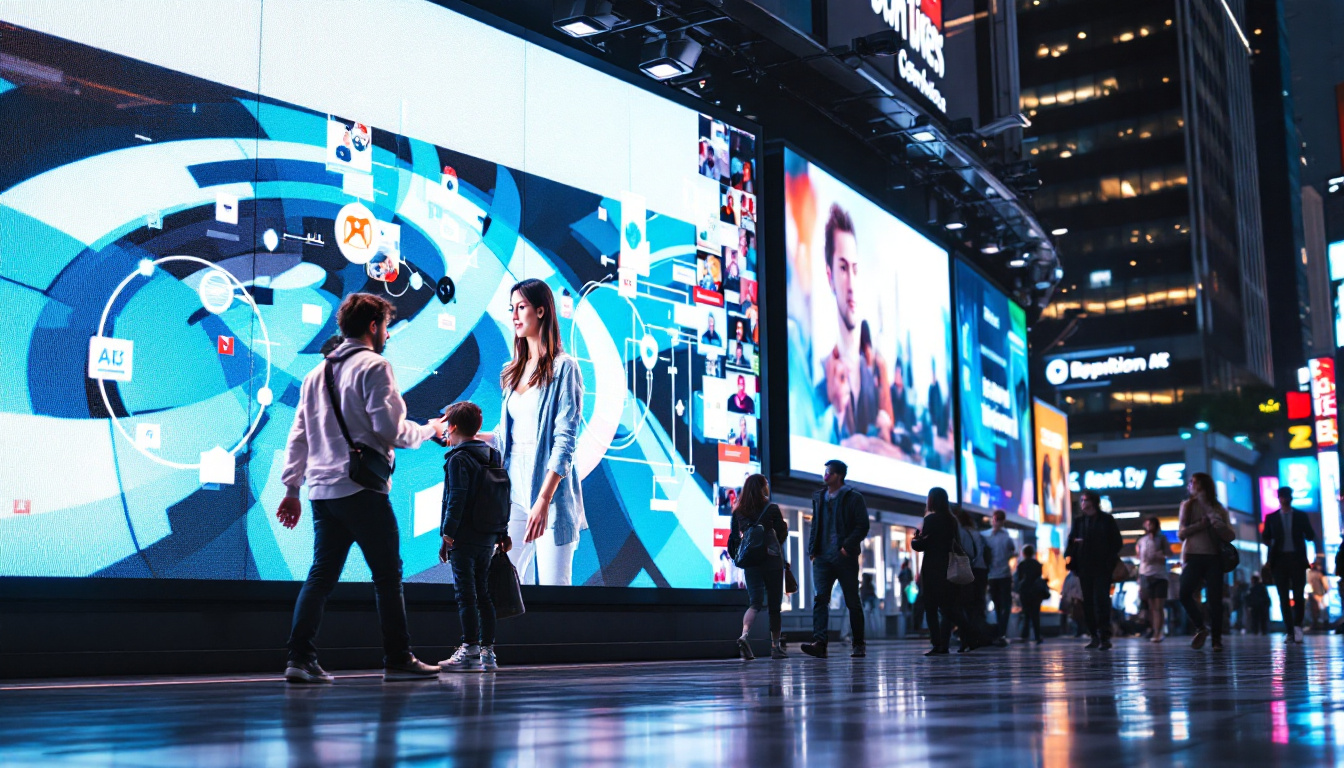
Smart LED displays integrated with Internet of Things (IoT) devices and artificial intelligence (AI) enable dynamic content adaptation based on audience demographics, weather, and other real-time data. This capability enhances engagement and provides valuable analytics for marketers and operators.
Environmental Sustainability
Manufacturers are increasingly focusing on eco-friendly materials and energy-saving designs to reduce the environmental impact of LED displays. Innovations in recycling and energy management are expected to make LED pixel displays greener in the coming years.
Conclusion
LED pixel displays represent a powerful and versatile technology that has transformed visual communication across multiple sectors. Their ability to deliver bright, vibrant, and dynamic content with high reliability makes them a preferred choice for advertising, entertainment, corporate, and educational applications.
By understanding the fundamentals of LED pixel displays, from pixel structure to application-specific requirements, businesses and organizations can make informed decisions that maximize the impact of their visual messaging. As technology advances, LED displays will continue to offer new possibilities, shaping the future of digital interaction and engagement.
Discover Cutting-Edge LED Display Solutions with LumenMatrix
Ready to elevate your visual communication and captivate your audience with unparalleled clarity and vibrancy? Look no further than LumenMatrix, a pioneer in LED display innovation. From Indoor and Outdoor LED Wall Displays to specialized solutions like Vehicle LED Displays, LED Sports Displays, and Custom LED Displays, LumenMatrix offers a comprehensive range of products designed to transform your space and engage viewers. Whether you’re looking to enhance your brand visibility, create immersive experiences, or simply share your message with dynamic impact, LumenMatrix has the technology to make it happen. Check out LumenMatrix LED Display Solutions today and step into the future of digital signage.