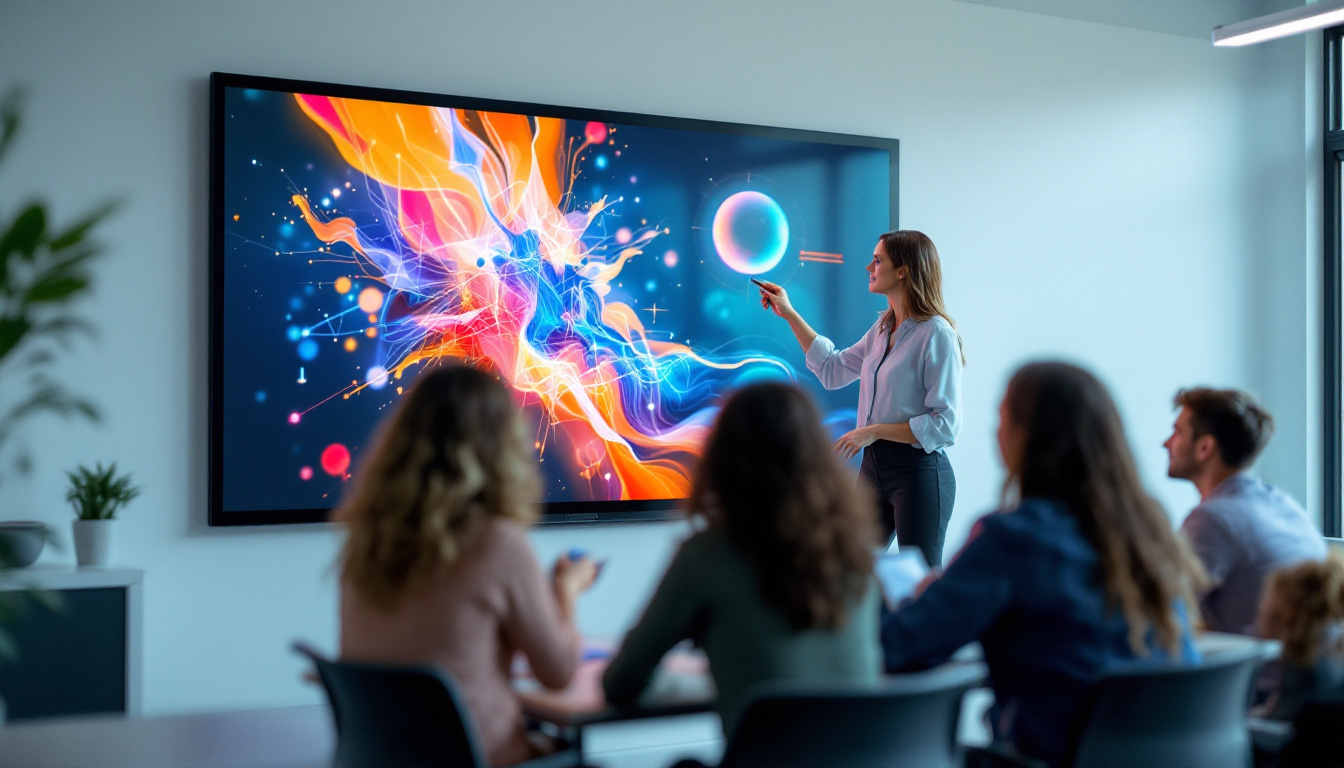
Touch Screen: LED Display Explained
In today’s digital age, touch screen technology has become an integral part of everyday life, powering everything from smartphones and tablets to interactive kiosks and automotive dashboards. Central to many of these devices is the LED display, which combines vibrant visuals with responsive touch capabilities to create seamless user experiences. This article delves into the fundamentals of LED displays in touch screen technology, exploring how they work, their advantages, and the latest innovations shaping their future.
Understanding LED Displays: The Foundation of Modern Touch Screens
LED, or Light Emitting Diode, displays have revolutionized the way images and information are presented on electronic devices. Unlike traditional LCDs that rely on backlighting, LED displays use tiny diodes that emit light directly, resulting in brighter images and improved energy efficiency. This advancement not only enhances visual clarity but also contributes to longer battery life in portable devices, making them more user-friendly and sustainable.
There are two main types of LED displays used in touch screen devices: direct LED and OLED (Organic Light Emitting Diode). Direct LED displays utilize an array of LEDs as a backlight behind an LCD panel, while OLED displays use organic compounds that emit light when an electric current passes through them, eliminating the need for a separate backlight. This ability to produce light at the pixel level allows OLED screens to achieve stunning color accuracy and a wider viewing angle, making them particularly popular for high-end smartphones and televisions.
How LED Displays Work in Touch Screens
At the core of any touch screen device is the display panel, which presents visual content to the user. The LED display serves as the canvas, producing vivid colors and sharp images. When combined with touch sensors layered on top, the device can detect and respond to user input such as taps, swipes, and gestures. This seamless interaction is crucial for applications ranging from gaming to professional software, where precision and responsiveness can greatly enhance user experience.
The LED display works by controlling the intensity of individual diodes to create pixels that form the images seen on the screen. In OLED displays, each pixel emits its own light, allowing for deeper blacks and higher contrast ratios, which enhances the overall viewing experience, especially in low-light environments. Furthermore, the flexibility of OLED technology enables the creation of curved and foldable screens, pushing the boundaries of design and functionality in modern devices.
Types of Touch Technologies Integrated with LED Displays
Touch screens typically incorporate one of several touch detection methods, each with unique characteristics and compatibility with LED displays:
- Capacitive Touch: The most common technology in smartphones and tablets, capacitive touch screens detect changes in the electrical field caused by the conductive properties of a finger. These screens are highly responsive and support multi-touch gestures, allowing users to pinch, zoom, and swipe with ease, which is essential for navigating complex applications and games.
- Resistive Touch: This technology relies on pressure applied to the screen, causing two conductive layers to make contact. While less sensitive than capacitive screens, resistive touch is often used in industrial or outdoor devices due to its durability and ability to register input from gloves or styluses. This makes them ideal for environments where users may not have direct skin contact with the screen, such as in manufacturing or healthcare settings.
- Infrared and Optical Touch: These systems use light sensors around the display edges to detect touch by interruptions in the light beams. They are less common in consumer devices but are favored for large interactive displays, such as those found in museums or public information kiosks, where multiple users can interact with the screen simultaneously without the limitations of traditional touch technologies.
Each of these touch technologies can be paired with LED displays, but capacitive touch combined with OLED or direct LED displays is the dominant configuration in consumer electronics due to its precision and clarity. As technology advances, we can expect to see even more innovative combinations that enhance user interaction, such as haptic feedback systems that provide tactile responses to touch inputs, further bridging the gap between digital and physical experiences.
Advantages of LED Displays in Touch Screen Devices
LED displays offer several compelling benefits that have made them the preferred choice for touch screen manufacturers worldwide. These advantages contribute not only to enhanced user experiences but also to the durability and efficiency of devices.
Superior Image Quality and Brightness
One of the most noticeable benefits of LED displays is their exceptional brightness and color accuracy. LED technology allows for higher luminance levels compared to traditional LCDs, making screens easier to view even under direct sunlight. This is particularly important for outdoor devices such as GPS units, smartphones, and public information kiosks.
OLED displays, a subset of LED technology, provide even more striking visuals with true blacks and vibrant colors, thanks to their self-emissive pixels. This results in better contrast ratios and more immersive viewing experiences, which is why OLED screens are increasingly popular in premium smartphones and tablets.
Energy Efficiency and Longevity
LED displays are more energy-efficient than older display technologies, which translates to longer battery life for portable devices. By emitting light directly from the diodes, less power is wasted compared to LCDs that require constant backlighting.
Additionally, LED displays tend to have longer operational lifespans. OLED technology, while offering superior image quality, can experience burn-in issues over time if static images are displayed for extended periods. However, advancements in materials and pixel-shifting techniques have significantly mitigated these concerns, extending the functional life of OLED screens.
Thin and Lightweight Design
LED displays enable manufacturers to create thinner and lighter devices without compromising screen size or quality. This is especially advantageous in mobile devices where portability is critical. The slim profile of OLED panels, in particular, has allowed for innovative designs such as foldable and curved screens, expanding the possibilities for touch screen applications.
Applications of LED Touch Screen Displays Across Industries
The versatility of LED touch screen displays has led to widespread adoption across various sectors, each leveraging the technology to meet specific needs and enhance user interaction.
Consumer Electronics
Smartphones, tablets, laptops, and smartwatches are among the most common devices utilizing LED touch screen displays. The demand for high-resolution, responsive screens continues to drive innovation, with manufacturers focusing on improving refresh rates, color accuracy, and touch sensitivity.
For example, the smartphone market has seen a rapid shift toward OLED displays due to their superior image quality and energy efficiency. As of 2023, over 60% of premium smartphones feature OLED screens, reflecting consumer preference for vibrant visuals and sleek designs.
Automotive Industry
Modern vehicles increasingly incorporate LED touch screens for infotainment systems, navigation, and climate control. These displays must perform reliably under varying lighting conditions and temperatures, making LED technology an ideal choice.
Automotive-grade LED displays often feature enhanced durability and anti-glare coatings to ensure visibility and responsiveness. Touch screens in cars also integrate with voice control and gesture recognition, creating safer and more intuitive user interfaces.
Retail and Hospitality
Interactive kiosks, digital signage, and point-of-sale terminals frequently use LED touch screen displays to engage customers and streamline transactions. The bright, vivid displays attract attention in busy environments, while responsive touch capabilities facilitate smooth interactions.
Retailers benefit from LED touch screens by offering personalized experiences, such as product customization and self-checkout options, which improve customer satisfaction and operational efficiency.
Healthcare and Industrial Applications
In healthcare, LED touch screens are used in medical devices, patient monitoring systems, and diagnostic equipment. The clarity and responsiveness of these displays are critical for accurate data visualization and user input.
Industrial environments also rely on ruggedized LED touch screens that can withstand harsh conditions, including dust, moisture, and extreme temperatures. These displays enable workers to interact with machinery and control systems efficiently and safely.
Recent Innovations and Future Trends in LED Touch Screen Technology
The field of LED touch screen displays is evolving rapidly, driven by consumer demand and technological advancements. Several emerging trends are poised to shape the future of this technology.
Flexible and Foldable Displays
Flexible OLED displays have opened new possibilities for device form factors. Foldable smartphones and tablets, which debuted in the early 2020s, continue to improve in durability and user experience. These devices rely on bendable LED panels that maintain image quality even when folded or rolled.
Such innovations are expected to expand beyond consumer electronics into areas like wearable devices and automotive interiors, where adaptable screens can enhance functionality and aesthetics.
Higher Refresh Rates and Enhanced Touch Sensitivity
Gaming and professional applications demand displays with high refresh rates and precise touch recognition. LED touch screens are advancing to support refresh rates of 120Hz and beyond, reducing motion blur and improving responsiveness.
Enhanced touch sensitivity also enables more nuanced gestures and pressure detection, facilitating new interaction paradigms such as stylus input and multi-finger controls.
Integration of AI and Gesture Recognition
Artificial intelligence is being integrated into touch screen systems to enable predictive interactions and context-aware responses. Combined with LED displays, AI can enhance user interfaces by adapting brightness, contrast, and touch sensitivity based on environmental conditions and user behavior.
Gesture recognition technologies, which detect hand movements without physical contact, are also gaining traction. These systems complement touch screens by offering alternative input methods, particularly useful in hygiene-sensitive environments like healthcare.
Conclusion: The Vital Role of LED Displays in Touch Screen Technology
LED displays form the visual and interactive backbone of modern touch screen devices, delivering bright, vibrant images and responsive touch capabilities that users have come to expect. Their advantages in image quality, energy efficiency, and design flexibility make them indispensable across a wide range of industries.
As technology continues to advance, innovations such as flexible OLED panels, higher refresh rates, and AI integration promise to further enhance the capabilities and applications of LED touch screen displays. Understanding the fundamentals and latest trends in this technology is essential for manufacturers, developers, and consumers alike to appreciate the potential and future of interactive digital experiences.
Explore Cutting-Edge LED Displays with LumenMatrix
As you’ve seen, LED displays are at the forefront of touch screen innovation, offering unparalleled image quality, energy efficiency, and versatility. If you’re inspired by the potential of LED technology and its transformative impact on digital experiences, LumenMatrix invites you to explore our comprehensive range of LED display solutions. From Indoor and Outdoor LED Walls to specialized displays for vehicles, sports, and custom applications, LumenMatrix is committed to revolutionizing visual communication. Check out LumenMatrix LED Display Solutions today and see how our state-of-the-art products can enhance your brand visibility and captivate your audience.