In today’s digital age, visual display technology plays a crucial role in how we communicate, work, and entertain ourselves. Among the various display technologies available, LED displays have become increasingly popular due to their vibrant colors, energy efficiency, and versatility. This article explores the fundamentals of LED displays, their advantages, types, and applications, providing a comprehensive understanding for consumers and professionals alike.
Understanding LED Display Technology
LED stands for Light Emitting Diode, a semiconductor device that emits light when an electric current passes through it. LED displays use these tiny diodes as individual pixels to create images and videos. Unlike traditional LCD (Liquid Crystal Display) panels that rely on backlighting, LED displays utilize these diodes to produce their own light, resulting in brighter and more vivid visuals.
The core principle behind LED displays is the ability to control each diode’s brightness and color independently. This control allows for high contrast ratios and a wide color gamut, which are essential for delivering sharp and lifelike images. The technology has evolved significantly over the past decade, making LED displays a preferred choice in various sectors.
How LED Displays Differ from LCDs
While the term “LCD” is often used interchangeably with LED, it is important to distinguish between the two. An LCD panel uses liquid crystals to modulate light passing through it, but it requires a backlight to illuminate the screen. In many modern LCD TVs and monitors, LED backlights have replaced older fluorescent backlights, leading to the term “LED LCD.” However, these are not true LED displays but rather LCDs with LED backlighting.
True LED displays, such as OLED (Organic LED) or microLED, generate light at the pixel level without the need for backlighting. This fundamental difference results in better contrast, deeper blacks, and often more energy-efficient displays. Understanding these distinctions helps consumers make informed decisions when purchasing display devices.
Types of LED Displays
LED display technology encompasses several types, each suited for different applications and environments. The most common categories include:
1. LED LCD Displays
These are traditional LCD screens that use LED backlighting instead of fluorescent lamps. They are widely used in televisions, computer monitors, and smartphones. LED backlighting improves brightness and energy efficiency while allowing thinner designs. However, since the light source is behind the LCD panel, black levels and contrast ratios are limited compared to true LED displays.
2. OLED Displays
Organic Light Emitting Diode (OLED) displays consist of organic compounds that emit light when electrically stimulated. Each pixel in an OLED display produces its own light, enabling perfect black levels and exceptional color accuracy. OLED technology is prevalent in high-end smartphones, TVs, and wearable devices. Despite their advantages, OLEDs can be more expensive to produce and may suffer from burn-in issues over prolonged use.
3. MicroLED Displays
MicroLED is an emerging technology that uses microscopic LEDs to form individual pixels. Like OLEDs, microLEDs are self-emissive, offering superior brightness, energy efficiency, and longevity without the burn-in risk. MicroLED displays are gaining traction in large-scale commercial displays and premium consumer products, though mass production remains challenging and costly.
4. Outdoor LED Displays
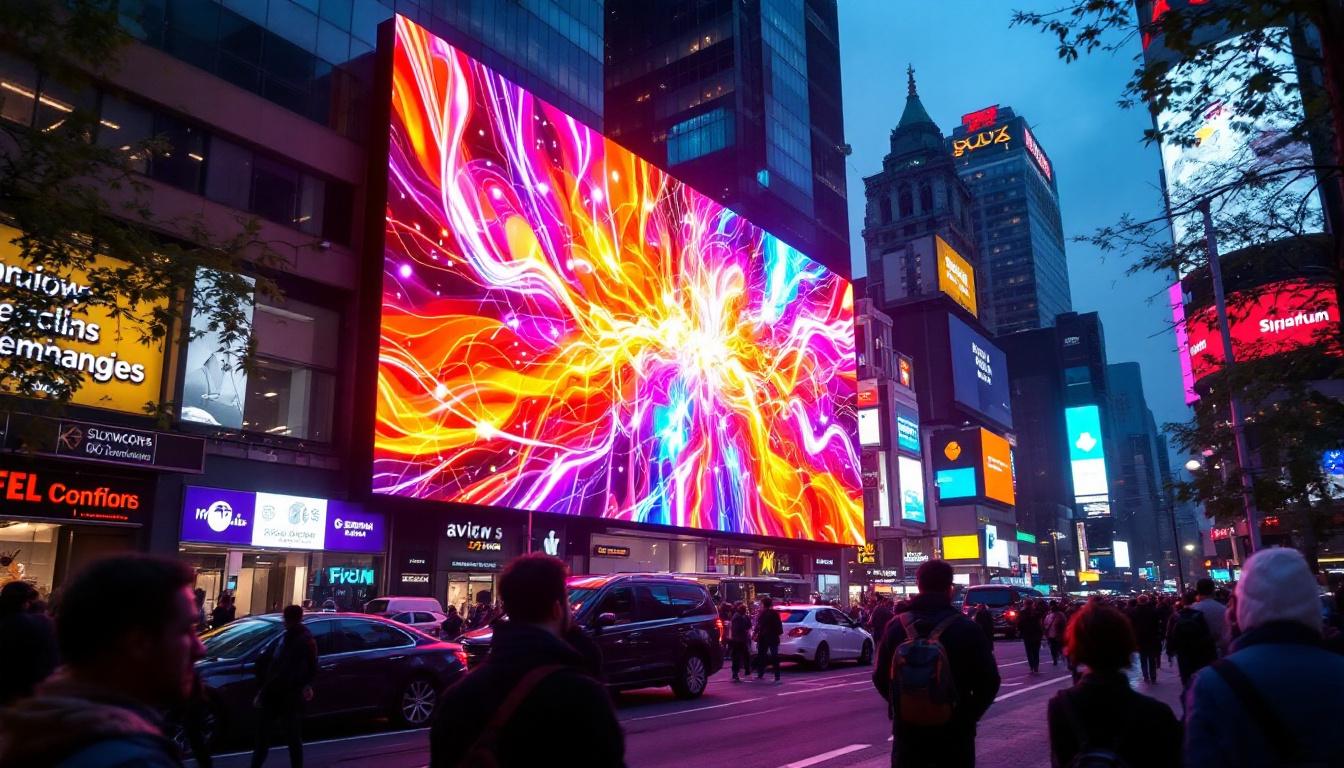
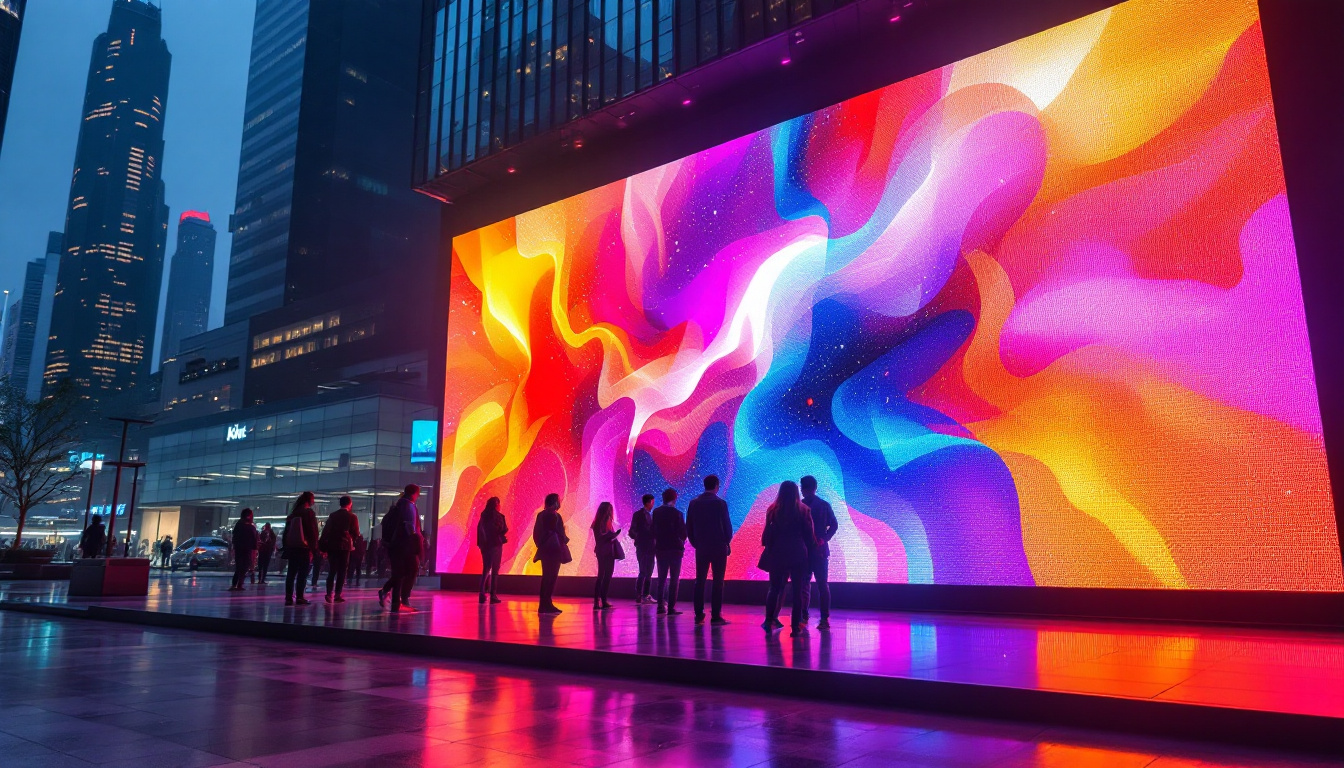
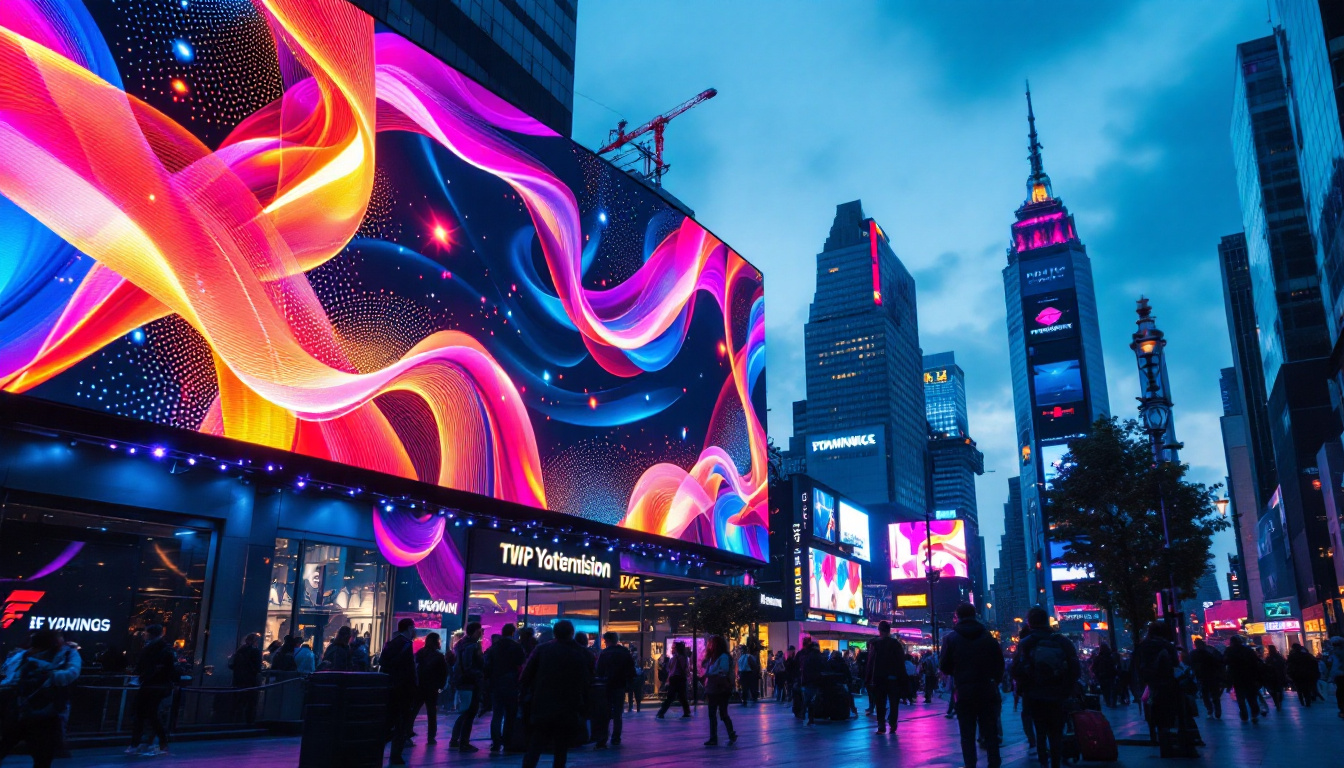
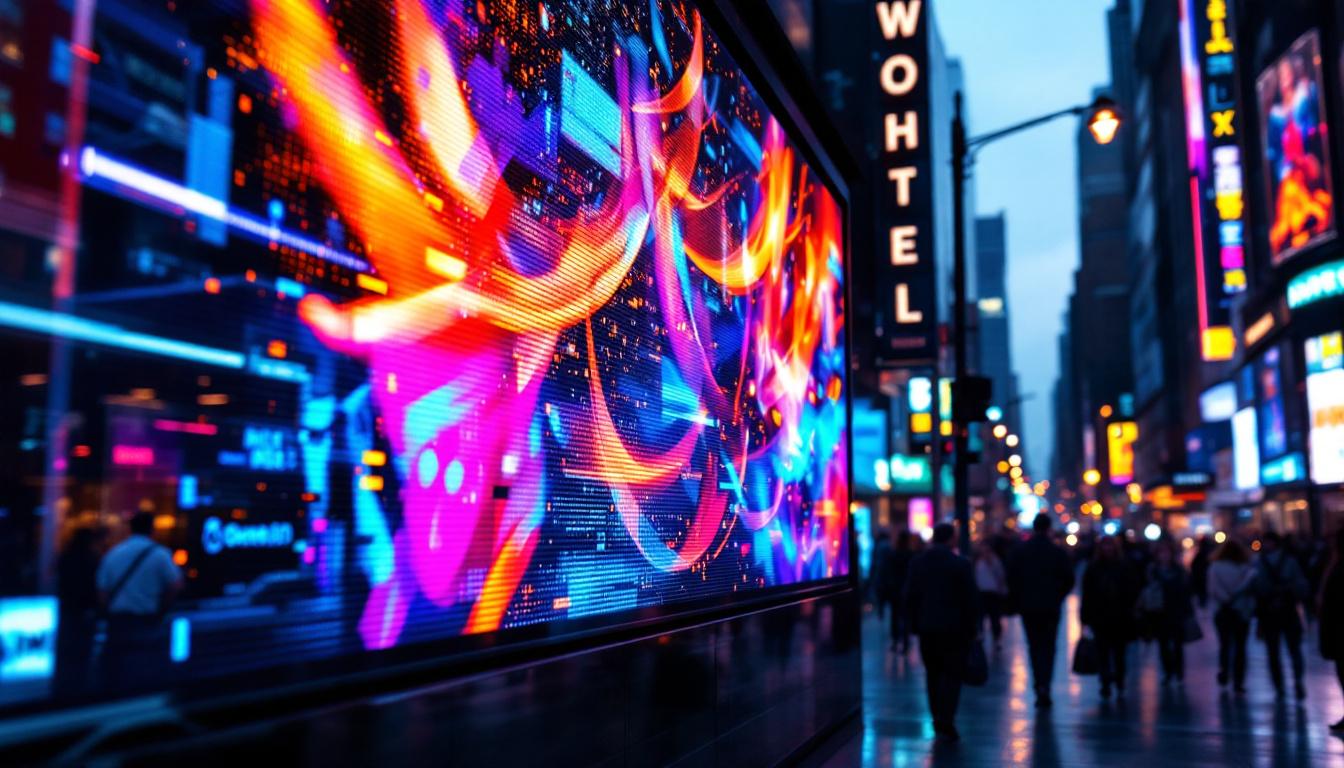
Designed for visibility in bright environments, outdoor LED displays use high-intensity LEDs arranged in modular panels. These displays are common in billboards, stadium screens, and public information boards. Their rugged construction and high brightness levels ensure durability and readability even under direct sunlight and harsh weather conditions.
Advantages of LED Displays
LED displays offer numerous benefits that have driven their widespread adoption across industries. Understanding these advantages can help businesses and consumers choose the right display technology for their needs.
Superior Image Quality
One of the most significant advantages of LED displays is their ability to produce vibrant colors and high contrast ratios. True LED displays, such as OLED and microLED, can achieve near-perfect blacks by turning off individual pixels completely. This results in images that are more lifelike and immersive, enhancing user experience in entertainment and professional settings.
Energy Efficiency
Compared to traditional display technologies, LED displays consume less power. LED backlighting in LCDs reduces energy consumption by up to 30% compared to fluorescent backlights. Self-emissive displays like OLED and microLED are even more efficient because they only illuminate the pixels needed for the image, reducing wasted energy. This efficiency translates into longer battery life for portable devices and lower operating costs for commercial installations.
Thin and Lightweight Design
LED technology enables the production of thinner and lighter displays. This is particularly important for mobile devices, laptops, and modern televisions where sleek design is a priority. The reduction in thickness also allows for more flexible form factors, including curved and foldable screens, expanding the possibilities for innovative product designs.
Durability and Longevity
LED displays are generally more durable than their predecessors. They are less susceptible to damage from shocks and vibrations, making them suitable for outdoor and industrial environments. MicroLED displays, in particular, offer longer lifespans compared to OLEDs, which can degrade over time due to organic material wear.
Applications of LED Displays
The versatility of LED displays has led to their adoption in a wide range of applications, from consumer electronics to large-scale commercial installations.
Consumer Electronics
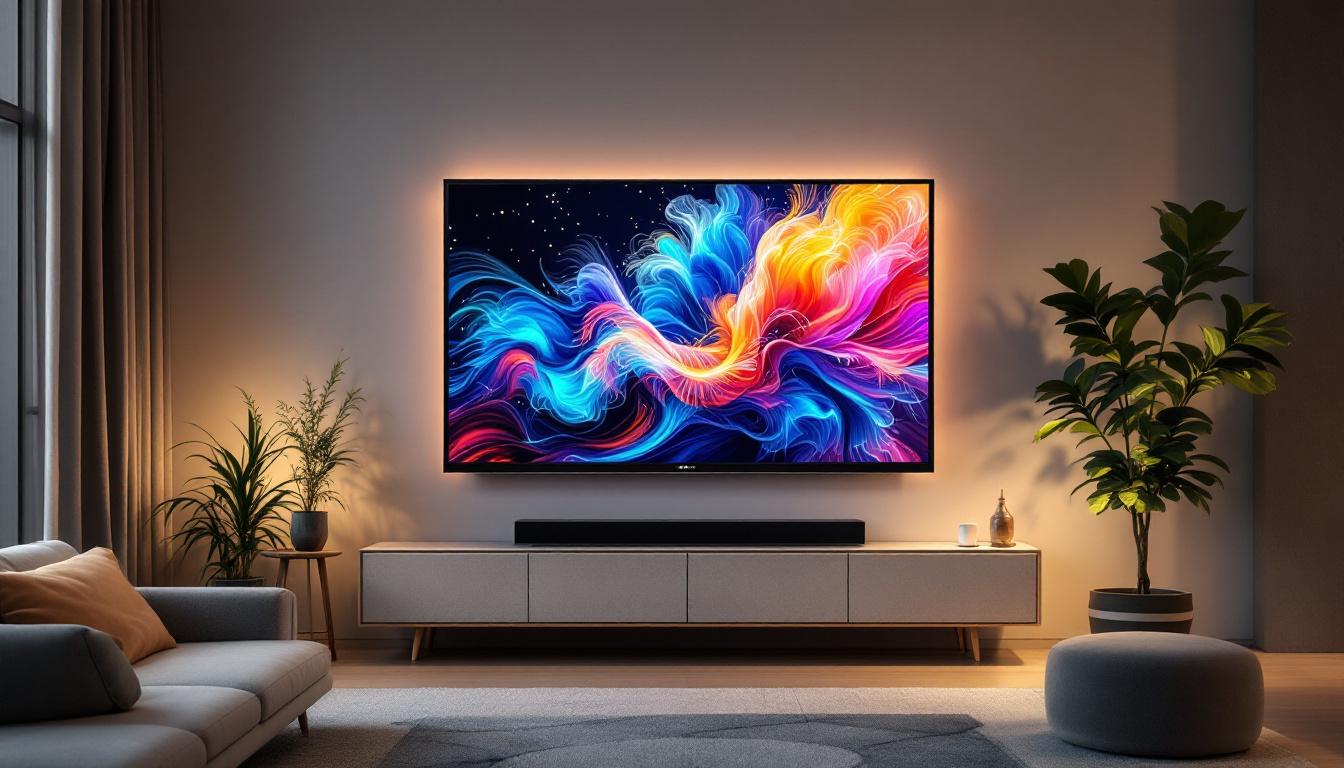
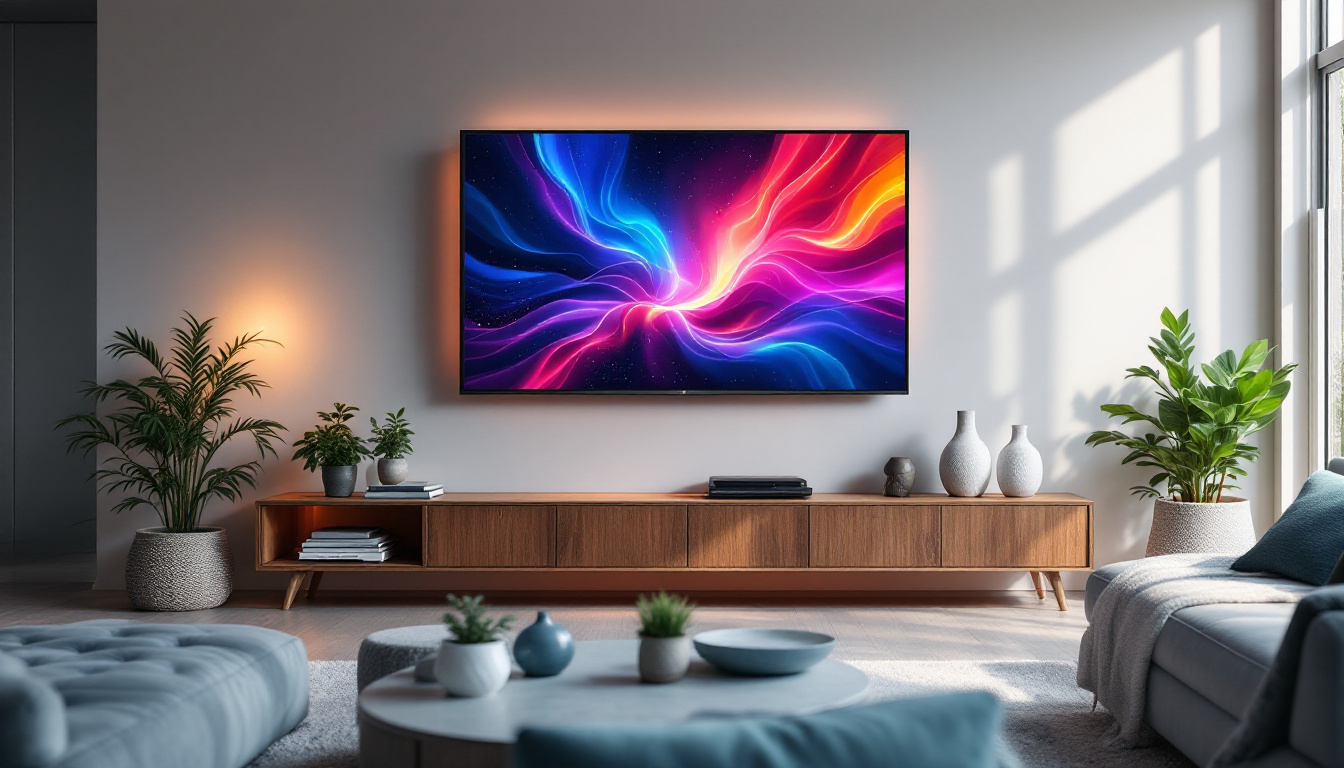
LED displays are ubiquitous in smartphones, tablets, laptops, and televisions. The demand for high-resolution, energy-efficient screens with excellent color reproduction has driven manufacturers to adopt OLED and LED-backlit LCD technologies extensively. For example, flagship smartphones from leading brands often feature OLED screens for their superior display quality and power savings.
Digital Signage and Advertising
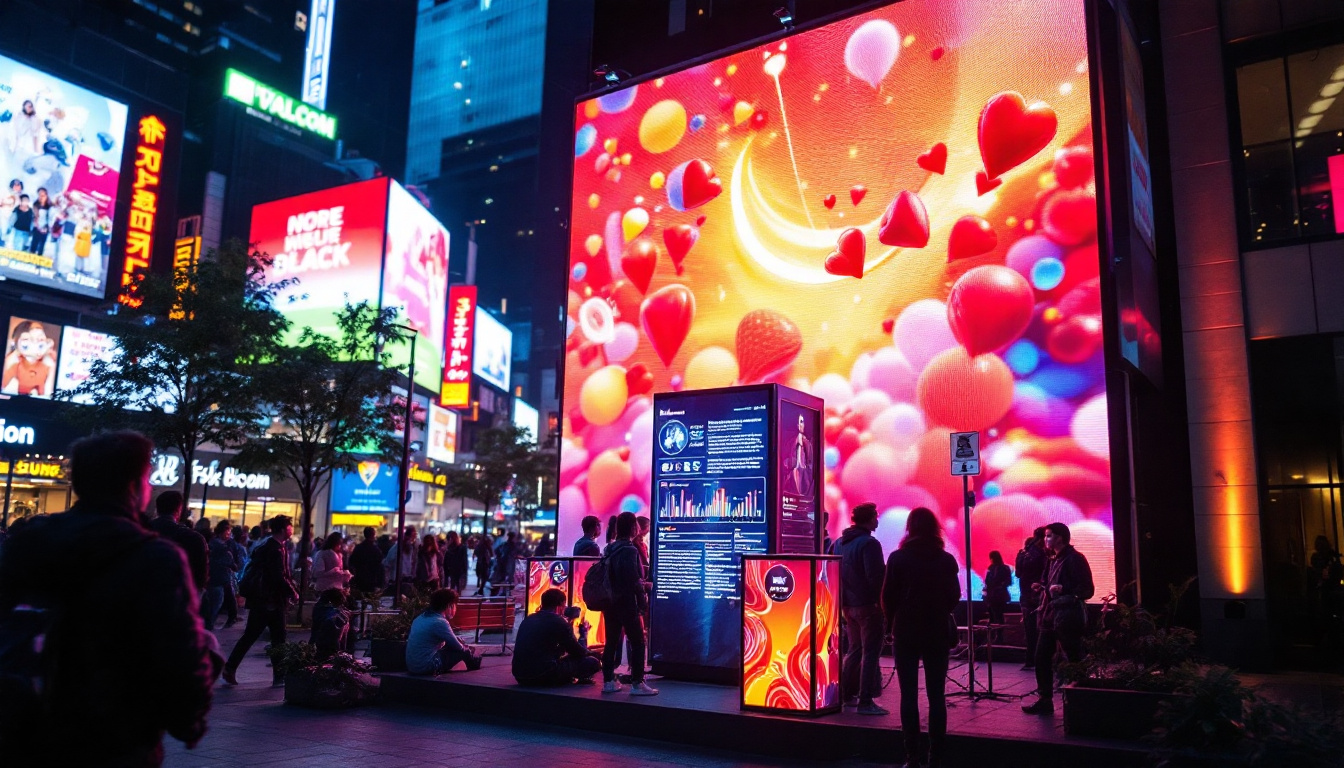
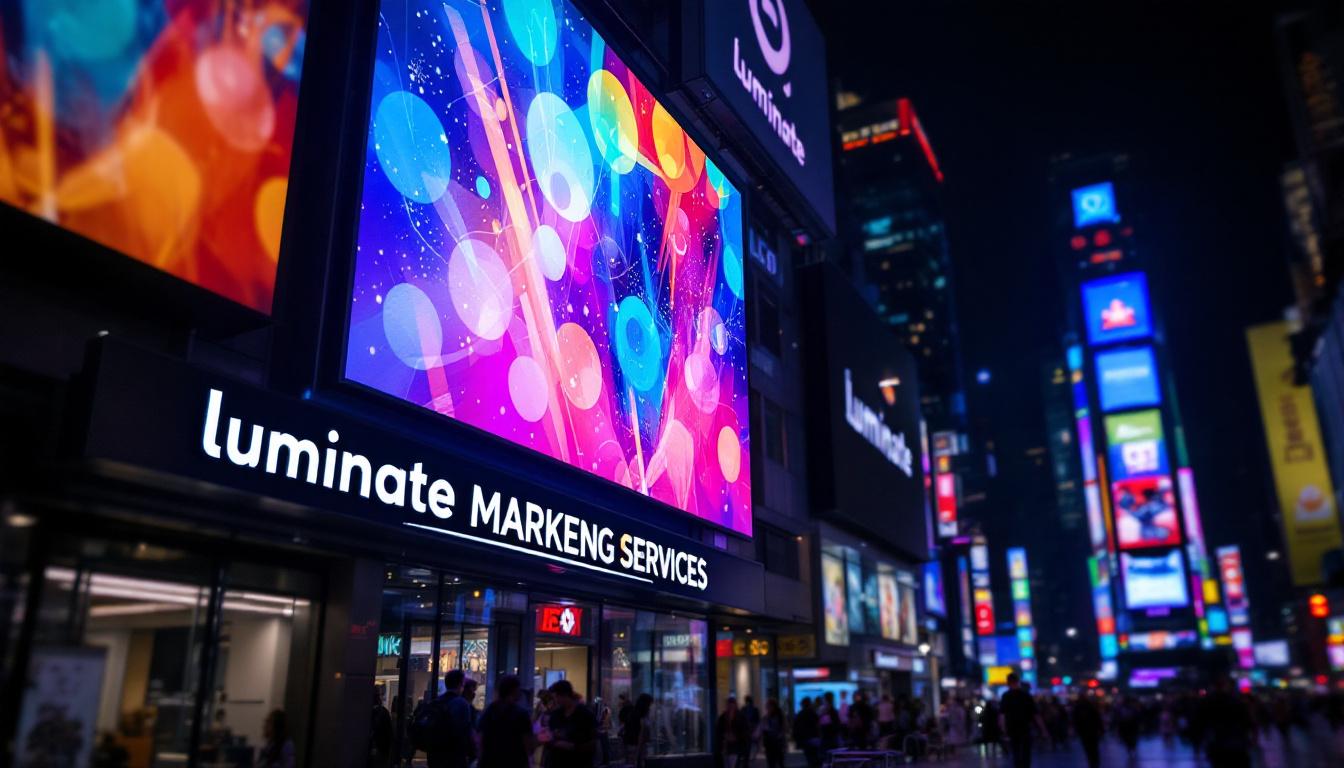
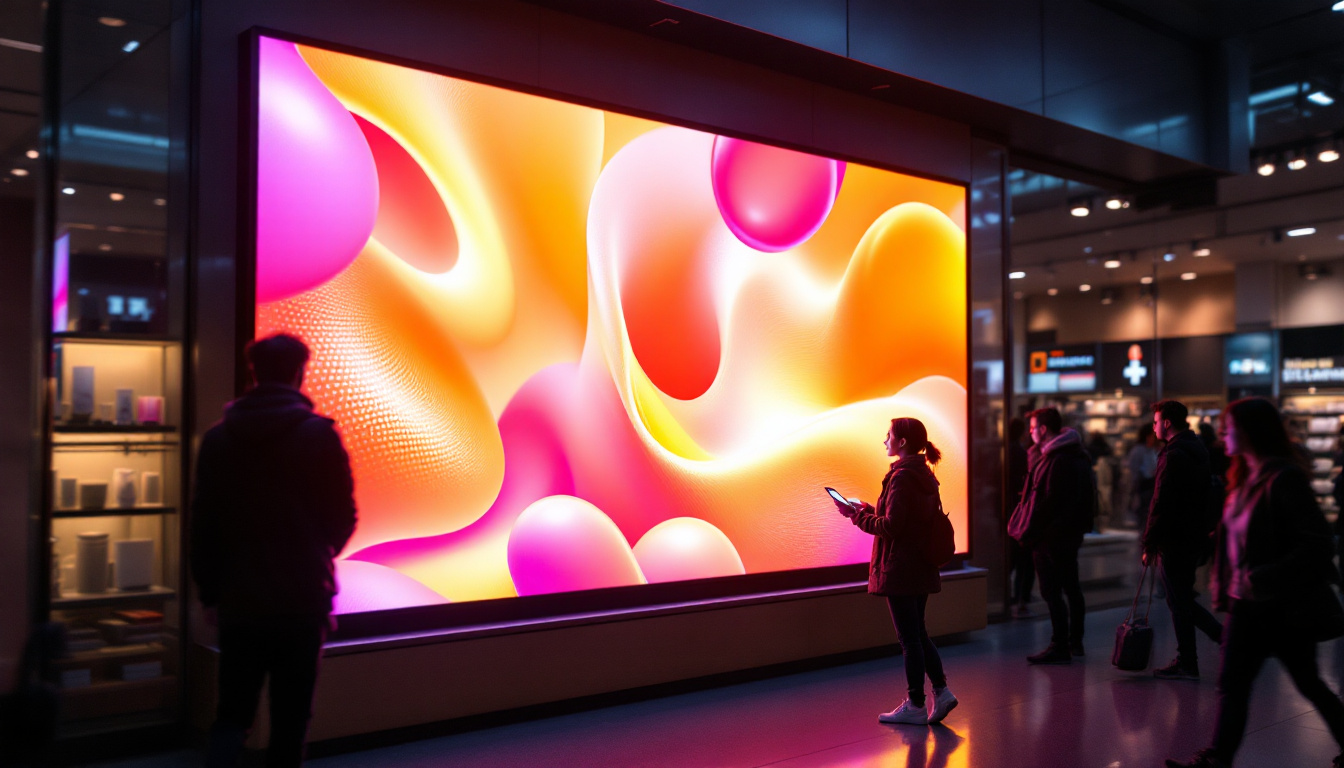
Outdoor and indoor LED displays are widely used for digital signage, providing dynamic advertising solutions that attract attention and engage audiences. According to recent market research, the global digital signage market is expected to grow at a compound annual growth rate (CAGR) of over 7% through 2028, driven by increasing demand for interactive and high-visibility displays.
LED billboards and video walls enable advertisers to deliver vibrant content that can be updated in real-time, maximizing impact and flexibility. Their high brightness and durability make them ideal for locations such as shopping malls, airports, and sports arenas.
Events and Entertainment
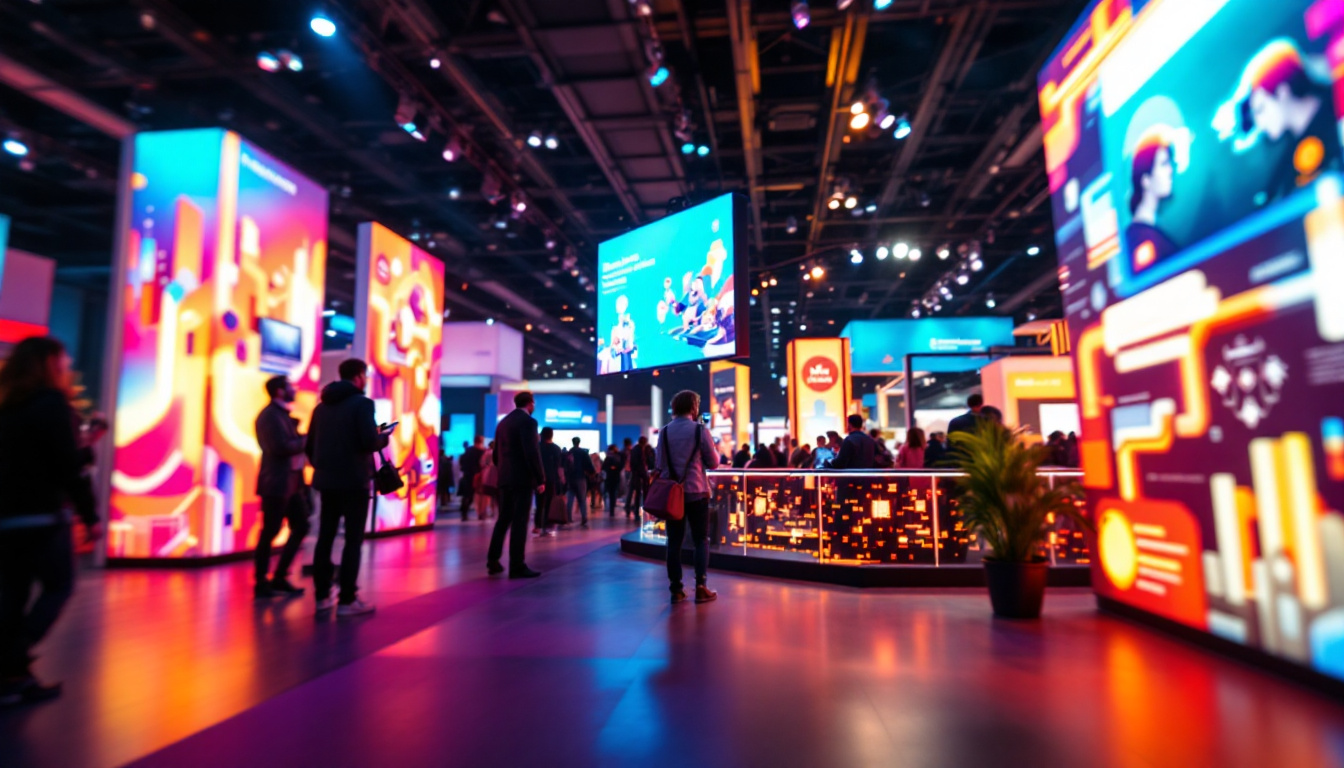
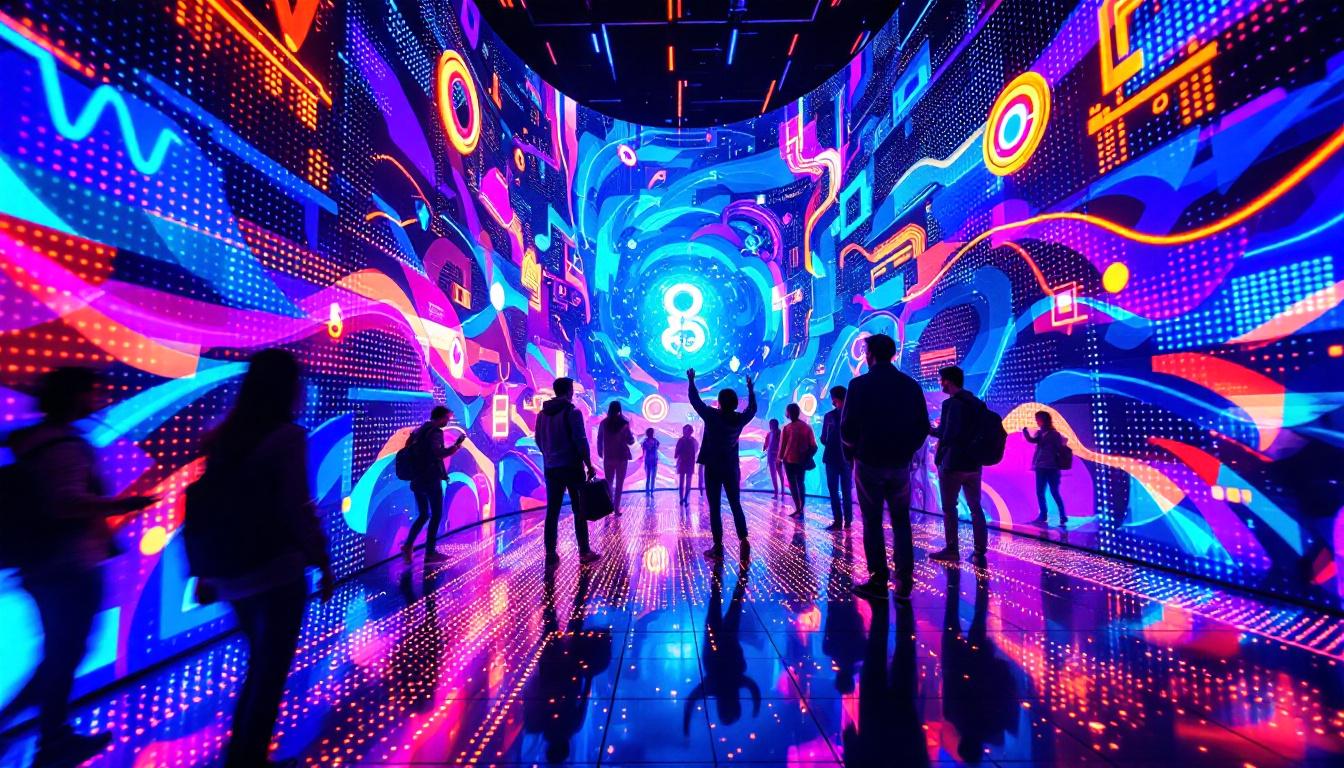
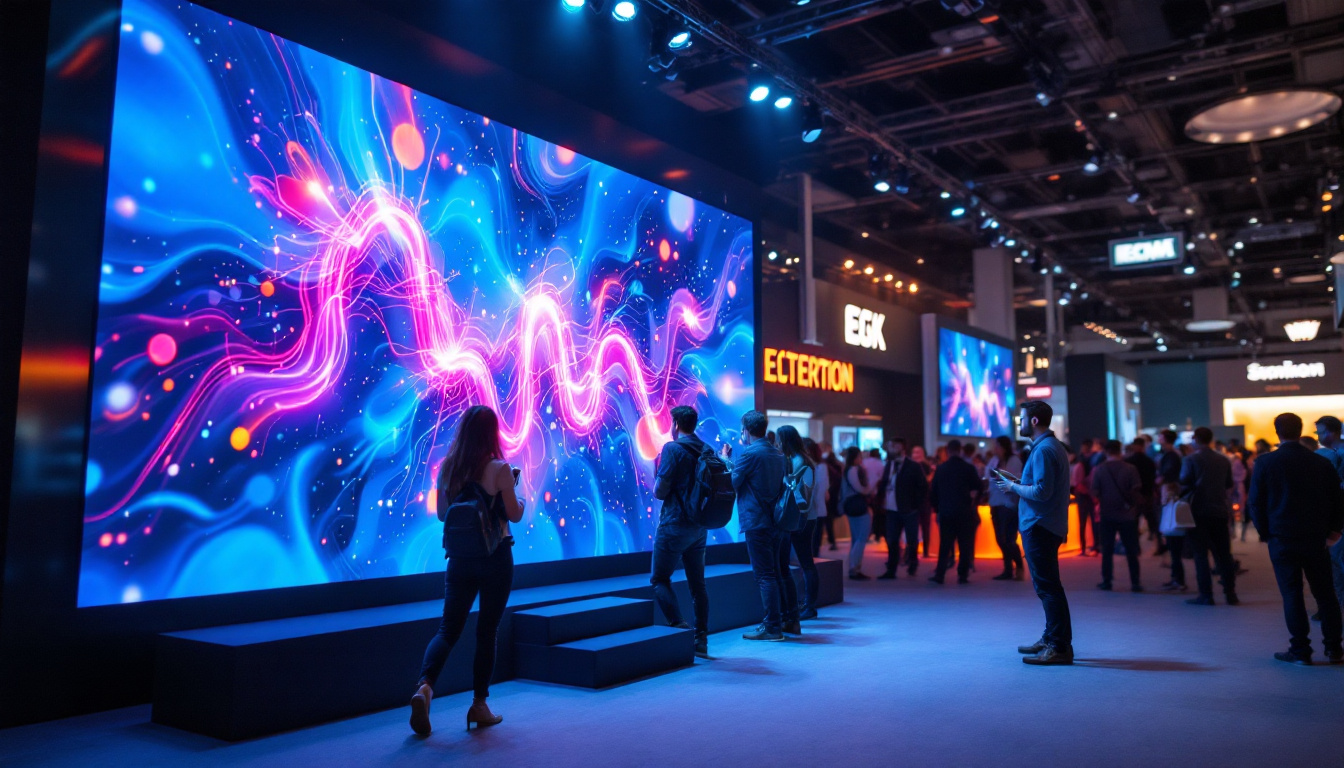
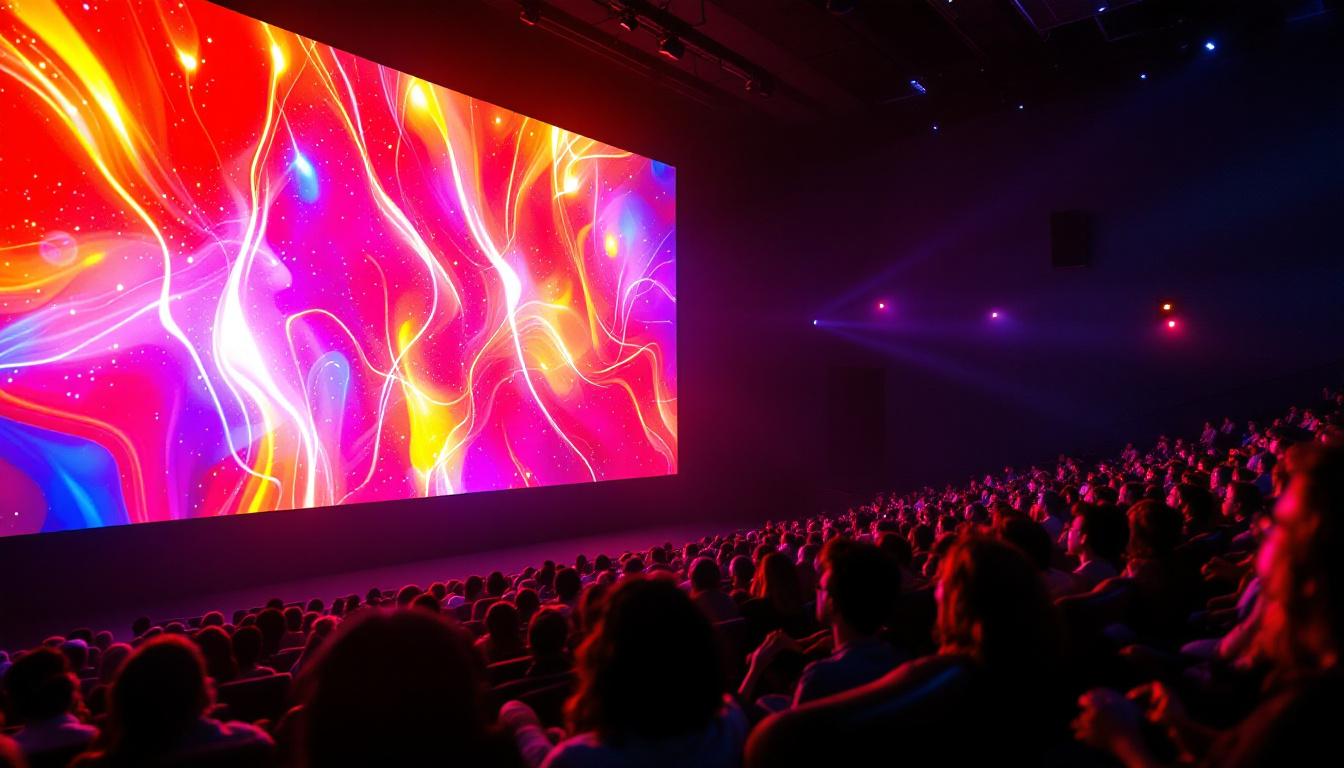
Concerts, sports events, and exhibitions often rely on large LED screens to provide clear visuals to large audiences. The scalability of LED panels allows organizers to create massive displays that maintain image quality even at great distances. Additionally, the fast refresh rates and color accuracy of LED technology enhance the viewing experience for live broadcasts and immersive multimedia presentations.
Industrial and Medical Uses
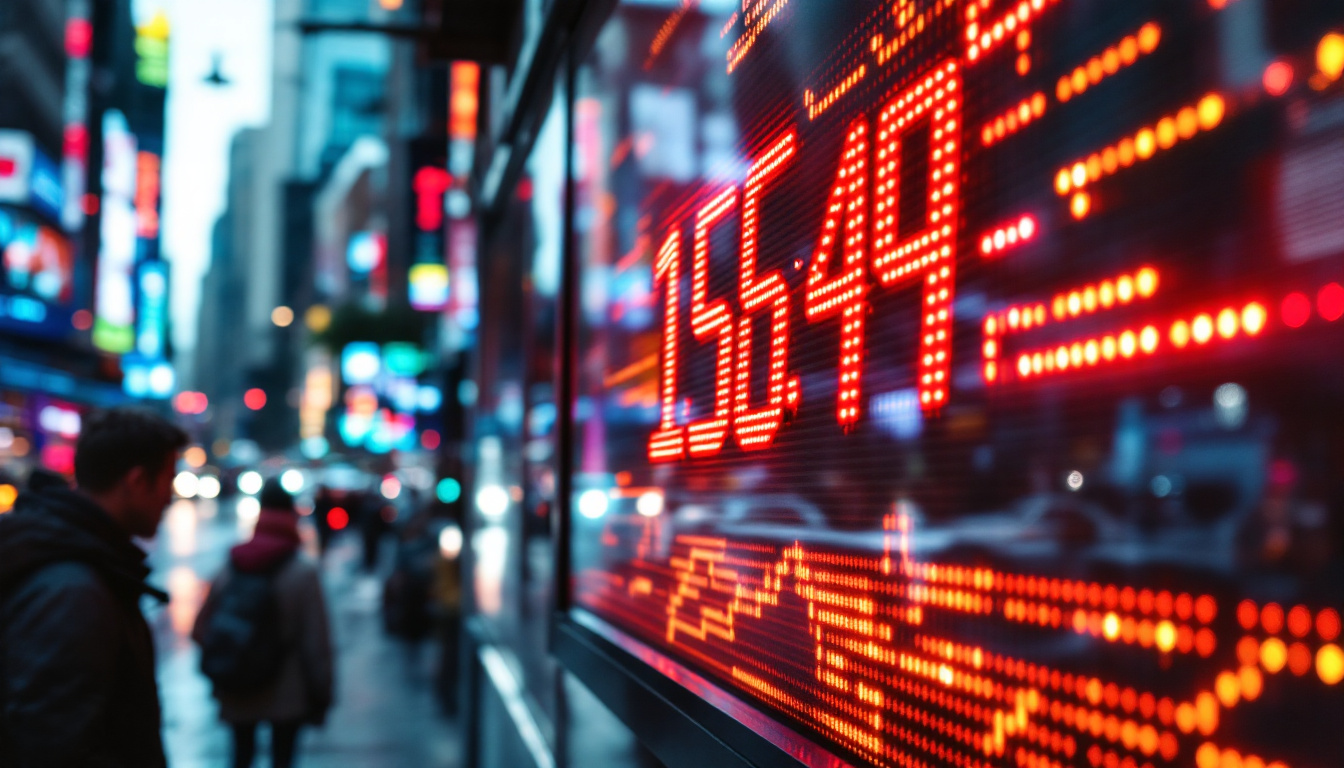
In industrial settings, LED displays are used for monitoring systems, control panels, and safety information boards. Their clarity and reliability are critical for ensuring operational efficiency and safety. In the medical field, high-resolution LED displays assist in diagnostic imaging and surgical procedures, where precise color and detail reproduction can impact outcomes.
Choosing the Right LED Display
Selecting the appropriate LED display depends on several factors, including intended use, environment, budget, and desired features. Understanding these considerations helps ensure optimal performance and value.
Resolution and Size
The resolution determines the sharpness and detail of the displayed image. Higher resolutions are essential for close-up viewing, such as in smartphones or monitors, while lower resolutions may suffice for large outdoor displays viewed from a distance. Screen size should also align with the viewing environment and application requirements.
Brightness and Contrast
Brightness is critical for visibility, especially in well-lit or outdoor environments. Outdoor LED displays typically offer brightness levels exceeding 5,000 nits, while indoor displays may require between 300 to 1,000 nits. Contrast ratio affects image depth and clarity, with higher ratios providing better differentiation between light and dark areas.
Durability and Weather Resistance
For outdoor installations, displays must withstand weather conditions such as rain, dust, and temperature fluctuations. Look for IP (Ingress Protection) ratings that indicate the level of protection against environmental factors. Robust construction and reliable sealing are essential for long-term performance.
Connectivity and Control
Modern LED displays often come with advanced connectivity options, including wireless control, network integration, and compatibility with various content management systems. These features facilitate easy content updates and remote management, which are particularly valuable for commercial and public displays.
The Future of LED Display Technology
LED display technology continues to evolve rapidly, driven by advances in materials science, manufacturing techniques, and consumer demand. Emerging trends suggest exciting possibilities for the future.
MicroLED and Beyond
MicroLED technology is poised to revolutionize the display industry by combining the best attributes of OLED and traditional LEDs. Its potential for ultra-high brightness, exceptional energy efficiency, and long lifespan makes it ideal for next-generation devices. Companies are investing heavily in overcoming production challenges to bring microLED displays to mainstream markets within the next few years.
Flexible and Transparent Displays
Innovations in LED materials and design are enabling flexible and transparent displays, opening new applications in wearable technology, automotive heads-up displays, and smart windows. These developments will allow screens to seamlessly integrate into everyday environments, enhancing functionality without compromising aesthetics.
Improved Energy Efficiency and Sustainability
With growing environmental awareness, manufacturers are focusing on reducing the carbon footprint of display technologies. Advances in LED efficiency, recyclable materials, and energy-saving features will contribute to more sustainable products, aligning with global efforts to combat climate change.
Conclusion
LED displays represent a cornerstone of modern visual technology, offering unparalleled image quality, energy efficiency, and versatility. From consumer electronics to large-scale commercial installations, their impact is widespread and growing. Understanding the different types of LED displays and their respective advantages empowers consumers and businesses to make informed choices tailored to their needs.
As LED technology continues to advance, the future promises even more innovative, immersive, and sustainable display solutions that will shape how people interact with digital content worldwide.
Discover LumenMatrix’s Innovative LED Solutions
Ready to experience the future of LED display technology? LumenMatrix is at the forefront of this revolution, offering a vast array of LED display modules designed to captivate and engage. Whether you’re looking for an Indoor LED Wall Display, a dynamic Outdoor LED Wall Display, or specialized solutions like Vehicle LED Displays and LED Sports Displays, LumenMatrix has you covered. Embrace the power of visual communication with our cutting-edge Floor LED Displays, Custom LED Displays, All-in-One LED Displays, and LED Transparent Displays. Elevate your brand’s presence and create unforgettable visual experiences with LumenMatrix. Check out LumenMatrix LED Display Solutions today and see your vision come to life.