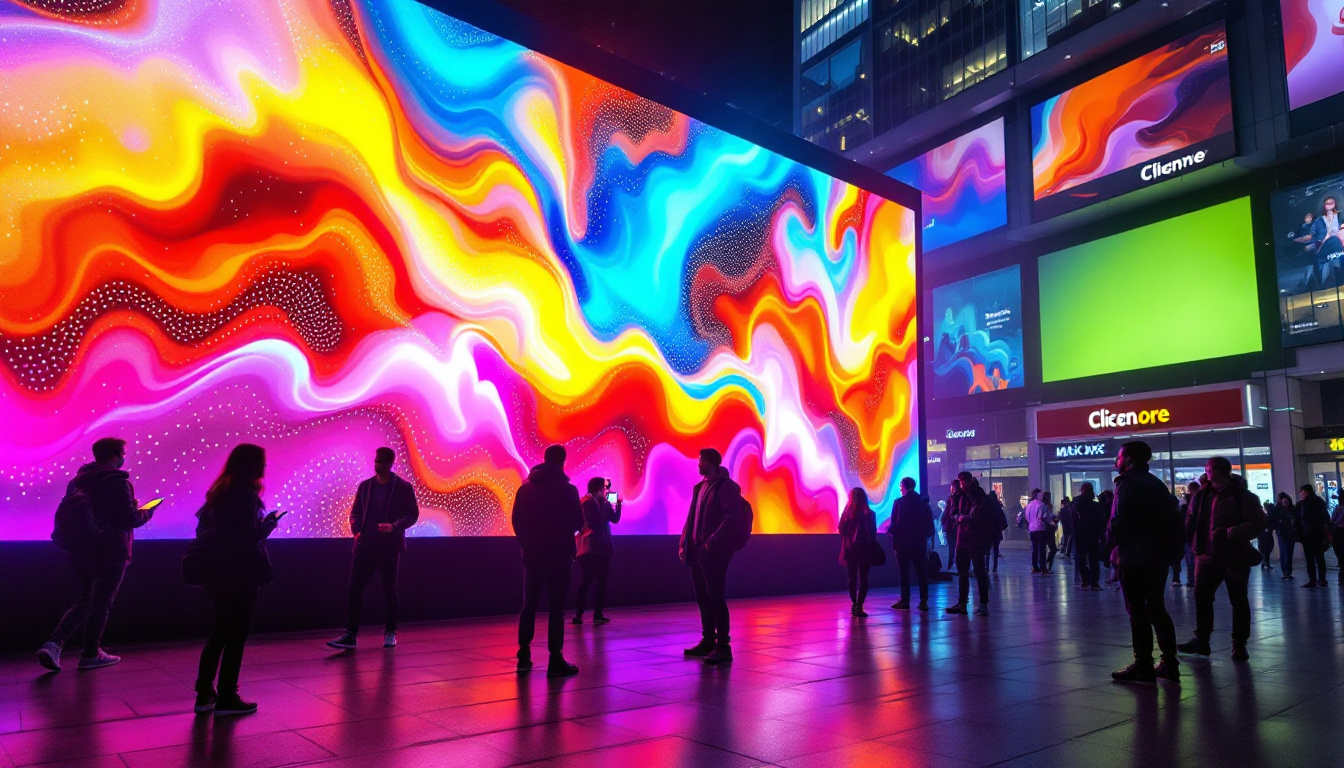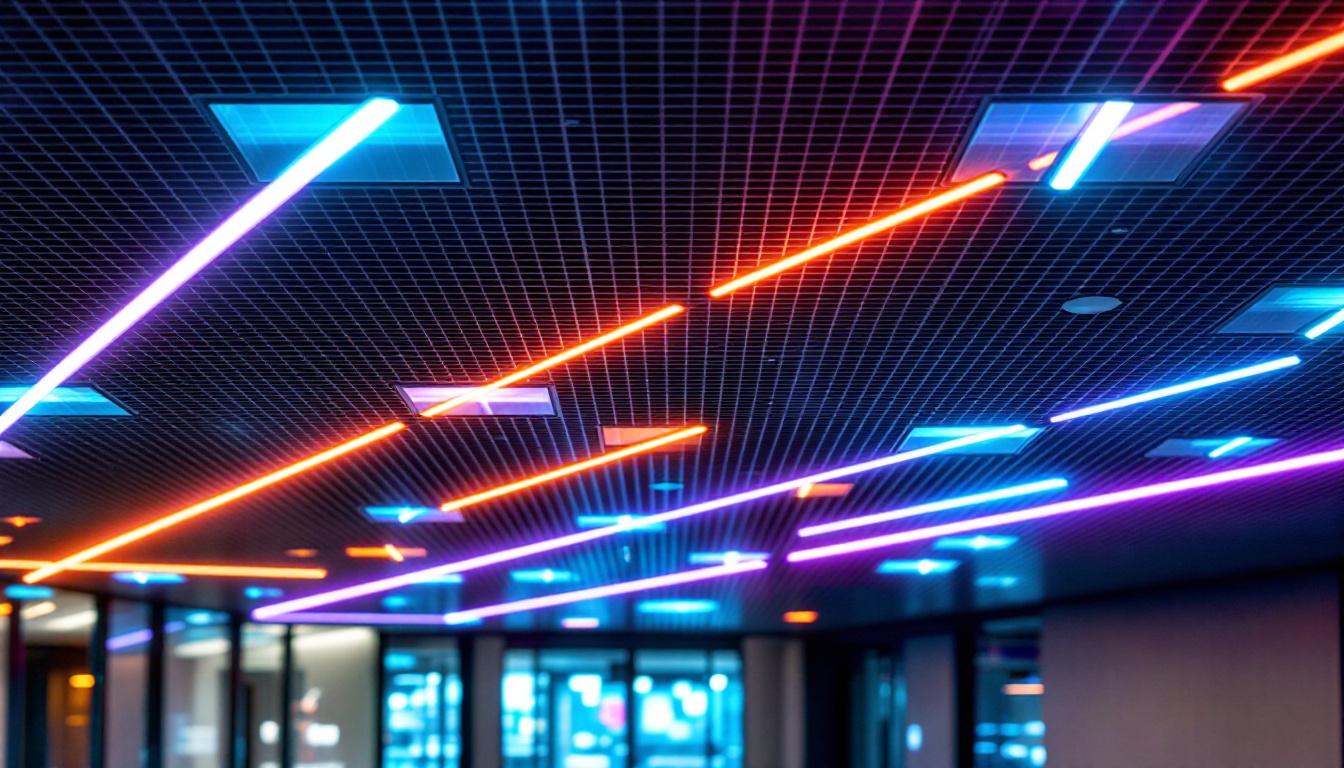
In today’s fast-evolving architectural and interior design landscape, integrating advanced technology seamlessly into building structures is more important than ever. One such innovation that has gained significant traction is the surface mount ceiling grid LED display. This technology combines the practicality of ceiling grids with the dynamic capabilities of LED displays, creating versatile solutions for commercial, retail, and public spaces. This article explores what surface mount ceiling grid LED displays are, how they work, and why they are becoming a preferred choice for modern environments.
Understanding Surface Mount Ceiling Grid Systems
What Is a Surface Mount Ceiling Grid?
A surface mount ceiling grid is a type of ceiling framework designed to support ceiling tiles or panels, typically used in commercial and institutional buildings. Unlike traditional recessed ceiling grids, surface mount grids are installed directly onto the surface of the existing ceiling or structure. This method allows for easier installation and maintenance, especially in spaces where ceiling height or structural constraints make recessed grids impractical.
Surface mount grids are often constructed from lightweight aluminum or steel, providing durability while maintaining a sleek appearance. Their modular design allows for easy customization, making them an ideal base for integrating additional components such as lighting fixtures, HVAC vents, and, notably, LED displays. This flexibility not only enhances the aesthetic appeal of a space but also allows for a more efficient use of resources, as the grid can accommodate various ceiling tile styles and finishes that align with the overall design theme of the building.
Moreover, the surface mount ceiling grid systems can be painted or finished in a variety of colors and textures, allowing them to blend seamlessly with the existing decor or stand out as a design feature. This versatility can be particularly advantageous in settings such as retail environments, where the visual impact of the ceiling can significantly influence customer experience and engagement.
Advantages of Surface Mount Ceiling Grids
One of the primary benefits of surface mount ceiling grids is their adaptability. Because they do not require the ceiling to be lowered or significantly altered, they can be installed in existing buildings with minimal disruption. This reduces installation time and cost, which is a critical consideration for commercial properties aiming to upgrade their interiors efficiently.
Additionally, surface mount grids provide excellent accessibility for maintenance and upgrades. Panels can be easily removed or replaced without affecting the overall ceiling structure. This flexibility is particularly valuable when integrating technology like LED displays, which may require periodic servicing or updates. The ease of access also means that any necessary repairs or adjustments can be made quickly, minimizing downtime and ensuring that the space remains functional and visually appealing.
Furthermore, surface mount ceiling grids can contribute to improved acoustics in a space. By selecting specific ceiling tiles designed for sound absorption, businesses can enhance the overall auditory environment, which is especially beneficial in open-plan offices or conference rooms. This acoustic treatment can lead to increased productivity and comfort for employees and clients alike, making the choice of ceiling grid not just a functional decision, but also one that impacts the overall atmosphere of the space.
The Role of LED Displays in Modern Ceiling Systems
What Are LED Displays?
LED (Light Emitting Diode) displays are digital screens composed of numerous tiny light sources that emit bright, vibrant colors. These displays are widely used in advertising, information dissemination, and decorative applications due to their high visibility, energy efficiency, and long lifespan.
In the context of ceiling systems, LED displays can be embedded or mounted within the grid to provide dynamic visual content. This can range from informational signage and branding to ambient lighting effects and interactive installations. The integration of LED technology into ceiling grids transforms a traditionally static architectural element into an engaging digital platform.
Benefits of Integrating LED Displays into Ceiling Grids
Incorporating LED displays into ceiling grids offers several advantages. Firstly, it maximizes the use of available space by turning ceilings into communication surfaces without occupying valuable floor or wall areas. This is especially beneficial in crowded or high-traffic environments such as airports, shopping malls, and corporate lobbies.
Secondly, LED ceiling displays provide high visibility and can be viewed from multiple angles, making them effective for broadcasting messages or branding. Their brightness and color range allow for customization to suit different lighting conditions and design aesthetics.
Moreover, LED displays are energy-efficient compared to traditional lighting and signage solutions. This aligns with increasing sustainability goals in building design, reducing operational costs over time.
How Surface Mount Ceiling Grid LED Displays Work
Design and Installation Process
The integration of LED displays into surface mount ceiling grids involves careful planning and execution. Typically, the ceiling grid serves as the structural framework that supports the LED panels. The panels are designed to fit seamlessly within the grid modules, ensuring a flush and uniform appearance.
Installation begins with assessing the existing ceiling conditions and determining the optimal layout for the LED modules. Electrical wiring and data connections are routed discreetly through the grid framework, maintaining a clean aesthetic. Because surface mount grids are accessible, technicians can easily perform wiring and adjustments during installation and maintenance.
Technical Components and Features
LED ceiling displays consist of several key components: the LED modules themselves, control systems, power supplies, and mounting hardware. The LED modules are typically made up of clusters of diodes arranged to form pixels, which collectively create the images or text displayed.
The control system manages the content displayed on the screen, often allowing for real-time updates and remote management. This is essential for environments where information changes frequently, such as transit hubs or retail promotions.
Power supplies are designed to be efficient and compact, fitting within the ceiling grid without adding bulk. Additionally, many systems include brightness sensors and cooling mechanisms to optimize performance and longevity.
Applications of Surface Mount Ceiling Grid LED Displays
Commercial and Retail Spaces
Retail environments benefit significantly from ceiling grid LED displays by enhancing customer engagement and brand visibility. For example, fashion stores can use dynamic ceiling displays to showcase new collections or promotional campaigns, creating an immersive shopping experience.
In commercial offices, LED ceiling displays can serve multiple functions, from displaying company branding and announcements to providing ambient lighting that adapts to the time of day or specific events. This integration supports both aesthetic and functional goals, contributing to a modern workplace atmosphere.
Transportation Hubs and Public Venues
Airports, train stations, and stadiums often require clear, dynamic communication with large crowds. Surface mount ceiling grid LED displays are ideal in these settings, offering high-visibility messaging without obstructing pedestrian flow.
For instance, airports can use these displays to show flight information, wayfinding cues, or advertising content. The flexibility of LED technology allows for quick updates, which is crucial in fast-paced environments.
Healthcare and Educational Facilities
Hospitals and clinics can utilize ceiling grid LED displays to provide patient information, wayfinding assistance, or calming visual content in waiting areas. This not only improves operational efficiency but also enhances patient experience.
Similarly, educational institutions can incorporate LED ceiling displays in auditoriums, lecture halls, or common areas to broadcast announcements, event schedules, or interactive content, fostering a connected campus environment.
Design Considerations and Best Practices
Ensuring Visual Comfort and Accessibility
When integrating LED displays into ceiling grids, it is essential to consider the impact on visual comfort. Excessive brightness or flickering can cause discomfort or distraction. Therefore, selecting LED panels with adjustable brightness and high refresh rates is critical.
Accessibility is another important factor. Content displayed should be clear and legible from various viewing angles and distances. Incorporating high-resolution panels and optimizing content layout ensures that information is easily understood by all users.
Maintenance and Longevity
One of the advantages of surface mount ceiling grids is the ease of access for maintenance. Regular cleaning and inspection of LED modules help maintain brightness and prevent pixel failures. It is advisable to establish a maintenance schedule aligned with the manufacturer’s recommendations.
Additionally, choosing LED components with robust warranties and proven durability can reduce long-term costs and downtime. Incorporating modular designs allows for quick replacement of individual panels without disrupting the entire system.
Future Trends in Surface Mount Ceiling Grid LED Displays
Advancements in LED Technology
Ongoing developments in LED technology promise even greater energy efficiency, higher resolution, and enhanced color accuracy. MicroLED and miniLED innovations are pushing the boundaries of what ceiling displays can achieve, offering thinner profiles and improved visual performance.
These advancements will enable more creative and immersive applications, such as 3D effects or interactive content controlled by user gestures or mobile devices.
Integration with Smart Building Systems
As smart building technologies become more prevalent, surface mount ceiling grid LED displays are expected to integrate seamlessly with building management systems. This integration allows for automated adjustments based on environmental conditions, occupancy, or scheduled events, optimizing energy use and user experience.
For example, LED displays could adjust brightness or content dynamically in response to natural light levels or emergency situations, enhancing both functionality and safety.
Conclusion
Surface mount ceiling grid LED displays represent a compelling fusion of architectural design and digital technology. Their ability to transform ceilings into dynamic communication platforms offers substantial benefits across various sectors, from retail and transportation to healthcare and education. With ongoing technological advancements and increasing demand for flexible, engaging environments, these systems are set to become a standard feature in modern building design.
For architects, designers, and facility managers, understanding the capabilities and best practices of surface mount ceiling grid LED displays is essential for leveraging their full potential. By carefully considering installation, maintenance, and user experience factors, organizations can create visually stunning and highly functional spaces that meet the needs of today and tomorrow.
Discover LumenMatrix’s Innovative LED Display Solutions
Ready to elevate your space with the latest in LED display technology? LumenMatrix offers a comprehensive range of cutting-edge solutions tailored to meet your needs. From Indoor and Outdoor LED Wall Displays to specialized options like Vehicle, Sports, and Floor LED Displays, our products are designed to create immersive environments and enhance brand visibility. Experience the future of visual communication with our Custom, All-in-One, and Transparent LED Displays. Check out LumenMatrix LED Display Solutions today and transform your ceiling into a dynamic canvas that captivates and engages.