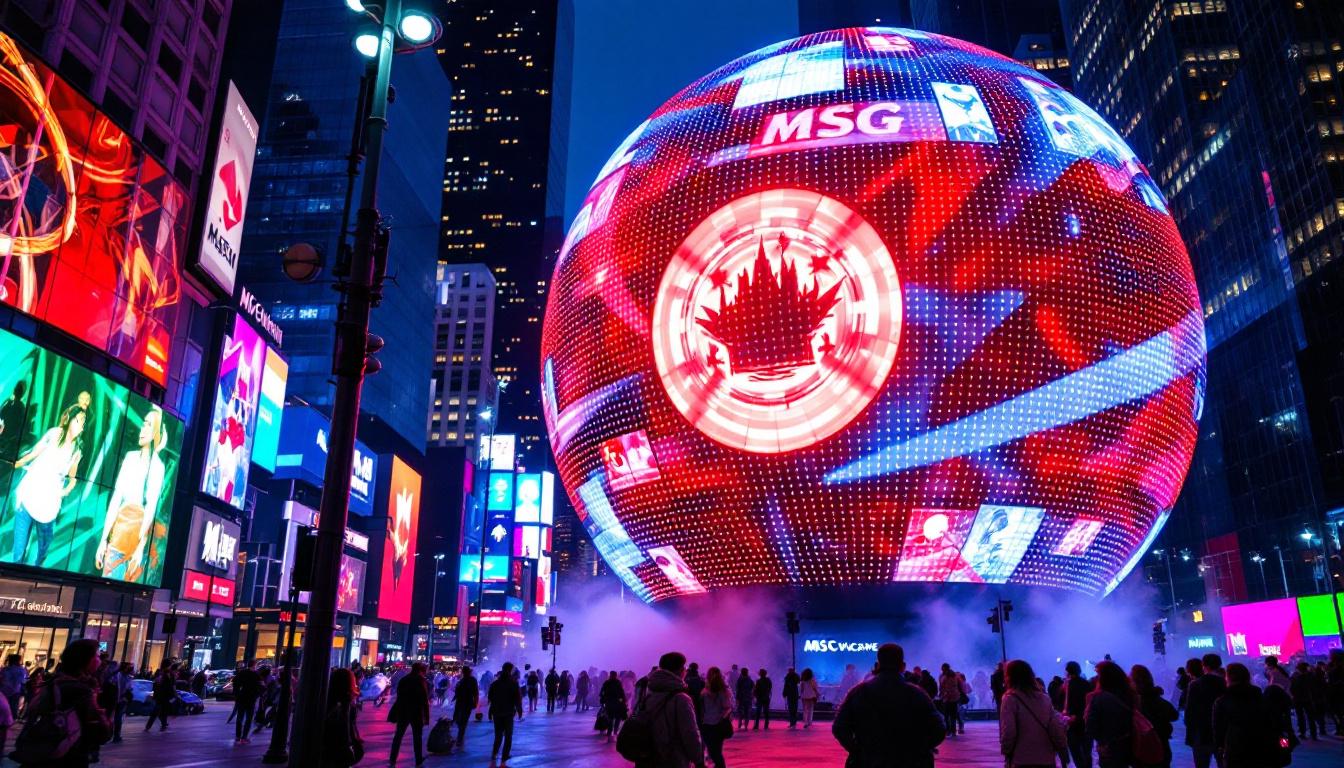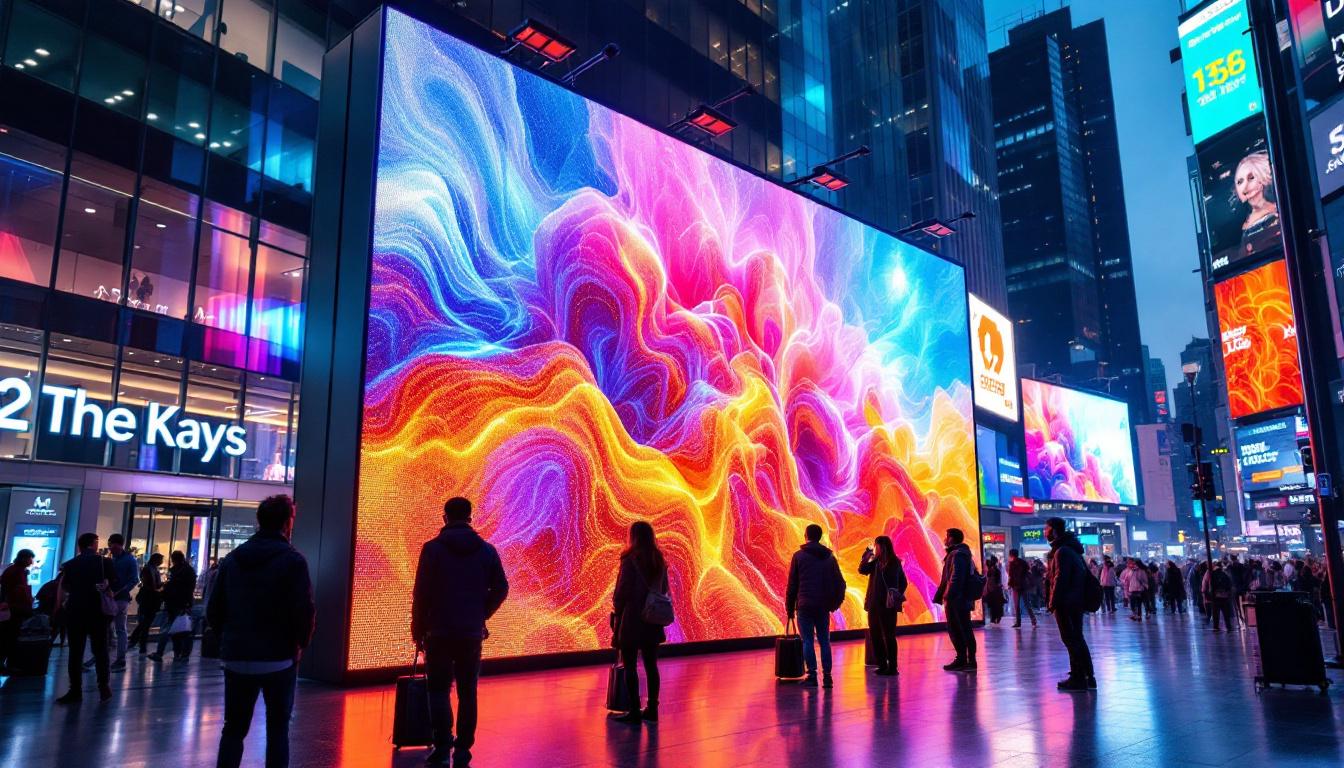
In the rapidly evolving world of digital displays, Direct View LED technology has emerged as a leading solution for delivering vibrant, high-resolution visuals across a variety of applications. From massive outdoor billboards to indoor video walls in corporate lobbies and stadiums, Direct View LED displays have revolutionized how content is presented and consumed. This article explores the fundamentals of Direct View LED technology, its advantages, key applications, and future trends shaping the industry.
Understanding Direct View LED Technology
What is Direct View LED?
Direct View LED (Light Emitting Diode) displays consist of an array of tiny LED modules that emit light directly to form images. Unlike traditional LCD or projection-based displays, which rely on backlighting or external light sources, Direct View LEDs produce their own light. This self-emissive property allows for superior brightness, contrast, and color accuracy.
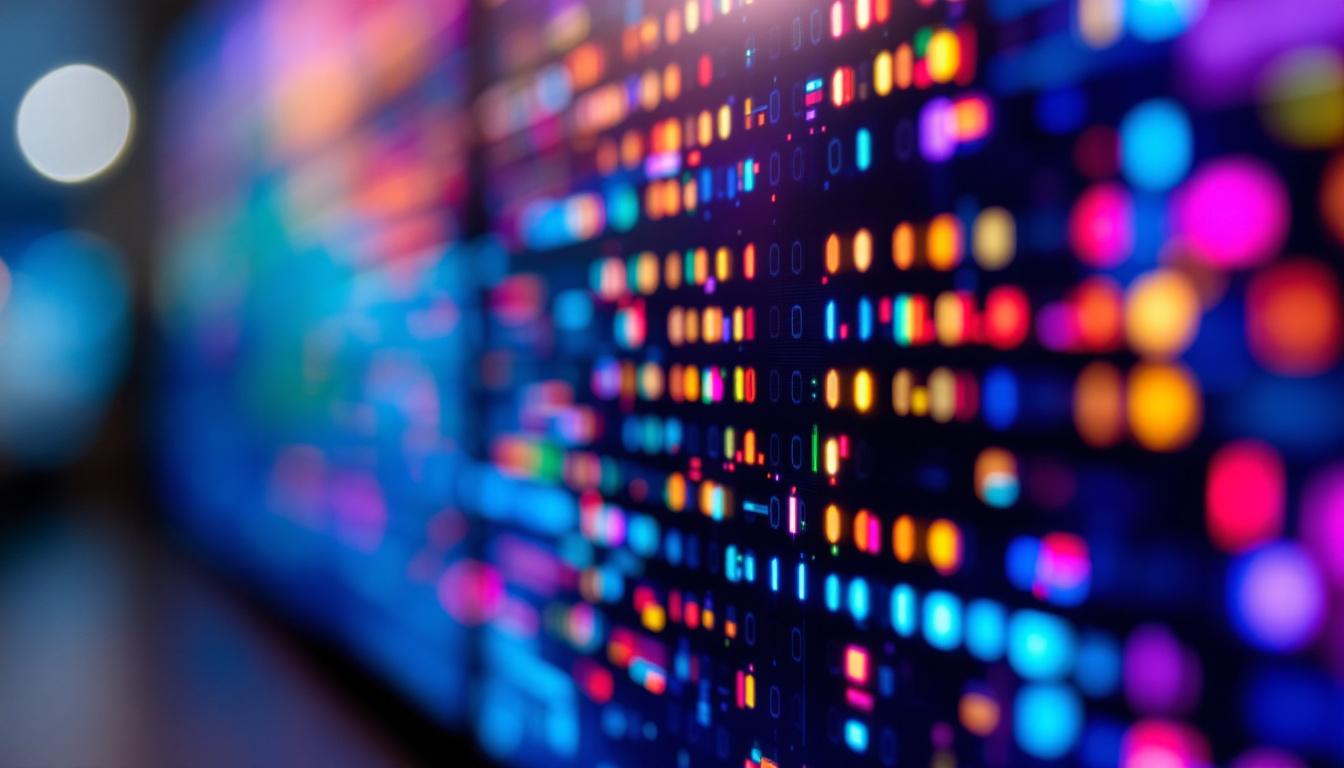
Each pixel in a Direct View LED screen is made up of multiple LEDs—typically red, green, and blue—that combine to create a full spectrum of colors. These pixels are arranged in a grid, and by controlling the brightness of each LED, the display can render detailed images and videos with remarkable clarity.
How Does Direct View LED Differ from Other Display Technologies?
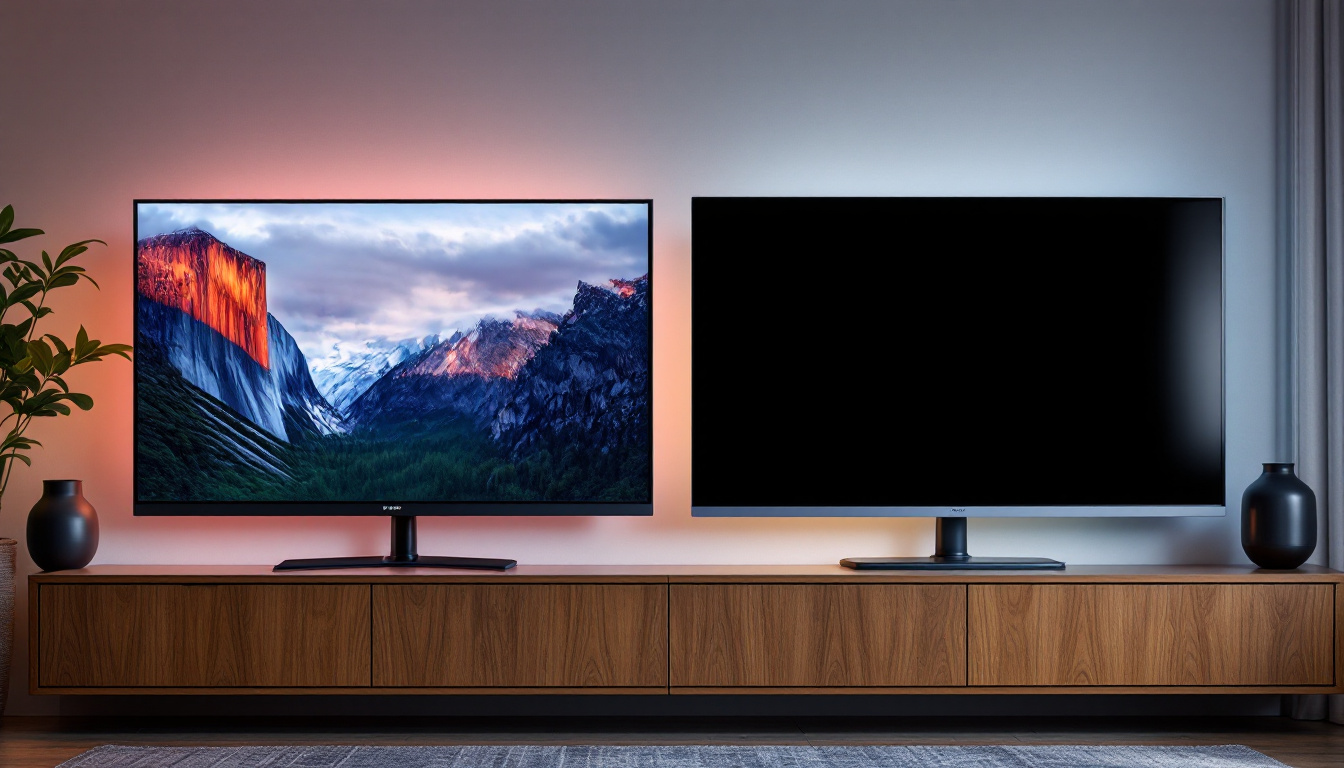
While LCD and OLED technologies have been dominant in consumer electronics, Direct View LED stands out in large-format and outdoor applications due to its scalability and durability. LCD displays use a backlight shining through liquid crystals to create images, which can limit brightness and viewing angles. OLEDs offer excellent color and contrast but are typically used in smaller screens due to manufacturing complexities and cost.
Direct View LED displays are modular, allowing for seamless expansion to very large sizes without loss of image quality. They also excel in high ambient light environments, such as outdoor settings, where other technologies might struggle with visibility.
Key Advantages of Direct View LED Displays
Exceptional Brightness and Visibility
One of the most significant benefits of Direct View LED displays is their extraordinary brightness. These displays can reach brightness levels upwards of 5,000 nits or more, making them easily visible even in direct sunlight. This capability is crucial for outdoor advertising, sports arenas, and transportation hubs where ambient light can be intense.
Moreover, Direct View LEDs provide wide viewing angles—often close to 160 degrees horizontally and vertically—ensuring consistent image quality regardless of the viewer’s position. This contrasts with many LCD displays that lose color accuracy and brightness when viewed off-center.
Superior Contrast and Color Accuracy
Because each LED emits light independently, Direct View LED displays achieve true blacks by turning off individual pixels completely. This results in an infinite contrast ratio, enhancing image depth and realism. The ability to render deep blacks alongside vivid colors makes these displays ideal for dynamic content such as video and animation.
Additionally, Direct View LED technology supports a wide color gamut, often covering over 90% of the DCI-P3 color space, which is the standard used in digital cinema. This ensures that colors appear rich, vibrant, and true to life.
Durability and Longevity
Direct View LED displays are built to withstand harsh environmental conditions. The LED modules are typically housed in weatherproof enclosures rated to IP65 or higher, protecting them from dust, moisture, and temperature extremes. This resilience makes them a preferred choice for outdoor installations where exposure to the elements is unavoidable.
In terms of lifespan, modern Direct View LEDs can operate for 100,000 hours or more before their brightness diminishes significantly. This translates to over 11 years of continuous use, reducing maintenance costs and downtime.
Flexibility and Customization
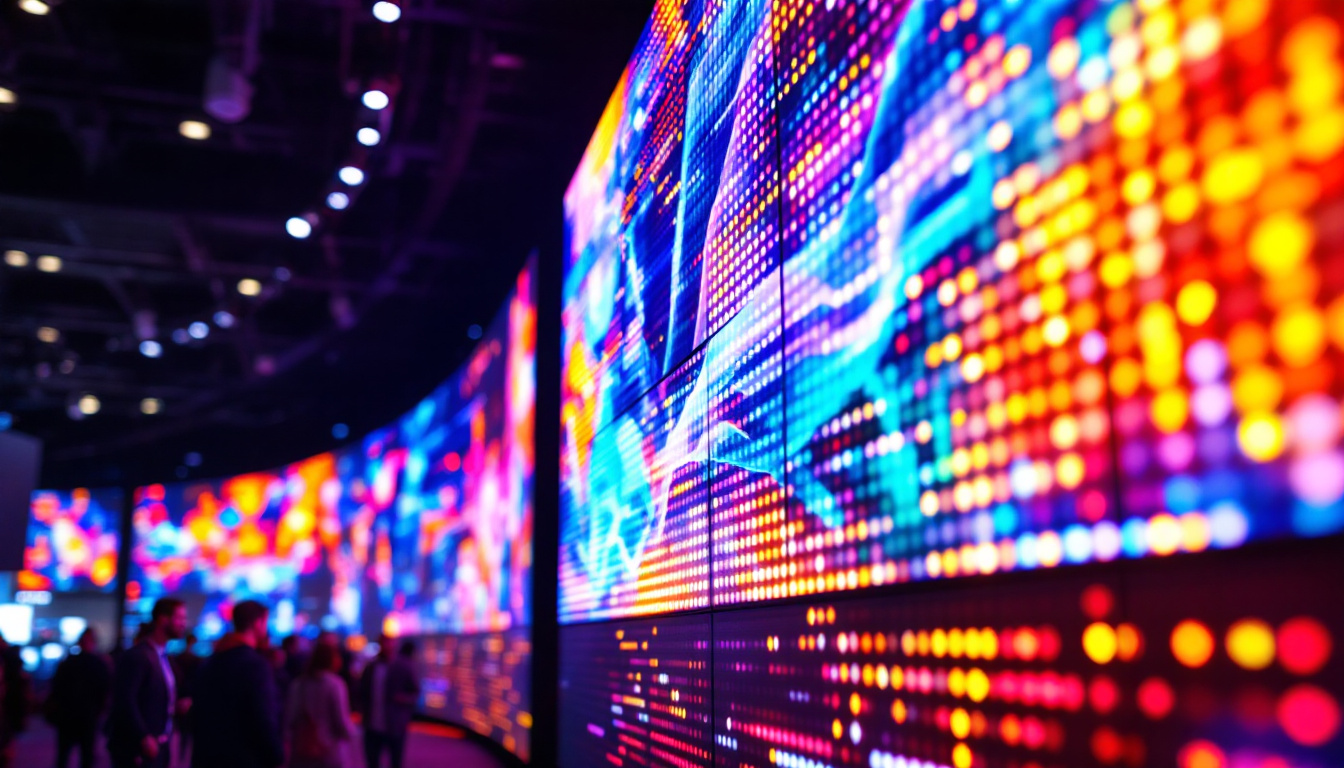
Another advantage is the modular nature of Direct View LED displays. Panels can be combined to create virtually any size or aspect ratio, from small indoor screens to massive outdoor video walls spanning hundreds of square meters. This flexibility allows designers and advertisers to tailor installations precisely to their spatial and visual requirements.
Additionally, pixel pitch—the distance between individual LEDs—can be adjusted to balance resolution and viewing distance. Smaller pixel pitches (e.g., 1.2mm to 2.5mm) are ideal for close-up indoor viewing, while larger pitches (e.g., 6mm to 20mm) work well for outdoor displays viewed from afar.
Applications of Direct View LED Displays
Outdoor Advertising and Digital Billboards
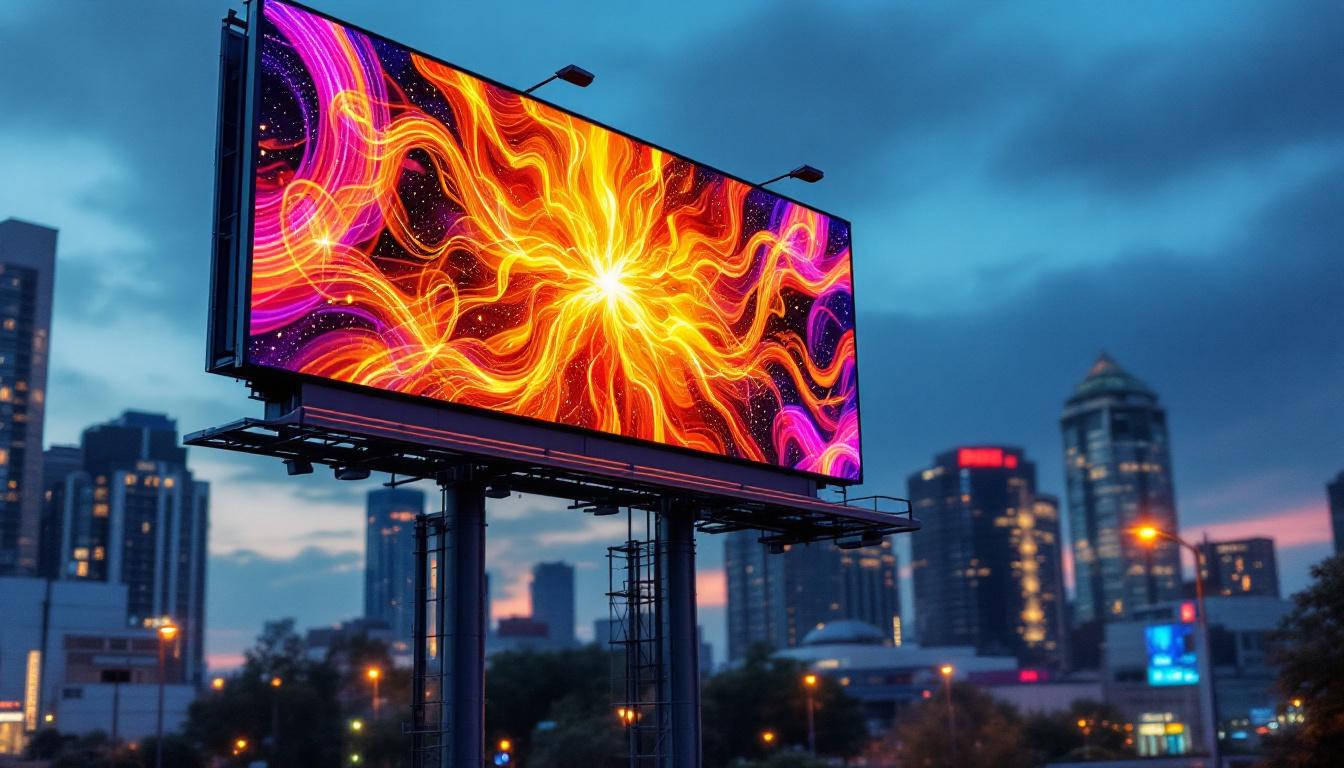
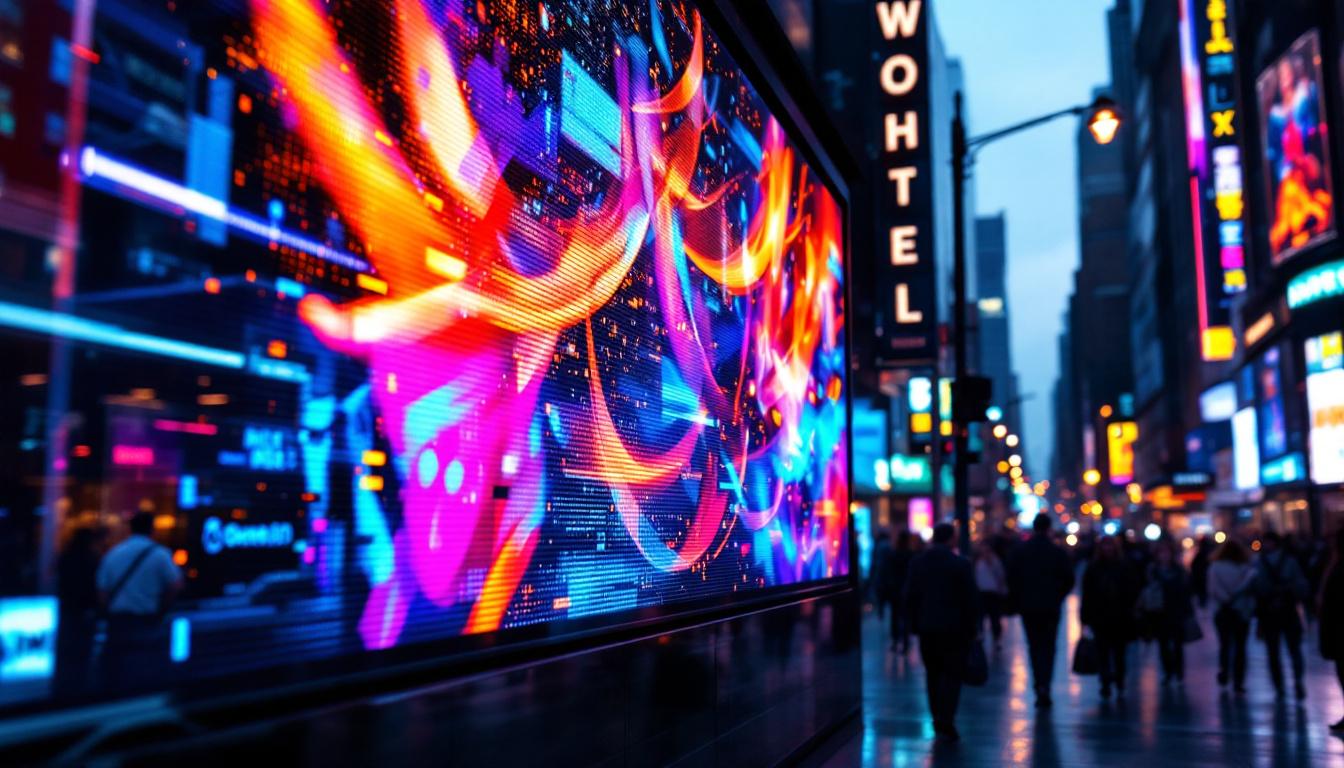
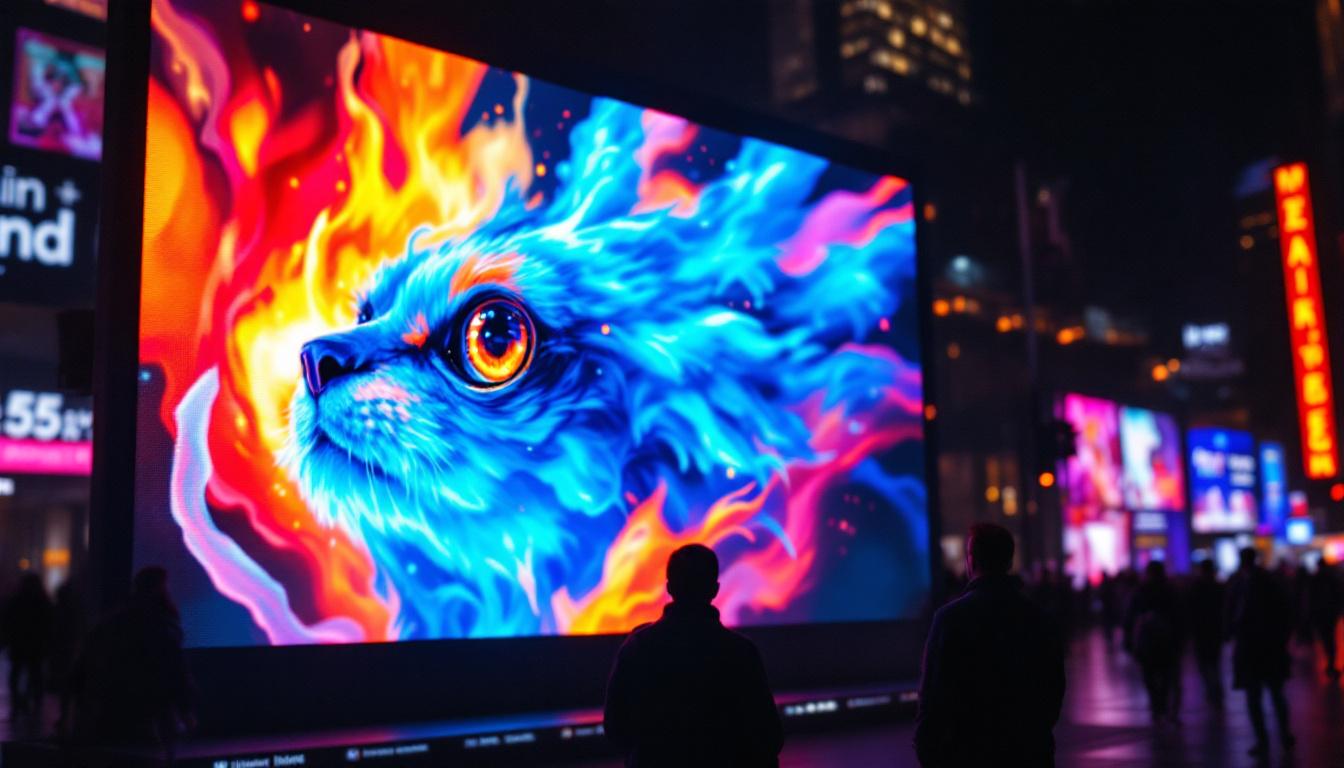
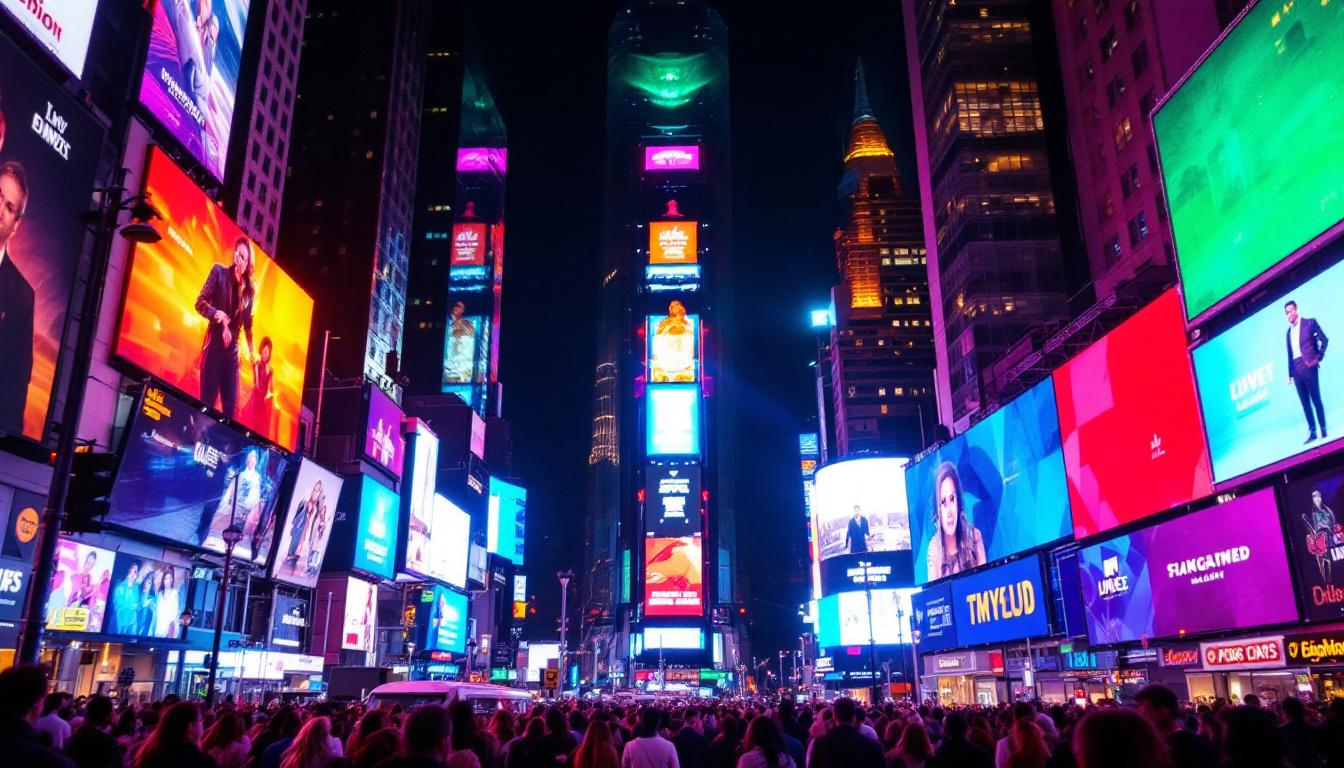
One of the most visible uses of Direct View LED technology is in outdoor advertising. Digital billboards using Direct View LEDs have become ubiquitous in urban centers worldwide, replacing traditional static signage. Their brightness, durability, and ability to display dynamic content make them highly effective at capturing attention and delivering targeted messages.
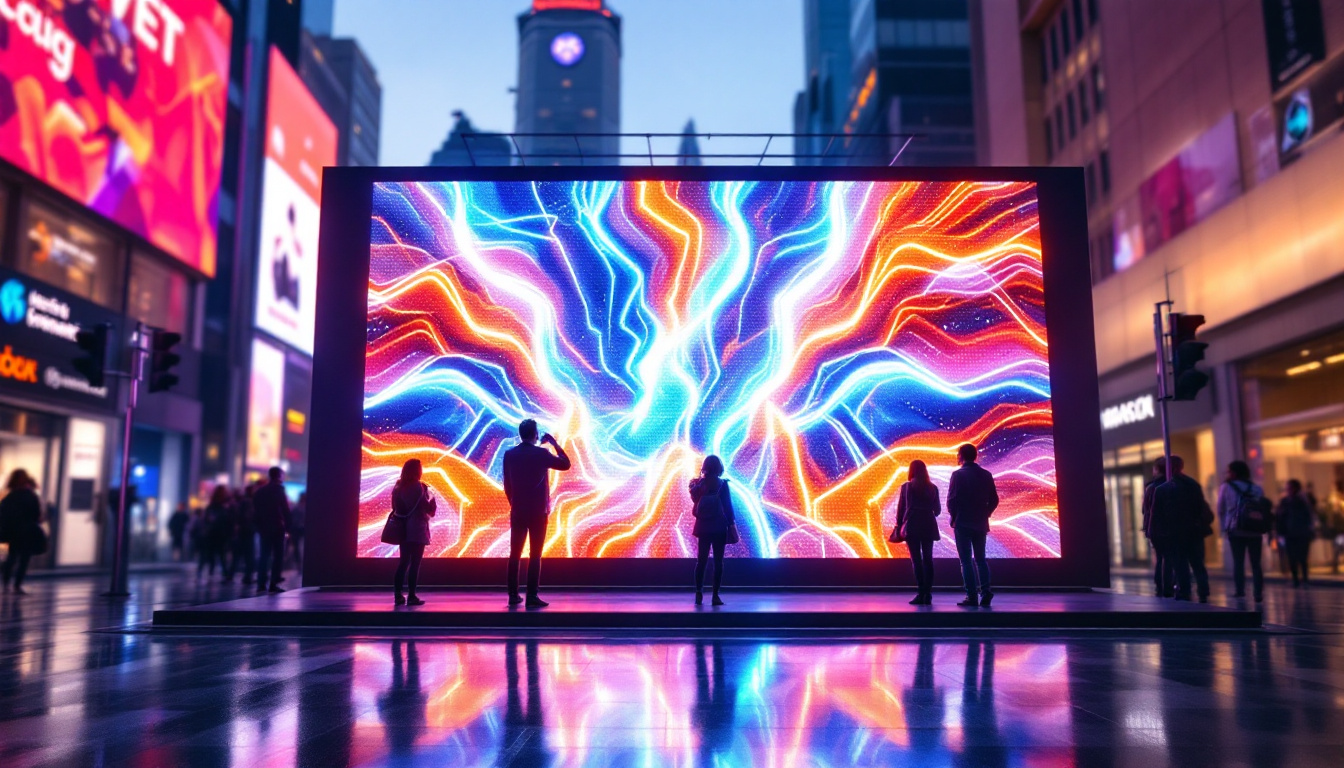
For example, Times Square in New York City features numerous Direct View LED displays that create a vibrant, immersive advertising environment. These screens can display high-definition videos, live feeds, and interactive content, transforming public spaces into engaging experiences.
Sports Arenas and Entertainment Venues
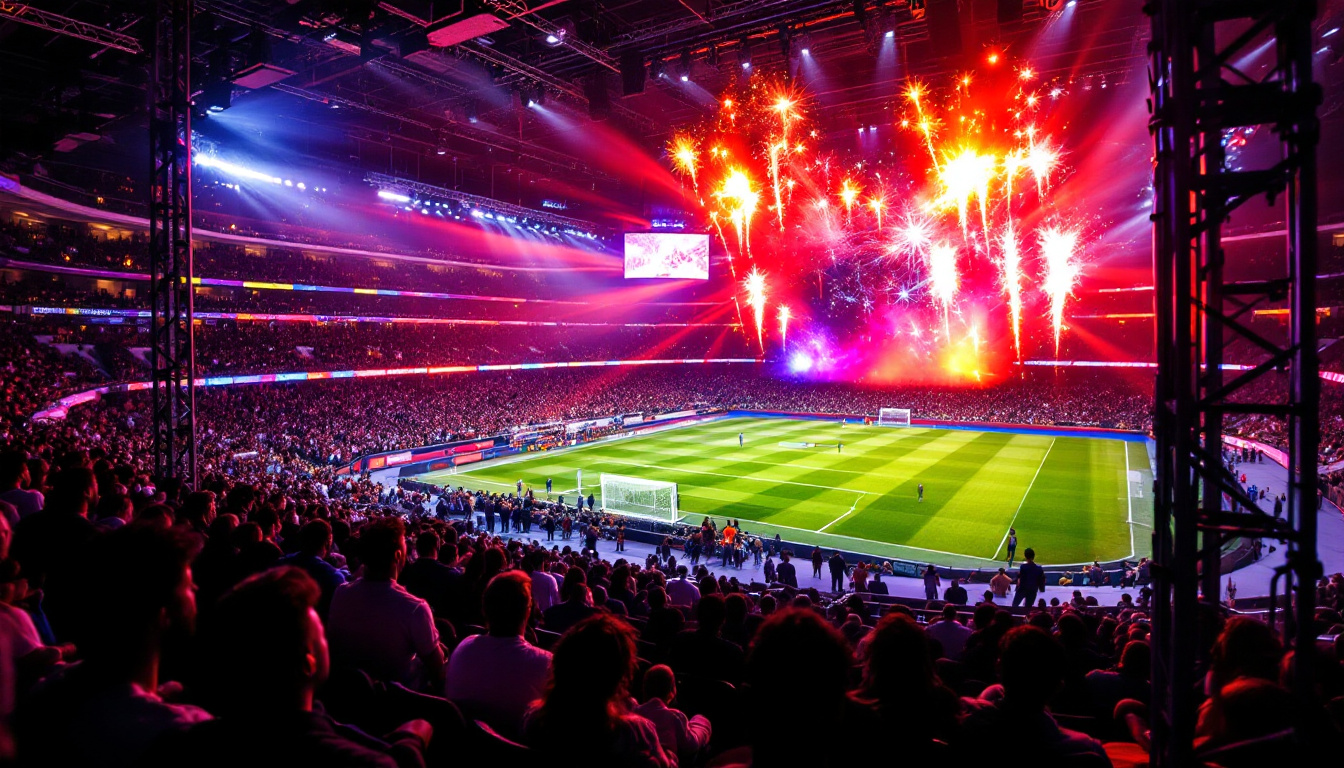
Direct View LED displays are integral to modern sports stadiums and entertainment venues. From massive scoreboards to ribbon displays and video walls, these screens enhance the spectator experience by providing real-time information, replays, and immersive visuals.
Many professional sports teams invest in high-resolution Direct View LED installations to engage fans and create memorable atmospheres. The technology’s ability to deliver bright, clear images even under stadium lighting or daylight conditions is a critical factor in these environments.
Corporate and Retail Environments
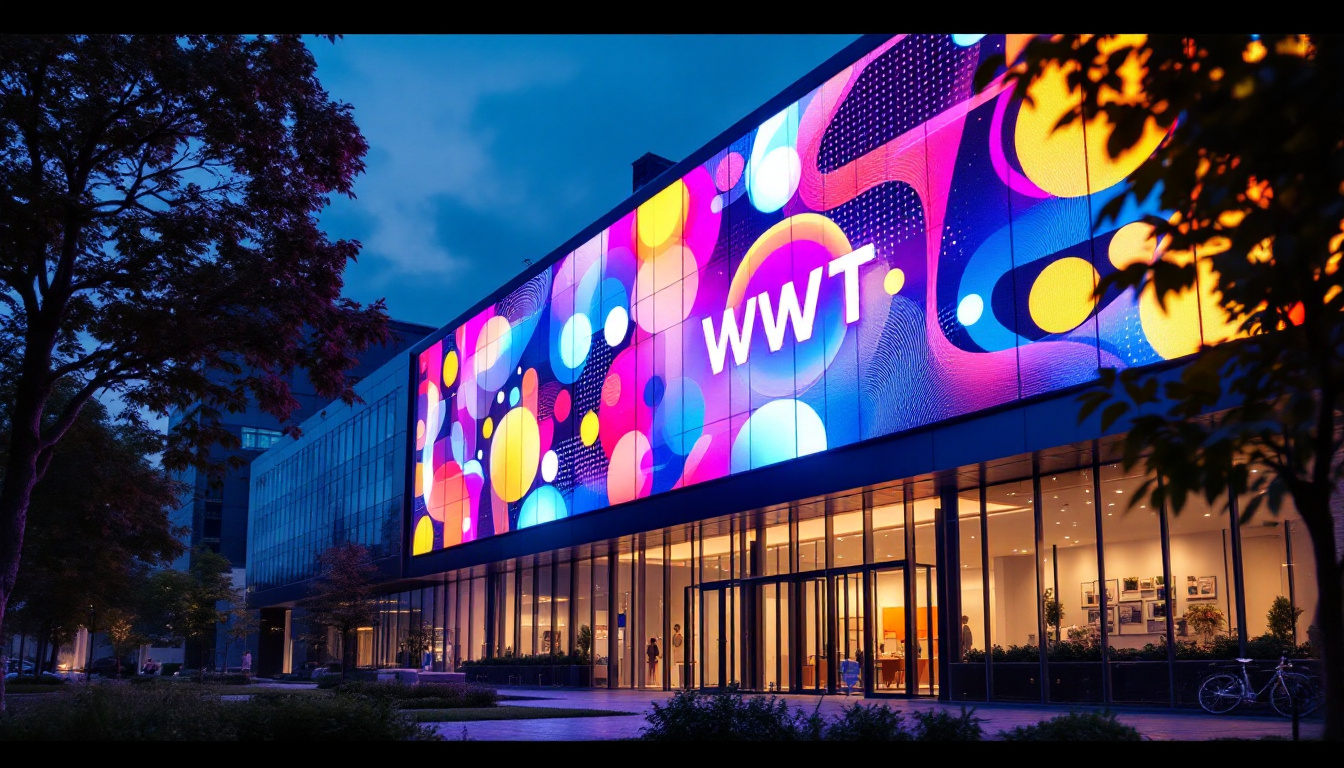
In corporate settings, Direct View LED video walls are increasingly used in lobbies, conference rooms, and control centers to display branding, data visualizations, and presentations. Their seamless design and high image quality contribute to a modern, professional ambiance.
Retailers leverage Direct View LED displays to showcase promotional content, product information, and interactive advertisements. The technology’s flexibility allows for creative installations that can adapt to changing marketing campaigns and customer engagement strategies.
Transportation Hubs and Public Information Displays
Airports, train stations, and bus terminals utilize Direct View LED screens for real-time information dissemination, wayfinding, and advertising. The displays’ brightness ensures readability in large, open spaces, while their reliability minimizes downtime in critical environments.
For example, major international airports have adopted Direct View LED technology for departure boards and digital signage, improving passenger experience and operational efficiency.
Technical Considerations When Choosing Direct View LED Displays
Pixel Pitch and Resolution
Pixel pitch is a fundamental factor influencing image quality and viewing distance. A smaller pixel pitch means more LEDs per square meter, resulting in higher resolution and sharper images. However, smaller pixel pitches also increase cost and power consumption.
Choosing the appropriate pixel pitch depends on the intended viewing distance. For indoor applications where viewers are close, pixel pitches between 1.2mm and 2.5mm are common. For outdoor displays viewed from tens of meters away, pixel pitches of 6mm to 20mm are typically sufficient.
Brightness and Contrast Requirements
Brightness requirements vary significantly based on installation environment. Outdoor displays exposed to sunlight require high brightness levels—often exceeding 5,000 nits—to maintain visibility. Indoor displays generally operate at lower brightness levels (around 800 to 1,500 nits) to prevent eye strain and reduce power consumption.
Contrast ratio is also critical for image quality, especially in environments with varying ambient light. Direct View LED displays offer excellent contrast due to their ability to turn off individual pixels completely, but it’s important to verify manufacturer specifications for specific models.
Installation and Maintenance
Direct View LED displays are modular, but installation complexity can vary depending on size, location, and mounting requirements. Front-serviceable designs allow maintenance personnel to access LED modules from the front of the display, which is advantageous in tight spaces or high installations.
Regular maintenance includes cleaning, calibration, and occasional module replacement. Choosing displays with robust build quality and comprehensive service support can minimize operational disruptions and extend lifespan.
Emerging Trends and the Future of Direct View LED
Mini and Micro LED Innovations
Recent advances in Mini LED and Micro LED technologies are pushing the boundaries of Direct View LED displays. Mini LEDs are smaller than traditional LEDs, allowing for even higher pixel densities and improved image quality. Micro LEDs, which are even smaller, promise to combine the best attributes of OLED and LED technologies, including perfect blacks, high brightness, and long lifespan.
These innovations are expected to drive adoption in consumer electronics, such as TVs and monitors, as well as enhance large-scale commercial displays.
Energy Efficiency and Sustainability
As energy consumption becomes a critical concern, manufacturers are developing more energy-efficient LED modules and intelligent power management systems. These improvements reduce operational costs and environmental impact, aligning with global sustainability goals.
Additionally, recyclable materials and eco-friendly manufacturing processes are gaining traction in the LED display industry, reflecting broader corporate responsibility trends.
Integration with Smart Technologies
Direct View LED displays are increasingly integrated with IoT (Internet of Things) and AI (Artificial Intelligence) technologies. Smart displays can adjust brightness based on ambient light, optimize content delivery based on audience demographics, and enable interactive experiences through sensors and cameras.
This convergence of technologies is transforming static displays into dynamic, context-aware communication platforms that enhance user engagement and operational efficiency.
Conclusion
Direct View LED technology has transformed the landscape of digital displays by offering unparalleled brightness, color accuracy, and scalability. Its versatility makes it ideal for a broad range of applications—from outdoor advertising and sports arenas to corporate environments and public information systems. As innovations like Mini and Micro LED continue to evolve, and as sustainability and smart integration become priorities, Direct View LED displays are poised to remain at the forefront of visual communication solutions for years to come.
For businesses and organizations considering digital display investments, understanding the technical nuances and application-specific requirements of Direct View LED technology is essential. With the right specifications and support, these displays can deliver impactful, long-lasting visual experiences that captivate audiences and drive engagement.
Explore Cutting-Edge LED Display Solutions with LumenMatrix
Ready to elevate your visual communication strategy with the latest in Direct View LED technology? LumenMatrix is at the forefront of this transformative medium, offering a comprehensive range of LED display solutions tailored to your unique needs. From vibrant Indoor and Outdoor LED Wall Displays to dynamic Vehicle and Sports LED Displays, our products are designed to captivate and engage your audience. Discover the possibilities with our innovative LED Poster Displays, immersive Floor LED Displays, and versatile Custom and All-in-One LED Display options, including the stunning LED Transparent Display. Experience the future of digital signage with LumenMatrix and let us help you make a powerful statement. Check out LumenMatrix LED Display Solutions today and see your vision come to life.