In the evolving landscape of digital signage and smart display technology, Control Blocks Poe (Power over Ethernet) LED displays have emerged as a versatile and efficient solution. These systems combine the convenience of LED technology with the simplicity of PoE connectivity, offering a streamlined approach to managing digital displays across various environments. This article delves into the technical aspects, benefits, and practical applications of Control Blocks Poe LED displays, providing a comprehensive understanding for professionals and enthusiasts alike.
Understanding Control Blocks and PoE Technology
What Are Control Blocks in LED Displays?
Control blocks are essential components in LED display systems, acting as the interface between the display panels and the data source. They manage the flow of information, ensuring that images, videos, and text are rendered correctly on the LED modules. These blocks handle signal processing, synchronization, and power distribution within the display architecture.
In modern LED displays, control blocks are designed to be modular and scalable, allowing for easy maintenance and expansion. This modularity is crucial for large-scale installations, where multiple panels must work seamlessly as a single cohesive unit. Moreover, advanced control blocks often come equipped with features such as real-time diagnostics and remote management capabilities, enabling operators to monitor performance and troubleshoot issues from afar. This level of integration not only enhances the reliability of the display system but also significantly reduces downtime, which is particularly important in high-traffic environments like airports, shopping malls, and stadiums.
The Role of Power over Ethernet (PoE) in LED Displays
Power over Ethernet (PoE) technology enables the transmission of electrical power and data over a single Ethernet cable. This innovation simplifies the installation process by reducing the need for separate power supplies and cabling infrastructure. In Control Blocks PoE LED displays, PoE facilitates both power delivery and data communication, streamlining setup and maintenance.
PoE standards, such as IEEE 802.3af and 802.3at, provide varying power levels, supporting different sizes and types of LED panels. The integration of PoE ensures that LED displays can be deployed in locations where traditional power sources may be limited or cumbersome to install. Additionally, PoE technology enhances the flexibility of display placement, allowing for creative installations in unconventional spaces, such as outdoor venues or temporary setups for events. This adaptability is further complemented by the ability to daisy-chain multiple displays, reducing the overall cabling complexity and making it easier to create large visual installations that captivate audiences. Furthermore, with the increasing emphasis on energy efficiency, PoE systems contribute to lower operational costs, making them an attractive option for businesses looking to optimize their display solutions while minimizing their environmental impact.
Technical Components and Architecture of Control Blocks Poe LED Displays
Core Components of the System
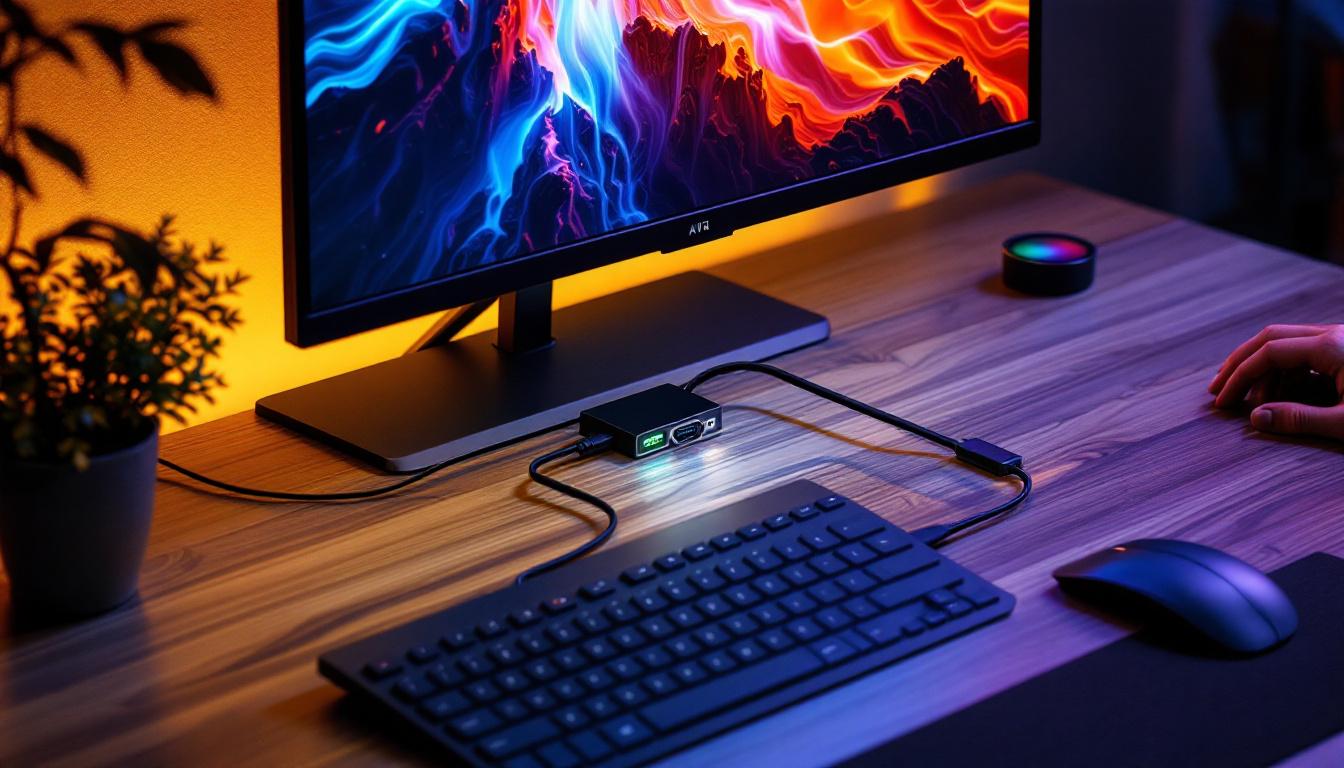
A typical Control Blocks Poe LED display system includes several key components:
- LED Modules: The physical panels composed of numerous light-emitting diodes that form the visual output.
- Control Blocks: Embedded controllers that manage signal processing, data distribution, and synchronization across modules.
- PoE Switches: Network devices that supply power and data via Ethernet cables to the control blocks.
- Management Software: Platforms that facilitate content scheduling, display diagnostics, and remote control.
These components work in concert to deliver high-resolution, dynamic content with minimal latency and power consumption. The LED modules themselves can vary in size and pixel density, allowing for customization based on specific display needs, whether for indoor or outdoor environments. High-quality LED modules are designed to withstand various weather conditions, ensuring durability and longevity in outdoor applications. Additionally, advancements in LED technology have led to increased brightness and improved color accuracy, making these displays suitable for a wide range of applications, from advertising to live event broadcasting.
System Architecture and Data Flow
The architecture of Control Blocks Poe LED displays is designed for efficiency and scalability. Data originates from a central server or media player, which sends content through a network switch equipped with PoE capabilities. The Ethernet cable carries both the digital signal and power to the control blocks embedded within the LED modules.
Each control block decodes the incoming data and distributes it to its corresponding LED module, ensuring accurate color reproduction and synchronization. This decentralized approach reduces wiring complexity and enhances reliability by localizing control functions. Furthermore, the system architecture allows for easy scalability; additional LED modules can be integrated into the existing setup without significant reconfiguration. This modular design not only simplifies maintenance but also enables operators to expand their display capabilities as needed, adapting to changing demands or new projects. The use of advanced protocols within the management software also ensures that updates and content changes can be implemented swiftly, allowing for real-time adjustments and dynamic content delivery that keeps audiences engaged.
Advantages of Using Control Blocks Poe LED Displays
Streamlined Installation and Maintenance
One of the most significant benefits of Control Blocks Poe LED displays is the simplified installation process. By combining power and data transmission into a single cable, the need for multiple wiring systems is eliminated. This not only reduces material costs but also minimizes labor time and potential points of failure.
Maintenance is equally streamlined. Modular control blocks can be replaced individually without dismantling entire sections of the display, reducing downtime and operational disruption.
Energy Efficiency and Cost Savings
PoE technology is inherently energy-efficient, delivering power only when needed and allowing for centralized power management. LED displays themselves are known for low power consumption compared to traditional lighting and display technologies. Together, these features contribute to significant cost savings over the lifespan of the installation.
Additionally, the ability to remotely monitor and control the displays through management software helps optimize energy use by scheduling content and powering down displays during off-hours.
Enhanced Flexibility and Scalability
Control Blocks Poe LED displays offer unmatched flexibility in terms of size and configuration. Whether deploying a small indoor sign or a large outdoor video wall, the modular nature of control blocks and PoE infrastructure allows for easy scaling.
This adaptability is particularly valuable in environments like retail, transportation hubs, and corporate campuses, where display requirements may evolve over time.
Applications of Control Blocks Poe LED Displays
Retail and Advertising
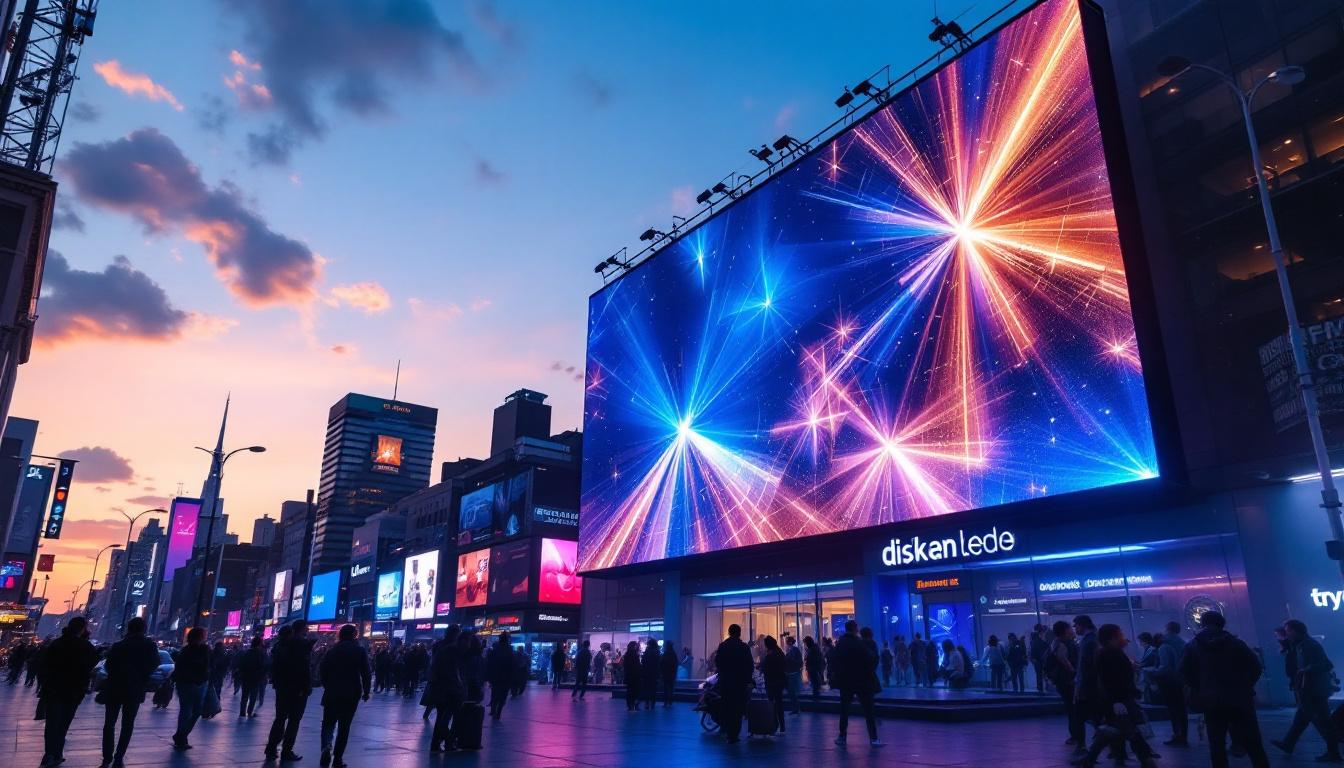
In retail environments, dynamic LED displays are crucial for attracting customer attention and promoting products. Control Blocks Poe LED displays enable retailers to deploy vibrant, high-resolution signage with minimal installation disruption. The ability to update content remotely ensures marketing campaigns remain fresh and relevant.
Major retail chains have reported up to a 30% increase in customer engagement after integrating LED displays powered by PoE technology, underscoring the commercial impact of this solution.
Transportation and Public Spaces
Airports, train stations, and bus terminals benefit from the reliability and clarity of Control Blocks Poe LED displays. These systems provide real-time information, such as schedules, alerts, and wayfinding, in a format that is easy to read from a distance.
The robust design and simplified wiring make them ideal for high-traffic public spaces where maintenance windows are limited.
Corporate and Educational Settings
Corporate campuses and educational institutions utilize LED displays for communication, branding, and interactive presentations. The scalability of Control Blocks Poe LED displays allows these organizations to tailor installations to specific needs, from lobby signage to large auditorium screens.
Integration with existing network infrastructure via PoE reduces installation complexity and supports centralized content management.
Challenges and Considerations
Power Limitations and Cable Length
While PoE simplifies power delivery, it does have limitations regarding the maximum power available and cable length. Standard PoE can typically deliver up to 15.4 watts per port, while PoE+ can provide up to 30 watts. For larger or more power-hungry LED modules, this may necessitate additional power sources or specialized PoE equipment.
Ethernet cable length is generally limited to 100 meters for reliable data and power transmission, which could impact installation design in extensive setups.
Environmental and Durability Factors
LED displays installed outdoors or in harsh environments require control blocks and PoE components that are ruggedized and weatherproof. Ensuring compliance with IP ratings and industry standards is essential to maintain performance and longevity.
Proper thermal management is also critical to prevent overheating, which can degrade both LED modules and control electronics.
Future Trends in Control Blocks Poe LED Display Technology
Integration with IoT and Smart Building Systems
The convergence of Control Blocks Poe LED displays with Internet of Things (IoT) technology is paving the way for smarter, more responsive environments. Displays can be integrated with sensors and building management systems to provide context-aware content, energy optimization, and enhanced user interaction.
Advancements in PoE Standards and Power Delivery
Emerging PoE standards, such as IEEE 802.3bt, offer increased power delivery up to 90 watts per port, enabling even larger and brighter LED displays to utilize PoE infrastructure. This evolution expands the potential applications and simplifies the deployment of high-performance digital signage.
Higher Resolution and Enhanced Visual Quality
As LED technology advances, Control Blocks Poe LED displays are expected to support higher pixel densities and improved color accuracy. This will allow for more immersive and visually striking installations, meeting the growing demand for premium digital content experiences.
Conclusion
Control Blocks Poe LED displays represent a significant advancement in digital signage technology, combining the benefits of LED visual performance with the efficiency and simplicity of Power over Ethernet. Their modular architecture, energy efficiency, and ease of installation make them an attractive choice for a wide range of applications, from retail and transportation to corporate and educational environments.
Understanding the technical underpinnings and practical considerations of these systems enables stakeholders to make informed decisions and leverage the full potential of Control Blocks Poe LED displays. As technology continues to evolve, these systems will undoubtedly play a central role in the future of dynamic, connected digital environments.
Discover LumenMatrix’s Advanced LED Solutions
Ready to elevate your space with the latest in LED display technology? LumenMatrix is at the forefront of innovation, offering a diverse range of LED display solutions tailored to meet your unique needs. From Indoor and Outdoor LED Wall Displays to specialized options like Vehicle, Sports, and Floor LED Displays, our products are designed to captivate and engage your audience. Experience the future of visual communication with our Custom, All-in-One, and Transparent LED Displays. Check out LumenMatrix LED Display Solutions today and transform your brand’s visibility with unparalleled clarity and impact.