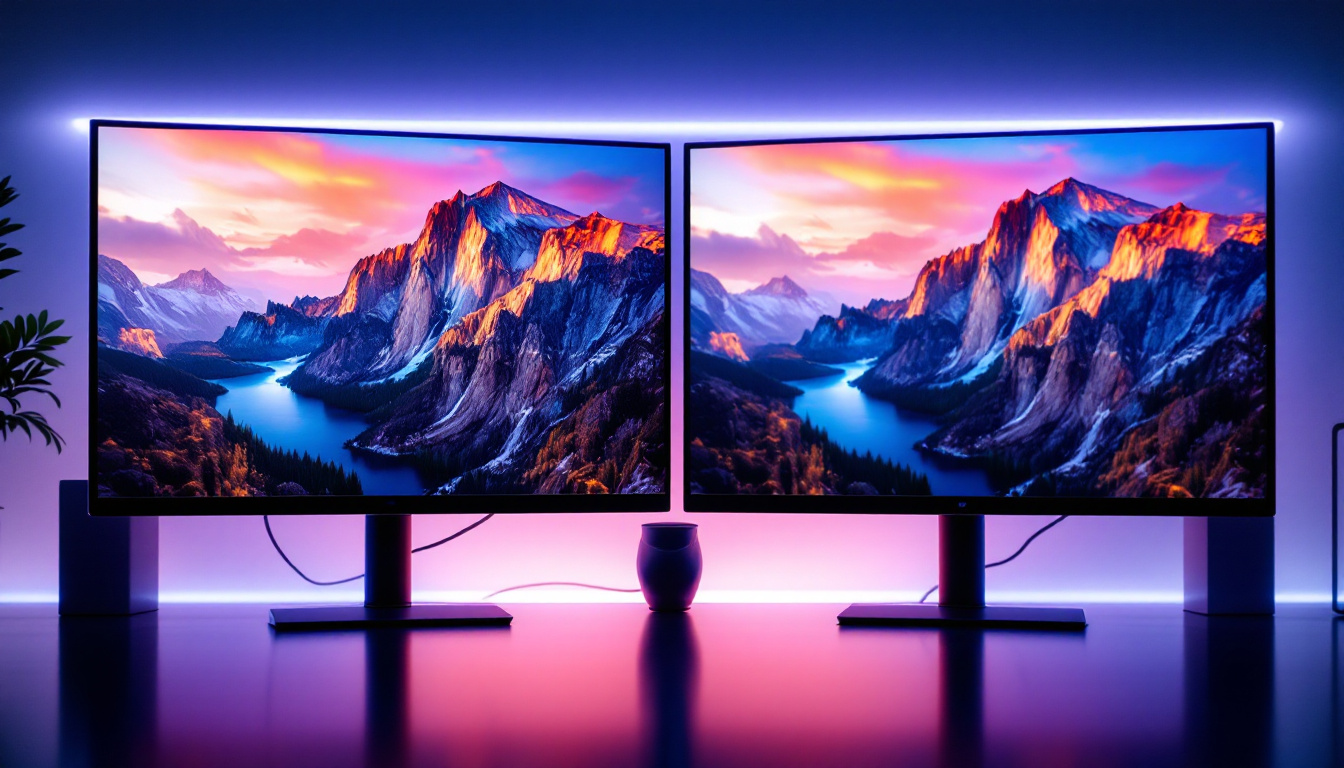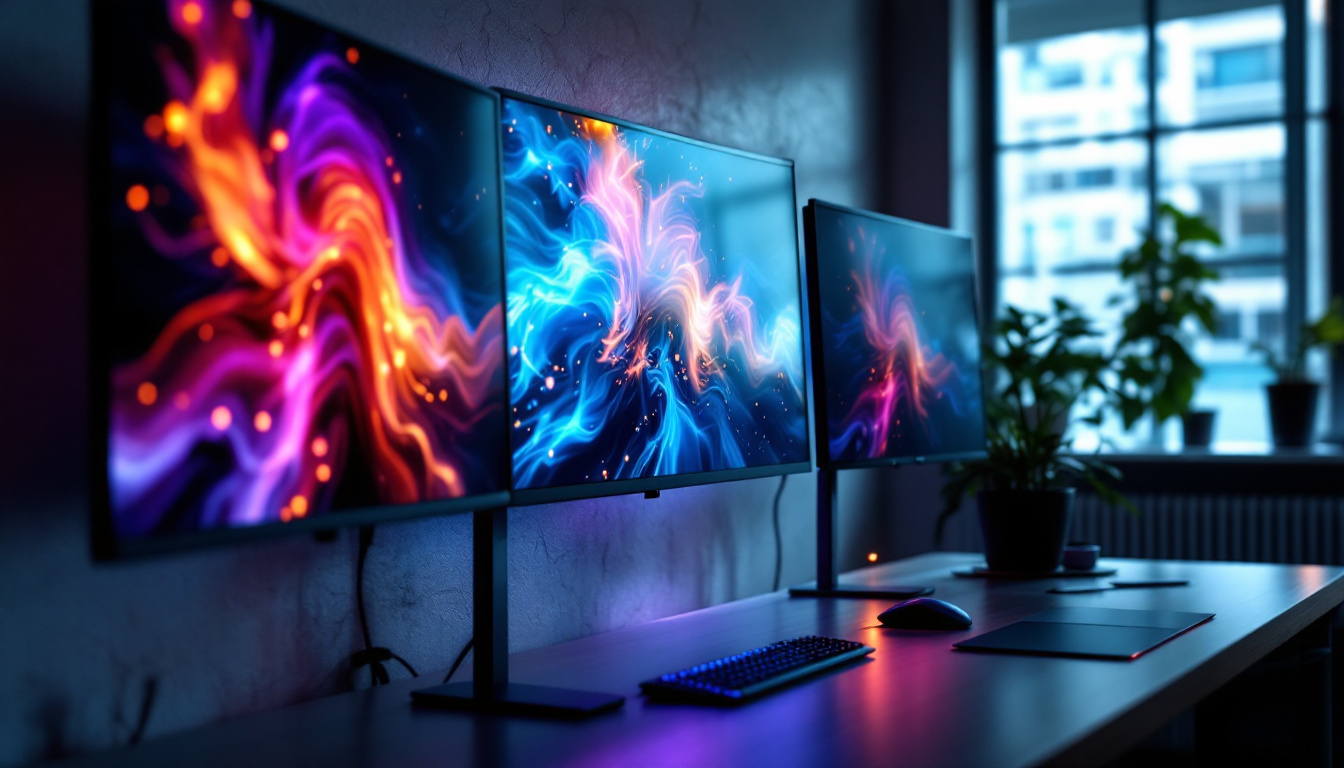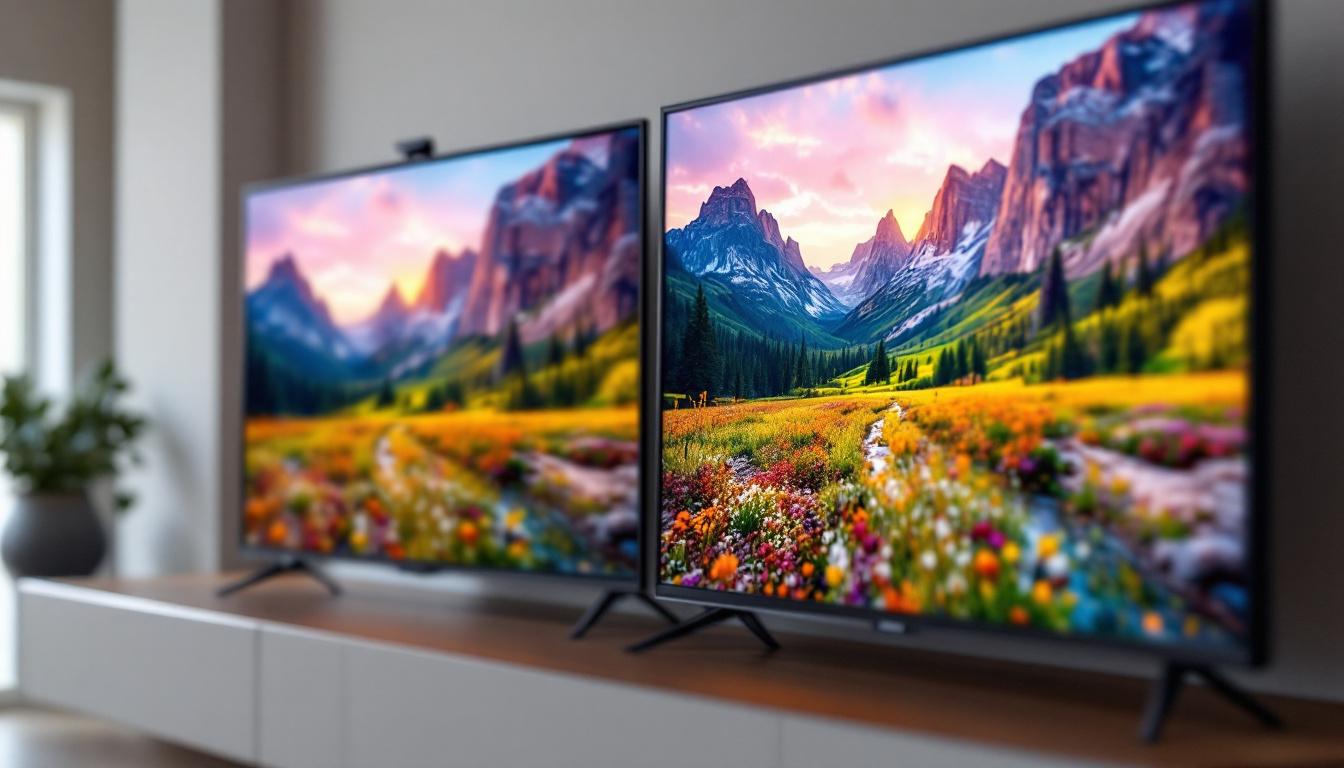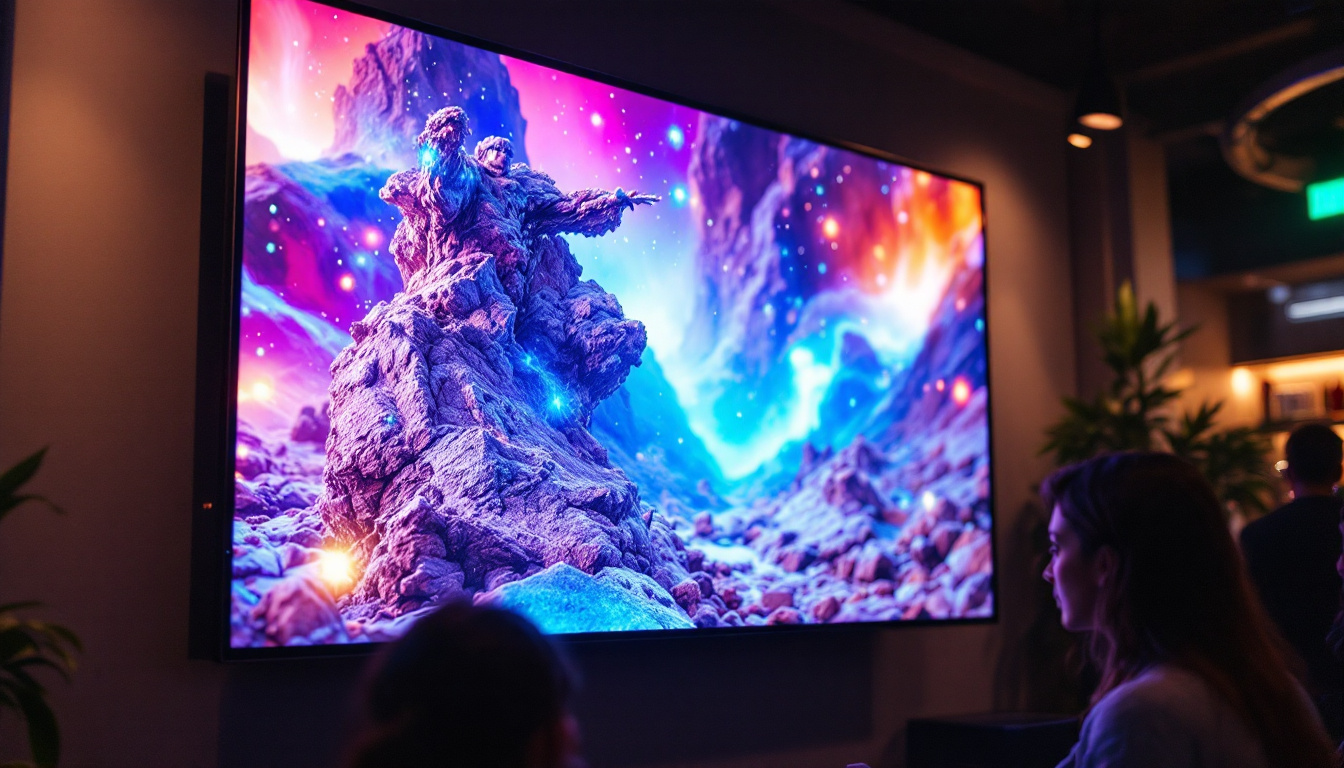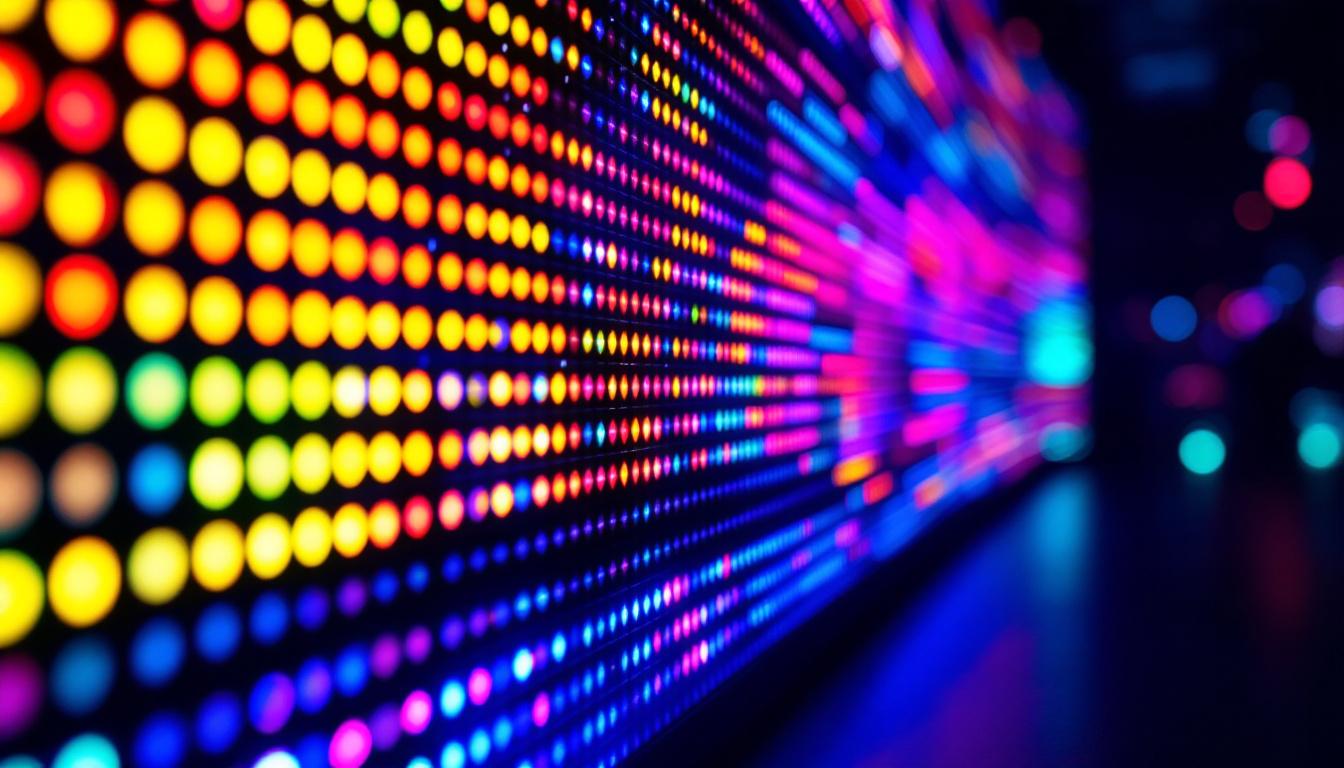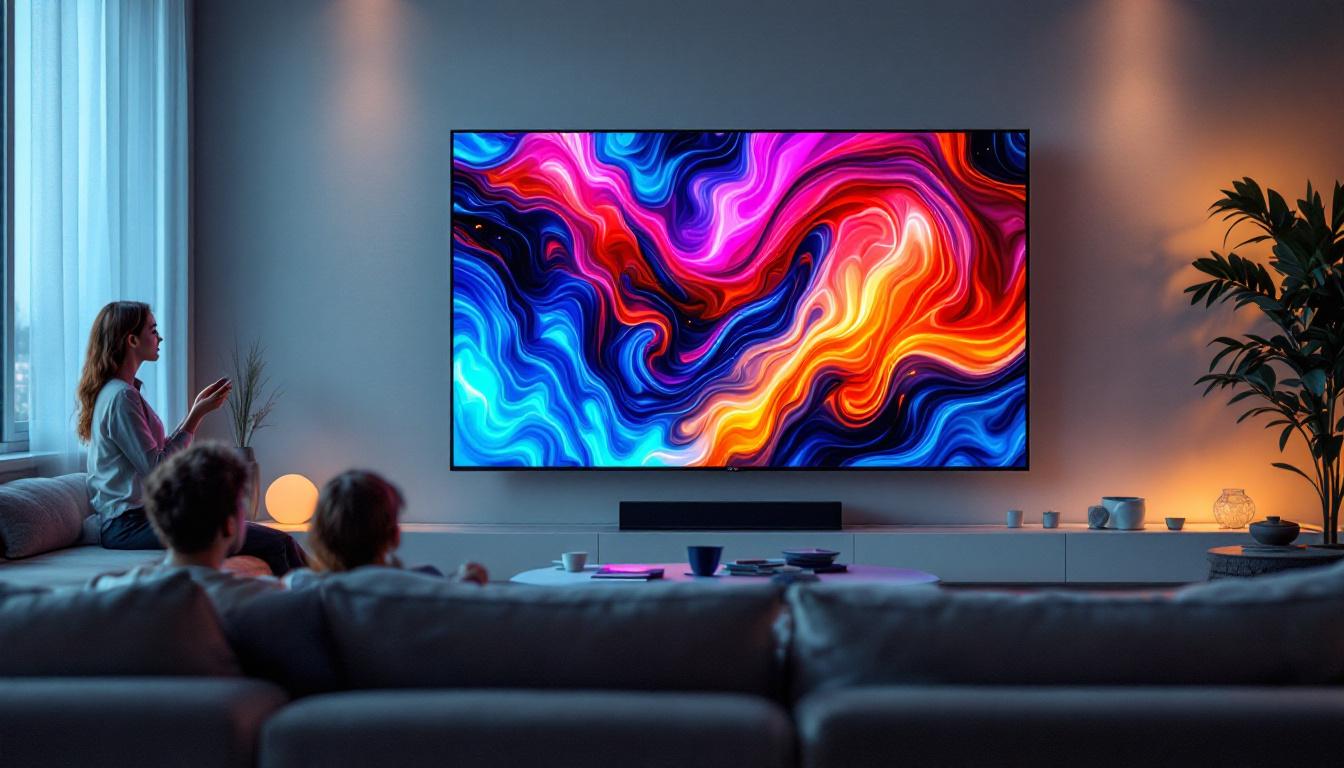
In the rapidly evolving world of television technology, LED and LCD TVs have become household staples, offering stunning visuals and immersive viewing experiences. Among the many choices available, the quest for the largest LED LCD TV often captivates enthusiasts and consumers alike. This article delves into the largest LED LCD TVs currently available, explains the technology behind LED displays, and provides insights into why size, display quality, and technology matter when selecting your next big screen.
Understanding LED LCD TVs: What Sets Them Apart?
Before exploring the largest LED LCD TVs on the market, it’s essential to understand what LED LCD technology entails. LED LCD TVs are essentially LCD (Liquid Crystal Display) screens that use LED (Light Emitting Diode) backlighting instead of the older CCFL (Cold Cathode Fluorescent Lamp) technology. This backlighting method significantly improves brightness, contrast, and energy efficiency. The shift to LED technology has not only enhanced the viewing experience but also contributed to a more sustainable approach in electronics, as LED lights consume less power and have a longer lifespan than their CCFL counterparts.
LED backlighting comes in two primary forms: edge-lit and full-array. Edge-lit LED TVs position LEDs along the edges of the screen, allowing for thinner designs but sometimes causing uneven brightness. Full-array LED TVs place LEDs behind the entire screen, enabling local dimming zones that enhance contrast and black levels. This technology is a key factor in the picture quality offered by large-screen TVs. Additionally, many manufacturers are now incorporating advanced features like HDR (High Dynamic Range) into their LED LCD models, further elevating the visual experience by providing a broader spectrum of colors and improved detail in both dark and bright scenes.
How LED LCD Differs from OLED and QLED
While LED LCD TVs are prevalent, it’s important to distinguish them from OLED (Organic Light Emitting Diode) and QLED (Quantum Dot LED) technologies. OLED TVs feature self-emissive pixels that can turn off individually, resulting in perfect blacks and outstanding contrast. QLED TVs, on the other hand, use quantum dot technology to improve color accuracy and brightness, while still relying on LED backlighting. This distinction is crucial for consumers who prioritize different aspects of picture quality, as OLEDs excel in contrast and color depth, while QLEDs shine in brightness and color vibrancy.
LED LCD TVs tend to be more affordable and can achieve larger screen sizes more easily than OLEDs, making them a popular choice for consumers seeking massive displays without breaking the bank. Furthermore, the durability of LED LCD screens makes them suitable for a variety of environments, from bright living rooms to commercial displays. As technology continues to evolve, many manufacturers are also integrating smart features into LED LCD TVs, allowing users to access streaming services, browse the internet, and even control their smart home devices directly from their televisions, enhancing the overall user experience and making these TVs a central hub for entertainment and connectivity.
The Largest LED LCD TVs Available Today
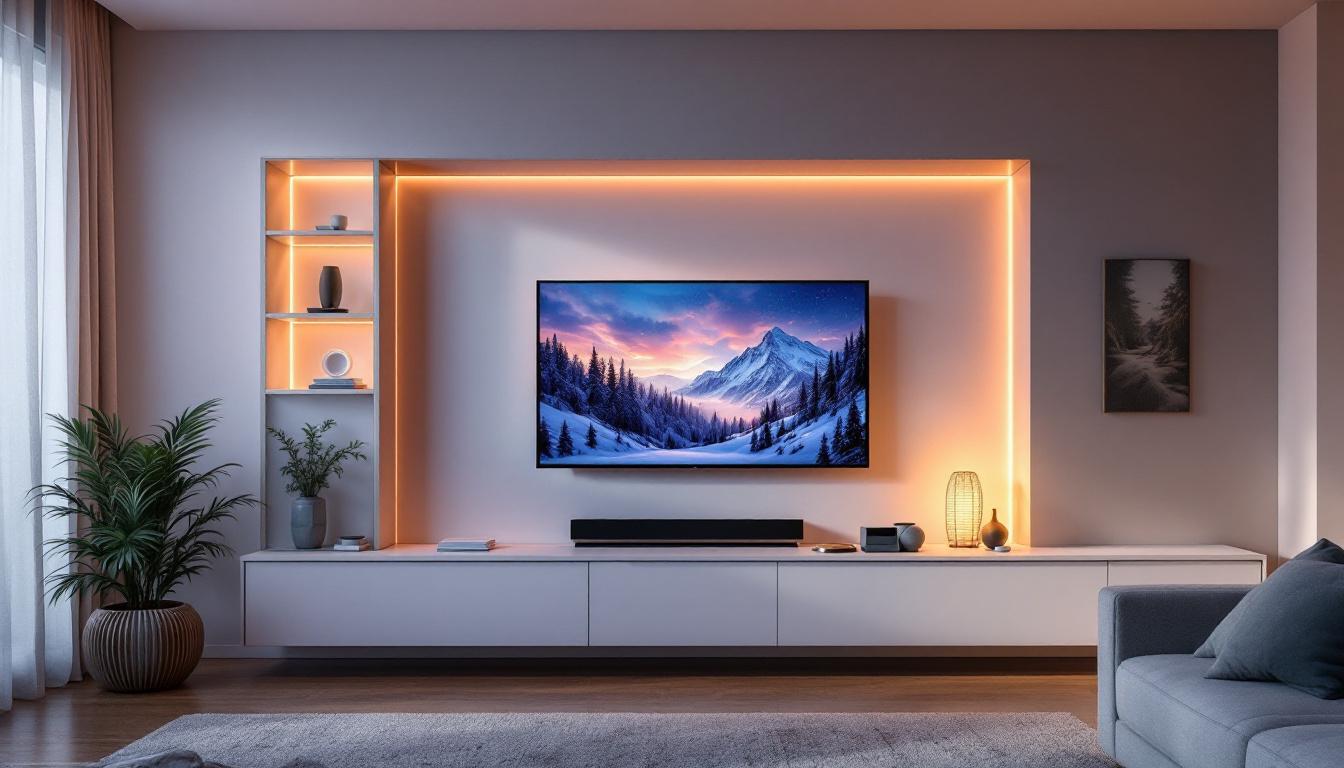
When it comes to size, LED LCD TVs have pushed the boundaries far beyond the traditional 55- or 65-inch models. Today, consumers can find LED LCD TVs that measure well over 80 inches, with some models exceeding 100 inches. These giant screens are ideal for home theaters, large living rooms, and commercial installations.
Key Models and Their Sizes
One of the largest commercially available LED LCD TVs is the Samsung QN100QN90B, a 100-inch Neo QLED TV. This model combines LED LCD technology with quantum dots and mini-LED backlighting to deliver exceptional brightness, color, and contrast. Its size and advanced features make it a top contender for those seeking the ultimate viewing experience.
Another notable example is the Sony Z9K series, which offers a 85-inch LED LCD TV with impressive 8K resolution and full-array local dimming. While slightly smaller than 100 inches, the Z9K’s picture quality and upscaling capabilities make it a favorite among enthusiasts.
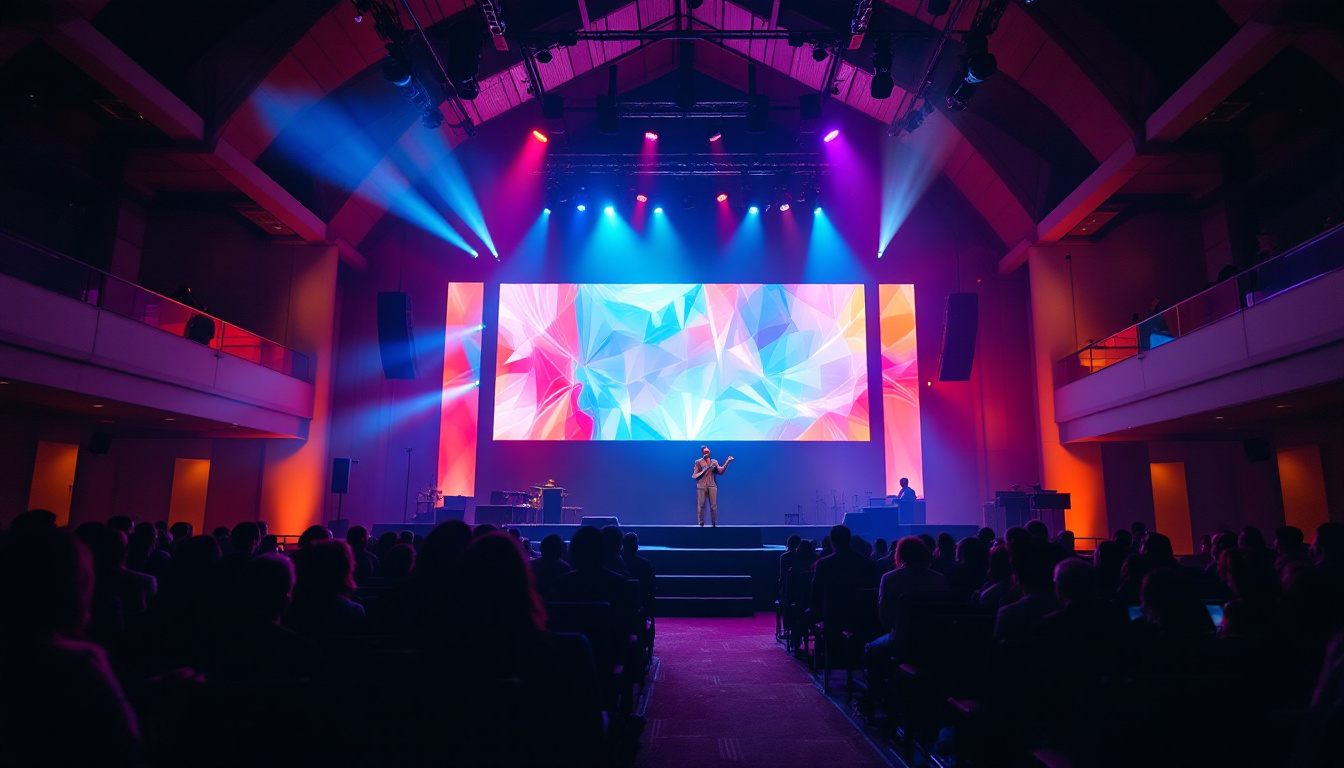
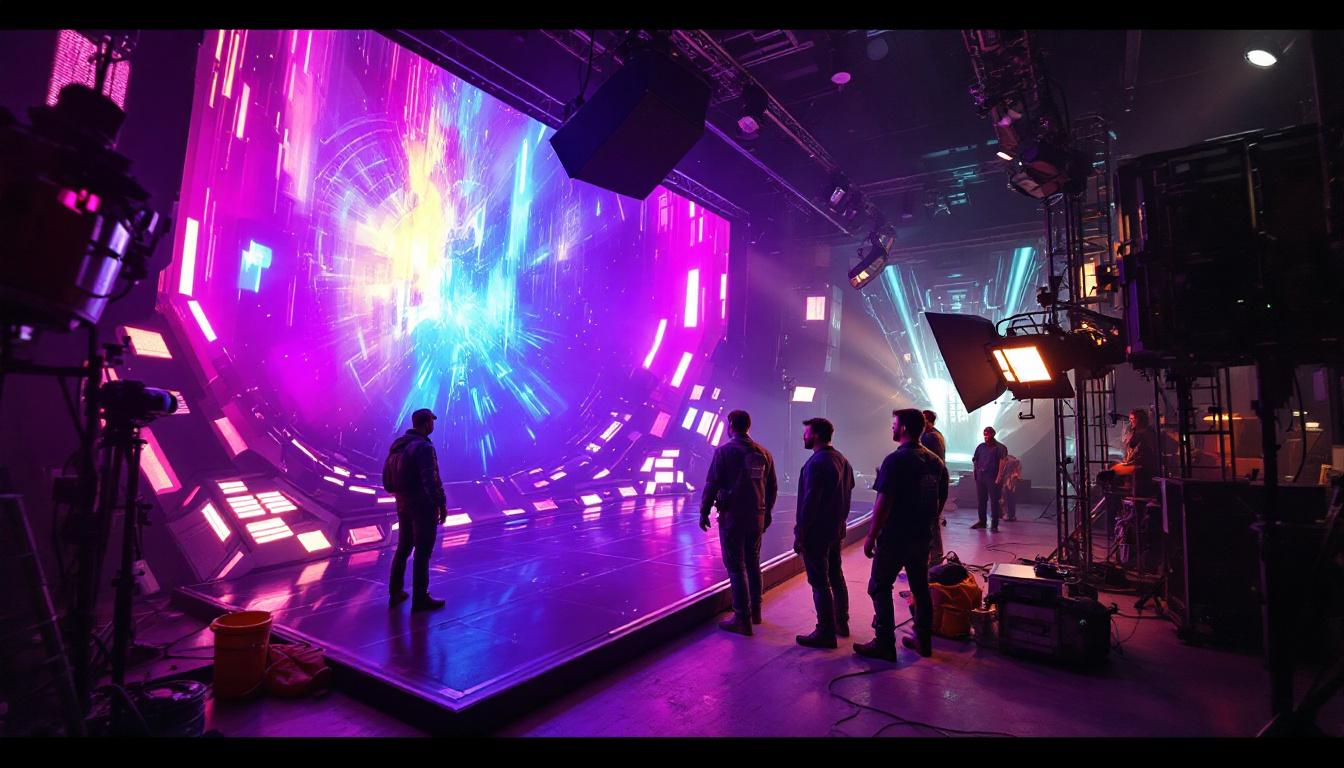
For those looking for even larger screens, LED LCD technology is often used in commercial displays and video walls. Samsung’s The Wall, for instance, is a modular microLED display that can be configured to sizes exceeding 200 inches, though it blurs the line between TV and digital signage.
Price Considerations for Large LED LCD TVs
As screen size increases, so does the price. Large LED LCD TVs, especially those with 8K resolution and advanced backlighting, can cost tens of thousands of dollars. The 100-inch Samsung Neo QLED, for example, typically retails for over $60,000, reflecting the complexity and manufacturing costs involved.
Consumers should weigh the benefits of such large displays against their budget and viewing environment. While a massive screen can offer an immersive experience, factors like room size, seating distance, and content availability also impact satisfaction.
Technical Insights: How LED Displays Work
To appreciate the capabilities of large LED LCD TVs, it helps to understand the underlying technology. LED displays rely on a combination of liquid crystals and LED backlights to produce images.
Liquid Crystal Display (LCD) Basics
LCD panels consist of millions of pixels made up of liquid crystals that can twist and align to control the passage of light. These crystals do not emit light themselves; instead, they modulate the light from the backlight to create images. By adjusting the orientation of the crystals, the TV can control the intensity and color of each pixel.
Role of LED Backlighting
The LED backlight is crucial because it provides the illumination needed for the LCD panel to display images. Modern LED backlights use thousands of tiny LEDs arranged either along the edges or across the back of the screen. Full-array LED backlighting with local dimming allows the TV to dim or brighten specific zones independently, enhancing contrast and black levels.
This capability is particularly important in large TVs, where uniform brightness and accurate contrast across the entire screen can be challenging to maintain.
Mini-LED and MicroLED Innovations
Recent advancements have introduced mini-LED and microLED technologies, which use even smaller LEDs to increase the number of dimming zones dramatically. Mini-LEDs can number in the thousands, offering finer control over lighting and reducing blooming effects around bright objects on dark backgrounds.
MicroLED, while still emerging, uses self-emissive LEDs like OLED but with inorganic materials, promising higher brightness, longer lifespan, and scalability to massive sizes without loss of quality.
Why Size Matters: Viewing Experience and Practical Considerations
Choosing the largest LED LCD TV available is often driven by the desire for a cinematic experience at home. However, size alone does not guarantee satisfaction. Understanding how screen size interacts with viewing distance, resolution, and room layout is essential.
Optimal Viewing Distance
The ideal viewing distance depends on the screen size and resolution. For 4K TVs, the recommended distance is roughly 1 to 1.5 times the screen’s diagonal size. For example, a 100-inch TV would be best viewed from 8 to 12 feet away to fully appreciate the detail without seeing individual pixels.
Viewing too close to a large screen can cause eye strain and make imperfections more noticeable, while sitting too far diminishes the immersive effect.
Resolution and Content Availability
Large screens benefit from higher resolutions like 4K or 8K to maintain image sharpness. While 4K content is widely available on streaming platforms, 8K content remains scarce. However, many high-end TVs include advanced upscaling technologies to improve lower-resolution content.
Consumers should consider whether their content sources and viewing habits justify investing in ultra-high-resolution large screens.
Room Lighting and Placement
LED LCD TVs perform best in controlled lighting environments. Large screens can reflect ambient light, reducing contrast and vibrancy. Positioning the TV away from direct sunlight and using curtains or blinds can enhance the viewing experience.
Additionally, the physical space required for a large TV and its stand or wall mount should be carefully measured to ensure safe and comfortable installation.
Future Trends in Large LED LCD TVs
The television industry continues to innovate, pushing the boundaries of size, resolution, and display technology. Several trends are shaping the future of large LED LCD TVs.
Increased Adoption of Mini-LED and Quantum Dot Technologies
Mini-LED backlighting is becoming more common in premium large-screen TVs, offering improved contrast and brightness without the high cost of OLED panels. Quantum dot technology enhances color accuracy and brightness, making these TVs ideal for bright rooms and HDR content.
Growth of Modular and Customizable Displays
Modular displays like Samsung’s The Wall allow consumers and businesses to customize screen size and shape, creating truly massive displays tailored to specific needs. This trend blurs the line between traditional TVs and digital signage, opening new possibilities for entertainment and commercial use.
Integration of Smart Features and AI Enhancement
Modern large LED LCD TVs come equipped with smart platforms, voice assistants, and AI-driven picture optimization. These features enhance usability and ensure that image quality adapts dynamically to content and ambient conditions.
Conclusion: Choosing the Right Large LED LCD TV for Your Needs
The largest LED LCD TVs available today offer breathtaking screen real estate combined with advanced display technologies that deliver exceptional picture quality. Whether opting for a 100-inch Neo QLED or an 85-inch 8K LED LCD, consumers can enjoy immersive viewing experiences previously reserved for cinemas.
However, selecting the right large TV requires careful consideration of factors such as viewing distance, resolution, room lighting, and budget. Understanding the technology behind LED LCD displays helps buyers make informed decisions and appreciate the innovations that bring these massive screens to life.
As technology advances, the future promises even larger, brighter, and more versatile LED LCD TVs, making it an exciting time for enthusiasts and casual viewers alike.
Explore the Future of Large LED Displays with LumenMatrix
As you consider elevating your viewing experience with the largest LED LCD TVs, we invite you to discover the innovative world of LumenMatrix. Our commitment to excellence in LED display technology ensures that whether you’re looking for an Indoor LED Wall Display, a vibrant Outdoor LED Wall Display, or any of our specialized solutions like Vehicle LED Displays and LED Sports Displays, LumenMatrix has the perfect fit for your needs. Experience the pinnacle of visual communication and transform your space with our captivating and versatile LED display modules. Check out LumenMatrix LED Display Solutions today and join the revolution in digital signage, where clarity and impact go hand in hand.