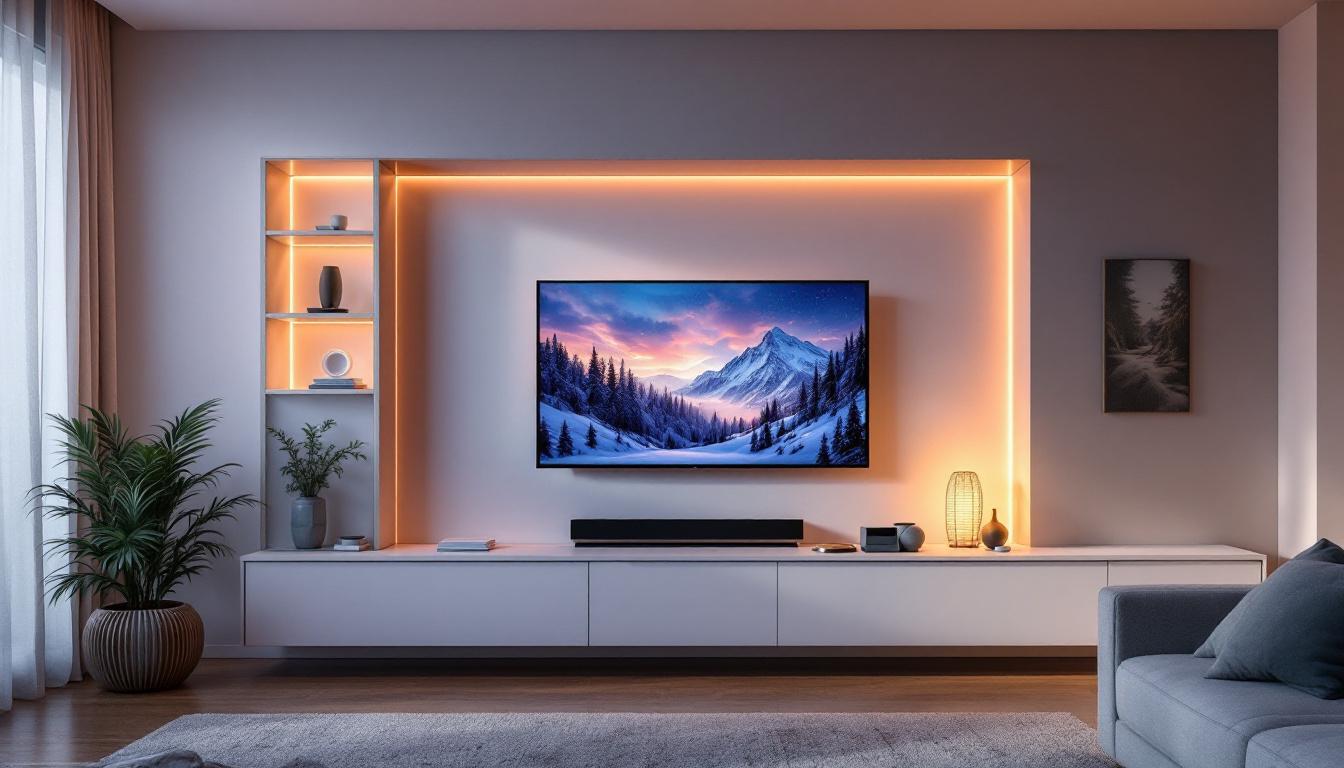
In the modern home, the television is more than just a device for watching shows — it’s a centerpiece of entertainment, design, and technology. Wall units for TVs, especially those featuring LED displays, have become increasingly popular for their sleek aesthetics and advanced functionality. This article explores the world of wall units designed for LED TVs, explaining the technology behind LED displays, the benefits of integrating them into wall units, and practical considerations for choosing the perfect setup for your living space.
Understanding LED Display Technology
What is an LED Display?
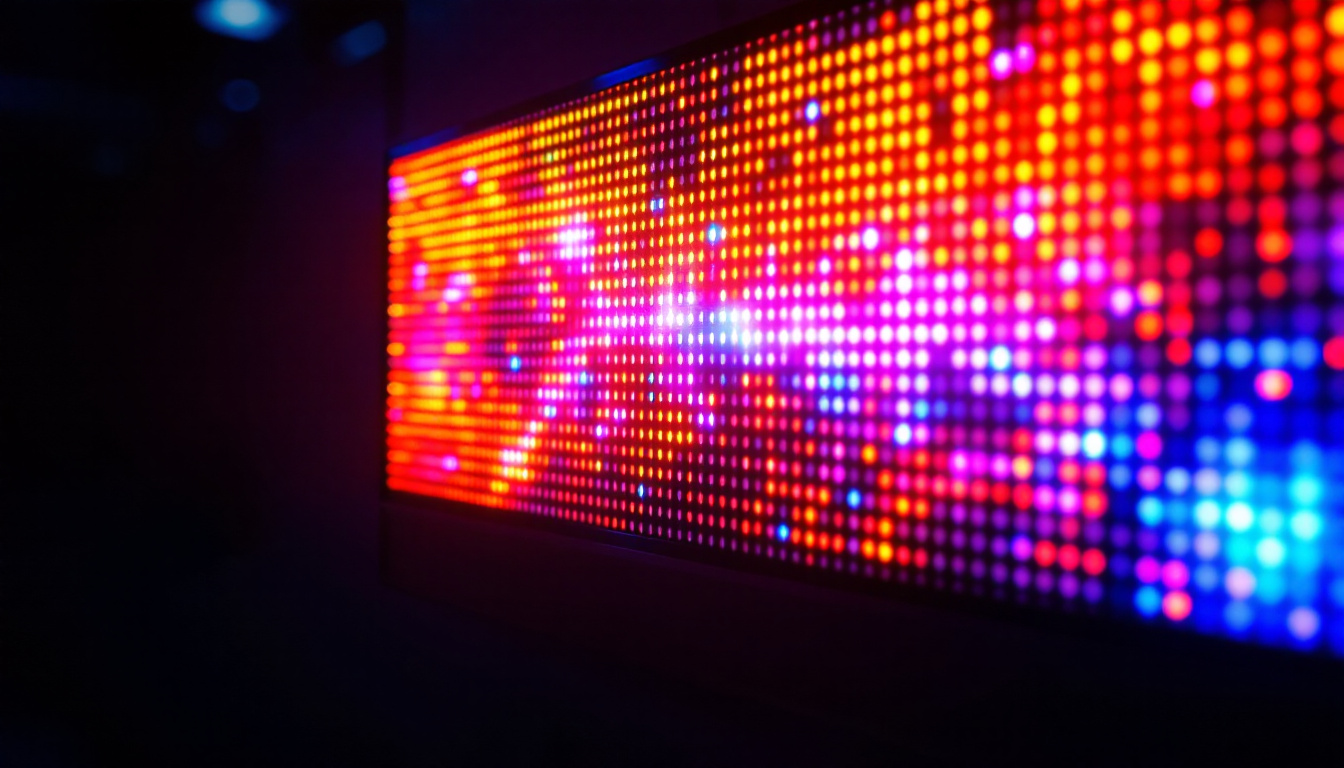
LED stands for Light Emitting Diode, a semiconductor device that emits light when an electric current passes through it. In the context of television displays, LED refers to a type of screen technology that uses these tiny diodes to illuminate the display. Unlike traditional LCD screens that rely on fluorescent backlighting, LED TVs use light-emitting diodes as their light source, which allows for better control over brightness and contrast.
LED displays can be categorized into two main types: edge-lit and full-array. Edge-lit LED TVs place LEDs around the edges of the screen, shining light across the panel, while full-array LED TVs have LEDs distributed evenly behind the entire screen. Full-array models often include local dimming, which enhances contrast by dimming specific areas of the screen independently. This technology is particularly beneficial for viewing content in darker environments, where the ability to control light in specific areas can significantly improve the overall picture quality.
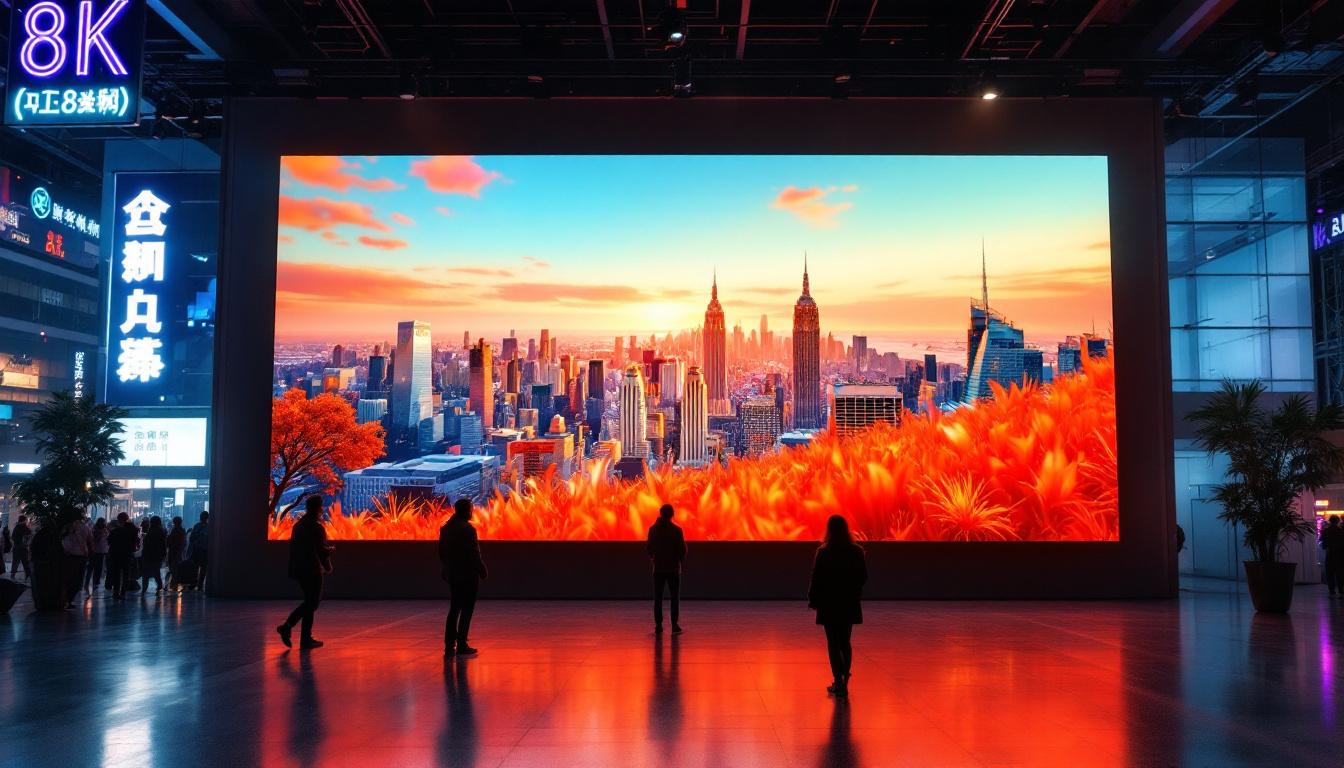
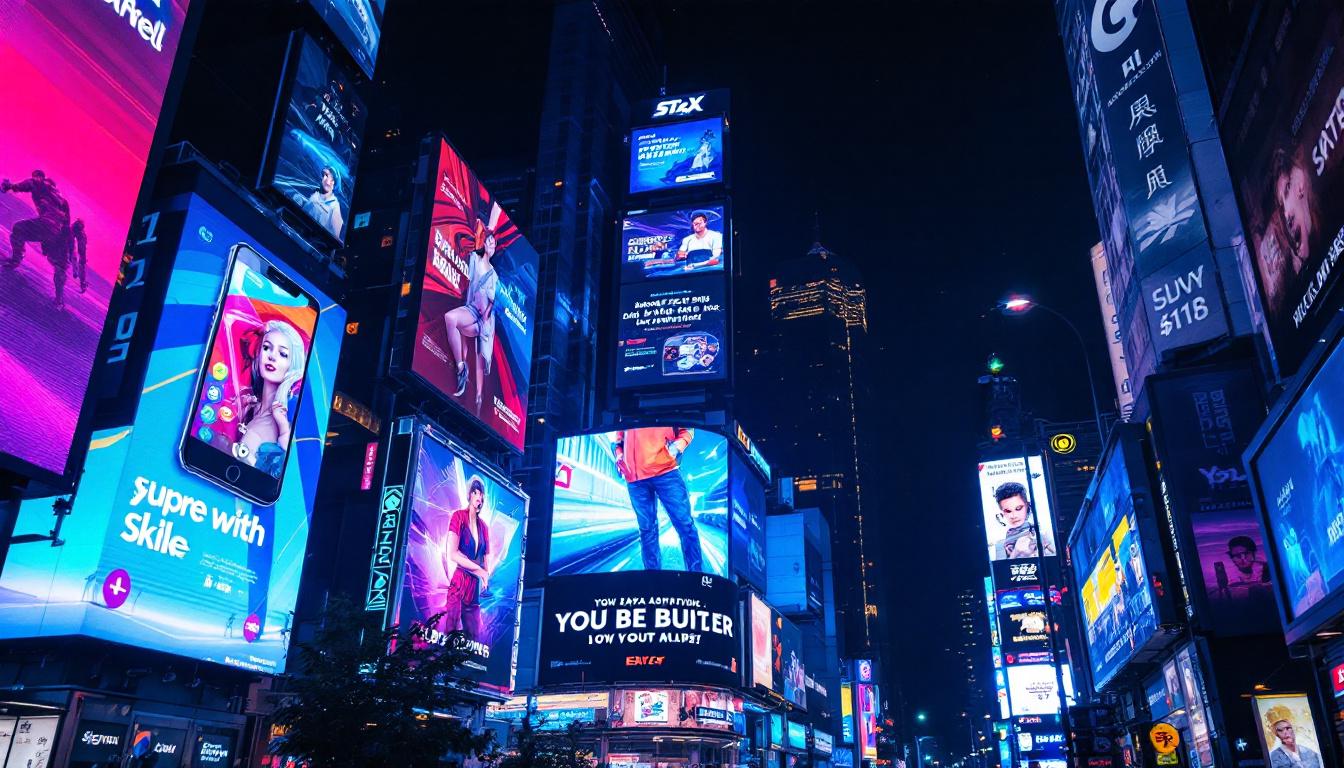
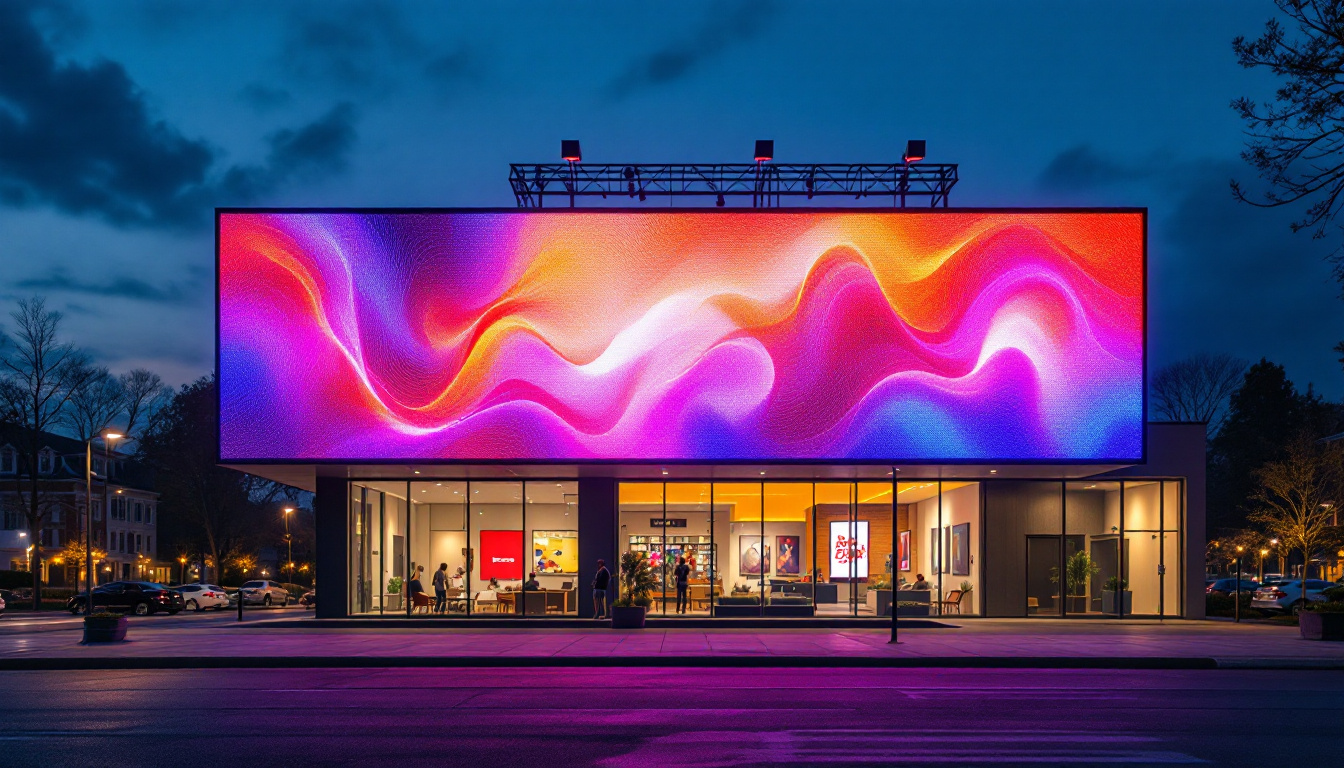
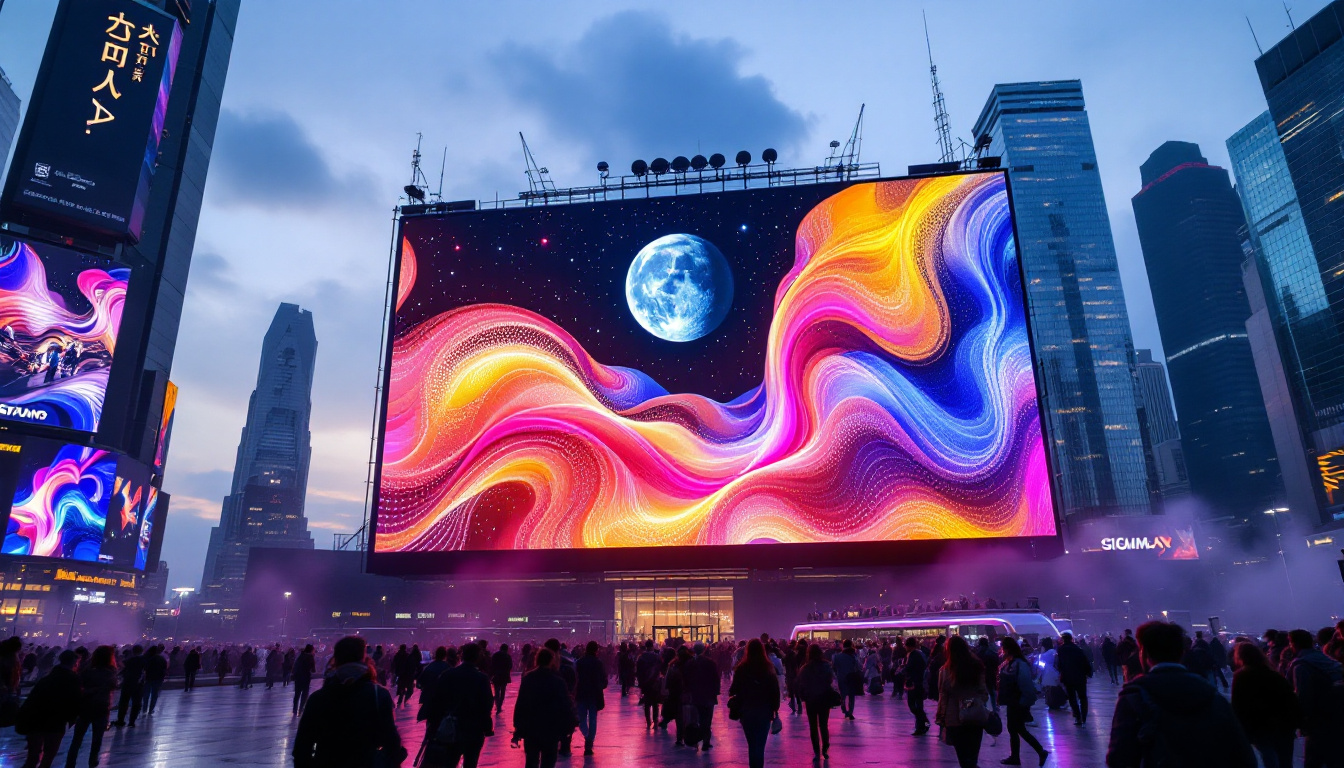
Moreover, LED displays are not just limited to televisions; they are widely used in various applications, from digital billboards to computer monitors. The versatility of LED technology allows for a range of sizes and resolutions, making it suitable for everything from large-scale outdoor advertising to compact displays in portable devices. The energy efficiency of LED technology also plays a crucial role in its widespread adoption, as it consumes less power compared to older display technologies, leading to lower electricity bills and a reduced carbon footprint.
How LED Displays Compare to Other Technologies
LED technology is often compared to OLED (Organic Light Emitting Diode) and QLED (Quantum Dot LED) displays. OLED TVs offer superior contrast and deeper blacks because each pixel emits its own light and can be turned off individually. However, LED TVs, especially full-array models, provide excellent brightness levels and tend to be more affordable. This makes LED displays a popular choice for consumers who prioritize value without sacrificing quality.
QLED, a technology developed by companies like Samsung, uses quantum dots to enhance color accuracy and brightness in LED displays. This makes QLED a premium variant of LED technology, offering vivid colors and high dynamic range (HDR) capabilities. In addition to improved color performance, QLED displays are known for their longevity and resistance to burn-in, a common issue with OLED screens. As a result, QLED TVs are often favored for varied viewing environments, including brightly lit rooms where their enhanced brightness can shine through. The competition among these technologies continues to drive innovation, leading to exciting advancements in display quality and user experience.
Benefits of Wall Units for LED TVs
Space Efficiency and Aesthetic Appeal
Wall units designed for LED TVs maximize space utilization by mounting the television on the wall, freeing up floor space and creating a clean, modern look. These units often include integrated shelving, cabinets, and cable management systems, which help organize media devices, gaming consoles, and accessories neatly.
For homes with limited space, a wall unit can transform a cluttered entertainment area into a streamlined focal point. The slim profile of LED TVs complements these units perfectly, as their lightweight design makes wall mounting safer and easier compared to older, bulkier television models. Furthermore, wall units can be customized with various finishes and styles, allowing homeowners to match their décor seamlessly. Whether you prefer a sleek, minimalist design or a more traditional wooden finish, there are wall units available to suit every taste and interior design scheme.
Enhanced Viewing Experience
Mounting an LED TV within a wall unit allows for optimal viewing height and angle, reducing neck strain and enhancing comfort during extended viewing sessions. Many wall units are designed to position the TV at eye level, which is the ideal height for immersive viewing.
Additionally, some wall units incorporate ambient lighting features, such as LED backlighting or integrated light strips, which can reduce eye strain in dark rooms and add an atmospheric touch to the viewing environment. This thoughtful design not only enhances the visual experience but also creates a cozy ambiance, making movie nights or binge-watching sessions even more enjoyable. Some models even allow for adjustable lighting settings, enabling users to customize the brightness and color to match the mood or type of content being viewed.
Improved Cable Management and Safety
One of the biggest challenges with modern entertainment setups is managing the myriad of cables from power cords, HDMI cables, sound systems, and streaming devices. Wall units for LED TVs often come with built-in cable management solutions that conceal wires behind panels or inside compartments, creating a tidy and safe setup.
This not only enhances the overall appearance but also minimizes the risk of tripping hazards and accidental unplugging, especially in homes with children or pets. Many units also feature designated compartments for gaming consoles and other devices, ensuring that everything is within reach yet neatly tucked away. Some advanced wall units even offer smart technology integration, allowing users to control their devices through a centralized system, further reducing clutter and enhancing the user experience. This thoughtful approach to design not only prioritizes safety but also elevates the overall functionality of the entertainment space.
Choosing the Right Wall Unit for Your LED TV
Consider the Size and Weight of Your TV
When selecting a wall unit, it’s crucial to consider the size and weight of your LED TV. Most wall units specify the maximum TV size and weight they can safely support. Oversized TVs require sturdy mounts and reinforced units to ensure safety and stability.
Measure your TV diagonally and check the unit’s specifications before purchasing. Additionally, consider the depth of the unit, especially if you plan to include other devices like soundbars or gaming consoles.
Material and Build Quality
Wall units come in a variety of materials, including wood, MDF (medium-density fiberboard), metal, and glass. Each offers different aesthetic and durability characteristics. Solid wood units provide a classic, high-end look but may be heavier and more expensive. MDF units are budget-friendly and versatile but may not be as durable over time.
Metal and glass units often feature modern, minimalist designs and can complement the sleekness of LED TVs. However, these materials may require more careful handling and maintenance to avoid scratches and fingerprints.
Design and Storage Features
Beyond supporting your TV, wall units can serve as storage and display solutions. Look for units with adjustable shelves, drawers, or cabinets that fit your media collection, gaming accessories, or decorative items. Some units include specialized compartments for soundbars, speakers, or gaming consoles, which can improve both functionality and aesthetics.
Consider the style of your room when choosing a wall unit. Contemporary designs with clean lines suit modern interiors, while more ornate units can complement traditional or rustic decors. Customizable units or modular systems offer flexibility to adapt to changing needs.
Installation and Maintenance
Installing a wall unit for an LED TV can be a straightforward DIY project for those comfortable with mounting hardware and electrical components. However, professional installation is recommended for heavier TVs or complex units to ensure safety and proper alignment.
Maintenance typically involves regular dusting and occasional cleaning of surfaces and screens. Choosing materials that resist fingerprints and smudges can reduce upkeep. Additionally, ensure that ventilation is adequate to prevent overheating of electronic components housed within the unit.
Popular Trends and Innovations in Wall Units for LED TVs
Smart Integration and Connectivity
Modern wall units increasingly incorporate smart features such as built-in charging stations, wireless charging pads, and integrated smart home hubs. These innovations allow users to control lighting, sound systems, and even the TV itself through voice commands or smartphone apps.
Some units also feature motorized mounts that can swivel or retract the TV into the unit when not in use, creating a clean look and protecting the screen from dust and damage.
Eco-Friendly and Sustainable Designs
With growing environmental awareness, many manufacturers are focusing on sustainable materials and eco-friendly production methods. Wall units made from reclaimed wood, bamboo, or recycled materials are gaining popularity among environmentally conscious consumers.
LED TVs themselves are energy-efficient compared to older technologies, consuming less power and generating less heat, which aligns well with green living principles.
Customization and Modular Systems
Customization is a key trend, with consumers seeking wall units tailored to their specific needs and spaces. Modular wall units allow users to mix and match components such as shelves, cabinets, and display cases, creating personalized configurations that can evolve over time.
This flexibility is especially valuable in multi-purpose living areas or smaller homes where space optimization is crucial.
Conclusion: Enhancing Your Living Space with a Wall Unit for LED TV
Wall units designed for LED TVs offer a perfect blend of technology, style, and practicality. Understanding the fundamentals of LED display technology helps consumers appreciate the benefits of integrating these TVs into thoughtfully designed wall units. From maximizing space and improving viewing comfort to managing cables and adding smart features, wall units elevate the home entertainment experience.
When choosing a wall unit, consider your TV’s specifications, room style, storage needs, and installation requirements. Staying informed about current trends and innovations can also guide you toward a solution that not only meets your functional needs but also enhances the aesthetic appeal of your living space.
Investing in a quality wall unit for your LED TV is more than just a furniture purchase — it’s a step toward creating a harmonious, modern, and enjoyable home environment.
Discover the Perfect LED Display Solution with LumenMatrix
Ready to transform your entertainment space with a wall unit that brings the future of visual technology into your home? LumenMatrix, a pioneer in LED display innovation, offers an extensive range of LED display modules tailored to your unique needs. Whether you’re looking for an Indoor LED Wall Display to create a stunning home theater experience, or an Outdoor LED Wall Display to elevate your exterior space, LumenMatrix has the cutting-edge solution for you. Embrace the power of LED technology and make a statement with displays that offer unparalleled brightness, clarity, and longevity. Check out LumenMatrix LED Display Solutions today and step into a world where visual communication is redefined.