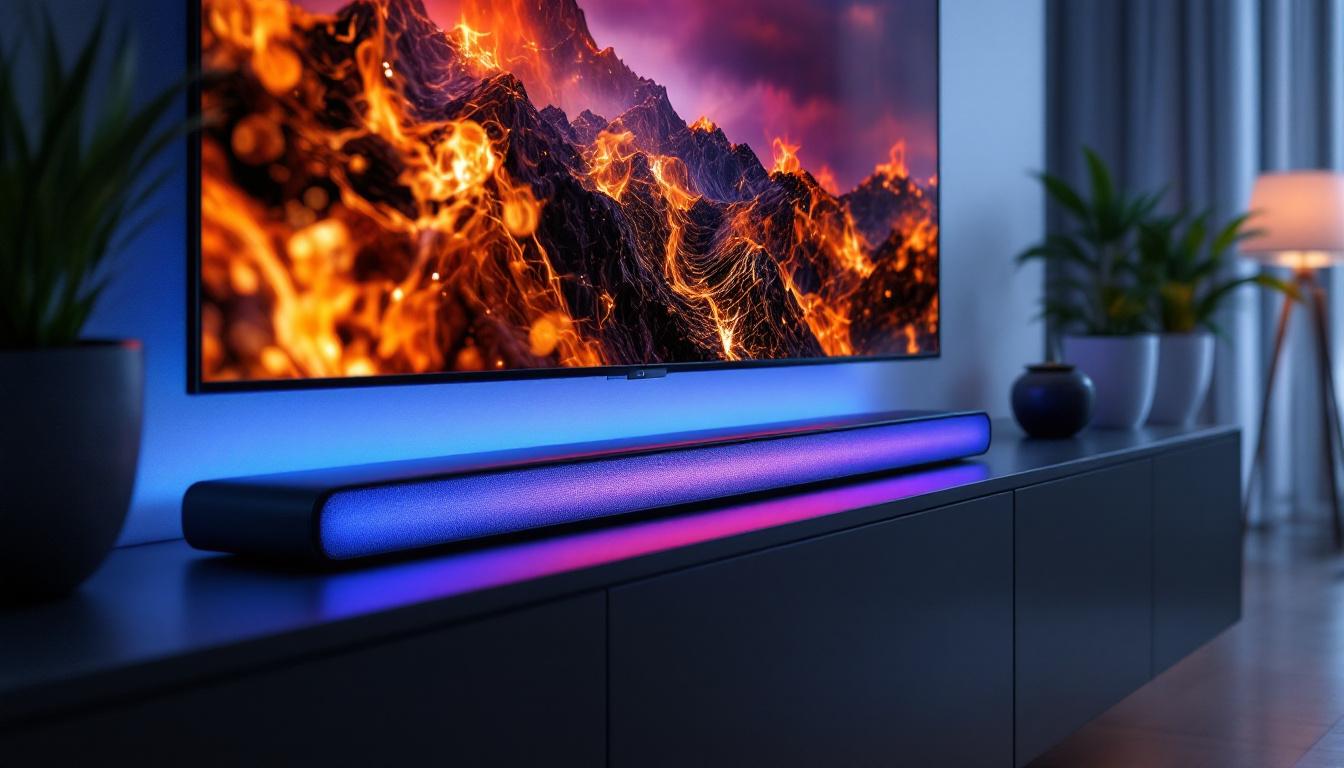
In the world of home entertainment, sound bars have become an essential component for enhancing audio quality without the clutter of traditional speaker systems. Among the various types available, ultra slim sound bars stand out for their sleek design and space-saving features. One key aspect that often piques the curiosity of users is the LED display integrated into these devices. This article delves into the purpose, functionality, and benefits of LED displays on ultra slim sound bars, helping consumers make informed decisions and maximize their audio experience.
Understanding Ultra Slim Sound Bars
What Defines an Ultra Slim Sound Bar?
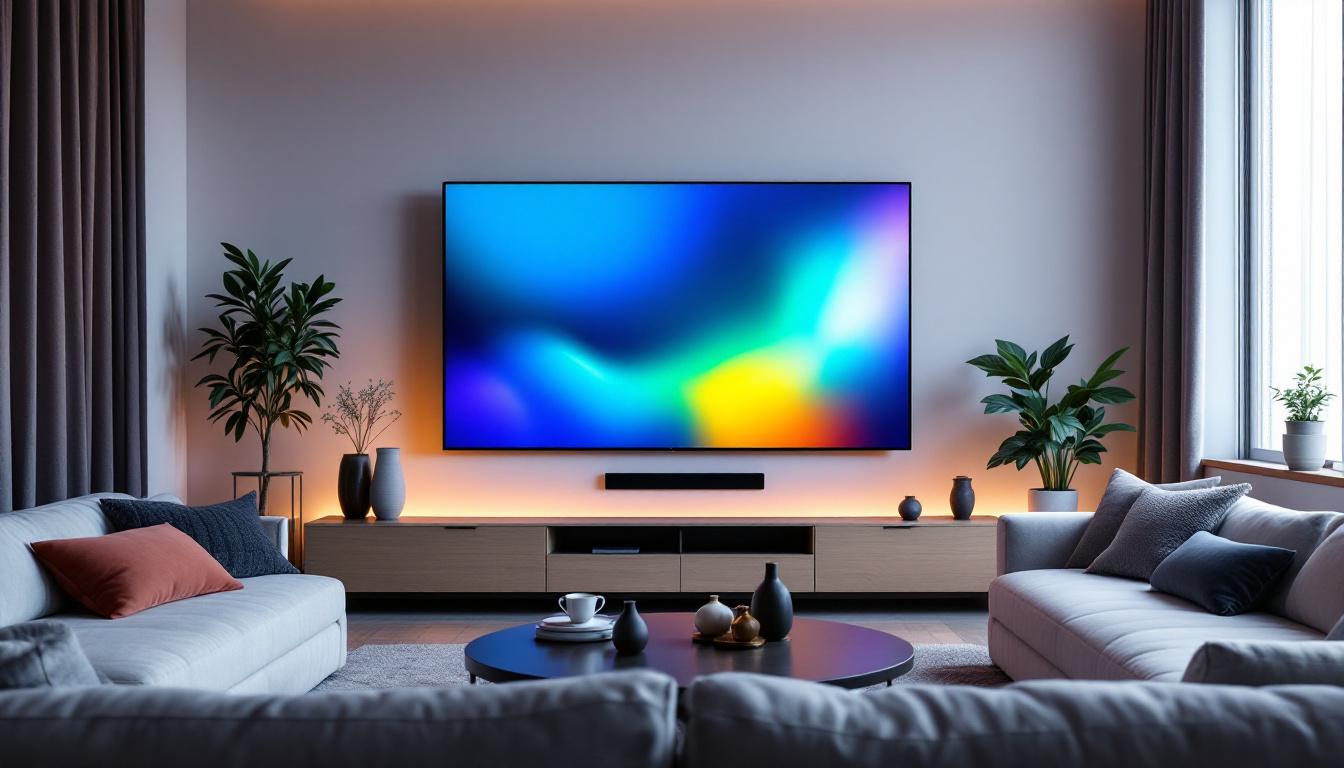
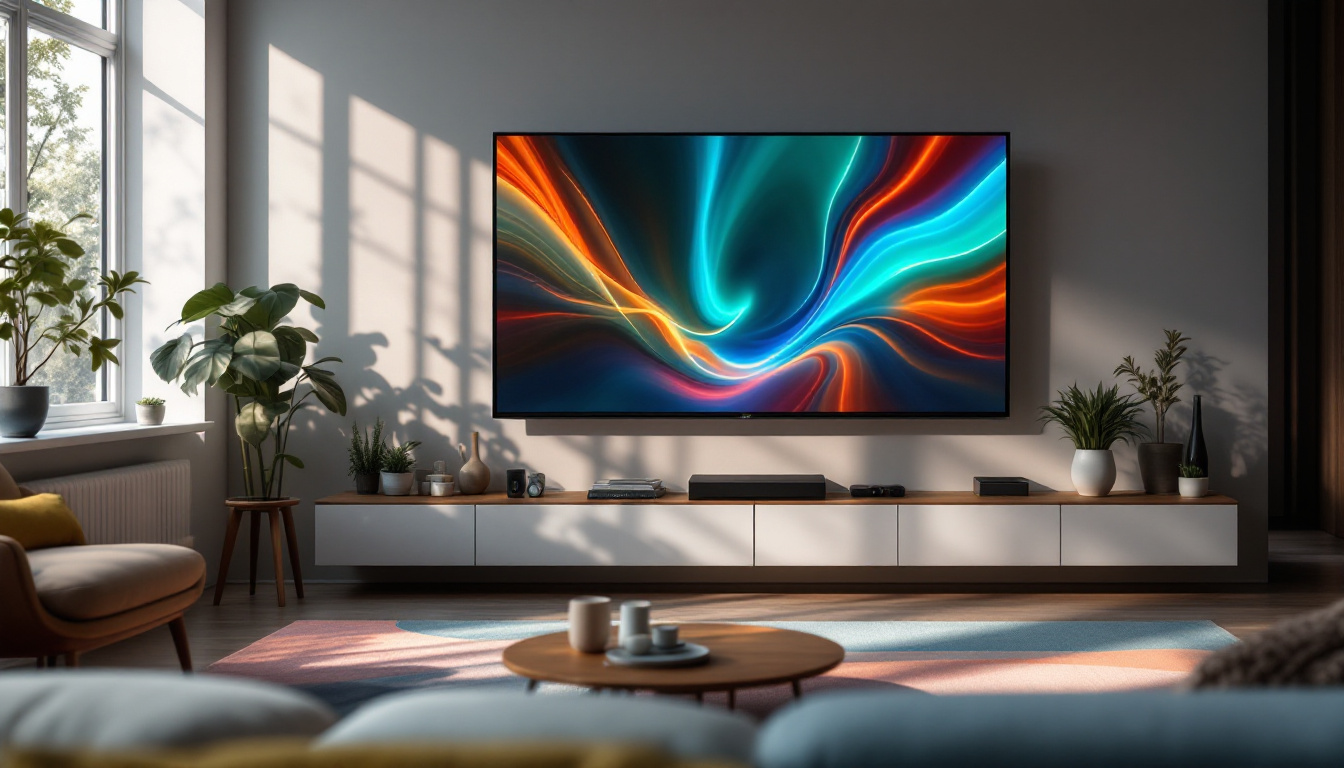
Ultra slim sound bars are designed to complement modern flat-screen TVs by offering a compact and elegant audio solution. Typically measuring less than 2 inches in height, these sound bars are engineered to fit seamlessly beneath or in front of a television without obstructing the screen or remote sensor. Their minimalistic form factor appeals to users who prioritize aesthetics and space efficiency.
Despite their slender profile, many ultra slim sound bars pack advanced audio technologies such as Dolby Atmos, DTS:X, and wireless connectivity options. This combination of form and function makes them a popular choice for urban dwellers and minimalist enthusiasts alike.
Why Choose an Ultra Slim Sound Bar?
The primary advantage of an ultra slim sound bar is its ability to deliver enhanced sound quality without the bulk of traditional speaker systems. For many users, bulky speakers can disrupt the visual harmony of a living room or entertainment area. Ultra slim sound bars provide a discreet yet powerful audio upgrade, often featuring multiple drivers and subwoofers integrated within the compact chassis.
Additionally, these devices are generally easier to install and require fewer cables, reducing setup complexity. The inclusion of modern connectivity options such as Bluetooth, HDMI ARC, and optical inputs further enhances their versatility, allowing seamless integration with various devices.
The Role of LED Displays in Ultra Slim Sound Bars
What Is an LED Display on a Sound Bar?
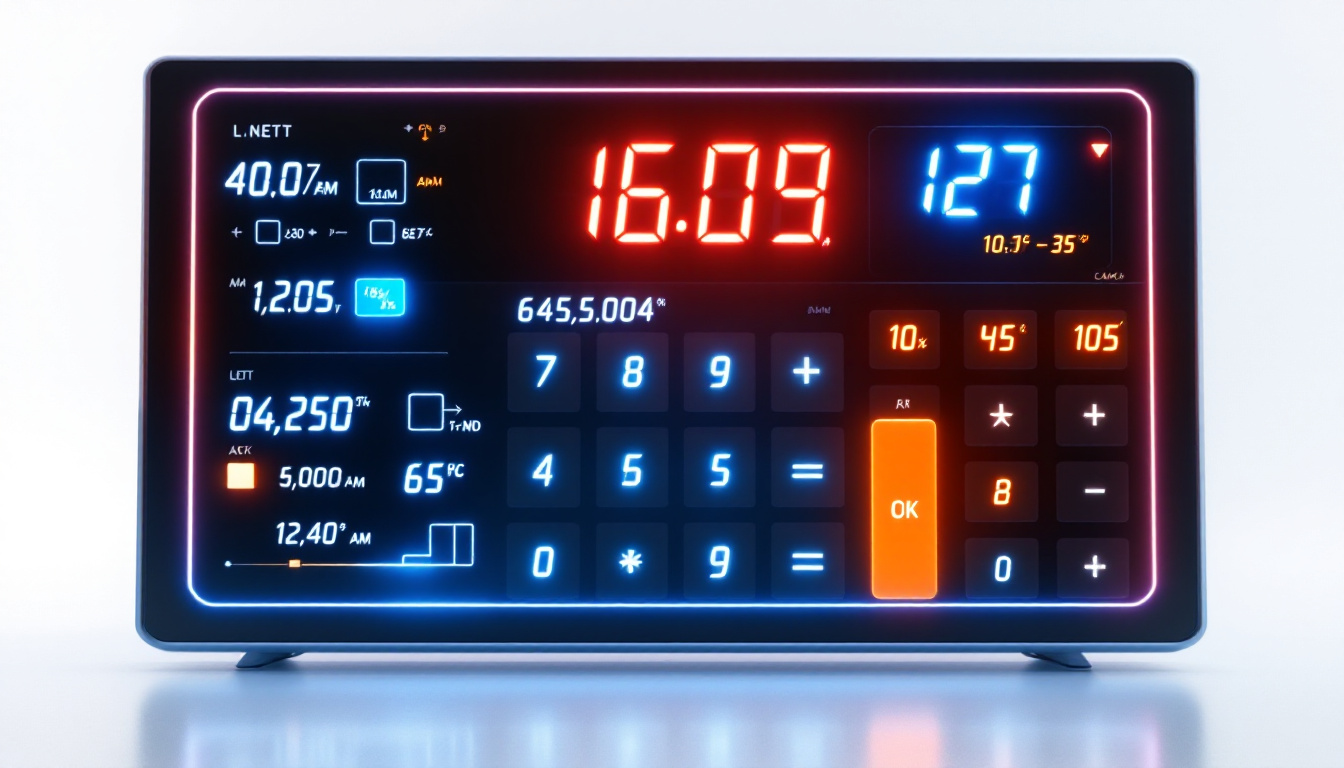
An LED (Light Emitting Diode) display on a sound bar is a small screen or panel that visually communicates information about the device’s status and settings. Unlike traditional LCD screens, LED displays are known for their brightness, energy efficiency, and durability. On ultra slim sound bars, these displays are typically compact and designed to blend with the device’s sleek aesthetics.
The LED display may show a variety of information, including volume levels, input source, sound modes, Bluetooth connectivity status, and error messages. This visual feedback helps users interact with the sound bar more intuitively, especially when remote controls or voice commands are not immediately accessible.
Types of LED Displays Used
Manufacturers employ different types of LED displays depending on the model and price range of the sound bar. Common types include:
- Segment LED Displays: These are simple numeric or alphanumeric displays that show basic information such as volume numbers or input labels. They are cost-effective and easy to read from a distance.
- Dot Matrix LED Displays: These offer more flexibility by displaying various symbols, icons, and scrolling text. They provide richer information and are often found on mid-range to high-end models.
- OLED or Mini-LED Displays: While technically different from traditional LED displays, some ultra slim sound bars incorporate these advanced displays for sharper visuals and color versatility. These are typically reserved for premium models.
Key Functions Displayed on LED Panels
Volume and Sound Mode Indicators
One of the most common uses of the LED display is to indicate the current volume level. Instead of relying solely on auditory cues, users can glance at the display to see precise volume increments. This is particularly useful in quiet environments or when adjusting sound levels incrementally.
Sound mode indicators are also frequently displayed. Many ultra slim sound bars offer preset modes such as Movie, Music, News, and Night Mode. The LED display shows the active mode, allowing users to tailor the audio output to their preferences or the content being consumed.
Input Source Identification
With multiple input options available—such as HDMI ARC, optical, AUX, and Bluetooth—the LED display helps users identify the currently selected source. This eliminates confusion when switching between devices like gaming consoles, streaming boxes, or smartphones.
For example, the display might show “HDMI,” “BT” (Bluetooth), or “OPT” (optical) to confirm the active input. This feature streamlines the user experience by providing clear, immediate feedback.
Connectivity and Pairing Status
Bluetooth-enabled sound bars use the LED display to communicate pairing status. When searching for devices, the display might flash or show a specific icon to indicate pairing mode. Once connected, it often displays the name or abbreviation of the paired device.
Some sound bars also provide visual alerts for connection issues or when the device is out of range. This helps users troubleshoot without needing to consult the manual or app.
Error Messages and Alerts
LED displays serve an important role in conveying error messages or alerts. For instance, if the sound bar overheats, experiences a hardware fault, or detects incompatible input signals, the display can show error codes or warning icons.
This immediate feedback allows users to take corrective action, such as turning off the device, checking connections, or contacting support. The presence of an LED display thus enhances usability and device longevity.
Benefits of LED Displays on Ultra Slim Sound Bars
Enhanced User Interaction
The LED display transforms an ultra slim sound bar from a simple audio device into an interactive gadget. By providing real-time information, it reduces guesswork and improves user confidence when adjusting settings.
For example, during a movie night, users can quickly verify that the sound bar is on the correct input and sound mode without interrupting the viewing experience. This convenience is especially valuable in dimly lit rooms where visual confirmation is preferred over auditory cues.
Improved Accessibility
LED displays make sound bars more accessible to a wider range of users, including those with hearing impairments. Visual indicators of volume and connectivity status ensure that everyone can operate the device effectively.
Moreover, the clear and concise information shown on the display helps reduce reliance on smartphone apps or complicated remote controls, making the technology more approachable for less tech-savvy individuals.
Energy Efficiency and Longevity
LED technology is renowned for its low power consumption and long lifespan. Incorporating LED displays into ultra slim sound bars aligns with the growing consumer demand for energy-efficient electronics.
This not only contributes to lower electricity bills but also supports environmental sustainability. Additionally, the durability of LEDs means fewer repairs or replacements, enhancing the overall value of the sound bar.
Considerations When Choosing an Ultra Slim Sound Bar with LED Display
Display Visibility and Placement
When selecting a sound bar, consider the visibility of the LED display. Some models feature displays that are bright and easy to read from various angles, while others may be dim or positioned in less accessible locations.
For rooms with varying lighting conditions, a display with adjustable brightness or auto-dimming features can prevent glare or distraction during dark scenes in movies.
Information Complexity
Depending on user preferences, the complexity of information shown on the LED display may be a factor. Some users prefer simple numeric displays for quick reference, while others appreciate detailed icons and text that provide comprehensive status updates.
It is advisable to review product specifications and user manuals or watch demonstration videos to understand the display capabilities before purchasing.
Integration with Other Controls
Consider how the LED display integrates with other control methods such as remote controls, smartphone apps, or voice assistants. A well-designed interface ensures that the LED display complements these controls rather than duplicating or conflicting with them.
For instance, some sound bars synchronize the LED display with app interfaces, allowing users to see the same information on their phones and the device, enhancing consistency and ease of use.
Future Trends in LED Displays for Sound Bars
Smart Displays and Touch Controls
As smart home technology evolves, LED displays on sound bars are expected to become more interactive. Future models may incorporate touch-sensitive LED panels that allow users to adjust settings directly on the device without a remote.
Such innovations could include swiping to change volume, tapping to switch inputs, or displaying notifications from connected smart home systems, creating a more integrated entertainment environment.
Color and Customization Options
Emerging trends indicate a move toward customizable LED displays with color options and themes. Users might be able to personalize the display to match their room decor or mood, enhancing the aesthetic appeal of ultra slim sound bars.
Dynamic lighting effects synchronized with audio playback could also become a feature, adding a visual dimension to the listening experience.
Integration with Voice Assistants
With the rise of voice-controlled devices, LED displays on sound bars may evolve to provide visual feedback for voice commands. This could include displaying recognized commands, confirmation messages, or contextual information related to the user’s requests.
Such integration would improve user interaction and make sound bars a more seamless part of smart home ecosystems.
Conclusion
Ultra slim sound bars have revolutionized home audio by combining compact design with powerful sound capabilities. The inclusion of LED displays enhances their functionality by providing clear, real-time information about volume, input sources, connectivity, and device status. Understanding the role and benefits of these displays empowers consumers to select sound bars that best meet their needs.
As technology advances, LED displays on sound bars will continue to evolve, offering greater interactivity, customization, and integration with smart home systems. Whether for casual listening or immersive home theater experiences, the LED display remains a vital feature that enriches the user experience and underscores the sophistication of ultra slim sound bars.
Discover the Future of Sound and Vision with LumenMatrix
Ready to elevate your home audio and visual experience? LumenMatrix is at the forefront of LED display innovation, offering a wide range of solutions that bring your entertainment to life. From ultra slim sound bars with LED displays to immersive Indoor and Outdoor LED Wall Displays, our technology is designed to integrate seamlessly into your lifestyle. Experience the difference in clarity and impact with our advanced LED display modules. Don’t wait to transform your space—check out LumenMatrix LED Display Solutions today and step into the future of dynamic visual communication.