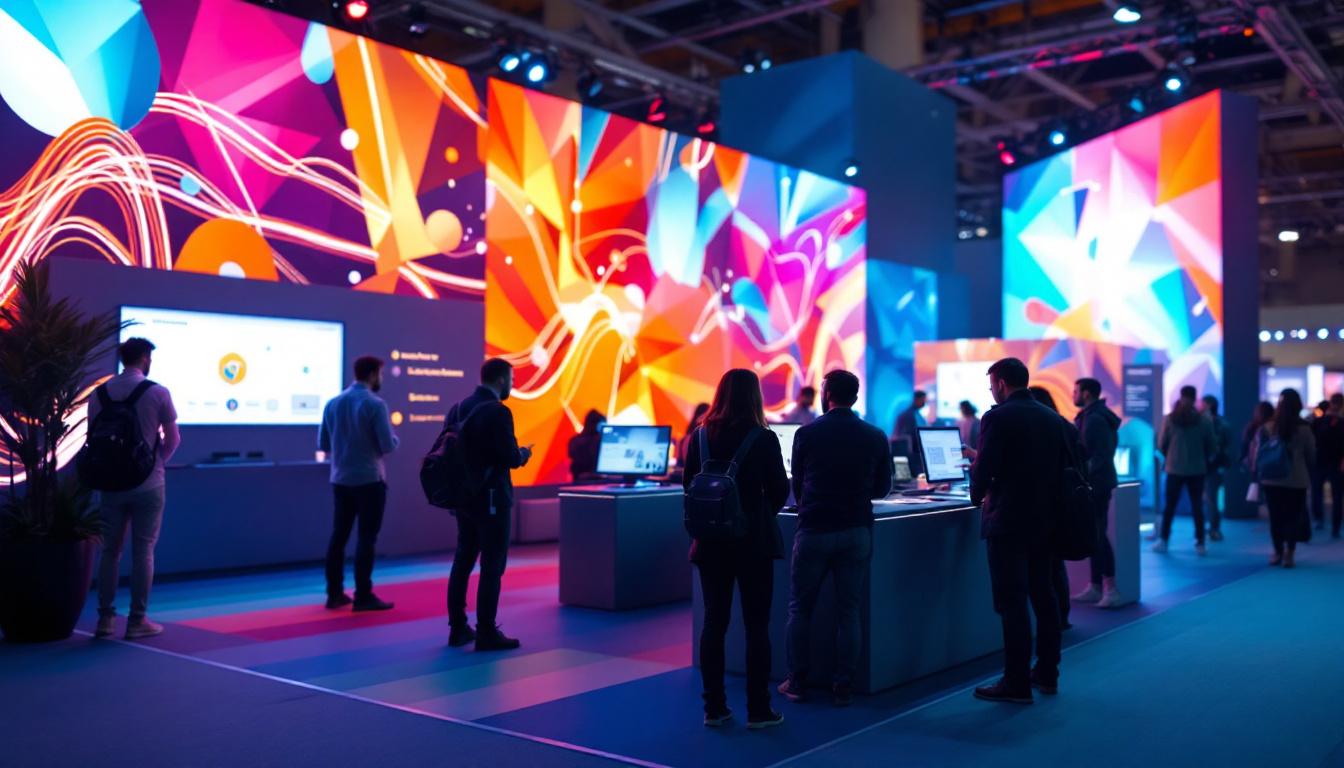
In the world of visual technology, screen size plays a pivotal role in defining the viewing experience. Among the various options available, a 110 inch LED display stands out as a popular choice for both commercial and residential applications. This article delves into what makes a 110 inch LED display unique, explores its benefits, and provides insights into its practical uses and technical considerations.
Understanding the 110 Inch Screen Size
The term “110 inch screen” refers to the diagonal measurement of the display, spanning 110 inches from one corner to the opposite corner. This measurement is standard across the display industry and allows consumers to compare screen sizes easily. To put this in perspective, a 110 inch screen is roughly 9 feet wide and 5 feet tall, depending on the aspect ratio.
Most 110 inch LED displays use a 16:9 aspect ratio, which is the standard for HDTVs and most digital content. This ratio ensures that the display is well-suited for a variety of media, including movies, presentations, and gaming. The sheer size of a 110 inch screen offers an immersive viewing experience that smaller screens cannot match. With advancements in display technology, many 110 inch screens now also feature 4K resolution, providing stunning clarity and detail that enhances the overall viewing experience, making it feel as though you are part of the action.
Why Choose a 110 Inch Screen?
The choice of a 110 inch screen size is often driven by the need for visibility and impact. For large venues such as conference halls, auditoriums, or home theaters, a 110 inch display ensures that content is visible to everyone in the room without straining the eyes. This size strikes a balance between being large enough to captivate an audience and manageable enough to fit in many indoor spaces. The ability to project vibrant colors and sharp images makes it a popular choice for businesses looking to make a strong impression during presentations or product launches.
Additionally, the 110 inch screen size is ideal for applications requiring detailed visuals, such as architectural presentations, digital signage, or immersive gaming setups. The expansive screen real estate allows for high-resolution content to be displayed with clarity and vibrancy. Furthermore, many modern 110 inch displays come equipped with smart technology, enabling seamless connectivity to various devices and platforms. This feature makes it easier to share content directly from smartphones, tablets, or laptops, enhancing collaboration in professional settings or providing a more interactive experience for gaming enthusiasts.
What is an LED Display?
LED, or Light Emitting Diode, displays have revolutionized the way images and videos are presented. Unlike traditional LCD screens that rely on backlighting, LED displays use an array of light-emitting diodes to produce images. This technology offers several advantages, including superior brightness, contrast, and energy efficiency.
LED displays come in two primary forms: direct-view LED and LED-backlit LCD. Direct-view LED displays consist of individual LEDs that form the pixels themselves, resulting in vivid colors and deep blacks. LED-backlit LCDs, on the other hand, use LEDs as a backlight source behind an LCD panel.
Advantages of LED Technology for Large Screens
For a 110 inch screen, LED technology offers unmatched benefits. First, LED displays provide exceptional brightness levels, often exceeding 1,000 nits, which makes them suitable for environments with ambient light. This is particularly important for commercial settings such as retail stores or conference rooms where lighting conditions vary.
Second, LED displays boast superior color accuracy and contrast ratios. This means that images appear more vibrant and lifelike, enhancing the overall viewing experience. The ability to display deep blacks and bright whites simultaneously is a hallmark of LED technology.
Finally, LED displays are more energy-efficient compared to older technologies, reducing operational costs over time. Their long lifespan and lower maintenance requirements make them a cost-effective choice for large-format screens.
Applications of 110 Inch LED Displays
The versatility of 110 inch LED displays makes them suitable for a wide range of applications. Their size and image quality enable them to serve diverse purposes across different industries.
Corporate and Educational Use
In corporate environments, 110 inch LED displays are commonly used for presentations, video conferencing, and digital signage. Their large size ensures that information is clearly visible to all participants, facilitating better communication and engagement during meetings or training sessions.
Educational institutions also benefit from large LED screens in lecture halls and auditoriums. They enhance the delivery of multimedia content, making lessons more interactive and accessible to students seated at the back of large rooms.
Entertainment and Home Theater
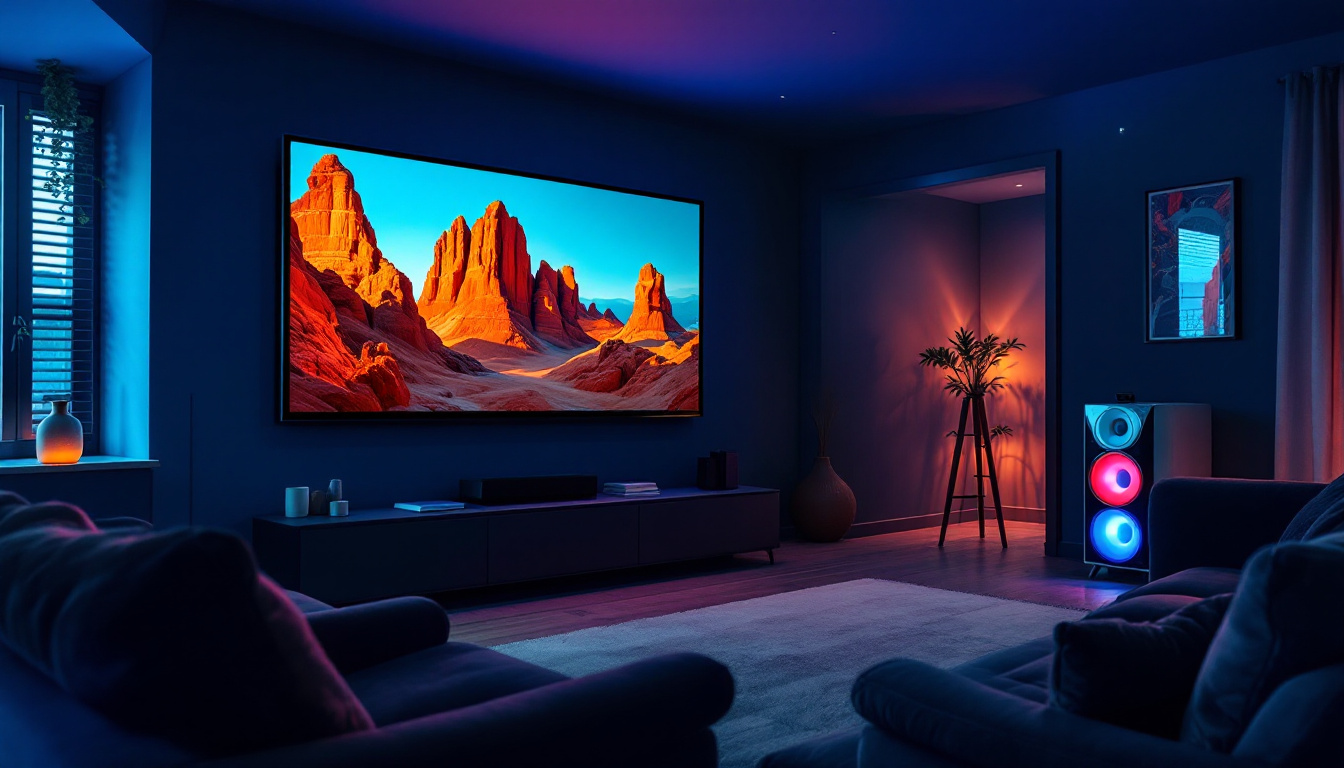
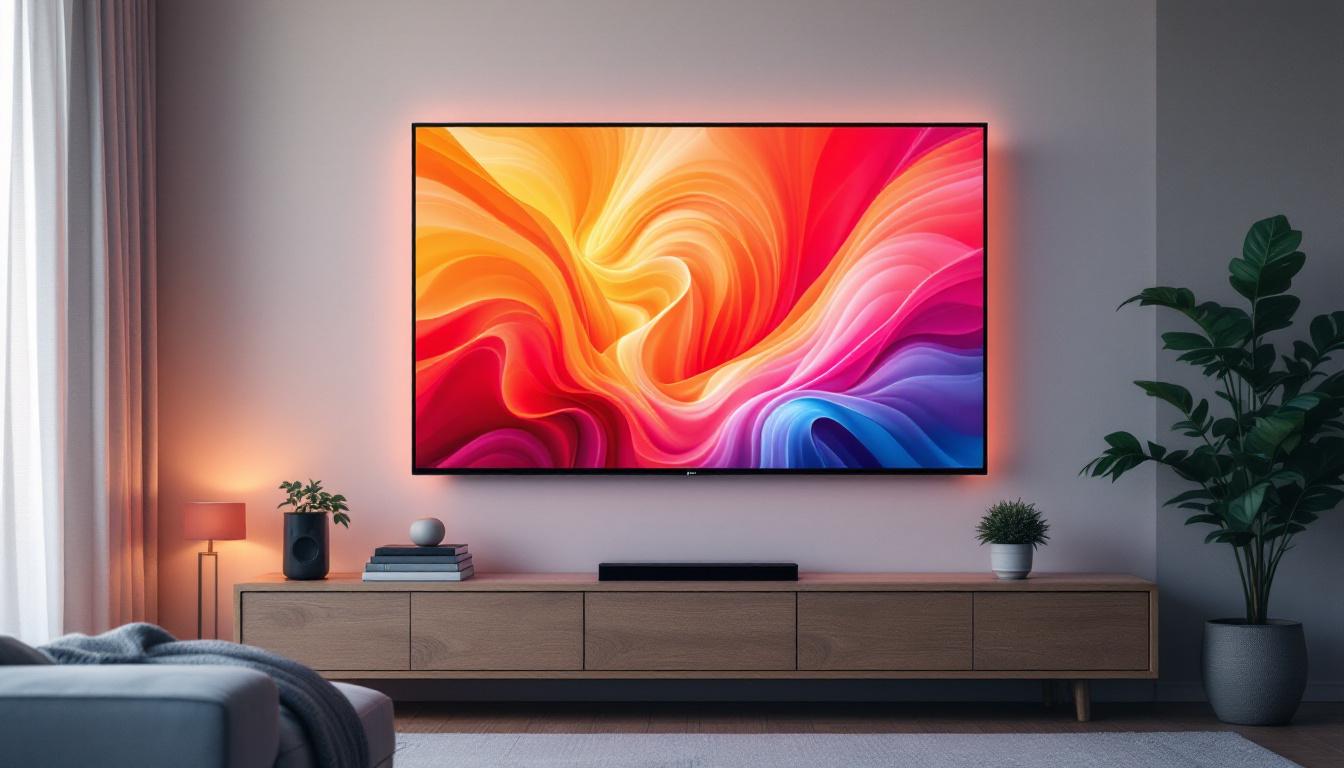
For home theater enthusiasts, a 110 inch LED display offers a cinema-like experience without leaving the house. The expansive screen size combined with high-definition resolution creates an immersive environment for watching movies, sports, or playing video games.
LED displays’ ability to handle high dynamic range (HDR) content adds depth and realism to visuals, making them a preferred choice for high-end home entertainment systems.
Retail and Advertising
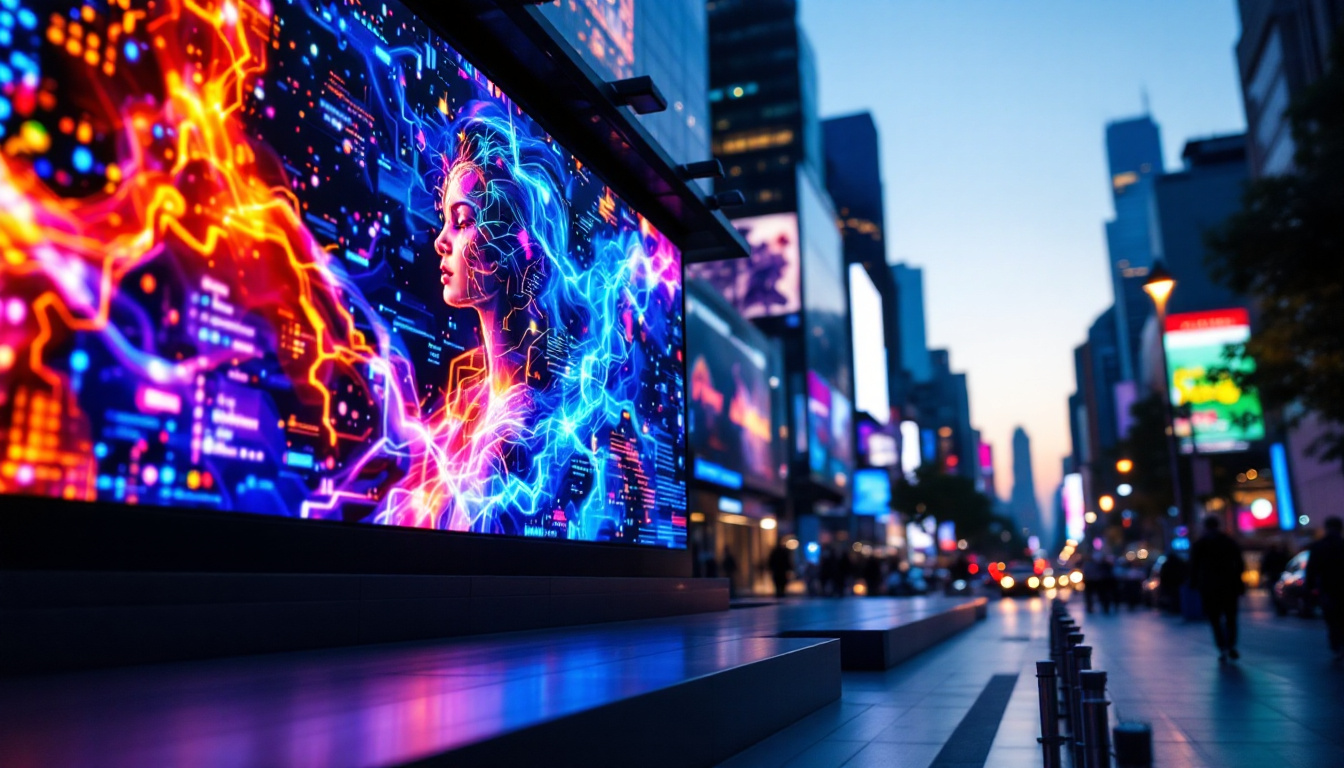
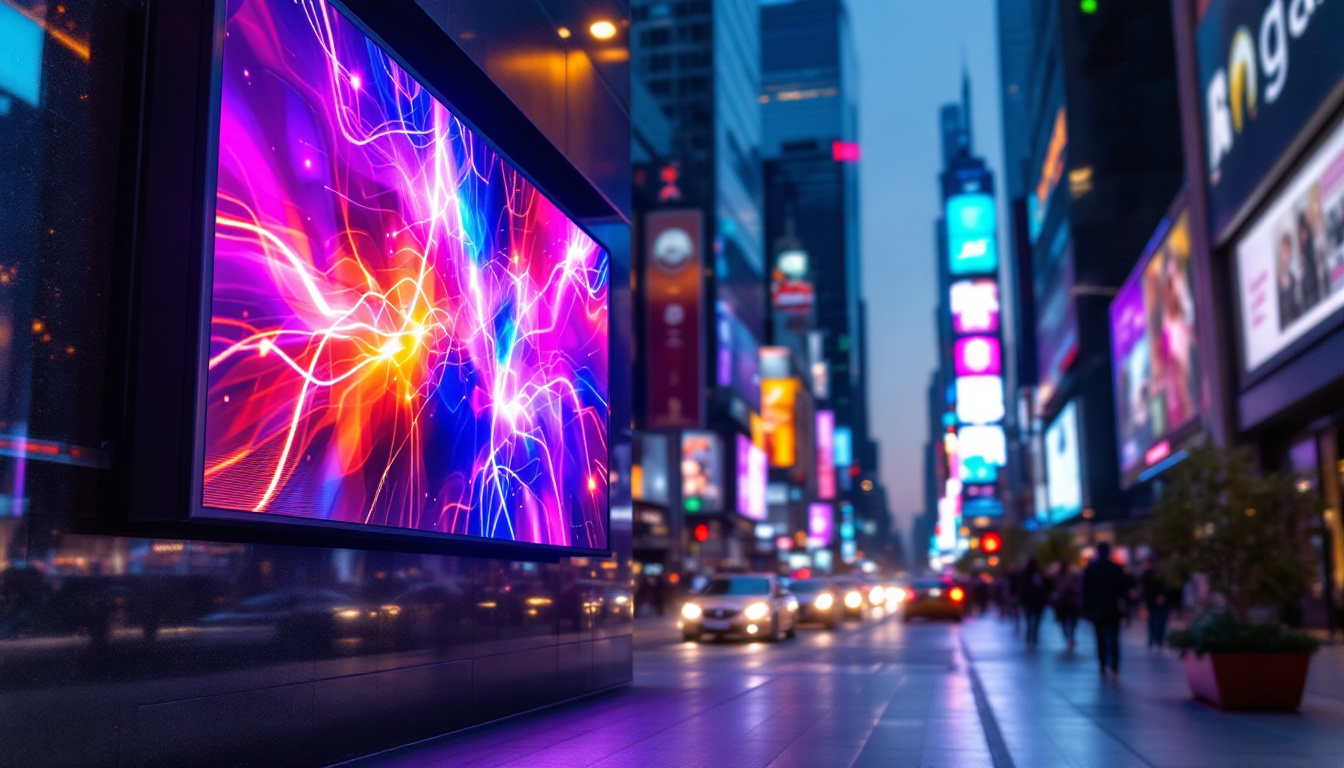
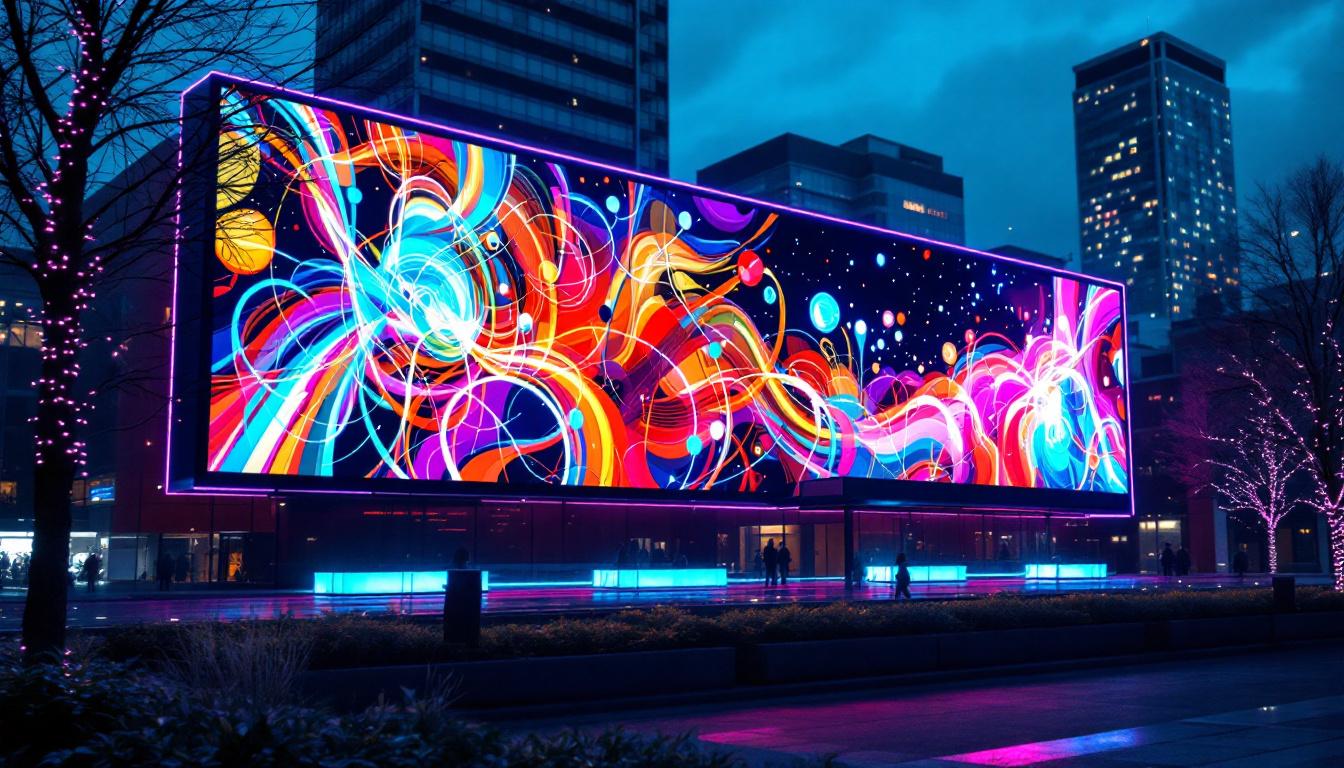
Retailers leverage 110 inch LED displays for digital signage to attract customers and promote products. The bright, eye-catching visuals can be seen from a distance, making them effective tools for marketing in busy shopping centers or storefronts.
Dynamic content such as animations, videos, and real-time updates can be displayed, providing flexibility and enhancing customer engagement.
Technical Considerations When Choosing a 110 Inch LED Display
While the benefits of a 110 inch LED display are clear, selecting the right model requires careful consideration of several technical factors to ensure optimal performance.
Resolution and Pixel Pitch
Resolution is a critical factor that determines the clarity and detail of the displayed image. For a 110 inch screen, 4K resolution (3840 x 2160 pixels) is increasingly becoming the standard, offering crisp and detailed visuals. Higher resolutions are particularly important for applications involving fine text or detailed graphics.
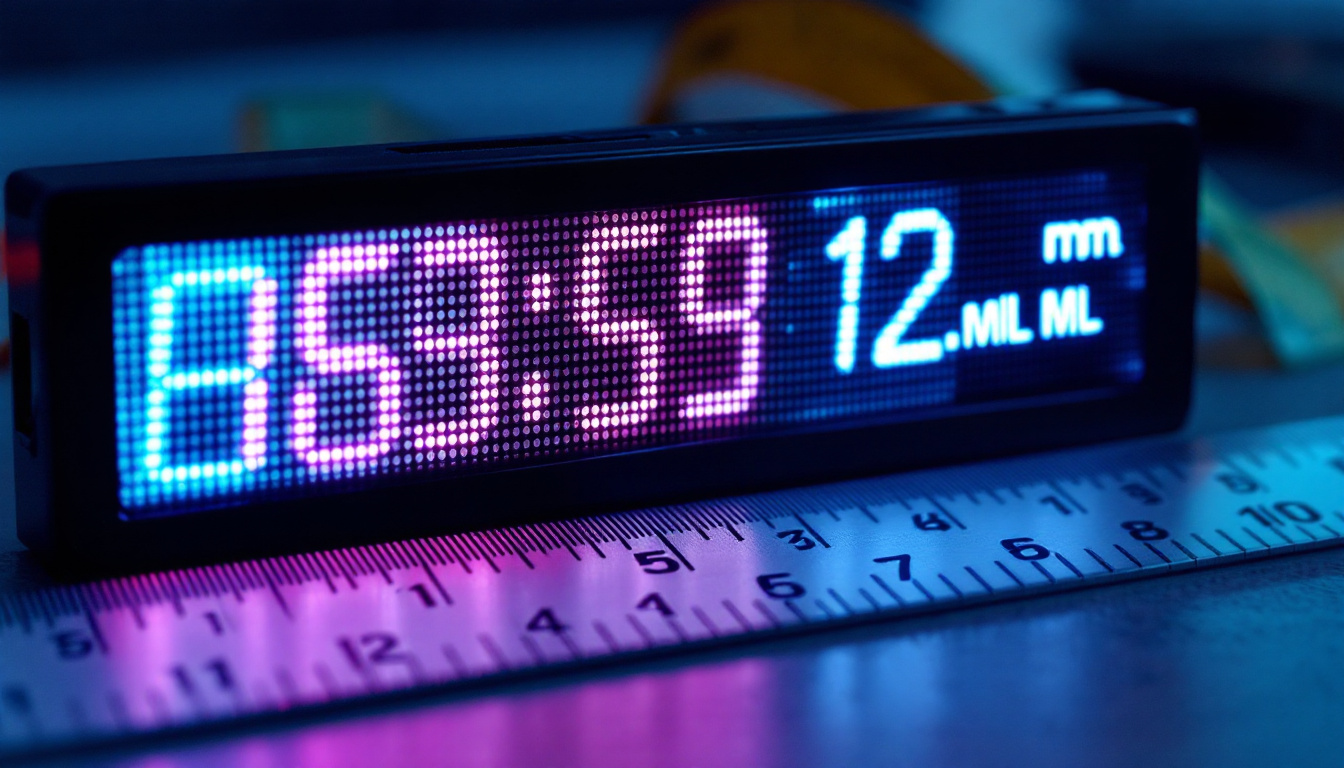
Pixel pitch, which refers to the distance between individual LEDs, also impacts image quality. A smaller pixel pitch results in a higher pixel density, producing sharper images. For indoor 110 inch LED displays, a pixel pitch of 1.2mm to 2.5mm is common, balancing image quality and cost.
Brightness and Contrast Ratio
Brightness is measured in nits and affects how well the display performs in different lighting conditions. For indoor use, a brightness level between 800 and 1,200 nits is generally sufficient, while outdoor displays may require higher brightness to combat sunlight glare.
Contrast ratio, the difference between the darkest black and brightest white the display can produce, influences image depth. LED displays typically offer high contrast ratios, enhancing the viewing experience by making images appear more vivid and lifelike.
Connectivity and Compatibility
Modern 110 inch LED displays come equipped with multiple input options, including HDMI, DisplayPort, USB, and wireless connectivity. This variety ensures compatibility with a wide range of devices such as computers, media players, and gaming consoles.
Some models also support advanced features like daisy chaining, allowing multiple displays to be connected and controlled as a single unit, which is useful for larger installations.
Installation and Maintenance
Due to their size, 110 inch LED displays require professional installation to ensure safety and optimal positioning. Wall mounting or ceiling suspension are common methods, and the display’s weight and dimensions must be considered when planning the installation.
Maintenance involves regular cleaning and occasional calibration to maintain image quality. LED displays are generally low maintenance, but access for servicing should be factored into the installation design.
Cost and Value Considerations
Investing in a 110 inch LED display is a significant decision, often involving substantial upfront costs. Prices vary widely depending on resolution, brightness, brand, and additional features. On average, a high-quality 110 inch LED display can range from $10,000 to $30,000 or more.
While the initial investment may seem high, the long-term benefits such as durability, energy efficiency, and enhanced user engagement often justify the expense. For businesses, the impact on brand visibility and communication effectiveness can translate into tangible returns.
Home users should weigh the cost against the desired viewing experience and available space, considering alternatives like projectors if budget constraints exist.
Future Trends in Large LED Displays
The LED display market continues to evolve rapidly, driven by advancements in technology and changing consumer demands. Emerging trends suggest exciting possibilities for 110 inch and larger screens.
MicroLED and MiniLED Technologies
MicroLED and MiniLED are next-generation display technologies that promise even better brightness, contrast, and energy efficiency. MicroLED, in particular, offers pixel-level control with self-emissive LEDs, potentially surpassing OLED displays in performance and lifespan.
As these technologies become more affordable, they are expected to be integrated into large-format displays, enhancing the quality and durability of 110 inch LED screens.
Interactive and Smart Displays
Interactive LED displays with touch capabilities and smart features are gaining popularity. These displays enable users to interact directly with content, making them ideal for educational settings, corporate collaboration, and retail environments.
Integration with AI and IoT devices is also on the rise, allowing for personalized content delivery and remote management, which enhances the functionality of large LED screens.
Conclusion
A 110 inch LED display represents a powerful tool for delivering impactful visual content across a variety of settings. Its large size, combined with the superior image quality of LED technology, creates an immersive and engaging experience that smaller screens cannot match.
Whether for corporate presentations, home theaters, or digital signage, understanding the technical aspects and practical applications of a 110 inch LED display is essential for making an informed purchase decision. As technology advances, these displays will continue to evolve, offering even greater performance and versatility in the years to come.
Discover LumenMatrix’s Innovative LED Display Solutions
Ready to elevate your visual experience with a 110 inch LED display? LumenMatrix, a pioneer in LED display technology, offers a diverse range of solutions tailored to meet your needs. From breathtaking Indoor LED Wall Displays to dynamic Outdoor LED Wall Displays, and from versatile Vehicle LED Displays to sleek LED Poster Displays, our products are designed to make a lasting impression. Embrace the future of visual communication with our LED Sports Displays, interactive Floor LED Displays, and customizable Custom LED Displays. Experience the seamless integration of design and technology with our All-in-One LED Display and LED Transparent Display options. Transform your space and captivate your audience with LumenMatrix’s cutting-edge solutions. Check out LumenMatrix LED Display Solutions today and witness how we can help you share your message with unparalleled impact and clarity.