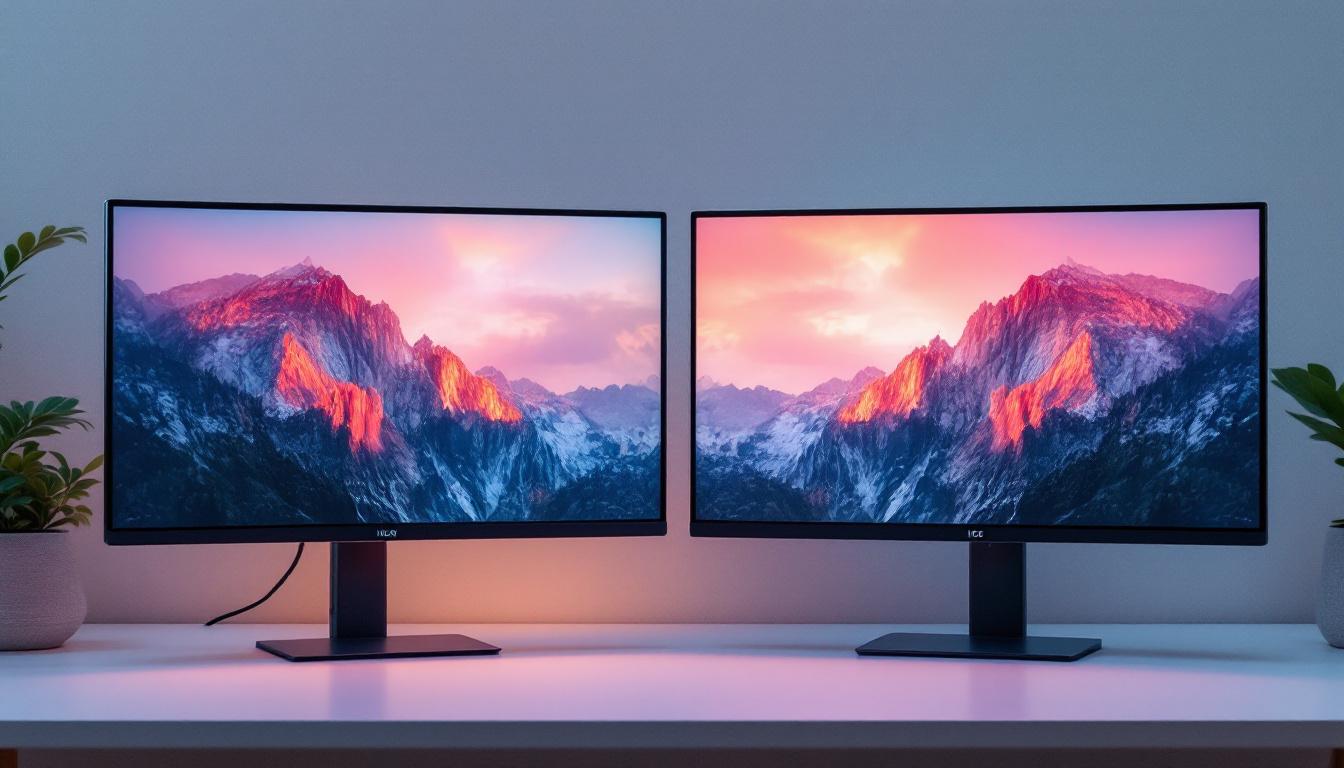
In the evolving landscape of visual display technology, understanding the distinctions and applications of projectors, wall screens, and LED displays is essential for businesses, educators, and home entertainment enthusiasts alike. Each technology offers unique benefits and challenges, influencing how content is presented and experienced. This article delves into the mechanics, advantages, and ideal use cases of projectors, traditional wall screens, and LED displays to help readers make informed decisions tailored to their needs.
The Fundamentals of Projection Technology
How Projectors Work
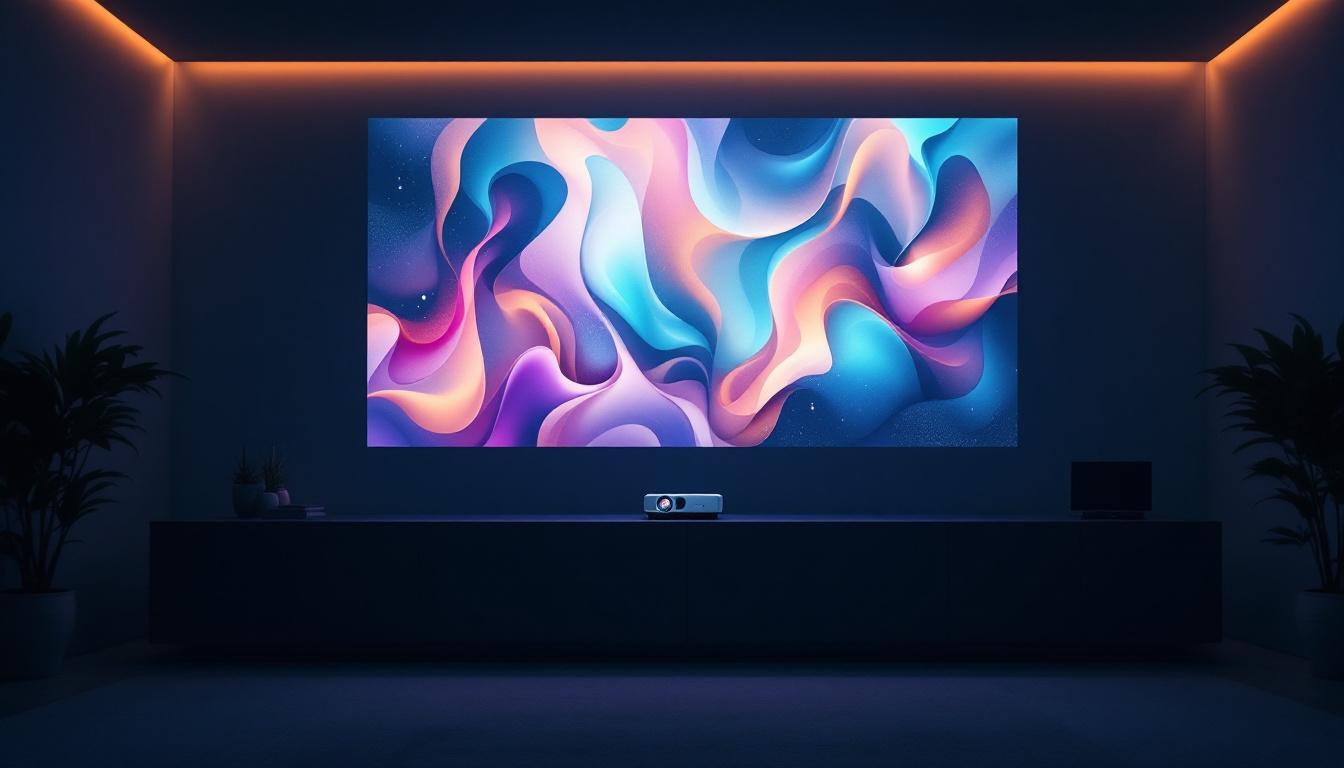
Projectors operate by casting light through a lens system to display images or videos onto a flat surface, typically a wall screen or a specially designed projection screen. The core components include a light source, imaging chips (such as DLP, LCD, or LCoS), and optics that focus and enlarge the image. Modern projectors can deliver resolutions ranging from standard HD (1080p) to 4K Ultra HD, catering to a wide spectrum of applications. The light source in many contemporary projectors has evolved from traditional lamps to more energy-efficient options like LEDs and lasers, which not only enhance brightness but also extend the lifespan of the projector.
Projectors are prized for their ability to create large images without the need for a physically large display device. This flexibility makes them popular in classrooms, conference rooms, and home theaters. However, the quality of the projected image depends heavily on ambient lighting conditions and the quality of the projection surface. In addition, advancements in technology have led to features such as keystone correction and lens shift, which allow users to adjust the image without compromising quality, making setup easier and more versatile.
Types of Projectors and Their Applications
There are several types of projectors, each suited to different environments and uses:
- DLP (Digital Light Processing): Utilizes tiny mirrors to reflect light and produce sharp images. Known for high contrast and reliability, DLP projectors are common in business and education sectors. Their compact design and minimal maintenance requirements make them ideal for frequent use in dynamic environments.
- LCD (Liquid Crystal Display): Uses liquid crystal panels to modulate light. LCD projectors typically offer vibrant colors and are often used in home theaters. They are particularly favored for displaying detailed images, such as photographs and graphics, due to their excellent color reproduction capabilities.
- LCoS (Liquid Crystal on Silicon): Combines aspects of LCD and DLP technologies to deliver high resolution and smooth images, favored in high-end installations. LCoS projectors are known for their ability to produce deep blacks and rich colors, making them a popular choice for cinephiles who demand the best visual experience.
Choosing the right projector depends on factors such as room size, lighting conditions, and intended use. For instance, a high-lumen DLP projector may be preferred in bright conference rooms, whereas an LCD projector might be better suited for dimly lit home theaters. Additionally, considerations such as throw distance and screen size play a crucial role in ensuring that the projector fits well within the designated space. Users should also assess connectivity options, as modern projectors often come equipped with various ports and wireless capabilities, allowing for seamless integration with laptops, tablets, and streaming devices. This adaptability enhances the projector’s functionality, making it a valuable tool for both professional presentations and casual entertainment.
Wall Screens: The Traditional Projection Surface
Material and Design Considerations
The wall screen is a critical component of any projection setup. While some users opt to project directly onto painted walls, dedicated projection screens offer optimized surfaces that enhance image clarity, brightness, and color accuracy. Screens come in various materials, including matte white, glass bead, and high-gain fabrics, each affecting the image differently.
Matte white screens are the most common due to their wide viewing angles and natural color reproduction. Glass bead screens, on the other hand, reflect more light back to the viewer, increasing brightness but narrowing the viewing angle. High-gain screens amplify brightness significantly, making them suitable for environments with higher ambient light. Additionally, some screens feature specialized coatings that can further improve performance, such as ambient light rejecting (ALR) screens designed to minimize the impact of surrounding light sources, making them ideal for rooms with windows or other light interference.
Furthermore, the design of the screen frame can also play a role in the overall viewing experience. A tensioned frame can help maintain a flat surface, reducing the risk of wrinkles or waves that can distort the projected image. Some screens even come with a black border that enhances perceived contrast and helps to define the image, drawing the viewer’s focus to the content being displayed. These design considerations are crucial for achieving the best possible visual results in any projection environment.
Screen Size and Aspect Ratio
Selecting the appropriate screen size and aspect ratio is essential for an immersive viewing experience. The screen size should correspond to the projector’s throw distance and the room’s dimensions to avoid image distortion or pixelation.
Aspect ratios commonly used are 4:3, 16:9, and 16:10. The 16:9 ratio aligns with most modern video content, including HDTV and streaming services, making it the preferred choice for home theaters and media presentations. The 4:3 ratio is often found in older content and some business presentations, while 16:10 offers a middle ground for computer displays and professional use. It’s also worth noting that some users may prefer a cinema-wide aspect ratio, such as 2.35:1, for a more cinematic experience when watching films, which can add an extra layer of immersion. Choosing the right aspect ratio not only enhances the viewing experience but also ensures that the content is displayed as intended, without cropping or stretching that could detract from the overall quality.
In addition to size and aspect ratio, the placement of the screen is another vital consideration. Ideally, the screen should be positioned at eye level when seated, which can help reduce neck strain and enhance comfort during long viewing sessions. Furthermore, the distance between the viewer and the screen can significantly impact the perceived quality of the image; too close can lead to pixelation, while too far can diminish detail. Therefore, understanding the optimal viewing distance based on the screen size and resolution is essential for creating an engaging and enjoyable viewing environment.
LED Displays: A Modern Alternative
Understanding LED Display Technology
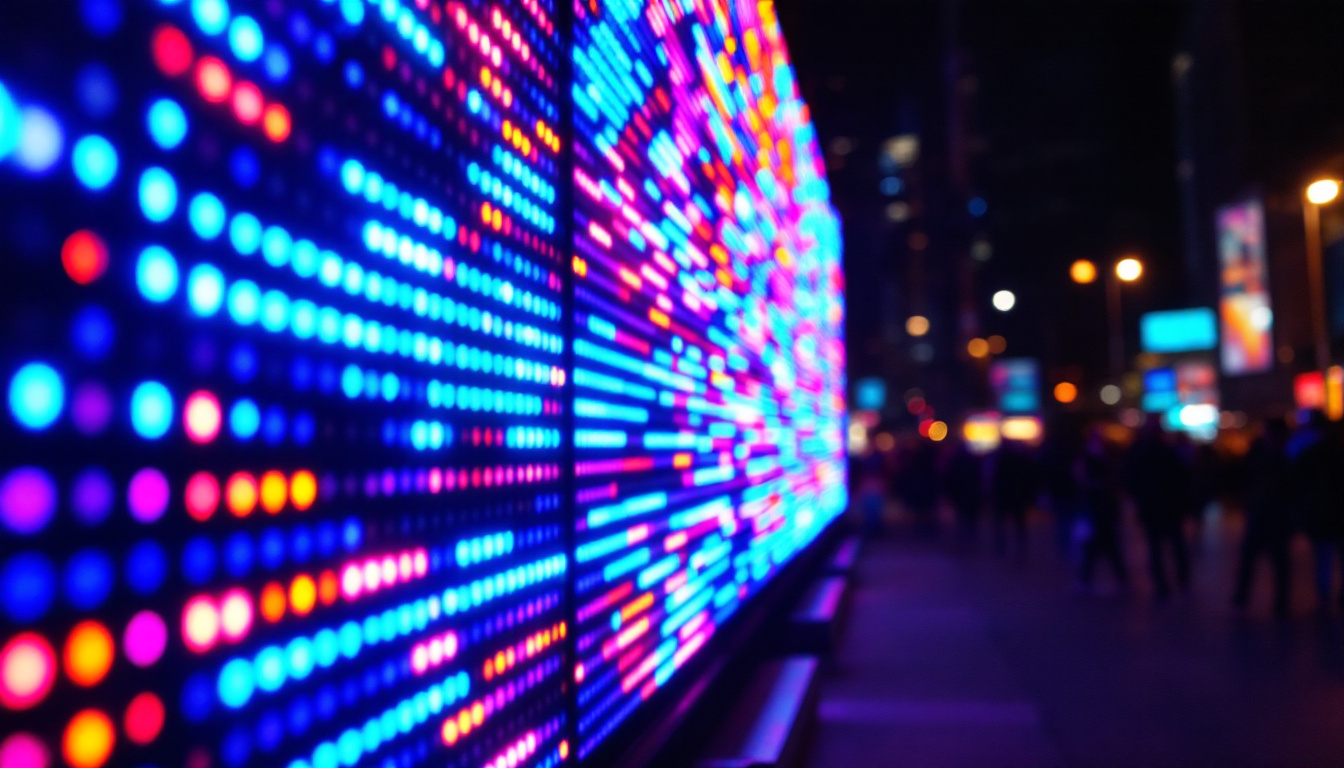
LED (Light Emitting Diode) displays represent a fundamentally different approach to large-scale visual presentation. Instead of projecting an image onto a surface, LED displays consist of thousands or millions of tiny LEDs arranged in a grid to emit light directly. This direct emission results in vibrant colors, high brightness, and excellent contrast ratios, even in brightly lit environments.
LED displays vary in pixel pitch—the distance between individual LEDs—which affects resolution and viewing distance. Smaller pixel pitches deliver sharper images suitable for close viewing, while larger pitches are ideal for outdoor billboards and venues where viewers are farther away.
Advantages of LED Displays Over Projection
LED displays offer several advantages compared to traditional projector and screen setups:
- Brightness and Visibility: LED displays can achieve brightness levels exceeding 5,000 nits, far surpassing projectors, making them ideal for outdoor or well-lit indoor spaces.
- Color Accuracy and Contrast: With individually controlled LEDs, these displays provide superior color reproduction and true blacks, enhancing image quality.
- Durability and Maintenance: LED panels are generally more robust and require less maintenance than projectors, which have bulbs that degrade over time.
- Flexibility in Size and Shape: Modular LED panels can be configured into various sizes and even curved or irregular shapes, enabling creative installations.
However, LED displays tend to be more expensive upfront and consume more power than projectors, which can be a consideration for budget-conscious buyers.
Choosing Between Projectors and LED Displays
Use Case Scenarios
The decision to use a projector with a wall screen or an LED display hinges on several factors, including environment, budget, and intended use.
For Educational and Business Settings: Projectors remain popular due to their affordability and ability to produce large images in controlled lighting environments. Interactive projectors with touch capabilities also enhance engagement in classrooms and meetings.
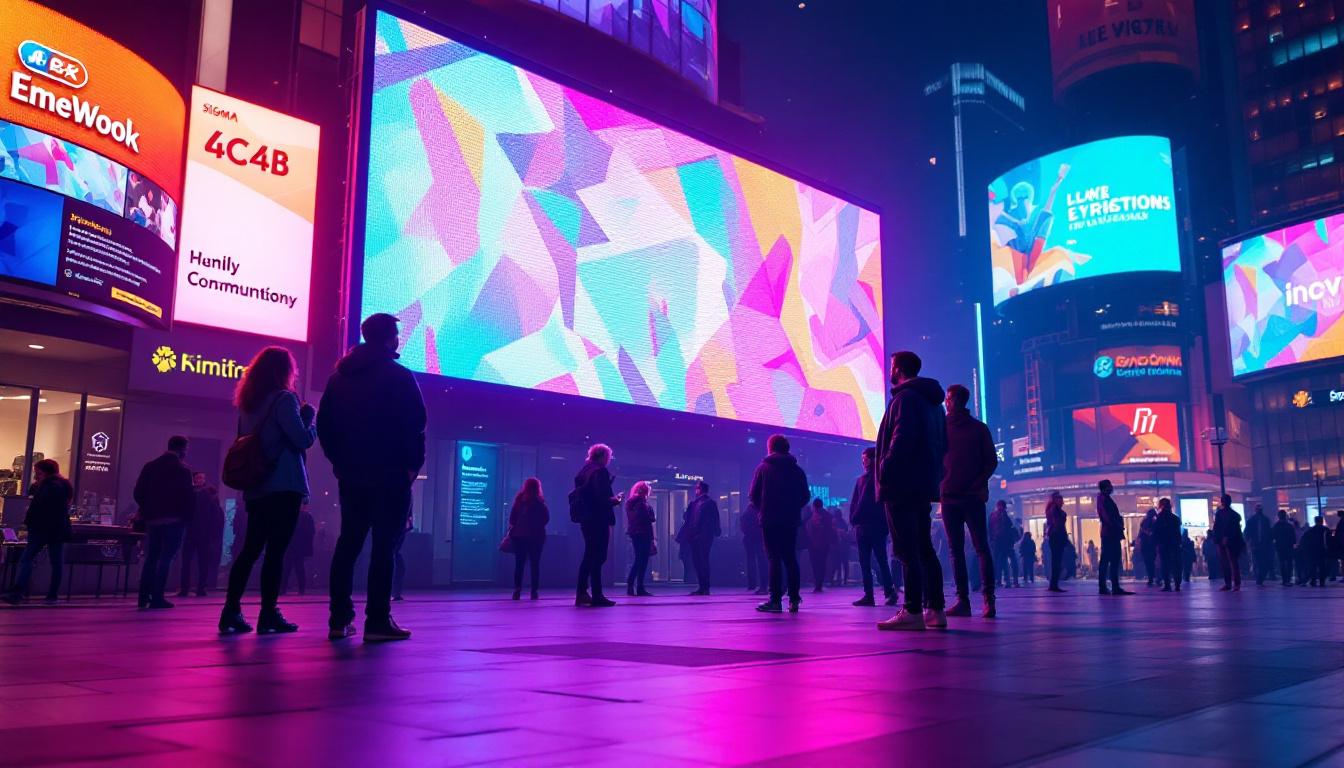
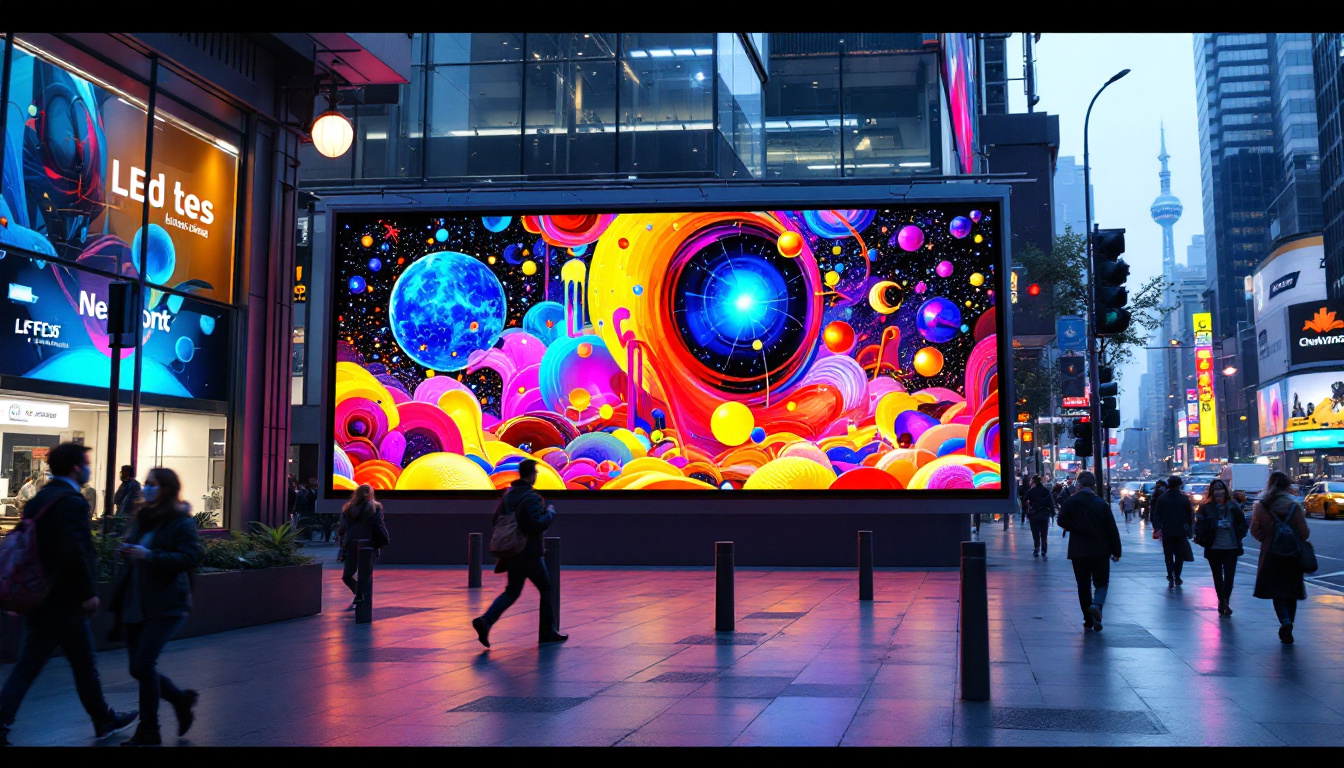
For Outdoor and Large Venue Applications: LED displays dominate because of their brightness and weather resistance. Sports stadiums, concert venues, and digital billboards rely heavily on LED technology to deliver clear images to large audiences.
For Home Entertainment: Both technologies have their place. Projectors offer a cinematic experience with large screen sizes at a lower cost, while LED displays provide superior image quality and ease of use without the need for a darkened room.
Cost and Installation Considerations
Initial costs for projectors and screens are generally lower than LED displays, which can run into tens or hundreds of thousands of dollars for large installations. Additionally, projectors are relatively easy to install and relocate, whereas LED displays require professional assembly and infrastructure support.
Maintenance is another factor: projector bulbs have limited lifespans and need periodic replacement, while LED panels have longer operational lifetimes but may incur higher repair costs if damaged.
Future Trends in Display Technology
Integration of Smart Features
The convergence of display technology with smart systems is reshaping how projectors and LED displays are used. Many modern projectors now include wireless connectivity, built-in streaming apps, and AI-enhanced image processing. Similarly, LED displays are increasingly integrated with content management systems and interactive capabilities, enabling dynamic advertising and real-time information updates.
Advancements in MicroLED and MiniLED
Emerging technologies like MicroLED and MiniLED are bridging the gap between traditional LED displays and projection systems. MicroLED offers even smaller pixel sizes, resulting in ultra-high resolution and brightness with lower power consumption. This technology promises to revolutionize home theaters and commercial displays by combining the best features of LED and OLED screens.
Environmental and Energy Efficiency Considerations
As sustainability becomes a priority, manufacturers are focusing on reducing energy consumption and using eco-friendly materials. LED displays are generally more energy-efficient than projectors when used continuously, but innovations in projector lamp technology and laser light sources are narrowing this gap.
Conclusion
Understanding the distinctions between projectors, wall screens, and LED displays is crucial for selecting the right visual technology for any application. Projectors paired with high-quality wall screens offer cost-effective, large-format viewing in controlled environments, while LED displays provide unparalleled brightness, durability, and versatility for demanding settings. As technology advances, hybrid solutions and emerging display types will continue to expand the possibilities for immersive and impactful visual experiences.
Careful consideration of environment, budget, and usage requirements will ensure that the chosen display technology delivers the desired performance and value over time.
Discover Cutting-Edge LED Display Solutions with LumenMatrix
Ready to elevate your visual experience with the latest in LED display technology? Look no further than LumenMatrix, a pioneer in crafting LED display modules that transform any space into a dynamic visual spectacle. Whether you’re in need of an Indoor LED Wall Display for your corporate events, an Outdoor LED Wall Display for high-impact advertising, or any of our specialized solutions like Vehicle LED Displays, LED Sports Displays, or Custom LED Displays, LumenMatrix has you covered. Embrace the future of visual communication and captivate your audience with unparalleled clarity and engagement. Check out LumenMatrix LED Display Solutions today and see your vision come to life.