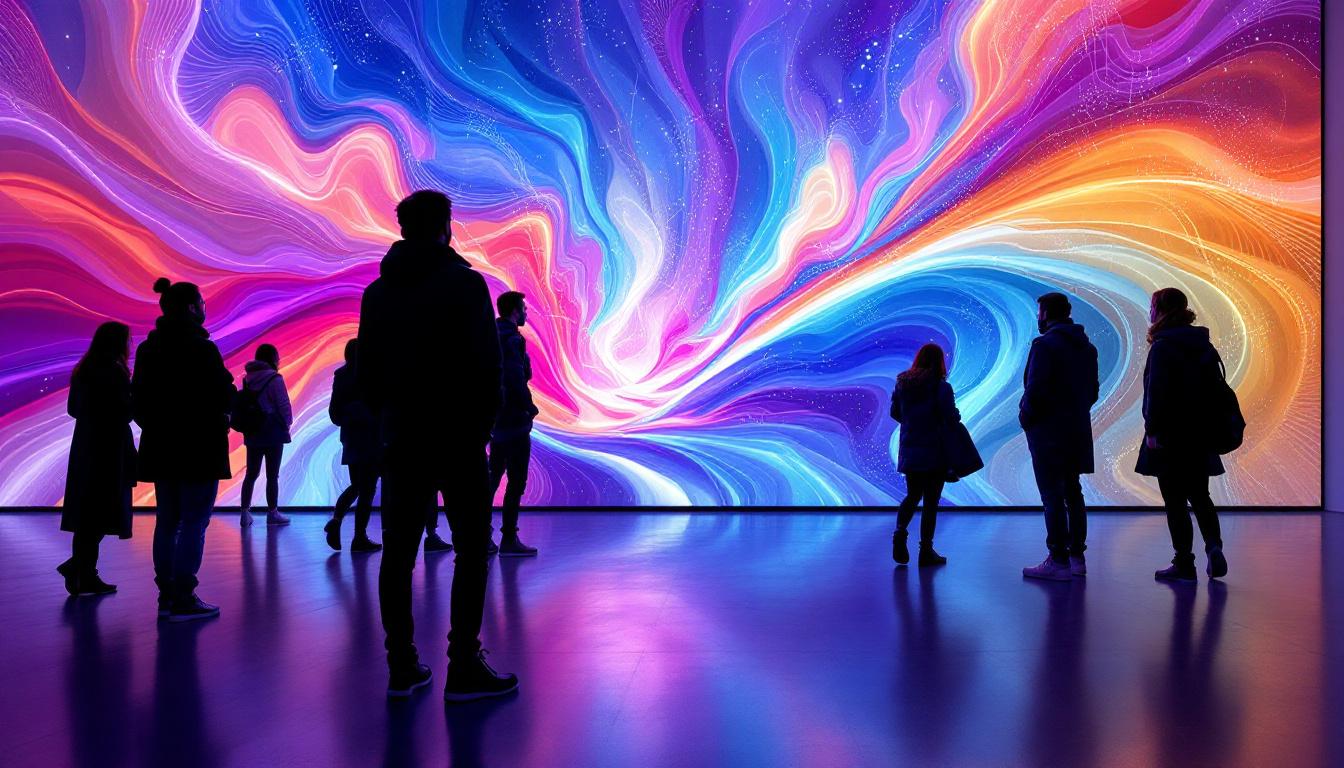
In the evolving landscape of visual technology, LED displays have emerged as a dominant force, revolutionizing how art is presented and experienced. From galleries and museums to public installations and private collections, LED technology offers unparalleled versatility, brightness, and color accuracy. This article delves into the intricacies of LED displays, exploring their technology, applications in fine art, and the benefits they bring to artists, curators, and audiences alike.
Understanding LED Display Technology
At its core, an LED (Light Emitting Diode) display is a flat panel that uses tiny light-emitting diodes to create images and videos. Unlike traditional LCD or projection systems, LED displays generate their own light, resulting in higher brightness and contrast levels. This self-illumination is a key factor that makes LED technology particularly suited for fine art presentations where color fidelity and clarity are paramount. The ability to maintain vibrant colors even in brightly lit environments allows artists to present their work in a way that is true to their original vision, making LED displays a popular choice in galleries and museums.
How LED Displays Work
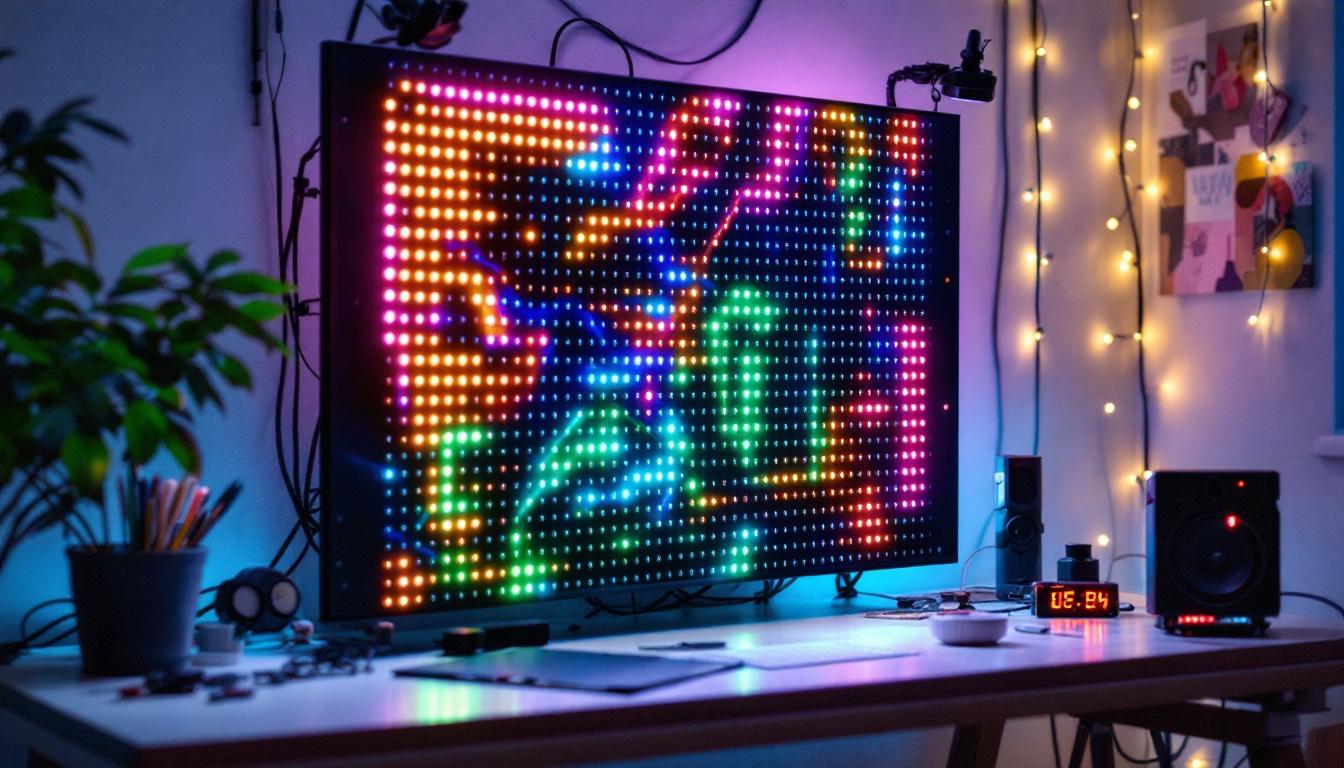
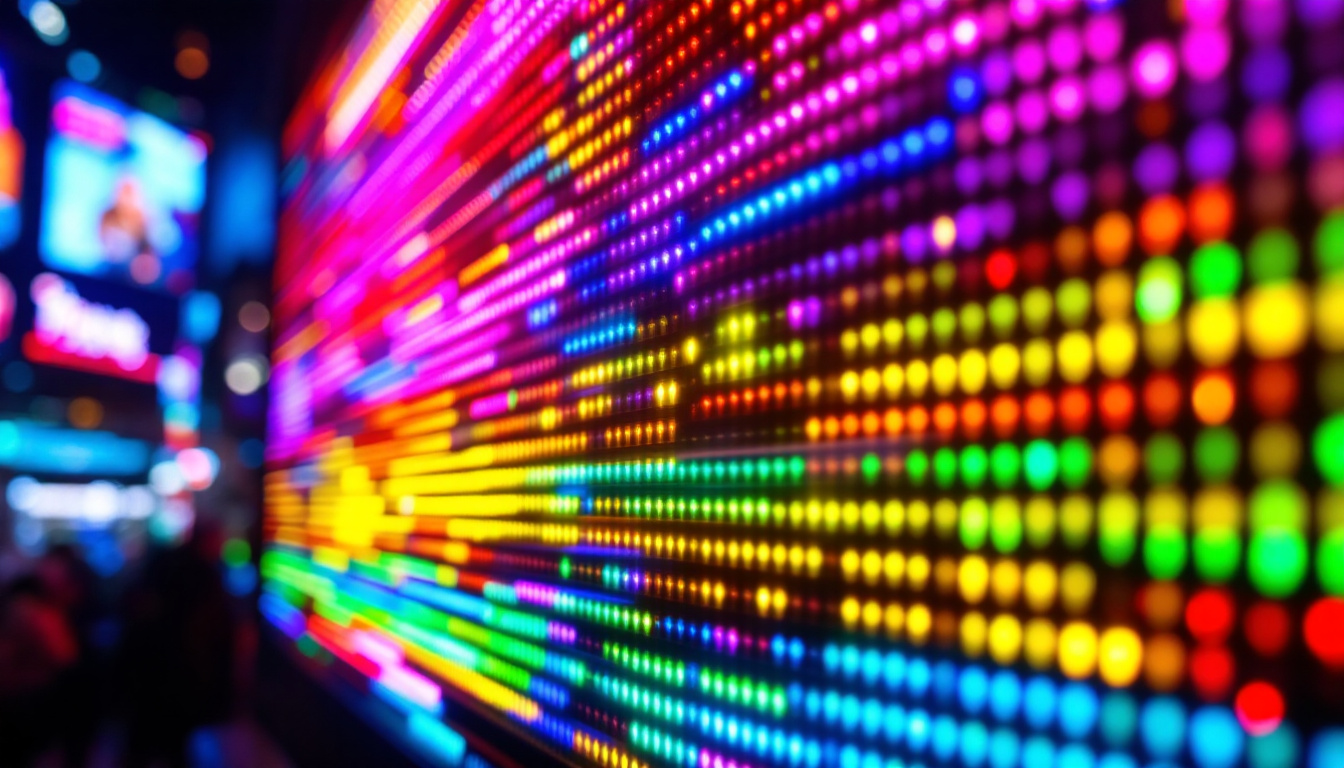
Each LED display is composed of thousands to millions of individual diodes arranged in a grid. These diodes emit light when an electric current passes through them. By controlling the intensity and color of each diode, the display can render images with remarkable detail and vibrancy. Modern LED displays use RGB (red, green, blue) diodes to produce a full spectrum of colors, enabling artists to showcase their work with stunning accuracy. This precise control over color and brightness not only enhances the viewing experience but also allows for the integration of dynamic content, where artworks can evolve and change in real-time, capturing the audience’s attention in new and exciting ways.
Advancements in miniaturization have led to the development of micro-LED and mini-LED technologies, which offer even finer pixel pitches and improved color performance. These innovations are especially beneficial for fine art applications where the subtle nuances of brush strokes and color gradients need to be preserved. Micro-LED displays, in particular, are gaining traction for their ability to produce deeper blacks and more vibrant colors, making them ideal for showcasing intricate details in artworks that might otherwise be lost in less advanced technologies.
Types of LED Displays Relevant to Fine Art
LED displays come in various forms, each with unique characteristics that influence their suitability for art installations:
- Direct View LED (DVLED): Composed of individual LEDs forming the image directly, these displays provide exceptional brightness and viewing angles. They are ideal for large-scale installations and outdoor exhibits, where their resilience to environmental factors ensures that art can be displayed without degradation over time.
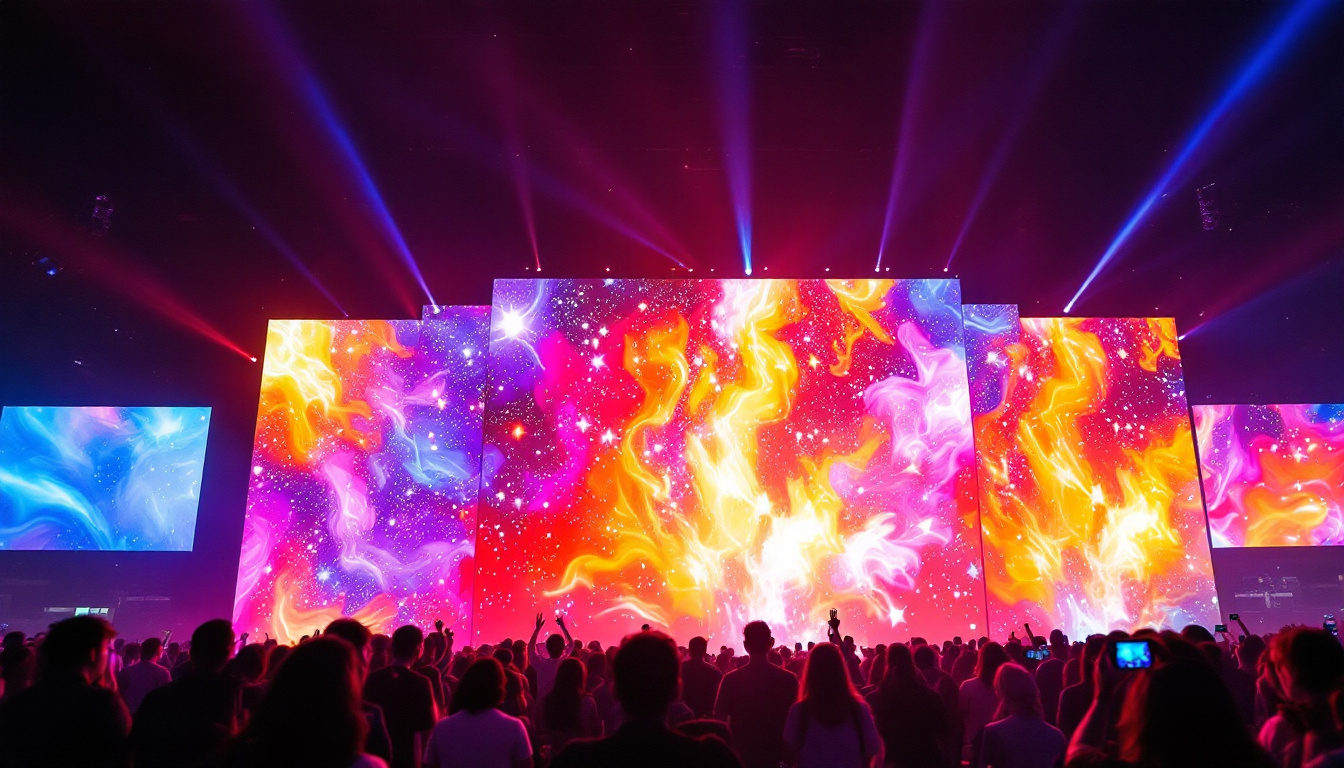
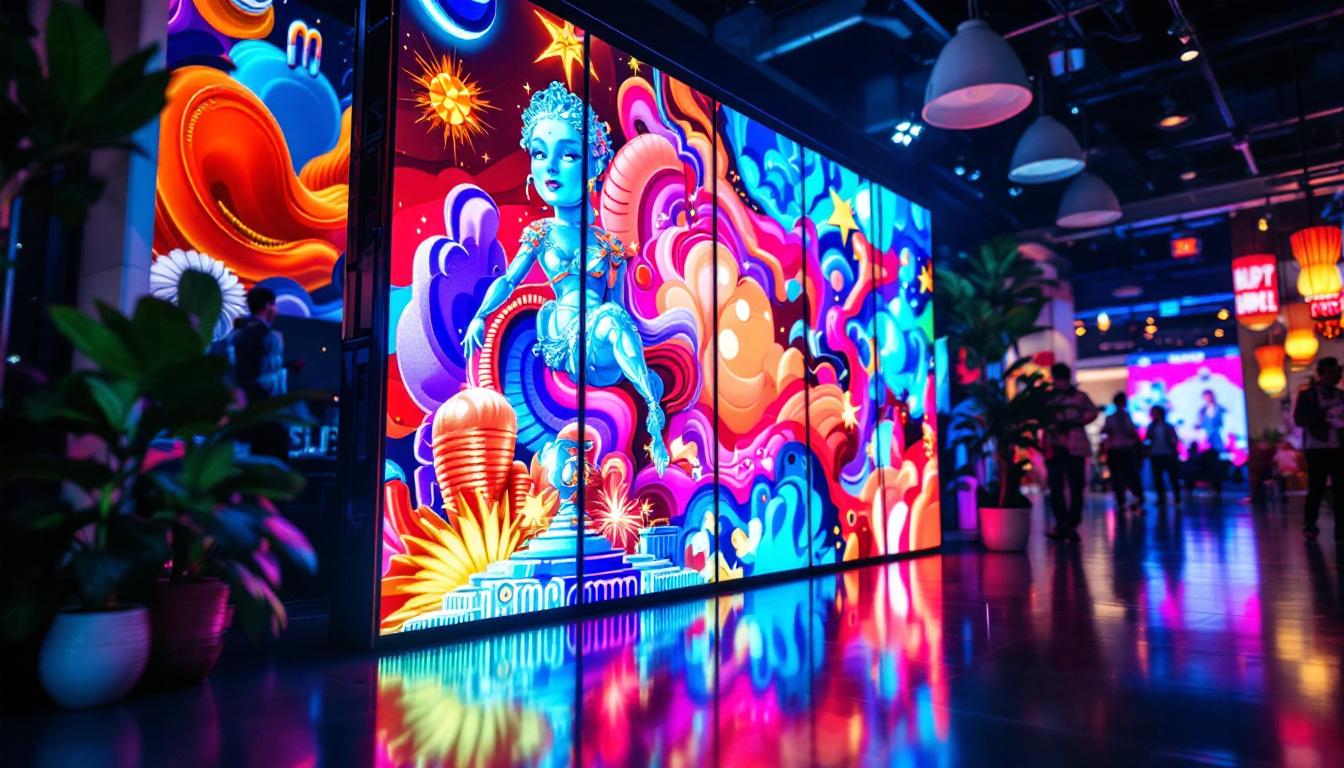
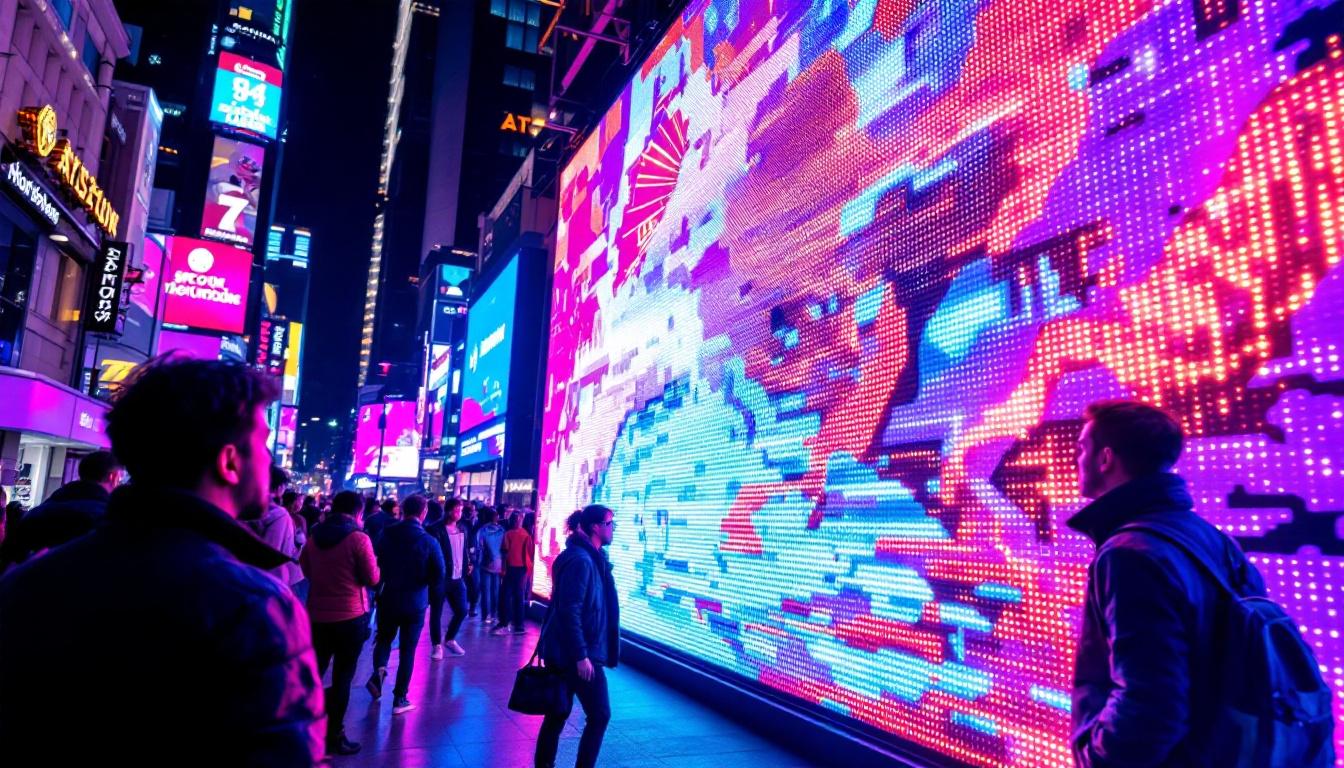
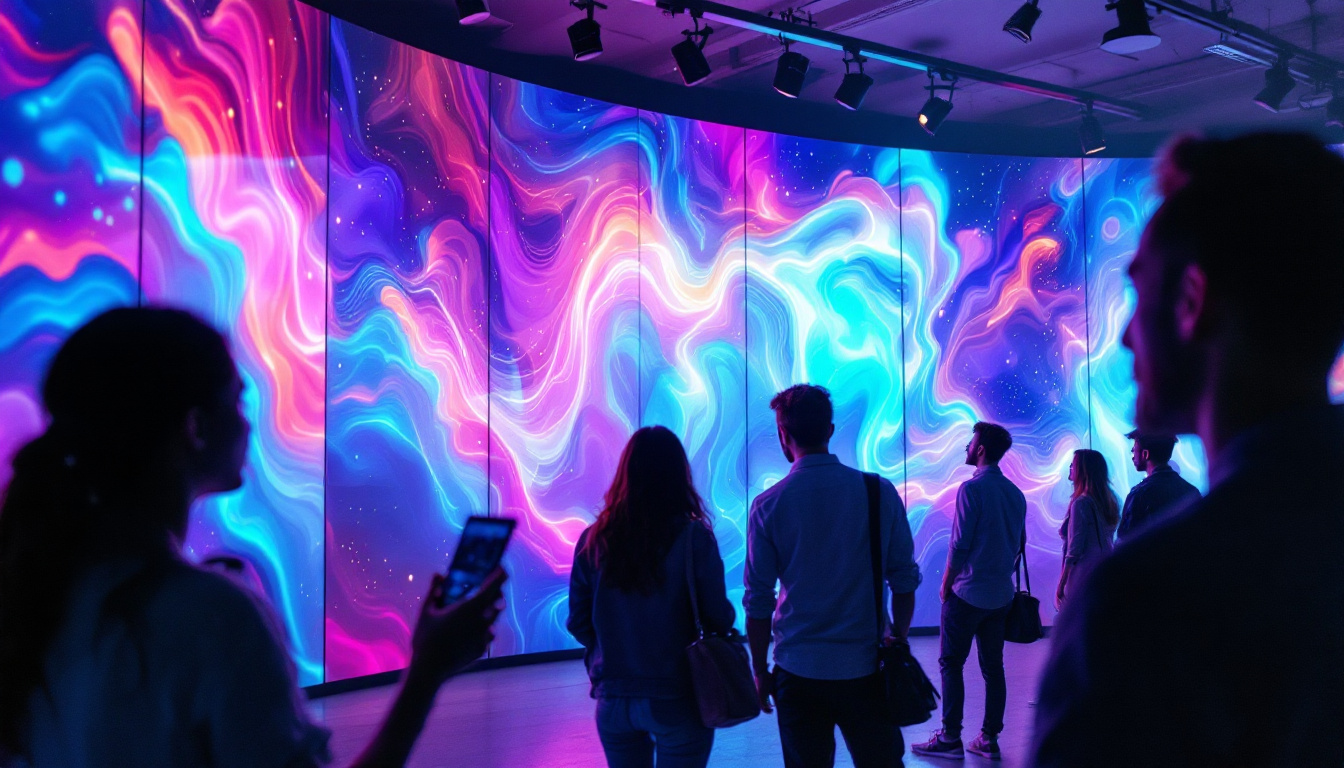
- LED Video Walls: Multiple LED panels tiled together create expansive canvases, perfect for immersive art experiences or dynamic exhibitions. These walls can be programmed to display a continuous flow of imagery, allowing for storytelling and thematic presentations that engage viewers on multiple levels.
- Transparent LED Displays: These innovative screens allow light to pass through, enabling artworks to be displayed without obstructing the view behind them. This is particularly useful in gallery windows or layered installations, where the interplay of the artwork and the surrounding environment can create a unique visual dialogue.
In addition to these types, there are also flexible LED displays that can be bent or shaped to fit unconventional spaces, opening up new possibilities for artistic expression. Artists can create installations that wrap around surfaces or even hang from ceilings, transforming the way viewers interact with their work. The versatility of LED technology not only enhances the aesthetic appeal of art but also invites innovative approaches to curation and display, pushing the boundaries of traditional art presentation.
Applications of LED Displays in Fine Art
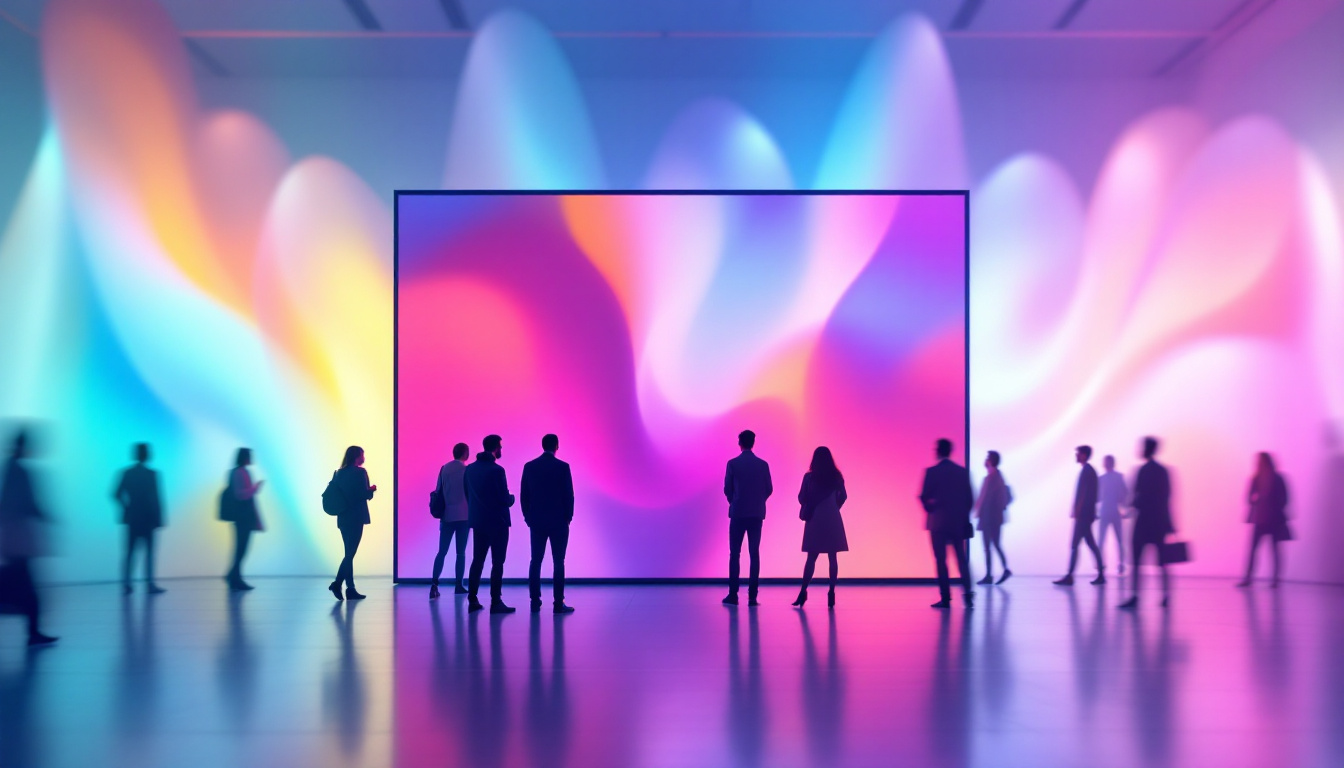
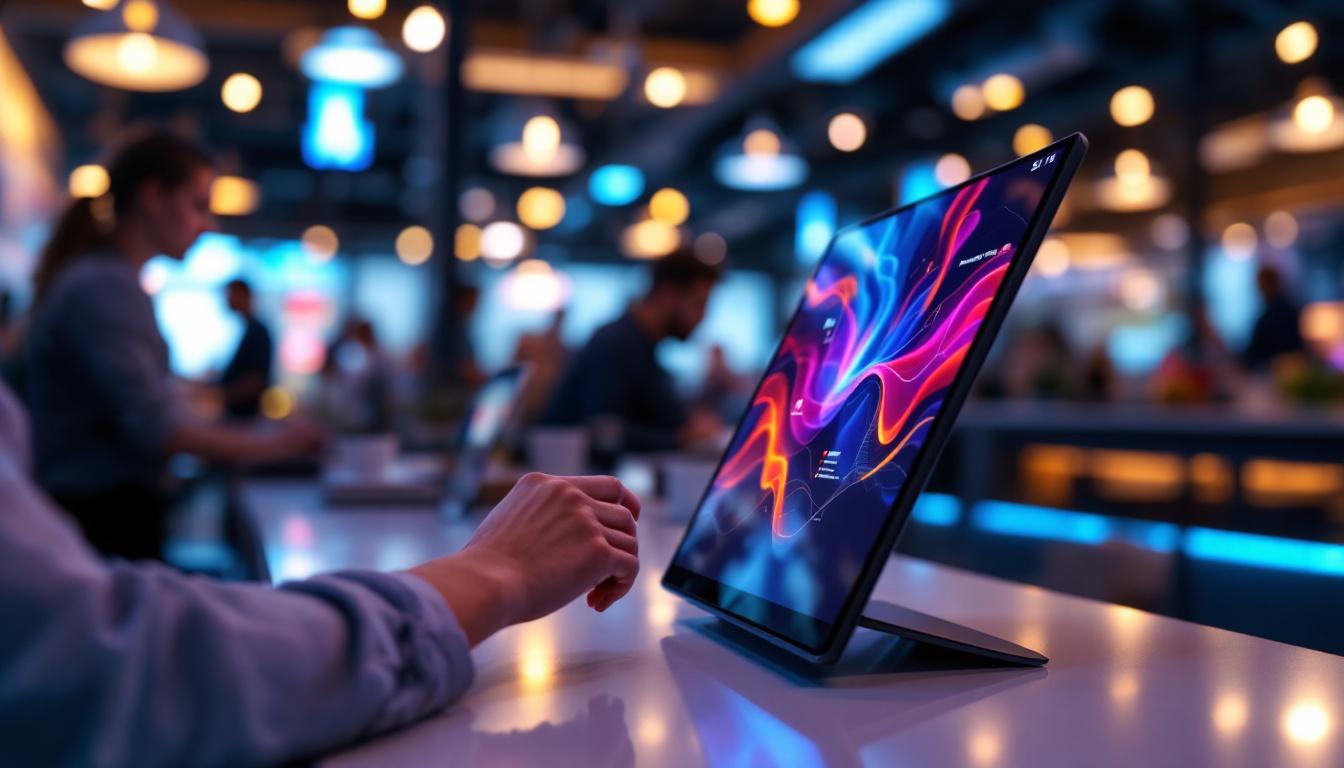
The integration of LED technology in fine art is transforming traditional exhibition methods. Artists and curators are leveraging LED displays to create interactive, dynamic, and immersive experiences that engage audiences on multiple sensory levels.
Dynamic Art Exhibitions and Digital Installations
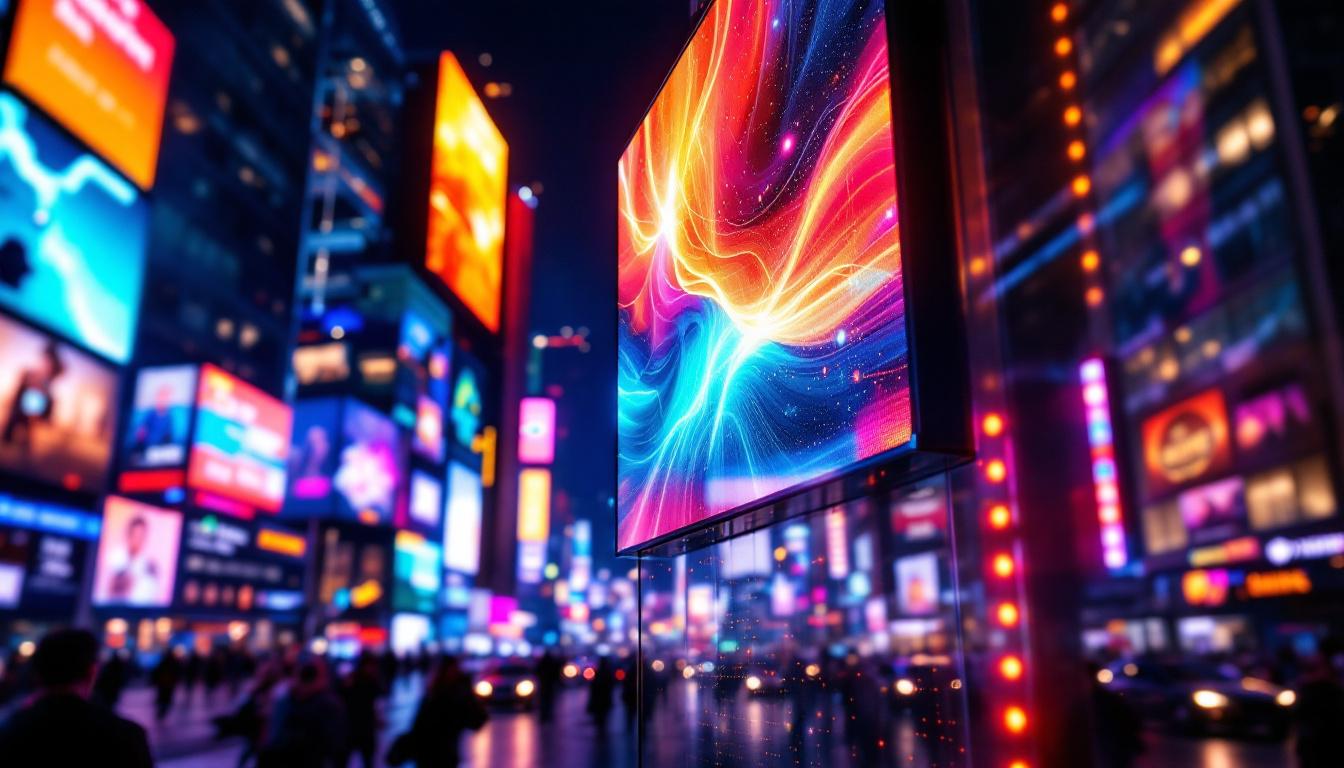
LED displays enable the presentation of digital artworks that evolve over time or respond to viewer interaction. For example, contemporary artists use LED video walls to showcase animations, light sculptures, and generative art that cannot be reproduced on static canvases. This dynamic capability opens new creative avenues and attracts diverse audiences.
One notable example is the use of LED installations in museums like the Museum of Modern Art (MoMA) and the Tate Modern, where digital art exhibitions utilize high-resolution LED screens to display works by pioneers in digital media art. These installations often incorporate motion sensors and AI to create personalized viewer experiences. Furthermore, artists can manipulate the visual narrative in real-time, allowing for a unique experience with each visit, as the art can change based on audience interaction or even environmental factors, such as time of day or weather conditions.
Enhancing Traditional Art with LED Backlighting
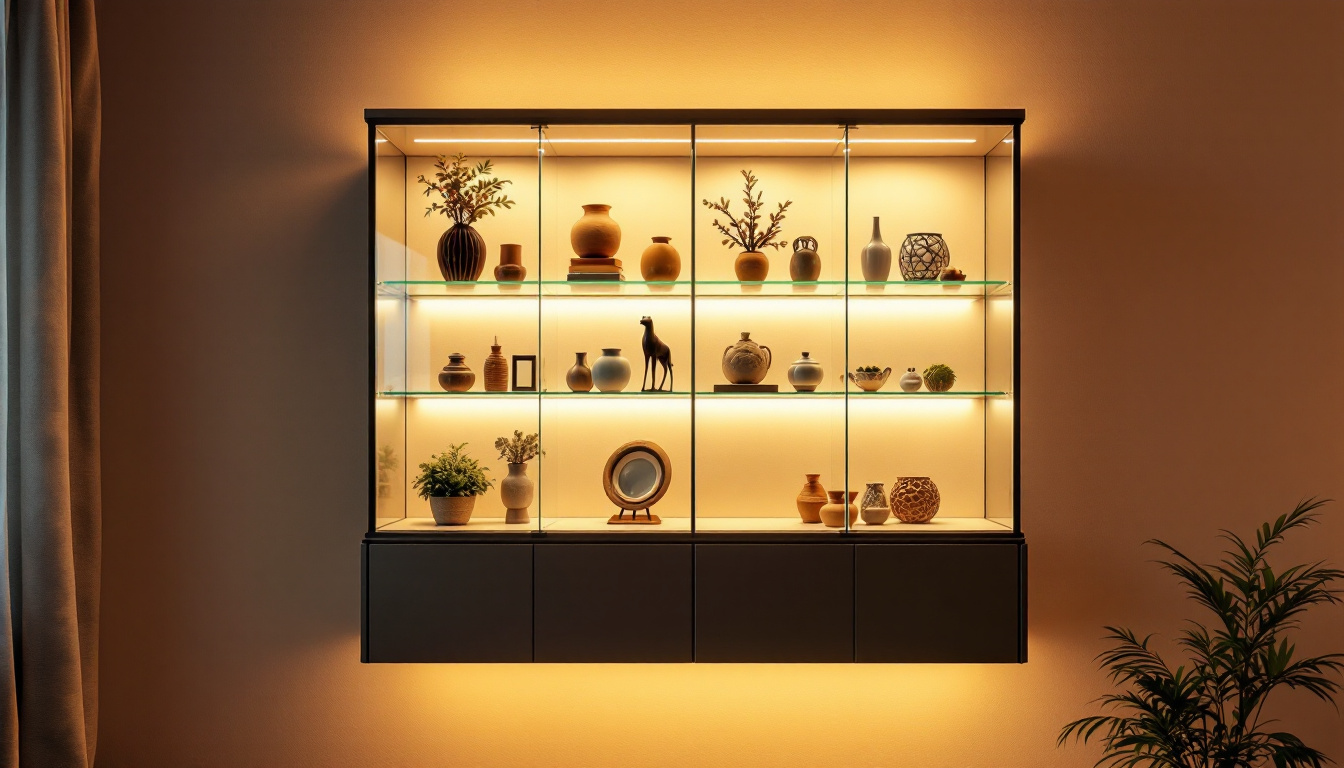
LED technology also enhances the presentation of traditional artworks. LED backlighting can illuminate paintings, photographs, and sculptures with precise color temperatures that highlight textures and details without causing damage. Unlike incandescent or fluorescent lighting, LEDs produce minimal heat and ultraviolet radiation, preserving delicate materials.
Galleries increasingly adopt LED lighting systems for their energy efficiency and longevity, reducing operational costs while improving visual quality. This shift supports sustainable practices in the art world, aligning with growing environmental awareness. Additionally, the versatility of LED technology allows for customizable lighting setups, enabling curators to create specific moods or atmospheres that complement the artwork on display. This adaptability can significantly enhance the viewer’s emotional connection to the pieces, as lighting plays a crucial role in how art is perceived and experienced.
Outdoor and Public Art Displays
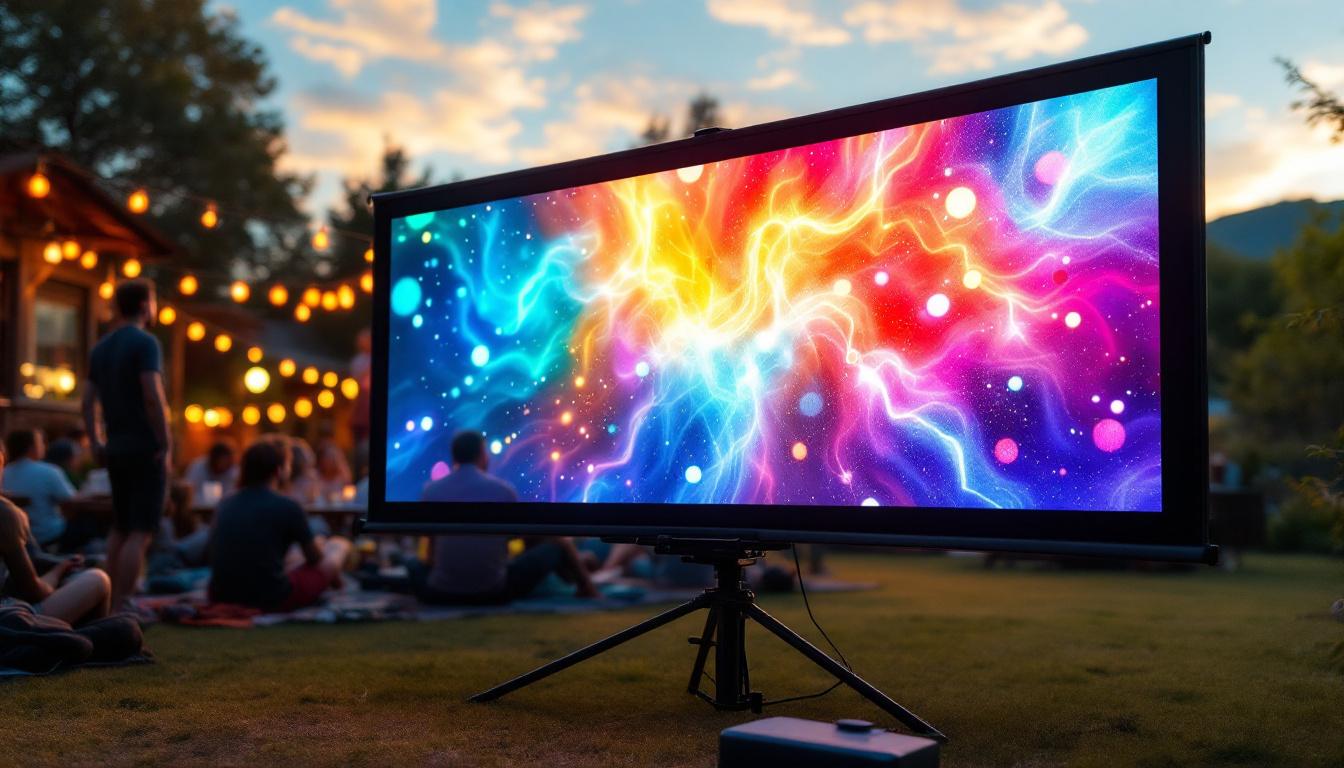
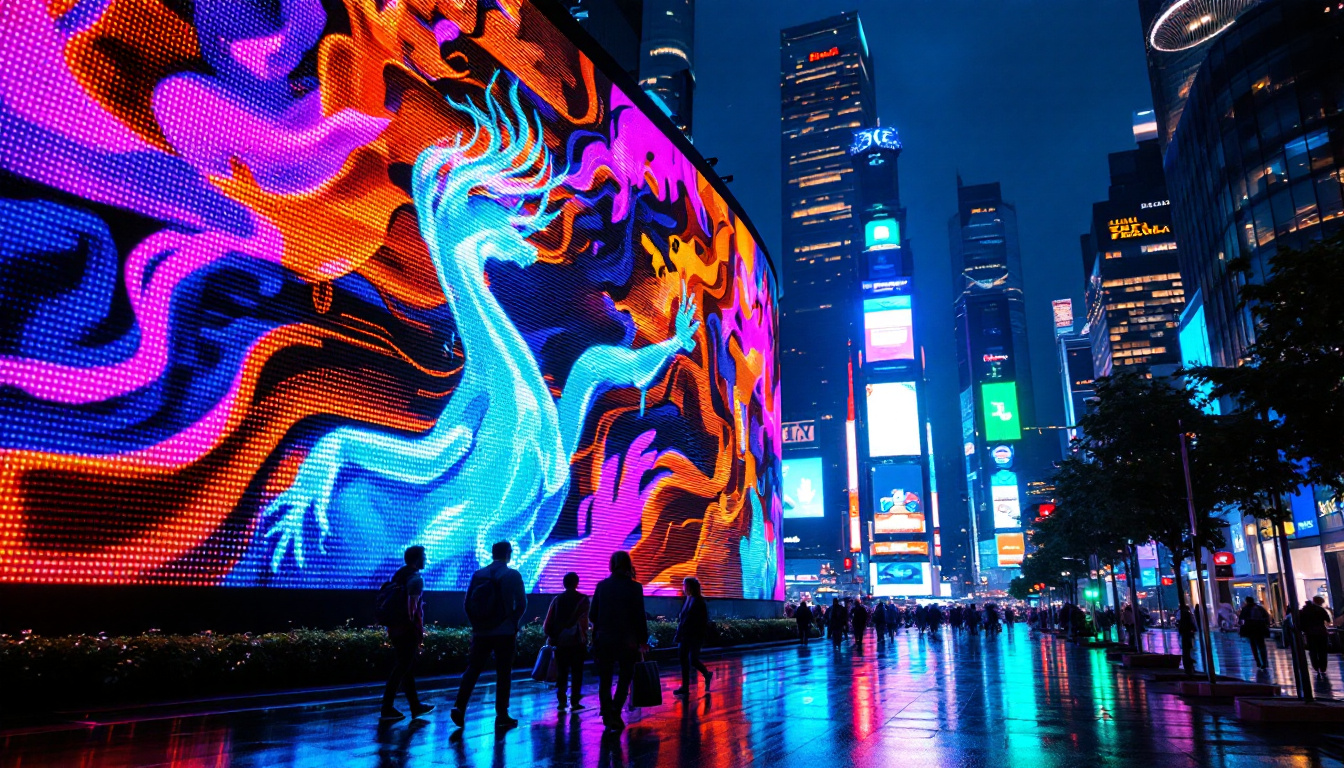
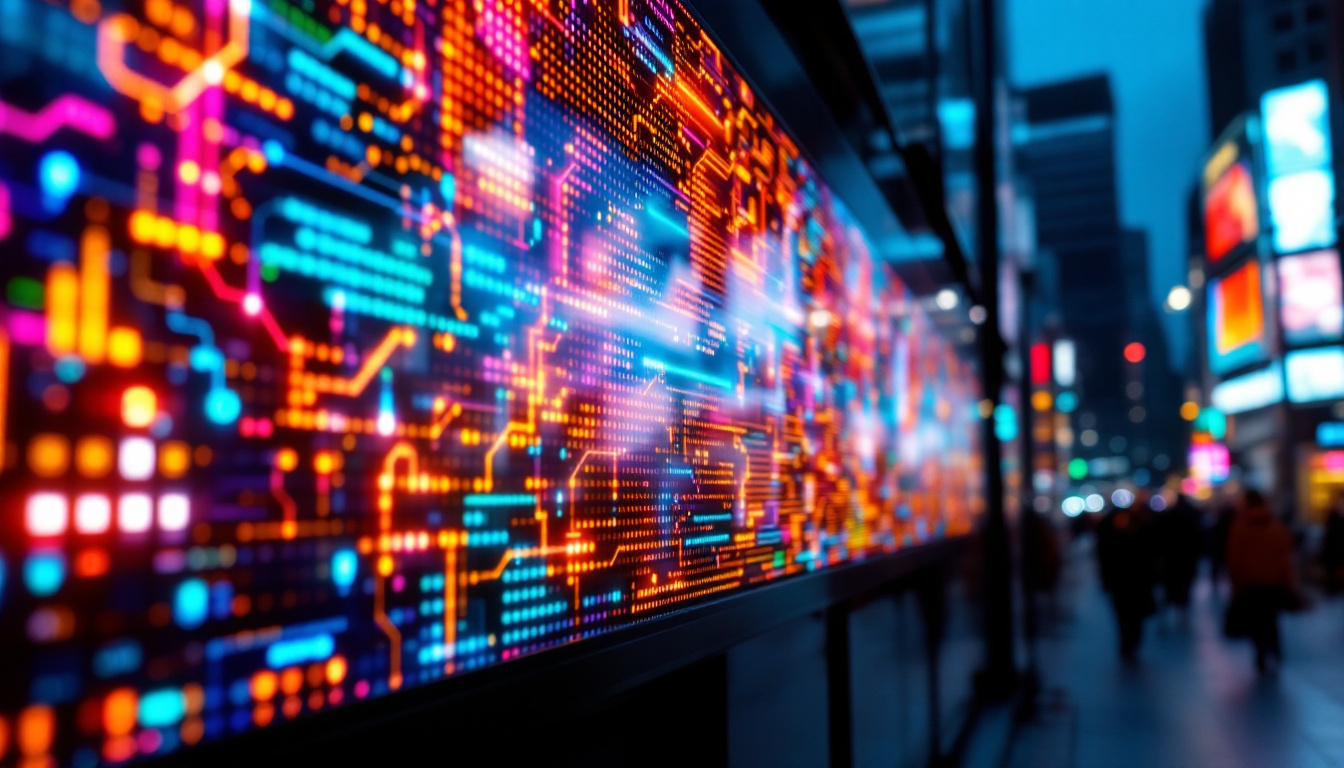
Outdoor art installations benefit significantly from LED displays due to their durability and brightness. LED screens withstand weather conditions and maintain visibility even in direct sunlight, making them ideal for public art projects, festivals, and urban beautification efforts.
For instance, cities like New York and London have incorporated LED art walls in public spaces, blending technology with cultural expression. These installations often feature rotating exhibits, community art projects, and interactive content that foster public engagement. Moreover, the use of LED technology in public art can serve as a platform for social commentary, allowing artists to address pressing issues such as climate change, social justice, and community identity through vibrant visual storytelling. The immediacy and accessibility of LED displays can spark conversations among diverse audiences, transforming public spaces into dynamic forums for artistic expression and dialogue.
Benefits of LED Displays for Artists and Curators
Adopting LED display technology offers multiple advantages that enhance the creative process and exhibition quality.
Unmatched Visual Quality and Color Accuracy
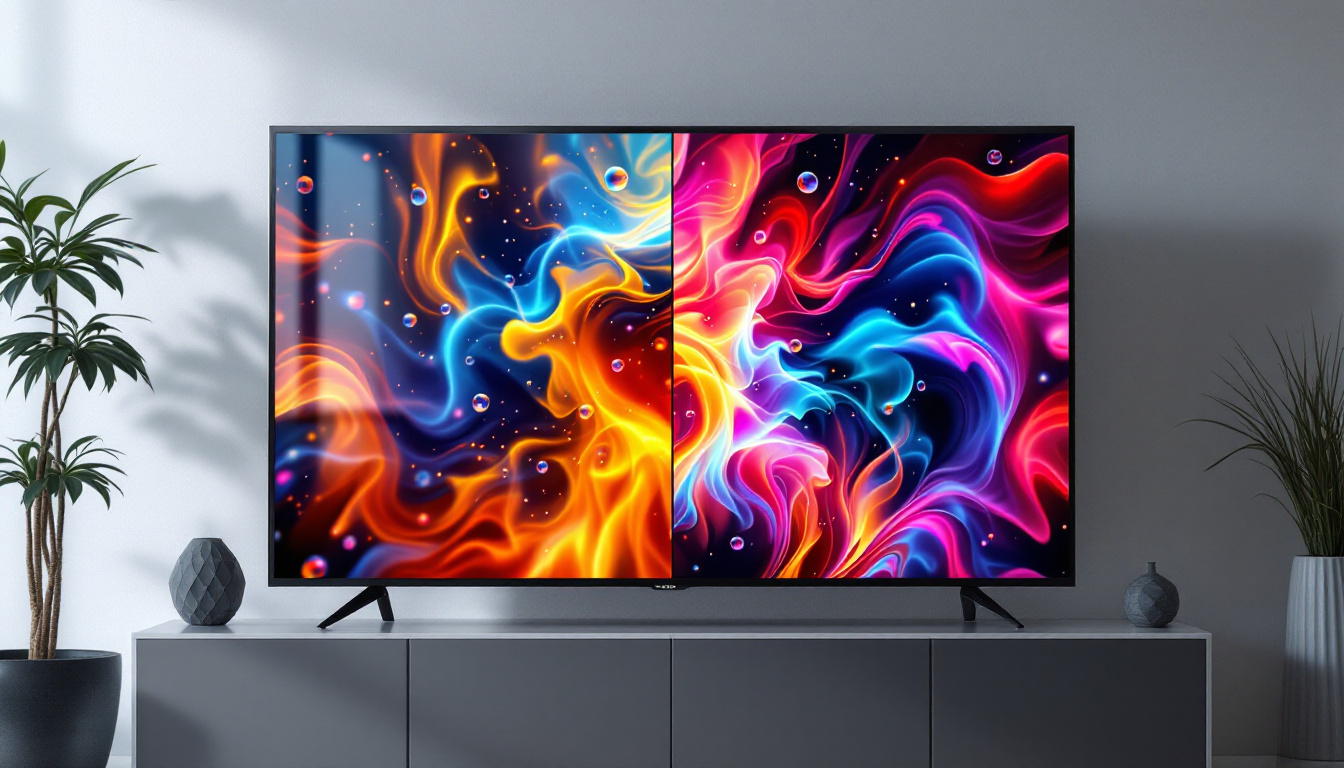
LED displays provide a wide color gamut and high contrast ratios, enabling artworks to be viewed as the artist intended. This fidelity is critical when reproducing subtle color variations and fine details. High dynamic range (HDR) capabilities further enhance the depth and realism of digital art.
Flexibility and Customization
LED technology supports various sizes and shapes, allowing curators to tailor displays to specific spaces and artistic concepts. Modular LED panels can be configured into unconventional forms, supporting innovative exhibition designs that challenge traditional gallery layouts.
Energy Efficiency and Longevity
Compared to other display technologies, LEDs consume less power and have longer lifespans, reducing maintenance and replacement costs. This efficiency is particularly beneficial for institutions managing multiple exhibits or long-term installations.
Interactive and Multimedia Integration
LED displays can seamlessly integrate with sensors, cameras, and software to create interactive art experiences. This interactivity enhances audience engagement and can provide valuable data insights for curators regarding visitor behavior and preferences.
Challenges and Considerations in Using LED Displays for Fine Art
While LED displays offer numerous benefits, there are important factors to consider to ensure successful implementation in fine art contexts.
Initial Investment and Technical Expertise
High-quality LED displays and their installation can require significant upfront costs. Additionally, curators and artists may need technical support to manage calibration, content creation, and maintenance. Collaborating with experienced technology partners is essential to maximize the potential of LED solutions.
Preserving Artistic Intent
Digital reproduction of art demands careful attention to color calibration and resolution to maintain the integrity of the original work. Artists and curators must work closely with display manufacturers to ensure that the technology accurately represents the artwork’s nuances.
Environmental Impact and Sustainability
Although LEDs are energy-efficient, the production and disposal of electronic components raise environmental concerns. Institutions should consider the lifecycle impact of LED displays and explore recycling programs and sustainable sourcing to minimize their ecological footprint.
Future Trends in LED Displays for Fine Art
The intersection of LED technology and fine art continues to evolve rapidly, driven by innovations in materials science, artificial intelligence, and immersive media.
Micro-LED and Flexible Displays
Emerging micro-LED technology promises even higher resolution and brightness with lower power consumption. Flexible LED panels will enable new forms of art that curve, fold, or wrap around surfaces, expanding creative possibilities beyond flat screens.
Augmented Reality and Mixed Media Integration
Combining LED displays with augmented reality (AR) and virtual reality (VR) will create hybrid experiences where physical and digital art coexist. This fusion will allow audiences to explore artworks in multidimensional ways, deepening engagement and interpretation.
AI-Driven Content and Personalization
Artificial intelligence will play a greater role in generating and adapting art content displayed on LED screens. Personalized exhibitions that respond to individual viewers’ preferences and behaviors will become more common, transforming passive viewing into active participation.
Conclusion
LED display technology represents a powerful tool for the fine art world, offering unprecedented opportunities to showcase creativity with brilliance and precision. By understanding the technical aspects, applications, and challenges of LED displays, artists and curators can harness this technology to create compelling, immersive art experiences that resonate with contemporary audiences. As LED innovations continue to advance, the future of fine art presentation looks brighter than ever.
Discover the Future of Fine Art with LumenMatrix
Embrace the transformative power of LED display technology in your next art project or exhibition with LumenMatrix. As a leading innovator in the field, we provide an extensive range of LED display solutions tailored to the fine art world. From Indoor and Outdoor LED Wall Displays to Custom and Transparent LED options, our modules are designed to captivate and engage. Experience the future of visual art presentation and enhance your audience’s experience with our cutting-edge technology. Check out LumenMatrix LED Display Solutions today and let your art shine in a new light.