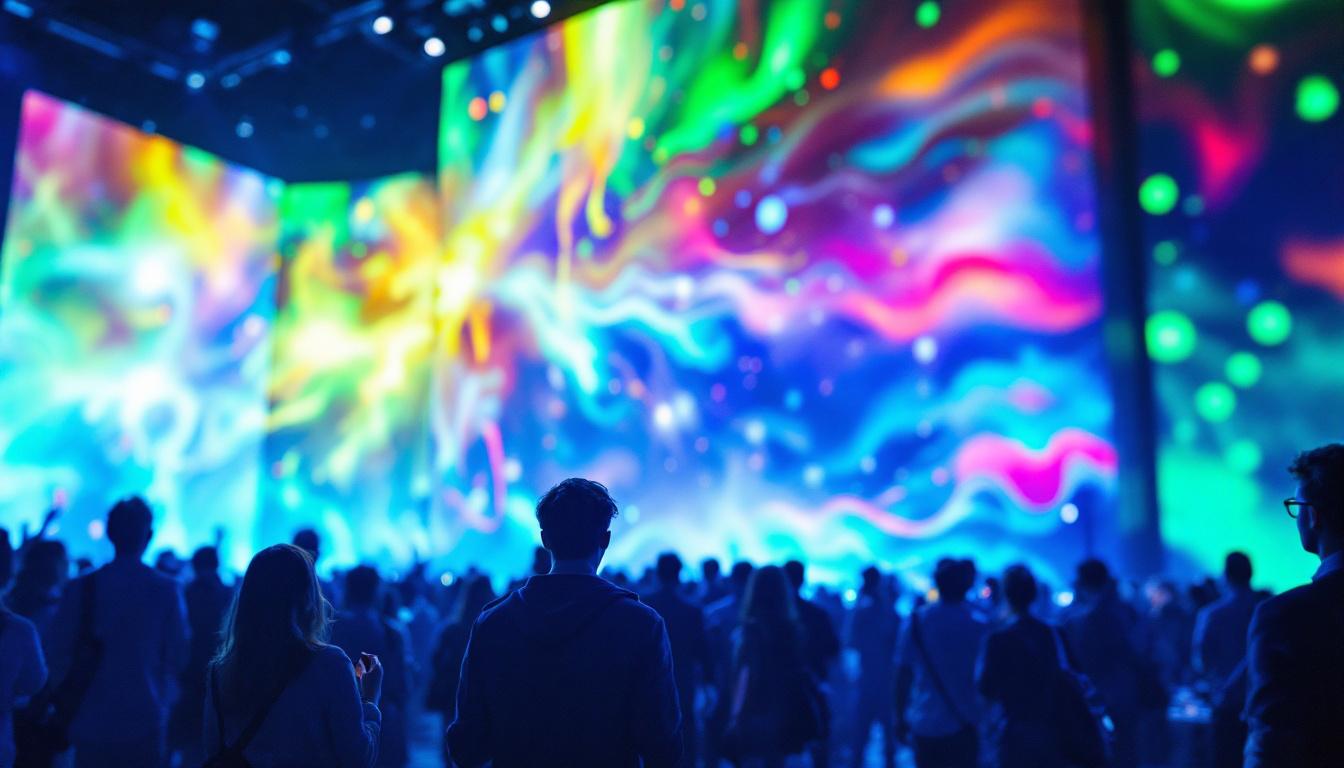
In today’s fast-paced digital world, videography companies are constantly seeking innovative ways to enhance visual storytelling and captivate audiences. One technology that has revolutionized the industry is the LED display. From live events to corporate presentations, LED displays have become an essential tool for delivering vibrant, dynamic content with unparalleled clarity. This article delves into the fundamentals of LED displays, their applications in videography, and why they are transforming the way content is produced and presented.
Understanding LED Display Technology
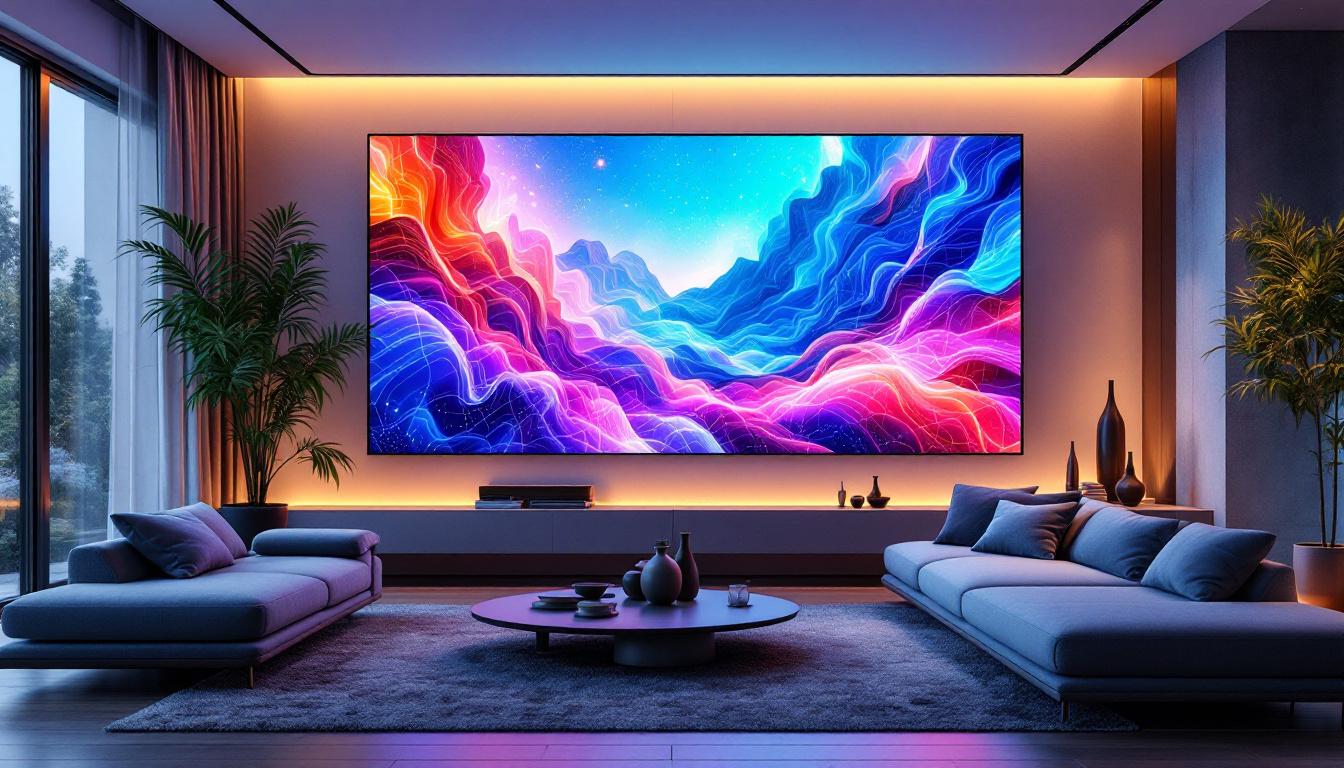
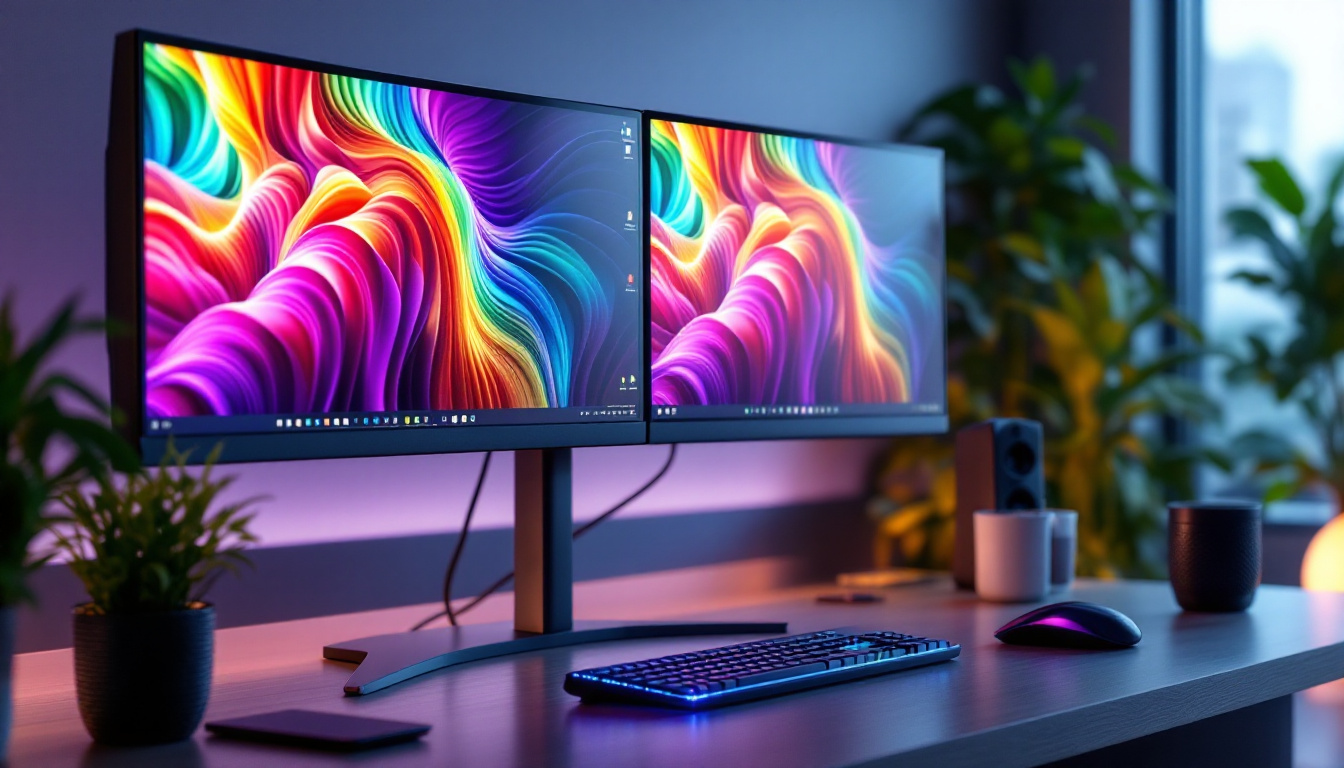
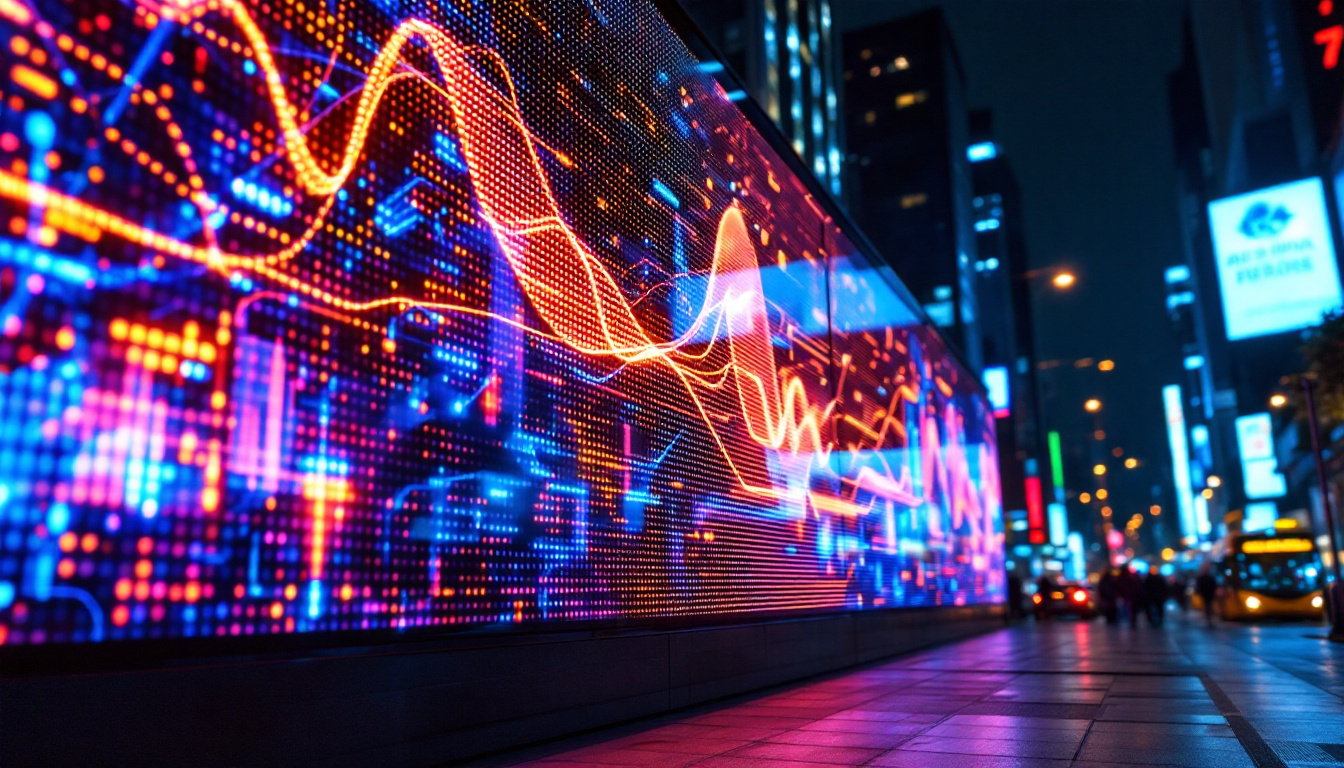
At its core, an LED display is a flat panel that uses light-emitting diodes (LEDs) to create images and videos. Unlike traditional LCD or projection screens, LED displays emit their own light, which results in brighter images, higher contrast ratios, and superior color accuracy. This self-illumination capability is key to their widespread adoption in various videography applications. The ability to deliver vivid visuals makes LED displays particularly popular in settings where visual impact is paramount, such as concerts, advertising billboards, and immersive installations.
How LED Displays Work
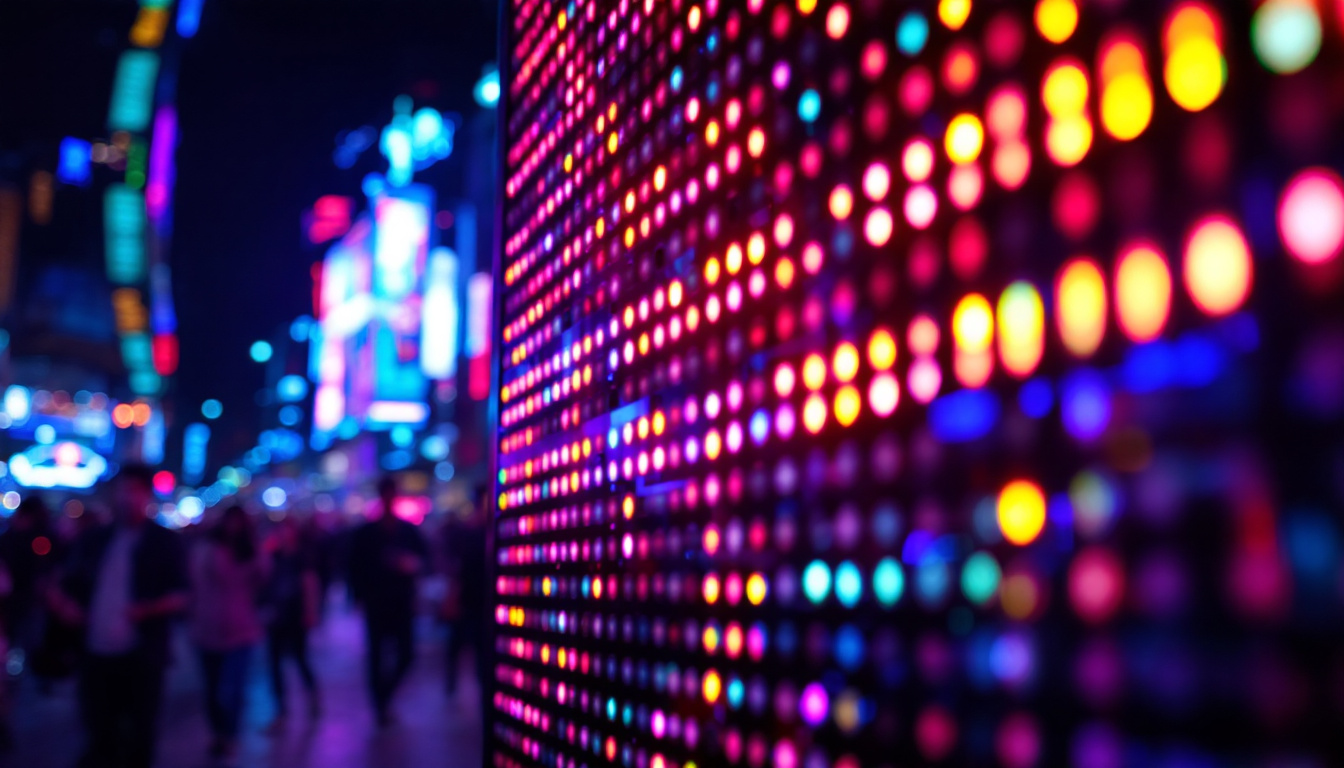
LED displays consist of thousands to millions of tiny LEDs arranged in a grid. Each LED acts as a pixel or sub-pixel, and by varying the intensity and color of each diode, the display produces a full spectrum of colors and shades. Modern LED panels often use RGB (red, green, blue) diodes to achieve vibrant and true-to-life images. The technology behind LED displays also includes advanced processing capabilities that enhance image quality, allowing for features like high dynamic range (HDR) and enhanced frame rates, which are crucial for delivering smooth and lifelike motion in video content.
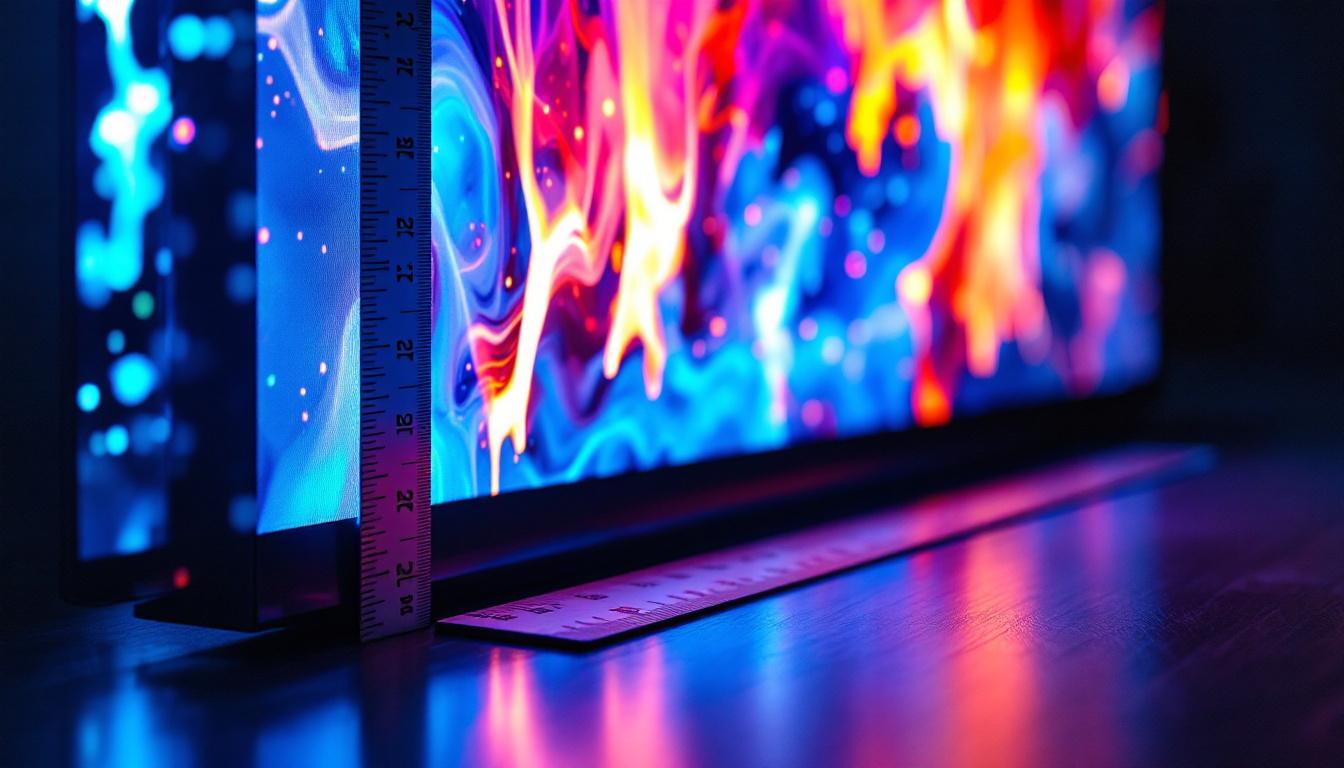
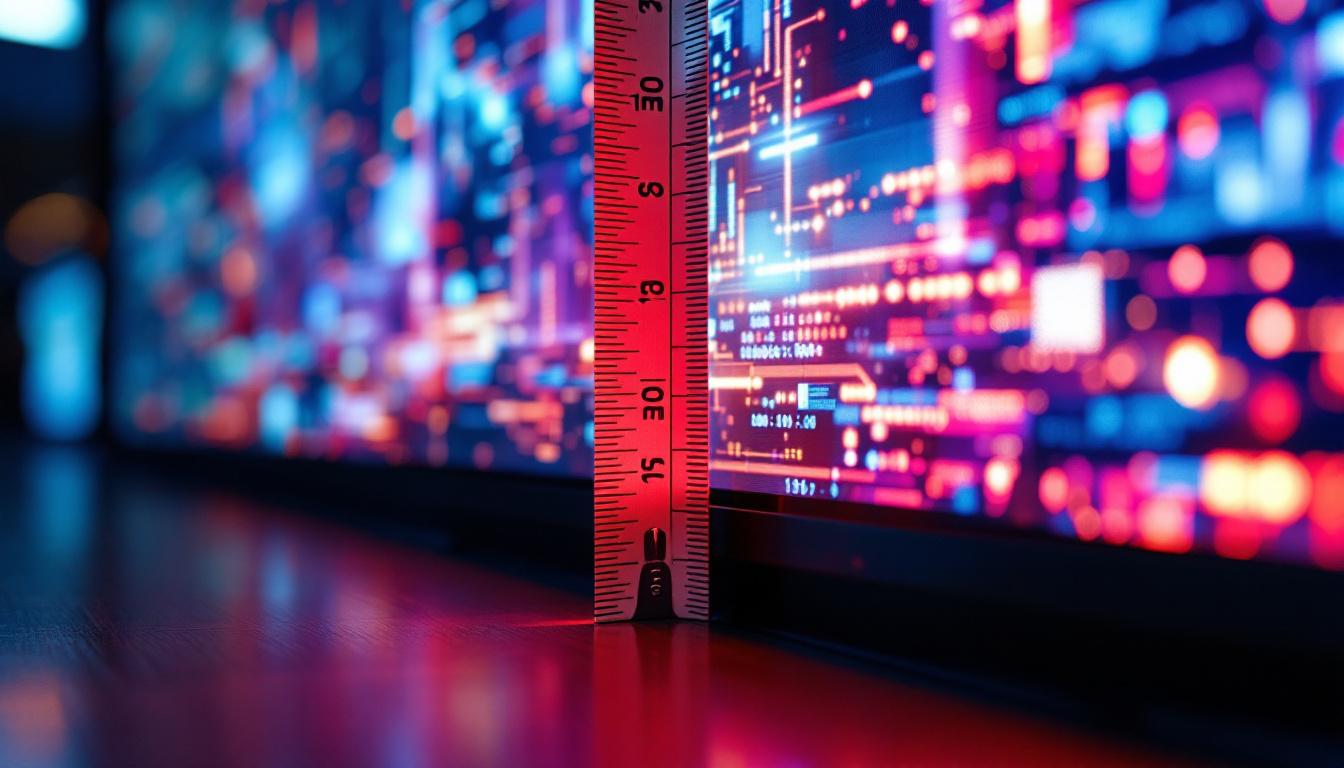
These displays can be configured in various pixel pitches—the distance between individual LEDs—which affects image resolution and viewing distance. A smaller pixel pitch means higher resolution and closer viewing capability, making these displays versatile for both large-scale outdoor events and intimate indoor settings. Additionally, the modular nature of LED displays allows for easy scalability; they can be assembled into larger configurations to create massive video walls that can transform any space into a dynamic visual experience.
Types of LED Displays
LED displays come in several forms, each suited to different videography needs:
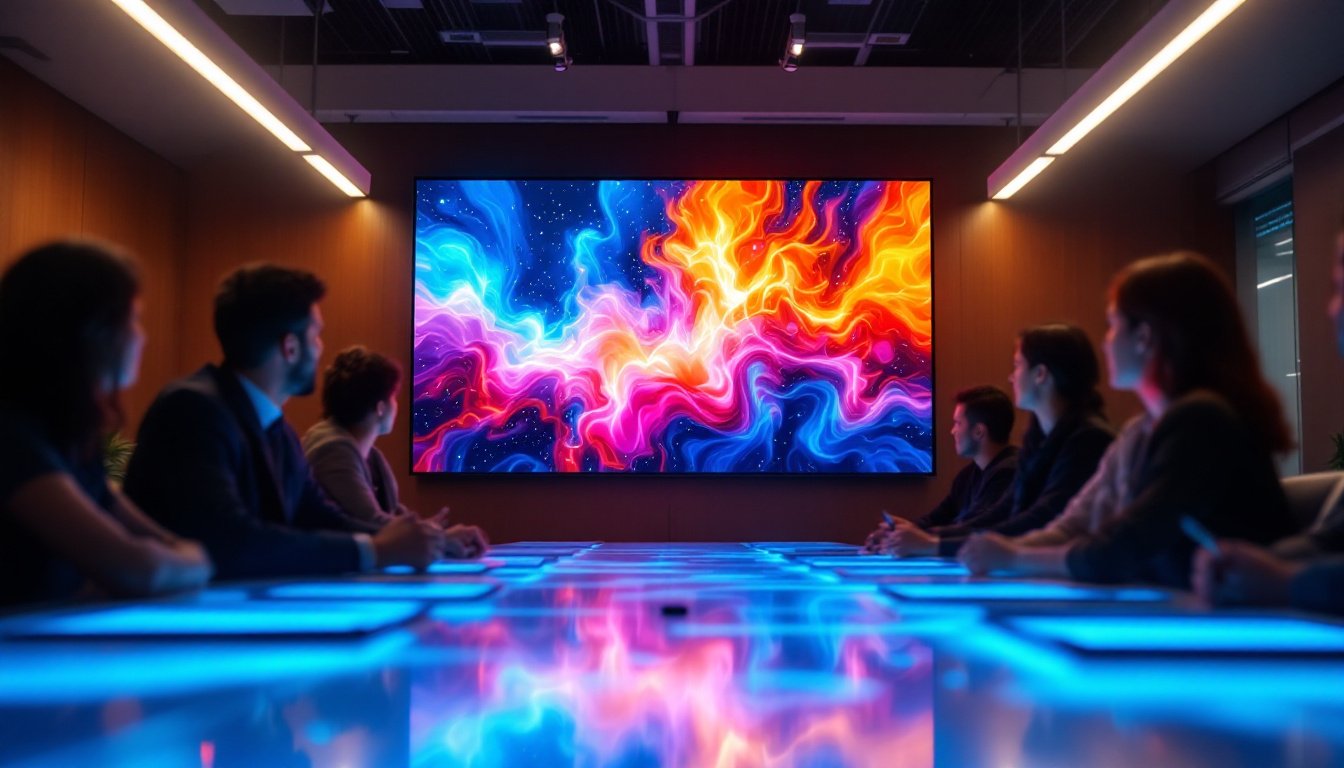
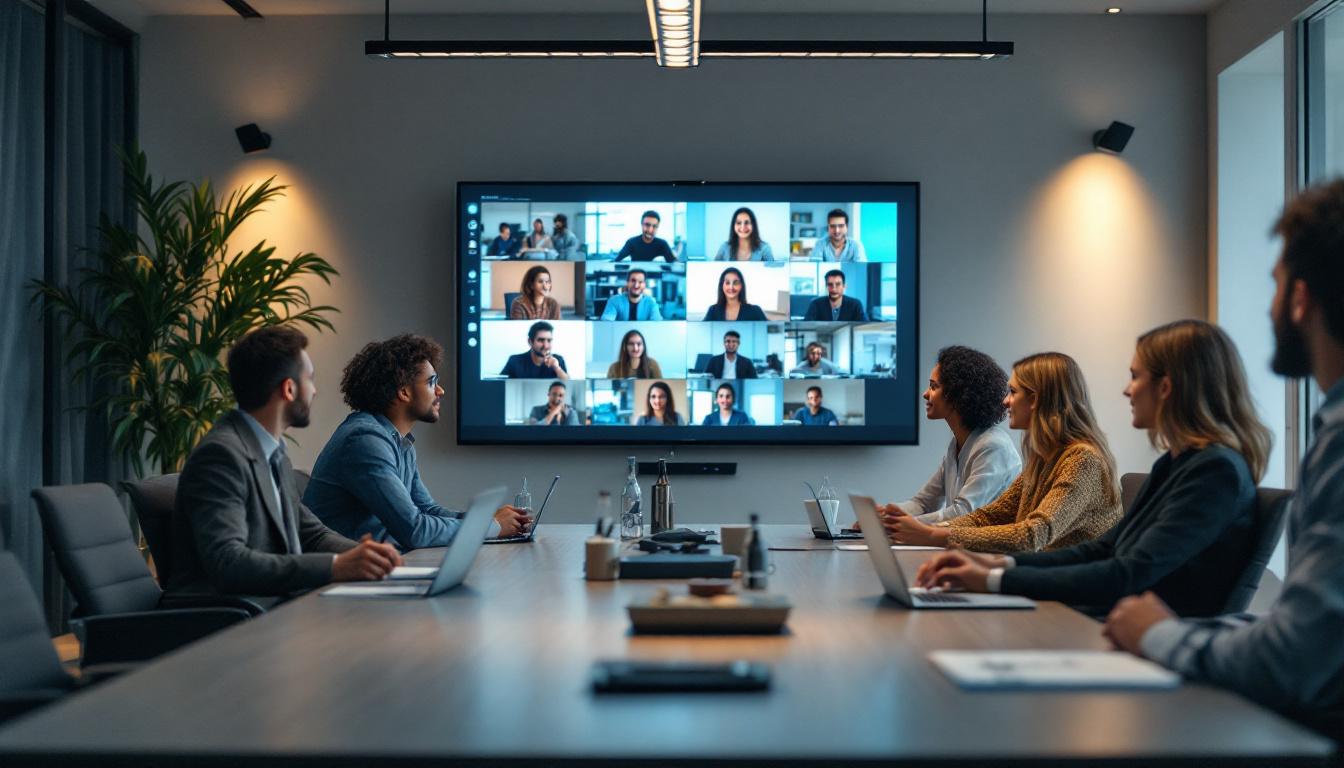
- Indoor LED Displays: Designed for close-range viewing with fine pixel pitches, these displays are common in studios, conference rooms, and indoor events. Their high resolution ensures that every detail is crisp, making them ideal for presentations, live broadcasts, and exhibitions.
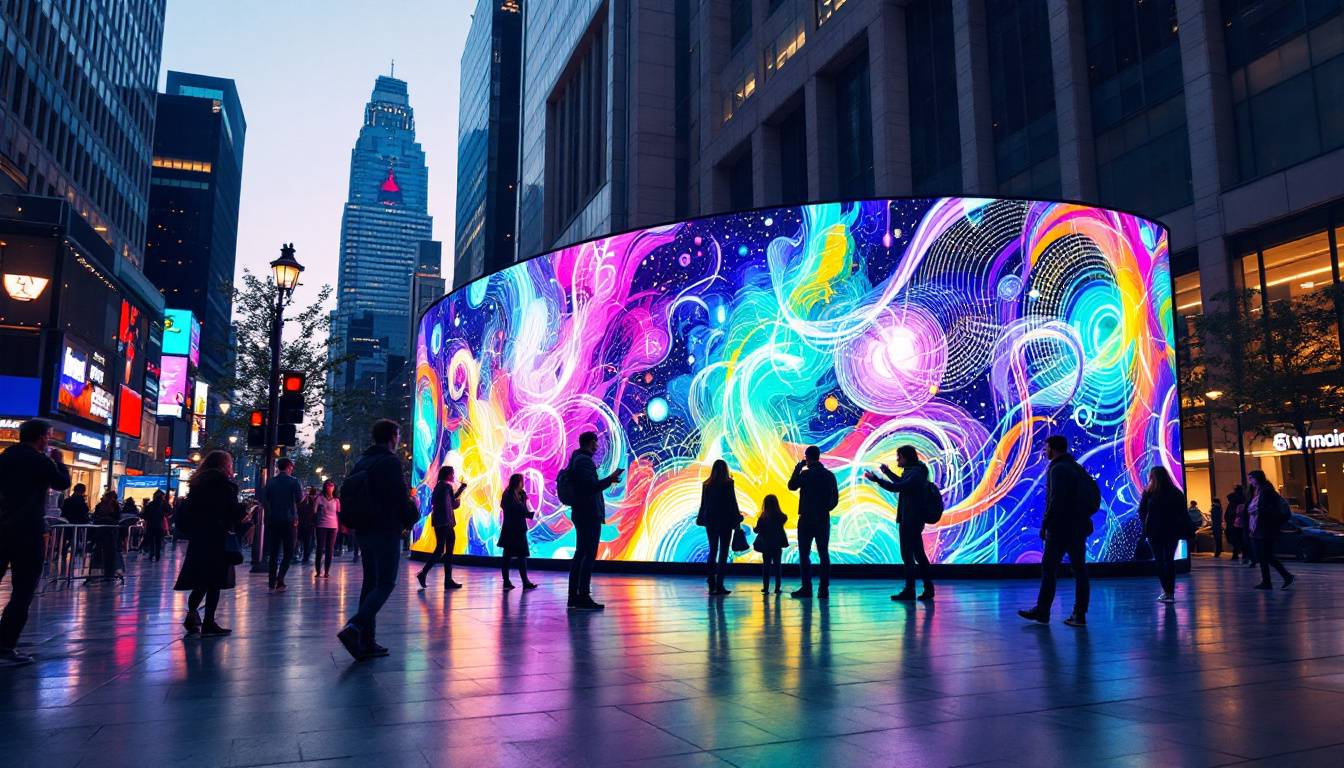
- Outdoor LED Displays: Built to withstand weather conditions and provide high brightness levels to combat sunlight glare, these are ideal for concerts, sports arenas, and public advertising. Their robust construction and advanced cooling systems ensure longevity and performance, even in extreme temperatures.
- Flexible and Transparent LED Displays: Emerging technologies now allow LED panels to bend or be see-through, opening new creative possibilities for videographers and event producers. These innovative displays can be integrated into architectural designs or used in retail environments to create eye-catching displays that do not obstruct views, allowing for a seamless blend of digital content and physical space.
Furthermore, the evolution of LED technology has led to the introduction of MicroLED and MiniLED displays, which offer even greater efficiency and performance. MicroLEDs, for instance, are tiny self-emitting diodes that can produce stunning visuals with lower power consumption, while MiniLEDs enhance traditional LED displays by providing better contrast and deeper blacks. As these technologies continue to advance, they promise to redefine the boundaries of visual storytelling and audience engagement in the world of videography.
Why LED Displays Are Essential for Videography Companies
Videography companies require tools that can deliver high-quality visuals reliably and creatively. LED displays offer several advantages that make them indispensable in this field.
Unmatched Visual Quality and Brightness
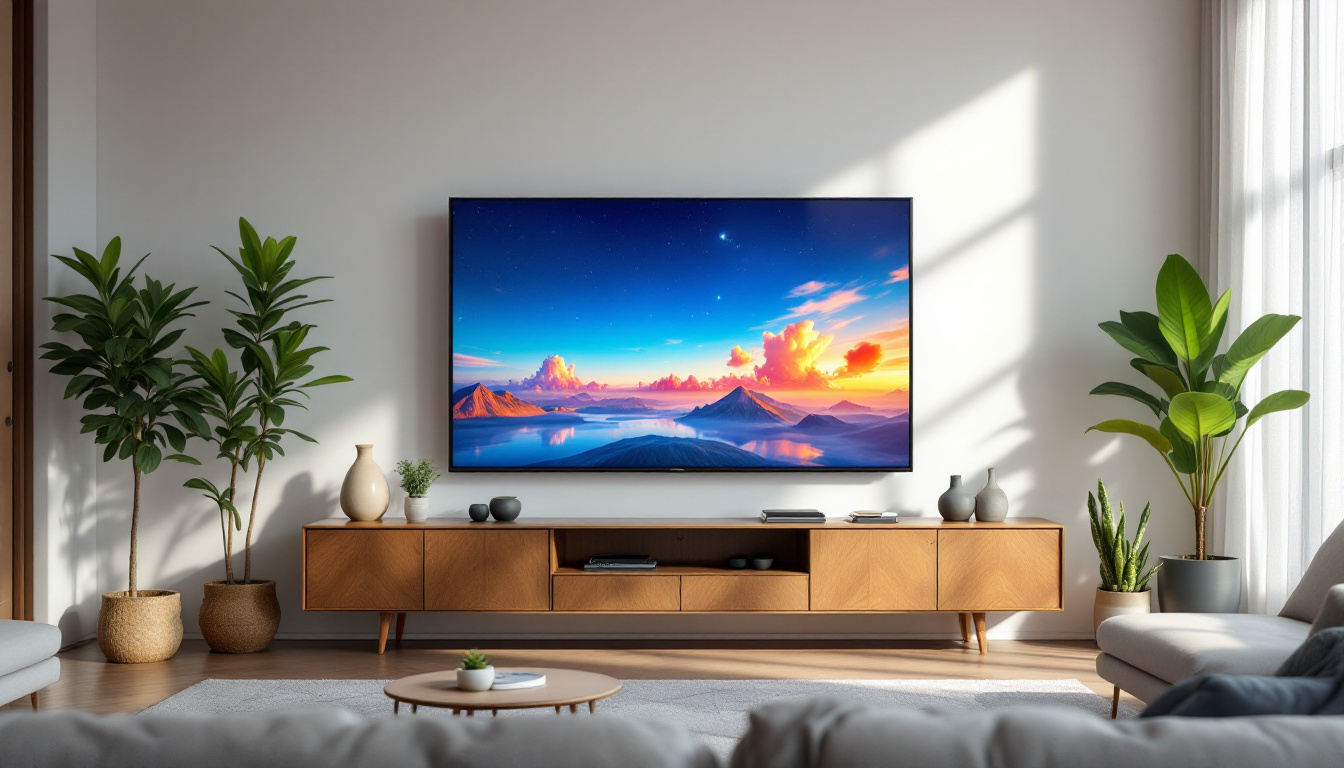
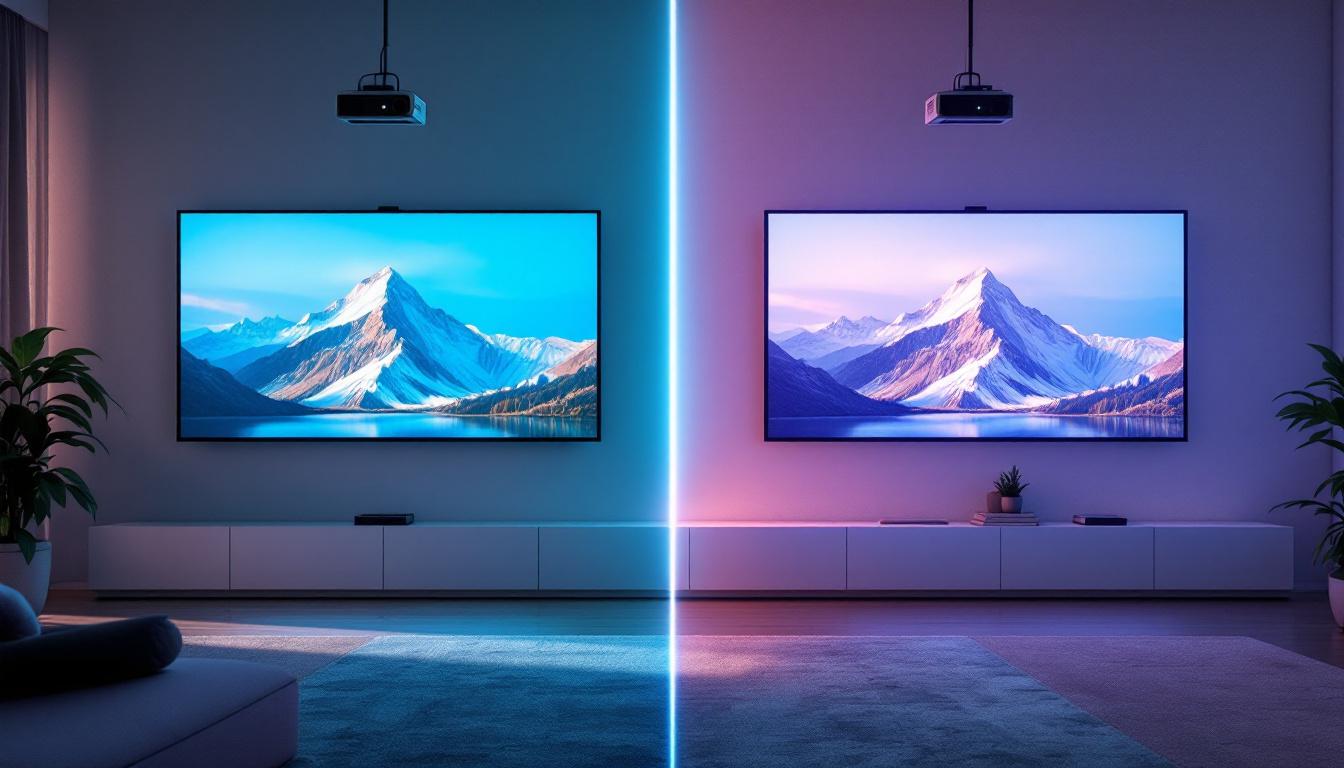
One of the primary reasons videography companies prefer LED displays is their superior brightness and color vibrancy. Unlike projectors, which rely on ambient lighting conditions, LED displays maintain consistent brightness levels even in well-lit environments. This ensures that every detail of the video content is visible, enhancing the viewer’s experience.
For example, during live concerts or outdoor festivals, LED screens can produce vivid images that remain clear despite sunlight or stage lighting. This capability is crucial for videographers who want to capture and showcase events with the highest visual fidelity.
Flexibility in Size and Shape
LED displays can be customized to virtually any size or shape, allowing videography companies to design immersive environments that engage audiences. From massive video walls that span entire stages to curved or irregularly shaped screens that complement architectural features, LED technology provides creative freedom that traditional displays cannot match.
This adaptability supports a wide range of applications, including film sets, trade shows, product launches, and interactive installations, making LED displays a versatile asset in a videographer’s toolkit.
Durability and Reliability
LED displays are known for their robustness and long lifespan, often exceeding 100,000 hours of operation. This durability translates to fewer maintenance costs and less downtime, which is critical for videography companies managing tight production schedules.
Moreover, outdoor LED displays are engineered to resist water, dust, and temperature fluctuations, ensuring consistent performance regardless of environmental conditions. This reliability makes them ideal for high-stakes live events where technical failures are not an option.
Applications of LED Displays in Videography
The integration of LED displays into videography workflows has expanded the possibilities for content creation and presentation. Below are some of the most impactful applications.
Live Event Production
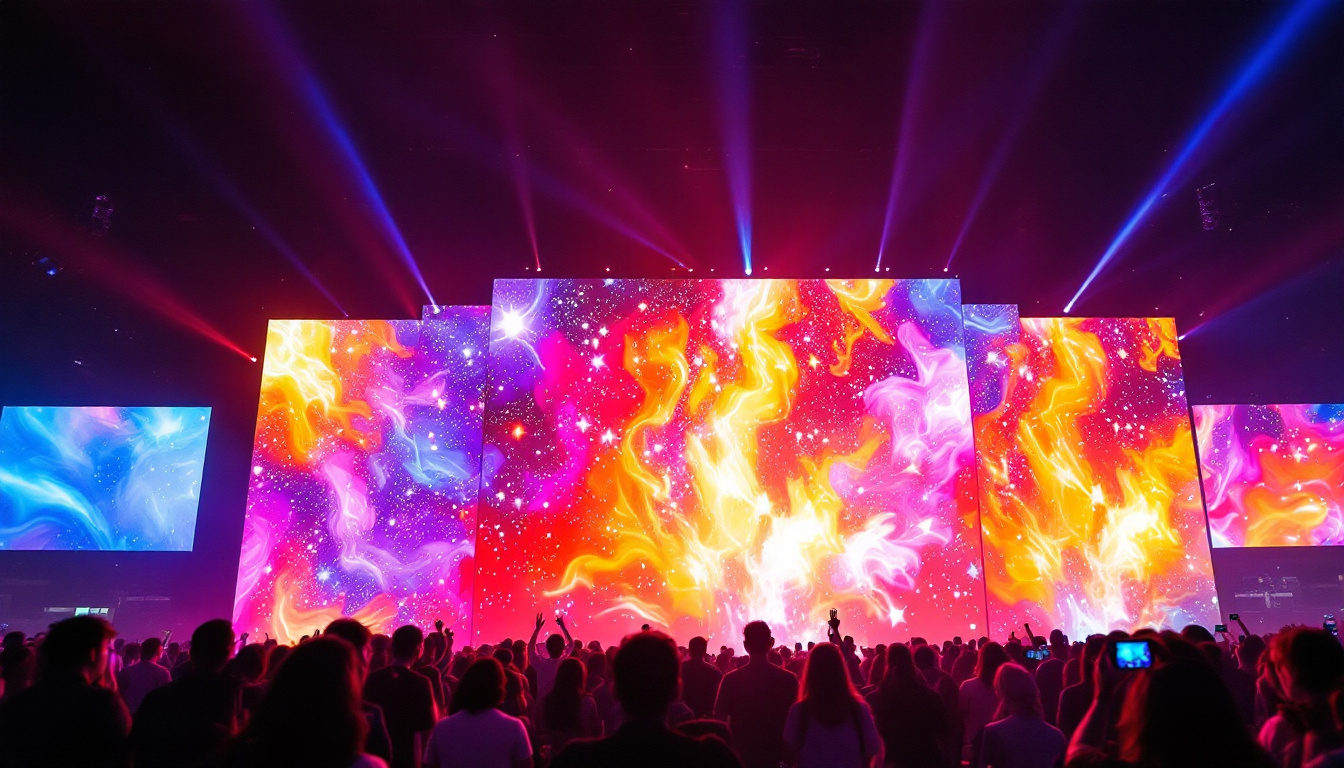
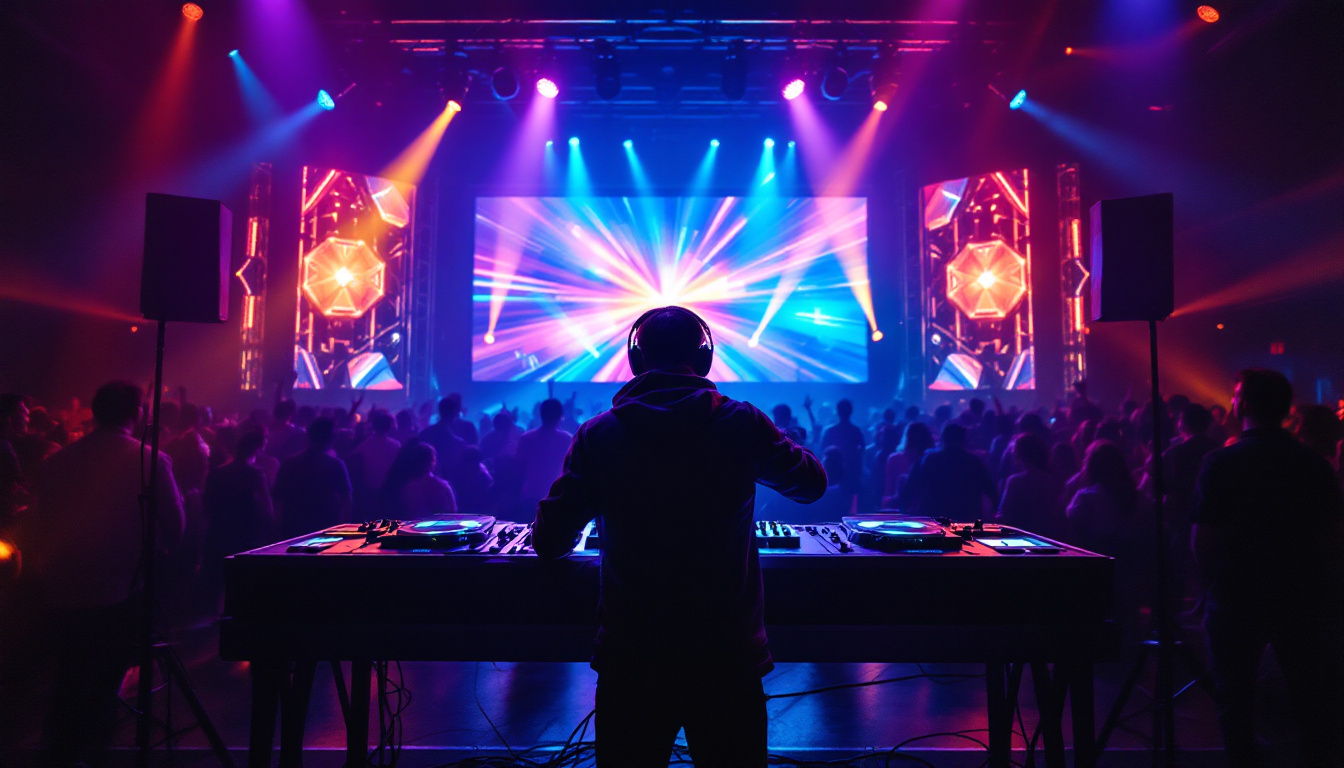
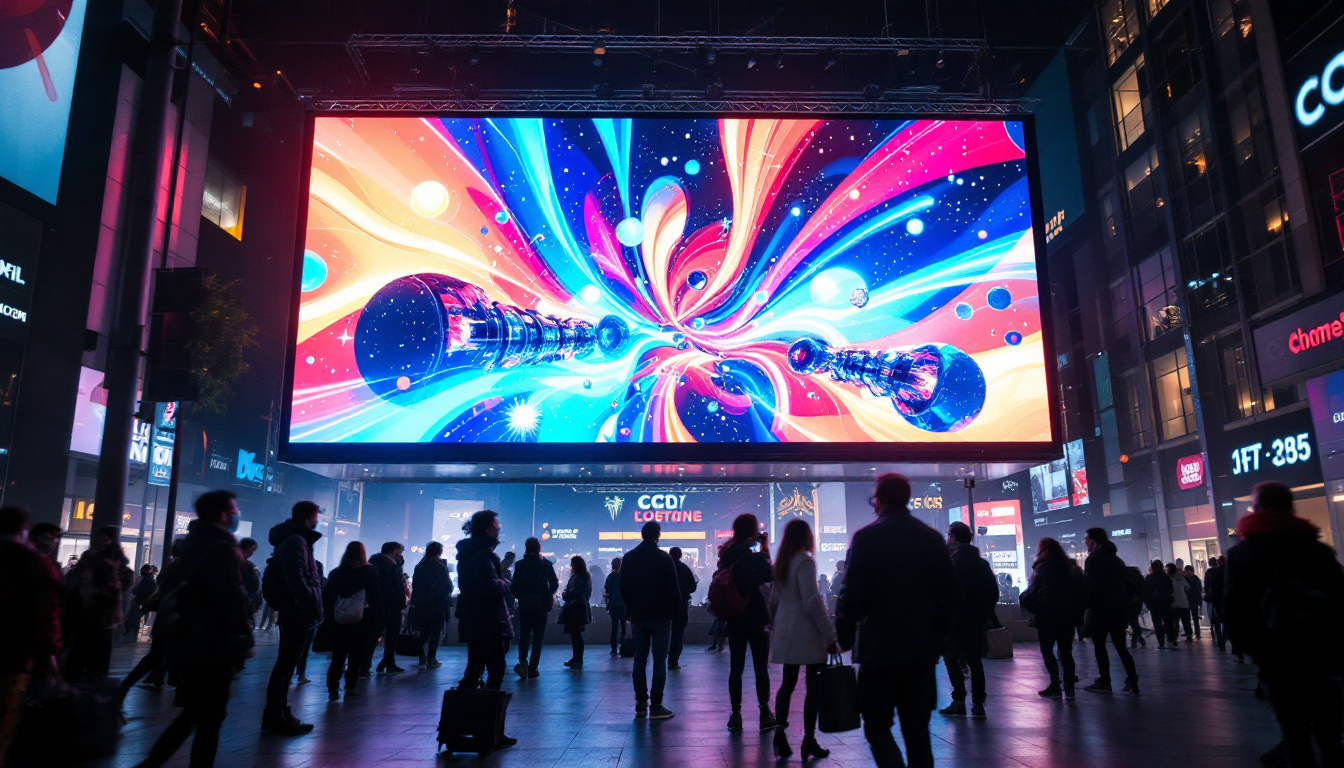
LED screens are a staple in live event production, providing dynamic backdrops that enhance storytelling and audience engagement. Concerts, theater performances, and corporate events leverage LED displays to project live video feeds, animations, and graphics that complement the performance.
For videographers, these displays offer an opportunity to blend recorded and live content seamlessly. High-resolution LED walls can serve as interactive canvases, enabling real-time visual effects that respond to performers or speakers.
Virtual Production and Film Sets
In recent years, LED displays have become integral to virtual production techniques, popularized by blockbuster films and television series. These LED volumes replace traditional green screens, allowing actors to perform within digitally rendered environments displayed on massive LED walls.
This approach provides natural lighting and reflections, improving the realism of scenes and reducing post-production time. Videography companies involved in film and commercial production benefit from this technology by delivering higher-quality visuals and more efficient workflows.
Advertising and Marketing Campaigns
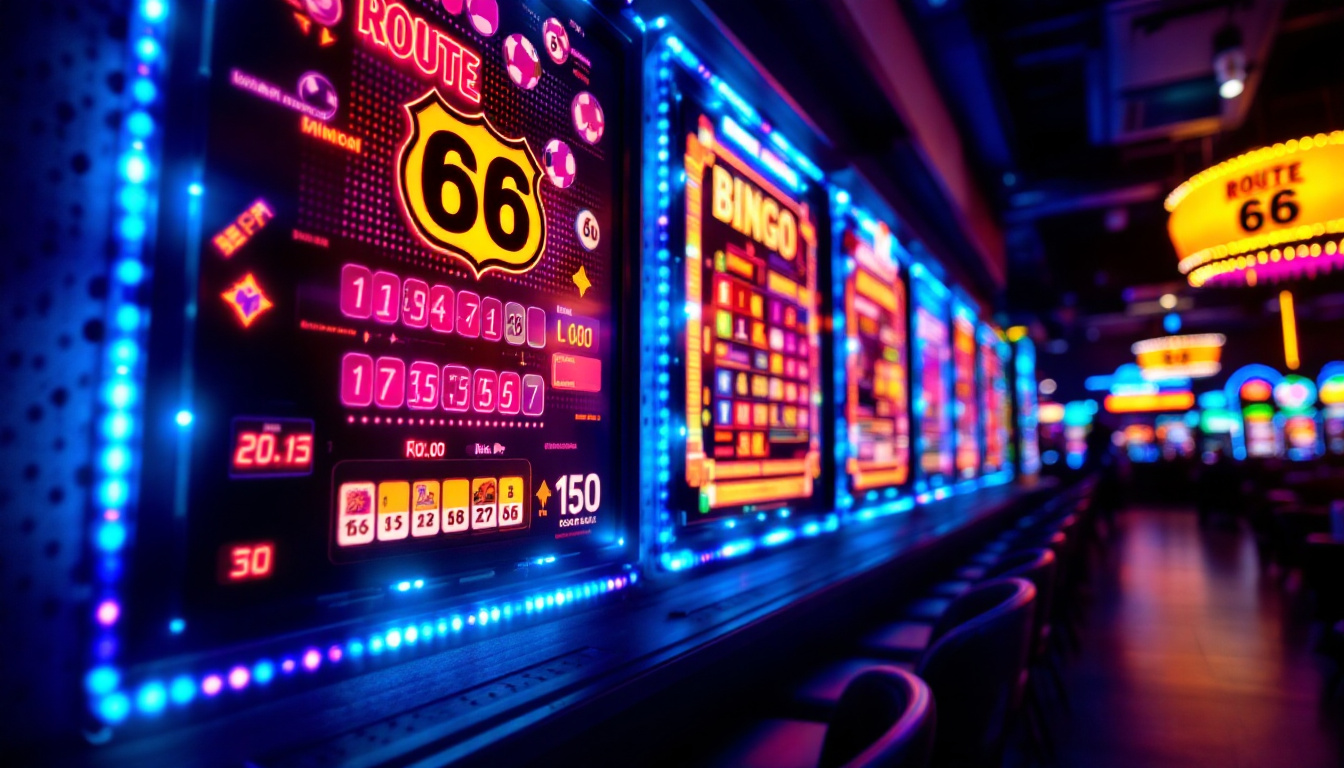
LED displays are widely used in advertising due to their eye-catching brightness and flexibility. Videographers working with marketing agencies create compelling video content for LED billboards, retail displays, and experiential marketing installations.
The ability to update content instantly and schedule playback remotely makes LED displays a powerful medium for dynamic advertising campaigns that can adapt to audience demographics and time of day.
Choosing the Right LED Display for Your Videography Needs
Selecting the appropriate LED display involves considering several factors to ensure optimal performance and cost-effectiveness.
Resolution and Pixel Pitch
The resolution required depends largely on the viewing distance and the size of the display. For close-up shots and indoor environments, a smaller pixel pitch (e.g., 1.2mm to 2.5mm) is preferable to achieve crisp images. For large outdoor screens viewed from a distance, a larger pixel pitch (e.g., 4mm to 10mm) is sufficient and more cost-effective.
Brightness and Contrast Ratio
Brightness is measured in nits, and outdoor LED displays often require 5,000 to 7,000 nits or more to remain visible in direct sunlight. Indoor displays typically operate at 800 to 1,500 nits. Contrast ratio affects how well the display can render dark scenes, which is crucial for videography that involves cinematic content.
Refresh Rate and Color Accuracy
High refresh rates (above 3,000 Hz) prevent flickering in video footage, especially when filming LED screens. Accurate color reproduction ensures that the displayed content matches the intended look, which is vital for branding and storytelling.
Budget and Support Services
While LED displays can represent a significant investment, videography companies should weigh the total cost of ownership, including installation, maintenance, and technical support. Partnering with reputable manufacturers and service providers ensures access to expert guidance and timely assistance.
Future Trends in LED Display Technology for Videography
The LED display industry continues to evolve rapidly, driven by advances in materials, design, and integration with emerging technologies.
MicroLED and MiniLED Innovations
MicroLED and MiniLED technologies offer even finer pixel pitches and improved energy efficiency. These advancements promise displays with higher brightness, better contrast, and longer lifespans, enabling videographers to produce ultra-high-definition content with unprecedented clarity.
Integration with Augmented and Virtual Reality
As AR and VR become more prevalent, LED displays will play a crucial role in creating immersive mixed-reality experiences. Combining LED walls with motion tracking and 3D rendering will allow videographers to craft interactive narratives that blur the line between physical and digital worlds.
Eco-Friendly and Sustainable Solutions
Environmental considerations are influencing LED display manufacturing, with a focus on reducing energy consumption and using recyclable materials. Videography companies committed to sustainability will benefit from adopting eco-friendly LED solutions that align with green production practices.
Conclusion
LED displays have transformed the landscape of videography by offering unparalleled visual quality, versatility, and reliability. Whether producing live events, film sets, or marketing campaigns, videography companies that leverage LED technology can deliver captivating and immersive experiences that resonate with audiences.
Understanding the technical aspects and applications of LED displays empowers videographers to make informed decisions and stay ahead in a competitive industry. As the technology continues to advance, embracing LED displays will remain a key strategy for creating compelling visual content that stands out in an increasingly digital world.
Discover LumenMatrix’s Innovative LED Solutions
Ready to elevate your videography projects with cutting-edge LED display technology? Look no further than LumenMatrix, a pioneer in creating visually stunning and versatile LED solutions tailored to your needs. From Indoor and Outdoor LED Wall Displays to specialized options like Vehicle, Sports, and Floor LED Displays, LumenMatrix offers a comprehensive range of products designed to bring your vision to life. Embrace the future of visual storytelling with our Custom, All-in-One, and Transparent LED Displays. Check out LumenMatrix LED Display Solutions today and transform the way you communicate and captivate your audience.