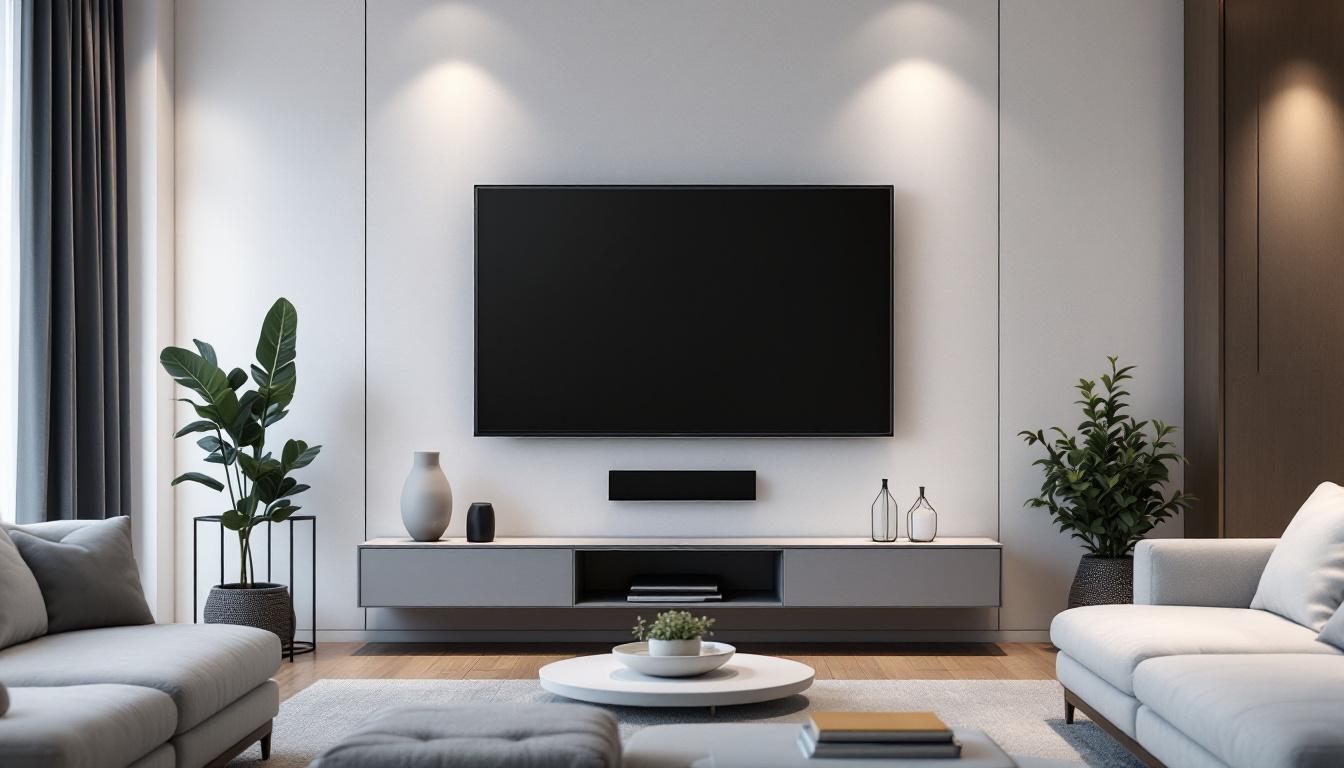
Motorized TV Wall Mounts: LED Display Explained
In today’s world of home entertainment and digital signage, the way displays are mounted and presented has evolved significantly. Motorized TV wall mounts have become a popular choice for both residential and commercial spaces, offering a sleek, functional, and technologically advanced solution for mounting LED displays. This article explores the ins and outs of motorized TV wall mounts, focusing on their application with LED displays, the benefits they offer, and considerations for choosing the right system.
Understanding Motorized TV Wall Mounts
What Are Motorized TV Wall Mounts?
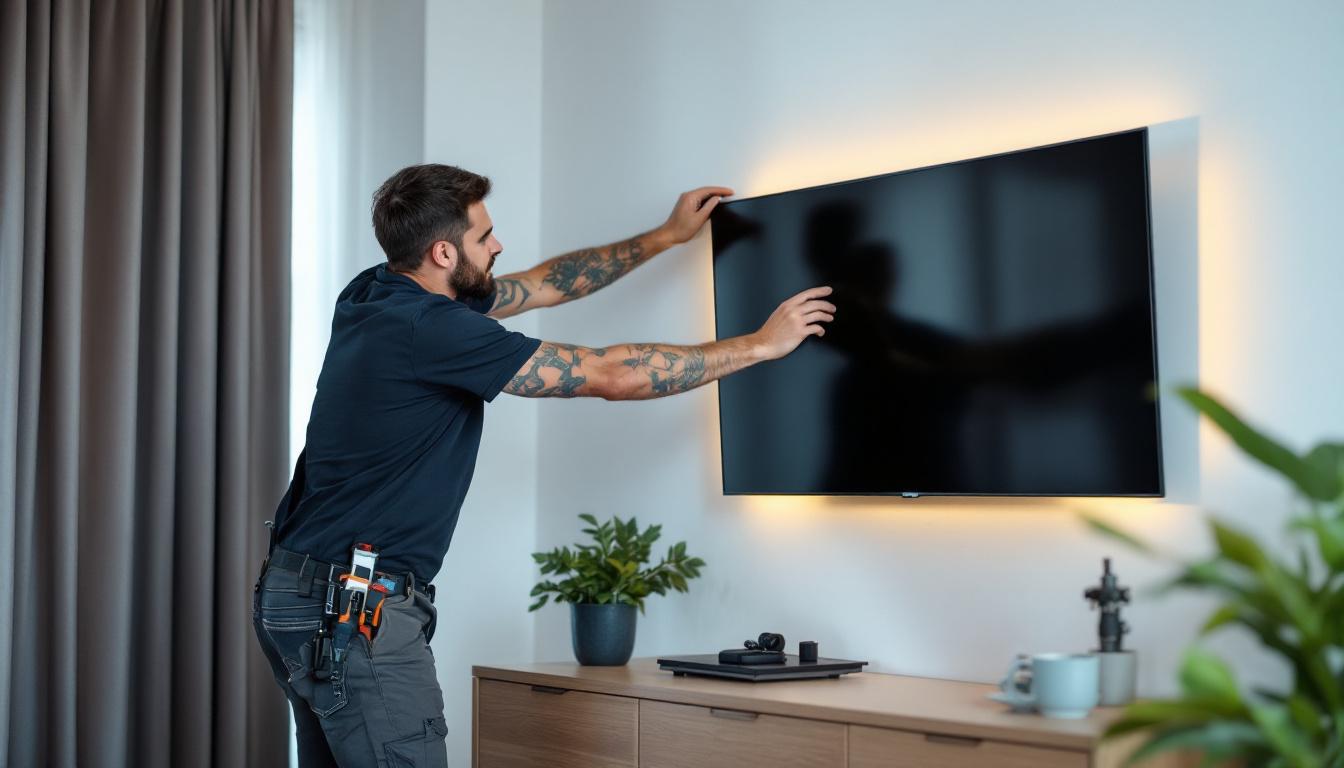
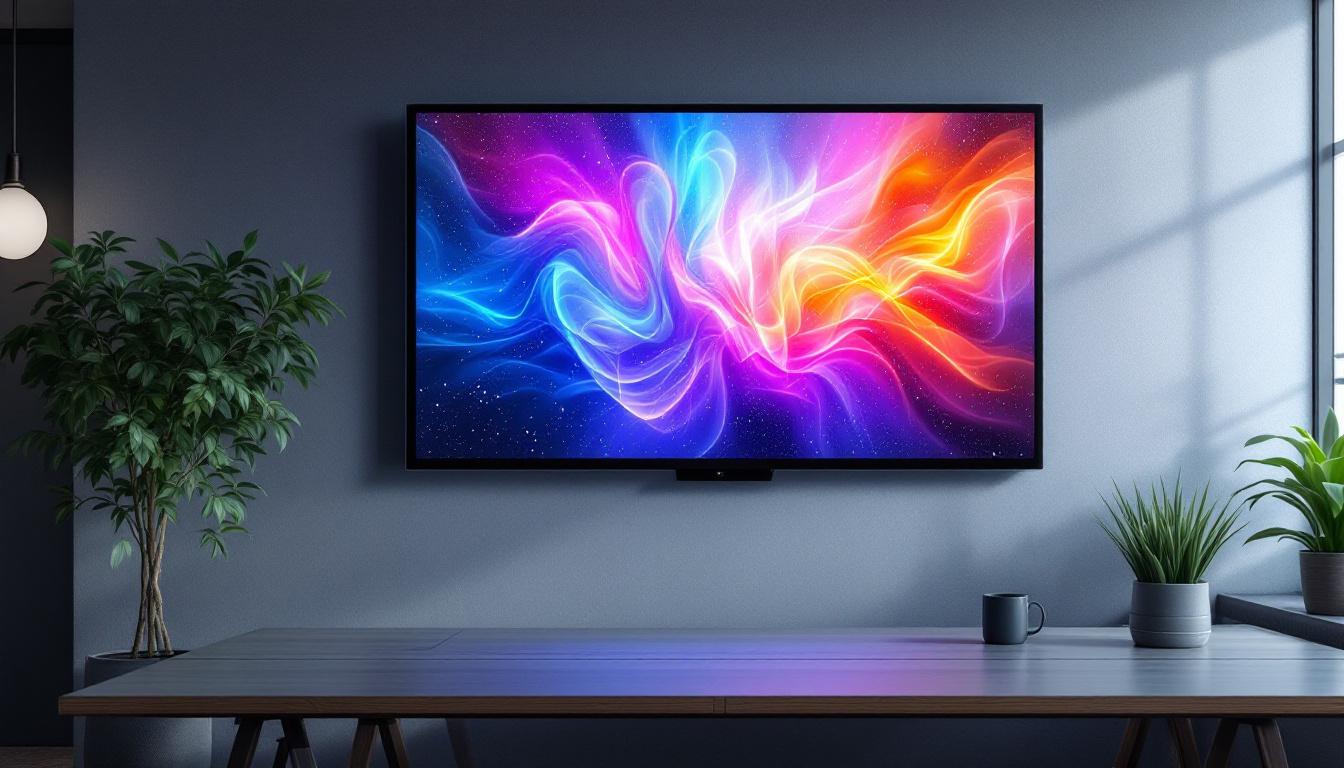
Motorized TV wall mounts are mounting systems equipped with electric motors that allow the TV or LED display to be adjusted remotely. Unlike traditional fixed or manual mounts, these mounts can tilt, swivel, extend, retract, or even hide the display at the push of a button. This automation adds convenience, enhances viewing flexibility, and often contributes to a cleaner aesthetic by minimizing visible hardware. The technology behind these mounts often includes advanced sensors that ensure smooth operation and prevent any accidental damage to the TV or surrounding furniture.
These mounts are designed to support various sizes and weights of TVs, including large LED panels commonly used in both homes and commercial environments. The motorized movement is typically controlled via remote controls, smartphone apps, or integrated smart home systems, making it easy to adjust the display’s position without physical effort. Additionally, many modern motorized mounts come with programmable settings, allowing users to set their preferred viewing angles for different activities, whether it’s watching a movie, playing video games, or enjoying a presentation. This level of customization ensures that the viewing experience is always optimized for comfort and enjoyment.
Types of Motorized Mounts for LED Displays
Motorized TV mounts come in several configurations, each suited to different use cases:
- Tilting Mounts: Allow the screen to tilt up or down, improving viewing angles and reducing glare.
- Full-Motion Mounts: Enable tilt, swivel, and extension away from the wall, providing maximum flexibility in positioning.
- Pop-Out or Retractable Mounts: These mounts can hide the TV inside cabinetry or behind wall panels and motorize the display to pop out or retract as needed.
- Ceiling Mounts: Ideal for commercial spaces, these mounts lower or rotate the display from the ceiling.
For LED displays, which are often larger and heavier than traditional TVs, selecting a motorized mount with adequate weight capacity and stability is critical. It’s also essential to consider the installation process, as some mounts may require professional assistance to ensure they are securely attached to the wall or ceiling. Furthermore, many motorized mounts are designed with cable management systems that help conceal wires and cables, contributing to a sleek and organized look. This attention to detail not only enhances the visual appeal of the setup but also simplifies maintenance and accessibility for any necessary adjustments or repairs.
LED Displays: A Modern Display Technology
What Makes LED Displays Unique?
LED (Light Emitting Diode) displays have revolutionized the way images and videos are shown, offering superior brightness, color accuracy, and energy efficiency compared to older technologies like LCD or plasma. They are widely used in home theaters, digital signage, retail environments, and public spaces.
Unlike traditional LCD TVs that use backlighting, LED displays use individual diodes to emit light directly, resulting in better contrast ratios and deeper blacks. This technology also allows for thinner, lighter panels, which makes them well-suited for wall mounting solutions.
Popular LED Display Formats
LED displays come in various formats:
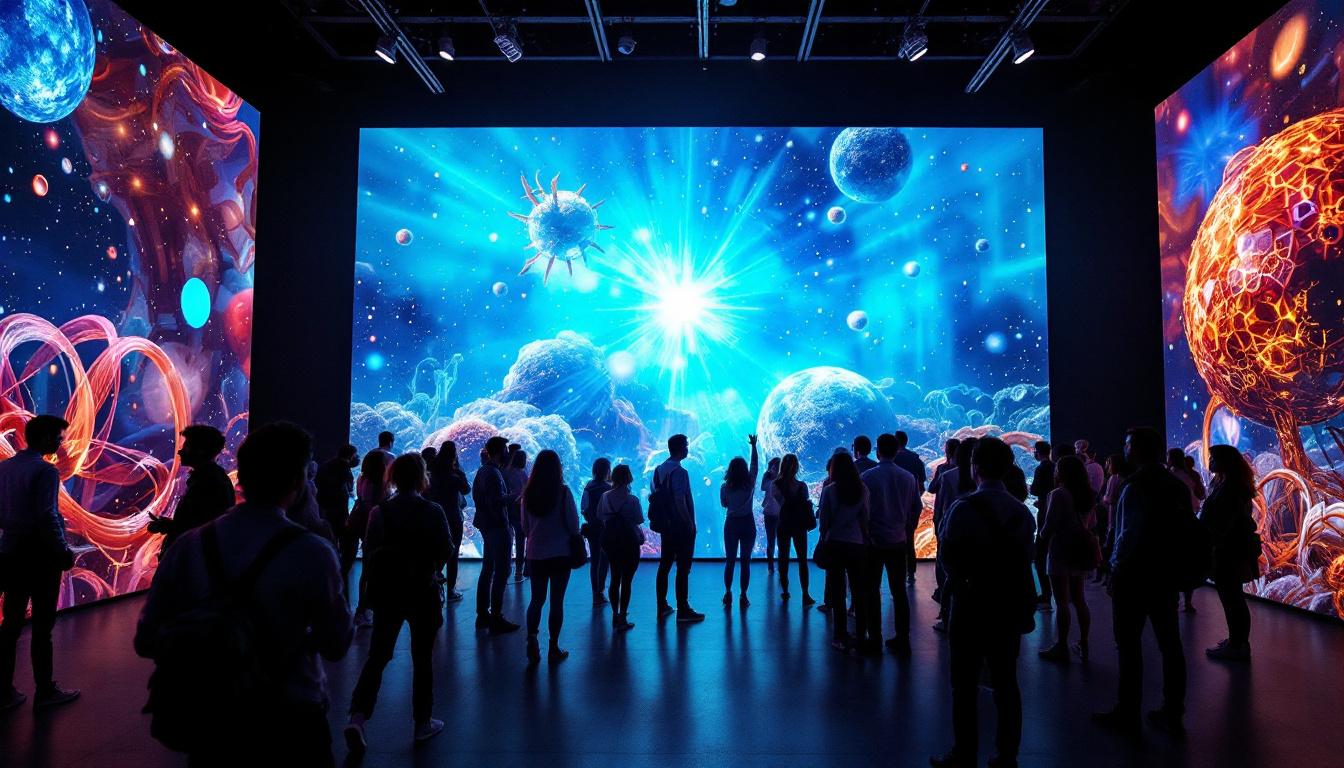
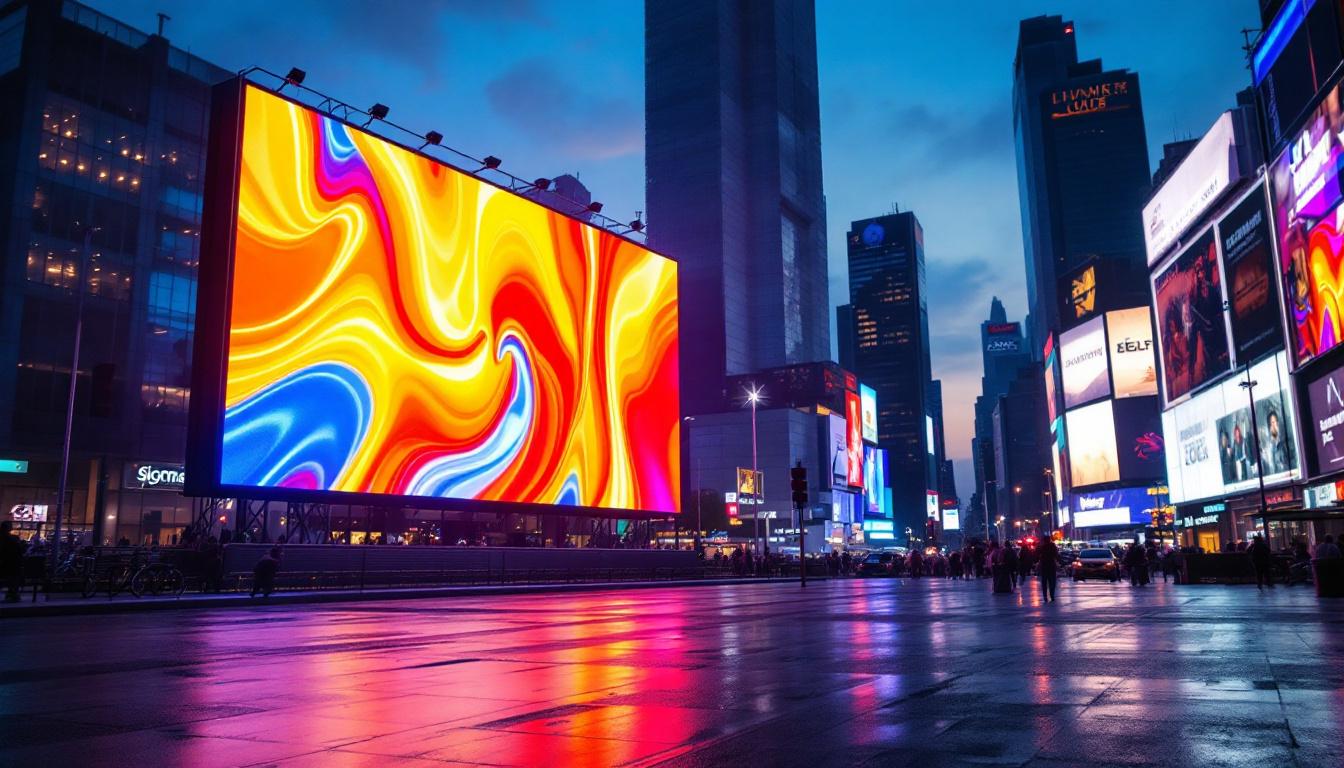
- Direct View LED Panels: These are large-scale modular panels often used in commercial or outdoor environments. They provide vibrant colors and can be assembled in custom sizes.
- LED-Backlit LCD TVs: Common in residential settings, these displays use LED backlighting to improve picture quality.
- MicroLED Displays: An emerging technology that offers even higher brightness and energy efficiency, MicroLEDs are expected to become more prevalent in the coming years.
Motorized mounts are compatible with most LED display types, but the mounting requirements may vary depending on the panel’s size, weight, and design.
Benefits of Using Motorized Mounts with LED Displays
Enhanced Viewing Experience
One of the primary advantages of motorized mounts is the ability to adjust the display’s position effortlessly. This flexibility allows users to optimize viewing angles for different seating arrangements or lighting conditions. For example, tilting the screen downward can reduce glare from overhead lights or windows, enhancing picture clarity.
In commercial settings such as conference rooms or retail stores, motorized mounts enable quick repositioning of displays to accommodate different audience sizes or presentation styles. This adaptability improves engagement and ensures that content is always visible and impactful.
Space Efficiency and Aesthetics
Motorized mounts can help save space by retracting the TV flush against the wall when not in use or hiding it behind cabinetry. This is especially valuable in smaller living rooms or offices where maximizing floor space is important.
Additionally, motorized mounts contribute to a clean, modern look by reducing the need for visible cables and bulky hardware. Many systems include cable management features that keep wires neatly organized and out of sight, maintaining a streamlined appearance.
Convenience and Accessibility
For individuals with mobility challenges, motorized mounts offer significant convenience by eliminating the need to manually adjust heavy or awkwardly positioned displays. Remote control operation makes it easy to change the screen’s position without physical strain.
Furthermore, integration with smart home systems allows users to program presets or automate movements based on time of day or activity, enhancing the overall user experience.
Protection and Security
Motorized mounts that retract or conceal the display can protect expensive LED panels from dust, accidental damage, or theft in commercial environments. This feature is particularly useful in public spaces or multi-use rooms where the display is not always needed.
Choosing the Right Motorized TV Wall Mount for Your LED Display
Weight and Size Capacity
LED displays vary widely in size and weight, so it’s crucial to select a motorized mount that can safely support your specific model. Exceeding the mount’s weight capacity can lead to mechanical failure or damage to the wall, so always check the manufacturer’s specifications.
For example, large direct-view LED panels used in commercial settings can weigh upwards of 100 pounds, requiring heavy-duty mounts with robust motors and reinforced wall anchors.
Range of Motion and Adjustability
Consider how much flexibility you need in positioning the display. If you only want to tilt the screen to reduce glare, a tilting motorized mount may suffice. For more dynamic environments, a full-motion mount that extends, swivels, and tilts will provide greater versatility.
Retractable mounts are ideal if you want to hide the display when not in use, but they tend to be more expensive and require additional installation space.
Installation Requirements
Motorized mounts typically require professional installation to ensure safety and proper operation. The wall or ceiling structure must be able to support the combined weight of the mount and display. Studs, concrete walls, or reinforced mounting points are preferred over drywall alone.
Additionally, consider the availability of power outlets and routing for cables. Some motorized mounts come with integrated cable management systems, but power and signal cables still need to be carefully planned.
Control Options and Integration
Evaluate how you want to control the motorized mount. Basic models come with handheld remotes, while advanced systems offer smartphone apps, voice control via smart assistants, or integration with home automation platforms like Control4 or Crestron.
Choosing a mount with programmable presets can save time by allowing users to switch between preferred viewing angles with a single command.
Installation and Maintenance Tips
Professional Installation Is Recommended
Due to the complexity and weight involved, professional installation is highly recommended for motorized TV wall mounts, especially for large LED displays. Experts can ensure the mount is securely anchored, the motorized components are correctly wired, and the system is calibrated for smooth operation.
Regular Maintenance for Longevity
Motorized mounts require periodic maintenance to ensure reliable performance. This includes checking motor functionality, lubricating moving parts if recommended by the manufacturer, and inspecting mounting hardware for any signs of wear or loosening.
Keeping the display and mount clean from dust and debris also helps prevent mechanical issues. Avoid using harsh chemicals near sensitive components.
Real-World Applications and Examples
Residential Home Theaters
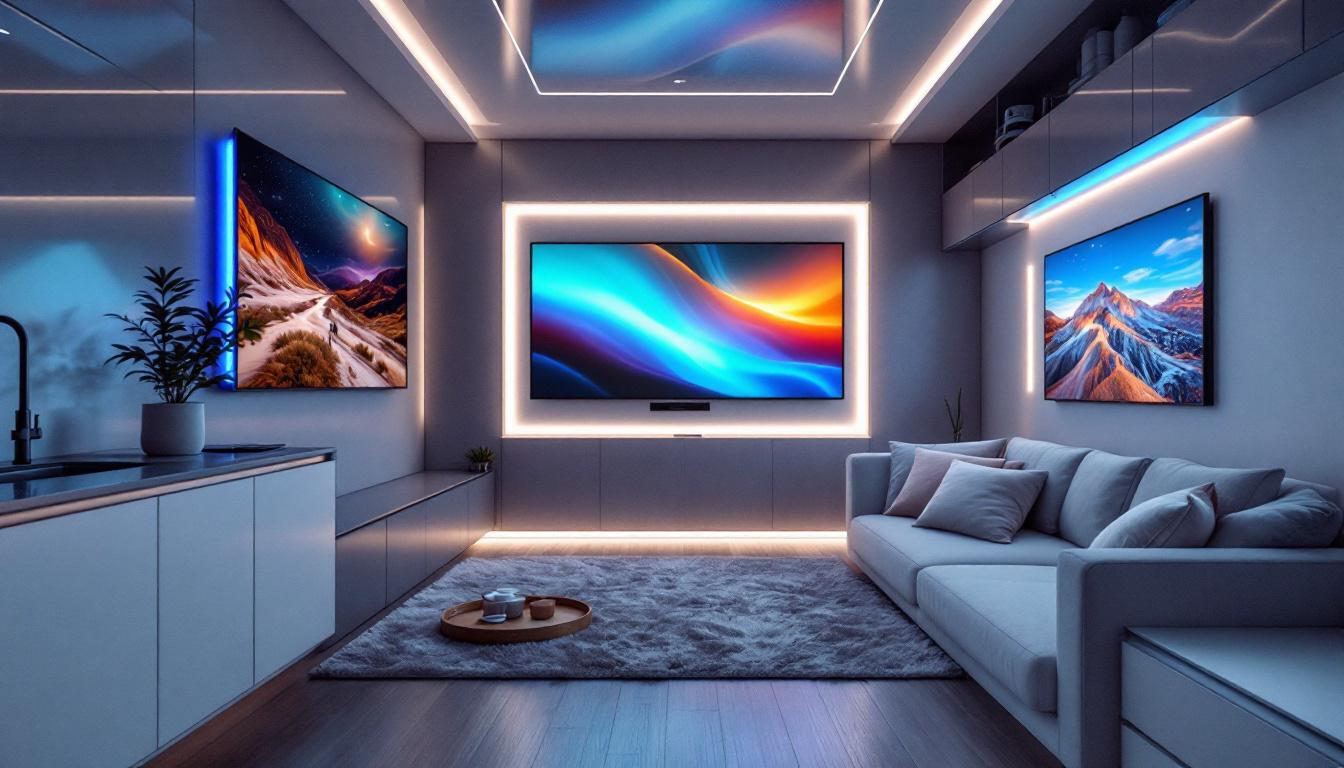
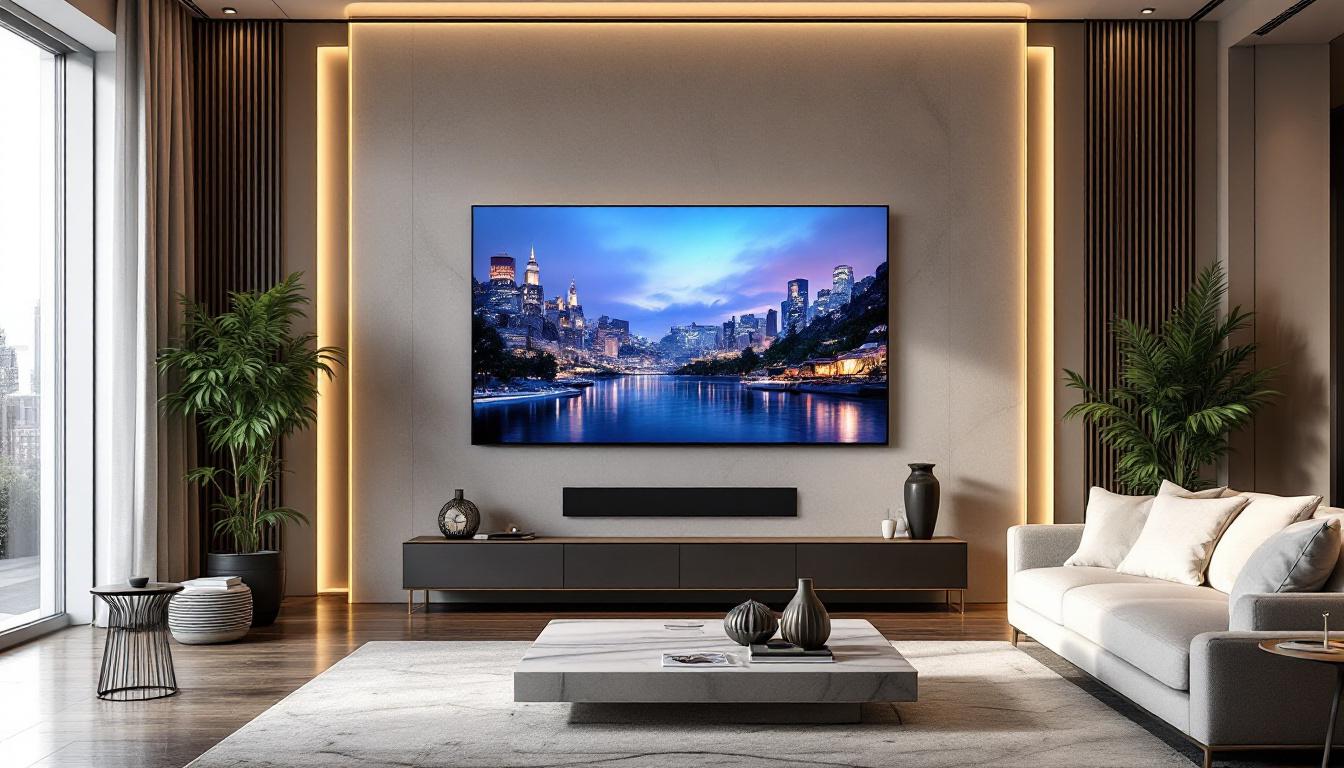
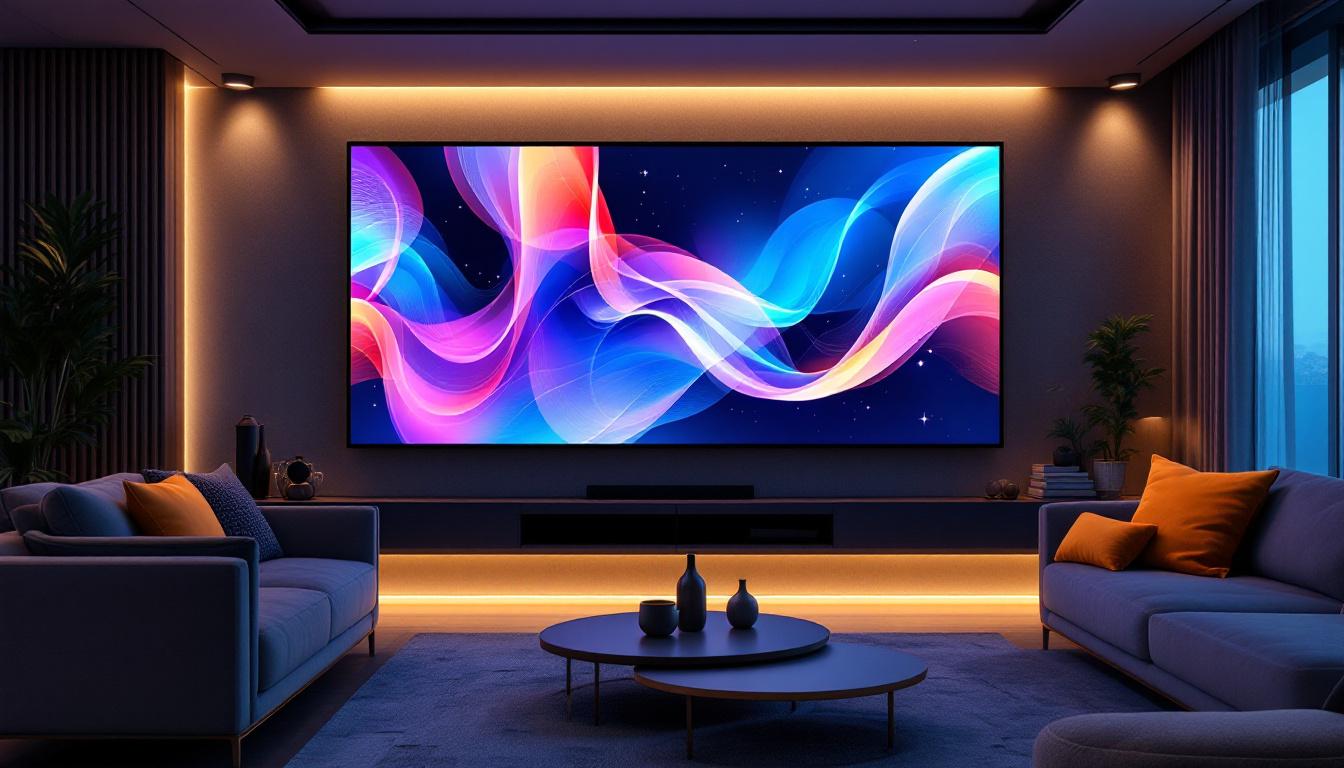
Motorized mounts are increasingly popular in home theaters, where users want to hide the TV when not in use or adjust viewing angles for different seating positions. For example, a living room with multiple seating areas can benefit from a full-motion motorized mount that swivels the LED display to face different parts of the room.
Corporate and Conference Rooms
In corporate environments, motorized mounts facilitate dynamic presentations. A large LED display can be lowered from the ceiling or extended from the wall when needed and retracted afterward, freeing up space and protecting the screen.
Some conference rooms use motorized mounts integrated with control systems to automate the display’s position based on scheduled meetings or user preferences.
Retail and Digital Signage
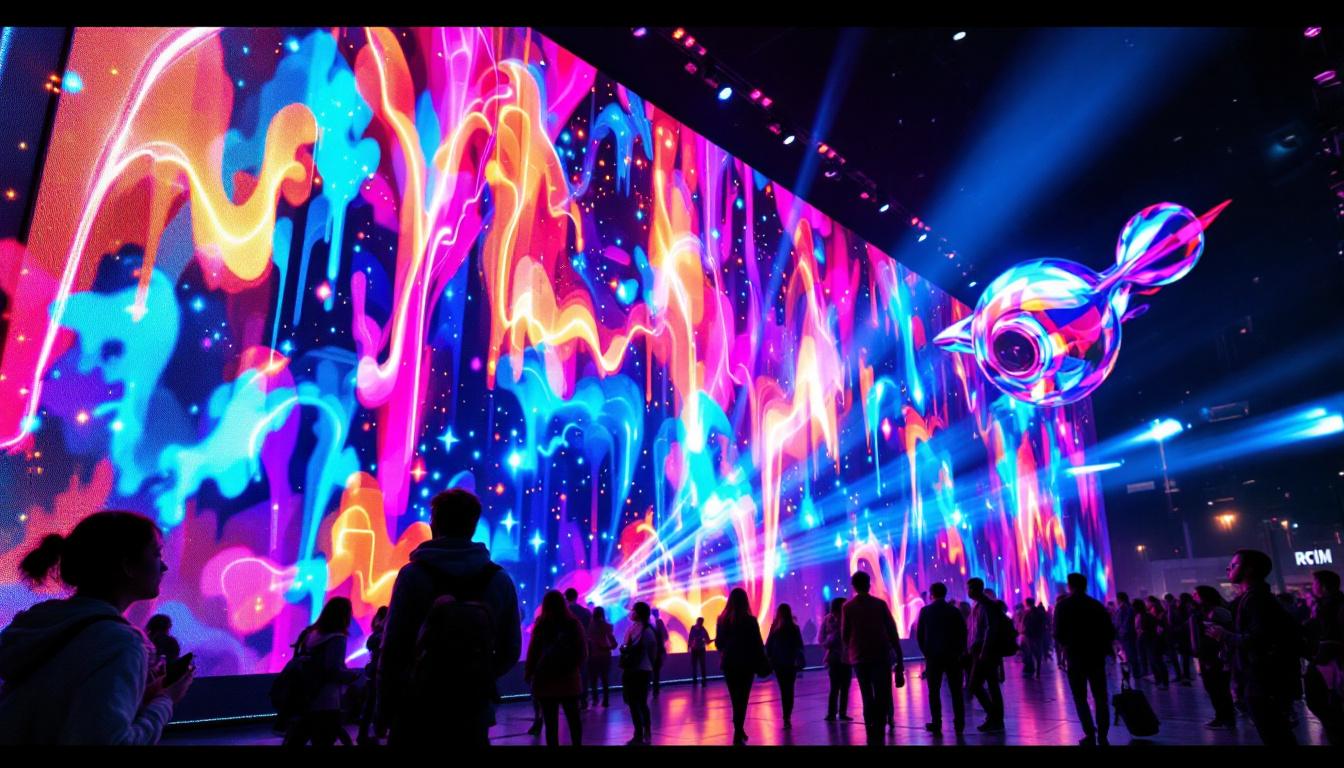
Retail stores and public venues utilize motorized mounts to attract attention and enhance customer engagement. LED displays can be positioned optimally for visibility and then retracted to protect them after hours.
In some cases, motorized mounts allow for quick repositioning of digital signage to accommodate different promotional campaigns or store layouts.
Conclusion
Motorized TV wall mounts represent a sophisticated solution for mounting LED displays, combining convenience, aesthetics, and functionality. Whether for a high-end home theater, a corporate boardroom, or a bustling retail environment, these mounts offer unparalleled flexibility in positioning and protecting valuable displays.
When selecting a motorized mount, it’s essential to consider the size and weight of the LED display, the desired range of motion, installation requirements, and control options. Professional installation and regular maintenance will ensure the system operates smoothly and safely over time.
As LED display technology continues to advance, motorized mounts will play an increasingly important role in maximizing the potential of these vibrant, high-performance screens, creating engaging and adaptable viewing experiences across a wide range of applications.
Discover LumenMatrix’s Advanced LED Display Solutions
Ready to elevate your space with the latest in LED display technology? LumenMatrix offers a comprehensive range of innovative LED display solutions, designed to bring your visual communication to life. From captivating Indoor LED Wall Displays to dynamic Outdoor LED Wall Displays and beyond, our products are crafted to enhance engagement and deliver unforgettable visual experiences. Embrace the future of display technology and check out LumenMatrix LED Display Solutions today to see how we can transform your environment.