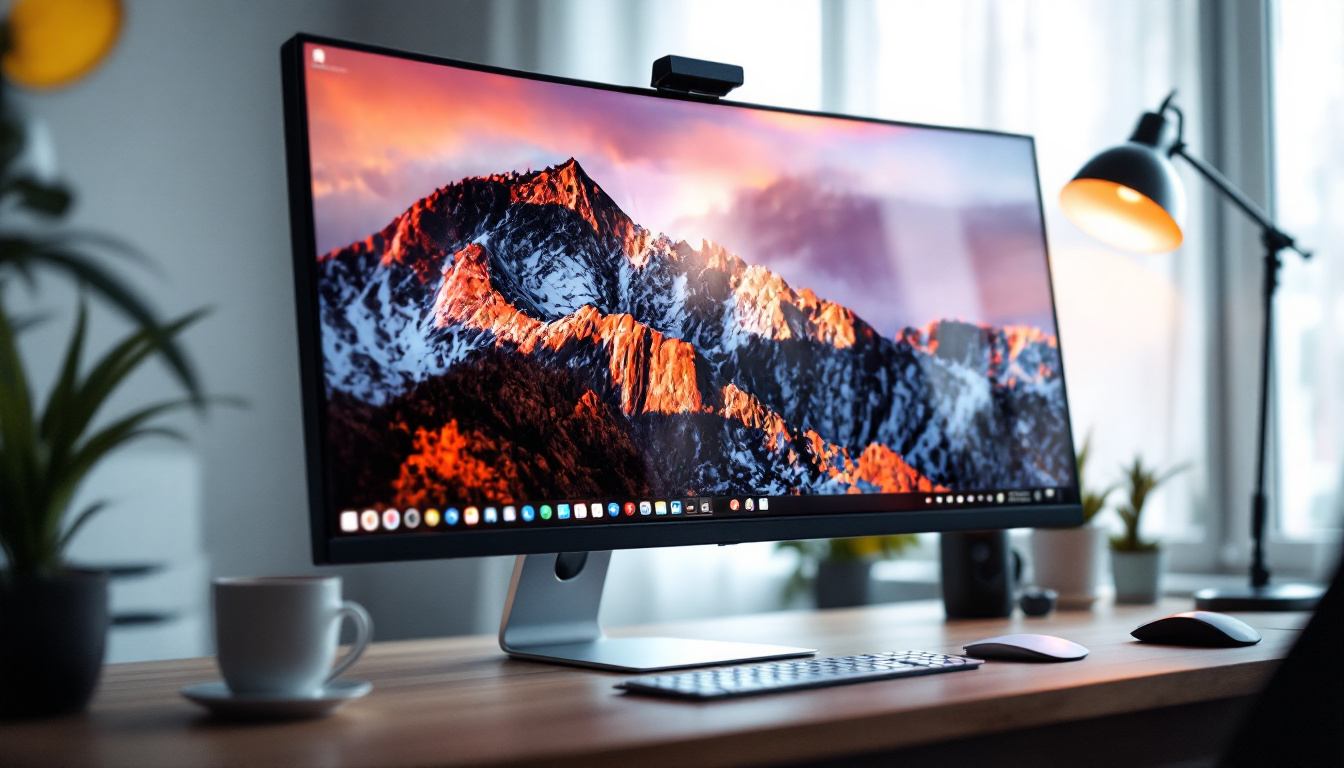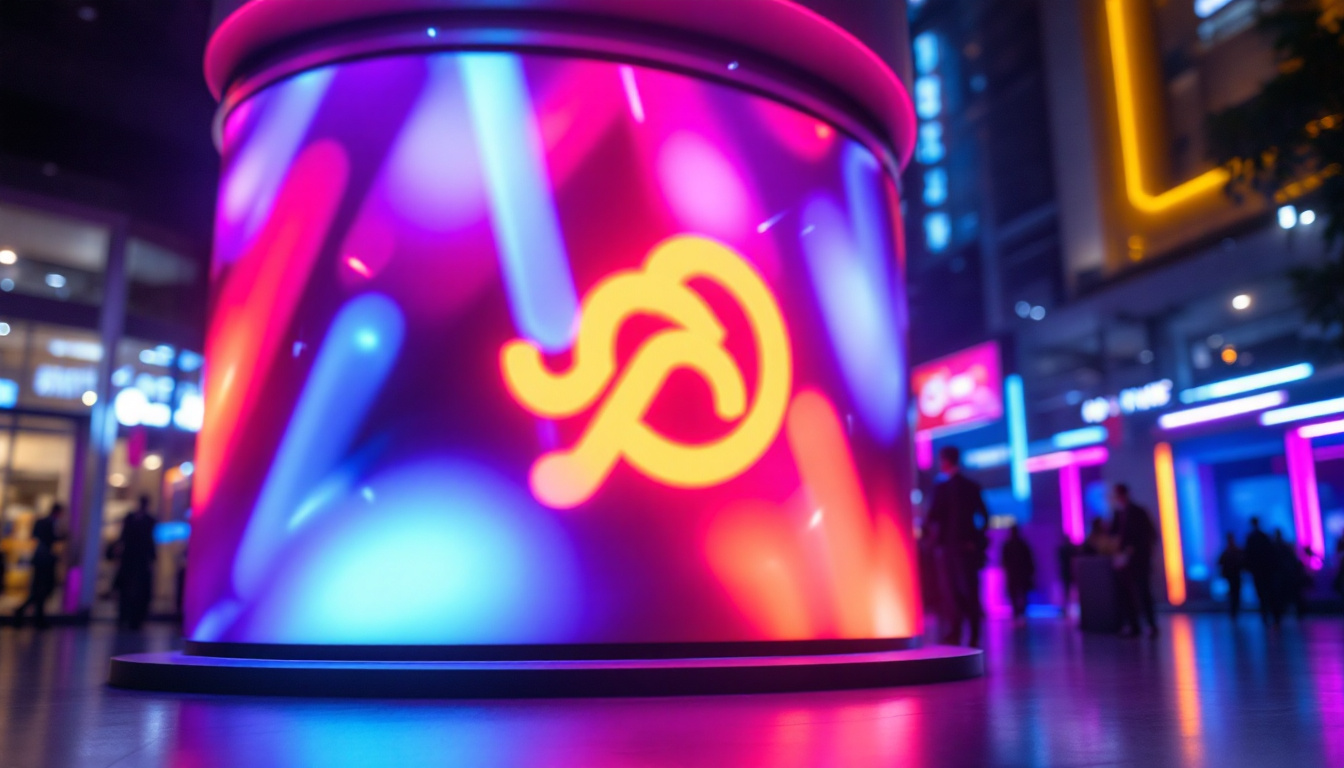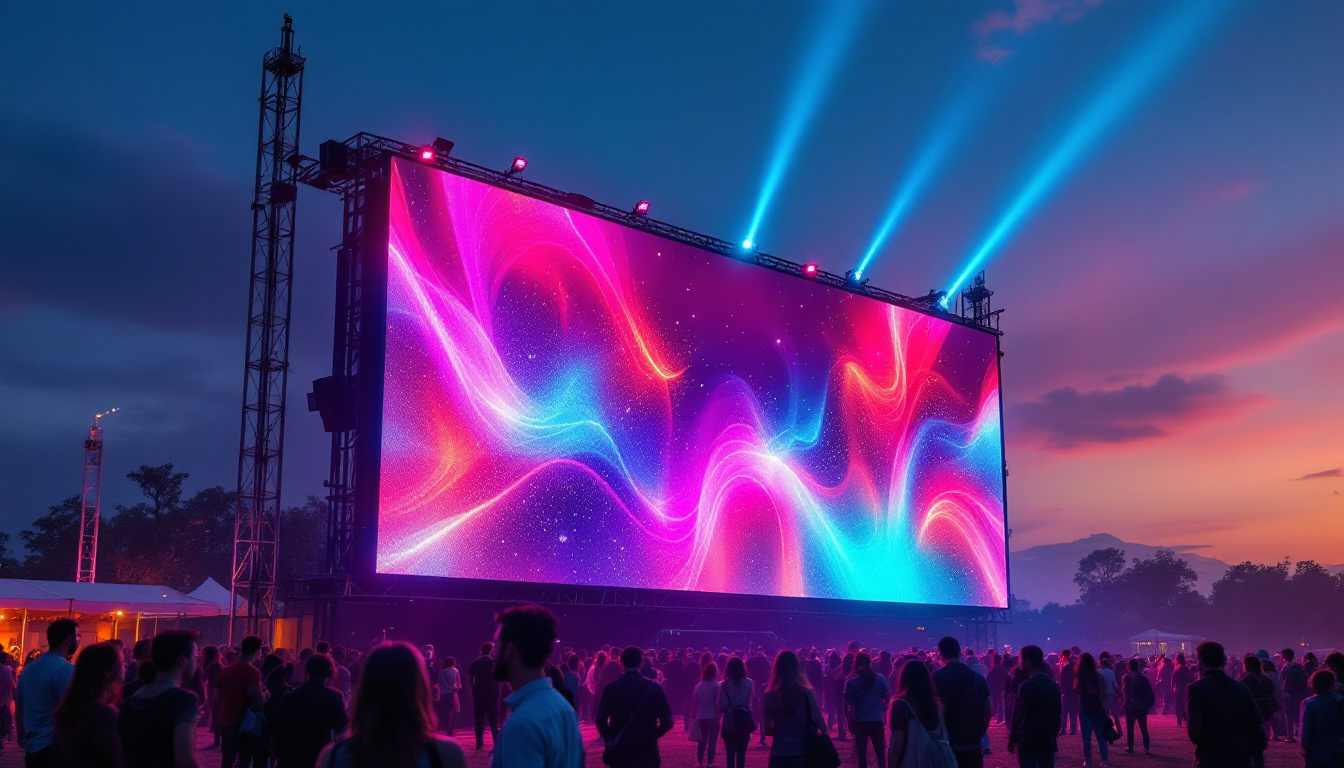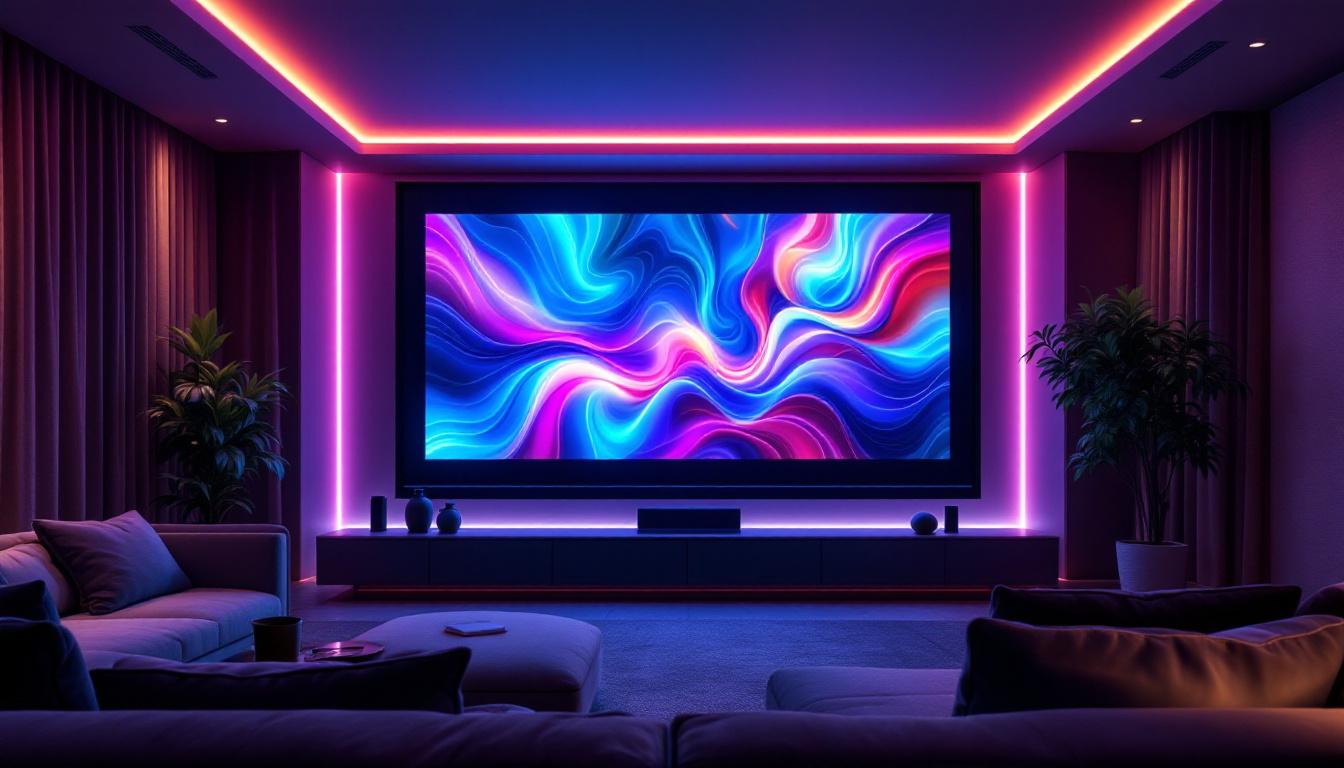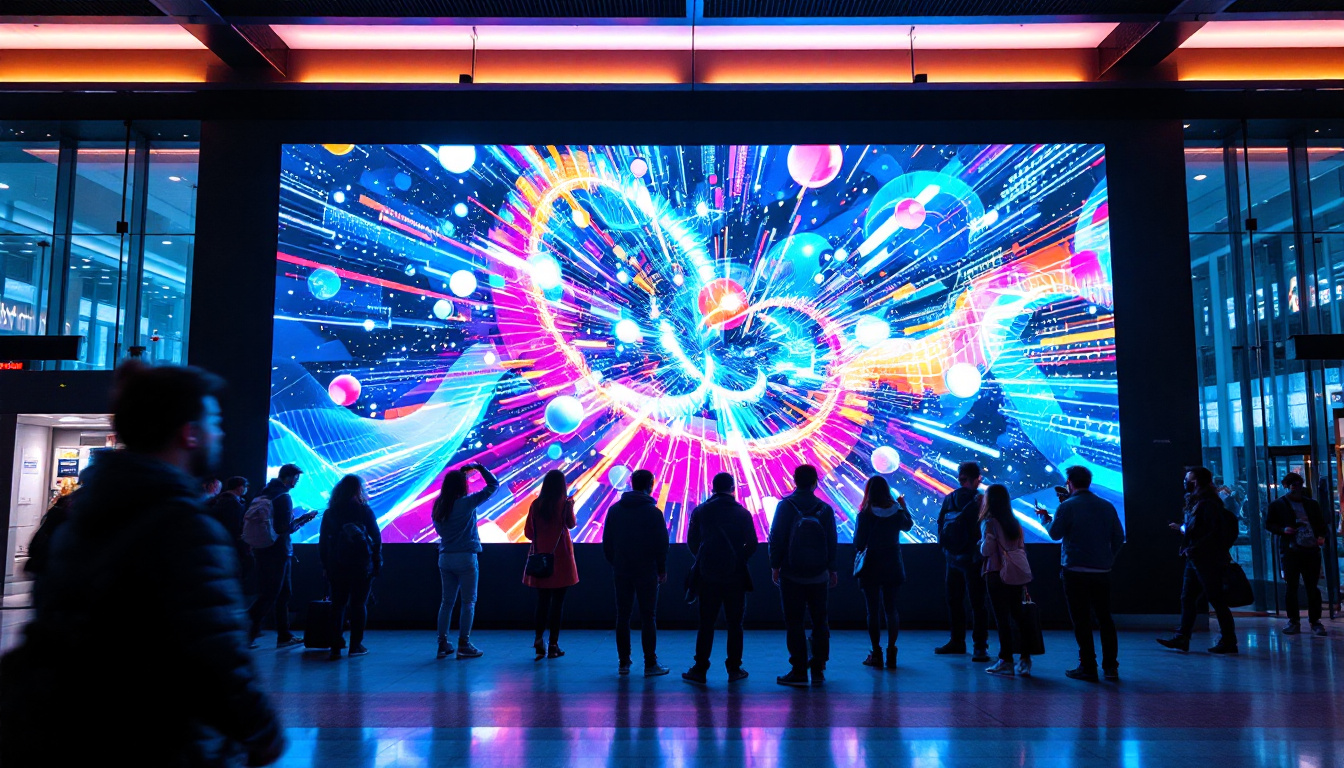
In the dynamic world of digital signage and large-scale displays, LED technology has revolutionized how we experience visual content. From stadiums and concert arenas to urban landmarks and advertising billboards, the largest video screens today rely on advanced LED displays to deliver stunning visuals with unmatched brightness and clarity. This article explores the technology behind these colossal screens, their applications, and the factors that make LED displays the preferred choice for large-format video installations.
Understanding LED Display Technology
What is an LED Display?
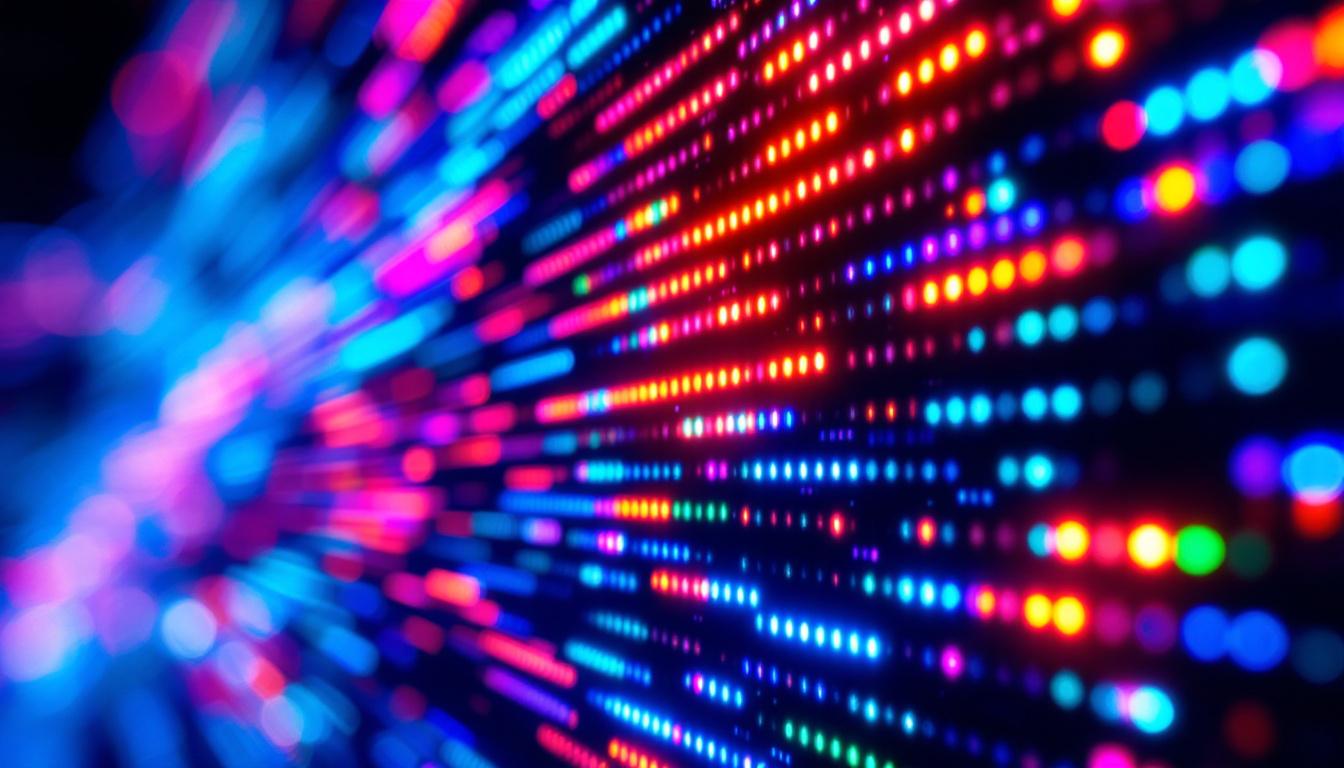
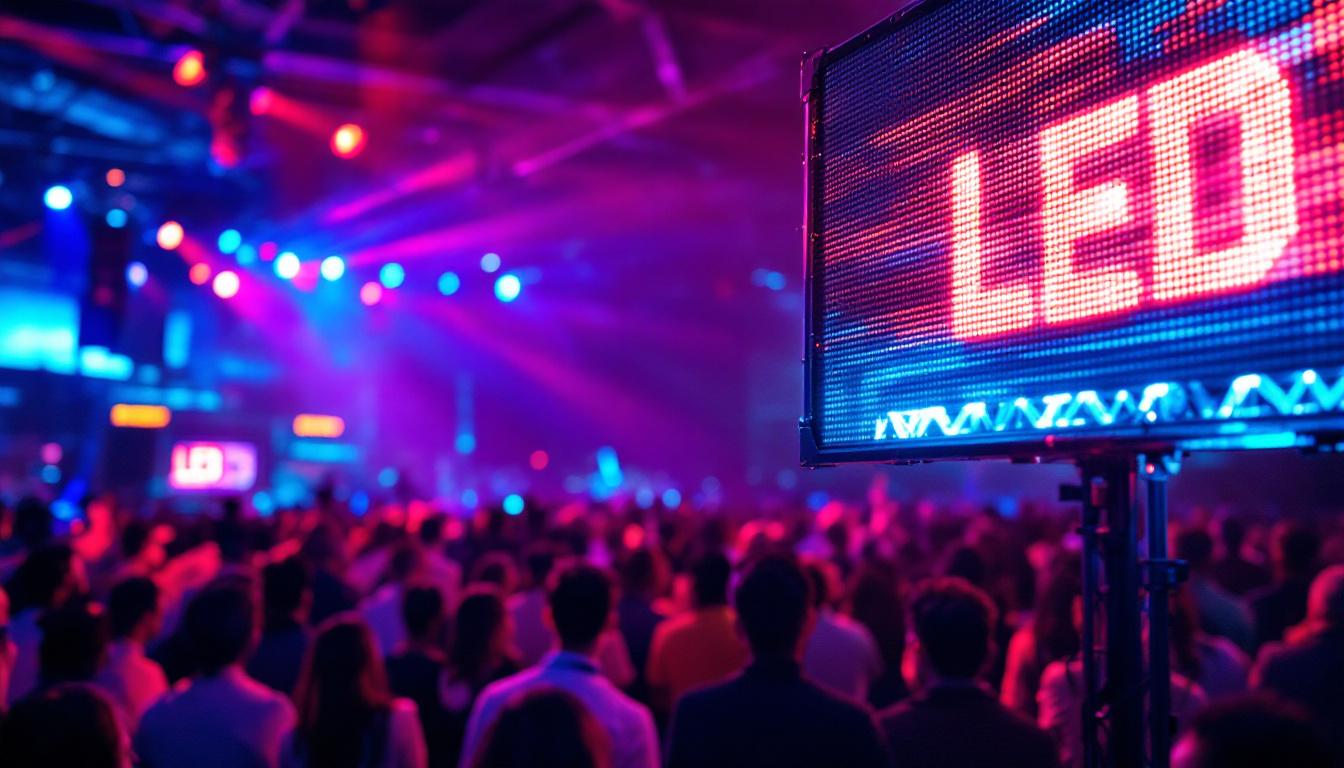
LED stands for Light Emitting Diode, a semiconductor device that emits light when an electric current passes through it. LED displays are composed of thousands, sometimes millions, of these tiny diodes arranged in a grid to form pixels. Each pixel can emit red, green, and blue light, combining to produce a full spectrum of colors and high-resolution images.
Unlike traditional LCD or projection screens, LED displays are self-illuminating, meaning each diode produces its own light. This fundamental difference allows LED screens to achieve higher brightness levels, better contrast ratios, and superior viewing angles, making them ideal for large outdoor and indoor environments. Additionally, the durability of LED technology contributes to its widespread adoption; these displays can withstand harsh weather conditions, making them suitable for outdoor advertising and public displays.
Types of LED Displays for Large Screens
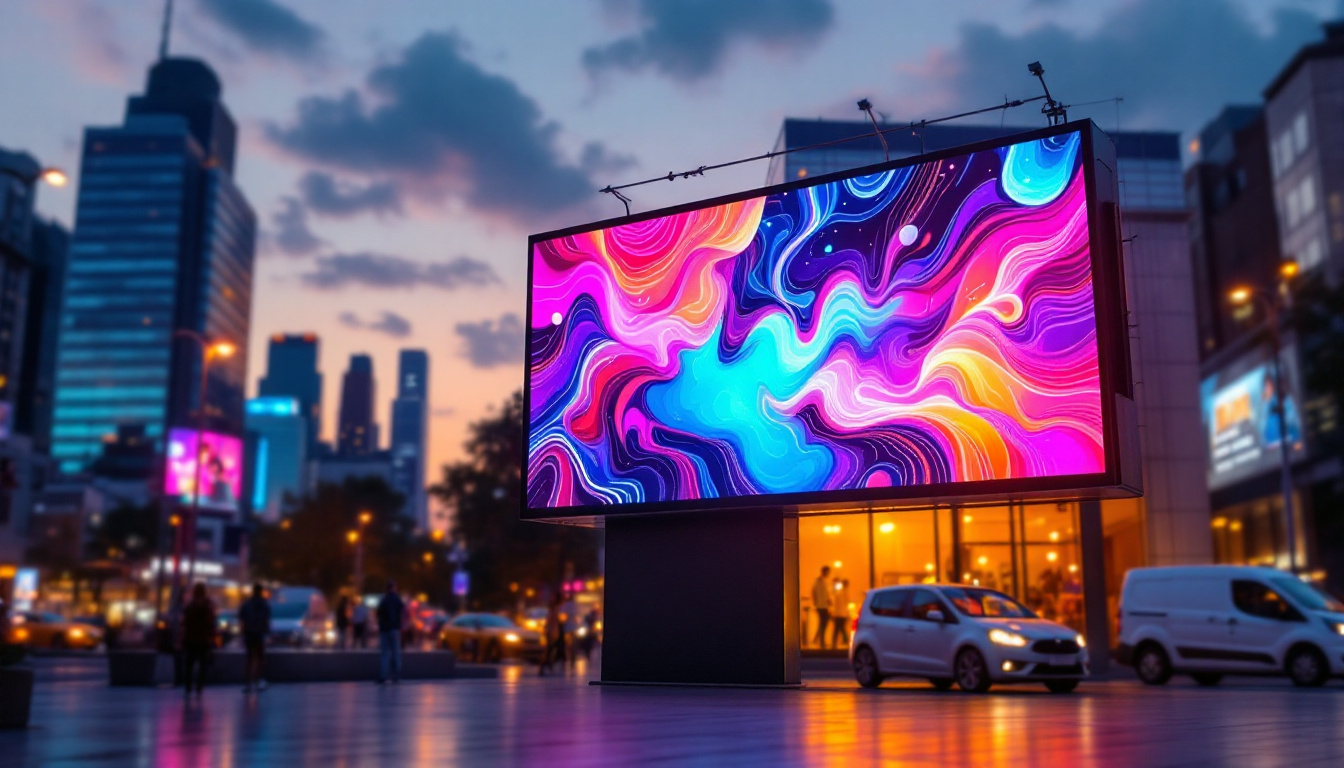
When discussing the largest video screens, two primary types of LED displays come into focus: Direct View LED (DVLED) and LED Video Walls. Direct View LED displays consist of individual LEDs that serve as pixels, offering seamless images without the need for a separate backlight. These are commonly used in massive outdoor screens, such as stadium scoreboards or billboard displays. Their ability to maintain visibility in direct sunlight is a significant advantage, allowing advertisers and event organizers to capture the attention of passersby at any time of day.
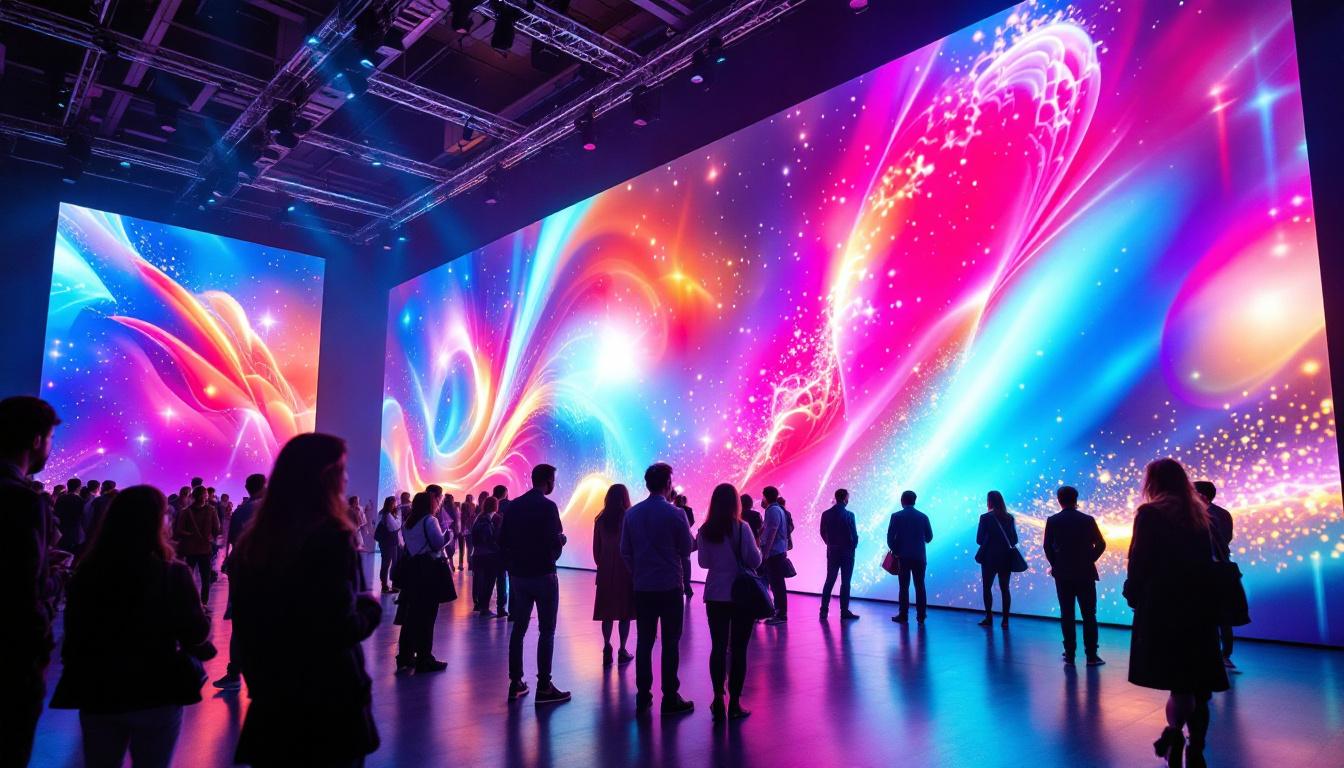
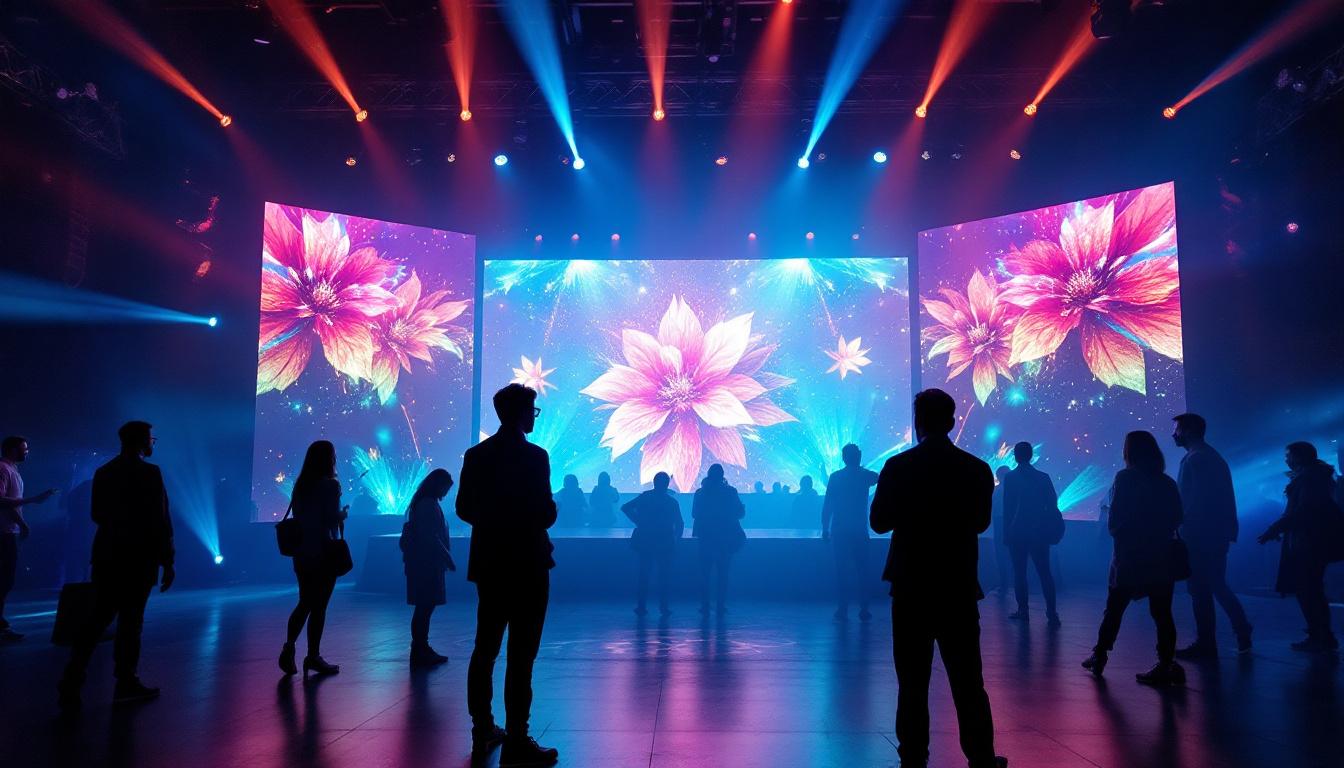
LED video walls, on the other hand, are modular panels that can be tiled together to create a single large screen. These panels are typically used indoors or in controlled environments where ultra-high resolution is required. Advances in pixel pitch—the distance between individual LEDs—have enabled video walls to deliver crisp images even at close viewing distances. Furthermore, the flexibility of LED video walls allows for creative configurations and shapes, enabling businesses to design unique displays that fit their branding and messaging needs. This adaptability has made them a popular choice for events, exhibitions, and retail environments, where immersive visual experiences are essential for engaging audiences.
The Rise of the Largest LED Video Screens
Record-Breaking LED Screens Around the World
The race to build the largest and most impressive LED video screens has led to some remarkable installations globally. One of the most famous examples is the LED screen at the Fremont Street Experience in Las Vegas, which stretches 1,500 feet long and 90 feet wide, covering an area of approximately 130,000 square feet. This canopy-style screen is capable of displaying vibrant, immersive visuals that captivate millions of visitors annually. The Fremont Street Experience not only serves as a visual feast but also hosts live performances, light shows, and various events that make the area a bustling hub of entertainment.
Another notable example is the massive LED screen installed at the AT&T Stadium in Arlington, Texas. Known as the “Jerry World” scoreboard, this display measures 160 feet wide and 72 feet tall, making it one of the largest high-definition video screens in the world. It provides fans with crystal-clear replays, live game footage, and interactive content during events. The scoreboard is so advanced that it can even display multiple feeds simultaneously, allowing fans to catch all the action from different angles, enhancing their overall experience at the stadium.
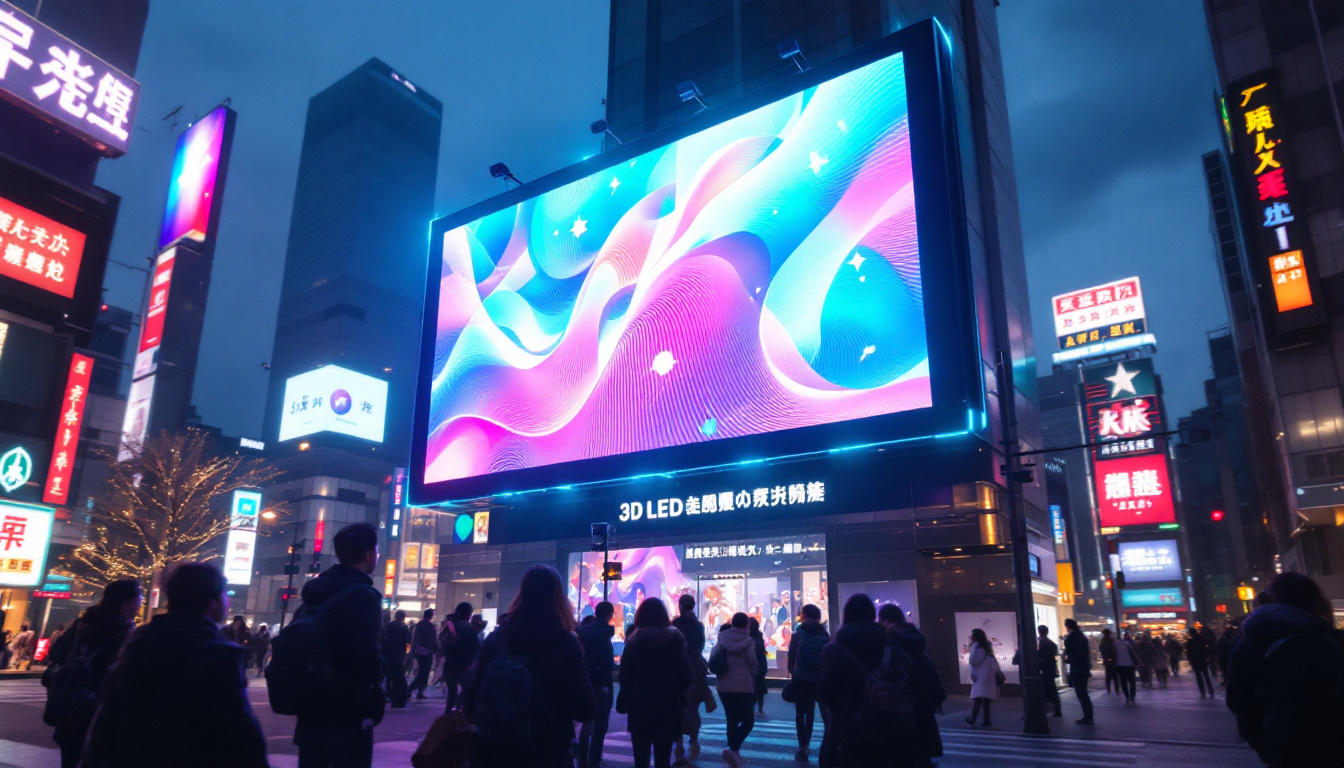
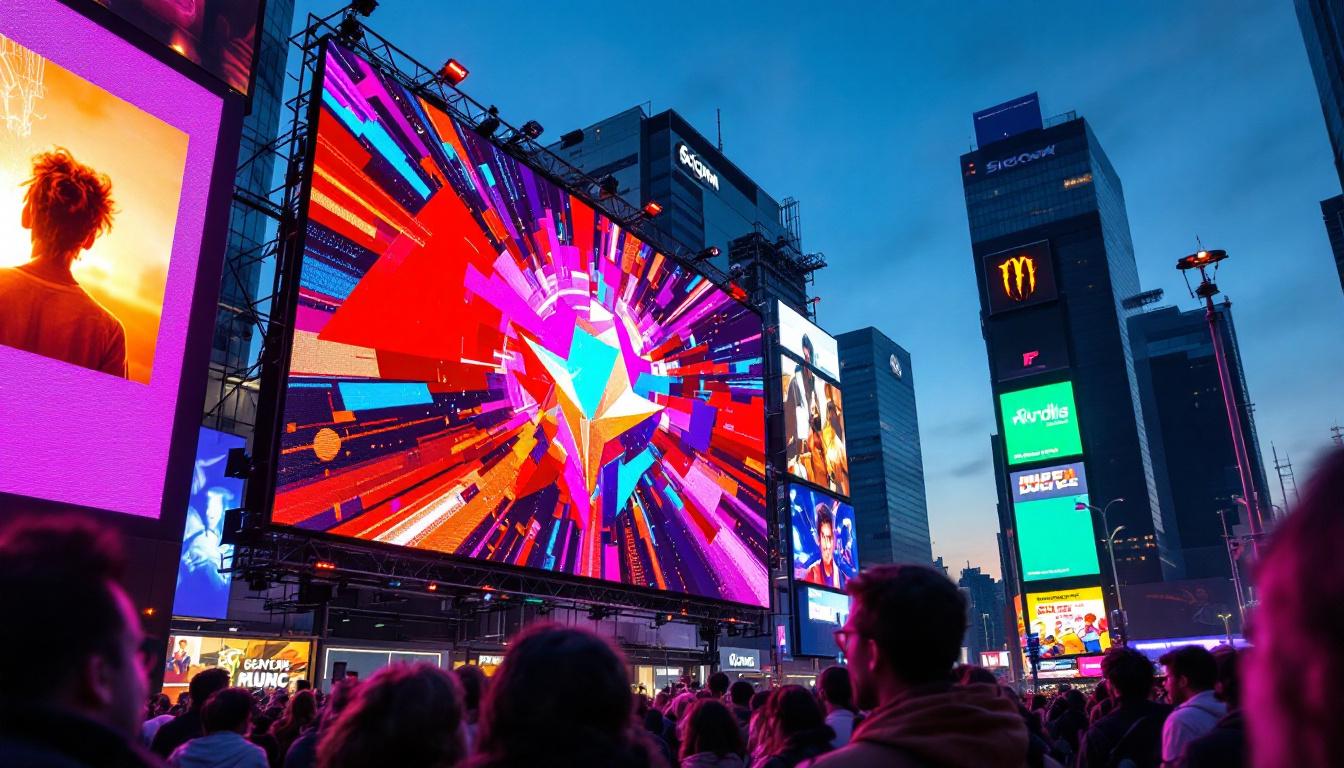
In addition to these iconic installations, cities around the globe are increasingly embracing large LED displays in public spaces. For instance, Times Square in New York City is renowned for its dazzling array of LED billboards that contribute to the area’s vibrant atmosphere. These screens not only promote brands but also serve as platforms for public service announcements and artistic displays, creating a dynamic urban canvas that evolves with the city’s energy.
Why Size Matters in LED Displays
Large LED screens are more than just eye-catching spectacles; they serve critical functional purposes. In sports venues, for instance, the size of the screen ensures that every spectator, regardless of their seat location, can enjoy a clear view of the action. Similarly, in advertising, larger screens enable brands to deliver impactful messages that can be seen from great distances, increasing visibility and engagement. This is particularly important in crowded urban environments where competition for attention is fierce, and brands must leverage every opportunity to stand out.
Moreover, the sheer scale of these displays allows for creative freedom in content presentation. Event organizers and advertisers can use the expansive canvas to showcase high-resolution videos, animations, and interactive elements that enhance the overall experience. The ability to integrate real-time data, such as social media feeds or live polling, further enriches viewer engagement, making the content not only visually stunning but also interactive and relevant. This capability has transformed how brands communicate with their audiences, turning passive viewers into active participants in the experience.
Technical Considerations for Large LED Screens
Pixel Pitch and Resolution
One of the most important technical specifications for LED displays is pixel pitch, which refers to the distance between the centers of two adjacent pixels. A smaller pixel pitch means more pixels per unit area, resulting in higher resolution and sharper images. For large outdoor screens, pixel pitches typically range from 6mm to 20mm, balancing visibility from a distance with cost efficiency.
Indoor LED video walls often feature pixel pitches as small as 1mm to 3mm, enabling ultra-high-definition displays suitable for close viewing. Selecting the appropriate pixel pitch depends on the intended viewing distance and the desired image quality.
Brightness and Contrast
Brightness is a crucial factor for outdoor LED screens, which must compete with sunlight and other ambient light sources. Modern LED displays can achieve brightness levels exceeding 5,000 nits, ensuring clear visibility even in direct sunlight. Contrast ratio—the difference between the darkest and brightest parts of the image—is equally important for delivering vivid and lifelike visuals.
Advanced LED screens incorporate technologies such as local dimming and HDR (High Dynamic Range) to enhance contrast and color accuracy, providing viewers with a more immersive experience.
Durability and Weather Resistance
Given that many of the largest LED screens are installed outdoors, durability is paramount. These displays are engineered to withstand harsh weather conditions, including rain, wind, extreme temperatures, and UV exposure. Protective coatings, sealed enclosures, and robust mounting systems ensure longevity and reliable performance over time.
Maintenance accessibility is also a key design consideration. Modular panels allow technicians to quickly replace or repair sections of the screen without significant downtime, which is essential for venues with frequent events.
Applications of Large LED Video Screens
Sports and Entertainment Venues
Stadiums and arenas have embraced large LED screens to enhance the fan experience. These screens provide instant replays, player statistics, interactive fan engagement, and advertising content. The ability to display dynamic content tailored to the event creates an electrifying atmosphere that keeps audiences engaged.
Concerts and festivals also utilize massive LED screens to ensure that attendees, even those far from the stage, can enjoy close-up views of performers. The flexibility of LED technology allows for creative stage designs and immersive visual effects that complement live performances.
Advertising and Public Spaces
Urban centers around the world feature enormous LED billboards and digital signage that transform cityscapes. Times Square in New York City, for example, is renowned for its vibrant LED displays that light up the area 24/7. These screens offer advertisers a powerful platform to reach diverse audiences with high-impact visuals.
Beyond advertising, large LED screens are used in public spaces to share information, promote cultural events, and even display art installations. Their ability to broadcast real-time content makes them valuable tools for communication and community engagement.
Corporate and Retail Environments
In corporate settings, large LED video walls serve as impressive backdrops for conferences, product launches, and presentations. Retailers use these displays to attract customers and create immersive shopping experiences through dynamic advertising and interactive content.
As LED technology becomes more affordable and versatile, its adoption in business environments continues to grow, offering new opportunities for brand storytelling and customer engagement.
Future Trends in Large LED Displays
MicroLED and MiniLED Technologies
Emerging technologies like MicroLED and MiniLED promise to push the boundaries of LED displays even further. MicroLEDs are significantly smaller than traditional LEDs, allowing for higher pixel densities and improved image quality. This technology is expected to enable ultra-thin, flexible, and even transparent displays suitable for a wide range of applications.
MiniLED technology, which uses smaller LEDs as backlighting for LCD panels, offers enhanced contrast and brightness while reducing power consumption. Both technologies are gaining traction in consumer electronics and large-format displays alike.
Interactive and Immersive Experiences
The future of large LED screens is increasingly interactive. Integrating touch capabilities, augmented reality (AR), and real-time data feeds will transform static displays into engaging platforms that respond to audience input and environmental factors.
Additionally, advances in AI-driven content management systems will allow for personalized and context-aware content delivery, making large LED screens smarter and more effective communication tools.
Sustainability and Energy Efficiency
As environmental concerns grow, the LED display industry is focusing on sustainability. Innovations in energy-efficient LEDs, recyclable materials, and smarter power management systems are reducing the ecological footprint of large video screens.
Manufacturers are also developing solutions to extend the lifespan of LED displays and simplify maintenance, contributing to more sustainable operations over time.
Conclusion
The largest video screens powered by LED technology represent a remarkable fusion of engineering, design, and digital innovation. Their ability to deliver bright, vibrant, and high-resolution content on a monumental scale has transformed entertainment, advertising, and public communication worldwide. Understanding the technology behind these displays, their applications, and emerging trends provides valuable insight into the future of visual media.
As LED technology continues to evolve, the potential for even larger, more immersive, and energy-efficient displays will expand, offering new possibilities for creators, businesses, and audiences alike.
Explore the Future of Visual Displays with LumenMatrix
As you’ve seen, LED technology is reshaping the landscape of digital media, offering unparalleled opportunities for innovation in visual communication. LumenMatrix stands at the forefront of this revolution, providing a diverse range of LED display solutions that bring your content to life. Whether you’re looking to enhance your brand’s presence with an Indoor LED Wall Display, captivate passersby with an Outdoor LED Wall Display, or create a unique experience with Custom LED Displays, LumenMatrix has the expertise to elevate your visual storytelling. Don’t miss the chance to transform your space and engage your audience. Check out LumenMatrix LED Display Solutions today and join the visual revolution.